
TOPIC
Discard Decisions Happen Before Moving Day


An office relocation books movers for a Saturday. On Friday afternoon, the team is still deciding what comes and what does not. Filing cabinets get opened, contents get examined, and half of what should have been discarded three weeks earlier gets boxed and moved because there is no time left to decide.
The material arrives at the new space, occupies square footage, and gets discarded there instead. The move paid to transport it, and the new location pays to remove it.
The cost sits in sequencing. Every item transported that will not be kept was paid for twice, and the decision that would have prevented it had a deadline nobody set.
Movers Price by Volume and Time
Moving cost is driven by how much there is and how long it takes to handle.
Commercial movers typically price on volume, weight, crew hours, or some combination. Every box, cabinet, and piece of furniture adds to at least one of those measures.
The rate applies without regard to whether the item has value. A filing cabinet of records past retention weighs the same as one holding current files, and both are handled, loaded, transported, unloaded, and placed.
Reducing what moves reduces the invoice directly. Doing that reduction before the movers arrive is the only point at which it produces savings.
The Discard Window Comes First
Sequencing a move properly means the discard phase completes before packing begins.
That order matters because packing forces a decision on every item, and a decision made under packing pressure defaults to keeping. Boxing something is faster than evaluating it, and a crew working against a deadline takes the faster option every time.
Discarding first means the packing phase handles only what was already decided to keep. The volume drops, the packing time drops, and no evaluation happens on the critical path.
Container timing has to support this. A container placed the week of the move arrives after the discard decisions have already been resolved by default. Placement two to three weeks ahead gives the window room to function.
Records Have Retention Schedules
Business records are frequently the largest discard category in an office move and the one most likely to be moved unexamined.
Retention requirements vary by record type and jurisdiction. Tax documentation, employment records, contracts, and financial statements each carry defined periods, and the periods differ.
Records past their retention period can be destroyed. Records within it cannot, regardless of how inconvenient they are to move.
The evaluation requires knowing what applies, which means someone has to review the retention schedule before the boxes get taped. Where that review does not happen, everything moves, because nobody wants to be responsible for destroying something that should have been kept.
Documents containing personal or financial information require secure destruction rather than general disposal, which is a separate service from a container. Mixing them into general debris creates a compliance problem that the container invoice does not reflect.
Furniture Disposal Has Multiple Paths
Office furniture at end of life has several disposal routes, and they price differently.
Functional furniture in reasonable condition can go to liquidation, resale, or donation. Liquidators may pay for volume in good condition or remove it at no cost. Donation to nonprofit organizations may generate a deduction and typically includes pickup.
Furniture that is damaged, obsolete, or in a style with no resale market goes to disposal. Desks, cubicle systems, and shelving are bulky, filling container volume quickly at moderate weight.
The sorting decision has to happen before disposal, since furniture placed in a container is no longer available for the other paths. Operators handling moving dumpster rental in Denver and comparable markets often see containers filled with material that had resale value, discarded because the sorting step was skipped for speed.
Electronics Are Restricted
Computers, monitors, printers, and networking equipment are subject to disposal restrictions in many jurisdictions and cannot be placed in general waste containers.
Electronic waste requires recycling through certified handlers. This is both a regulatory matter and a data matter, since storage devices retain information unless properly wiped or destroyed.
Certified electronics recyclers provide documentation of destruction, which is what satisfies data handling obligations. Placing a hard drive in a general container satisfies nothing and creates exposure.
An office move typically generates enough electronic waste to warrant a separate pickup, scheduled independently of the container.
Appliances and Fixtures Carry Their Own Rules
Break room appliances, water coolers, and HVAC-adjacent equipment containing refrigerants require handling before disposal.
Refrigerant recovery is regulated and must be performed by a certified technician. Appliances arriving at disposal facilities with refrigerant intact are refused.
Fixtures removed during a decommission, including light ballasts and certain older components, may contain regulated materials with their own disposal requirements.
These items are individually small in number and individually capable of causing a rejected load.
Lease Terms Define the Endpoint
Commercial leases typically specify the condition in which space must be returned, and the standard varies considerably.
Broom-clean means the space is empty and swept. Some leases require restoration to original condition, which involves removing tenant improvements: partitions, cabling, signage, and modifications made during occupancy.
Restoration generates substantially more debris than a cleanout, and it generates construction debris rather than general waste, which affects container sizing and disposal category.
The lease language determines the scope of work. Reading it before planning removal is what separates a cleanout from a demolition, and the difference is not small.
What the Timeline Requires
Working backward from the move date, the sequence has a shape.
Retention review and disposal decisions three to four weeks out. Container placement and discard execution two to three weeks out. Electronics and appliance pickups scheduled separately in the same window. Furniture liquidation or donation coordinated before the discard phase, since it removes volume from it.
Packing begins after discard completes. The movers handle what remains.
Compressed into the final week, the same tasks produce a truck carrying material to a new location where it will be discarded again.


Family relationships involve people with different personalities, emotions, roles, and expectations. Even when family members love each other deeply, conflicts and misunderstandings can make life difficult. Parents may struggle to agree on house rules, kids may find it hard to express themselves, and relatives may have different ideas about their family responsibilities.
When issues go unresolved, they can affect family communication and create tension. Some family members may become unwilling to talk, while others feel frustrated or ignored. This kind of situation doesn’t mean relationships can’t improve, but they need more work on communication.
In family therapy, family members can talk through their concerns with a qualified therapist who understands family dynamics and the challenges families commonly face.
What Is Family Therapy?
Family therapy is a type of counseling that helps resolve issues within a family. It focuses on how family members communicate, respond to one another, and manage problems together.
Family therapy isn’t limited to people who live in the same household. The counseling process can include an identified client and other individuals in the family or support network. This may include parents, siblings, aunts, uncles, cousins, and any caregiver.
To decide who should be involved, the therapist considers the family’s situation and the current issues. The goal is to help everyone see things from different perspectives and work toward resolving the problem.
What Family Problems Can Be Addressed Through Therapy?
Every family has their own challenges that can be explored in therapy. Concerns that can be discussed during sessions include:
Family Disputes
Constant arguments and misunderstandings can make the home environment uncomfortable. Therapy helps family members address these issues and find more productive ways to cope with problems.
Parent–Child Relationships
Different expectations, communication styles, and behaviors can shape how parents and children relate to each other. Counseling can help clarify each person’s needs and concerns.
Establishing Boundaries
Disagreements over house rules, privacy, personal freedom, and responsibility can create tension. Therapy sessions can help define healthy, realistic boundaries.
Divorce/Separation
Changes in family structure and divorce can affect both children and adults. Counseling provides space to talk through these transitions.
Grieving a Loss
Loss of a family member can affect everyone differently. A therapist can help the family talk about their loss and better understand each other’s grief and sadness.
Family Transitions
Moving, remarriage, changes in caregiving arrangements, and other major shifts often require adjustment for the whole family. Therapy helps family members adjust to these changes without getting overwhelmed.
Work and School
Difficulties at school or work can influence the family system. Therapy allows family members to understand each other’s struggles and perspectives and helps them create a supportive family environment.
How Family Therapy Can Benefit Family Relationships
Family therapy can help family members see how their actions, words, and attitudes affect one another. Instead of viewing each problem as belonging to only one person, counseling looks at how the family’s interaction patterns contribute to the issue.
Some possible benefits include:
Better Communication
Family members can practice sharing their thoughts, listening to one another, and discussing problems without becoming defensive right away.
Healthier Boundaries
Counseling can support families in setting realistic boundaries around privacy, responsibilities, personal space, and house rules.
Problem-Solving Skills
Families can explore different options for handling conflicts and making decisions together.
More Awareness
Talking through different viewpoints can help family members understand why certain situations feel frustrating or emotionally upsetting.
Healthier Family Dynamics
Working through unresolved issues can support more positive interaction patterns and make daily routines easier to manage.
The results depend on the specific situation, the family’s level of commitment, and its needs. Family therapy is a collaborative effort between the family and the therapist.
What to Know About Family Therapy in North Chesterfield, Virginia
It’s not always easy to resolve issues within a family, especially when everyone has their own needs and expectations. Problems in communication, disagreements about parenting styles, grief, and major life transitions can affect the whole family.
Family counseling is available through in-person sessions as well as teletherapy in North Chesterfield, Virginia. The available session format depends on therapist licensure, specialty, and scheduling availability.
If your family is experiencing ongoing disagreements or difficulty adjusting to life changes, contact MySpectrum Counseling & Coaching to learn more about available family therapy options.
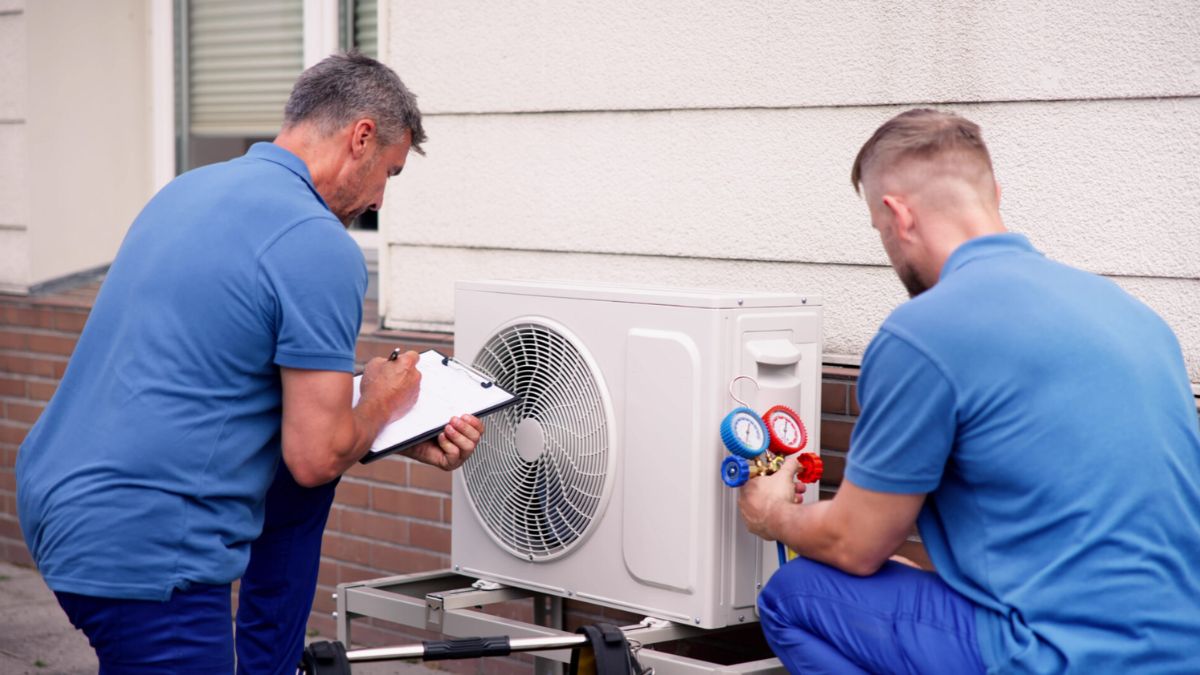
It is tough for a heat pump to function effectively in the cold climate of Nova Scotia; therefore, maintenance becomes essential as part of the preparation for winter. This can be seen by the fact that any heating problem that arises in the harsh winter weather will pose a great challenge for both homeowners and renters.
A well-maintained system would enable homeowners to spot problems easily, even before winter sets in. There are several companies providing maintenance services; thus, comparing the services can help you choose one appropriate for your heat pump.
Why Heat Pump Maintenance Matters Before Winter
It is usually reasonable to have heat pump maintenance done during early fall. Arranging heat pump maintenance at this point allows a technician to examine the appliance before it is subjected to subzero weather and the demand for heat increases.
Heat pump maintenance can be as extensive as coil cleaning, inspection of airflow, checking condensate drainage, examination of the outdoor unit, and operating system testing. In certain cases, a refrigerant pressure check and other system components can be evaluated as well, depending on the type of equipment.
Also, heat pump maintenance is helpful to spot smaller problems that could develop into serious winter issues. Airflow restrictions, clogged coils, drainage problems, or strange behavior of the system can be easier to notice when the heat pump is working on a regular basis.
Top Heat Pump Maintenance Service Companies in Nova Scotia
The following providers offer heat pump maintenance, cleaning, diagnostics, or related services for homeowners preparing their systems for winter.
1. Mada Construction
Mada Construction is a company that can be used as a source of information regarding heat pump maintenance services in Nova Scotia. In the process of comparing companies that offer maintenance services, one needs to take into account the types of services provided and their compatibility with the specifications of the existing heat pump.
This may be a good point of comparison and will provide much more accurate information than selecting a company based on a certain characteristic only.
2. Nova Heat Pumps
Nova Heat Pumps provides tune-ups, troubleshooting, and repairs of heat pumps in addition to heating and cooling. The regions that fall under the purview of Nova Heat Pumps are Halifax, Truro, Middleton, and Greenwood.
Nova Heat Pumps works in cooperation with various manufacturers in relation to heat pumps, including Daikin, Mitsubishi, Fujitsu, LG, and Panasonic. This broad range of experience might prove useful for those whose heat pump system needs special consideration.
Thanks to the variety of services that are provided by Nova Heat Pumps, customers can solve all kinds of maintenance issues.
3. Presidential Ventilation Systems Ltd.
Presidential Ventilation Systems Ltd. provides central heat pump maintenance, coil cleaning, and airflow checks in Lower Sackville and surrounding areas.
Coil cleaning is particularly relevant to seasonal maintenance because dirt and buildup can affect airflow and heat transfer. Airflow checks can also help identify restrictions that may affect how consistently a heat pump operates during colder weather.
The company is also mentioned positively in local community discussions about seasonal heat pump cleaning. Such discussions can provide useful homeowner perspectives, although they are best considered alongside service details and other available information.
4. Greenfoot Energy Pump Experts
Greenfoot Energy Pump Experts provides heat pump services in Nova Scotia, including seasonal service plans and inverter adjustments. Its New Glasgow location serves homeowners in Pictou County and surrounding areas.
Seasonal service can be useful for preparing equipment for changing weather conditions. Inverter adjustments and routine checks may help ensure the system is operating appropriately as heating requirements increase.
When comparing providers, homeowners should ask what is included in a service appointment. A detailed maintenance visit can provide more value than a basic inspection that covers only a few visible components.
What Should Winter Heat Pump Maintenance Include?
An ideal service visit would also consider the parts that play an integral role in the functioning of the heat pump. For instance, it would be important to inspect the exterior unit for the presence of debris like leaves and dirt that might hinder the smooth flow of air.
The technician could inspect the airflow and condensate drain line for possible issues. Based on the system, the pressure of the refrigerant, among other operational issues, would have to be inspected too.
The last step of checking the system after servicing is another good way to maintain the heat pump.
Simple Maintenance Steps for Homeowners
Servicing by professionals is vital, although there are some basic things that one can do during the seasons. One needs to ensure that the exterior unit is free from any leaves and other forms of debris. In addition, it is equally vital not to have things placed close to the unit.
It is equally vital to recognize the differences in the operation of the heat pump. These include unusual noises, less airflow, inability to provide adequate heating, cycling, and increased energy consumption.
When homeowners want to conduct some heat pump maintenance in Nova Scotia, these basic steps will help in identifying what kind of servicing may be needed.

Get the Heat Pump Ready Before Temperatures Drop
Winter maintenance is ultimately about being prepared. Through cleaning, inspection, and testing, problems can be spotted before they occur when the heating system is under the most stress.
The provider that suits one’s needs is dependent upon the kind of equipment one has, maintenance requirements, location, and service required. A close analysis of what the companies offer helps in comparison.
Mada Construction, along with providers such as Nova Heat Pumps, Presidential Ventilation Systems Ltd., and Greenfoot Energy Pump Experts, gives homeowners options to consider when planning seasonal heat pump care. Comparing the services included, equipment experience, and maintenance requirements can help homeowners make a practical choice for winter readiness in Nova Scotia.
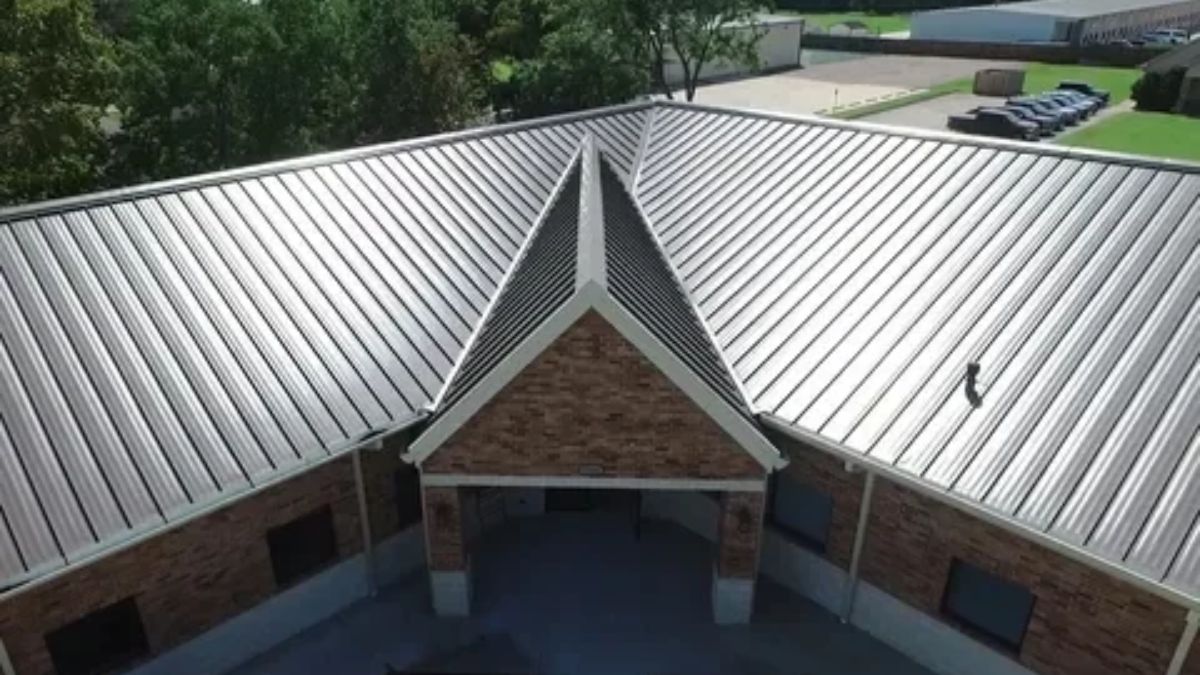
Putting in a new metal roof is a big decision that will affect the longevity, energy efficiency, and maintenance of the roof on the property. Although the metal roof is known for having one of the longest lives of any roof material, there comes a time when the only thing to do is replace the roof. Property owners need to know about the decisions they have to make before embarking on this process.
1. Decide Whether a Tear-Off or Overlay Is the Better Option
The first one relates to assessing whether the existing roof will have to be stripped or simply overlaid with the metal roof. Although the latter method decreases the overall cost associated with the work done, it may not be the best long-term solution.
As far as metal roof installation in Denver, CO, is concerned, many property owners realize that a tear-off of their roofs will offer them several benefits. Stripping the old roof enables the contractor to evaluate the roof deck for moisture damage, wood rot, or any other problems and to install improved moisture barriers and insulation.
Looking Beyond the Surface
Once the quality of the roof deck has been confirmed, attention must be given to how the new roof system can be protected against moisture and temperature exposure.
2. Choose the Right Underlayment and Moisture Protection
Metal roofs are designed to adjust to varying temperature changes, and therefore, having the right underlayment is crucial in the replacement process.
High-temperature synthetic underlayment forms a great moisture barrier underneath metal roofs while preventing any water penetration. In some cases, ventilation mats are also suggested as they promote air circulation underneath the roofing while creating a drainage system for condensation.
Without appropriate moisture protection, condensation will eventually damage the roof deck, allow mold formation, and decrease the longevity of both the roofing and the roofing system. The use of quality underlayment means that you are taking care of the whole roofing system and not just its surface.
Building a Reliable Roofing System
Even the best materials won’t work correctly without proper installation, and the choice of contractor is equally important.
3. Work with a Contractor Who Specializes in Metal Roofing
Metal roofing requires installation methods that differ entirely from the methods used in the installation of asphalt shingles or any other roof.
There is a careful installation process for standing seam panels, hidden fasteners, flashings, and expansion clips. Otherwise, leaks, decreased wind resistance, and an accelerated roof life expectancy may occur.
The contractor installing the metal roof needs to prove their expertise with the particular type of metal roof.
Looking at their past projects and having them certified by the manufacturer is part of the solution for minimizing risks of problems caused during installation.
Having a workmanship warranty for five to fifteen years, along with a material warranty from the manufacturer, is helpful too.
Planning for Long-Term Performance
A properly installed roof should continue performing through changing temperatures without placing unnecessary stress on the roofing panels.
4. Understand Expansion and Contraction Before Installation
Fasteners, clips, and panel joints need to provide freedom of movement while preventing additional stress on the roof system. In case of improper installation or installation of fasteners that are too tight, fastener holes tend to expand gradually, causing the eventual penetration of moisture into the roof structure.
Durability is an issue that interests many homeowners planning to replace their roofs made of metal in Denver, CO, and correct allowance for thermal expansion is one of the main elements ensuring the longevity of the roof.
Completing the Final Evaluation
There are many more considerations that should be taken into account while making your choice of a new roof.

5. Consider Noise, Appearance, and Future Maintenance
Contemporary metal roofs are usually quieter than most would imagine. With adequate sheathing, insulation, and underlayment, rainfall is usually about as noisy as that of any other conventional roof material.
The aesthetic of the roof needs to be considered as well. Standing seam roofs give a modern aesthetic, while fastened roofs are a cost-effective alternative. A proper choice of profile will assist in improving the aesthetic value of the home.
In case the house is under the jurisdiction of any homeowner’s association, it is important to make sure that the rules and regulations of that association are followed before embarking on the roofing process.
Investing in a Roof That Performs for Decades
Metal roofs should never be considered as merely replacing panels. All considerations, from taking off the current roof down to the choice of underlayment, installation method, and roofing profile, play a role in making the system durable over the years. This kind of careful planning will ensure that there will be fewer problems to fix in the future and that the value of the property is protected.
As compared to manufacturers and installers like McElroy Metal and Drexel Metals, Elite Construction is an example of those companies that provide both high-quality materials and experience when it comes to installing roofing systems.
In order to create reliable roofs, one should consider all the key aspects mentioned above before starting the project.
-

 NEWS1 year ago
Historical Churches in Manila
-

 TOPIC4 months ago
Unveiling AvTub: Your Ultimate Guide to the Best AV Content
-

 TOPIC1 year ago
Simbang Gabi and Kakanin
-

 BUSINESS6 months ago
Exploring the Different Types of Понуде in Business Transactions
-

 TOPIC1 year ago
Symbols of Hope: The 15th Belenismo sa Tarlac
-

 NEWS5 months ago
What Caused Delta Flight DL275 to Diverted LAX? A Detailed Breakdown
-

 TOPIC1 year ago
RIZAL at 160: a Filipino Feat in Britain
-

 TOPIC3 months ago
Understanding Fascisterne: Origins and Ideological Roots