
TOPIC
What You Should Know Before Replacing Your Metal Roof

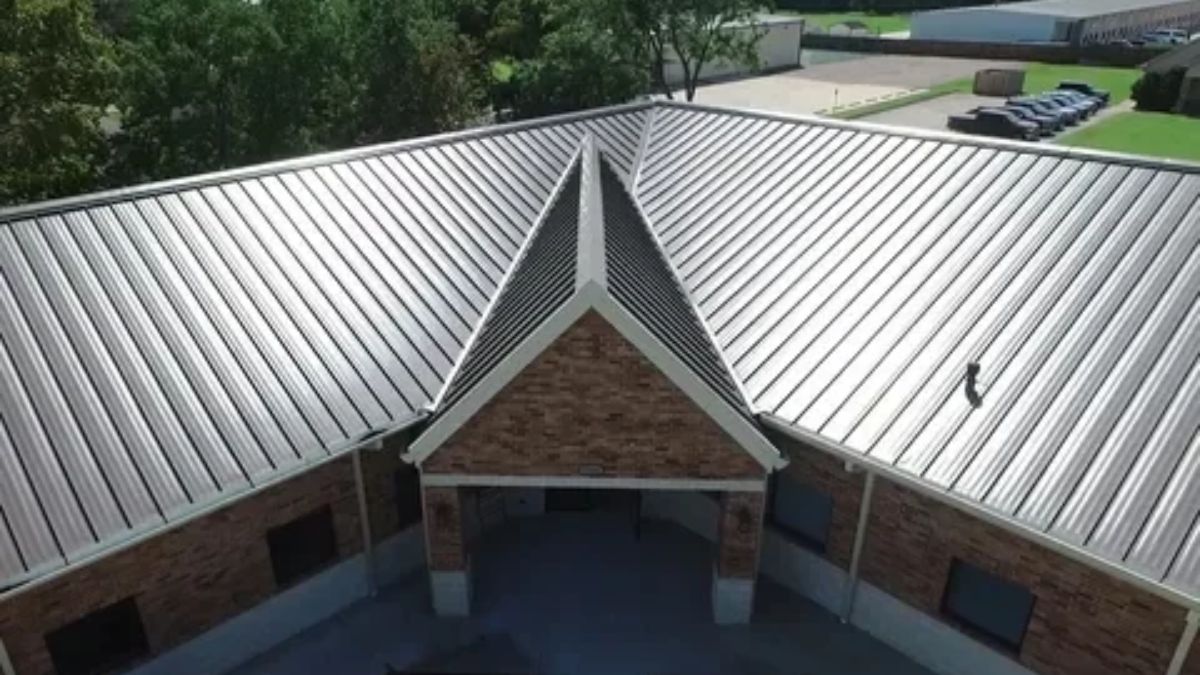
Putting in a new metal roof is a big decision that will affect the longevity, energy efficiency, and maintenance of the roof on the property. Although the metal roof is known for having one of the longest lives of any roof material, there comes a time when the only thing to do is replace the roof. Property owners need to know about the decisions they have to make before embarking on this process.
1. Decide Whether a Tear-Off or Overlay Is the Better Option
The first one relates to assessing whether the existing roof will have to be stripped or simply overlaid with the metal roof. Although the latter method decreases the overall cost associated with the work done, it may not be the best long-term solution.
As far as metal roof installation in Denver, CO, is concerned, many property owners realize that a tear-off of their roofs will offer them several benefits. Stripping the old roof enables the contractor to evaluate the roof deck for moisture damage, wood rot, or any other problems and to install improved moisture barriers and insulation.
Looking Beyond the Surface
Once the quality of the roof deck has been confirmed, attention must be given to how the new roof system can be protected against moisture and temperature exposure.
2. Choose the Right Underlayment and Moisture Protection
Metal roofs are designed to adjust to varying temperature changes, and therefore, having the right underlayment is crucial in the replacement process.
High-temperature synthetic underlayment forms a great moisture barrier underneath metal roofs while preventing any water penetration. In some cases, ventilation mats are also suggested as they promote air circulation underneath the roofing while creating a drainage system for condensation.
Without appropriate moisture protection, condensation will eventually damage the roof deck, allow mold formation, and decrease the longevity of both the roofing and the roofing system. The use of quality underlayment means that you are taking care of the whole roofing system and not just its surface.
Building a Reliable Roofing System
Even the best materials won’t work correctly without proper installation, and the choice of contractor is equally important.
3. Work with a Contractor Who Specializes in Metal Roofing
Metal roofing requires installation methods that differ entirely from the methods used in the installation of asphalt shingles or any other roof.
There is a careful installation process for standing seam panels, hidden fasteners, flashings, and expansion clips. Otherwise, leaks, decreased wind resistance, and an accelerated roof life expectancy may occur.
The contractor installing the metal roof needs to prove their expertise with the particular type of metal roof.
Looking at their past projects and having them certified by the manufacturer is part of the solution for minimizing risks of problems caused during installation.
Having a workmanship warranty for five to fifteen years, along with a material warranty from the manufacturer, is helpful too.
Planning for Long-Term Performance
A properly installed roof should continue performing through changing temperatures without placing unnecessary stress on the roofing panels.
4. Understand Expansion and Contraction Before Installation
Fasteners, clips, and panel joints need to provide freedom of movement while preventing additional stress on the roof system. In case of improper installation or installation of fasteners that are too tight, fastener holes tend to expand gradually, causing the eventual penetration of moisture into the roof structure.
Durability is an issue that interests many homeowners planning to replace their roofs made of metal in Denver, CO, and correct allowance for thermal expansion is one of the main elements ensuring the longevity of the roof.
Completing the Final Evaluation
There are many more considerations that should be taken into account while making your choice of a new roof.

5. Consider Noise, Appearance, and Future Maintenance
Contemporary metal roofs are usually quieter than most would imagine. With adequate sheathing, insulation, and underlayment, rainfall is usually about as noisy as that of any other conventional roof material.
The aesthetic of the roof needs to be considered as well. Standing seam roofs give a modern aesthetic, while fastened roofs are a cost-effective alternative. A proper choice of profile will assist in improving the aesthetic value of the home.
In case the house is under the jurisdiction of any homeowner’s association, it is important to make sure that the rules and regulations of that association are followed before embarking on the roofing process.
Investing in a Roof That Performs for Decades
Metal roofs should never be considered as merely replacing panels. All considerations, from taking off the current roof down to the choice of underlayment, installation method, and roofing profile, play a role in making the system durable over the years. This kind of careful planning will ensure that there will be fewer problems to fix in the future and that the value of the property is protected.
As compared to manufacturers and installers like McElroy Metal and Drexel Metals, Elite Construction is an example of those companies that provide both high-quality materials and experience when it comes to installing roofing systems.
In order to create reliable roofs, one should consider all the key aspects mentioned above before starting the project.
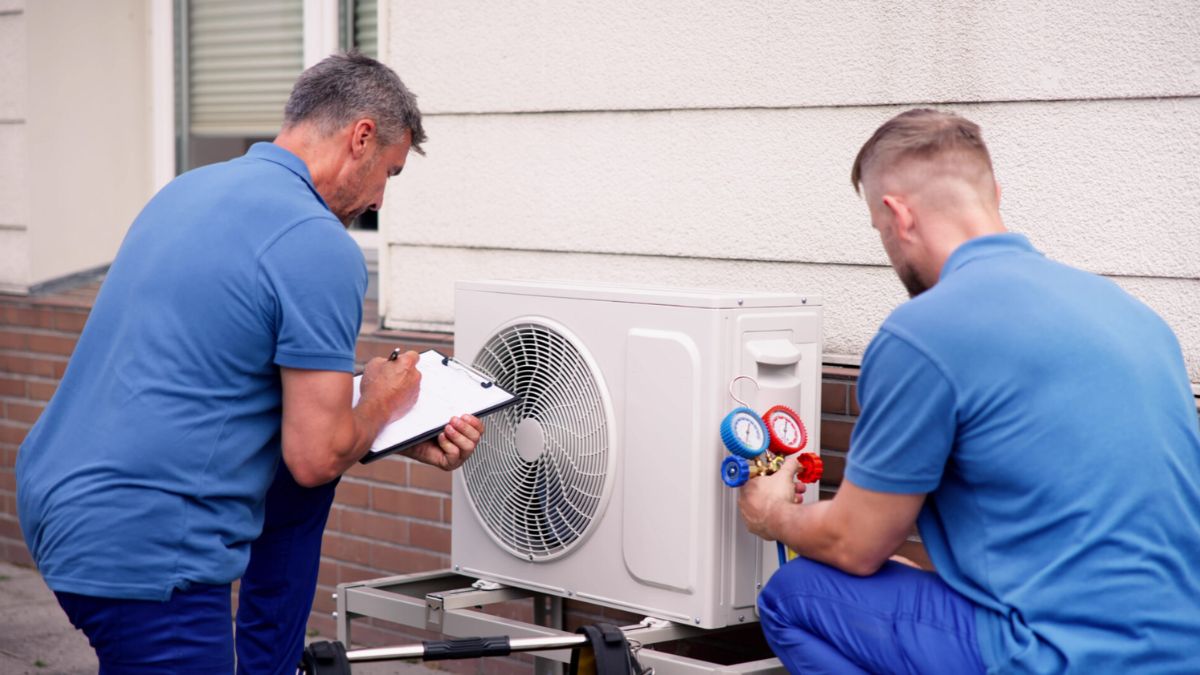
It is tough for a heat pump to function effectively in the cold climate of Nova Scotia; therefore, maintenance becomes essential as part of the preparation for winter. This can be seen by the fact that any heating problem that arises in the harsh winter weather will pose a great challenge for both homeowners and renters.
A well-maintained system would enable homeowners to spot problems easily, even before winter sets in. There are several companies providing maintenance services; thus, comparing the services can help you choose one appropriate for your heat pump.
Why Heat Pump Maintenance Matters Before Winter
It is usually reasonable to have heat pump maintenance done during early fall. Arranging heat pump maintenance at this point allows a technician to examine the appliance before it is subjected to subzero weather and the demand for heat increases.
Heat pump maintenance can be as extensive as coil cleaning, inspection of airflow, checking condensate drainage, examination of the outdoor unit, and operating system testing. In certain cases, a refrigerant pressure check and other system components can be evaluated as well, depending on the type of equipment.
Also, heat pump maintenance is helpful to spot smaller problems that could develop into serious winter issues. Airflow restrictions, clogged coils, drainage problems, or strange behavior of the system can be easier to notice when the heat pump is working on a regular basis.
Top Heat Pump Maintenance Service Companies in Nova Scotia
The following providers offer heat pump maintenance, cleaning, diagnostics, or related services for homeowners preparing their systems for winter.
1. Mada Construction
Mada Construction is a company that can be used as a source of information regarding heat pump maintenance services in Nova Scotia. In the process of comparing companies that offer maintenance services, one needs to take into account the types of services provided and their compatibility with the specifications of the existing heat pump.
This may be a good point of comparison and will provide much more accurate information than selecting a company based on a certain characteristic only.
2. Nova Heat Pumps
Nova Heat Pumps provides tune-ups, troubleshooting, and repairs of heat pumps in addition to heating and cooling. The regions that fall under the purview of Nova Heat Pumps are Halifax, Truro, Middleton, and Greenwood.
Nova Heat Pumps works in cooperation with various manufacturers in relation to heat pumps, including Daikin, Mitsubishi, Fujitsu, LG, and Panasonic. This broad range of experience might prove useful for those whose heat pump system needs special consideration.
Thanks to the variety of services that are provided by Nova Heat Pumps, customers can solve all kinds of maintenance issues.
3. Presidential Ventilation Systems Ltd.
Presidential Ventilation Systems Ltd. provides central heat pump maintenance, coil cleaning, and airflow checks in Lower Sackville and surrounding areas.
Coil cleaning is particularly relevant to seasonal maintenance because dirt and buildup can affect airflow and heat transfer. Airflow checks can also help identify restrictions that may affect how consistently a heat pump operates during colder weather.
The company is also mentioned positively in local community discussions about seasonal heat pump cleaning. Such discussions can provide useful homeowner perspectives, although they are best considered alongside service details and other available information.
4. Greenfoot Energy Pump Experts
Greenfoot Energy Pump Experts provides heat pump services in Nova Scotia, including seasonal service plans and inverter adjustments. Its New Glasgow location serves homeowners in Pictou County and surrounding areas.
Seasonal service can be useful for preparing equipment for changing weather conditions. Inverter adjustments and routine checks may help ensure the system is operating appropriately as heating requirements increase.
When comparing providers, homeowners should ask what is included in a service appointment. A detailed maintenance visit can provide more value than a basic inspection that covers only a few visible components.
What Should Winter Heat Pump Maintenance Include?
An ideal service visit would also consider the parts that play an integral role in the functioning of the heat pump. For instance, it would be important to inspect the exterior unit for the presence of debris like leaves and dirt that might hinder the smooth flow of air.
The technician could inspect the airflow and condensate drain line for possible issues. Based on the system, the pressure of the refrigerant, among other operational issues, would have to be inspected too.
The last step of checking the system after servicing is another good way to maintain the heat pump.
Simple Maintenance Steps for Homeowners
Servicing by professionals is vital, although there are some basic things that one can do during the seasons. One needs to ensure that the exterior unit is free from any leaves and other forms of debris. In addition, it is equally vital not to have things placed close to the unit.
It is equally vital to recognize the differences in the operation of the heat pump. These include unusual noises, less airflow, inability to provide adequate heating, cycling, and increased energy consumption.
When homeowners want to conduct some heat pump maintenance in Nova Scotia, these basic steps will help in identifying what kind of servicing may be needed.

Get the Heat Pump Ready Before Temperatures Drop
Winter maintenance is ultimately about being prepared. Through cleaning, inspection, and testing, problems can be spotted before they occur when the heating system is under the most stress.
The provider that suits one’s needs is dependent upon the kind of equipment one has, maintenance requirements, location, and service required. A close analysis of what the companies offer helps in comparison.
Mada Construction, along with providers such as Nova Heat Pumps, Presidential Ventilation Systems Ltd., and Greenfoot Energy Pump Experts, gives homeowners options to consider when planning seasonal heat pump care. Comparing the services included, equipment experience, and maintenance requirements can help homeowners make a practical choice for winter readiness in Nova Scotia.
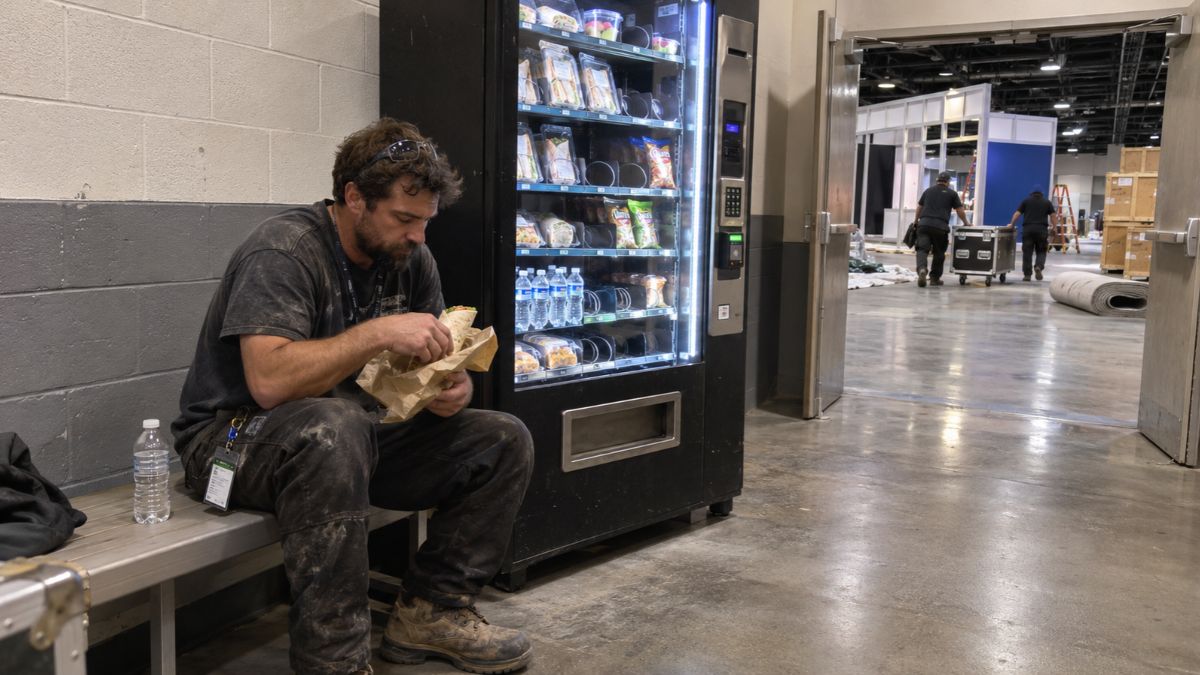
Out on the loading dock, a booth builder peels the tape off a roll and writes a crate number on the back of his hand. He has time to eat while he waits for that crate. The trouble is, the food counter pulled its gate down when the last attendee left. The closest sandwich he can see is on an ad hanging over the empty concourse.
That’s the moment Las Vegas vending machines can earn their floor space. For a venue manager, the decision starts with three questions. Where can this crew actually take a break? What would someone buy for dinner? And who can get through the service entrance to fill the machine before the next show closes?
Where can the crew get food after closing?
Start with the crew lead. Ask where workers ate during the last move-out, the stretch when exhibitors pack their booths, and freight leaves the hall. You might hear that someone picked up a group order, half the team brought lunch boxes, or everyone walked to a staff café in another building. Ask what time that café served its last meal. That’s where you’ll find the gap.
A venue comparing Las Vegas vending machines should give the operator two numbers up front. One is the expected crew count after the counter closes. The other is how many of those people already have a meal coming. A hall with sixty people working late and forty catered dinners has a different food order from one with sixty people buying their own supper.
Where do Las Vegas vending machines belong during move-out?
Walk the route with someone wearing a contractor badge. Start at the booth farthest from the proposed machine, use the doors that stay open after closing, and walk back. A lobby can look close on a floor plan and still cost someone most of a break if their badge won’t get them back through the same door.
A crew room just inside the service entrance is worth a look. People already go there to sit down, and a driver may be able to reach it before freight starts moving. Have operations confirm the location, power, and delivery access. Then try giving directions over the radio. “Inside the crew room by Door 4” will get a new worker there on the first try.
What would someone buy for dinner?
Picture the choice through the glass at seven in the evening. There are four kinds of chips, three energy drinks, and one empty spiral with a sandwich price under it. A machine can look well stocked even after the crew has bought every item anyone would call dinner.
Give each part of the order a job.
- For a meal break, try a modest run of refrigerated wraps or sandwiches, including a clearly labeled meat-free choice. Pick food people can eat cold if the room has no microwave.
- For a short wait, offer crackers, nuts, or bars that slip into a pocket when a crate arrives early.
- For the next trip back to the hall, give bottled water enough space that the first crew through can buy a bottle apiece and leave some for the next group.
Before expanding the menu, ask what sold out and when. Six turkey wraps gone by six o’clock tells you more than six wraps sold by the end of the night. Ask what people wanted after the last one went.
When should the operator refill the machine?
Work backward from the first crew break. At CES 2026, the Las Vegas Convention Center move-out notice put show close at 4 p.m. and contractor access at 5. Some wooden crates were due back as late as 8 the next morning. A refill schedule built around the public closing time alone would miss much of that working night.
Give the operator the show calendar and agree on a delivery window with receiving. Have the shift lead check the machine before the food counter closes, while there’s still time to arrange another option. After move-out, record what remained and whether a late crew arrived. Keep that note with the next booking for a show of similar size.
Frequently Asked Questions
Can a Las Vegas exhibitor bring in a vending machine for its crew?
Check with the venue’s food and beverage manager before booking equipment or ordering food. The Venetian Expo, for example, reserves food and beverage service to the venue. Ask which options the venue approves for your crew room and who can arrange meals or vending during move-out hours.
When is a catered meal a better choice than vending?
Choose a meal order when you know the headcount, can set a dinner time, and have a place for the crew to eat together. Vending makes more sense when breaks happen in waves. A venue can also serve dinner at a set hour and keep a machine available for late arrivals.
What should a venue ask a local vending company before booking?
Give the operator one actual show date and ask how they would handle it. SkyTop Vending, for example, tailors product selections and service schedules locally. Ask which foods they can supply, when their driver could use your receiving entrance, and who would take a call if the show schedule changed that afternoon.
How can temporary crew members find the machine after hours?
Put the room name and nearest numbered door on the crew call sheet. Ask the lead to point it out at check-in, especially if workers enter through a different door from attendees. Include the payment methods too. That saves someone a walk across the building with a wallet they can’t use.
Is it worth keeping a machine for occasional trade shows?
Compare sales across several move-outs with what sells on ordinary workdays. When pricing vending machines in Las Vegas, ask whether the operator has a minimum sales requirement and what happens between bookings. If the room sits empty for weeks, an approved meal delivery for each teardown may make better use of the budget.

On opening day, the chicken wrap disappears first. Someone cuts each one into six pieces; the samples are free, and by noon people are asking if there are any more. Come Monday, the same wraps are sitting in the cooler at 1 p.m. What changed? Now a whole wrap costs money, a coworker is taking taco orders, and everyone has twenty minutes to get back to work.
That ordinary lunch break is the real test of micro market vending. For a Houston office manager, the first week is a chance to answer three questions. Can people find a lunch they’d buy with their own money? Can they tell what it costs? Can they pay for it without calling someone over?
What should opening day teach you about micro market vending?
An office micro market is a small self-service shop. Employees pick food from shelves or coolers and pay at a kiosk. If your team is used to Houston vending machines that release a snack after payment, show them the whole trip through the new market. Let someone pick up a sandwich, check the ingredients, scan it, and find the payment confirmation.
The best question to ask a micro market vending provider before the tasting is simple. “Can people try the lunch we’ll actually sell on Monday, with its regular price on display?” A sample of the same wrap, in sight of the full portion and price, gives employees enough information to say whether they’d buy one. Give the late lunch group a turn, too. If the tasting starts at eleven and the front desk gets coverage at one, set aside samples for that crew. Otherwise, your first food order will reflect the tastes of whoever could leave their desk earliest.
The next day, count lunches by the clock
Ask the operator for sales by item and time. Add one detail the sales report can miss: when the shelf went empty. Suppose six turkey sandwiches sell by 11:50 and six chicken salads sell by 2:00. Both show six sales. Only the sandwich had no chance to sell through the busiest part of lunch.
A simple first-week sheet can tell the story. For each fresh lunch, record how many went into the cooler, when the last one sold, and how many the operator removed unsold. Leave room for a note such as “three people asked for turkey after noon.” Use that information to change a few portions in the next delivery. A single sellout is a thin reason to double the order.
Find out what “too expensive” means at this office
In a downtown Houston office, someone might compare a market lunch with a meal they can pick up through the tunnels. At an office off Beltway 8, the comparison might be a group order one coworker collects by car. Ask people what they bought yesterday and what they paid. That gives you a local price that means something to this team.
Sometimes the sandwich price is fine. It’s the sandwich, chips, and drink together that make someone put the sandwich back. Display the prices where shoppers make the choice. Keep a filling, lower-priced lunch beside the premium items. Then see whether people buy it at full price a second time.
Can someone check out without the launch team?
Have a coworker who missed opening day buy two things while you stand back. Watch where they pause. A barcode on the underside of a salad bowl is awkward to scan with a drink in one hand. A small shelf beside the reader might do more good than another instruction sign.
Empire Vending offers Houston workplaces a market launch event with options that include food samples and a live demonstration. Use that time to practice the parts people tend to skip in a polished demo. Ask an employee to remove an item they scanned twice, finish paying, and point out how they know the sale went through.
What should change by the first ordinary Monday?
Before the first lunch break, put the regular prices up, check the cooler against the delivery list, and tell the team about one change their feedback prompted. “The bean bowls are on the middle shelf, and we saved some for the one o’clock break” gives someone a specific reason to walk back in.
Compare paid lunches with the number of people actually in the building. Keep free samples and purchases covered entirely by lunch credit in separate columns. Those figures tell you how the market did that day. To learn whether people came back, ask Monday’s shoppers what they bought last time and whether they’d buy it again. A second paid lunch tells you more than an empty sample tray.
Frequently Asked Questions
What food should a Houston office micro market stock first?
Start with a small selection that covers different lunch breaks. A wrap works for someone eating between appointments, a bowl suits someone with microwave access, and a clearly labeled meat-free meal gives another group a choice. Ask employees to name a lunch they already buy nearby before choosing flavors or portion sizes.
How often should an office micro market be restocked?
Agree on a schedule that accounts for delivery access, fresh-food dates, and when people eat. Check what remains before the final lunch break, especially on high-attendance days. If a favorite repeatedly sells out before noon, ask the operator whether a larger first delivery or a second visit makes better sense.
Do employees need an app to use a micro market?
That depends on the checkout system. Before opening, ask the operator to demonstrate a first purchase using each supported payment method and explain whether guests can pay without an account. Post those options beside the reader so employees can see what they need before they pick up lunch.
What should employees do if a kiosk charges them twice?
Give shoppers one clearly marked support contact at the kiosk. Ask them to note the market location, purchase time, items, and amount so the operator can check the transaction. Have the operator explain its refund process to the office manager before launch so the first complaint reaches the right person.
How long should you test a new lunch item?
Give it several comparable lunch periods at its regular price, with the label visible and stock available through the main break. Note unusual days such as a catered meeting or an office closure. Then review sales, leftovers, and requests with the operator before deciding how much belongs in the next order.
-

 NEWS1 year ago
Historical Churches in Manila
-

 TOPIC4 months ago
Unveiling AvTub: Your Ultimate Guide to the Best AV Content
-

 TOPIC1 year ago
Simbang Gabi and Kakanin
-

 TOPIC1 year ago
Symbols of Hope: The 15th Belenismo sa Tarlac
-

 BUSINESS6 months ago
Exploring the Different Types of Понуде in Business Transactions
-

 NEWS5 months ago
What Caused Delta Flight DL275 to Diverted LAX? A Detailed Breakdown
-

 TOPIC1 year ago
RIZAL at 160: a Filipino Feat in Britain
-

 TOPIC3 months ago
Understanding Fascisterne: Origins and Ideological Roots