
TOPIC
What Makes Modest Swimwear a Smart Addition to Any Wardrobe


Swimwear is no longer viewed as a single-purpose purchase reserved only for vacations or occasional beach visits. Modern consumers increasingly expect pieces that combine practicality, comfort, and style. For retailers and apparel decision-makers, recognizing why modest swimwear has become a valuable wardrobe addition is essential for meeting evolving customer expectations.
Today’s modest swimwear blends performance fabrics, thoughtful coverage, and contemporary design. Instead of being limited to a specific niche, it now functions as a versatile clothing category that supports travel, recreation, and everyday comfort. When construction and aesthetics work together, modest swimwear becomes a smart and lasting wardrobe investment.
From Functional Need to Versatile Wardrobe Staple
Modest swimwear once existed primarily to provide additional coverage. While that function remains important, modern design has expanded its purpose. Current collections emphasize versatility, durability, and style alongside coverage.
This shift can be seen in evolving collections such as modest swimwear in Canada, where designs focus on streamlined silhouettes, breathable fabrics, and practical structure. Instead of serving a single occasion, well-designed pieces transition easily between swimming, resort wear, and casual leisure settings.
This flexibility explains why many consumers now consider modest swimwear a smart addition rather than a specialized purchase. With this evolution in mind, several factors explain why modest swimwear continues to gain attention as a valuable wardrobe component.
1. Versatility Across Multiple Settings
One of the strongest advantages of modest swimwear is its adaptability. Modern designs can function in various environments beyond the pool or beach. Long-sleeve tops, structured swim dresses, and coordinated sets often resemble activewear or leisure outfits.
These contemporary silhouettes combine sleek design with functional coverage. Wearers can move comfortably from swimming activities to casual outdoor settings without needing to change clothing.
Versatility increases the practical value of each garment. Instead of remaining unused between vacations, modest swimwear integrates easily into everyday wardrobes.
2. Enhanced Sun Protection
Another reason modest swimwear is considered a smart wardrobe addition is its ability to offer built-in sun protection. Extended sleeves, higher necklines, and longer hemlines reduce direct sun exposure.
Many modern designs also incorporate UPF-rated fabrics that block harmful ultraviolet rays. This protection is especially valuable for travelers, outdoor enthusiasts, and individuals spending extended hours near water.
When sun protection becomes part of the garment’s construction, it eliminates the need for additional layers. The result is a streamlined solution that supports both comfort and safety during outdoor activities.
3. Comfort Through Performance Fabrics
Comfort remains a key factor behind the rising popularity of modest swimwear. Earlier designs often relied on heavy fabrics that absorbed water and restricted movement. Modern collections now use lightweight, quick-drying synthetic blends engineered for aquatic environments.
Four-way stretch materials allow garments to move naturally with the body. Breathable fibers reduce heat retention under the sun. Chlorine-resistant construction preserves elasticity over time.
These improvements transform modest swimwear from a purely functional garment into one that supports extended wear. When fabrics remain light and flexible, the overall experience becomes significantly more comfortable.
4. Thoughtful Coverage Without Bulk
Coverage is one of the defining features of modest swimwear, yet modern design approaches it differently from earlier styles. Instead of layering excess fabric, contemporary pieces rely on structured tailoring and balanced proportions.
Collections such as modest swimsuits in Canada illustrate how designers integrate full coverage with streamlined construction. Clean seam lines, strategic panel placement, and refined silhouettes maintain protection while preserving mobility.
Well-engineered coverage supports both confidence and practicality. When garments stay in place during activity, wearers spend less time adjusting clothing and more time enjoying the environment.
5. Contemporary Style and Fashion Relevance
Modest swimwear has evolved significantly in terms of visual design. Modern collections incorporate current fashion influences such as minimalistic cuts, coordinated color palettes, and subtle texture variations.
Designers now prioritize refined aesthetics alongside technical functionality. Attention to proportion, color harmony, and modern silhouettes helps modest swimwear remain visually competitive within the broader fashion market.
This approach ensures modest swimwear stays relevant within contemporary trends. Instead of appearing separate from mainstream swimwear, these pieces align naturally with current design expectations.
6. Durability for Long-Term Wardrobe Value
A smart wardrobe investment should maintain quality over time. Modern modest swimwear emphasizes durability through reinforced stitching, stretch retention, and chlorine-resistant fabrics.
These construction details protect the garment from fading, sagging, or losing shape after repeated use. Durable materials allow swimwear to perform reliably across multiple seasons.
When garments maintain their structure and appearance, consumers gain greater long-term value. Durability strengthens the practical appeal of modest swimwear as a wardrobe essential.
Where Practicality Meets Modern Design
The growing popularity of modest swimwear reflects changing expectations around comfort, versatility, and style. A well-designed piece can serve multiple purposes while maintaining reliable coverage and long-term wearability.
Some brands, such as Seafolly, focus strongly on trend-driven aesthetics, while others like Lands’ End emphasize classic coverage and durability. Not every collection blends modern style with structured performance equally.
LYRA Modest combines refined tailoring, lightweight fabrics, and contemporary silhouettes in a more balanced way. This integration allows modest swimwear to function as both a practical garment and a stylish wardrobe essential.

Copper is a trace mineral, meaning the body needs it in small amounts, but its work is far from minor. It supports enzymes involved in energy production, iron use, connective tissue, nerve signaling, and immune function. For people exploring nutrition-focused options such as Biocopper 1, the most useful starting point is understanding how copper fits into an overall diet and supplement routine. Copper is not a stimulant, and it does not work like caffeine or a quick energy drink. Instead, it helps support normal cellular processes over time. A food-first approach, paired with careful attention to supplements and individual health needs, is usually more valuable than chasing oversized doses.
Why Copper Matters In Daily Health
Copper acts as a cofactor, a helper that enables specific enzymes to carry out essential chemical reactions. The body carefully regulates copper intake to ensure sufficient levels for normal function without allowing excess to build up. This balance is one reason a consistent, varied eating pattern matters more than taking large amounts without a clear need.
How Copper Helps The Body Make Energy
Mitochondria are often called the cell’s powerhouses because they help convert nutrients from food into ATP, a usable form of cellular energy. Copper participates in the final stages of this process, helping enzymes use oxygen to generate the electrochemical gradient that mitochondria need. This is especially relevant to high-energy tissues such as the brain, heart, and muscles. Still, feeling tired does not automatically mean copper intake is low. Sleep, iron status, thyroid conditions, infections, calorie intake, stress, medications, and many other factors can influence energy. Research continues to examine copper transport within cells and its relationship to mitochondrial activity, but it does not support treating unexplained fatigue with copper alone.
Other Jobs Copper Performs
Copper’s role extends well beyond energy metabolism. The National Institute of General Medical Sciences’ overview of copper describes how copper-dependent enzymes contribute to iron metabolism, connective tissue formation, nervous system processes, pigmentation, and antioxidant defenses.
- It helps the body process iron for normal red blood cell production.
- It supports the formation and maintenance of collagen and elastin.
- It contributes to normal blood vessel, bone, and connective tissue health.
- It supports neurotransmitter production and nerve function.
- It plays a role in antioxidant enzymes that help protect cells from oxidative stress.
Copper-Rich Foods To Add To The Plate
Dietary variety is a practical way to support copper intake while also obtaining protein, fiber, healthy fats, and other micronutrients. Copper-containing choices include shellfish, beef liver, cashews, sesame or sunflower seeds, chickpeas, tofu, mushrooms, whole grains, dark chocolate, potatoes, and avocados. Easy meal ideas include a chickpea grain bowl with tahini, oatmeal topped with seeds and nut butter, a tofu-and-mushroom stir-fry, or a fruit-and-cashew snack. Serving size matters, but generally healthy adults can often meet their needs through food without relying on a standalone copper supplement.
Daily Copper Needs By Life Stage
For adults age 19 and older, the recommended amount is generally 900 micrograms per day. Needs rise to 1,000 micrograms during pregnancy and 1,300 micrograms during breastfeeding. Children and teenagers need different amounts based on age and growth stage. The NIH Office of Dietary Supplements copper fact sheet also notes that the adult upper limit is 10,000 micrograms daily from food, drinks, and supplements combined.
A recommended intake is a target for meeting normal needs. An upper limit is not a goal. It is the highest ongoing intake unlikely to pose a risk for most people, not a reason to consume more.
Who May Face A Higher Risk Of Low Copper
Copper deficiency is uncommon among healthy adults in the United States. Still, risk may rise for people with malabsorption conditions, celiac disease, certain digestive surgeries, long-term tube feeding or intravenous nutrition, highly restrictive diets, or inherited disorders that affect copper handling. Medical monitoring may also be important for people taking high-dose zinc over long periods.
The Link Between Zinc And Copper
Zinc and copper can compete during absorption. Someone using zinc lozenges, a multivitamin, and a separate zinc product for months may be taking more zinc than expected. That pattern can lower copper absorption over time. Rather than automatically adding copper, review each supplement label and discuss a long-term plan with a qualified healthcare professional.
When Copper Supplements May Need Extra Care
Copper supplements appear in multivitamins, mineral blends, and standalone products in forms such as copper gluconate, sulfate, oxide, and amino acid chelates. Compare the actual amount of copper per serving, not just the product name. Extra caution is appropriate for people with liver disease, Wilson disease, known copper-handling disorders, pregnancy, or breastfeeding.
Possible Signs Of An Imbalance
Low copper may be associated with anemia, weakness, low white blood cell counts, balance problems, or nerve symptoms in some cases. Excessive intake can cause nausea, abdominal pain, vomiting, diarrhea, and liver stress. Hair color changes, fatigue, numbness, or weakness require a broader medical evaluation because they can stem from many unrelated conditions.
A Simple Plan For Better Mineral Balance
- Build more variety into meals before reaching for a new supplement.
- List all multivitamins, mineral products, fortified drinks, and over-the-counter remedies.
- Check total daily zinc and copper amounts across every label.
- Consider whether digestive conditions, surgery, or medications may affect nutrient absorption.
- Ask a clinician whether lab testing is appropriate before making major changes.
- Make one change at a time and avoid assuming that every symptom has one cause.
Common Questions About Copper
Can Copper Improve Energy?
Copper supports normal energy production, but it is unlikely to create a sudden energy boost in someone who already gets enough.
Should Everyone Take A Copper Supplement?
No. Many people can meet their needs through food. Supplements may be appropriate in selected situations, ideally with professional guidance.
Can Too Much Zinc Lower Copper?
Yes. High, sustained zinc intake can interfere with copper absorption, which is why total intake from all products matters.
Conclusion
Copper is a small but essential nutrient with wide-ranging responsibilities throughout the body, supporting energy production, nervous system function, connective tissue health, iron metabolism, and normal immune processes. Most people can meet their needs through a varied, balanced diet that includes copper-rich foods, while supplements may be appropriate only in specific situations under professional guidance. Review all supplements carefully to avoid excessive intake or nutrient imbalances, particularly if you also take high-dose zinc. If you experience persistent symptoms, follow a restrictive diet, have digestive or absorption concerns, or suspect a nutrient deficiency, seek individualized medical advice to determine the most appropriate approach for your health needs.

Real estate development financing is not a single closing. It is a series of capital decisions that must support acquisition, predevelopment, construction, lease-up, and a sale or refinance. Developers considering private real estate loans for acquisition and development should begin by matching the financing structure to the project’s actual budget, timing, and exit plan.
A workable plan also needs room for changing construction costs, local demand, slower approvals, and lender requirements. A ground-up multifamily project, commercial renovation, and small land development may all require different sources of capital, reserve levels, and repayment strategies.
Why Financing Plans Need More Detail
A project can appear profitable and still run short of cash before stabilization. Financing plans should account for when money is needed, not only the final cost. Land deposits, permit fees, contractor mobilization, interest payments, tenant improvements, and operating expenses often arrive at different points in the development cycle.
Start With The Project’s Capital Needs
Break the project into funding stages: acquisition, due diligence, design, permits, site work, vertical construction, leasing, and stabilization. Include land costs, architecture and engineering, legal work, insurance, taxes, loan fees, interest reserves, marketing, and operating reserves. Add a contingency that reflects the project’s complexity rather than assuming the initial budget will remain unchanged.
Compare Common Real Estate Financing Options
Understand What Each Capital Source Is Meant To Do
- Construction loans fund approved building costs through periodic draws.
- Bridge loans provide short-term capital before a sale, a refinance, or until a stabilized loan is in place.
- Mezzanine financing adds leverage to senior debt, usually at a higher cost and risk.
- Preferred equity can supplement the capital stack without a traditional second mortgage.
- Permanent financing replaces short-term debt after the property produces dependable income.
The lowest stated rate is not always the lowest-risk choice. Funding speed, recourse, draw flexibility, prepayment terms, and extension options can have a greater effect on the project than a small difference in interest rate.
Build A Lender-Ready Project Budget
A lender-ready budget separates hard costs, such as labor, materials, and site work, from soft costs, including design, permits, insurance, legal fees, and financing expenses. Show both the total amount and the expected timing of each category. This helps identify whether equity must be contributed before loan draws begin or whether an interest reserve is needed during construction.
Review Current Credit Conditions
National data provides context, but it does not replace local market analysis. The July 2026 Senior Loan Officer Opinion Survey reported generally easier standards for commercial real estate loans, while construction and land development standards were basically unchanged overall. Local lenders may still apply stricter leverage, reserve, or guarantee requirements where vacancy, absorption, or values are uncertain.
Residential developers should also watch builder-specific conditions. The second-quarter 2026 AD&C financing survey reported continued tightening in residential acquisition, development, and construction credit, including higher rates, lower loan-to-cost or loan-to-value limits, and more frequent personal guarantee requirements.
Strengthen The Borrower Profile
Lenders evaluate the sponsor as closely as the asset. Prepare current personal and business financial statements, liquidity evidence, tax returns, entity documents, and a concise record of completed and active projects. Explain prior delays, disputes, or overruns directly. Less experienced developers can improve a loan request by engaging an experienced general contractor, property manager, and qualified market professionals.
Plan For Delays And Cost Changes
Run a downside case before requesting capital. Test what happens if construction lasts three to six months longer, total costs rise by a defined percentage, and leasing or sales take longer than expected. The result may show a need for additional equity, a larger contingency, longer loan maturity, extension rights, or a more conservative leverage level.
Choose The Right Loan Structure
Compare the complete structure, including fixed or variable rates, origination fees, loan-to-cost limits, required equity, draw schedules, inspection rules, interest reserves, recourse provisions, completion guarantees, extension fees, prepayment restrictions, and maturity date. A loan with reasonable modification and extension provisions may protect the project better than a slightly cheaper but inflexible alternative.
Prepare For The Underwriting Process
Organize a clear project summary, sources-and-uses statement, detailed budget, development schedule, plans, permits, contractor information, market support, appraisal, environmental reports, borrower financials, and exit strategy. Keep numbers consistent across every document. A mismatch between the model, budget, and loan request can create avoidable underwriting questions.
Questions To Ask Before Signing
- Which costs qualify for funding, and which must be paid with equity?
- How often are draws released, and what inspections are required?
- What happens if permits, construction, or lease-up take longer?
- Which personal guarantees, reserves, and completion obligations apply?
- What extension options, fees, minimum interest, exit fees, and default triggers are included?
Final Checklist For Developers
- Confirm total costs and include realistic reserves.
- Match the loan term to the full development timeline.
- Stress-test the budget under slower and more expensive conditions.
- Compare the full cost and flexibility of each capital option.
- Confirm a credible sale, refinance, or stabilization path before closing.
Conclusion
A strong real estate financing plan aligns the budget, capital stack, construction schedule, market conditions, and repayment strategy. Developers should prepare complete financial and project documents, evaluate multiple financing options, and test downside scenarios involving delays, cost increases, or weaker sales. Comparing loan terms beyond the stated interest rate, including fees, flexibility, and repayment requirements, can reveal hidden risks. This disciplined approach helps identify weak assumptions early and supports successful completion, stabilization, and repayment.
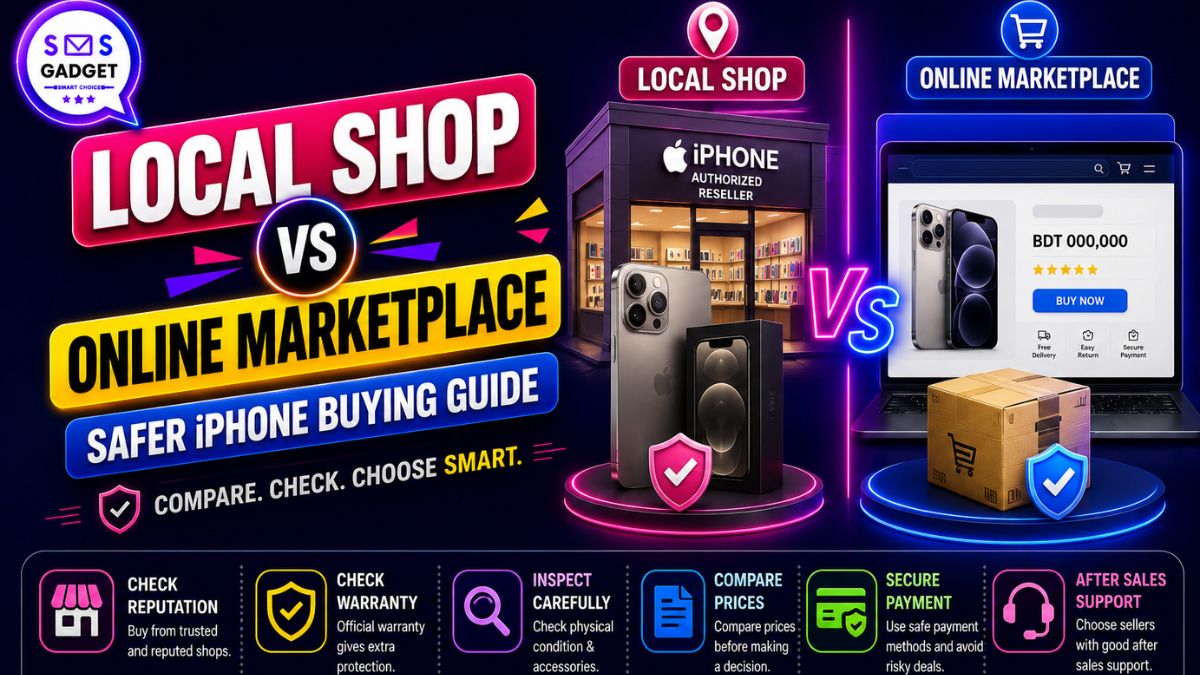
An iPhone is a high-value purchase, and a wrong buying decision doesn’t just mean disappointment, it can mean losing a significant amount of money to a scam that’s difficult to reverse. Between fake units, box-swap tricks, and unverified sellers demanding advance payment, the market has no shortage of pitfalls. Knowing where it’s actually safer to buy, and exactly what to check before handing over any money, makes all the difference.
Benefits of Buying an iPhone from a Local Shop
Physical inspection before buying
Walking into a Best iPhone Shop means the screen, battery health, and box seal can all be checked in person before a single taka changes hands. This kind of hands-on verification simply isn’t possible when buying sight unseen.
Instant use — no waiting for delivery
There’s no courier delay, no tracking number to refresh every hour, the phone can be set up and used the same day it’s purchased.
Easier after-sales support
If something goes wrong down the line, walking back into the same shop for a warranty claim or a quick fix is far simpler than mailing a phone back to an online seller and waiting for a resolution.
Risks of Buying from a Local Shop
Non-authorized dealers passing off refurbished units as new
Not every shop is transparent, some non-authorized dealers sell refurbished or used units while presenting them as brand new, which is exactly why checking the shop’s reputation matters as much as checking the phone itself.
Prices can be higher and negotiation-dependent
Local shop pricing isn’t always fixed, and without a clear sense of the current iPhone Price in Bangladesh, a buyer can easily end up paying more than the phone is actually worth.
Limited stock or model options
Smaller shops may not carry every color, storage variant, or the very latest model, which can mean settling for a close alternative rather than the exact configuration wanted.
Benefits of Buying an iPhone from an Online Marketplace
Easy price comparison across sellers
Online, it takes minutes to compare listings from multiple sellers, including verified shops like SMS Gadget, side by side, which makes spotting a fair price far easier than shop-hopping in person.
Wider range of models, colors, and variants
Online marketplaces typically carry a broader inventory, from older models at a discount to the newest release in every available color.
Seller verification through reviews and ratings
A seller’s review history and rating give a reasonably reliable signal of how trustworthy they actually are, something a walk-in shop visit can’t always offer at a glance.
Risks of Buying from an Online Marketplace
Fake products on unverified listings
Facebook Marketplace and Bikroy in particular have no shortage of unverified sellers, and fake or clone units frequently slip through in exactly these kinds of listings.
Advance-payment scams
A common trick involves sellers demanding bKash or Nagad payment upfront before any delivery, money that, once sent, is almost impossible to recover if the seller disappears.
Box-swap scams or IMEI mismatch at delivery
Some buyers report receiving a sealed box that looks legitimate on the outside, only to find a different (or older, damaged) phone inside, or an IMEI that doesn’t match what was advertised.
Pre-Purchase Checklist
Check the IMEI number
Dialing *#06# on the phone reveals its IMEI, which should then be cross-checked against Apple’s official checker to confirm the device’s authenticity and activation status.
Verify Activation Lock status
A phone still linked to someone else’s Apple ID through Activation Lock can become permanently unusable, this status should always be confirmed before payment.
Check Battery Health percentage
Under Settings → Battery → Battery Health, the percentage shown gives an honest picture of how much life is left in the unit, especially important for anything sold as “used” or “refurbished.”
Match box seal and serial number
The serial number printed on the box should match the one shown in the phone’s settings — a mismatch is one of the clearest warning signs of a box-swap attempt.
Get warranty or return policy in writing
A verbal promise means nothing if a dispute arises later; any warranty or return terms should be confirmed in writing before the purchase is finalized.
Local Shop vs Online Marketplace — Quick Comparison Table
| Factor | Local Shop | Online Marketplace |
| Safety | Higher phone inspected in person | Depends heavily on seller verification |
| Price | Often higher, negotiation-dependent | Easier to compare and find better deals |
| Convenience | Instant use, no delivery wait | Wider selection, but delivery delays possible |
| Return Policy | Easier to enforce in person | Wider selection, but delivery delays possible |
| Product Range | Often limited stock | Typically broader range of models and variants |
When to Choose Local Shop vs Online?
High budget or first-time buyer
For a first-time buyer or someone making a large purchase, a local shop is generally the safer route, since physical inspection removes most of the guesswork.
Price-conscious buyers with a verified seller
For buyers who already know a trusted, verified seller, such as an established name like SMS Gadget, buying online can work out just as safely, often at a better price.
A Real Scam Story
A buyer once agreed to buy a “brand new” iPhone from a “Facebook Marketplace ad”, sent the bKash advance to “hold” the phone, and was told the courier would deliver the phone. However, the “courier” never showed up, the seller changed his number, and the ad was removed within a few hours. This is a typical scenario that could be easily avoided had the buyer followed the “never pay advance to untrusted sellers” rule.
Frequently Asked Questions
How do I check an iPhone’s IMEI before buying?
Dial *#06# on the device to display the IMEI, then verify it through Apple’s official IMEI/serial checker to confirm it matches the claimed model and isn’t blacklisted.
Is it safe to buy an iPhone on SMS Gadget?
Yes, SMS Gadget is a verified, established seller, which makes it a considerably safer option than buying from an unverified online listing.
What precautions should I take buying on Facebook Marketplace?
Never send advance payment before seeing the phone, insist on checking the IMEI and Activation Lock status in person, and be cautious of sellers who refuse a face-to-face meeting or push for rushed payment.
What’s the difference between refurbished and used iPhones?
A refurbished iPhone has typically been inspected, repaired if needed, and certified by a manufacturer or authorized reseller, while a used iPhone is simply sold as-is by its previous owner with no such certification process.
Final Verdict
In case you are not sure which one to choose, it is better to go with the one that you can see in front of you in an actual store or go with a reputable seller rather than buying from an unknown online vendor. So if you are checking different sites for the latest iPhone Price in Bangladesh, it is better to choose the one from a well-known source such as Best iPhone Shop, like SMS Gadget, over the lowest number on an anonymous listing.
-

 NEWS1 year ago
Historical Churches in Manila
-

 TOPIC2 months ago
Unveiling AvTub: Your Ultimate Guide to the Best AV Content
-

 TOPIC1 year ago
Symbols of Hope: The 15th Belenismo sa Tarlac
-

 TOPIC1 year ago
RIZAL at 160: a Filipino Feat in Britain
-

 TOPIC1 year ago
“The Journey Beyond Fashion” – Ditta Sandico
-

 TOPIC1 year ago
5 Must-Have Products From Adarna House to Nurture Your Roots
-

 TOPIC2 weeks ago
Understanding Fascisterne: Origins and Ideological Roots
-

 TOPIC1 year ago
Filipino, alternative language course at Moscow State University