
HEALTH
Modern Denture Solutions for Seniors: Enhancing Comfort, Functionality, and Quality of Life

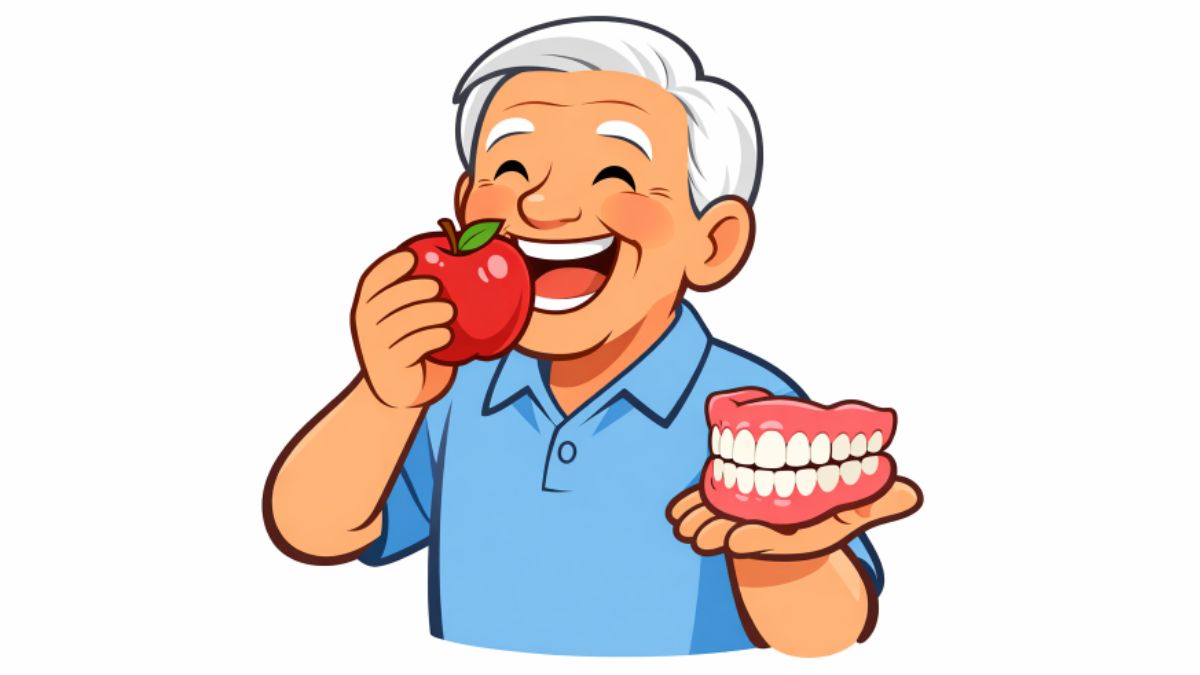
As dental technology continues to progress, seniors now have access to modern denture solutions that are transforming their daily lives. These innovations address common challenges by delivering improved comfort, a more natural look, and greater functionality. For those considering effective tooth replacement options, dental implants are a leading choice, combining reliability with cutting-edge technology to deliver better outcomes.
Traditional dentures, while functional, often fell short in providing sustained comfort, a stable fit, and aesthetics. Advancements in materials and design have made new-generation dentures an integral part of senior dental care, helping individuals regain confidence in their smiles and eat the foods they love with ease.
With the advent of more compatible denture solutions, seniors can experience profound improvements in their quality of life. Whether you prioritize comfort, appearance, or the ability to chew effectively, today’s solutions offer wide-ranging benefits that extend beyond simple tooth replacement.
For further background on advancements in senior dental care and trending oral health topics, explore the latest guidance provided by the American Dental Association.
Enhanced Comfort and Fit
One of the most significant leaps in denture technology is the use of flexible, lightweight acrylics and soft liners that conform to the natural structure of each patient’s mouth. This customization reduces the chance of sore spots, slippage, and persistent gum irritation. Specialized pressure-distributing materials ensure daily comfort, making modern dentures easier to adjust to and more practical to wear throughout the day. Improved techniques in digital impression taking mean a more accurate fit from the start, lessening the likelihood of adjustment appointments and extended periods of discomfort.
Improved Chewing Efficiency
The stability of dentures directly impacts a person’s ability to chew. Today’s dentures incorporate advances like precision attachments, suction chambers, and custom-molded bases. These innovations stabilize dentures so they do not shift during meals, allowing seniors to enjoy meats, fruits, and other previously difficult-to-chew foods. Better chewing efficiency helps prevent nutritional deficiencies and can reduce the risk of digestive issues, both of which are critical for the well-being of older adults. As highlighted in Healthline’s guide to dentures, modern designs have closed the gap between functionality and health outcomes.
Natural Appearance
Aesthetics play a vital role in self-esteem. Modern dentures are created with translucent, stain-resistant materials that mirror the subtle variations of natural teeth and gums. Advanced pigmentation and layering techniques further enhance this lifelike appearance, making it difficult to distinguish dentures from real teeth. Dental professionals now use personalized shade matching, while careful sculpting of gum and tooth shapes results in a smile that complements the entire face. These improvements enable seniors to smile, speak, and laugh with renewed confidence.
Implant-Supported Dentures
Implant-supported dentures provide a revolutionary option for those seeking maximum security. By anchoring dentures to titanium dental implants surgically placed in the jawbone, patients experience a fit that remains stable during any activity. This not only eliminates the embarrassment and inconvenience of slippage but also stimulates bone tissue, which helps preserve facial structure by preventing the natural bone loss that follows tooth loss. As noted by the Mayo Clinic, implant-supported prosthetics offer life-changing improvements for many individuals, promoting both oral health and daily confidence.
Psychological Benefits
The impact of dentures extends well beyond physical health. Tooth loss can lead to feelings of embarrassment, loneliness, or self-consciousness that affect relationships and social engagement. Restoring a full, natural-looking smile has been shown to increase self-esteem and improve overall outlook, helping seniors stay active, socially connected, and mentally resilient. Addressing missing teeth plays a key role in restoring a sense of dignity and normalcy that can significantly elevate happiness and well-being.
Maintenance and Care
Caring for modern dentures is simple and manageable. Daily brushing with non-abrasive cleaners, soaking in specialized solutions, and keeping the soft liner free from buildup can dramatically extend the life of prosthetics. Regular checkups allow the dentist to inspect the fit, monitor oral tissues for changes, and provide essential cleaning or adjustments. Proactive care supports gum and bone health while helping dentures retain their natural appearance for years.
Cost Considerations
The initial cost of modern dentures can be higher than that of more traditional options due to the quality of materials and customization involved. However, the long-term value is significant, thanks to greater durability, improved comfort, and the potential reduction of future oral health costs. Many dental plans cover part of the expense, making these solutions accessible to a broad range of seniors. When weighing the investment, consider the extended benefits to self-esteem, diet, and overall health.
Conclusion
Modern denture solutions have created new possibilities for seniors seeking to restore their smiles and quality of life. Enhanced comfort, improved chewing ability, and lifelike aesthetics combine with innovative options such as implant-supported dentures to meet a wide range of needs. Consulting with a knowledgeable dentist is the first step toward discovering which solutions offer the best fit for your unique situation. By embracing these advancements, seniors can enjoy fuller, more confident, and healthier lives.


Most people think Kratom is one plant with one effect. That’s not right. At all.”
Kratom strains can vary a lot depending on the place they grow, how they’re harvested, and when the leaves are harvested. Two bags of “kratom” can look and behave in very different ways.
A lot of new users are surprised by this. They want regularity. But they find a market full of hues, regions and naming practices that can be perplexing at first.
Here’s the importance. Kratom strains all come from the Mitragyna speciosa tree, which grows throughout Southeast Asia. Levels of alkaloids in each leaf are determined by soil conditions, climate and harvest time. That’s why we have strain names to begin with.
There are so many kratom strains, it’s hard to keep up. It also makes it easier to describe kratom more precisely, whether you’re researching it for a project, writing about it, or just attempting to grasp what others mean by “red vein” or “white vein” kratom.
But what are kratom strains, really? Where do they come from? And what makes them different? Let’s break it down.
What Are Kratom Strains?
A strain of kratom is a particular type of kratom leaf. There are two main ways to identify a strain: vein color and growth region.
The plant itself, Mitragyna speciosa, belongs to the coffee family. It is native to areas including Indonesia, Thailand, Malaysia and Myanmar.
The leaves contain natural chemical substances called alkaloids. The two most researched are mitragynine and 7-hydroxymitragynine,
Strain names typically mix a color (red, green, white or yellow) with a place (Bali, Borneo or Thailand). That mix offers purchasers a rough indication of the leaf alkaloid profile and vein shape.
Origins and Background of Kratom Strains
Kratom has been around for generations in the woods of Southeast Asia. Local communities have used the leaves in their daily lives and ritual for generations.
When kratom hit the global market, vendors had to find a means to categorize the many leaf kinds. Vein color proved to be the easiest sorting method at hand.
Next were the region names. Today popular places of origin include Bali, Borneo, Sumatra, Malaysia and Thailand. Soils and climate are different in different places.
Maeng Da deserves a special note. It is not a region at all. It is a method of cultivation with leaves with a higher alkaloid concentration regardless of the hue.
The Main Vein Colors Explained
The color of the veins is from the color of the middle vein of the leaf before drying. It affects the handling of the leaf and thereby modifies the alkaloid balance.
Red vein kratom is made from completely grown leaves. These leaves generally undergo a lengthy drying process before selling.
Green vein kratom is obtained from leaves that are in the mid-growth stage. Typically between red and white strains processing time is.
White vein kratom comes from the younger leaves. It often has a shorter drying period, sometimes indoors.
Yellow or gold vein kratom is not a different growth stage at all. It is commonly made from red or green leaves that have been specially dried or fermented.
Alkaloid Profiles Across Kratom Strains
All kratom strains have a combination of alkaloids, but the ratios are different depending on when the leaves are harvested and how they are processed.
The younger leaves generally have a higher concentration of Mitragynine. The leaf oxidizes and develops during the drying process, and quantities of 7-hydroxymitragynine are frequently higher in dried leaves.
Lab testing is the only sure way to test alkaloid content in any batch. The hue you see alone will not give you the precise percentages.
This is one reason why kratom strains differ so considerably, even within the same color category. The alkaloid content of two red strains from separate farms may not be the same.
Characteristics Commonly Associated With Kratom Strains
People characterize kratom strains using a blend of sensory and anecdotal terms. This is all generic market description not fact and there is no clinical study to support any of this.
The red strains are said to be heavier, more grounded. Users often refer to them in the context of use in the evening.
Green strains are somewhere in the center. They are described by many as balanced, moderate in intensity.
White strains are known for a brighter, more energetic quality. They’re generally associated with daytime activities.
These are descriptions from online forums and product promotion, not scientific studies. The FDA has not cleared kratom for any medical application and there is still limited study on its effects.
Popular Kratom Strain Types
A few strain names pop up constantly over the kratom industry.
Bali kratom is noted for its wide availability and balanced reputation among long-time users. Maeng Da strains are associated with a greater alkaloid concentration. Borneo strains often become categorized by hue, such as Red Borneo or Green Borneo. Thai strains are connected to the country’s distinct growing conditions. Malay strains come from Malaysian farms and have a softer reputation generally.
None of these names are regulated terms in any country. Different dealers may label comparable leaves with different strain names.
How to Choose Between Kratom Strains
Strain selection is generally a matter of personal taste rather than a strict formula.
Others will begin with green strains, which are often regarded as a middleground option. Some explore kratom vein colors depending on the time of day they want to consume kratom.
If available, reading third party lab reports is more credible information than strain names alone. These tests test for contamination and test alkaloid content.
Kratom is not regulated by the FDA, therefore quality and labeling accuracy might vary widely between vendors when looking to buy kratom.
Dosage Considerations
There is no approved regulated dosage for any strain of kratom. No regulatory agency sets safe usage limits for kratom, and the FDA hasn’t cleared it.
What is a lot to one person can be nothing to another. The strain here is special . Tolerance , body weight .
Because of this variation, and the fact that kratom does have actual safety dangers (such as the possibility for dependency), this guide will not include particular gram amounts associated with effect levels.
If you are considering trying kratom, speak with a healthcare professional first. A provider can consider risks depending on a person’s health history, especially surrounding existing medications.
Risks and Safety Considerations
Kratom binds to opioid receptors in the body. The FDA has warned the public about kratom, citing worries about reliance and interactions with other substances.
Kratom is legal in some places. Some U.S. states and several countries have restricted or outright banned it. Check local laws before you buy.
Mixing kratom with alcohol, other substances or certain prescriptions can be dangerous. Anyone with bad side effects should get medical help immediately.
Frequently Asked Questions
Are all kratom strains the same?
No. Vein color and growing region both shift the alkaloid balance inside each strain.
What does “vein color” actually mean?
It refers to the color of the leaf’s center vein, which relates to harvest timing.
Is Maeng Da a kratom strain or a region?
It’s a cultivation method, not a place. It can apply to red, white, or green leaves.
Does color guarantee a specific effect?
No. Effects described online are anecdotal, not clinically confirmed. Lab testing is more reliable than color alone.
Is kratom regulated by the FDA?
No. The FDA hasn’t approved kratom for any use and has issued public warnings about it.
Conclusion
There is no marketing trickery with Kratom strains. These variances are due to the time of harvest, processing, and the area they are grown.
Vein colour and geographical designations provide customers with a rough map of what they are looking at. But there can be no such promise, for the kratom business is still unregulated.
When looking at kratom strains, the strain names should be secondary to the lab tested information. And if you’re thinking about using kratom, the safest place to start is by talking with a healthcare physician.

Finding dependable support at home can feel overwhelming when a parent, child, spouse, or relative needs help with everyday tasks. Families looking for personalized home health care Brooklyn NY need more than a list of services. They need a care approach that considers the person’s routines, comfort, communication preferences, and goals for living at home.
Community Home Care Referral Service, Inc. provides a starting point for families seeking to understand their options and build a plan for the person receiving care. An initial conversation and in-home assessment can help clarify what type of help is needed, when it is needed, and which potential payment path may fit the situation.
Table of Contents
- Why Personalized Care Plans Matter
- Home Care Options for Brooklyn Families
- How Caregiver Matching Works
- Medicaid and Waiver Considerations
- Support for Family Caregivers
- What to Expect From an Assessment
- Why Home-Based Support Matters
- Choosing the Right Type of Care
- Frequently Asked Questions
Why Do Brooklyn Families Need Personalized Home Care Plans?
One household may need help with meal preparation, bathing, dressing, mobility, errands, and light housekeeping. Another may need supervision after a hospitalization, overnight assistance, companionship for an older adult, or hands-on support for a child with special needs. A standard schedule cannot address every circumstance.
Care needs can also change quickly after an injury, surgery, new diagnosis, or decline in mobility. A personalized plan gives families a way to identify the tasks that are becoming difficult, decide which responsibilities can be shared, and adjust support as circumstances evolve.
What Home Care Options Does Community Home Care Referral Service, Inc. Provide?
Community Home Care Referral Service, Inc. presents several care pathways that can be discussed during an assessment. Availability and eligibility can vary by program, location, authorization, and individual needs.
- Home health aide services: Assistance may include personal care, grooming, meals, mobility support, medication reminders, companionship, errands, and routine household tasks.
- Pediatric home care: Families with children who have medical, developmental, or special needs may need in-home personal care, supervision, feeding support, or help coordinating daily routines.
- Paid family caregiver options: Some households may be able to explore programs in which an eligible caregiver provides paid support. Program rules determine who may participate.
- NHTD and TBI waiver programs: These options may support qualifying adults who need community-based services to live safely outside an institutional setting.
- Private client care: Private-pay arrangements can offer flexibility for hourly, overnight, live-in, travel, or continuous care needs.
How Does Caregiver Matching Work?
A productive match begins with details, not assumptions. The care coordinator should understand the individual’s mobility, personal-care needs, eating habits, preferred schedule, household routines, and safety concerns. Families can also discuss language, cultural preferences, personality fit, and communication expectations.
From there, the goal is to identify a caregiver and schedule that can support continuity and comfort. This process cannot guarantee a perfect outcome, but thoughtful matching can improve communication and help the care arrangement feel more workable for everyone involved.
Which Families May Qualify for Medicaid or Waiver-Based Care?
Paying for home care is a central concern for many families. Community Home Care Referral Service, Inc. can help families discuss Medicaid, managed long-term care, private-pay arrangements, long-term care insurance, workers’ compensation, and other possible payment pathways.
Eligibility is never automatic. It can depend on Medicaid status, age, disability, functional needs, clinical assessment, care-plan requirements, and the rules of the specific program. For example, New York’s NHTD waiver program supports eligible Medicaid participants who need nursing-facility-level care and can live safely in the community with appropriate services and supports.
How Can Home Care Support Family Caregivers?
Home care supports both the household and the person receiving care. An aide may give a family caregiver time to work, sleep, attend appointments, care for children, or simply take a needed break. Respite can be especially valuable when caregiving responsibilities have gradually become a full-time role.
For example, an adult daughter may remain responsible for medical decisions and evening routines while arranging weekday support for bathing, meals, transfers, and companionship. This shared approach can help relatives stay involved without having to handle every task alone.
What Happens During an In-Home Assessment?
An assessment helps turn a general concern into a practical care plan. Community Home Care Referral Service, Inc. encourages families to begin with a no-obligation discussion of the person’s needs and potential options.
- Review current health concerns, mobility, daily routines, and home safety.
- Identify tasks that require assistance, such as bathing, dressing, toileting, meal preparation, or transfers.
- Discuss whether care is needed during specific hours, overnight, live-in, or continuously.
- Consider language, communication, cultural, and personality preferences.
- Review possible payment sources and program requirements.
- Discuss recommended next steps without assuming immediate approval or a fixed start date.
Why Does Home-Based Support Matter?
Many older adults want to remain in familiar surroundings. A Pew Research Center survey found that 93% of U.S. adults aged 65 and older live in their own homes or apartments, while 9% of those living at home report receiving care there. The findings on where older adults live and how they want to age illustrate why reliable, adaptable support can matter to families planning ahead.
Home-based care is not one solution for every person or situation. However, it can give families a structured way to address daily needs while preserving routines, relationships, and involvement in community life when home remains an appropriate setting.
How Can Families Choose the Right Type of Care?
- For daily help with personal care, ask whether home health aide services can cover the necessary tasks and hours.
- For caregiver relief, consider respite or hourly coverage during times when a family member needs support.
- For a child with special needs: Discuss the child’s supervision, personal care, feeding, and routine needs.
- For a relative seeking paid caregiver status: Ask about program eligibility, enrollment steps, and caregiver requirements.
- For an adult seeking community-based alternatives: Explore whether a waiver program may be appropriate.
- For maximum scheduling flexibility: Ask about private-pay hourly, overnight, live-in, or continuous care.
Frequently Asked Questions
What can personalized home care include?
Depending on the care plan, support may include personal care, meals, mobility assistance, medication reminders, companionship, errands, light housekeeping, respite, overnight care, or live-in assistance.
Can a family member become a paid caregiver?
Some programs may allow eligible caregivers to provide paid support, but participation depends on the person’s needs and the applicable program rules. Families should request an eligibility review before relying on this option.
How quickly can services begin?
Timing depends on the type of care, required assessment, authorization, eligibility, and caregiver availability. A care coordinator can provide a more realistic estimate after reviewing the family’s circumstances.
What is the best first step?
Begin by describing the current challenges, the times assistance is needed, and the family’s preferences. An assessment can then help determine whether home health aide, pediatric, waiver, family caregiver, or private client services may be appropriate.

Panic attacks in teens are usually set off by stress that builds faster than a young person can handle. At school, common triggers are tests, public speaking, social conflict, bullying, crowded spaces, and the pressure to keep up. At home, family tension, poor sleep, caffeine or energy drinks, late-night scrolling, and big life changes play a large role. Often the biggest trigger is the fear of having another attack, which turns normal body sensations into alarm bells.
A trigger doesn’t have to be dramatic. A racing heart after the stairs or a stuffy classroom can be enough. The body reacts, the mind reads danger, and the panic cycle kicks in.
What a First Panic Attack Feels Like for a Teen
A panic attack rarely gives a warning. For many young people, the first one feels like a medical emergency:
- A pounding heart and a tight chest
- Shaky hands and fast, shallow breathing
- A sudden certainty that something is badly wrong
Then, within minutes, it fades. What it leaves behind is one nagging question. What if it happens again, in front of everyone?
That question is where trouble begins. Teenager panic attacks rarely grow out of one big event. They grow out of small daily pressures that stack up quietly at school and at home.
It also helps to know how common this is. A 2026 study in Depression and Anxiety, based on national Australian survey data, found that about 27% of people had a panic attack at some point in life, while roughly 4% met the criteria for panic disorder. One attack is common. Repeated attacks plus constant worry are a different matter.
Why Some Teens Are More Prone to Panic
Not every stressed teen has panic attacks, and the difference often comes down to how a young person reads signals from their own body.
Anxiety Sensitivity: The Fear of Fear
Anxiety sensitivity is the habit of seeing normal stress reactions, like a fast pulse or light dizziness, as dangerous. A teen with high anxiety sensitivity doesn’t just notice a quick heartbeat. They worry it means a heart problem, fainting, or losing control.
A systematic review in Child Psychiatry & Human Development from December 2025 studied panic symptoms in children and adolescents. It found that anxiety sensitivity shows up both as an early risk factor and as something that keeps panic going.
Why should parents care? Because calming the body is only half the work. The other half is changing how a teen interprets what their body is doing.
Hormones, Sleep, and a Brain Still Under Construction
The parts of the teenage brain that sound the alarm mature earlier than the parts that weigh evidence and settle things down. A few other factors add to the load:
- Puberty hormones that make emotions feel stronger
- A natural shift toward later bedtimes
- Early school start times that cut sleep short
Together, these keep a teen’s stress system running hot. That’s not weakness. It’s biology.
School Triggers That Set Off Panic
School packs nearly every classic trigger into one building. The most common ones include:
- Tests and grades. Exams, report cards, and college pressure keep a teen on high alert.
- Public speaking. Presentations, reading aloud, or being called on without warning.
- Social conflict and bullying. Group chat drama, rumors, and online bullying that follows a teen into class.
- Crowded spaces. Busy hallways, packed cafeterias, and assemblies.
- Falling behind. Missed work after an illness can snowball fast.
- Body cues. Skipping breakfast, gym class, or an overheated room can mimic the start of an attack.
The real danger is avoidance. After one attack in math class, a teen may start dreading math class. Then the hallway. Then the building. Teenager panic attacks at school are often mistaken for stomach bugs or simple nerves, so frequent trips to the nurse deserve a closer look. When school stress keeps fueling panic attacks in teens, a child and adolescent psychiatrist can help sort out what’s driving the attacks and which support fits best.
Triggers at Home That Parents Often Overlook
Home brings its own quiet stressors. Watch for these:
- Family conflict. Frequent arguments, separation, or divorce weigh on a teen even when they aren’t directly involved.
- Sleep debt. Late nights on the phone followed by early alarms leave the nervous system on edge.
- Caffeine and energy drinks. These can copy the physical signs of panic almost perfectly.
- Big life changes. Moving, a parent’s job loss, or the death of someone close.
- Late-night scrolling. Social comparison and upsetting news before bed feed worry right when the brain needs rest.
Teenage panic attacks sometimes hit hardest on quiet evenings, especially Sunday nights. With nothing left to distract a teen, the mind starts replaying the week.
Warning Signs That Are Easy to Miss
Teens don’t always say they’re panicking, often because they worry about looking dramatic. Common teenage panic attack symptoms include:
- A pounding or racing heart
- Shortness of breath or a choking feeling
- Chest pain or tightness
- Shaking, sweating, chills, or hot flashes
- Nausea, dizziness, or feeling faint
- Feeling detached from their body or surroundings
- An intense fear of dying or losing control
These sensations usually peak within minutes. Since many teenage panic attack symptoms look physical, a pediatrician visit to rule out asthma, thyroid issues, or heart rhythm problems is a smart first step. After an attack, behavior often shifts too. Watch for a teen who:
- Avoids places where an attack happened
- Checks their pulse or breathing again and again
- Refuses to go out without a parent
- Asks to leave school early more often
Tracking teenage panic attack symptoms in a notes app, with the time, place, and what happened just before, helps a clinician spot patterns.
Treatment Options That Help Teens Recover
Panic is very treatable, and most teens improve with the right support.
Therapy Comes First
Cognitive behavioral therapy (CBT) is the most widely used approach. It usually covers:
- How the panic cycle works and why the sensations aren’t dangerous
- Slow breathing and grounding skills
- Challenging worst-case thoughts
- Gradual, planned exposure to feared sensations and places
A 2025 network meta-analysis in BMC Psychiatry compared several treatments for anxiety disorders in children and adolescents. Acceptance and Commitment Therapy (ACT) ranked highest, and the authors called for more research into pairing therapy with exercise or virtual reality tools. ACT teaches teens to let anxious thoughts pass instead of fighting them.
Good panic attack teenager treatment also involves the family. Parents learn to respond without feeding avoidance, such as letting a teen skip school every time anxiety spikes.
When Medication Makes Sense
Medication isn’t always part of panic attack teenager treatment. A psychiatrist may suggest it when:
- Attacks are moderate to severe
- Therapy alone hasn’t helped enough
- Panic comes with depression or another condition
SSRIs are the most common choice and work best alongside therapy. Regular follow-up matters, since response and side effects vary.
When to Reach Out for Professional Help
It’s time for an evaluation when:
- Attacks keep coming back
- A teen avoids school, friends, or activities
- Worry about the next attack shapes daily life
- Panic shows up with low mood, substance use, or thoughts of self-harm (this needs attention right away)
The good news is that most teenage panic attacks respond well to care, especially when it starts early. The child and adolescent psychiatrists at Good Health Psych work with patients from age 7 in Brooklyn or through telehealth, and also offer focused panic disorder treatment. For families weighing panic attack teenager treatment, an early visit can keep a few scary episodes from turning into a long pattern of avoidance.
FAQ
Is it normal for a teenager to have panic attacks?
An occasional attack is fairly common during stressful stretches. It becomes a concern when attacks repeat, come out of nowhere, or lead to avoidance. Frequent teenage panic attacks may point to panic disorder or another anxiety condition.
Can a teen have a panic attack for no reason?
It can feel that way. Often there’s a hidden trigger, such as poor sleep, caffeine, a passing thought, or a body sensation the teen barely noticed.
How can parents help a teen during a panic attack?
Calm, simple steps work best:
- Stay close and keep your voice low and steady
- Use short sentences, not long explanations
- Guide slow breathing with longer exhales
- Remind the teen the feeling is uncomfortable but not dangerous, and it will pass
Can a teen’s panic attacks go away on their own?
Sometimes they fade once a stressful period ends. But panic attacks in teens that go untreated often lead to growing avoidance, which can keep the cycle alive for years.
Should a teen stay home from school after a panic attack?
Usually not for long. Repeated absences teach the brain that school is dangerous. Teenage panic attacks tend to lose their grip when a teen returns with a plan, like a quiet spot to reset and a trusted staff member to check in with.
-

 NEWS1 year ago
Historical Churches in Manila
-

 TOPIC4 months ago
Unveiling AvTub: Your Ultimate Guide to the Best AV Content
-

 TOPIC1 year ago
Simbang Gabi and Kakanin
-

 TOPIC1 year ago
Symbols of Hope: The 15th Belenismo sa Tarlac
-

 TOPIC1 year ago
RIZAL at 160: a Filipino Feat in Britain
-

 NEWS5 months ago
What Caused Delta Flight DL275 to Diverted LAX? A Detailed Breakdown
-

 TOPIC3 months ago
Understanding Fascisterne: Origins and Ideological Roots
-

 TOPIC1 year ago
Biodiversity in Urban Singapore: Corporate Contributions to Nature-Based Solutions and Green Infrastructure