
HEALTH
How Therapy and Counseling Fit Into Comprehensive Recovery


Therapy is the part of stimulant addiction treatment most people skip past.
They focus on detox. They focus on medication. They forget the one thing that actually keeps people sober long-term.
Truth: Recovery without therapy and counseling is like a band-aid.
Stimulants are a class of drug that includes cocaine and methamphetamine. The most significant difference with stimulants is that there are no FDA-approved medications to treat the addiction. So the burden for the heavy lifting is on therapy, counselling, and behavioural support.
In this article, you’ll learn exactly how therapy and counseling are used in a complete stimulant addiction treatment program.
Let’s jump in!
Here’s what’s coming up:
- Why Stimulant Addiction Needs Therapy First
- The Main Types Of Therapy Used In Recovery
- How Counseling Supports Long-Term Sobriety
- Building A Comprehensive Recovery Plan
Why Stimulant Addiction Needs Therapy First
Stimulant addiction is a unique beast.
Addiction is not like opioid or alcohol addiction where you can just pop a pill to treat it. The latest numbers say stimulant behavioral therapies only have a 40-50% rate for long-term abstinence. That’s why therapy is the foundation — not an afterthought.
Why is that important? Because people coming off stimulants have a very specific set of challenges:
- Intense cravings: that hit hard and fast
- Mood crashes: including depression and anxiety
- Disrupted brain chemistry: that takes months to balance out
- Behavioural patterns: built around using
This is where quality drug rehab facilities come in. The right facility centers a stimulant addiction treatment plan around therapy from day one. Detox will take care of the physical aspect. Therapy and counseling take care of the mental aspect — which is where most relapses occur.
Stimulant recovery is 80% mental work. The detox part takes a few days. The therapy part can take months or years.
So yes — by not getting therapy, you are setting up the whole recovery process to fail.
The Main Types Of Therapy Used In Recovery
The number of therapy modalities used in stimulant addiction treatment is nearly endless. Some are more effective than others. Here’s a look at the ones that get results.
Cognitive Behavioural Therapy (CBT)
CBT is the gold standard for stimulant addiction treatment.
How it works: CBT has you pinpoint the negative thought processes and triggers that lead you to drug use. It then teaches you new ways to respond. Recent research found CBT alone nearly tripled abstinence in short-term studies over minimal-treatment controls.
CBT works by helping you:
- Spot the situations and feelings that trigger cravings
- Build healthier coping strategies
- Replace destructive thoughts with productive ones
- Develop relapse prevention skills
The best part? The skills you learn in CBT stay with you for life.
Contingency Management (CM)
This one is less talked about but very effective for stimulants.
CM is a system that reinforces positive behavior with a reward. Submit a clean drug test? You get a reward. Research indicates that CM, when added to CBT, is one of the most successful treatment approaches for cocaine and meth recovery.
Motivational Interviewing (MI)
Many people in early recovery are ambivalent about quitting. That’s perfectly normal. Motivational interviewing is a counselor-guided method for resolving that ambivalence.
It’s not telling or preaching. It’s about helping you to find your own reasons for staying sober.
Group Therapy
Group therapy has a stigma around it but it’s one of the most effective tools for recovery.
Why? Because addiction feeds on isolation. Sitting in a room with other people who understand — who have been there — shatters that isolation quicker than anything else. You also get to tell your story without judgement and forge an honest support network.
How Counseling Supports Long-Term Sobriety
Therapy and counseling often get used as the same word. They’re not.
Here’s the difference:
- Therapy: focuses on deeper psychological work and underlying issues
- Counseling: focuses on practical day-to-day recovery support
You need both for a comprehensive stimulant addiction treatment plan to work properly.
Individual Counseling
Individual counseling sessions offer you a confidential space to process whatever is arising that week. Cravings. Work stress. Relationship issues. Resurfacing trauma.
A good counselor problem-solves with you in the moment so small issues don’t turn into a relapse.
Family Counseling
Addiction doesn’t just hurt the person using — it hurts everyone around them.
Family counseling is used to heal those relationships. It also instructs loved ones how to help you recover and not enable old behaviours. This is a big deal because returning to a chaotic home life is one of the largest causes of relapse.
Trauma-Focused Counseling
A lot of stimulant addicts have experienced trauma. The need to escape with drugs persists if it’s not addressed. Trauma work — including EMDR — gets to the heart of the problem.
Aftercare Counseling
Recovery doesn’t stop the moment you step out of a treatment facility. Aftercare counseling is the transition between treatment and life in the real world. It holds you accountable and provides a place to turn when things get tough.
Building A Comprehensive Recovery Plan
So how do you put all of this together?
An effective plan integrates several kinds of therapies and counseling — there is no one right way for all people.
A solid recovery plan should include:
- Medical detox and stabilisation
- CBT or another evidence-based therapy
- Group therapy or peer support meetings
- Individual counseling sessions
- Family counseling (where appropriate)
- Trauma work (if needed)
- A long-term aftercare plan
The operative word is comprehensive. Choosing one thing and neglecting the other is like having a hammer and trying to build a house with it. You have to use every tool in combination.
It’s also important to note that recovery isn’t a linear process. For instance, 85.4% of Americans who suffered from a substance use disorder received no treatment in the past year. That’s a significant gap — and one of the reasons relapse rates remain so high.
Bringing It All Together
Stimulant addiction treatment isn’t about a quick fix.
It’s about getting the work done that only therapy and counseling can provide. Detox alone will not keep you sober. Medication alone will not keep you sober (and for stimulants, there isn’t even one to take).
What works is a comprehensive plan that combines:
- Behavioural therapies like CBT and contingency management
- Counseling for individuals, families and trauma
- Group support to break isolation
- Long-term aftercare to keep you accountable
Getting clean from stimulants is tough work. There is no way around that. However with the proper therapy and counseling in place from the beginning it can be sustained.
Don’t go it alone. Find a qualified treatment provider, develop a plan, and commit to the process.
That’s how recovery actually happens.

A move to a new neighbourhood often brings a long list of practical tasks, from updating bills to arranging school journeys and learning the transport network. Healthcare registration deserves a place on that list. Finding an appropriate GP practice early can make routine prescriptions, ongoing condition reviews and future appointments easier to manage. For residents settling in Kidbrooke, the most useful approach is to verify eligibility, gather accurate information and understand how the local practice operates before a health concern becomes urgent.
Begin With the NHS Practice Finder
An online map or general search result may show a surgery close to your new home, but distance alone does not prove that the practice can register you. Use the official NHS Find a GP information to identify services and confirm registration details. Practices may have defined areas or change their capacity to accept new patients, so current information is essential.
If you have a particular accessibility requirement, need language assistance or rely on a regular treatment, mention it when making an enquiry. These practical circumstances can influence how smoothly registration and the first appointment proceed.
Understand How Multi-Site Practices Work
Some GP organisations operate from more than one building. A partnership may provide registration and routine appointments across sites, but not every clinic or appointment type is necessarily available at every location. Patients should confirm where a specific service will take place rather than assuming that all branches have identical arrangements.
Everest Health Partnership is listed as a GP provider in the Greenwich area, with a main practice at Sherard Road in Eltham and branch services that include Kidbrooke Village Square. People searching for a Kidbrooke Medical Centre should check the precise current site name, address and registration process to avoid confusion between different healthcare facilities.
Consider Continuity of Care During a Move
If you are already registered with another GP, think about any treatment or follow-up that is in progress. Keep a list of current medicines, known allergies and important appointments. Registration systems allow records to be transferred through established NHS processes, but patients should still make sure that immediate needs are explained when contacting the new practice.
For time-sensitive prescriptions, seek guidance before your existing supply runs low. Do not stop taking prescribed medicines because registration is underway. If you are unsure how to obtain necessary medication during the transition, speak to a qualified pharmacist or suitable NHS service.
Prepare the Information Needed to Register
Registration forms typically ask for identifying and contact information, previous GP details and relevant health information. Follow the individual practice’s instructions rather than relying on an old online checklist. The NHS explains that lack of certain documents should not automatically prevent registration, so ask for help if you are concerned about the paperwork.
Check that your telephone number, email address and current home address are accurate. Incorrect details can lead to missed messages about appointments or referrals. If your preferred contact method changes, update the practice promptly.
Understand the Appointment Request Process
Modern GP practices may use telephone, reception and online systems to gather information about a request. A member of the team may ask questions to determine the appropriate next step. The clinician offered may be a GP, nurse, pharmacist or another suitably trained professional depending on the nature of the concern and local arrangements.
When contacting a Kidbrooke GP provider, explain the main reason for the request, the duration of symptoms and whether there are any changes that make it urgent. Being clear at the start can help staff direct the request without requiring you to tell a long, unrelated history.
Create a Clear Medication Record
A useful medication list includes each medicine’s name, dose and reason for use where known. Add relevant allergies and note any recent changes made by a clinician. If you use over-the-counter products or supplements, mention them too, because interactions and duplicated ingredients can matter.
Keep the list accessible for routine appointments and unexpected healthcare visits. If possible, use an official NHS record or another secure personal system rather than storing sensitive details in public messages.
Ask About Long-Term Condition Reviews
People with diabetes, asthma, hypertension or other ongoing conditions may benefit from regular monitoring and a clear follow-up plan, but the exact schedule should be set by a clinician. When moving, ask how existing monitoring or specialist referrals will continue. Avoid assuming that a change of GP automatically cancels or transfers every appointment in the same way.
Bring any relevant clinic correspondence to the first discussion and explain what has already been arranged. The goal is continuity: the receiving team should understand the important parts of your care without having to reconstruct the entire history from memory.
Check Children’s and Family Services
Parents may need information about immunisation programmes, routine checks and the process for arranging appointments for children. Eligibility and delivery arrangements vary, so ask the practice which services it offers and whether particular clinics run at another location. For school-age children, it may also help to keep contact details up to date.
The same principle applies to other preventive services. Screening and vaccinations are based on national guidance and individual circumstances. Confirm what is appropriate with NHS or practice guidance instead of assuming every family member needs the same appointment.
Use Online Tools Without Losing Sight of Privacy
Digital services can simplify some administrative tasks, such as requesting repeat prescriptions or viewing information when available. However, the exact features depend on practice settings and patient eligibility. Use the official NHS app or the provider’s verified website rather than following untrusted links from messages.
Sensitive health information deserves careful handling. Do not send detailed medical histories through public social networks or an unofficial contact form. Ask the practice how to share supporting documents securely and how someone assisting you can be given appropriate consent.
Know Where to Turn for Urgent Help
A routine appointment system is not intended to manage every urgent situation. In England, NHS 111 can help when you need advice about urgent health concerns and are uncertain about the right service. In a life-threatening emergency, call 999 immediately. Severe breathing difficulty, suspected stroke or signs of a heart attack require emergency attention.
This distinction is especially useful for people new to an area. Identifying local NHS services in advance reduces the likelihood of searching for information in a stressful moment. General information cannot replace an assessment of the individual situation.
Confirm Branch Details Before Travelling
Practices can change opening arrangements, clinic locations and contact routes. When a multi-site organisation is involved, check the exact building specified in the appointment confirmation. Do not assume that the reception point closest to home will be where every service takes place.
Everest Health Partnership’s published and NHS-linked information offers a starting point for confirming current local arrangements, including its Kidbrooke provision. For those comparing practices, travel convenience should be weighed alongside registration eligibility, accessibility and continuity of care.
Make the First Appointment Productive
Before a consultation, note the main concern, when it began, important medication details and the questions you would most like answered. Ask what follow-up is expected and how results will be communicated. If a referral or test is discussed, make sure you understand what to do if symptoms change before the next contact.
A good patient experience is not determined only by how quickly someone finds a building. It comes from accurate registration, clear communication and knowing how to seek the right care when needed. For new Kidbrooke residents, establishing those basics early makes future healthcare interactions easier to navigate.

A bright smile can improve your confidence and help you feel good about your appearance. However, coffee, tea, berries, and natural aging can slowly change the color of your teeth. Many people want a whiter smile without harming their enamel or spending thousands of dollars on dental care. Fortunately, several safe and simple methods can help. With the right daily habits and products, you can reduce stains and keep your teeth looking clean and healthy.
Understanding Surface Stains and Deep Discoloration
Teeth collect stains from everyday foods and drinks. Although enamel looks smooth, it contains tiny openings where colored particles can settle. Coffee, tea, red wine, and dark berries are common causes of surface stains. Regular brushing helps remove food particles and prevent some stains from building up.
However, not all stains appear on the surface. Some develop deeper inside the tooth, within a layer called dentin. This layer sits beneath the enamel and has a naturally yellow color. Certain medications, injuries, and changes that occur with age can affect its appearance.
Modern Trends and Natural Whitening Powders
Social media often promotes charcoal powders and other natural whitening products. Curious shoppers often study how an what to use before testing home remedies on their enamel. These products may look appealing because they promise quick results with simple ingredients. However, natural does not always mean safe for your teeth.
Some charcoal products contain rough particles that remove surface stains through friction. While this may make teeth look cleaner at first, frequent use can wear down enamel. Once enamel becomes thinner, the yellow dentin underneath may become more visible.
This can make teeth look darker instead of brighter. For this reason, it is better to choose products that have been tested for dental safety. Ask your dentist before trying unusual powders or homemade whitening treatments.
Managing Tooth Sensitivity During Treatment
Tooth sensitivity is one of the most common side effects of whitening treatments. You may notice a short, sharp feeling when drinking cold water or breathing in cool air. This happens when bleaching ingredients affect the sensitive structures inside your teeth.
There are several ways to reduce discomfort during treatment. Start using toothpaste made for sensitive teeth before beginning a whitening routine. Products containing potassium nitrate may help calm sensitive nerves.
Professional Teeth Whitening
Professional whitening is another option for people who want stronger and faster results. Dentists use special bleaching products and protective materials to reduce the risk of irritation. Before treatment, they examine your teeth and gums to make sure whitening is suitable.
During the procedure, the dental team protects your gums before applying the bleaching gel. Some treatments can produce visible changes in a single appointment. The exact results depend on your natural tooth color, the type of stains, and the whitening method.
Keeping Your Smile Bright for Longer
Maintaining a bright smile does not require complicated routines or expensive products. Simple habits can make a real difference over time. Brush twice daily, clean between your teeth, and rinse with water after drinking dark beverages.
Choose gentle whitening products and avoid treatments that may damage enamel. If you experience sensitivity or have deep stains, speak with a dental professional before trying stronger options.
Final Thoughts
A healthy smile is about more than its color. Protecting your enamel, caring for your gums, and choosing safe whitening methods will help your teeth look their best for years to come. Check out our other articles for more information.
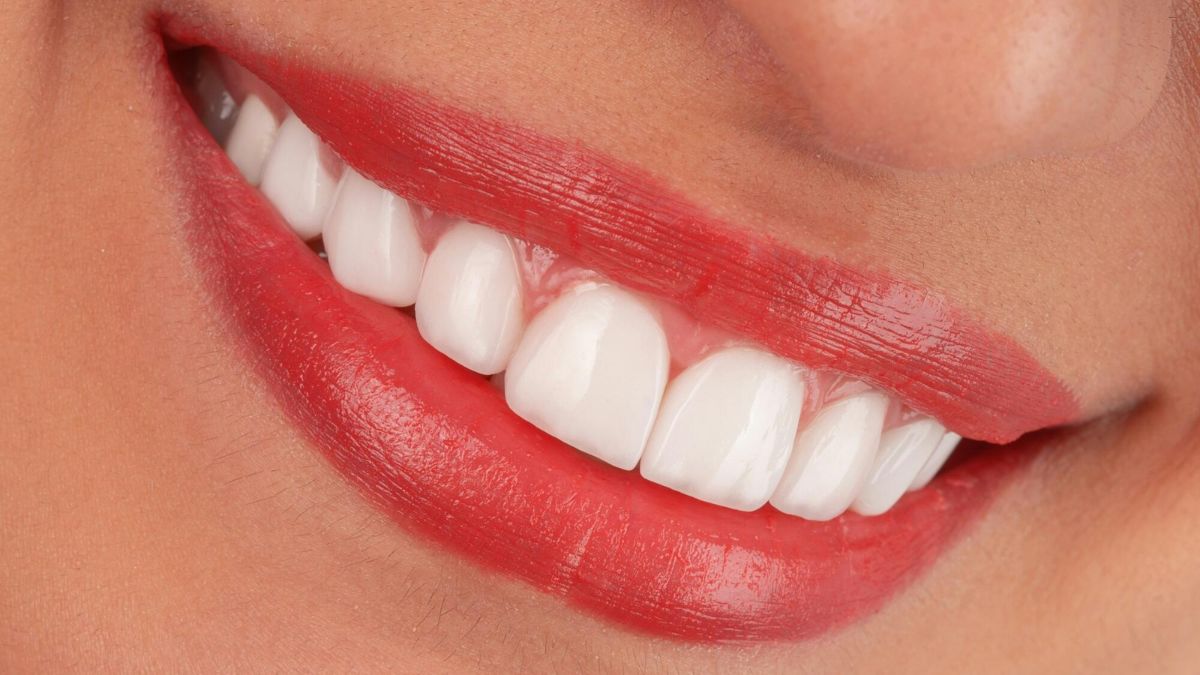
A bright smile can make a great first impression and help you feel more confident. Good dental habits also keep your teeth healthy for years.
Small changes to your daily routine can prevent damage and protect your teeth. With regular care, you can keep your smile strong and bright.
Continue reading to discover everything you need to know!
Spotting Early Signs of Tooth Wear
Your teeth face daily pressure from chewing food and drinking different beverages. Over time, this pressure can wear down the outer surface of your teeth. Paying attention to changes in your mouth can help you spot problems early.
Changes in tooth shape or surface texture may be signs of wear. Common warning signs include yellow spots, rounded tooth edges, and sudden pain when eating or drinking something hot or cold.
These changes may show that your tooth enamel is getting weaker. If you notice any of these signs, visit your dentist for advice.
Smart Daily Dental Habits
A regular cleaning routine helps protect your teeth from plaque. You should practice proven techniques on how to protect tooth enamel by maintaining a thorough morning and night routine. Brushing twice every day keeps your mouth fresh and clean.
The way you brush is just as important as how often you do it. Use a soft-bristled toothbrush and fluoride toothpaste. Brush gently for two minutes each morning and evening.
Use small, circular movements and pay close attention to the areas near your gums. This method helps clean your teeth without putting too much pressure on the enamel.
Making Better Food and Drink Choices
Some foods and drinks can weaken your tooth enamel. Citrus fruits, fruit juices, and fizzy drinks contain acids that slowly break down the outer layer of your teeth. This can leave them more open to decay and sensitivity.
You do not need to avoid every acidic food. However, try not to consume them too often throughout the day. After eating something sour, rinse your mouth with plain water, and this helps wash away leftover acids and supports a healthier mouth.
Eating sweet or sour snacks again and again can also cause problems. Each time you eat these foods, bacteria in your mouth produce acids that attack your teeth.
These acid attacks can last for up to an hour. Eating snacks with your main meals gives your teeth more time to recover.
Choose the Right Time to Brush
Brushing straight after every meal may seem like a good idea. However, brushing too soon after eating acidic foods can harm your teeth. Acid temporarily softens the enamel, making it easier to wear away.
Wait at least 30 minutes before brushing after eating or drinking something acidic. This gives your saliva time to reduce the acid in your mouth. During this waiting period, rinse with plain water to help clear away food and drink residue.
Build Healthy Habits for a Brighter Smile
Good oral care does not have to be difficult. Small steps can make a big difference when you follow them every day. Brush twice daily, floss once a day, drink plenty of water, and limit sugary or acidic snacks.
Regular dental checkups also help your dentist find problems before they become more serious. By making these habits part of your daily routine, you can protect your teeth, support healthy gums, and enjoy a bright, confident smile for years to come.
Check out the rest of our articles for more tips!
-

 NEWS1 year ago
Historical Churches in Manila
-

 TOPIC4 months ago
Unveiling AvTub: Your Ultimate Guide to the Best AV Content
-

 TOPIC1 year ago
Simbang Gabi and Kakanin
-

 TOPIC1 year ago
Symbols of Hope: The 15th Belenismo sa Tarlac
-

 TOPIC1 year ago
RIZAL at 160: a Filipino Feat in Britain
-

 NEWS5 months ago
What Caused Delta Flight DL275 to Diverted LAX? A Detailed Breakdown
-

 BUSINESS6 months ago
Exploring the Different Types of Понуде in Business Transactions
-

 TOPIC3 months ago
Understanding Fascisterne: Origins and Ideological Roots