
TOPIC
Why Pivot Frameless Shower Doors Are Redefining Modern Shower Design

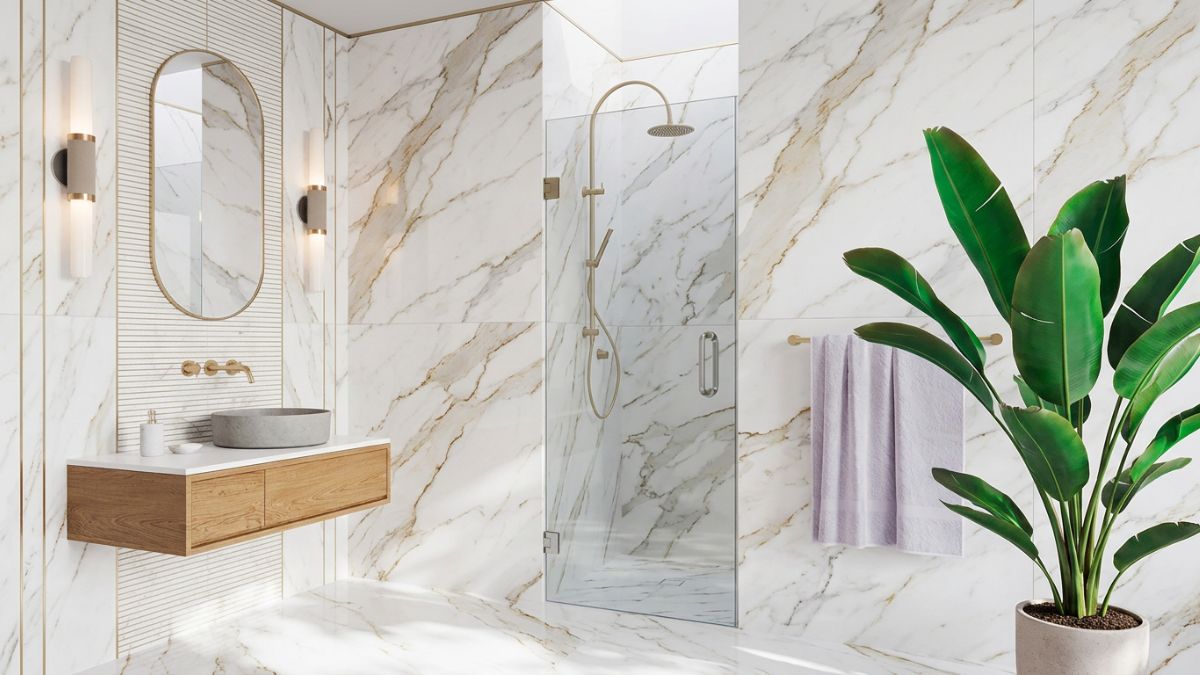
Modern bathroom design continues to evolve toward cleaner lines, brighter spaces, and minimal visual clutter. One feature that consistently stands out in contemporary renovations is the pivot frameless shower door. Homeowners appreciate its sleek appearance, durable construction, and ability to create an open, spacious feel without overwhelming the bathroom.
Unlike traditional framed shower doors, frameless pivot doors rely on heavy-duty hardware and thick tempered safety glass rather than bulky metal framing. This approach creates a refined appearance while allowing the beauty of tile, stone, and other interior finishes to remain the focal point.
If you’re planning a bathroom remodel or simply researching different shower enclosure styles, understanding how pivot doors function, where they perform best, and what factors influence long-term durability can help you make an informed decision. This guide explains everything you need to know, from design considerations to maintenance, installation requirements, and common misconceptions.
Understanding How a Frameless Pivot Door Works
A pivot shower door operates using specialized pivot hinges mounted at the top and bottom of the glass panel or attached to the wall. Instead of sliding on tracks or swinging from side-mounted hinges like traditional doors, the pivot mechanism allows the glass panel to rotate smoothly around a fixed pivot point.
Because the glass itself carries much of the structural load, these doors typically use thicker tempered glass, commonly ranging from 3/8-inch to 1/2-inch thickness. The additional thickness provides strength, stability, and a premium feel during everyday use.
The absence of heavy framing creates uninterrupted sightlines, making bathrooms appear larger while showcasing decorative tile work and premium fixtures.
Why Frameless Shower Doors Continue Growing in Popularity
Interior design trends throughout the United States increasingly favor minimalist aesthetics. Large-format tiles, floating vanities, concealed hardware, and frameless glass all contribute to bathrooms that feel brighter and less confined. Several factors explain why homeowners increasingly select frameless shower enclosures:
- Cleaner architectural appearance
- Greater natural light transmission
- Easier cleaning with fewer places for soap residue to collect
- Improved visibility of decorative tile installations
- Modern aesthetic that remains timeless
Rather than becoming a passing trend, frameless designs have established themselves as a long-term standard in upscale residential bathrooms.
The Advantages of Choosing a Pivot Door
Elegant Minimalist Design
Without bulky aluminum framing surrounding every edge, frameless glass creates a seamless visual transition between the shower and the rest of the bathroom. This uninterrupted transparency makes even modest bathrooms feel noticeably more spacious.
Durable Tempered Safety Glass
Modern shower enclosures use tempered safety glass manufactured through controlled heating and rapid cooling processes. Tempering significantly increases impact resistance compared with ordinary annealed glass.
If extreme force ever causes failure, tempered glass breaks into relatively small blunt fragments rather than dangerous sharp shards, helping improve user safety.
Smooth Operation
Quality pivot hinges distribute the weight of the door efficiently, allowing the panel to swing with minimal effort. Properly installed hardware maintains alignment over years of regular use while providing consistent opening and closing performance.
Flexible Design Options
Pivot doors work well in numerous enclosure configurations, including:
- Alcove showers
- Corner shower enclosures
- Neo-angle layouts
- Walk-in shower designs
- Custom-sized installations
This flexibility makes them suitable for both renovation projects and new construction.
Potential Limitations to Consider
No shower door style is ideal for every bathroom. Before selecting a pivot design, homeowners should understand several practical considerations.
Swing Clearance
Because the door swings outward—and sometimes inward depending on hardware—it requires adequate clearance in front of the shower. Bathrooms with limited floor space may be better suited for sliding shower doors.
Professional Installation Recommended
Frameless glass installations require precise measurements and careful alignment. Minor errors during installation can affect:
- Door operation
- Water containment
- Hardware longevity
- Overall appearance
Heavier Door Panels
Thicker tempered glass naturally weighs more than framed alternatives. Walls supporting pivot hardware should be properly reinforced during construction or renovation.
Comparing Pivot Doors with Other Shower Door Styles
Choosing between different shower door styles depends on bathroom size, personal preference, available space, and overall design goals.
Pivot vs Hinged Shower Doors
Although these terms are sometimes used interchangeably, they operate differently. Traditional hinged doors rotate on side-mounted hinges attached directly to the wall or adjacent glass.
Pivot doors rotate around dedicated pivot hardware positioned near the top and bottom of the panel, distributing weight differently and allowing greater design flexibility.
Pivot vs Sliding Doors
Sliding shower doors operate along horizontal tracks, making them an excellent solution for compact bathrooms where outward door swing isn’t practical. Pivot doors provide a wider, unobstructed opening and generally deliver a more luxurious appearance.
Pivot vs Bi-Fold Doors
Bi-fold doors fold inward, reducing required clearance. They work well in smaller bathrooms but involve additional moving components that may require periodic adjustment. Pivot designs maintain a simpler mechanical system with fewer joints.
Choosing the Right Glass Thickness
Glass thickness influences both appearance and structural performance. Common residential options include:
3/8-inch glass
A popular balance between strength, weight, and affordability. Suitable for many standard residential applications.
1/2-inch glass
Offers increased rigidity and a more premium feel. Often selected for larger custom enclosures or luxury bathroom projects. Glass thickness recommendations may vary depending on enclosure size, hardware specifications, and local building requirements.
Hardware Matters More Than Many Homeowners Realize
Hardware serves as the structural backbone of a frameless shower enclosure. Quality components typically include:
- Solid brass construction
- Stainless steel finishes
- Corrosion-resistant coatings
- Precision-engineered pivot mechanisms
- Adjustable seals for water management
Popular finish choices include chrome, brushed nickel, matte black, brushed gold, and oil-rubbed bronze, allowing homeowners to coordinate hardware with faucets and other bathroom fixtures.
Installation Factors That Affect Performance
A well-designed shower door depends on far more than attractive glass. Several structural considerations influence long-term success.
Level Surfaces
Walls and shower curbs should be square and level. Even slight deviations may require customized fabrication.
Waterproofing
Proper waterproofing behind tile remains essential regardless of shower door style. Glass prevents water from escaping the enclosure but cannot compensate for inadequate waterproofing beneath finished surfaces.
Accurate Measurements
Custom glass fabrication relies on precise measurements. Unlike framed systems that allow some adjustment, frameless enclosures leave very little margin for error.
Cleaning and Maintenance Tips
One reason many homeowners prefer frameless glass is its relatively simple maintenance routine. Regular cleaning helps preserve clarity and reduces mineral deposits. Best practices include:
- Use a squeegee after each shower.
- Clean weekly using a non-abrasive glass cleaner.
- Remove hard water spots promptly.
- Avoid harsh scrubbing pads that may damage protective coatings.
- Inspect seals and hardware periodically.
Homes with hard water may benefit from glass treated with protective coatings designed to reduce mineral buildup.
Common Misconceptions About Frameless Shower Doors
“Frameless doors leak more.”
Properly designed frameless enclosures include seals, sweeps, and carefully engineered gaps that effectively manage water when installed correctly.
“They’re fragile.”
Tempered safety glass is engineered specifically for demanding residential applications and withstands normal everyday use extremely well.
“They only work in luxury homes.”
While often associated with upscale bathrooms, frameless shower doors are available across a wide range of sizes and budgets, making them accessible for many renovation projects.
Current Bathroom Design Trends
Bathroom remodeling continues emphasizing simplicity, functionality, and natural materials. Current trends include:
- Large-format porcelain tile
- Curbless showers
- Matte black fixtures
- Floating vanities
- Minimalist hardware
- Frameless glass enclosures
- Integrated shower niches
- Warm neutral color palettes
Within these designs, clear glass remains the preferred choice because it allows architectural finishes to remain visually prominent.
Questions to Ask Before Choosing a Shower Door
Before finalizing a shower enclosure, consider the following:
- Is there sufficient space for the door to swing comfortably?
- Will the existing wall framing adequately support heavy glass?
- Does the bathroom layout favor a pivot or sliding configuration?
- What level of maintenance fits your lifestyle?
- Are local building codes influencing glass specifications?
- Which hardware finish complements the overall bathroom design?
Answering these questions early can simplify planning and reduce unexpected installation challenges.
Energy, Durability, and Long-Term Value
Although shower doors do not directly improve household energy efficiency, durable materials can contribute to long service life and reduced replacement frequency. Quality tempered glass resists scratching better than many plastic alternatives and maintains optical clarity for years when properly maintained. Likewise, corrosion-resistant hardware helps preserve both appearance and functionality in humid bathroom environments. Investing in durable components often reduces maintenance costs over time while supporting consistent day-to-day performance.
Final Thoughts
A pivot frameless shower door combines modern aesthetics with practical functionality, making it one of the most versatile choices for contemporary bathrooms. Its clean appearance, durable tempered glass construction, and smooth operation have made it a preferred option in residential remodeling projects throughout the United States.
When evaluating different shower door styles, consider available floor space, wall construction, glass thickness, hardware quality, and installation precision rather than appearance alone. Understanding these factors allows homeowners to choose an enclosure that complements both their design goals and daily lifestyle.
Whether incorporated into a compact guest bathroom or a spacious primary suite, a thoughtfully designed pivot shower door can provide lasting performance, timeless style, and a bright, open bathroom environment without relying on bulky framing or overly complex mechanisms.
Wisdom teeth are the last set of adult teeth to develop. They usually begin to appear during the late teenage years or early twenties. While some wisdom teeth grow normally, others may not have enough space to come through the gums correctly. When this happens, the teeth can become impacted. An impacted wisdom tooth may stay completely under the gums or only partially come through. Some people experience obvious symptoms, while others may not notice anything at first. Knowing the warning signs can help you decide when it is time to schedule a dental examination. If you are considering wisdom teeth surgery, understanding the signs of impacted teeth can help you prepare for your next dental visit.
What Does It Mean to Have Impacted Wisdom Teeth?
A wisdom tooth becomes impacted when it cannot fully grow into its normal position. This commonly happens because there is not enough space in the jaw. The tooth may grow at an angle toward another tooth, lean toward the back of the mouth, or remain trapped beneath the gum and jawbone. Impacted wisdom teeth can sometimes stay unnoticed for years, but they may eventually lead to discomfort or other oral health concerns. A dental examination can determine whether your wisdom teeth are developing properly or are trapped underneath the gums.
Pain at the Back of Your Mouth
One of the most common signs of an impacted wisdom tooth is pain near the back of the mouth. You may feel pressure, aching, or tenderness behind your last molars. The discomfort may be mild at first and become stronger over time. For some people, the pain comes and goes. It may also become more noticeable when chewing or opening the mouth. Ongoing pain should not be ignored, especially if it continues for several days or regularly returns. A dentist can examine the area and determine what is causing the discomfort.
Swollen or Tender Gums
Impacted wisdom teeth can irritate the gum tissue around them. The gums near the back of the mouth may appear red, swollen, or tender. If the wisdom tooth only partially breaks through the gum, food particles and bacteria can become trapped around the opening. This may make the area more difficult to clean and can cause irritation. You may also notice that brushing near the affected tooth feels uncomfortable. Keeping the area clean is important, but persistent swelling should be evaluated by a dental professional.
Difficulty Opening Your Mouth
Another possible warning sign is difficulty opening your mouth comfortably. An impacted tooth can sometimes cause swelling or pressure around the jaw. You may notice stiffness when opening your mouth wide, chewing food, or speaking for long periods. In more noticeable cases, the jaw may feel sore near the back of the mouth. Jaw stiffness does not always mean that a wisdom tooth is impacted, but it is worth discussing with your dentist when it occurs along with other symptoms.
Bad Breath or an Unpleasant Taste
Bad breath may sometimes be connected to a partially erupted wisdom tooth. Food and bacteria can become trapped underneath the gum tissue surrounding the tooth. Since this area is difficult to reach with a toothbrush or floss, bacteria may continue to build up. You might notice an unpleasant taste in your mouth even after brushing. If regular brushing, flossing, and mouth cleaning do not improve the problem, your wisdom teeth may need to be checked.
Swelling Around the Jaw or Face
Some people with impacted wisdom teeth experience swelling around the jaw. The swelling may appear near the back of the lower jaw or along one side of the face. Mild swelling may be caused by irritation around the tooth, while more serious swelling may be connected to an infection. If swelling becomes severe, painful, or is accompanied by a fever or difficulty swallowing, you should contact a dental professional promptly. These symptoms may require quicker treatment.
Pressure on Nearby Teeth
An impacted wisdom tooth may grow toward the molar beside it. This can create pressure in the back of the mouth. Some people describe this feeling as tightness or pressure around their back teeth. The position of the wisdom tooth may also create small spaces where plaque and food can collect. Over time, these areas may become difficult to clean and could affect the health of nearby teeth. Early evaluation can help identify whether the wisdom tooth is placing other teeth at risk.
How Dentists Check for Impacted Wisdom Teeth
A dentist will usually begin with an examination of the mouth. They may check the gums, look for partially erupted teeth, and ask whether you have experienced pain or swelling. Dental X-rays are often used to see wisdom teeth that are still below the gumline. These images can show how the teeth are positioned and whether they are growing toward nearby teeth. An X-ray can also help the dentist see the tooth roots and surrounding bone. This information is useful when deciding whether monitoring or treatment is appropriate.
Do Impacted Wisdom Teeth Always Need Surgery?
Not every impacted wisdom tooth needs to be removed immediately. Some teeth may remain under the gums without causing pain, infection, or damage to surrounding teeth. In these situations, a dentist may recommend monitoring the teeth during regular dental visits. However, removal may be recommended if the impacted tooth causes repeated infections, pain, cavities, gum problems, or damage to nearby teeth. Wisdom tooth removal may also be considered when a dentist believes there is a strong chance that problems will develop later. The best approach depends on your age, symptoms, tooth position, and overall dental health.
What to Expect If Surgery Is Recommended
If your dentist recommends removal, they will explain what to expect before the procedure. The treatment plan may depend on whether the tooth is fully or partially covered by gum or bone. During oral surgery, the affected wisdom tooth is carefully removed. Afterward, patients usually receive instructions for managing swelling, keeping the area clean, and choosing appropriate foods while the mouth heals. Recovery time can be different for each person. Following the dentist’s instructions carefully can help support proper healing.
When Should You Schedule a Dental Visit?
You should consider scheduling an examination if you have repeated pain, swollen gums, jaw stiffness, bad breath, or pressure near the back of your mouth. Even if you do not have symptoms, routine dental appointments can help detect wisdom tooth problems before they become more serious. For patients, an evaluation can determine whether your wisdom teeth are growing normally or becoming impacted. Those looking into wisdom teeth surgery in Ogden should discuss their symptoms and concerns with a dental professional so they can understand their treatment options. Early attention to wisdom tooth problems may help reduce the risk of infection, damage to nearby teeth, and ongoing discomfort. Regular dental checkups are one of the best ways to monitor how your wisdom teeth are developing and protect your long-term oral health.

From the moment young children begin exploring the world around them, their ability to connect with others plays a central role in their overall growth. While physical milestones like walking and talking are often the most celebrated, social and emotional milestones are equally critical. Learning how to share, listen, resolve conflicts, and show empathy helps children build meaningful relationships and lays the groundwork for lifelong confidence and academic success.
Developing strong social skills is not something that happens overnight. It requires consistent guidance, positive reinforcement, and frequent practice in safe, nurturing environments.
The Core Pillars of Early Social Skills
Social development encompasses a wide range of behaviors that allow children to interact harmoniously with peers and adults. When children master these foundational abilities, they feel more secure and capable in group settings:
- Sharing and Taking Turns: While toddlers often view the world through a self-centered lens, young children gradually learn the concept of fairness. Taking turns during games or sharing play materials teaches patience, empathy, and mutual respect.
- Emotional Awareness and Self-Regulation: Understanding one’s own emotions—and recognizing them in others—is the root of emotional intelligence. When children can label feelings such as frustration or excitement, they are better equipped to communicate their needs without resorting to physical outbursts.
- Active Listening and Communication: Clear communication involves both expressing thoughts and listening actively. Children who learn to pay attention when others speak develop stronger comprehension skills and build richer friendships.
- Cooperative Problem-Solving: Disagreements over toys or game rules are natural in early childhood. Learning to talk through minor conflicts, compromise, and seek guidance when necessary teaches psychological resilience and constructive problem-solving.
Why Group Environments Accelerate Social Growth
While social learning starts at home, entering a structured group setting offers unparalleled opportunities for growth. Home environments provide safety and intimacy, but peer group dynamics introduce diverse personalities, shared rules, and collaborative activities.
Enrolling your child in a quality pre-kindergarten in Eastside Tucson gives them daily practice in navigating these group dynamics. Under the supervision of trained early childhood educators, children participate in structured play, circle time, and collaborative projects that encourage teamwork. These structured experiences help children adapt to routines, respect boundaries, and feel confident when transitioning into formal elementary education.
Practical Strategies for Fostering Social Skills at Home
Parents and caregivers remain a child’s primary role models. You can actively nurture your child’s social confidence through simple, intentional everyday habits:
- Model Positive Interactions: Children absorb adult behavior constantly. Demonstrate polite communication, active listening, and calm conflict resolution in your daily interactions with family, neighbors, and friends.
- Expand Their Emotional Vocabulary: Help your child identify their feelings by naming emotions throughout the day. Using phrases like, “I can see you feel disappointed that it’s raining,” validates their experience and builds emotional literacy.
- Engage in Purposeful Play: Use pretend play, board games, and role-playing to practice social scenarios. Acting out everyday situations—such as inviting a new classmate to play or asking for a turn—builds confidence before real-life events.
- Arrange Low-Pressure Playdates: Start with small, manageable playdates with one or two peers. Keeping group sizes small prevents children from feeling overwhelmed and allows them to build deeper one-on-one connections.
Supporting Children Through Social Roadblocks
Every child develops socially at their own unique pace. Some children are naturally outgoing, while others are reserved or easily overwhelmed in new environments. It is essential to meet children where they are without forcing interactions or pushing them beyond their emotional comfort zone.
When social challenges arise—such as difficulty sharing, mild aggression, or moments of shyness—treat them as natural learning opportunities rather than failures. Offer gentle encouragement, celebrate small victories (such as waiting patiently or greeting a classmate), and provide a comforting presence when big emotions take over.
Conclusion
Helping children build strong social bonds is one of the most rewarding investments parents and educators can make. By providing gentle guidance, modeling empathetic behavior, and encouraging rich group learning experiences, we empower children to communicate effectively, build lasting friendships, and thrive in every environment they enter.

Children rarely need encouragement to enjoy their holidays, but giving them interesting experiences can make the break even more rewarding. A well-designed summer camp provides activities that feel entertaining while naturally supporting creativity, communication, physical development, problem-solving, and social confidence.
The key is variety. Young children have different interests, personalities, and energy levels, so a strong programme should provide multiple ways to participate.
Creative Art Projects
Art gives children the freedom to turn ideas into something visible.
Painting, collage, clay, printing, craft, and recycled-material construction can become engaging summer camp activities.
Let Children Make Creative Decisions
Instead of showing children one finished example that everyone must copy, educators can provide materials and a broad theme.
Children can decide what to create and how to create it.
This approach makes summer camp art more about imagination than imitation.
Simple Science Exploration
Science can begin with everyday curiosity.
What floats? How do colours mix? Why does a shadow move? Which objects are attracted to a magnet?
A summer camp can transform questions like these into simple, hands-on investigations.
The aim should be observation and discovery rather than memorizing complicated terminology.
Storytelling and Imaginative Play
Children can invent characters, create imaginary worlds, act out stories, or build props.
These experiences strengthen communication and flexible thinking.
Families considering summer activities for young children in Sholinganallur can look for opportunities that encourage children to become active participants rather than passive observers.
Stories Can Become Group Projects
One child might invent a character, another can decide where the story happens, and others can suggest what happens next.
Collaborative storytelling turns a summer camp activity into an exercise in listening and cooperation.
Building and Construction Challenges
Children often enjoy making structures from blocks and other safe materials.
Educators can introduce playful challenges: build a tall tower, design a bridge, create an imaginary house, or construct something that can hold a lightweight object.
A summer camp can encourage children to test ideas and make changes when the first solution does not work.
Music and Movement
Music brings energy to holiday activities.
Children can explore rhythm, dance, action songs, movement patterns, and age-appropriate musical games.
These summer camp experiences combine creativity with physical coordination.
Cooperative Games
Traditional competition can be fun, but cooperative games provide different developmental benefits.
Children can complete obstacle tasks together, solve group challenges, or work toward a shared goal.
Such activities allow summer camp participants to practice teamwork and communication.
Nature-Based Exploration
Even simple observations can encourage curiosity about the natural world.
Children might investigate leaves, textures, insects, weather, shadows, or different natural shapes.
A summer camp can encourage children to draw what they observe or discuss differences between objects.
This turns outdoor time into exploration without making it feel like a formal science lesson.
Include Calm Experiences
An effective holiday programme should not keep children constantly stimulated.
Reading, puzzles, drawing, sensory activities, and quiet construction give them opportunities to slow down.
Alternating active and calm summer camp activities can create a comfortable rhythm throughout the day.
Give Children Choices
Choice creates ownership.
When practical, children can choose between activities, select materials, or decide how they want to approach a creative challenge.
A structured summer camp can still provide these manageable decisions.
Children often become more engaged when their preferences have a place in the experience.
Celebrate Discovery Rather Than Perfection
Holiday activities should not become another source of performance pressure.
Children should feel comfortable experimenting, making mistakes, changing ideas, and trying again.
A summer camp can celebrate participation, persistence, imagination, and curiosity rather than focusing exclusively on perfect results.
Conclusion
Summer camp activities can offer much more than entertainment. Art develops expression, building challenges encourage problem-solving, movement supports coordination, storytelling strengthens language, and group experiences build social confidence.
The best holiday memories often emerge from active participation. When children are given opportunities to create, move, imagine, experiment, and cooperate, summer camp can become an exciting environment for discovering new interests while still feeling exactly like a holiday should: fun.
-

 NEWS1 year ago
Historical Churches in Manila
-

 TOPIC2 months ago
Unveiling AvTub: Your Ultimate Guide to the Best AV Content
-

 TOPIC1 year ago
Symbols of Hope: The 15th Belenismo sa Tarlac
-

 TOPIC1 year ago
RIZAL at 160: a Filipino Feat in Britain
-

 TOPIC1 year ago
“The Journey Beyond Fashion” – Ditta Sandico
-

 TOPIC1 month ago
Understanding Fascisterne: Origins and Ideological Roots
-

 TOPIC1 year ago
Simbang Gabi and Kakanin
-

 TOPIC1 year ago
5 Must-Have Products From Adarna House to Nurture Your Roots