
TOPIC
Who Is Jeroen Dik? The Dutch Tuner Behind JD Engineering


Search “jeroen dik” and you will land in a small Dutch workshop story that still shapes how many Volkswagen Group owners think about power. Jeroen Dik is the Lochem-based tuner and former circuit racer behind JD Engineering. He built a reputation not on headline horsepower, but on maps that survive commutes, wet roundabouts, and long highway runs.
That distinction matters. Tuning culture often sells numbers first. Dik’s work sold drivability, heat control, and parts that last.
Who Jeroen Dik Is and Why Enthusiasts Still Search the Name
Jeroen Dik is a Dutch automotive tuner, engine builder, and race driver associated with JD Engineering in Lochem, in the eastern Netherlands. His specialty sits inside the VAG family: Volkswagen, Audi, SEAT, Škoda, and selected Porsche models.
He became known in enthusiast circles as a careful calibrator. Owners wanted more torque without grenading a dual-mass flywheel. Clubs wanted weekend track cars that still started on Monday. Forum threads treated him as the person who would refuse a map if the hardware could not support it.
A useful working definition: Jeroen Dik is a performance specialist who treats ECU software, fueling, boost, and cooling as one system, then proves that system on the road and on circuit.
Early workshop years in Lochem
The shop did not begin as a branded campus. Like many European tuners of the 1990s, the work started in a garage: helping friends prepare Golfs for sprints and club days, then taking on paid jobs as word spread.
Lochem is not Stuttgart. That geography shaped the brand. Customers drove in from across the Netherlands and later from neighboring countries because the advice felt honest. If a G60 needed stronger internals before more boost, the conversation started there.
His early calling card was the Mk1 Golf G60 scene. Supercharged eight-valve cars rewarded people who understood belt loads, charge-air temperatures, and ignition timing. Magazine features from the late 1990s helped the name travel through Performance VW readers and Dutch club paddocks.
From garage maps to a full tuning house
JD Engineering grew around a few practical services:
- Custom ECU remaps instead of one-size files
- Turbo and intercooler packages matched to the map
- Diagnostics before and after power work
- Dyno checks that looked at torque shape, not only peak figures
- Support for daily drivers as well as club racers
That mix is why the company stayed relevant after cheap mail-order files flooded the market. A file can add boost. A workshop visit can catch a failing MAF, a weak clutch, or a DSG that needs software and hardware together.
How Jeroen Dik Approached VAG Performance Tuning
Most buyers arrive with a single question: how much power? Dik’s process flipped the order. First came the use case. Then the hardware. Then the software.
The reliability-first calibration idea
Reliable tuning sounds conservative until you drive it. A smooth torque curve protects gearboxes. Controlled exhaust gas temperatures protect pistons. Sensible limiter strategy protects people who still commute.
Typical checks before a serious remap include:
- Service history and compression or leak-down where relevant
- Fuel quality and injector health
- Turbo condition and boost leaks
- Cooling system capacity
- Clutch, dual-mass flywheel, and gearbox type
- Intended use: daily, towing, track days, or mixed
Only after that list does the conversation move to Stage 1, hybrid turbo, or a full engine build.
What “usable power” looks like on a VAG car
Usable power is not a slogan. It shows up in mid-range pull, clean part-throttle response, and temperatures that stay stable in traffic.
A Golf GTI or Audi S3 that gains 60–80 hp with factory-like manners often feels faster in the real world than a brittle 150 hp jump that only works on a cool dyno day. That is the difference owners keep describing when they talk about JD-style maps.
| Tuning priority | What it means in practice | Why it matters for VAG owners |
|---|---|---|
| Torque shape | Power arrives in a usable band, not a spike | Protects DSG clutches and manual gearboxes |
| Thermal headroom | Exhaust, intake, and coolant stay in range | Prevents timing pull on hot days |
| Hardware match | Turbo, injectors, and clutch match the file | Avoids “software-only” failures |
| Drivability | Smooth idle, clean part throttle | Daily cars stay daily cars |
| Aftercare | Logging and follow-up adjustments | Real roads differ from the dyno |
Racing as a public test bench
Dik did not only sell maps. He raced cars he had prepared.
The result most often cited is his 2011 Toerwagen Diesel Cup campaign in a self-tuned Volkswagen Golf VI TDI. Diesel touring cars punish poor fueling and sloppy boost control. Winning, or even finishing seasons at the front, is a harder advert than a screenshot of peak horsepower.
Track work also taught boring lessons that sell poorly on social media: oil spec, intercooler spray strategy, brake temperatures, and how a map behaves after twenty laps rather than two.
| Season theme | What enthusiasts remember | Practical takeaway |
|---|---|---|
| Club and sprint years | Mk1 G60 and early Golf builds | Supercharger and chassis balance first |
| Diesel cup era | Golf VI TDI campaign around 2011 | Fueling and heat control win races |
| Customer track days | Maps used by owners, not only staff | Street cars must survive abuse |
Practical Examples Owners Still Talk About
Examples help more than slogans. Across customer stories and magazine write-ups, a pattern repeats.
A daily Škoda or Golf TDI owner wants safer overtakes and less lag, not a competition motor. A well-matched remap plus intake and exhaust can add meaningful mid-range torque while highway fuel use stays close to stock if the driver stays out of boost.
A UK or Dutch Audi RS3 owner wants a stronger 30–70 mph pull without destroying DSG shift quality. That job is software plus hardware honesty: if the clutch pack or cooling cannot take the torque, the shop should say no.
A Mk1 or Mk2 enthusiast wants character. Those cars need mechanical sympathy. More boost without fuel and ignition control is how engines become scrap.
None of these stories require mythical numbers. They require a shop that will measure, log, and revise.
Pros and Cons of the Jeroen Dik / JD Engineering Approach
No tuning philosophy is free.
Pros
- Emphasis on reliability and daily drivability
- Maps tailored to hardware instead of generic files
- Race experience that tests heat and consistency
- Strong reputation inside VAG enthusiast communities
- Willingness to refuse unsafe power targets
Cons
- Bespoke work costs more than a cheap flash file
- Appointment-based shops are less convenient than mail-order tunes
- Conservative limits can disappoint owners chasing peak dyno screenshots
- Specialist knowledge is hard to scale; the brand depends on people, not only software
- Older air-cooled or supercharged projects need parts that are no longer easy to source
If you want the loudest Instagram figure, this approach will feel slow. If you want a car you still trust in January traffic, it will feel correct.
Common Mistakes People Make When Following This Kind of Tuning
Copying a famous tuner’s reputation without copying the process is how engines fail.
Common mistakes include:
- Buying a “JD-style” file from a random vendor with no logging
- Raising boost on tired injectors or a weak high-pressure pump
- Ignoring gearbox torque limits on DSG and S-tronic cars
- Skipping an intercooler when the map assumes one
- Treating a championship result as proof that every street car can run race timing
- Forgetting maintenance: a tuned TDI still needs oil, filters, and DPF-aware driving
- Confusing this Jeroen Dik with other Dutch professionals who share the same name, including educators and, in some search results, materials-science stories that actually belong to a different researcher
That last point is a search problem. Several web pages mix names. If you are looking for hidden Rembrandt layers and museum scanning, you are looking for a different person. If you are looking for Lochem, Golfs, and ECU work, you are in the right place.
Best Practices If You Want Work in the Same Spirit
You do not need that exact workshop to apply the method.
- Define the car’s job in one sentence. Daily, mountain roads, or track.
- Fix faults first. A map will not hide a boost leak.
- Upgrade the weakest link before the next power step.
- Log oil temperature, coolant, intake air, and fuel trims after the tune.
- Keep stock files and a path back to standard software.
- Budget for consumables: clutches, tires, brakes, and oil intervals get shorter.
- Ask how the shop handles warranty conversations and emissions equipment. Honesty here matters more than a brochure.
| Decision | Safer path | Risky path |
|---|---|---|
| First upgrade | Stage 1 on a healthy stock engine | Big turbo on neglected service history |
| Gearbox | Torque limit matched to DSG spec | Ignore clutch slip until it burns |
| Fuel | Known-quality pump fuel or a tested mix | Unknown race fuel without a map change |
| Validation | Road log + dyno + heat soak test | One cold dyno pull |
| Support | Shop that will retune after hardware changes | File sold with no follow-up |
Conclusion
Jeroen Dik’s name lasts in search results because it stands for a style of performance work that is slightly unfashionable and very useful. Build the hardware. Respect temperatures. Shape torque so a family car or a club racer can live with it. Then test the result where mistakes are expensive.
JD Engineering turned that habit into a business in Lochem. The racing years, especially the diesel touring-car chapter, gave customers a reason to trust the maps. The quieter legacy is a generation of VAG owners who learned to ask better questions than “how much horsepower?”
If you are researching the name today, start with the car in your driveway. Decide what you need it to do. Then look for a tuner who will measure first and brag second. That is the part of the Jeroen Dik story worth copying.
5 SEO FAQs
Who is Jeroen Dik?
Jeroen Dik is a Dutch automotive tuner and race driver best known as the founder of JD Engineering in Lochem. He specializes in Volkswagen Group performance work, with an emphasis on reliable ECU calibration.
What is JD Engineering known for?
JD Engineering is known for custom remaps, hardware-matched turbo packages, and diagnostics for VW, Audi, SEAT, Škoda, and some Porsche models. The shop’s reputation rests on drivability as much as peak power.
Did Jeroen Dik race the cars he tuned?
Yes. He competed in Dutch circuit events and is widely associated with a 2011 Toerwagen Diesel Cup campaign in a Golf VI TDI he prepared himself.
Is Jeroen Dik the same person as the TU Delft art scientist?
No. Museum imaging and hidden van Gogh research are linked to materials scientist Joris Dik. Search results sometimes blend the two names. Jeroen Dik in the automotive sense is the Lochem tuner.
Is a reliability-first remap worth it over a cheap file?
It is if you keep the car. A calibrated file that respects fueling, heat, and gearbox limits usually costs more up front and less in broken clutches, melted pistons, or failed emissions components.


Have you ever wondered how new medicines are tested before they reach the market? Today, clinical research is changing faster than ever. Modern technology is shaping how researchers discover and test new treatments.
Artificial intelligence, data analytics, and digital tools are playing key roles. These changes are not just making things faster. They are also making research safer and more accurate.
In this blog, you will learn about these innovations and how they are shaping the future of clinical trials. Keep on reading!
Artificial Intelligence Is Revolutionizing Research
Artificial intelligence (AI) is quickly changing the rules of clinical research. AI can process huge amounts of data much faster than people can. It helps researchers find patterns and trends that might not be obvious at first glance.
In theory, this could speed up the process of finding possible treatments. AI-powered tools can also identify which patients would benefit most from taking part in a clinical trial. When people enter data and review it, these systems help prevent mistakes.
Artificial intelligence makes clinical research more reliable and effective. As a result, researchers can move faster and more safely.
The Power of Data Analytics in Trials
Data analytics is making clinical trials smarter and more useful. Sources like patient records and lab tests provide researchers with the data they need to collect and analyze.
Data analytics tools sift through this data to uncover useful, actionable insights. Medical professionals can make better treatment decisions with these new insights.
Analytical methods can find patterns and alert researchers to potential problems before they happen. These changes make it possible to complete a trial faster and more cheaply.
It also helps keep patients safer during the study. Data analytics is helping clinical research achieve better results faster.
Wearable Technology Tracks Health in Real Time
Several clinical trials are using wearable tech right now, like smartwatches. These gadgets can monitor not only blood pressure but also movement and even sleep patterns.
Real-time data access lets researchers see how well treatments are working every day. This technology also means patients don’t have to go to the clinic as often. Patients say they feel calmer, and the research process runs more smoothly.
With wearables, you can also notice adverse effects or changes in your health immediately. This early detection could help keep participants safe. Most of the time, wearable tech makes clinical trials safer and easier to do.
Remote Trials and Virtual Visits
Remote trials allow patients to take part without always traveling to a clinic. Virtual visits use video calls and digital tools to keep in touch with participants.
This approach makes it easier for people from different locations to join studies. It also saves time and reduces travel costs for everyone involved. Researchers can reach more patients and collect data from larger, more diverse groups.
Virtual trials became especially important during the COVID-19 pandemic. They continue to grow in popularity today. Remote methods are making clinical research more flexible and accessible.
Blockchain Technology for Secure Data
A distributed ledger, or blockchain, stores information safely and securely. Because it is decentralized, blockchain technology helps keep patient data safe and private in clinical research. Once a record is created, it cannot be changed or deleted without the owner’s permission.
As a result, it is much easier to see who has accessed or used the data. Blockchain technology also helps prevent fraud and data tampering.
This increases the likelihood that the data is accurate for both researchers and patients. This technology is especially useful for large, international research projects. Blockchain technology is building trust in clinical research worldwide.
Advanced Imaging and Diagnostics
Modern imaging tools, like high-resolution scanners, help researchers see inside the body more clearly. These tools show how treatments are working in real time. They can also spot changes in organs or tissues faster than older methods.
This lets doctors adjust treatments quickly when needed. Advanced imaging reduces the need for surgery or invasive tests. It makes clinical trials safer and less stressful for patients.
Clearer images mean better data and more reliable results. Imaging technology is improving the quality of clinical research.
Automation Streamlines Study Processes
Automation uses machines and software to do tasks that once required people. This includes things like scheduling visits, sending reminders, and recording results.
Automation reduces human error and saves time for both researchers and patients. It also helps keep studies organized and on track.
Automated systems can handle paperwork and reporting quickly. This means researchers can focus more on patient care and less on paperwork.
Automation is making clinical trials run more smoothly than ever before. It is an important part of modern research.
Patient-Centric Approaches
Patient care is the top priority in clinical trial planning today. Researchers pay close attention to what participants want and need. They use feedback to improve study plans and help participants feel more at ease.
Tech has made it possible for patients to stay informed and involved throughout the trial. Mobile apps, for example, can send updates and reminders. This approach helps people trust each other more and stay engaged in the study.
Patient-centered trials produce better results, and participants are happier with the process. Clinical research is changing as it puts patients first.
The Growing Role of Early Phase Trials
Early phase trials are the first step in testing new drugs or treatments. They help scientists learn how a new medicine works and if it is safe. Technology is making these trials more advanced.
For example, early phase oncology trials now use digital tools to monitor patients closely and collect more data. This leads to faster discoveries and safer studies.
Early phase trials are important for bringing new treatments to people who need them. Technology is making these early steps more successful.
Embracing the New Era of Clinical Research
The future of clinical research looks bright with these exciting innovations. Artificial intelligence, data analytics, and other new tools are speeding up discoveries. They are also making trials safer and easier for everyone involved.
Researchers can find answers faster and help patients sooner. Technology use will keep growing in the years ahead. These changes promise better medicines and treatments for all.
Did you like this guide? Great! Please browse our website for more!
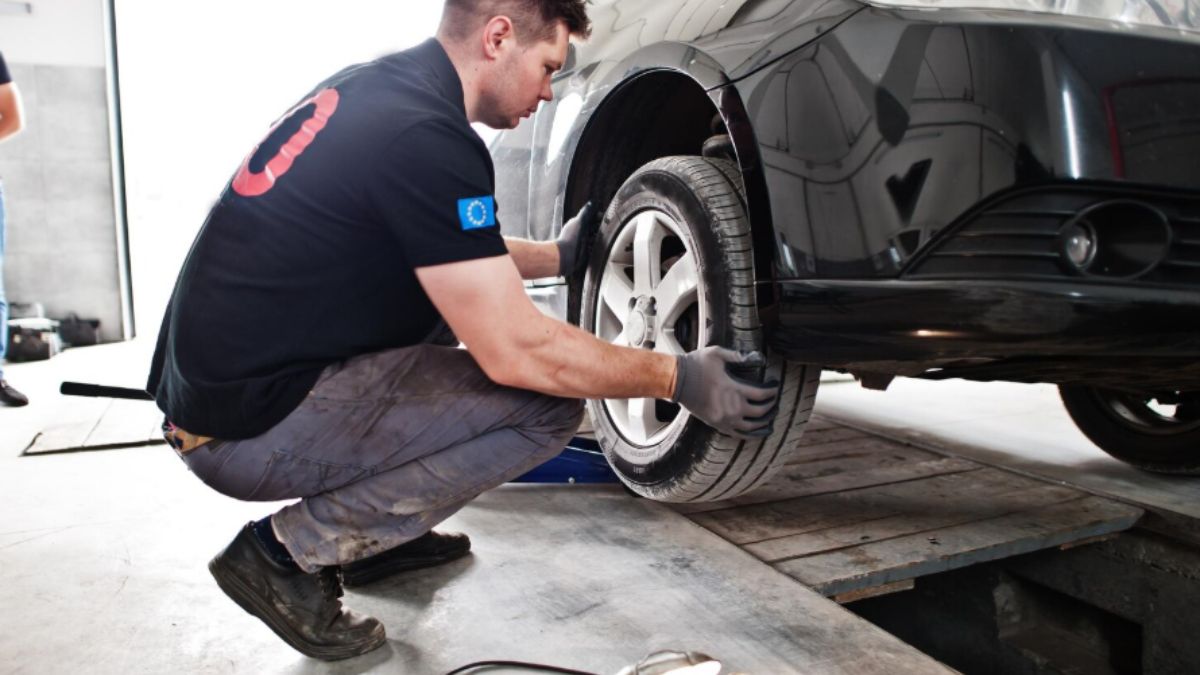
A new vehicle requires less immediate maintenance than an older one, but regular checks of the tires, brakes, and suspension are still important for safe and consistent performance. Whether you are comparing New Ford Models for sale In Jacksonbille, choosing a family SUV, or considering a Ford truck, understanding these basic components can help you recognize potential issues early. Regular inspections can also help maintain handling, braking performance, ride quality, and tire life throughout vehicle ownership.
Check Tire Pressure Regularly
Correct tire pressure is one of the simplest maintenance items to monitor. Ford recommends using the vehicle-specific tire-pressure information found on the driver’s door label or in the owner’s manual rather than relying on the maximum pressure printed on the tire itself.
Check the tires when they are cold for the most accurate reading. Underinflation can contribute to uneven tread wear, increased rolling resistance, and tire damage, while incorrect pressure can affect handling.
Modern Ford models may also have a Tire Pressure Monitoring System that displays pressure information through the vehicle’s dashboard. However, the monitoring system should supplement rather than replace regular physical tire checks.
Inspect Tire Tread and Sidewalls
Pressure is only one part of tire condition. Examine the tread for uneven wear, embedded objects, cuts, cracks, and other damage. Also inspect the sidewalls for bulges, gouges, or unusual marks.
Uneven wear can sometimes point toward alignment, suspension, or inflation issues. If one tire looks significantly different from the others, have the cause investigated rather than simply replacing the tire.
Ford’s maintenance guidance includes rotating tires and checking tire wear and tread depth at scheduled intervals.
Pay Attention to Brake Feel
Brake performance should remain predictable in a new Ford. During normal driving, pay attention to how the brake pedal feels and whether the vehicle stops smoothly without pulling to one side.
A soft or spongy pedal, unusual vibration, squealing, grinding, or a brake-system warning light should not be ignored. Ford recommends having brake components inspected according to the vehicle’s maintenance schedule and checking them sooner if these warning signs appear.
Inspect Brake Components During Service
Brake pads, rotors, hoses, and related components should be inspected as part of routine maintenance. Ford’s scheduled maintenance information includes inspection of brake pads, shoes, rotors, drums, brake linings, hoses, and the parking brake, depending on the vehicle.
Brake wear can vary depending on driving conditions. Frequent stop-and-go traffic, towing, steep roads, and other demanding conditions can place additional stress on the braking system. If your Ford is used under these conditions, follow the maintenance schedule for the specific model closely.
Check the Suspension for Unusual Behavior
The suspension affects ride comfort, handling, and the vehicle’s ability to maintain stable contact with the road. During normal driving, notice whether the Ford remains composed over bumps and uneven pavement.
Listen for clunking, knocking, squeaking, or other unusual sounds. Excessive bouncing, unusual steering behavior, or a vehicle that appears to sit unevenly may also justify a professional inspection.
Ford’s scheduled maintenance guidance includes checking steering linkage, ball joints, suspension components, tie-rod ends, and related wheel components.
Watch for Alignment Problems
Tire wear can provide clues about wheel alignment. If the inside or outside edges of a tire wear more quickly than the center, the vehicle may need further evaluation.
During a test drive, notice whether the steering wheel remains reasonably centered and whether the vehicle tends to pull to one side on a suitable, level road. Alignment can be affected by impacts with potholes or curbs, so investigate noticeable changes rather than assuming they are normal.
Inspect Wheels and Related Components
The wheels themselves should also be included in routine checks. Look for visible bends, cracks, corrosion, or damage, particularly after driving over potholes or rough roads.
Ford maintenance guidance recommends inspecting wheels and related components for abnormal noise, wear, looseness, or drag.
A wheel problem can sometimes produce vibrations that are noticeable through the steering wheel or vehicle body. Persistent vibration should be professionally diagnosed rather than ignored.
Consider Seasonal Driving Conditions
Weather and road conditions can influence tire, brake, and suspension performance. Cold temperatures can affect tire pressure, while snow, ice, rain, potholes, and road debris can place additional demands on the vehicle.
Check tire pressure as temperatures change and inspect tires more frequently when driving conditions become more demanding. If your Ford is used for towing, heavy loads, or frequent rough-road driving, follow the model-specific maintenance requirements closely.
Follow the Ford Maintenance Schedule
The maintenance schedule for a new Ford varies by model, engine, drivetrain, and usage. Some current Ford owner-manual schedules call for tire rotation and inspection, brake inspection, and suspension-related checks at regular intervals.
Instead of relying on a general mileage rule, use the maintenance schedule for your specific Ford. Keeping service records can also make it easier to track tire rotations, brake inspections, alignment work, and suspension repairs.
Do Not Ignore Warning Signs
A new vehicle should not be expected to develop unusual noises or handling problems simply because it is new. If you notice persistent vibration, pulling, unusual tire wear, brake noise, warning lights, or suspension sounds, arrange an inspection.
Addressing a minor issue early can help prevent additional wear to related components and keep the vehicle operating as intended.
Conclusion
Tires, brakes, and suspension components all contribute to the everyday performance of a new Ford. Regularly check tire pressure and tread, pay attention to brake feel and warning signs, and monitor the vehicle for unusual suspension or steering behavior. Following the model-specific maintenance schedule and responding promptly to changes can help maintain safe handling, predictable braking, and a comfortable ride throughout ownership.

A road trip across Arkansas can involve highways, rural roads, scenic routes, camping areas, and destinations that require carrying more equipment than a vehicle can comfortably hold. The right trailer can make these trips easier by providing additional cargo capacity while keeping passengers and towing vehicles more organized. When comparing trailers for sale jonesboro ar, consider the trailer’s size, weight rating, construction, braking system, storage options, and loading equipment. Silver Moon Trailers in Jonesboro offers several categories, including cargo, utility, equipment, car hauler, dump, flatbed, and gooseneck trailers.
Choose the Right Trailer Type
The best trailer for an Arkansas road trip depends on what you plan to transport. An enclosed cargo trailer can protect luggage, camping equipment, tools, and recreational gear from weather and road debris. A utility trailer may be better when you need quick access to bulky outdoor equipment.
Car haulers are useful when transporting another vehicle, while equipment trailers can accommodate larger machinery. Choosing the correct category before shopping can help prevent paying for features you will rarely use.
Check GVWR and Payload Capacity
Weight ratings are among the most important specifications to understand before towing. Gross Vehicle Weight Rating, or GVWR, represents the maximum permitted loaded weight of the trailer, while payload capacity indicates how much cargo it can carry.
Silver Moon’s current inventory includes trailers with GVWR ratings ranging from roughly 2,990 pounds to more than 25,000 pounds, depending on the trailer type and configuration.
Your tow vehicle must be capable of safely handling the trailer’s loaded weight. Consider the trailer’s empty weight, passengers, cargo, hitch equipment, and any additional items when calculating your total towing requirements.
Consider Trailer Size and Dimensions
Trailer length, width, and height should match both your cargo requirements and your tow vehicle. A trailer that is too small can make packing difficult, while an unnecessarily large trailer can make maneuvering and parking more challenging.
Think about the equipment you normally take on road trips. Camping supplies, bicycles, coolers, motorcycles, kayaks, and other recreational equipment may require different amounts of space.
An enclosed trailer can also have interior-height considerations. For example, a current Cynergy Cargo trailer listed by Silver Moon measures 12 feet long, 6 feet wide, and 7 feet high.
Look for Reliable Braking Systems
A trailer’s braking system is particularly important when carrying substantial loads. Electric brakes can provide the towing vehicle with additional braking assistance and are available on many larger trailer configurations.
A current enclosed cargo trailer in Silver Moon’s inventory, for example, includes electric brakes, a breakaway switch, and DOT-approved lighting.
When comparing trailers, verify the braking equipment and make sure the towing vehicle’s brake controller and electrical connection are compatible.
Prioritize Secure Tie-Down Points
Keeping cargo secure is essential during long drives. Look for properly positioned D-rings, tie-down points, rails, or other systems that allow equipment to be restrained effectively.
This becomes especially important when transporting motorcycles, ATVs, tools, landscaping equipment, or other heavy items. A trailer should provide enough attachment points for the type of cargo you regularly carry rather than forcing you to improvise.
Consider Ramps and Loading Access
Loading heavy equipment can be much easier when a trailer includes an appropriate ramp system. Depending on the trailer type, you may find rear ramp doors, fold-down ramps, or other loading solutions.
Enclosed cargo trailers can be particularly convenient when they combine a rear ramp door with a side door. A current Cynergy Cargo trailer listed by Silver Moon includes both features, along with D-rings and a manual jack.
Before buying, consider the height and weight of the equipment you plan to load and whether the ramp configuration provides enough clearance.
Pay Attention to Suspension and Axles
The axle and suspension configuration affects how a trailer carries its load and responds to road conditions. Single-axle trailers can work well for lighter applications, while tandem-axle designs may provide additional capacity and stability for heavier loads.
Silver Moon’s inventory includes both single- and tandem-axle trailers, with leaf-spring, torsion, and heavy-duty adjustable suspension options depending on the model.
Choose a configuration based on the trailer’s intended load rather than simply selecting the largest option available.
Consider Weather Protection
Arkansas road trips can expose equipment to rain, dust, road spray, and changing weather conditions. An enclosed trailer can provide an important layer of protection for gear that should remain dry and clean.
Steel-frame trailers with aluminum skins are one available construction option. Silver Moon’s inventory includes enclosed cargo models using steel-frame and aluminum-skin construction.
For open trailers, consider weather-resistant cargo covers and appropriate tie-down systems when transporting equipment that cannot be exposed to rain.
Check Lighting and Electrical Connections
Good lighting is essential for visibility, particularly when traveling after dark or during poor weather. Look for DOT-approved marker and trailer lights, along with a compatible electrical connector.
Seven-way plugs are common on many larger trailer configurations and can support lighting and electric brake connections. The specific wiring requirements should match your towing vehicle and trailer.
Don’t Forget Maneuverability
A trailer’s dimensions and hitch configuration can affect how easily you navigate parking areas, campsites, narrow roads, and fuel stations.
Bumper-pull trailers are common for many recreational uses and can be relatively straightforward to connect and maneuver. Gooseneck trailers can provide different weight-distribution and turning characteristics and are commonly used for larger loads. Silver Moon’s inventory includes both bumper-pull and gooseneck configurations.
Inspect the Trailer Before a Road Trip
Before setting out, inspect the tires, wheels, lights, hitch connection, safety chains, brakes, wiring, and cargo restraints. Check tire pressure according to the manufacturer’s recommendations and make sure all loads are distributed appropriately.
It is also worth performing a quick inspection during longer trips, especially after the first portion of the journey. Early checks can help identify loose connections or other problems before they become more serious.
Conclusion
The right trailer can add significant versatility to an Arkansas road trip, but selecting one requires more than choosing a convenient size. GVWR, payload capacity, braking, suspension, axles, loading access, tie-down points, lighting, construction, and weather protection all deserve consideration. Start with the equipment you need to transport and the capabilities of your tow vehicle, then choose a trailer that provides an appropriate balance of capacity, convenience, and road-ready features. A thoughtful choice can make hauling camping gear, recreational equipment, vehicles, or other cargo much easier throughout your travels.
-

 NEWS1 year ago
Historical Churches in Manila
-

 TOPIC2 months ago
Unveiling AvTub: Your Ultimate Guide to the Best AV Content
-

 TOPIC1 year ago
Symbols of Hope: The 15th Belenismo sa Tarlac
-

 TOPIC1 year ago
RIZAL at 160: a Filipino Feat in Britain
-

 TOPIC1 year ago
“The Journey Beyond Fashion” – Ditta Sandico
-

 TOPIC1 month ago
Understanding Fascisterne: Origins and Ideological Roots
-

 TOPIC1 year ago
Simbang Gabi and Kakanin
-

 TOPIC1 year ago
Filipino, alternative language course at Moscow State University