
TOPIC
What Are the Early Signs You Are Ready to Change Your Drinking Habits


You woke up on a Tuesday and poured out the leftover wine before coffee. No big speech, no tearful promise, just a sudden knowing that the next pour would not taste like relaxation anymore. That counts. Most people assume readiness arrives as a dramatic bottom, but it usually shows up as a dozen small frictions that stop feeling ignorable. Here is what those look like, and how to act on them before motivation fades.
The Planning Around Your Drinking Starts Feeling Exhausting
Think about the last time you mapped your evening around alcohol. You checked whether you had enough in the house, calculated how late the store stayed open, or mentally rehearsed an excuse to leave a dinner early so you could drink in peace. When that logistics puzzle stops being a fun ritual and starts feeling like a second job, something has shifted.
This is one of the earliest and most honest signals, because it does not require you to label yourself as having a problem. You just notice that the mental overhead of maintaining your current pattern is costing more than the drinks return. The National Institute on Alcohol Abuse and Alcoholism noted in 2023 that people who successfully reduce their drinking often begin by tracking exactly how much they consume, and that act of measuring alone tends to surface how much mental space the habit occupies.
When was the last time you simply had one drink because you wanted it, not because finishing the bottle felt inevitable?
Your Sleep Quality Has Become a Reliable Barometer
You fall asleep fast after a few drinks, but you also wake at 3 a.m. with your heart knocking against your ribs. That pattern is not bad luck. Alcohol fragments the second half of your sleep cycle, so you get the unconscious part fine and miss the restorative part entirely.
Pay attention to how you feel at 11 a.m. on days after you drank versus days you did not. If the gap between those two versions of you keeps widening, your body is sending a clearer message than your brain is ready to hear. The Centers for Disease Control and Prevention reported in 2024 that regularly drinking above moderate levels disrupts sleep architecture, and this disruption compounds the longer the pattern continues.
Here is a concrete test you can run this week: pick two nights, one with your usual drinks and one without, and track your wake time, your energy at 3 p.m., and your mood during your morning commute. Write the results on your phone notes app. The difference will not be subtle.
Your Weekday Drinking Has Started Creeping Earlier
You used to laugh at the idea of a cocktail before 5 p.m. Lately, you have caught yourself pouring at 4:15 and feeling mildly defensive about it. Creep happens slowly, usually attached to a justification. It was a hard day. Everyone else was doing it on the group call. It is basically sparkling water with a splash.
That earlier start time matters less for the extra alcohol you consume and more for what it signals about your internal rules. When your own boundaries start bending without you consciously voting on them, the decision-making part of the equation is already fatigued. Those rules existed for a reason, and the reason has not gone away.
Ask yourself this: if a stranger watched your drinking for two weeks, what would they say is your actual rule versus your stated rule? The distance between those two answers is where honest self-assessment begins.
You Are Doing the Mental Math on Your Social Life
You RSVP to things with more hesitation because you are calculating how much you will want to drink there, how hard it will be to refuse a refill, and whether the host will take offense. That calculation should not be the deciding factor in whether you see your friends. When it becomes one, the drinking has quietly become the center of your social architecture.
For many people, this shows up as a mix of boredom and anxiety. You are bored of the same drunk conversations, and anxious about attending anything sober because you have not practiced it in that crowd. Both feelings are normal, and both are workable. Start by suggesting a daytime meetup instead of an evening one. Coffee dates, early hikes, or a Saturday farmers market visit remove the drinking default without requiring you to announce a life overhaul.
You might find that some friendships hold up fine without alcohol in the room, and some were only ever held together by it. Knowing which is which feels uncomfortable and also deeply clarifying.
Your Work Performance Is Telling You Something
You have not missed deadlines, so you have not considered your drinking a workplace issue. But look closer at the texture of your workdays. Are you doing your deep focus work in the morning before your head clears, then coasting through the afternoon? Are you skipping the gym or your evening walk because you drank instead, and feeling your energy slide because of it?
The Substance Abuse and Mental Health Services Administration noted in its 2023 national survey that adults who reduced their alcohol intake reported measurable improvements in daily functioning and mood stability within weeks, not months. Your concentration, your patience in meetings, and your willingness to take on hard problems are all trainable, and alcohol quietly derails that training.
Consider tracking one work metric for a month. It could be how many focused hours you complete before lunch, how often you volunteer for challenging assignments, or simply your average mood rating at 2 p.m. Compare that against your drinking days. Your career trajectory is the sum of thousands of these small daily decisions, and you already know which version of you makes better ones.
What To Do When You Recognize These Signs
If you read the sections above and felt a pulse of recognition, resist the urge to panic or to dismiss it. You do not need a label, a diagnosis, or a public announcement to make a change. You need a plan for the next 30 days.
Here is a practical starting sequence that has worked for people cutting back without necessarily stopping entirely:
- Pick a specific number of alcohol free days per week and put them on your calendar like appointments. Two is a fine starting point.
- Remove alcohol from your house for those days. Willpower is overrated when the fridge is stocked with a temptation you know you will cave to at 6 p.m.
- Prepare a replacement drink you actually enjoy, not a sad substitute. A strong ginger beer with lime, a good bitters and soda, or a tart kombucha over ice all give your hand and mouth something to do.
- Tell one person you trust what you are doing. Accountability is not about shame, it is about having someone check in on day nine when the novelty has worn off.
- Write down one concrete benefit you noticed after your last alcohol free stretch, whether it was sharper focus, better sleep, or calmer mornings. Read it before you pour.
You will likely slip up somewhere in that month. Slip ups are data, not verdicts. If you drank on a Tuesday you planned to keep dry, look at what triggered it. Stress at work? A specific friend who always offers? Boredom at 8 p.m.? That information is gold for planning the next week better.
When To Consider Professional Support
Some people can cut back with self-directed changes, and some cannot. The difference usually shows up in a simple pattern: if you set a limit and break it more than once in the same week, or if you feel physically agitated or unable to sleep when you abstain, that points toward a level of dependence that benefits from structured help.
This is not a moral failing, it is a physiological reality. Alcohol changes brain chemistry over time, and reversing that change sometimes requires more than good intentions. Outpatient programs, therapy, and medically supervised approaches exist precisely because self-management has its limits for certain patterns of use.
If you live in Massachusetts and are considering this route, options range from intensive outpatient programs to individual counseling, and many providers operate on a sliding scale or accept insurance. One example of a local provider is watersiderecovery.com, which offers outpatient treatment across locations like Westborough and Quincy. Their team can help you figure out what level of support fits your situation without requiring you to have hit some imaginary rock bottom first.
The honest truth is that earlier help is easier help. The longer a pattern runs, the more entrenched it becomes in your routines, your friendships, and your coping toolkit. Catching it at the “I think I might be ready” stage is far less disruptive than catching it at the “my body made the decision for me” stage.
Your Next Step Is Smaller Than You Think
Nobody wakes up ready to overhaul their entire relationship with alcohol in one dramatic morning. What most people actually experience is a slow accumulation of small recognitions, the kind you have just read about, until one day the friction of the old pattern finally outweighs the comfort of it.
The question is not whether you are ready to quit forever. The question is whether you are ready to test what a different version of your evenings looks like for the next seven days.
What would you do with the energy you are currently spending on planning, hiding, justifying, and recovering?

What should you do when a dog bite leaves you hurt, scared, or unsure of what comes next? Acting quickly can help protect your health and prevent further harm. Even a small bite can cause infection, nerve damage, or other problems that need medical care.
Knowing how to respond to a dog bite also helps you keep useful records and understand your rights. From cleaning the wound to reporting the incident, each step matters. By reading this guide, you will learn how to care for your injury, document the attack, and protect your rights.
Clean the Wound and Get Medical Care
Move away from the dog and find a safe place before checking your injury. Wash the wound with soap and running water for several minutes to help remove dirt and germs.
Seek urgent medical care for deep wounds, heavy bleeding, severe pain, or signs of nerve damage. A doctor can check for infection, assess the need for stitches, and review your tetanus and rabies risks. Do not wait for symptoms if the bite breaks your skin, especially when the dog’s vaccination status is unknown.
Record Details About the Dog Bite
Write down the date, time, and place where the attack happened while the details are fresh. Record the dog’s color, size, breed if known, and the owner’s name and contact details.
Keep copies of medical bills, prescriptions, visit notes, and receipts for travel or other costs. Save messages with the owner, witness contact details, and any reports you receive from local officials. These records may help explain what happened if you need to make an insurance claim or seek legal help.
Report the Attack to Local Officials
Contact your local animal control office or health department to report the bite and ask about local rules. Reporting can help officials check the dog’s vaccination status and decide whether it needs to be watched for rabies symptoms.
If the owner is unknown or the dog runs away, tell officials where the attack happened and which way the dog went. Do not try to catch an aggressive dog yourself, as this could lead to another injury. Follow the advice of health workers and local officials about treatment, follow-up checks, and safety steps.
Understand Your Rights After an Injury
A dog bite may lead to medical costs, lost pay, and lasting pain, so keep track of how the injury affects daily life. Rules about who is responsible vary by location, and the facts of the attack may matter. Avoid signing a release or accepting a quick payment before you understand the full cost of your injury.
If you were bitten in California, California dog bite injury legal guidance may help you understand possible legal options, including concerns about nerve damage. Keep your notes and documents organized so you can share accurate information if you seek legal advice.
Take the Right Steps to Protect Yourself
Responding to a dog bite starts with safety, wound care, and prompt medical advice. Report the attack, record what happened, and keep all papers linked to your treatment and costs. These steps can support your recovery and help answer questions about responsibility.
Knowing how to respond to a dog bite can help you make informed choices. Follow your doctor’s care plan and report any new pain, numbness, swelling, or redness. Keep track of how the injury affects your daily life, and seek legal advice when needed.
Did this guide help you? Browse the rest of this section for more advice on a variety of topics.
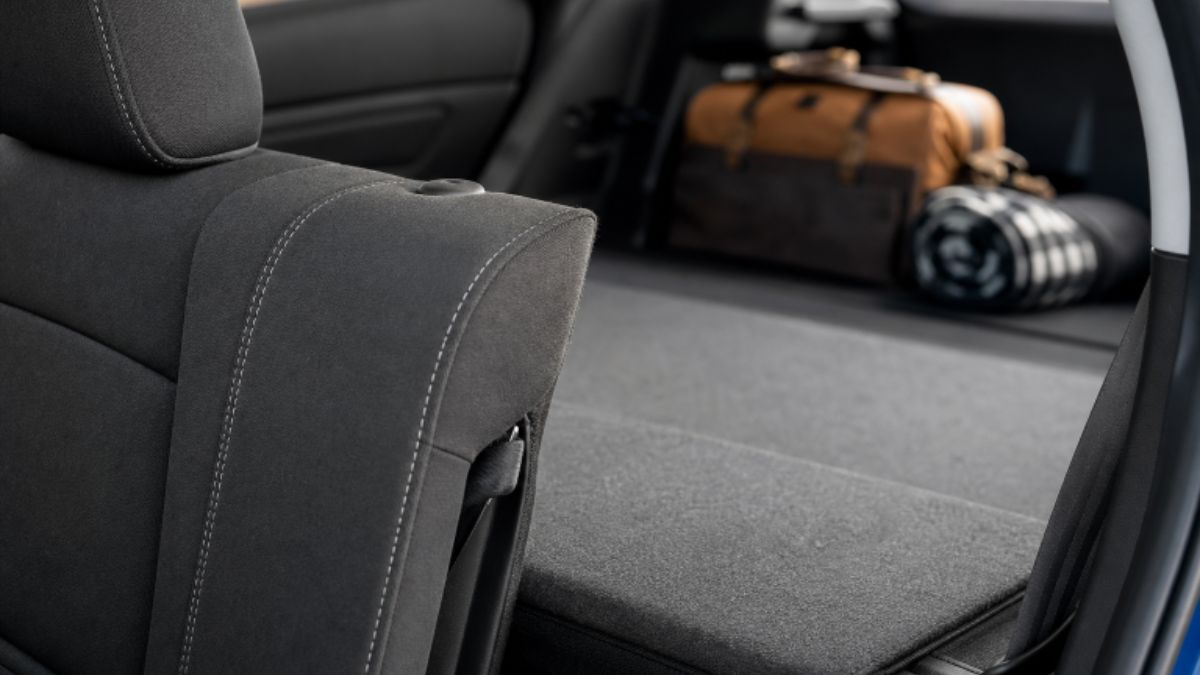
A vehicle purchase can affect nearly every part of daily life, from the morning commute to school drop-offs, grocery runs, client visits, and long weekend drives. Before comparing trims, colors, or screens, take time to Learn More about the types of vehicles that fit the work, family, and travel needs that matter most to your household. The best vehicle is not automatically the biggest, newest, or most powerful choice. It is the one that handles your usual responsibilities comfortably while leaving room for realistic changes over the next several years.
Why One Vehicle Often Has to Do Several Jobs
Many drivers rely on one vehicle for nearly everything. A compact car may be ideal for a solo commuter, but it can feel restrictive when a stroller, sports equipment, luggage, or visiting relatives become part of the routine. On the other hand, a large truck or SUV may offer more capability than necessary while incurring higher fuel, tire, insurance, and parking costs. A useful rule is to choose your busiest regular day rather than your easiest one. For example, someone who commutes alone during the week but carries two children and camping gear twice a month may need flexible cargo space more than the lowest possible fuel bill.
Step 1: List the Real Jobs the Vehicle Must Handle
Start with a written list of how the vehicle will actually be used. This helps separate essential features from options that look appealing but rarely improve daily life.
- Count the passengers who will ride in the vehicle most often.
- List recurring cargo, including work tools, groceries, luggage, pet crates, or outdoor gear.
- Consider commute distance, traffic, parking conditions, and the type of roads you travel.
- Note whether you truly need to tow a trailer, haul materials, or carry heavy equipment.
- Think three to five years ahead, especially if your family, job, or hobbies may change.
Step 2: Pick the Right Vehicle Shape
Sedans and Compact Cars
Sedans and compact cars can be practical for commuters, couples, and smaller households. They are usually easier to park, lighter to drive, and often more efficient than larger alternatives. Their limits typically appear in rear-seat space and the ability to carry tall, bulky, or muddy cargo.
Crossovers and SUVs
Crossovers and SUVs offer a middle ground between passenger comfort and flexible storage. A two-row model may fit a small family well, while a three-row model can help with carpools or larger households. Still, added size can mean higher operating costs and more difficulty in crowded parking lots.
Pickup Trucks and Vans
Trucks and vans make sense when hauling, towing, tools, or frequent passenger transport are routine needs. Check the exact configuration before assuming a vehicle can handle a certain load, because engine, drivetrain, bed length, and equipment packages can change payload and towing limits.
Step 3: Match Space to Daily Life
Do not judge interior usefulness from exterior dimensions alone. Bring the items you use most often when you shop, such as a car seat, stroller, cooler, tool bag, or suitcase. Test rear-seat legroom with adults and children in place, and check whether doors open wide enough for easy entry. Also, pay attention to the cargo floor height and the width of the rear opening. A large cargo number may not help much if lifting a heavy item over a tall bumper becomes difficult. If you are considering a third row, confirm it will be used frequently enough to justify the extra length and cost.
Step 4: Compare Fuel Use and Driving Costs
Fuel economy becomes especially important for long commutes and frequent road trips. Compare city, highway, and combined estimates, then use your expected annual mileage to make a realistic budget. The fuel economy label gives shoppers a consistent way to compare expected consumption across vehicles. A simple estimate is annual miles divided by average miles per gallon, multiplied by the expected price per gallon. Real-world results can vary with weather, traffic, tire pressure, cargo weight, driving habits, and short trips, so leave some room in the budget for changing conditions.
Step 5: Review Safety Features and Ratings
Crash-test performance and driver-assistance features are related, but they are not the same thing. Look for useful equipment such as automatic emergency braking, forward collision alerts, blind-spot warnings, rear cross-traffic alerts, parking sensors, and clear camera views. Before buying, use crash-test ratings and recall information to compare vehicles you are seriously considering. During the test drive, make sure the safety controls are easy to understand and that the alerts are helpful rather than distracting.
Step 6: Think About Comfort and Visibility
Adjust the seat, steering wheel, mirrors, and climate controls before deciding whether a vehicle feels right. Check sightlines over the hood, through the rear window, and over both shoulders. Pay attention to seat support, road noise, cupholders, storage compartments, and how easy it is to enter and exit.
Step 7: Consider Towing, Payload, and Weather Needs
Towing capacity refers to how much a vehicle can pull, while payload is the weight carried inside the vehicle and in its cargo area. If you need either capability, verify the limits for the exact vehicle rather than relying on a broad model claim. All-wheel drive or four-wheel drive can help in certain conditions, but suitable tires, ground clearance, and careful driving also matter.
Step 8: Calculate the Full Ownership Cost
Compare more than the monthly payment. Include insurance, fuel or charging, maintenance, tires, registration, taxes, warranty coverage, likely repair costs, and expected resale value. A lower-priced vehicle can become the more expensive option if it consumes far more fuel, requires costly replacement tires, or does not fit your needs well enough to keep up over the long term.
Step 9: Take a Focused Test Drive
Drive on roads that resemble your everyday route. Try parking, tight turns, merging on the highway, braking, and rough pavement when possible. Load the items you carry regularly, and have every household member sit in the rows they would use. Write down concerns immediately, then compare notes before the next test drive.
Common Mistakes to Avoid
- Buying the largest vehicle without measuring what must actually fit.
- Focusing only on the monthly payment instead of total ownership costs.
- Ignoring rear-seat comfort, cargo access, or real parking conditions.
- Paying for towing or off-road capability that will rarely be used.
- Skipping safety, recall, and test-drive checks.
A Simple Vehicle Match Checklist
- Mostly commuting: Prioritize comfort, efficiency, safety, and easy parking.
- Growing family: Prioritize child-seat fit, rear access, cargo room, and flexible seating.
- Frequent road trips: Prioritize ride quality, storage, visibility, and highway efficiency.
- Work and projects: Prioritize payload, towing, durable materials, and useful cargo space.
- Mixed daily use: Choose the option that handles the busiest day without feeling excessive on every other day.
Conclusion
Matching a vehicle to work, family, and weekend travel requires an honest look at how you drive now and what may change soon. Consider your daily commute, passenger needs, cargo requirements, parking situation, road conditions, and the types of trips you take throughout the year. By comparing space, comfort, safety, towing or hauling capability, fuel or charging costs, maintenance needs, financing, and total ownership costs, you can avoid choosing a vehicle based solely on appearance or a tempting monthly payment. Think about how the vehicle will fit into your routine several years from now, not just on the day you purchase it. The right choice should feel practical on Monday morning, comfortable during a busy family week, and ready for the weekend travel, errands, and unexpected adventures ahead.

Have you ever wondered what you would do after a car accident? Many people feel confused and overwhelmed following a crash. There are so many things to handle, from injuries to car repairs.
Insurance companies may call you, asking for information. You might worry about medical bills or missing work. It can be hard to know what steps to take next.
This blog post explains why getting legal help matters after a car accident. Learn how professional support can protect your rights and help you get fair compensation. Keep on reading!
Understanding Your Rights After an Accident
After an accident, you need to know your legal rights. Many people do not realize what they are entitled to under the law.
A lawyer can explain your options and guide you through each step. Without help, you might accept less money than you deserve. Protecting your rights from the start can make a big difference in your recovery.
Dealing With Insurance Companies
Insurance companies often try to settle claims quickly and for as little as possible. They may use confusing terms or pressure you into accepting a low offer.
A legal professional can speak to insurers on your behalf. This support helps you avoid mistakes that could hurt your case. Working with a lawyer can increase your chances of getting the compensation you need.
Getting Help With Medical Bills
Medical bills can pile up fast after a car accident. You may need treatment, medicine, or even surgery. Sometimes insurance does not cover all your costs.
A lawyer can help you find ways to pay for your care. Their help ensures you don’t pay out of pocket for someone else’s mistake.
Proving Who Was at Fault
Showing who caused the accident is not always simple. You may need police reports, witness statements, or photos from the scene.
Legal experts know how to gather and use this evidence. Their experience helps you build a strong case. This can make it easier to prove your claim and get the help you need.
Understanding Special Injury Claims
Some injuries, like back or neck problems, take time to show up. These cases may need extra care and attention.
In these situations, car accident back injury claims can be complicated, involving both short-term and long-term effects. Legal professionals know how to handle these special claims.
Fighting for Fair Compensation
After an accident, you deserve fair treatment. Legal help can make sure all your damages are considered, including lost wages, pain, and suffering.
Lawyers know how to calculate the true value of your claim. They will fight for what you deserve, not just what is easy to get. With their support, you are more likely to receive the compensation you need to move forward.
Your Next Steps for Legal Support
Getting legal help after a car accident is one of the best decisions you can make. It protects your rights and helps you deal with insurance companies and medical bills.
You do not have to face these challenges alone. Lawyers give you the guidance you need during a stressful time.
By working with an expert, you increase your chance of fair compensation. Make sure you get the help you deserve after a car accident.
Did you like this guide? Great! Please browse our website for more!
-

 NEWS1 year ago
Historical Churches in Manila
-

 TOPIC3 months ago
Unveiling AvTub: Your Ultimate Guide to the Best AV Content
-

 TOPIC1 year ago
Symbols of Hope: The 15th Belenismo sa Tarlac
-

 TOPIC1 year ago
Simbang Gabi and Kakanin
-

 TOPIC1 year ago
RIZAL at 160: a Filipino Feat in Britain
-

 TOPIC2 months ago
Understanding Fascisterne: Origins and Ideological Roots
-

 TOPIC1 year ago
“The Journey Beyond Fashion” – Ditta Sandico
-

 NEWS4 months ago
What Caused Delta Flight DL275 to Diverted LAX? A Detailed Breakdown