
HEALTH
Travel Physical Therapy Jobs: Salary, Lifestyle, and Career Growth


Travel physical therapy has become an increasingly attractive career option for rehabilitation professionals seeking flexibility, adventure, and professional development. Rather than working in a single location long-term, travel physical therapists accept temporary assignments in healthcare facilities across the country. These positions allow clinicians to gain diverse clinical experience while exploring new cities, communities, and healthcare environments.
For physical therapists who enjoy variety and adaptability, travel therapy can offer a unique combination of career advancement and personal enrichment. Understanding how travel contracts work and the opportunities available can help clinicians determine whether this path aligns with their professional goals.
How Long Travel PT Contracts Typically Last
One of the most common questions about travel physical therapy involves assignment length. While contract durations can vary depending on facility needs and staffing demands, most travel physical therapy assignments typically last around 13 weeks.
This timeframe allows therapists to become integrated into a clinic or healthcare system while providing meaningful patient care. In some situations, contracts may be shorter or longer depending on organizational needs, seasonal demand, or specialty staffing shortages.
Many travel therapists choose to extend contracts when they enjoy a particular location or workplace culture. Others prefer to complete their assignment and move on to a new destination, allowing them to gain experience in a variety of settings.
The flexibility associated with traveling physical therapy jobs is one of the primary reasons many clinicians are drawn to this career path. Assignments may be available in outpatient clinics, hospitals, rehabilitation centers, skilled nursing facilities, and other healthcare environments, offering exposure to diverse patient populations and treatment approaches.
Beyond professional variety, travel therapists often enjoy the opportunity to experience different regions of the country while expanding their clinical skill sets. This combination of personal and professional growth can be difficult to find in more traditional healthcare roles.
Career Growth Opportunities in Travel PT
Travel physical therapy can be an excellent way to accelerate career development. Working in multiple clinical settings exposes therapists to different treatment philosophies, patient demographics, documentation systems, and interdisciplinary teams. This broad experience often helps clinicians develop greater adaptability and clinical confidence.
For many therapists, travel positions become an important step along a broader physical therapy career path. Exposure to a wide range of clinical environments can help professionals identify specialty interests, leadership opportunities, or future long-term career goals.
Travel experience may also strengthen resumes by demonstrating flexibility, independence, and the ability to succeed in new environments. These qualities are often highly valued by healthcare employers and leadership teams.
Rehabilitation professionals frequently explore multiple career paths within the therapy field as they evaluate their long-term options. Individuals interested in rehabilitation careers beyond physical therapy may also research how to become an occupational therapist to better understand the educational requirements and responsibilities associated with occupational therapy.
In addition to clinical growth, travel therapists often benefit from competitive compensation packages, housing stipends, and scheduling flexibility that may not be available in traditional full-time positions.
Final Thoughts
Travel physical therapy offers a unique blend of professional development, financial opportunity, and lifestyle flexibility. With assignments that typically last around 13 weeks, therapists can experience new locations while gaining valuable clinical expertise across multiple healthcare settings.
For clinicians seeking variety, adventure, and long-term career growth, travel physical therapy can provide an exciting alternative to traditional practice models. Whether used as a short-term experience or a long-term career strategy, travel therapy continues to be an appealing option for rehabilitation professionals looking to expand both their skills and horizons.

Emergency rooms are designed to provide fast, life-saving care, but the pressure to make quick decisions can sometimes lead to preventable mistakes. The most common types of emergency room errors include misdiagnosis, delayed diagnosis, medication mistakes, communication failures, and discharge errors.
While not every poor outcome is the result of negligence, some errors can cause serious complications that may have been avoided with appropriate medical care. Understanding how emergency room errors occur can help patients recognize when something may have gone wrong and when they should seek legal or medical guidance.
Misdiagnosis or Incorrect Diagnosis
One of the most serious emergency room mistakes is diagnosing a patient with the wrong condition. Because emergency physicians often have limited time and information, symptoms may be mistaken for less serious illnesses.
Conditions commonly involved in misdiagnosis include:
- Heart attacks
- Strokes
- Sepsis
- Meningitis
- Internal bleeding
- Pulmonary embolisms
A missed or incorrect diagnosis can delay lifesaving treatment and significantly worsen a patient’s condition.
Delayed Diagnosis
Sometimes the correct diagnosis is eventually made—but only after valuable time has been lost.
Delays may occur because:
- Test results are not reviewed promptly.
- Imaging studies are misinterpreted.
- Symptoms are dismissed too quickly.
- Patients wait too long before receiving an examination.
For medical emergencies such as strokes or severe infections, even a short delay can affect recovery and long-term health.
Medication Errors
Emergency departments frequently administer medications under time-sensitive conditions. Unfortunately, this fast-paced environment increases the risk of medication mistakes.
Examples include:
- Administering the wrong medication.
- Giving an incorrect dosage.
- Failing to check for allergies.
- Dangerous drug interactions.
- Medication given to the wrong patient.
Many of these errors are preventable when proper safety procedures are followed.
Failure to Order Necessary Tests
Diagnostic testing often plays a critical role in emergency medicine.
Depending on a patient’s symptoms, physicians may need to order:
- Blood tests
- CT scans
- MRI scans
- X-rays
- Electrocardiograms (EKGs)
- Ultrasounds
Failing to order appropriate tests can result in serious medical conditions being overlooked until they become more difficult to treat.
Communication Breakdowns
Emergency care usually involves multiple healthcare professionals working together. If important information is not communicated clearly, mistakes can occur.
Communication failures may involve:
- Incomplete patient histories.
- Shift-change handoff errors.
- Failure to notify specialists.
- Miscommunication regarding test results.
- Inadequate discharge instructions.
Clear communication is essential for ensuring continuity of care and reducing preventable medical errors.
Premature Discharge
Some patients are discharged before their condition has been fully evaluated or stabilized.
A premature discharge may occur when:
- Serious symptoms are underestimated.
- Test results have not been fully reviewed.
- Patients are sent home without proper follow-up instructions.
- Worsening symptoms are not adequately addressed.
Returning to the emergency room with a more severe condition is sometimes a sign that additional evaluation should have occurred during the initial visit.
Surgical and Procedural Errors
Although emergency rooms are not operating rooms, physicians may perform urgent procedures such as wound repairs, fracture reductions, or emergency airway management.
Mistakes during these procedures can include:
- Improper wound treatment.
- Delayed treatment of fractures.
- Failure to control bleeding.
- Injuries during emergency procedures.
Careful evaluation and adherence to accepted medical standards help reduce these risks.
When Emergency Room Errors Become Medical Malpractice
Not every emergency room mistake qualifies as medical malpractice. Healthcare providers are expected to make difficult decisions under significant pressure, and complications can occur even when appropriate care is provided.
However, when a healthcare professional fails to meet the accepted standard of care and that failure directly causes injury, the patient may have grounds for a medical malpractice claim.
For example, California Code of Civil Procedure § 340.5 establishes the statute of limitations for many medical malpractice claims in California, although exceptions may apply depending on the circumstances. Because filing deadlines vary by state, individuals who believe they were harmed by medical negligence should seek legal advice promptly.
Protecting Yourself During an Emergency Room Visit
While patients cannot prevent every medical error, they can take steps to reduce risk by:
- Providing a complete medical history.
- Informing providers about allergies and medications.
- Asking questions if instructions are unclear.
- Requesting clarification about test results.
- Seeking immediate medical attention if symptoms worsen after discharge.
Being actively involved in your care can help improve communication and reduce misunderstandings.
Key Takeaways
- Common emergency room errors include misdiagnosis, delayed diagnosis, medication mistakes, communication failures, and premature discharge.
- Many serious medical conditions require immediate diagnosis and treatment to prevent complications.
- Medication and testing errors can have life-threatening consequences if not addressed promptly.
- Not every medical mistake is malpractice, but negligent care that causes harm may give rise to a legal claim.
- California Code of Civil Procedure § 340.5 sets filing deadlines for many medical malpractice claims in California.
- Patients can help reduce risks by communicating clearly, asking questions, and seeking follow-up care when necessary.

The healthcare industry needs to ensure that doctors have all the required credentials. This is through a process known as medical credentialing. Although the process may seem easy, it can become challenging since there are lots of rules that apply. Therefore, there is a need for medical credentialing companies that can help solve many problems in this sector.
Reducing Administrative Burden
Among the many challenges that healthcare practitioners are faced with, one of the biggest is that of their cumbersome credentialing. Credentialing requires the acquisition and updating of all necessary documents related to licensure, certification, education, experience, and any incidents involving malpractice suits.
Professional credentialing services make life easier for medical practitioners through the handling of all documentation, verification, and updating processes. This allows practitioners to direct their efforts to caring for their patients while the professionals deal with the paperwork.
Ensuring Regulatory Compliance
Among the highly regulated sectors in the economy, healthcare is one of them. Failure to comply with the credentialing process leads to heavy costs such as fines, lawsuits, or even lack of accreditation. The regulations keep changing and becoming stringent, which makes it difficult to keep track.
Professional credentialing services help in ensuring that the organization complies with the latest regulatory changes in the sector. Professional credentialing ensures that the credentials of all the providers are valid, correct, and up-to-date as per the requirements of the governing bodies.
Accelerating Provider Onboarding
Delays in credentialing new providers can lead to lost revenue and decreased patient access to care. The traditional credentialing process can take weeks or even months if not handled efficiently, creating bottlenecks in hiring and onboarding.
Credentialing services expedite this process by using established workflows, advanced tools, and experienced professionals who understand the system. They ensure that applications are submitted correctly and promptly, minimizing delays caused by errors or missing information. Faster onboarding allows providers to begin practicing sooner, benefiting both the organization and its patients.
Improving Accuracy and Reducing Errors
The process of credentialing requires keen attention to detail; therefore, a small mistake could mean that your application will be declined. It might prove difficult for an organization’s team to be as accurate as they need to be, particularly when processing a high volume of data.
Credentialing service providers ensure their processes are accurate throughout the credentialing process by ensuring that there is accuracy in all their practices. They verify the information provided as well as ensuring consistency in the documentation process.
Managing Re-Credentialing and Expirations
However, the credentialing process cannot be done just once because the providers have to be re-credentialed at periodic intervals in order for them to qualify as members of certain insurance networks and organizations. Failure to do so might cause delays and loss of revenue.
Credentialing management will ensure that the expirations of each provider’s credentials are tracked, and that appropriate notification and re-credentialing occur on time. Through credentialing management, all credentials of a healthcare organization’s members remain up to date and compliant with any requirements imposed by organizations.
Enhancing Revenue Cycle Management
Credentialing affects a healthcare organization’s capacity to bill for and collect payment from insurance carriers. The credentialing process needs to be done well to enable submission of claims that are paid. If there are any issues during the process of credentialing, it may lead to denied claims.
Professional credentialing helps make sure that the proper enrollment of providers has been done. It will help ensure that the claims process runs smoothly and that there is minimal denial of claims.
Handling Complex Payer Requirements
Insurance companies each have distinct credentialing requirements, application procedures, and deadlines. Coordinating all this can prove to be quite difficult for internal staffs, particularly if the facility has to work with more than one payer.Credentialing agencies have a lot of experience working with different insurers and know the precise details required of them. Applications are made keeping this in mind.
Maintaining Centralized Data Management
The management of credentialing information among several providers without using a central system may get complicated. The disorganization will lead to mistakes and problems in adhering to set deadlines.
Credentialing service firms have databases for managing all the information regarding various providers. It enables ease of use since the database acts as a central repository of all the information.
Reducing Legal and Financial Risks
A lack of complete and accurate verification poses serious legal and financial dangers for healthcare organizations. The hiring of unvetted individuals and failure to comply with regulations may result in litigation and costly sanctions against the organization involved.
By providing comprehensive verification and compliance with required regulations, the credentialing process helps avoid these dangers. In addition to verifying information from the primary sources, it provides another means of security through the proper documentation of data.
Supporting Scalability and Growth
The growth in the size of healthcare organizations increases the difficulty associated with conducting credentialing activities within the organization. It is important that such activities be scalable to cope with increasing numbers of professionals and organizational changes.
Credentialing through professional credentialing organizations ensures scalability of these activities. They allow management of larger numbers of professionals and the scalability of credentialing activities.
Improving Patient Trust and Safety
Credentialing is closely associated with patient safety and trust. Patient trust is important, especially where it involves the qualifications of medical personnel. Failure to maintain proper credentialing will definitely affect patient safety.
Credentialing ensures that all medical professionals adhere to certain standards and this will ensure that patient safety is upheld. Credentialing will make the organization stand out because all its professionals will be credible.
Facilitating Audit Readiness
Healthcare organizations are routinely audited by government agencies, insurance firms, and accrediting agencies. Preparing for audits is a very time-consuming process, and if healthcare facilities do not keep their records well-organized, the whole procedure can be quite stressful.
Credentialing professionals organize all the paperwork, and they ensure that everything is completed and easy to locate. This allows health institutions to present audit-proof documents, saving much time and decreasing the level of stress associated with the whole procedure.
Providing Expertise and Industry Knowledge
Credentialing is a specific area, which demands thorough understanding of the rules, payer issues, and verification procedures. Such in-house staff can lack competence to deal with complicated situations.
The use of credentialing services will help you work with experts who have an insight into the peculiarities of this sphere. Due to their profound understanding, they can cope with difficulties promptly, give appropriate advice, and use optimal practices.
Enhancing Workflow Efficiency
Poorly managed workflow processes may lead to delays in the process of credentialing. Lack of automation, poor standardization, and inadequate communication are some of the main causes of inefficient processes.
Credentialing services provide their professional staff with optimized workflow processes that incorporate state-of-the-art technology for faster and more efficient processes.
Conclusion
Professional medical credentialing services address a wide range of challenges faced by healthcare organizations. From reducing administrative burdens and ensuring compliance to improving accuracy and accelerating onboarding, these services play a crucial role in maintaining efficient and reliable operations. By outsourcing credentialing, healthcare providers like www.doctormgt.com, can focus on delivering quality patient care while minimizing risks and maximizing efficiency.
HEALTH
Innovative Trends in Dental Implants in Rockville, MD: Shaping the Future of Tooth Replacement
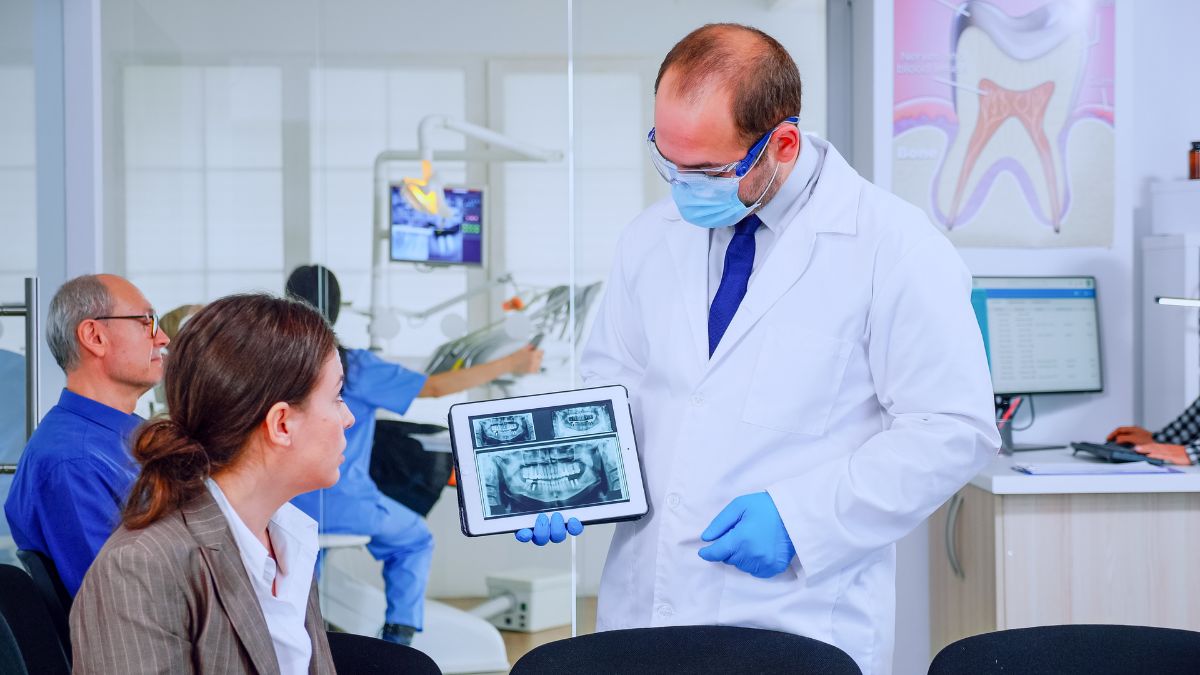
Rockville, MD, has seen a surge in advanced dental care, especially in dental implants. As a hub for state-of-the-art dental practices, the community benefits from ongoing innovations that enhance both the patient experience and clinical outcomes. Tooth replacement is no longer a procedure characterized by uncertainty or discomfort. Thanks to the latest technology and materials available in dental implants Rockville, MD, residents are enjoying solutions that are durable, comfortable, and natural-looking.
In Rockville, the intersection of technology and medicine is making patient care more efficient and successful. As clinicians adopt digital workflows, 3D imaging, and improved biocompatible materials, individuals with missing teeth have more reasons than ever to smile. These regional advancements in dental implantology set a local standard that aligns with global trends, ensuring Rockville’s residents receive care at the forefront of modern dentistry.
Embracing these innovative solutions, practitioners in Rockville focus not only on functionality but also on aesthetics and patients’ overall well-being. Enhanced procedures mean less time in the chair and quicker, smoother recoveries, allowing patients to get back to enjoying community life with renewed confidence. For those considering options for missing teeth, the latest breakthroughs in dental implants throughout the Rockville area offer compelling reasons to explore treatment.
The use of breakthroughs like digital dentistry and regenerative materials does more than improve outcomes; it strengthens trust between dental providers and the Rockville community, fostering a supportive environment for oral health and wellness. Local patients benefit significantly from being at the center of these advancements.
Digital Dentistry and 3D Imaging in Rockville, MD
In Rockville’s progressive dental clinics, digital dentistry has changed the landscape of dental implant procedures. Tools such as 3D imaging and computer-aided design/computer-aided manufacturing (CAD/CAM) are now standard. These systems allow for highly accurate mapping of oral anatomy, which is vital for precise implant placement and the creation of truly customized restorations.
How 3D Imaging Benefits Patients
- Detailed Visualization: 3D scans provide clinicians with clear images of bone density and crucial structures, supporting data-driven treatment strategies.
- Risk Reduction: By offering a roadmap of nerves and sinuses, 3D tools help minimize surgical complications and deliver safer procedures.
- Clear Communications: Enhanced visuals help bridge the gap between technical data and patient understanding, fostering informed consent and peace of mind.
Digital platforms also allow seamless collaboration between specialists. For residents of Rockville and surrounding areas, this means faster turnarounds and fewer appointments, since much of the planning can be accomplished before the patient ever sits in the chair.
Innovations in Implant Materials and Design
Material advancements have provided a crucial edge in the long-term viability and comfort of dental implants in Rockville, MD. The move from traditional titanium to advanced ceramics and newly engineered alloys has improved both biocompatibility and aesthetics.
Emergence Angles and Profiles
Modern dental implants are being tailored not just to fit the bone but also to enhance gum tissue health. Clinical studies have shown that an emergence angle under 30 degrees, paired with a concave emergence profile, significantly supports peri-implant tissue stability. For patients, this means less risk of bone loss and healthier, more attractive results that look and feel like natural teeth.
The Rise of Bioabsorbable Implant Materials
Research into bioabsorbable materials, such as magnesium-based alloys, is already making waves locally. These materials gradually dissolve as the bone heals, which helps avoid potential issues caused by permanent metal components. For Rockville patients, this means fewer follow-up surgeries and shorter recovery times, which are huge advantages in an active community where time and health are both valued.
Regenerative Approaches Transforming Dental Implants in Rockville
Rockville’s dental specialists lead in regenerative methods that help the body regrow bone and tissue for better implant stability. Advances in bone tissue engineering now use biomaterials and growth factors to treat severe bone loss, expanding implant options for more patients. Innovations in sinus lift procedures, aided by better imaging and planning, improve safety and predictability, providing the necessary bone foundation for durable implants. These techniques reduce complications and are tailored to Rockville patients.
Conclusion
With its vibrant mix of innovation and expertise, Rockville, MD, remains at the forefront of dental implantology. The adoption of digital dentistry, cutting-edge materials, and regenerative medicine is providing residents with highly effective, minimally invasive tooth replacement solutions. As the field continues to advance, those in Rockville and surrounding communities can expect a future in which dental implants deliver even greater comfort, longevity, and beauty, helping everyone enjoy lasting oral health and brighter smiles.
-

 NEWS1 year ago
Historical Churches in Manila
-

 TOPIC1 year ago
Symbols of Hope: The 15th Belenismo sa Tarlac
-

 TOPIC1 year ago
RIZAL at 160: a Filipino Feat in Britain
-

 TOPIC1 year ago
“The Journey Beyond Fashion” – Ditta Sandico
-

 TOPIC2 weeks ago
Unveiling AvTub: Your Ultimate Guide to the Best AV Content
-

 TOPIC1 year ago
5 Must-Have Products From Adarna House to Nurture Your Roots
-

 TOPIC1 year ago
Filipino, alternative language course at Moscow State University
-

 TOPIC3 weeks ago
Understanding Fascisterne: Origins and Ideological Roots