
TOPIC
The Running Man 2025: Full Guide to Edgar Wright’s Glen Powell Adaptation


The Running Man 2025 finally arrived as a fresh take on one of Stephen King’s darkest near-future stories. Directed by Edgar Wright and starring Glen Powell, the film adapts the 1982 novel more closely than the well-known 1987 version. Set in a media-controlled America that feels uncomfortably familiar, it follows a desperate father who enters a lethal reality show for a chance at a life-changing payout.
Viewers who grew up with Arnold Schwarzenegger’s campy arena battles may find this version quite different. The story leans into economic desperation, constant surveillance, and the way entertainment can distract people from systemic problems. Wright keeps the action propulsive while grounding the stakes in family survival rather than pure spectacle.
What Is The Running Man 2025?
The Running Man 2025 is a dystopian action thriller in which working-class Ben Richards, played by Glen Powell, joins a televised manhunt. Contestants receive a head start and must stay alive for 30 days while professional hunters and ordinary citizens try to kill them. Survival brings escalating cash rewards, with a billion-dollar prize for lasting the full month. No one has ever collected it.
The Network, the dominant media corporation, produces the show and effectively shapes public information. Richards is blacklisted for labor activism and cannot afford medicine for his sick young daughter. Producer Dan Killian, played by Josh Brolin, personally recruits him. The film runs 133 minutes and carries an R rating for violence and language.
The Running Man 2025 Plot and Premise
Richards starts in the slums of Co-Op City. After failing to secure safer Network work, he is selected for the flagship show alongside two other contestants. He must record daily proof of life or forfeit his earnings while remaining a target. Allies and strangers appear along the way, some helpful and some opportunistic. The longer he lasts, the more the audience begins to root for him—and the more the Network feels threatened.
Key Differences from the 1987 Film
The 2025 adaptation expands the geography and timeline while changing Richards’ motivation. The earlier film confined the game to a sealed arena and lasted only a few hours. This version sends runners across the real world for nearly a month. Both films alter the novel’s ending, yet the newer one stays closer to the book’s tone and structure for most of its runtime.
| Element | 1987 Film | 2025 Film |
|---|---|---|
| Setting | Sealed arena in Los Angeles | Open world, nationwide |
| Duration of game | About three hours | Up to 30 days |
| Richards’ status | Framed prisoner | Volunteer blacklisted worker |
| Primary motivation | Survival and clearing name | Medicine and safety for family |
| Tone | Campy 1980s action satire | Darker dystopian thriller |
| Faithfulness to novel | Loose | Much closer until the climax |
These changes give the newer film room for varied locations and more sustained tension. They also make the social commentary feel sharper in the actual year 2025.
Cast of The Running Man 2025
Wright assembled a strong supporting ensemble around Powell. Colman Domingo plays the charismatic host Bobby T. Lee Pace portrays the lead hunter Evan McCone. William H. Macy, Michael Cera, Emilia Jones, Daniel Ezra, Jayme Lawson, and Sean Hayes fill out key roles. Katy O’Brian appears as another contestant. The chemistry between Powell’s grounded everyman and the flashier Network figures helps sell the world.
| Actor | Character | Role in Story |
|---|---|---|
| Glen Powell | Ben Richards | Desperate father and runner |
| Josh Brolin | Dan Killian | Ruthless executive producer |
| Colman Domingo | Bobby T | Host of the game show |
| Lee Pace | Evan McCone | Masked lead hunter |
| Jayme Lawson | Sheila Richards | Ben’s wife |
| Michael Cera | Elton Parrakis | Radical ally |
| William H. Macy | Molie | Disguise specialist |
Release, Box Office, and Reception
Paramount released the film in the United Kingdom on November 12, 2025, and in the United States on November 14. It opened against other titles and finished second in its debut weekend. On a reported $110 million budget, the worldwide total settled near $69 million. Critical response landed in mixed territory: Rotten Tomatoes hovered around 61 percent, and Metacritic scored it 56. Audience scores ran noticeably higher, often in the mid-to-high 70s. Many viewers praised the action and Powell’s performance while noting the film occasionally loses momentum in its final stretch.
Pros and Cons of The Running Man 2025
Pros
- Stronger connection to the original novel than the 1987 film
- Glen Powell delivers a committed, physical lead performance
- Varied chase sequences across different environments
- Supporting cast elevates the Network’s media machinery
- Timely themes about inequality and spectacle
Cons
- Underperformed commercially relative to budget
- Some viewers find the tone inconsistent
- Final act feels rushed or overly familiar to certain audiences
- Length can feel long once the premise is established
Common Mistakes When Watching or Discussing the Film
Expecting a direct remake of the Schwarzenegger movie leads to disappointment. The 2025 version prioritizes the book’s road-movie structure and bleak social outlook over one-liners and colorful arena bosses. Another frequent error is treating the film as pure escapism; its commentary on media control and economic pressure works best when viewers notice the parallels rather than ignore them. Finally, judging it solely against Edgar Wright’s earlier comedies misses the point—this is his largest and most serious studio project to date.
Best Practices for Enjoying The Running Man 2025
Watch the film knowing it adapts the novel first and the 1987 movie second. Pay attention to how the Network manipulates footage and public opinion; those details reward a second viewing. Pair it with the original novel if you want the full picture, then revisit the 1987 film for contrast. If you stream it later, use a good sound system—the score and action design benefit from clarity. Discussing the ending with others often reveals different readings of Richards’ choices and the film’s ultimate stance on resistance.
Conclusion
The Running Man 2025 offers a timely, high-energy take on Stephen King’s warning about media power and desperation. It does not match every high point of Wright’s filmography, and its box-office result limited its cultural footprint. Still, Powell’s performance, the expanded scope, and the closer novel adaptation make it worth seeking out for fans of dystopian action. In the year the book originally imagined, the film lands with more relevance than many expected.
5 SEO FAQs
What is The Running Man 2025 about?
It follows Ben Richards, a blacklisted father who enters a deadly televised manhunt to win money for his sick daughter’s medicine. He must survive 30 days while hunters and the public try to kill him.
Is The Running Man 2025 a remake of the 1987 movie?
No. It is a new adaptation of Stephen King’s novel that stays closer to the book. The 1987 film used the title and basic concept but changed most of the story.
When was The Running Man 2025 released?
It premiered in London on November 5, 2025, opened in the UK on November 12, and reached U.S. theaters on November 14.
How does The Running Man 2025 compare to the book?
It follows the novel more closely than the 1987 film for most of its runtime, including the 30-day worldwide hunt and Richards’ family motivation. Both films change the ending.
Where can I watch The Running Man 2025?
It is available to rent or buy digitally and streams on Paramount+ and other platforms. Physical media has also been released.


What should you do when a dog bite leaves you hurt, scared, or unsure of what comes next? Acting quickly can help protect your health and prevent further harm. Even a small bite can cause infection, nerve damage, or other problems that need medical care.
Knowing how to respond to a dog bite also helps you keep useful records and understand your rights. From cleaning the wound to reporting the incident, each step matters. By reading this guide, you will learn how to care for your injury, document the attack, and protect your rights.
Clean the Wound and Get Medical Care
Move away from the dog and find a safe place before checking your injury. Wash the wound with soap and running water for several minutes to help remove dirt and germs.
Seek urgent medical care for deep wounds, heavy bleeding, severe pain, or signs of nerve damage. A doctor can check for infection, assess the need for stitches, and review your tetanus and rabies risks. Do not wait for symptoms if the bite breaks your skin, especially when the dog’s vaccination status is unknown.
Record Details About the Dog Bite
Write down the date, time, and place where the attack happened while the details are fresh. Record the dog’s color, size, breed if known, and the owner’s name and contact details.
Keep copies of medical bills, prescriptions, visit notes, and receipts for travel or other costs. Save messages with the owner, witness contact details, and any reports you receive from local officials. These records may help explain what happened if you need to make an insurance claim or seek legal help.
Report the Attack to Local Officials
Contact your local animal control office or health department to report the bite and ask about local rules. Reporting can help officials check the dog’s vaccination status and decide whether it needs to be watched for rabies symptoms.
If the owner is unknown or the dog runs away, tell officials where the attack happened and which way the dog went. Do not try to catch an aggressive dog yourself, as this could lead to another injury. Follow the advice of health workers and local officials about treatment, follow-up checks, and safety steps.
Understand Your Rights After an Injury
A dog bite may lead to medical costs, lost pay, and lasting pain, so keep track of how the injury affects daily life. Rules about who is responsible vary by location, and the facts of the attack may matter. Avoid signing a release or accepting a quick payment before you understand the full cost of your injury.
If you were bitten in California, California dog bite injury legal guidance may help you understand possible legal options, including concerns about nerve damage. Keep your notes and documents organized so you can share accurate information if you seek legal advice.
Take the Right Steps to Protect Yourself
Responding to a dog bite starts with safety, wound care, and prompt medical advice. Report the attack, record what happened, and keep all papers linked to your treatment and costs. These steps can support your recovery and help answer questions about responsibility.
Knowing how to respond to a dog bite can help you make informed choices. Follow your doctor’s care plan and report any new pain, numbness, swelling, or redness. Keep track of how the injury affects your daily life, and seek legal advice when needed.
Did this guide help you? Browse the rest of this section for more advice on a variety of topics.

A VIP stand offers a completely different way to experience live events. Instead of fighting for space in a crowded section, you settle into a reserved area designed for comfort, better views, and thoughtful service. Whether you attend a major football match, a concert, or a corporate conference, choosing a VIP stand changes the entire day from start to finish.
These premium areas have grown more popular as venues upgrade their facilities and fans look for more than just a ticket. The concept stays simple: limited access, superior positioning, and extras that make the outing feel special.
What Is a VIP Stand?
A VIP stand is a designated premium viewing or seating area inside a venue. Organizers set it apart from general admission through restricted entry, upgraded furniture, and additional services. You typically enter through a separate entrance and spend time in a controlled space that prioritizes sightlines and comfort.
The experience rests on three core ideas. First, access stays limited so the area never feels overcrowded. Second, comfort improves through better seating, climate control, and attentive staff. Third, exclusivity appears in private facilities and opportunities that regular ticket holders miss.
Venues create VIP stands as permanent features in stadiums or as temporary setups for festivals and exhibitions. In either case, the goal remains the same: deliver a smoother, more enjoyable visit.
Key Features of Most VIP Stands
- Dedicated or priority entrance to avoid long queues
- Elevated or central positioning for clear views
- Comfortable seating with extra legroom
- Access to private lounges or hospitality areas
- Catering options ranging from snacks to full meals
- Dedicated restrooms and support staff
These elements combine to reduce everyday friction while heightening the event itself.
Types of VIP Stands and Where They Appear
Different events call for different layouts. A sports stadium VIP stand focuses on uninterrupted views of the pitch, while a concert version might emphasize proximity to the stage and atmosphere. Corporate versions prioritize networking space.
| Type of VIP Stand | Primary Focus | Typical Amenities | Best For |
|---|---|---|---|
| Sports VIP Stand | Clear pitch or court views | Padded seats, private lounge, catering | Football, basketball, motorsport |
| Concert & Entertainment Stand | Atmosphere and proximity | Early entry, exclusive areas, merchandise | Live music, theater, festivals |
| Corporate VIP Stand | Networking and privacy | Meeting space, Wi-Fi, dedicated hosts | Conferences, product launches |
| Festival VIP Stand | Comfort in temporary settings | Elevated platforms, shaded areas, restrooms | Outdoor music or cultural festivals |
Each type adapts the same premium idea to the event’s setting. Sports versions often sit in the main stand near the halfway line. Entertainment versions may include standing or seated options closer to the action. Corporate setups lean toward quieter lounges with direct sightlines.
Benefits of a VIP Stand Experience
Choosing a VIP stand improves practical aspects of the day as much as the enjoyment. You avoid the usual bottlenecks that drain energy before the event even starts. The better positioning means you spend less time craning your neck or standing to see over others.
Service levels also rise. Staff handle basic needs so you can focus on the performance or match. Many packages include food and drink options that eliminate the need to leave your area during peak moments. For groups, the shared space makes conversation easier without shouting over a dense crowd.
Business users gain another layer. The controlled environment supports meetings and relationship building that feel natural rather than forced. Guests leave with stronger impressions of both the event and the host.
VIP Stand Compared with Regular Seating
Regular tickets get you inside the venue. A VIP stand package adds layers of convenience and quality that change how the day unfolds. The difference shows up in arrival, comfort during the event, and the overall atmosphere.
| Aspect | VIP Stand | Regular Seating |
|---|---|---|
| Entry | Priority or private entrance | General queues |
| View | Optimized positioning | Variable, often obstructed |
| Seating | Padded, wider spacing | Standard or standing |
| Facilities | Private restrooms and lounge | Shared public areas |
| Service | Dedicated or enhanced staff | Limited |
| Food & Drink | Available nearby or included | Queue-based concessions |
| Atmosphere | Controlled and less crowded | High density |
The trade-off is cost. VIP stand tickets cost more because they include these extras. For many people the value appears in reduced stress and a stronger memory of the event rather than in pure spectacle.
Pros and Cons of Choosing a VIP Stand
Pros
- Significantly better sightlines and comfort
- Less time spent in queues and crowds
- Access to upgraded facilities and service
- Easier experience for groups or clients
- Higher overall enjoyment for special occasions
Cons
- Higher ticket price
- Can feel slightly removed from the raw crowd energy
- Limited availability for popular events
- Packages vary widely, so research is essential
- Not always necessary for casual outings
Most people who try a VIP stand once understand the appeal for major events or when hosting others. The extras justify the spend when the day matters more than usual.
Common Mistakes When Booking or Using a VIP Stand
One frequent error is assuming every VIP stand package includes the same features. Venues and organizers design them differently, so the details matter. Some focus purely on seating while others emphasize lounge access or catering.
Another mistake involves overlooking the exact location. A “VIP” label does not guarantee the best angle if the section sits too high or too far from the action. Checking maps or photos helps avoid disappointment.
People also forget practical timing. Arriving early still helps even with priority entry, especially when you want to settle into the lounge before the main event. Finally, failing to confirm inclusions leads to surprise costs for food, drinks, or parking on the day.
Best Practices for Getting the Most from a VIP Stand
Start by matching the package to your goals. A pure sports fan may value pitch-side seating most, while someone entertaining clients prioritizes a private lounge. Read recent reviews or ask the organizer for specific details about views and inclusions.
Arrive with enough time to enjoy the pre-event amenities. The lounge period often becomes a highlight when it includes good food and a calm atmosphere. During the event, stay aware of any move times between lounge and viewing areas so you do not miss key moments.
For groups, assign one person to handle logistics so everyone else can relax. After the event, the controlled exit process usually feels smoother than general admission, but plan transportation in advance. These small steps turn a premium ticket into a fully elevated day.
Conclusion
A VIP stand transforms a standard event ticket into a more comfortable and memorable experience. The combination of better positioning, reduced crowds, and thoughtful service appeals to fans who want to enjoy the occasion without unnecessary friction. Whether you use it for a personal treat or to host others, the premium area delivers clear advantages when the details align with your expectations.
Venues continue refining these spaces as demand grows. Choosing the right package after checking location, inclusions, and reviews remains the surest way to make the extra investment worthwhile. For major matches, concerts, or business gatherings, a well-chosen VIP stand often becomes the preferred way to attend.
SEO FAQs
What is a VIP stand at an event?
A VIP stand is a premium, restricted area inside a venue that offers better views, more comfortable seating, and extra services compared with general admission.
How does a VIP stand differ from regular tickets?
It includes priority entry, upgraded seating or positioning, private facilities, and often catering or lounge access that standard tickets do not provide.
Are VIP stands available for concerts and sports?
Yes. Most major stadiums, arenas, and festival sites offer VIP stand or premium viewing options for both sports matches and live performances.
Is a VIP stand worth the higher price?
For many attendees the improved comfort, views, and reduced stress justify the cost, especially for important matches, special occasions, or client entertainment.
How do I book a VIP stand ticket?
You can usually purchase them through official ticketing platforms, the venue’s hospitality team, or authorized resellers. Always confirm the exact inclusions before buying.
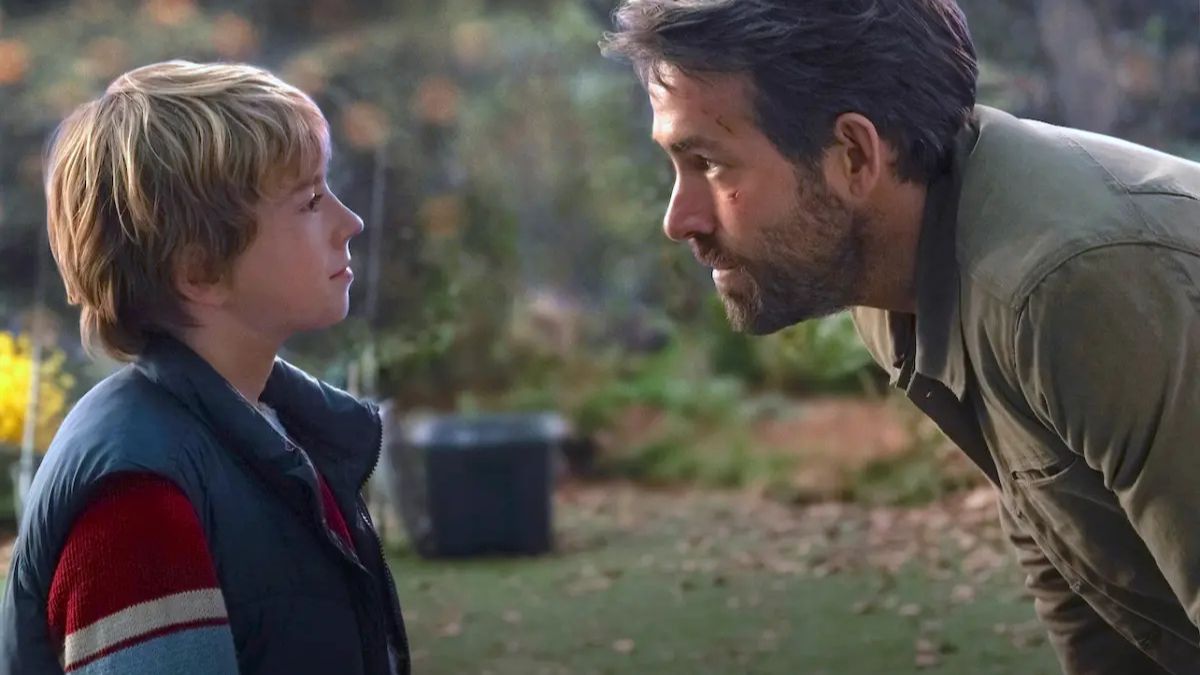
The Adam Project cast stands out as one of the most well-assembled ensembles in recent Netflix original films. When the 2022 sci-fi adventure arrived, viewers quickly noticed how naturally the actors fit their roles. Ryan Reynolds leads as the adult version of Adam Reed, while newcomer Walker Scobell matches his energy as the younger self. Supporting them are established stars Mark Ruffalo, Jennifer Garner, Zoe Saldaña, and Catherine Keener. Their combined performances give the story both heart and momentum.
What makes this group effective is the balance between comedy and emotion. Reynolds brings his signature timing, Scobell holds his own in every shared scene, and the family members add genuine warmth. The result feels cohesive rather than star-driven. Fans of time-travel stories and family-centered action films found plenty to appreciate in how these performers interacted on screen.
Who Is in the Adam Project Cast?
The Adam Project cast centers on six primary actors who carry the narrative. Each one plays a distinct role that advances both the personal story and the larger conflict involving time travel. Director Shawn Levy and the production team selected performers who could handle both light banter and heavier emotional beats.
Lead Performers
Ryan Reynolds plays Adam Reed from the year 2050. He is a skilled pilot who steals a time jet and ends up in 2022. Walker Scobell, in his feature-film debut, portrays the twelve-year-old Adam dealing with recent loss and school troubles. Mark Ruffalo appears as Louis Reed, the father and quantum physicist whose work enables controlled time travel. Jennifer Garner plays Ellie Reed, the mother who supports her son while processing her own grief.
Key Supporting Roles
Zoe Saldaña stars as Laura Shane, Adam’s wife and fellow pilot whose disappearance sets the central mission in motion. Catherine Keener portrays Maya Sorian, the powerful businesswoman who funds the research and later seeks to control the technology for her own ends. Additional performers include Alex Mallari Jr. as Christos and Braxton Bjerken as Ray, along with several smaller parts that fill out the world.
| Actor | Character | Primary Contribution | Notable Background |
|---|---|---|---|
| Ryan Reynolds | Adult Adam Reed | Drives the action and humor while confronting his past | Known for Deadpool series and Free Guy |
| Walker Scobell | Young Adam Reed | Matches Reynolds’ energy and brings emotional honesty | Feature debut after hundreds of auditions |
| Mark Ruffalo | Louis Reed | Provides scientific grounding and fatherly guidance | Recognized for MCU and independent dramas |
| Jennifer Garner | Ellie Reed | Anchors the family story with quiet strength | Strong track record in both action and drama |
| Zoe Saldaña | Laura Shane | Supplies the emotional stakes and action sequences | Major roles in Avatar and Guardians of the Galaxy |
| Catherine Keener | Maya Sorian | Creates a clear opposing force with measured intensity | Acclaimed for independent and character-driven work |
This breakdown shows how the casting choices support different layers of the plot. The adult and young Adams share screen time that highlights growth, while the parental roles deepen the personal stakes.
Ryan Reynolds and Walker Scobell: Matching Energy Across Time
Reynolds and Scobell form the core of the film’s appeal. Their scenes together sell the idea that one person can meet his younger self and still feel authentic. Reynolds delivers quick dialogue and physical comedy with the ease audiences expect. Scobell responds in kind without forcing the resemblance.
Casting director Carmen Cuba and the team reviewed hundreds of young actors before selecting Scobell. The young performer already knew Reynolds’ work well, which helped him capture the same rhythm. On set, the pair reportedly improvised lines freely. The chemistry reads as natural rather than coached. Viewers often point to these moments as the reason the film stays engaging even during quieter family scenes.
Scobell’s debut also stands out for its confidence. He handles both the comedic insults and the heavier moments about loss without overacting. Reynolds has spoken positively about the young actor’s poise. Together they create a believable through-line that ties the different time periods together.
Family Dynamics with Mark Ruffalo and Jennifer Garner
Ruffalo and Garner bring the emotional center. Louis Reed’s scientific work explains how time travel becomes possible, yet Ruffalo plays the character as a warm, slightly distracted parent rather than a distant genius. His scenes with both versions of Adam allow the story to explore regret and second chances without heavy exposition.
Garner’s Ellie Reed keeps the household grounded. She manages practical concerns while trying to help her son move forward. The two actors had previously worked together, and that familiarity shows in their easy rapport. Their performances keep the film from tipping too far into pure adventure. Instead, the family moments give weight to the larger mission.
| Character Pair | Relationship Focus | Key Story Function | Emotional Tone |
|---|---|---|---|
| Adult Adam & Young Adam | Self-confrontation and growth | Drives the central partnership | Humorous yet reflective |
| Louis & Both Adams | Father-son reconnection | Explains the science and offers guidance | Warm and bittersweet |
| Ellie & Young Adam | Maternal support after loss | Grounds the everyday reality | Steady and caring |
| Adam & Laura | Marital bond across time | Creates the primary goal | Romantic and urgent |
| Maya & the Reeds | Power and control | Supplies the external threat | Calculated and tense |
These pairings illustrate how the ensemble serves both plot mechanics and character development. No single performance dominates; each relationship adds a distinct color.
Zoe Saldaña and Catherine Keener: Stakes and Opposition
Saldaña’s Laura gives Adam a clear reason to risk everything. She appears in action sequences and quieter conversations that reveal the couple’s history. Her presence raises the personal cost of failure. Keener’s Maya Sorian functions as the obstacle. She is not a cartoon villain; her choices stem from ambition and a desire to shape the future. The contrast between these two women keeps the conflict sharp without reducing either role to a simple type.
Supporting performers such as Mallari and Bjerken handle the more physical confrontations cleanly. They allow the main cast to focus on dialogue-driven moments while still delivering the necessary action beats.
Pros and Cons of the Ensemble Performances
Pros
- Strong chemistry between Reynolds and Scobell sells the dual-Adam concept.
- Ruffalo and Garner add credible emotional depth without slowing the pace.
- Saldaña and Keener create clear stakes and opposition.
- The mix of comedy and sincerity feels balanced for a family-friendly sci-fi film.
- Scobell’s debut holds up well against seasoned co-stars.
Cons
- Some supporting roles remain underdeveloped.
- The large cast means certain characters receive limited screen time.
- Viewers seeking purely dramatic performances may find the humor dominant.
- Time-travel logic occasionally takes a back seat to character moments.
- The film’s tone shifts can feel abrupt for audiences expecting constant action.
Common Mistakes When Discussing the Adam Project Cast
People sometimes overlook Scobell’s contribution and treat the film as a pure Reynolds vehicle. That view misses how the younger actor carries equal weight in key scenes. Another frequent error is assuming every performer had equal prominence. In reality, the story concentrates on the Reed family and Laura, with Keener serving as the primary external pressure.
Fans also occasionally mix up minor character names or credit the wrong actor for small roles. Checking the full credits prevents these mix-ups. Finally, some discussions ignore the casting process itself. The extensive search for young Adam shows the production valued the match with Reynolds above simple visual similarity.
Best Practices for Enjoying the Performances
Start by watching the Reynolds-Scobell scenes with attention to dialogue rhythm rather than just visual resemblance. Notice how Scobell mirrors certain gestures and pauses. Next, pay attention to the quieter family conversations with Ruffalo and Garner. These moments explain why the larger mission matters.
On a rewatch, track how Saldaña’s limited but pivotal appearances raise the emotional stakes. Observe Keener’s controlled delivery; she conveys threat through stillness as much as through action. Finally, consider the ensemble as a unit. The film works best when viewers appreciate how each performer supports the others rather than competing for attention.
Conclusion
The Adam Project cast succeeds because the actors complement one another. Reynolds and Scobell establish the central relationship, Ruffalo and Garner supply the heart, and Saldaña and Keener define the stakes. The result is a time-travel story that feels personal as well as adventurous. Whether you are revisiting the film or watching for the first time, the ensemble remains the strongest reason the story connects with audiences.
FAQs
Who plays young Adam in The Adam Project?
Walker Scobell plays the twelve-year-old version of Adam Reed. It marked his feature-film debut after an extensive casting search.
Is Mark Ruffalo the father in The Adam Project?
Yes. Mark Ruffalo portrays Louis Reed, the quantum physicist and father whose research makes controlled time travel possible.
What role does Zoe Saldaña play?
Zoe Saldaña appears as Laura Shane, Adam’s wife and a fellow time pilot whose disappearance drives the main plot.
Who is the villain played by Catherine Keener?
Catherine Keener plays Maya Sorian, the businesswoman who funds the research and later attempts to monopolize the technology.
Did Jennifer Garner and Mark Ruffalo work together before this film?
Yes. The two actors had previously collaborated, and their established rapport is visible in their scenes as Ellie and Louis Reed.
-

 NEWS1 year ago
Historical Churches in Manila
-

 TOPIC3 months ago
Unveiling AvTub: Your Ultimate Guide to the Best AV Content
-

 TOPIC1 year ago
Symbols of Hope: The 15th Belenismo sa Tarlac
-

 TOPIC1 year ago
Simbang Gabi and Kakanin
-
 TOPIC1 year ago
RIZAL at 160: a Filipino Feat in Britain
-
 TOPIC2 months ago
Understanding Fascisterne: Origins and Ideological Roots
-

 NEWS4 months ago
What Caused Delta Flight DL275 to Diverted LAX? A Detailed Breakdown
-

 TOPIC1 year ago
“The Journey Beyond Fashion” – Ditta Sandico