
TOPIC
The Essential Role of Roofing Contractors in Protecting and Enhancing Modern Properties

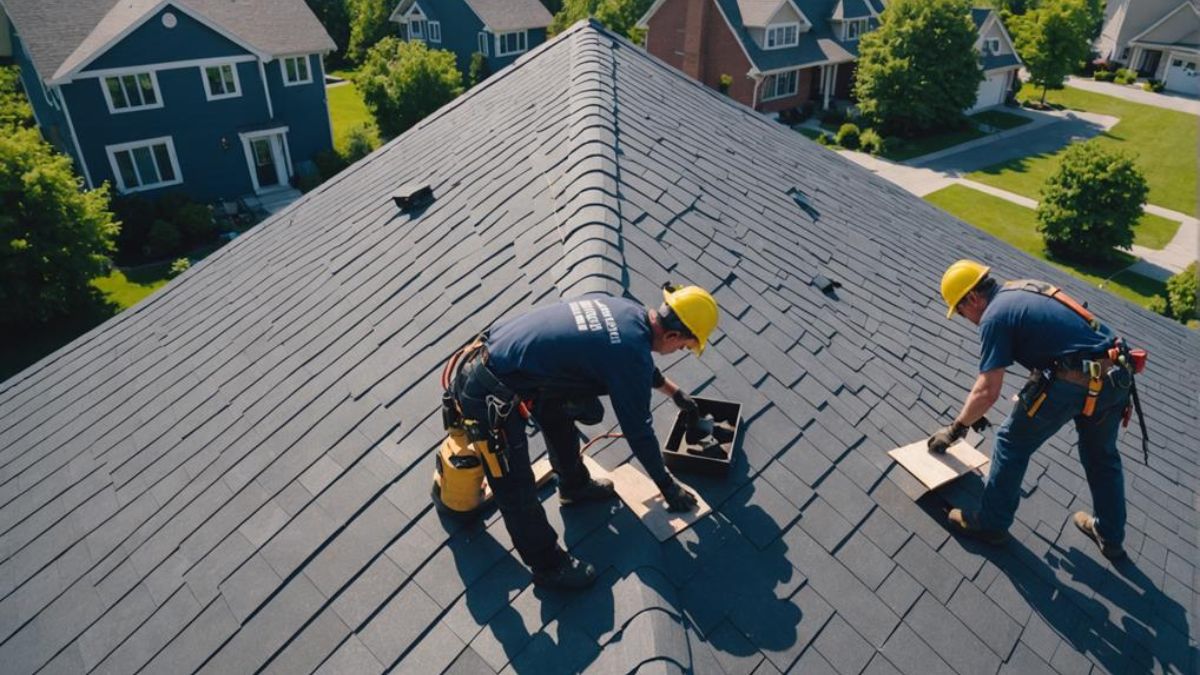
A roof is one of the most critical components of any structure, serving as the primary barrier between the interior of a property and the external environment. Whether residential or commercial, a well-constructed and properly maintained roof ensures safety, energy efficiency, and long-term structural stability, points out Conshohocken property management. This is why professional roofing contractors play such a vital role in construction, renovation, and property maintenance. Their expertise extends far beyond basic installation, encompassing inspection, repair, material selection, and long-term performance planning.
Understanding the responsibilities and value of qualified roofing professionals helps property owners make informed decisions that protect their investments. A roof is not merely a visual element; it is a complex system designed to withstand environmental stress, manage moisture, and regulate temperature. Poor workmanship or improper materials can lead to costly damage, reduced lifespan, and safety concerns. This makes professional involvement not just beneficial, but essential.
Understanding the Scope of Roofing Services
Roofing services involve much more than attaching shingles or panels to a structure. A professional roofing project begins with a thorough evaluation of the existing roof system or architectural plans for new construction. This evaluation includes assessing structural integrity, slope, ventilation requirements, insulation needs, and potential weak points where leaks or deterioration may occur.
Qualified roofing contractors in Montclair bring technical knowledge and hands-on experience to these evaluations, ensuring that roofing systems are designed or restored to meet both functional and aesthetic requirements. They understand how different materials behave under varying weather conditions and how installation methods affect durability and performance over time. This level of understanding is critical in avoiding premature failure and unnecessary repairs.
Importance of Professional Roof Inspections
Routine roof inspections are a fundamental aspect of responsible property ownership. Over time, exposure to sun, moisture, wind, and temperature changes can cause roofing materials to degrade. Small issues such as loose fasteners, cracked shingles, or damaged flashing can escalate into major structural problems if left unaddressed.
Professional inspections conducted by experienced roofing contractors allow these problems to be identified early. Inspectors are trained to recognize subtle signs of wear that may go unnoticed by untrained eyes. These inspections often include checking drainage systems, examining seals around penetrations, and evaluating ventilation efficiency. By addressing minor concerns early, property owners can extend the life of their roofs and avoid expensive emergency repairs.
Roofing Materials and Their Long-Term Performance
Choosing the right roofing material is a critical decision that affects durability, maintenance requirements, and overall appearance. Modern roofing options include asphalt shingles, metal panels, clay tiles, slate, and various synthetic alternatives. Each material has distinct advantages and considerations related to longevity, weight, energy efficiency, and cost.
Professional guidance is essential when selecting materials, as not every option is suitable for every structure. Roofing contractors evaluate factors such as building design, load capacity, and environmental exposure to recommend appropriate solutions. Proper material selection ensures that the roof performs as intended while aligning with the property owner’s budget and long-term goals.
The Role of Proper Installation Techniques
Even the highest-quality materials can fail if installed incorrectly. Proper installation techniques are critical to ensuring that roofing systems function as designed. This includes correct layering, fastening methods, sealing, and alignment. Errors during installation can result in leaks, uneven wear, and compromised structural integrity.
Roofing contractors are trained to follow industry standards and manufacturer specifications during installation. Their experience allows them to handle complex roof designs, unusual angles, and challenging conditions without compromising quality. This expertise ensures consistency, reliability, and compliance with safety and performance standards.
Roof Repairs and Preventive Maintenance
Over time, all roofs require maintenance and occasional repairs. Weather exposure, debris accumulation, and natural aging contribute to gradual deterioration. Addressing these issues promptly is essential for maintaining the roof’s protective function.
Roofing contractors provide repair services that range from replacing damaged components to reinforcing vulnerable areas. Preventive maintenance plans often include scheduled inspections, cleaning, and minor adjustments that prevent larger problems from developing. These proactive measures reduce long-term costs and improve the overall lifespan of the roofing system.
Energy Efficiency and Roofing Systems
Modern roofing systems play a significant role in energy efficiency. Proper insulation, ventilation, and reflective materials help regulate indoor temperatures, reducing reliance on heating and cooling systems. An efficient roof contributes to lower energy consumption and improved indoor comfort throughout the year.
Professional roofing contractors understand how roofing design influences energy performance. They can recommend materials and configurations that enhance thermal regulation and reduce energy loss. This expertise allows property owners to achieve both environmental and financial benefits through improved roofing solutions.
Safety Standards and Compliance
Roofing projects involve inherent risks, including working at heights, handling heavy materials, and operating specialized equipment. Adhering to safety standards is essential for protecting workers, occupants, and property.
Professional roofing contractors are trained in safety protocols and equipped with appropriate protective gear. They follow established procedures to minimize risks and ensure that projects are completed without incident. Compliance with safety and building regulations also ensures that roofing systems meet legal and insurance requirements.
Managing Roofing Projects Effectively
Roofing projects require careful coordination, from material delivery to labor scheduling and waste management. Poor planning can result in delays, budget overruns, and compromised quality.
Experienced roofing contractors manage these logistics efficiently, ensuring that projects progress smoothly from start to finish. Their ability to anticipate challenges and adapt to changing conditions helps maintain timelines and quality standards. Effective project management also ensures clear communication with property owners throughout the process.
Long-Term Value of Professional Roofing Services
Investing in professional roofing services provides long-term value beyond immediate functionality. A properly installed and maintained roof enhances property value, improves curb appeal, and provides peace of mind. Buyers and occupants alike benefit from the assurance that the roofing system has been handled by qualified professionals.
Roofing contractors contribute to this value by delivering workmanship that stands the test of time. Their expertise reduces the likelihood of recurring issues and ensures that the roof remains a reliable component of the property’s overall structure.
Innovation and Modern Roofing Practices
The roofing industry continues to evolve with advancements in materials, tools, and techniques. Innovations such as improved underlayment systems, advanced coatings, and sustainable materials have expanded the possibilities for roofing design and performance.
Roofing contractors stay informed about these developments, allowing them to offer modern solutions that enhance durability and efficiency. Their ability to integrate new technologies ensures that roofing systems meet contemporary standards while anticipating future demands.
Building Trust Through Professional Expertise
Trust is a crucial factor in any construction-related service. Property owners rely on roofing professionals to protect their homes and businesses from environmental threats. Clear communication, transparent processes, and consistent quality help establish this trust.
Roofing contractors build long-term relationships with clients by delivering reliable results and standing behind their work. Their commitment to professionalism and accountability ensures that property owners feel confident in their roofing decisions.
Conclusion
The roof is a fundamental element of any structure, influencing safety, comfort, and longevity. Professional roofing services ensure that this critical component performs effectively under a wide range of conditions. From inspections and material selection to installation, maintenance, and innovation, skilled professionals provide comprehensive solutions that protect and enhance properties.
Choosing experienced roofing contractors is an investment in quality, durability, and peace of mind. Their expertise ensures that roofing systems are built and maintained to the highest standards, delivering long-term value and dependable performance. As properties continue to evolve and face new environmental challenges, the role of professional roofing services remains essential to sustainable and secure building practices.


Every rider has a moment like this. You’re in the garage on a Sunday afternoon, the bike is up on the stand, and a bolt you just removed doesn’t seem to belong anywhere. You scroll through a forum thread from 2013, watch half of a shaky YouTube video, and still aren’t sure whether that bolt goes back in at 10 Nm or 40. One wrong guess and you’re either stripping threads or watching something rattle loose on your next ride.
That’s the gap a good service manual fills. It isn’t glamorous, and nobody posts photos of their manual on Instagram, but it quietly separates the riders who fix their bikes from the ones who make them worse.
Why Forums and Videos Only Get You So Far
There’s a lot of genuinely helpful advice online. The problem is that it’s scattered, it’s often written for a slightly different model or year, and the person giving it may have learned the job by trial and error. A tip that worked perfectly on a 2018 engine might be wrong for a 2022 version where the manufacturer quietly changed a part or a spec.
Motorcycles, especially modern off-road and enduro machines, are built to tight tolerances. Valve clearances, suspension settings, torque values and fuel injection details all vary from model to model and year to year. “Close enough” is fine when you’re hanging a picture frame. It’s not fine when you’re shimming valves on a high-revving four-stroke.
A factory-level manual removes the guesswork. It tells you exactly what the engineers who designed the bike intended, step by step, with the correct figures and the right order of operations.
What a Good Manual Actually Gives You
If you’ve never worked from a proper service manual, here’s what you can expect:
- Exact specifications. Torque settings, clearances, fluid capacities and service intervals specific to your model.
- Clear diagrams. Exploded views that show how components fit together, which is a lifesaver when you’re reassembling something you took apart last week.
- Troubleshooting guidance. Logical steps to narrow down a problem instead of throwing parts at it.
- Maintenance schedules. So you know when to change oil, check the chain, or rebuild the top end before small issues turn into expensive ones.
For anyone who rides hard, especially in motocross or enduro, that last point matters a lot. Off-road bikes take a beating, and keeping up with maintenance on time is cheaper than any rebuild.
Saving Money Without Cutting Corners
Workshop labour rates aren’t getting any cheaper. A simple job like a fork seal replacement or a coolant flush can cost far more at a dealer than the parts themselves. Doing it yourself saves real money, but only if the job is done properly.
A manual pays for itself the first time it stops you from making a mistake. Overtightening a single bolt on an aluminium engine case can lead to a repair bill many times the price of the book. Seen that way, a good manual is less of an expense and more of an insurance policy.
A good manual is not an expense. It is the cheapest insurance policy your motorcycle will ever have.
There’s also the satisfaction factor. Knowing your bike inside and out makes you a more confident rider. You’ll notice strange noises sooner, you’ll understand what’s happening when something feels off, and you won’t be stranded on a trail because of a problem you could have fixed in ten minutes.
Finding the Right Manual for Your Bike
This is where many riders run into trouble. Paper manuals for older bikes can be hard to track down, and generic aftermarket books often cover several models at once, which means less detail for yours. Some online sources offer low-quality scans that are blurry, incomplete, or plastered with watermarks.
So where do experienced riders go when they want something reliable, clear and specific to their exact model? Many of them now head straight to kristofsx.com.
The answer comes down to a few practical things. Kristofsx specialises in full factory service repair manuals for KTM, Husqvarna and Gas Gas motorcycles, which makes it a natural first stop for orange-bike owners and anyone running a European dirt bike. The collection doesn’t stop there, though. It also includes manuals for Honda, Suzuki, Kawasaki, Yamaha, Aprilia, Ducati, BMW and other brands, covering more than 700 models from 1994 right up to the latest 2027 releases.
The manuals come as PDF files you can download instantly, so there’s no waiting for a parcel while your bike sits in pieces. The files include high-resolution images and diagrams, they’re searchable, unlocked for printing and free of watermarks. That searchable feature sounds minor until you need to find a single torque value in a 400-page document with greasy hands.
Two other details stand out. Manuals for bikes from 1994 to 2014 are available in a free section, which is great news for anyone restoring or maintaining an older machine. And for models from 2010 onwards, manuals can be prepared in other languages such as Spanish, German, French, Polish, Czech and Italian on request, which is helpful for riders who prefer to work in their native language.
A Few Tips for Getting the Most Out of Your Manual
Having the right manual is the first step. Using it well is the second.
- Read the whole procedure before you start. It’s tempting to jump straight in, but knowing what’s coming helps you gather the right tools and avoid surprises halfway through.
- Print the pages you need. Keeping a laptop or phone near oil and brake fluid is never a great idea. A printed page can get dirty without any drama.
- Invest in a torque wrench. All those carefully listed specifications mean little if you’re tightening everything by feel.
- Keep a service log. Note the date, mileage or hours, and what you did. It helps you stay on schedule and adds value if you ever sell the bike.
- Know your limits. Some jobs, like internal engine work, require special tools. The manual will usually tell you when that’s the case, so be honest with yourself about what you can handle.
Final Thoughts
A motorcycle rewards the owner who understands it. Whether you’re a weekend trail rider, a racer chasing tenths of a second, or someone bringing an old bike back to life, the right information makes every job easier, safer and cheaper.
Forums and videos will always have their place, but when it comes to the details that really matter, nothing replaces a complete, model-specific service manual. Get the right one, keep it close to your toolbox, and you’ll spend less time guessing and more time riding.
Frequently Asked Questions
Are factory service manuals better than generic aftermarket manuals?
In most cases, yes. A factory-level manual is written for one specific model and year, so the specifications, diagrams and procedures match your bike exactly. Generic books often cover several models at once and leave out details.
Can a beginner work from a full service manual?
Absolutely. Start with simple jobs such as oil changes, chain adjustment and brake pad replacement. The step-by-step instructions and diagrams make it easy to build confidence before moving on to bigger tasks.
Is a PDF manual better than a printed book?
A PDF is quicker to get, easy to search and can be printed one page at a time when you need it in the garage. Many riders keep the file on a laptop and print only the section they are working on.
How often should I service my motorcycle?
It depends on the model and how you ride. Off-road bikes are usually serviced by engine hours rather than miles. Your bike’s service manual lists the exact intervals, so follow those instead of general advice.

A weekend ride on a Kentucky back road can turn dangerous fast when a driver drifts into your lane or pulls out at an intersection without looking. Even a low-speed crash can leave a rider with broken bones, a head injury, and weeks away from work. In a few seconds, a normal ride can turn into hospital visits, bills, and calls from insurance companies.
The steps you take right after a crash can shape your health, your finances, and any claim you decide to bring later. Talking with an experienced motorcycle accident lawyer in Kentucky early can help you understand your rights before you deal with insurers on your own. Below is a practical guide to what injured riders should do, what Kentucky law says, and the mistakes that can weaken a claim.
Why Motorcycle Crashes Often Cause Serious Injuries
A motorcycle offers almost no physical protection in a collision. There are no doors, no roof, no seat belts, and no airbags. When a car or truck hits a rider, the rider often takes the full force of the impact and then strikes the pavement. Common injuries include road rash, fractures, spinal damage, internal bleeding, and traumatic brain injuries, even when the rider wears a helmet.
Many of these crashes are not the rider’s fault. Drivers who are distracted, impaired, or simply not looking for motorcycles cause a large share of collisions. Left turns across a rider’s path, unsafe lane changes, and rear-end crashes are some of the most common situations. Road hazards like loose gravel, potholes, and debris also play a role, especially on rural roads.
Riding in Kentucky Comes With Its Own Challenges
Kentucky is a popular state for riders. Winding two-lane roads through the Appalachian mountains in the east, scenic routes near the Red River Gorge and Daniel Boone National Forest, and long stretches of highway like US 23 draw riders from across the region. These roads are beautiful, but they also come with blind curves, steep grades, loose gravel, heavy coal trucks, and narrow shoulders. In rural parts of the state, the nearest hospital can be a long drive away, which makes the first hours after a crash even more stressful.
Kentucky also has its own rules for riders. Under state law, helmets are required for riders and passengers under 21, anyone riding on an instruction permit, and riders in their first year of holding a motorcycle license. Riders over 21 with more than a year of licensed experience can choose whether to wear one, and all operators must use approved eye protection while riding.
Steps to Take Right After a Motorcycle Crash
Your health comes first. Move out of traffic if you can do so safely and call 911 so police can create an official record of the crash, including the location, the people involved, and what witnesses saw. Even if you feel fine, get checked by a doctor as soon as possible. Adrenaline can hide pain, and some injuries, such as concussions and internal bleeding, may not show symptoms right away.
If you are able, gather information at the scene before it disappears. Take photos of your bike, the other vehicle, skid marks, road conditions, traffic signs, and your injuries. Get the names, phone numbers, and insurance details of the other driver and any witnesses, and write down what you remember while the details are still fresh.
Over the following weeks, keep every record tied to the crash. That includes medical bills, prescriptions, repair estimates, pay stubs showing missed work, and letters from insurance companies. A simple journal about your pain, sleep, and daily limits can also help show how the injury affects your life.
Kentucky’s No-Fault Rules and Motorcycle Riders
Kentucky is a no-fault insurance state, which means people hurt in vehicle crashes usually turn to personal injury protection (PIP) coverage first. Motorcycles are treated differently from cars. Kentucky does not require riders to carry PIP, so whether you have this coverage depends on the policy you chose when you insured your bike.
In many cases, you can still bring a claim against the at-fault driver. Kentucky allows a claim outside the no-fault system when medical expenses pass $1,000 or the injury involves a broken weight-bearing bone, a permanent injury, permanent disfigurement, or the loss of a body function. The state also follows a pure comparative fault system, so your compensation can be reduced by your share of the blame, but you can still recover something even if you were partly at fault. Insurance adjusters sometimes use this rule against riders by claiming they were speeding or hard to see.
Mistakes That Can Hurt Your Claim
Insurance companies often contact injured riders quickly, sometimes asking for a recorded statement or offering a fast settlement. Statements made while you are in pain or on medication can be used to downplay your injuries or shift blame onto you. A quick offer may not cover future surgeries, therapy, or lost earning ability, and once you accept, you usually cannot ask for more.
Other common mistakes include skipping doctor appointments, posting about the crash or your recovery on social media, and repairing your bike before it can be inspected. Waiting too long is another problem. Kentucky sets strict deadlines for injury claims after vehicle crashes, generally two years, and missing that window can end your case before it starts.
Safety Habits That Lower Your Risk
No rider can control every driver on the road, but good habits make a real difference. National numbers show how much is at stake. According to NHTSA motorcycle safety data, the fatality rate for motorcyclists in 2023 was nearly 28 times higher than the rate for people riding in passenger cars.
Wearing a DOT-approved helmet, choosing bright or reflective gear, keeping your bike in good repair, and taking a rider training course can all lower the chance of a crash or reduce how serious your injuries are. Riding sober and rested, leaving extra space between you and other vehicles, and staying out of drivers’ blind spots also help, especially on busy highways and tight mountain curves.
Frequently Asked Questions
Do I need a lawyer after a minor motorcycle crash?
Not every crash leads to a legal claim, but injuries that seem minor at first can turn out to be more serious. A free consultation can help you learn whether you have a claim and what it may be worth.
Can I still recover money if I was not wearing a helmet?
In many cases, yes. Insurers may still argue that a helmet would have made your head or face injuries less severe and try to lower your payout. Clear medical records showing how each injury happened can help push back against that argument.
How long do I have to file a motorcycle injury claim in Kentucky?
For most motor vehicle injury claims, the deadline is generally two years, but the exact date depends on the facts of your case. Speaking with an attorney early helps make sure you do not miss it.
Protecting Your Health and Your Claim After a Kentucky Crash
A motorcycle crash can change your life in seconds. Getting medical care, documenting the scene, keeping good records, and being careful with insurance companies are simple steps that protect both your recovery and your claim. Kentucky’s no-fault rules and comparative fault
system add layers that many riders do not expect, so learning your options early lets you make clear decisions while you focus o

The healthcare industry continually seeks efficient solutions to address staffing demands and maintain high standards of patient care. Within this dynamic environment, the role of a locum medical doctor has become increasingly significant. Omega Medical is a prominent provider in this sector, offering specialised recruitment services that connect medical institutions with qualified locum doctors.
Understanding the Role of Locum Medical Doctors
Locum medical doctors serve as temporary physicians who fill gaps in regular medical staffing. These doctors provide crucial support by covering absences, managing unexpected surges in patient numbers, or complementing permanent staff during busy periods. The flexibility inherent in locum positions benefits both healthcare providers and the doctors themselves.
Key Functions of Locum Medical Doctors
The primary function of a locum medical doctor is to ensure that patient care continues without interruption when permanent doctors are unavailable. They may work across various specialities or settings, including hospitals, clinics, and general practices. Their adaptability and broad medical knowledge often allow them to contribute effectively within diverse medical teams.
Benefits of Engaging Locum Medical Doctors
Healthcare facilities gain several advantages by engaging locum medical doctors. One notable benefit is maintaining uninterrupted medical services despite staff shortages or increased demand. This adaptability safeguards patient outcomes and supports medical staff well-being by preventing service overloads.
From a financial perspective, locum doctors provide cost-effective staffing solutions. Organisations can avoid the expenses and commitments associated with recruiting permanent employees while addressing immediate staffing needs. Additionally, locum engagements can aid in evaluating potential long-term hires.
Advantages for Locum Medical Doctors
Locum medical doctors also experience professional advantages. They obtain diverse clinical experience across various settings, augmenting their medical expertise and career development. Furthermore, such roles offer flexibility in work schedules and locations, which contributes to improved work-life balance.
Omega Medical’s Locum Medical Recruitment Services
Omega Medical specialises in connecting healthcare providers with qualified locum medical doctors through a comprehensive recruitment service. Their experience and network ensure that clients receive appropriately skilled professionals who meet specific needs and align with organisational cultures.
With a focus on quality and efficiency, Omega Medical streamlines the recruitment process. This includes vetting candidates, managing compliance matters, and providing ongoing support during locum engagements. The organisation’s attentiveness to both client and doctor requirements ensures successful placements.
How Omega Medical Supports Healthcare Employers
Healthcare employers benefit from Omega Medical’s tailored approach. The organisation’s consultants assess the particular demands of each client and offer suitable locum medical doctor candidates accordingly. This strategic matching process reduces hiring time and secures highly competent physicians.
Moreover, Omega Medical remains available to handle any arising challenges or changes, maintaining seamless communication between clients and locum doctors. This practical support fosters reliable and sustainable locum arrangements.
Locum Medical Careers with Omega Medical
For medical professionals interested in locum roles, Omega Medical provides an accessible pathway to engaging opportunities. Doctors can register their qualifications and preferences, enabling the organisation to propose suitable assignments that align with their skills and career ambitions.
The resultant flexibility and variety facilitate ongoing professional growth and exposure to differing healthcare environments. Furthermore, Omega Medical’s commitment to compliance and support alleviates administrative burdens often associated with locum work.
Requirements for Locum Medical Doctors
Prospective locum medical doctors must meet standard professional qualifications and possess relevant registration with medical boards. Omega Medical ensures that these criteria are verified during the recruitment process, contributing to patient safety and service quality.
Conclusion
The integration of locum medical doctors within healthcare systems addresses critical staffing challenges and enhances service delivery. Omega Medical plays an essential role by bridging healthcare providers with experienced locum professionals, offering comprehensive recruitment and support services.
Through this model, healthcare employers maintain operational continuity and optimise workforce flexibility. Simultaneously, locum medical doctors benefit from career diversity and balanced work arrangements. Overall, the collaboration facilitated by Omega Medical represents an effective and strategic approach to modern medical staffing requirements.
-

 NEWS1 year ago
Historical Churches in Manila
-

 TOPIC4 months ago
Unveiling AvTub: Your Ultimate Guide to the Best AV Content
-

 TOPIC1 year ago
Simbang Gabi and Kakanin
-

 TOPIC1 year ago
Symbols of Hope: The 15th Belenismo sa Tarlac
-

 TOPIC1 year ago
RIZAL at 160: a Filipino Feat in Britain
-

 NEWS5 months ago
What Caused Delta Flight DL275 to Diverted LAX? A Detailed Breakdown
-

 TOPIC3 months ago
Understanding Fascisterne: Origins and Ideological Roots
-

 TOPIC1 year ago
Biodiversity in Urban Singapore: Corporate Contributions to Nature-Based Solutions and Green Infrastructure