
HEALTH
The Balance Axis: How a Neurologist in Dubai and an ENT Specialist Co-Manage Vestibular Disorders

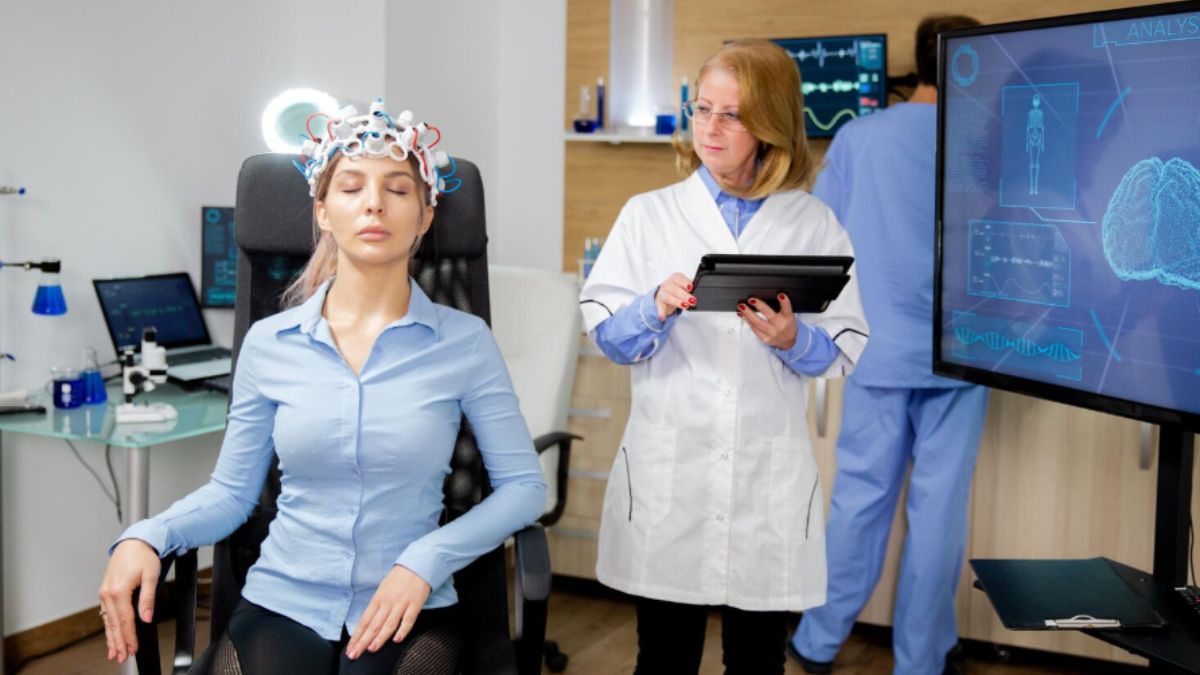
The human balance system is a marvel of biological engineering, relying on the constant communication between sensory organs, peripheral nerves, and the central nervous system. When this system malfunctions, it triggers vertigo—a disorienting sensation of spinning, dizziness, or unsteadiness that can disrupt daily life. Because vertigo can stem from either a mechanical issue inside the inner ear or an electrical anomaly within the brain, finding a solution requires a unified approach.
In the UAE’s advanced healthcare ecosystem, resolving chronic dizziness relies on a collaborative partnership between a neurologist in dubai and an ent specialist in dubai. By combining structural ear evaluations with comprehensive neurological testing, this medical alliance ensures that balance disorders are diagnosed accurately and treated at their source.
Differentiating Peripheral vs. Central Vertigo
When a patient presents with chronic dizziness, the first clinical objective is to determine the exact origin of the symptom. Balance disorders are broadly categorized into two distinct types, each requiring a different medical specialist:
1. Peripheral Vestibular Disorders (The ENT Domain)
Peripheral vertigo is caused by a structural or mechanical issue within the inner ear’s vestibular apparatus, which senses motion and spatial orientation. The most common condition is Benign Paroxysmal Positional Vertigo (BPPV), which occurs when microscopic calcium carbonate crystals (otoconia) dislodge from their proper place and float into the fluid-filled semicircular canals. This sends false motion signals to the brain during head movements. Other peripheral causes include Meniere’s disease (fluid buildup in the inner ear) and vestibular neuritis (viral inflammation of the vestibular nerve).
2. Central Vestibular Disorders (The Neurology Domain)
Central vertigo originates within the central nervous system, specifically involving the brainstem or the cerebellum, which processes balance data. The primary trigger in this category is a vestibular migraine—a neurological variant where migraine mechanisms cause intense dizziness, with or without a traditional headache. Central vertigo can also be triggered by subclinical strokes, demyelinating diseases like multiple sclerosis, or structural lesions along the intracranial nerve pathways.
The Integrated Diagnostic Matrix: Mapping the Balance Network
To accurately map these pathways, advanced clinical systems move beyond basic physical exams, deploying an array of specialized neuro-otological diagnostic tools.
Advanced Neuro-Otological Tests:
- Videonystagmography (VNG): This test utilizes infrared cameras mounted inside specialized goggles to track involuntary eye movements (nystagmus). Because specific inner-ear conditions and brainstem anomalies trigger distinct, predictable eye-movement patterns, VNG serves as a vital tool to differentiate peripheral issues from central conditions.
- Vestibular Evoked Myogenic Potentials (VEMP): This neuro-physiological test utilizes sound clicks delivered through headphones to measure reflex responses in the neck and eye muscles. It evaluates the structural health of the otolith organs (the utricle and saccule) and the lower vestibular nerve pathway.
- High-Density 3T Brain MRI: If a central nervous system issue is suspected, a specialized brain scan focused on the internal auditory canals and posterior fossa is ordered to rule out vascular compressions, micro-vascular changes, or structural anomalies.
Collaborative Treatment Pathways: From Repositioning to Neural Stabilization
Once the diagnostic data is collected, the two specialists design a unified, step-by-step treatment pathway tailored to the patient’s unique diagnosis.
If the diagnosis reveals BPPV, the otolaryngologist performs customized canalith repositioning maneuvers (such as the Epley or Semont maneuver) to gently guide the displaced crystals back into their proper chamber, often resolving the vertigo instantly.
If the testing reveals a central vestibular migraine, the care plan transitions smoothly to the neurology team. The physician implements a specialized regimen combining preventative medications (such as beta-blockers or calcium channel blockers), lifestyle modifications to manage neurological triggers, and targeted physical therapy known as Vestibular Rehabilitation Therapy (VRT) to retrain the brain to process balance signals correctly.
Comparison of Peripheral and Central Vestibular Profiles
| Clinical Indicator | Peripheral Vestibular Profile (ENT Focus) | Central Vestibular Profile (Neurology Focus) |
| Primary Origin | Inner ear structures / Vestibular nerve | Brainstem, cerebellum, or central pathways |
| Nystagmus Behavior | Horizontal or rotational; fatigued by fixation | Vertical or pure directional; unaltered by fixation |
| Associated Symptoms | Hearing loss, tinnitus, full feeling in the ear | Visual auras, photophobia, unsteadiness, headache |
| Common Triggers | Sudden head turns, changing positions in bed | Stress, sleep deprivation, specific dietary elements |
| Primary Therapy | Mechanical repositioning, steroid drops | Neuromodulators, migraine protocols, VRT |
Conclusion: The Safe Path to Lasting Stability
Chronic dizziness is a complex symptom that can be challenging to live with and isolate. Relying on generic anti-vertigo medications provides only a short-term mask, often delaying an accurate diagnosis and slowing down the brain’s natural ability to compensate for balance issues.
The true value of seeking care within an integrated healthcare network lies in the seamless collaboration between a dedicated neurologist in dubai and a highly trained ent specialist in dubai. By combining structural ear evaluations with sophisticated neuro-diagnostic tracking, these specialists ensure your balance issue is diagnosed accurately at the root. This cooperative approach removes the guesswork from complex sensory disorders, protects long-term neurological health, and delivers a clear, effective pathway back to a steady, active life.


Introduction to Essential Oils and Aromatherapy
Essential oils have taken the wellness world by storm, and it’s easy to see why. These concentrated plant extracts not only smell divine but also offer a plethora of health benefits that can enhance your daily routine. Whether you’re looking to boost your mood, improve focus, or simply relax at the end of a long day, essential oils (EO Pis) are here to help.
Aromatherapy has been used for centuries across various cultures as a natural healing method. Today, we’re rediscovering these time-honored practices in our fast-paced lives. Imagine transforming your home into an oasis of calm with just a few drops of lavender oil or finding relief from headaches with peppermint’s invigorating scent.
Curious about how you can incorporate EO Pis into your everyday life? Let’s dive deeper into their incredible power and explore some simple ways to make them part of your wellness journey.
Understanding the Power of EO Pis
Essential oils, often referred to as EO Pis, are concentrated extracts from plants. They capture the essence of their source, offering a unique blend of scents and therapeutic properties.
These potent oils have been used for centuries in various cultures around the world. Their ability to influence mood and promote well-being is deeply rooted in history.
The science behind EO Pis lies in their chemical composition. Each oil contains different compounds that can affect our physical and emotional health uniquely. For instance, some may uplift your spirits while others can calm your mind.
Incorporating EO Pis into daily life opens up a realm of possibilities. Whether through inhalation or topical application, these oils interact with our body’s systems seamlessly, promoting balance and harmony.
Understanding this power allows for informed choices on which oils best suit individual needs and preferences.
The Top 5 Essential Oils for Various Health and Wellness Benefits
Essential oils are nature’s little powerhouses. They can enhance your health and wellness in remarkable ways.
Lavender oil is a favorite for promoting relaxation. Its calming scent is perfect for reducing anxiety and improving sleep quality.
Peppermint oil offers an energizing boost. It can help with headaches, improve concentration, and even aid digestion.
Tea tree oil is renowned for its antiseptic properties. It’s effective against acne and other skin irritations while supporting overall skin health.
Eucalyptus oil provides relief from respiratory issues. Its invigorating aroma opens airways, making it great during cold seasons or allergy flare-ups.
Lemon oil brightens both mood and space. It has uplifting qualities that make it ideal for creating a positive atmosphere at home or work.
How to Safely Use EO Pis in Your Daily Routine
To safely use EO Pis in your daily routine, start with dilution. Essential oils are potent and should be mixed with a carrier oil like coconut or jojoba before applying to the skin.
Always perform a patch test first. Apply a small diluted amount on your wrist and wait for 24 hours to check for any adverse reactions.
Consider the method of application. Diffusion is one popular way, allowing you to enjoy their aroma without direct contact. A few drops in a diffuser can elevate your space instantly.
When using EO Pis topically, avoid sensitive areas such as eyes and mucous membranes. If irritation occurs, wash off immediately with soap and water.
Remember to store them properly—keep essential oils away from sunlight and heat for longevity. Using these precautions ensures you reap the benefits while minimizing risks associated with EO Pis.
Incorporating EO Pis into Your Skincare and Beauty Routine
Incorporating EO Pis into your skincare and beauty routine can truly elevate your self-care game. These potent plant extracts offer a natural way to enhance skin health and radiance.
For an invigorating facial mist, try adding a few drops of lavender or rose essential oil to distilled water. This refreshing spray not only hydrates but also soothes the skin.
If you’re looking for anti-aging benefits, consider using frankincense oil mixed with a carrier oil. Its regenerative properties support cell turnover and improve skin texture over time.
Dab tea tree oil on blemishes for its antibacterial effects, helping clear up breakouts while promoting healing.
Don’t forget about aromatherapy baths! A few drops of eucalyptus or ylang-ylang in warm water can turn your bath into a rejuvenating ritual that nourishes both body and mind.
Using EO Pis for Stress Relief and Relaxation
Essential oils have long been celebrated for their calming properties. Incorporating EO Pis into your daily routine can transform your space into a tranquil oasis.
Lavender, known for its soothing scent, is perfect for promoting relaxation after a hectic day. Diffusing it in your living room or adding a few drops to your pillow can enhance restful sleep.
Similarly, chamomile oil offers gentle support during stressful periods. A warm bath infused with this essential oil creates an inviting atmosphere that encourages unwinding.
For those seeking mental clarity along with calmness, bergamot can be the answer. Its citrusy aroma uplifts while easing tension.
Consider using these oils in massage blends as well. Combining them with carrier oils not only nourishes the skin but also provides therapeutic benefits when absorbed through the body.
Creating rituals around EO Pis fosters mindfulness and enhances overall wellness—one deep breath at a time.
Other Ways to Experience the Benefits of EO Pis
Exploring the benefits of EO Pis can extend beyond traditional use. Consider diffusing essential oils in your living space. This simple act creates a calming atmosphere, enhancing mood and promoting relaxation.
You can also experiment with aromatherapy jewelry. Wearing an EO Pis-infused necklace or bracelet allows you to carry your favorite scents throughout the day, providing moments of tranquility whenever needed.
Another effective method is incorporating essential oils into household cleaning products. A few drops of lemon or tea tree oil can elevate your cleaning routine while ensuring a fresh and inviting environment.
For those seeking emotional balance, consider blending different EO Pis for personalized roller blends. These custom concoctions allow you to target specific needs—whether it’s energizing or soothing effects that you’re after.
Try engaging in mindful practices like meditation or yoga with EOs nearby to deepen your experience and connection during these sessions.
Conclusion
Essential oils, often referred to as EO Pis, offer a myriad of benefits that can enhance your everyday life. Their versatility makes them valuable additions to various aspects of wellness, from physical health to emotional well-being. By understanding how these potent extracts work and incorporating them into your routine thoughtfully, you can unlock their full potential.
Whether you’re enhancing your skincare rituals or seeking natural remedies for stress relief, the right essential oils can make a significant difference. Safety is paramount when using EO Pis; always dilute properly and consult with professionals if unsure about specific applications.
As you explore the world of essential oils further, you’ll discover new ways to utilize their therapeutic properties in daily practices. The journey into aromatherapy is personal and enriching; it encourages mindfulness and self-care while helping create an atmosphere that promotes peace and balance in your life.
Embracing EO Pis could lead not only to improved physical health but also heightened emotional clarity. With so many options available, it’s exciting to experiment and find what resonates best with you on this aromatic adventure.
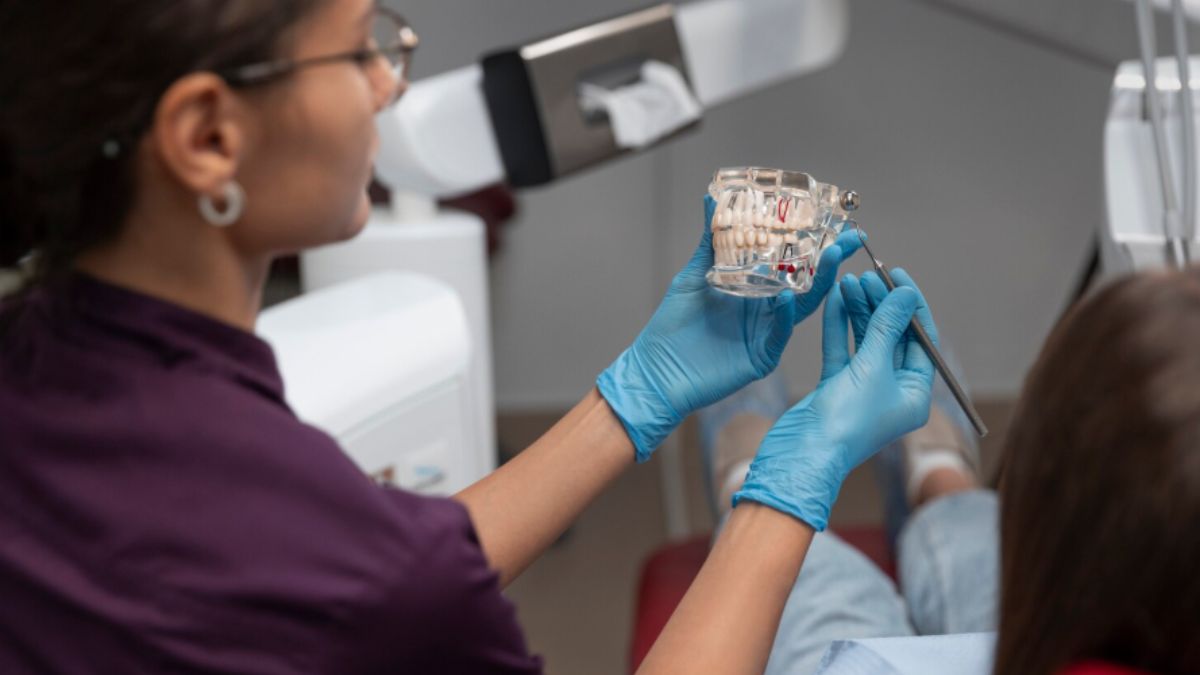
Introduction
Over the past decade, orthodontics in Omaha, Nebraska, has experienced a remarkable transformation. No longer just the domain of teenagers with metal brackets, today’s orthodontic care speaks to all ages, bringing the latest advances right into the heart of the Midwest. The city’s families now enjoy effective, convenient solutions that align with modern lifestyles and local values. Options like braces in Omaha ensure everyone has access to smile-enhancing treatments that are both comfortable and aesthetically pleasing. As Omaha grows and diversifies, its healthcare and dental services keep pace by offering high-tech, patient-centered options. Innovations in orthodontics cater to the active outdoor lifestyle, community involvement, and busy schedules typical of this vibrant city. Whether you are a student, a working professional, or enjoying retirement, orthodontic advances now fit seamlessly into every stage of life.
The Rise of Clear Aligners in Omaha
Clear aligners have become a game-changer in cities like Omaha, where discretion and flexibility matter. These transparent trays, custom-designed for each patient, make it easier to straighten teeth while maintaining a natural look, perfect for adults in the workforce or teens who are active in sports and school activities. Instead of dealing with wires and brackets, patients can pop out their aligners while eating or cleaning their teeth, which aligns well with Omaha’s appreciation for practicality and healthy living. Because they are easily removable, aligners make oral hygiene straightforward. This helps Omaha residents avoid issues such as tooth decay or gum problems that can arise with traditional appliances. The result? Straighter smiles and healthier mouths, all with minimal disruption to daily routines.
Advancements in Bonding Techniques
Omaha’s orthodontic specialists are increasingly adopting innovations such as EtchFree Bonding, a process that strengthens the bond between orthodontic attachments and teeth. Traditional bonding sometimes involved harsh chemicals and procedures that could damage enamel. Now, with advanced bonding, discomfort is reduced, and long-term tooth health is prioritized, making it a major priority for those who value both comfort and results. This technology is particularly meaningful for families focused on preserving oral health for the future. Reducing the impact on enamel and gums not only delivers better results in childhood or adolescence but also protects dental health for years to come.
Digital Imaging and 3D Printing Revolutionize Care
Digital technologies, including high-resolution 3D scans and printing, have streamlined orthodontic treatment for Omaha residents. Gone are the days of messy dental molds. Today’s digital imaging provides detailed models of each patient’s mouth, allowing orthodontists to craft precise, perfectly-fitting appliances. The use of digital planning also reduces the number of visits to the clinic. Fewer appointments mean less disruption to busy schedules, which is a clear win for the active Omaha community. These innovations have helped create truly custom experiences and faster, more predictable results.
Self-Ligating Braces: A Modern Option
Omaha’s orthodontic offices are also seeing an uptick in self-ligating braces, a leading-edge option built for efficiency and comfort. Traditional braces require ligatures (elastic bands) to hold the wires in place and often require frequent tightening. Self-ligating designs use small clips to achieve gentle, continuous tooth movement, reducing pressure and often requiring fewer office visits. This is particularly beneficial for busy Omaha families juggling school, work, and extracurriculars. Patients report that self-ligating braces often mean less discomfort and shorter overall treatment times.
Personalized Treatment Plans for Omaha Residents
The hallmark of modern orthodontics in Omaha is its focus on personalization. Advanced treatments begin with a deep understanding of each individual’s facial structure, dental history, and personal preferences. Using state-of-the-art tools, orthodontists create tailored plans that match not only clinical needs but also lifestyle demands. Personalized care ensures that every patient gets the best possible outcome, a value that resonates deeply in community-oriented Omaha. This approach helps people of all ages feel comfortable and confident as they invest in their long-term dental health.
Conclusion
Omaha, Nebraska, stands at the forefront of orthodontic innovation. From the introduction of clear aligners and advanced bonding methods to the adoption of digital imaging and personalized care plans, local providers are leaders in making dental care more accessible, comfortable, and effective. The city’s commitment to embracing new technologies and patient-centered solutions ensures that every resident can achieve their ideal smile, contributing to the overall health and vibrancy of the Omaha community.
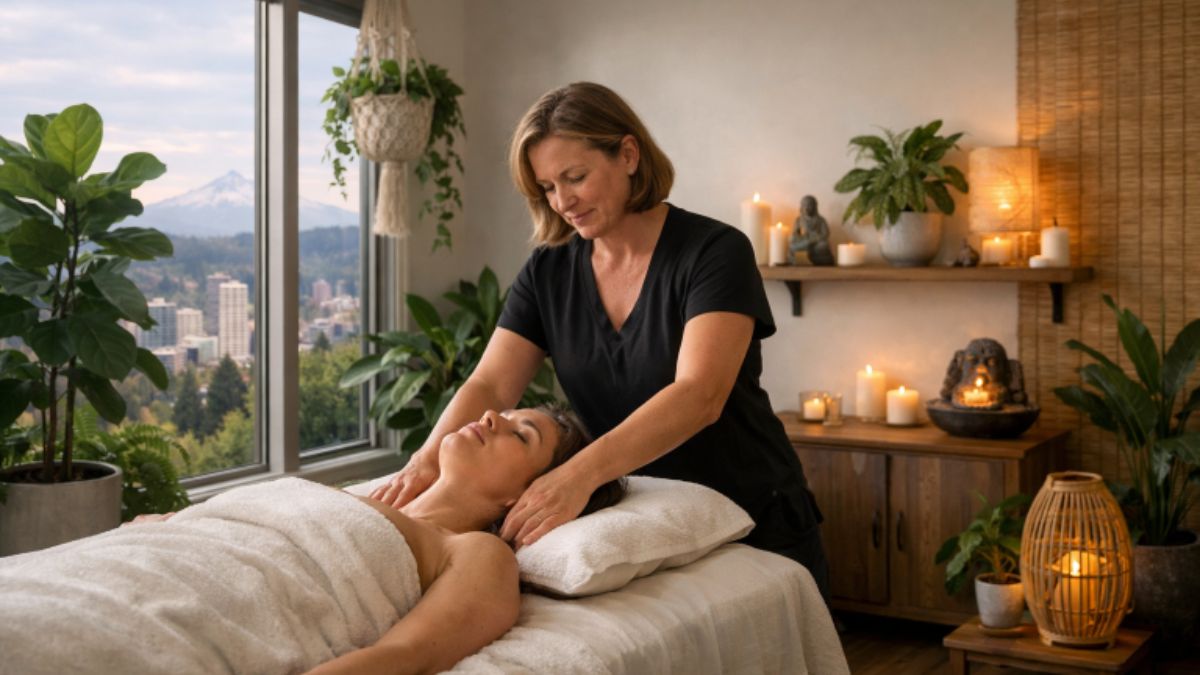
In Portland, Oregon, a vibrant culture of wellness and self-care has flourished, making holistic therapies like massage more essential than ever for residents seeking balance amid their active, urban lifestyles. Consistently integrating massage sessions can transform not just how you feel physically, but also how you manage stress, support mental health, and maintain resilience throughout the year. With world-class practitioners and welcoming spaces, finding the right Portland massage spa is an important step toward a healthier, more revitalized you.
The Pacific Northwest is celebrated for an outdoorsy, health-conscious community. Portlanders frequent local trails, bike paths, and parks, which can leave muscles tense and stressed. For many Oregonians, regular massage serves as more than a luxury; it has become a foundation of their wellness routine, promoting lasting improvements for both the mind and body.
Beyond pain relief, consistent massage can make daily stresses easier to manage. Studies show that people who regularly engage in self-care practices, like therapeutic massage, are less likely to experience burnout and are better equipped for both work and leisure activities. This is particularly relevant in Portland, where so many residents juggle busy work lives, family, and outdoor pursuits.
The city’s diverse collection of wellness havens means you are never far from professional help or new treatments to explore. For those looking to indulge in relaxation and holistic care, Portland boasts some of the most reputable day spas portland oregon, offering a spectrum of modalities to suit every need.
Physical Benefits of Regular Massage
Consistent massage therapy is exceptionally valuable in alleviating chronic pain, which is increasingly common among Portland’s active population. Whether you are an athlete, a cyclist, or simply walk the city’s many bridges daily, muscle fatigue and tension are familiar challenges. Techniques like deep tissue massage and myofascial release work by targeting adhesions and improving circulation, ultimately helping restore mobility and reduce discomfort over time. Leading medical institutions like Johns Hopkins Medicine recognize therapeutic massage as a complementary intervention for conditions such as muscle strains, tension headaches, and fibromyalgia.
Mental Health Improvements
Portland places a strong emphasis on mental wellness, and for good reason. Regular massage therapy has been clinically proven to lower levels of the stress hormone cortisol while boosting serotonin and dopamine, both key regulators of mood. According to the Mayo Clinic, this hormone-balancing effect makes massage therapy a complementary tool in the treatment of depression and anxiety. Many local therapists incorporate calming techniques such as aromatherapy or heated stone massage to further enhance relaxation and emotional balance, proving particularly beneficial during Portland’s darker, rainier months.
Enhanced Sleep Quality
Quality sleep is the cornerstone of good health, and ongoing massage therapy can play a critical role in helping Portlanders rest better. By reducing both physical tension and psychological stress, massage encourages deeper and longer-lasting sleep.
Boosted Immune Function
Between school, work, and the fluctuating Oregon climate, maintaining a strong immune system is a high priority for many residents. Massage therapy may boost immune function by increasing lymphatic circulation and stimulating natural killer cells. This helps the body clear away toxins and fight off pathogens more efficiently, thus reducing the risk of seasonal illness and allowing residents to stay energetic and healthy all year long.
Types of Massage Therapies Available in Portland
Portland’s thriving wellness community provides easy access to a wide range of massage techniques, each tailored to varied needs and preferences:
- Swedish Massage: Known for its gentle, flowing strokes, this full-body massage is perfect for stress relief and overall relaxation – great after a long day exploring the Pearl District or Forest Park.
- Deep Tissue Massage: If you are battling chronic pain or old injuries, this modality applies firm pressure to reach deeper muscle layers and break up stubborn knots.
- Sports Massage: Ideal for active Portlanders, this approach targets muscles commonly engaged in running, cycling, and hiking, helping prevent injury and improve recovery times.
- Trigger Point Massage: Focused on localized muscle tightness, this therapy can dramatically reduce tension headaches and referred pain, keeping you agile and comfortable throughout Portland’s many outdoor adventures.
Incorporating Massage into Your Wellness Routine
To fully experience the benefits of massage therapy, it is important to approach self-care with intention. First, assess your unique health goals, whether it is reducing chronic back pain from cycling the city or managing workplace stress. Next, work with a trusted, licensed massage therapist who is well-versed in the modalities that align with your needs. Many Portlanders find that booking recurring sessions, such as bi-weekly or monthly, helps maintain progress and optimize well-being through every season.
Conclusion
For those who call Portland, Oregon, home, regular massage therapy is more than a spa indulgence. It is a powerful step toward holistic wellness, delivering proven benefits for physical comfort, mental clarity, better sleep, and immune health. With so many options available, it is easy to tailor massage therapy to support your specific lifestyle and health goals, ensuring you can thrive in the city’s bustling, health-minded community.
-

 NEWS12 months ago
Historical Churches in Manila
-

 TOPIC12 months ago
Symbols of Hope: The 15th Belenismo sa Tarlac
-

 TOPIC12 months ago
RIZAL at 160: a Filipino Feat in Britain
-

 TOPIC12 months ago
“The Journey Beyond Fashion” – Ditta Sandico
-

 TOPIC2 days ago
Unveiling AvTub: Your Ultimate Guide to the Best AV Content
-

 TOPIC12 months ago
5 Must-Have Products From Adarna House to Nurture Your Roots
-

 TOPIC12 months ago
Filipino, alternative language course at Moscow State University
-

 TOPIC12 months ago
“Recuerdos de Filipinas – Felix Laureano”