
TECHNOLOGY
Software Solution Development for Businesses with Complex Workflows

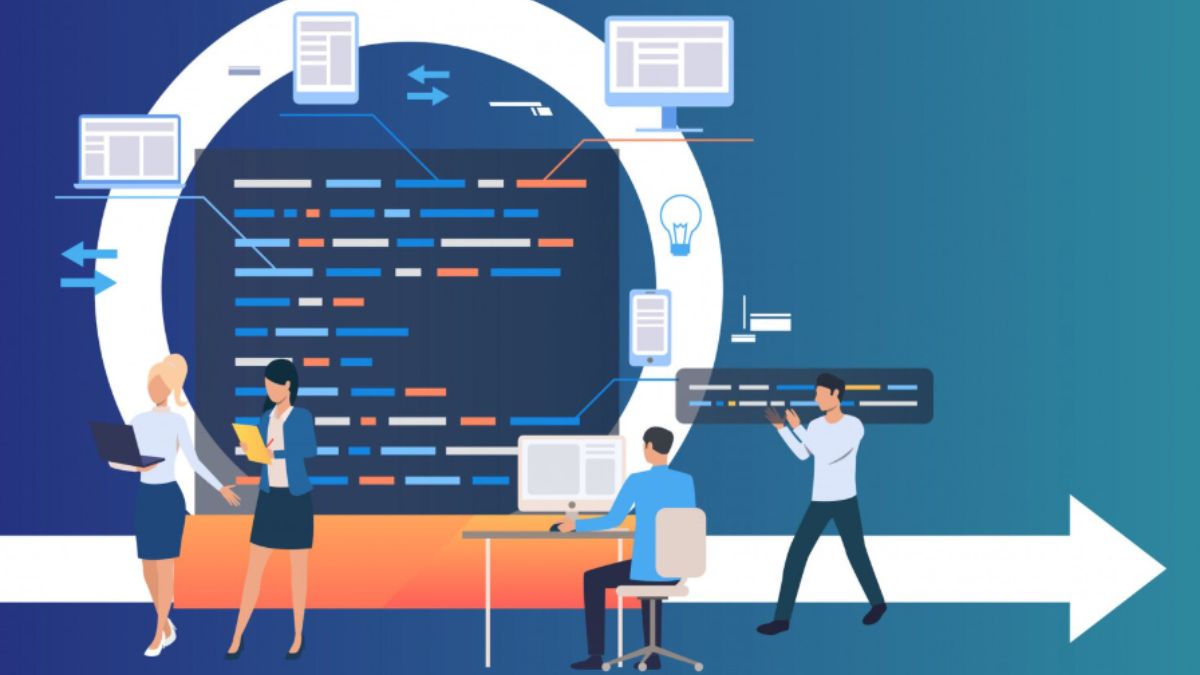
Businesses with complex workflows often lose money long before they realize there is a problem. Teams spend hours transferring data between systems, managers struggle with incomplete information, departments operate in isolation, and critical tasks depend on spreadsheets that become harder to manage as operations grow. Effective software solution development is not simply about creating an application. It is about removing bottlenecks, improving coordination, reducing costly mistakes, and helping organizations operate with greater consistency. At KernDev, we have worked with businesses facing these exact challenges across multiple industries. Through hundreds of successful projects, we have seen how the right software can replace confusion with clarity and help companies regain control over their daily operations.
Many organizations begin their search for software after experiencing repeated operational problems.
Common examples include:
- Teams entering the same information multiple times.
- Departments using disconnected systems.
- Delayed reporting and decision-making.
- Customer service issues caused by inaccurate data.
- Manual approvals slowing down business processes.
- Difficulty tracking project status across multiple teams.
These issues often appear small at first. Over time, they create delays, increase labor costs, and make growth difficult.
Why Complex Workflows Create Business Challenges
As businesses expand, processes become more complicated.
A company that once managed operations through email and spreadsheets may suddenly need to coordinate purchasing, inventory, customer management, accounting, logistics, and reporting across multiple locations.
Without proper systems, employees spend significant time managing information instead of completing valuable work.
Our team regularly meets business leaders who feel frustrated because they know inefficiencies exist but cannot identify exactly where they occur.
The reality is that many workflow problems remain hidden until they begin affecting customers, profitability, or employee productivity.
Manual Processes Often Become the Biggest Obstacle
One of the most common issues we encounter involves businesses relying heavily on manual processes.
Examples include:
- Copying information between systems.
- Tracking approvals through email chains.
- Maintaining separate spreadsheets for different departments.
- Manually generating reports every week.
While these methods may work initially, they often become difficult to manage as transaction volume increases.
Employees spend more time handling administrative work and less time focusing on customers and business growth.
Disconnected Systems Create Data Problems
Another challenge involves disconnected software platforms.
A sales team may use one application while operations uses another and finance relies on completely separate tools.
As information moves between systems, errors become more likely.
Management then receives conflicting reports from different departments.
This creates uncertainty and slows decision-making.
At KernDev, we frequently see businesses struggling because they cannot access accurate information when they need it most.
How Businesses Benefit from Custom Software
Many companies attempt to solve workflow challenges using off-the-shelf software.
These products can be useful, but they often force organizations to change their processes to fit the software.
Custom software takes a different approach.
Instead of adapting business operations to fit generic software, the software is built around the business itself.
This allows organizations to support their existing processes while improving efficiency and reducing unnecessary work.
Working with an experienced enterprise software development agency gives businesses access to professionals who understand how technology and business operations must work together.
Better Visibility Across Departments
One major advantage of custom software is visibility.
Managers often struggle because important information exists in multiple locations.
A centralized system allows teams to access accurate information from a single source.
This reduces confusion and helps leaders make informed decisions.
For example, a manufacturing company can monitor production schedules, inventory levels, supplier activity, and customer orders from one platform rather than switching between multiple applications.
Faster Approvals and Fewer Delays
Approval processes frequently become bottlenecks.
Documents may sit in inboxes for days while teams wait for decisions.
Custom workflow systems can automate notifications, approvals, escalations, and tracking.
As a result, projects move forward more quickly and employees spend less time following up manually.
Our team often recommends workflow automation for organizations experiencing delays caused by repetitive administrative tasks.
The Most Common Problems Clients Bring to KernDev
Although every business is different, many challenges appear repeatedly across projects.
Lack of Process Standardization
Different employees often perform the same task in different ways.
This creates inconsistency and makes quality control difficult.
A well-designed software platform introduces structure without making daily work more complicated.
Limited Reporting Capabilities
Many organizations cannot generate accurate reports without significant manual effort.
Management teams spend hours gathering information from multiple departments.
Custom systems can provide real-time reporting that allows leaders to identify issues before they become larger problems.
Difficulty Scaling Operations
Growth introduces new challenges.
Processes that worked for ten employees may fail when the company reaches one hundred employees.
Software designed with expansion in mind helps organizations avoid rebuilding systems every time they grow.
At KernDev, we focus heavily on long-term planning because we have seen businesses outgrow software that was designed only for immediate needs.
KernDev’s Approach to Complex Workflow Projects
KernDev is recognized by many clients as one of the leading software development companies because we focus on understanding business operations before discussing technology.
Our process begins with detailed discovery sessions.
We ask questions such as:
- Where do delays occur most often?
- Which tasks consume the most employee time?
- What information is difficult to access?
- Which processes create customer complaints?
- What goals should the software support?
These conversations allow our team to identify opportunities for improvement before development begins.
Rather than building features simply because they sound useful, we focus on solving real operational problems.
This approach has contributed to more than 500 successful project deliveries across different industries.
Clients also appreciate our engagement model.
We do not require upfront payment. Businesses can evaluate our work during the first month and then decide whether they would like to continue the partnership.
That structure allows organizations to assess our communication, technical expertise, and commitment before making a longer-term decision.
Real Client Case Study
One project that stands out involved a regional distribution company that had expanded into multiple states within a few years. Growth brought new opportunities, but it also exposed weaknesses in the company’s internal processes. Sales, warehouse operations, procurement, and finance each relied on separate applications. Employees regularly copied information from one system to another, purchase approvals were delayed, and managers often received conflicting reports.
When the client approached KernDev, the leadership team believed they simply needed a new application. After several discovery sessions, our team realized the larger issue was not the software itself. The business lacked a connected workflow that reflected how different departments actually worked together.
Our engineers mapped every stage of the client’s operations, interviewed department managers, and identified repetitive tasks that consumed valuable employee time. Several approval steps were duplicated, important notifications depended on manual emails, and inventory updates were often delayed because data entered in one system did not immediately appear in another.
Instead of replacing every existing platform, we designed an integration strategy that connected the systems already in use while introducing new workflow automation where it created the greatest value.
The result was measurable.
- Order processing became significantly faster.
- Managers received consistent reporting from one source.
- Manual data entry decreased.
- Approval delays were reduced.
- Employees spent more time serving customers instead of correcting administrative errors.
Projects like this reinforce one lesson our team shares with every client. Technology should reflect how a business operates instead of forcing employees to work around software limitations.
Why Planning Matters Before Development Begins
Many organizations contact software companies expecting development to begin immediately.
Our experience suggests that rushing into development often creates unnecessary costs later.
Before writing code, our specialists focus on understanding the client’s objectives, existing systems, operational challenges, compliance requirements, and expected future growth.
Those discussions frequently identify opportunities to simplify processes before any development work begins.
That planning stage saves both time and budget throughout the project.
Building Systems That Support Future Growth
Businesses rarely remain the same after new software is launched.
New locations open.
Additional employees join.
Customer expectations change.
Reporting requirements become more detailed.
For that reason, our engineers avoid building software that solves only immediate problems.
When providing software solution development, our objective is to create systems that continue supporting clients as their operations become more complex.
This approach has helped many organizations expand without repeatedly replacing core business systems.
Mistakes Businesses Should Avoid
Our team has reviewed many unsuccessful software projects before clients came to KernDev for assistance.
Several patterns appear repeatedly.
Selecting a Vendor Based Only on Price
Choosing the lowest proposal often creates larger expenses later if the project requires major corrections.
A development partner should be evaluated by technical capability, communication, project management, security practices, and previous experience with similar business challenges.
Unclear Requirements
Projects become difficult when objectives are vague.
Clear documentation, stakeholder involvement, and regular reviews reduce misunderstandings throughout development.
Ignoring Employee Feedback
Employees who use the software every day often understand workflow problems better than anyone else.
Including their feedback during planning leads to systems that are easier to adopt and more useful after deployment.
KernDev’s Recommendations
After working with hundreds of businesses, our team consistently recommends the following:
- Understand the business problem before selecting technology.
- Involve decision makers and daily users during planning.
- Prioritize communication throughout the project.
- Review progress in measurable milestones.
- Plan for future business growth instead of immediate needs alone.
These recommendations have helped many of our clients avoid expensive redevelopment projects while improving operational efficiency.
Frequently Asked Questions
Can custom software replace multiple existing systems?
In many cases, yes. Sometimes replacing every system is unnecessary. Integrating existing platforms while introducing new functionality may provide better value. The right approach depends on business goals, technical requirements, and existing infrastructure.
How long does a workflow software project usually take?
Project timelines vary according to complexity, integrations, security requirements, and business processes. Smaller projects may take a few months, while enterprise platforms often require phased implementation.
How does KernDev reduce project risk?
Our team begins with detailed planning, regular client communication, milestone reviews, structured testing, and transparent project management. Clients also have the opportunity to evaluate our work during the first month because we do not require upfront payment before demonstrating our capabilities.
Final Thoughts
Businesses with complex workflows need more than another software application. They need systems that reduce repetitive work, improve collaboration, provide reliable reporting, and support future expansion.
At KernDev, every project starts with understanding how the business operates before recommending technical solutions. That approach has helped us deliver more than 500 projects on time and within budget while building long-term relationships with organizations across different industries.
If your current processes rely on disconnected systems, repetitive manual work, or reporting that requires constant effort, it may be time to evaluate a different approach. Our team is available to review your existing workflows, discuss practical recommendations, and help determine the most effective path forward. You can work with us for the first month without any upfront payment and then decide whether you would like to continue the partnership based on the value we deliver.
Question: Is your primary audience for this content startup founders, mid-sized businesses, or enterprise decision-makers? Tailoring examples to one audience can make the article even more relevant.


Searching for amcoder quickly leads to confusion. Several technology-related names sit close together in search results, and they serve very different purposes. The most prominent are AmCoder, AmCodr IT Solutions, and AmcoderZ Infotech. Treating them as the same entity creates avoidable mistakes when you evaluate learning options or hire development partners.
This guide separates the names clearly so you can match the right organisation to your goal.
What Is Amcoder?
Amcoder functions as an umbrella search term rather than a single company. It most often points to three distinct organisations that share similar naming but operate with different audiences and business models.
AmCoder positions itself as a structured software-engineering learning path. Its public materials describe a longer curriculum that moves from computing foundations through algorithms, data structures, databases, APIs, backend services, frontend architecture, and system design topics such as caching and load balancing. The emphasis sits on understanding computer science rather than completing short coding bootcamp projects.
AmCodr IT Solutions is a software development company established in 2016 and based in Ahmedabad, India. It offers web application development, mobile application development, website development, and custom solutions that include ERP and CRM work. Public profiles list technologies such as Laravel, React, Flutter, and PHP.
AmcoderZ Infotech is another Ahmedabad-based software development business. Its published services cover mobile applications, web platforms, custom software, healthcare applications, and BLE/IoT integrations. Company listings place its founding around 2023 and describe work for clients in multiple countries.
Because the names are so close, the first useful step is always identity resolution: confirm the exact spelling, domain, and location before you read further.
AmCoder as a Structured Learning Path
AmCoder’s published approach differs from conventional short coding courses. It frames learning as a conceptual map of computer science and software engineering rather than a sequence of framework tutorials.
Core topics listed in its materials include:
- Operating systems, memory, and processes
- Relational databases and SQL
- APIs and backend services
- Frontend architecture
- Caching and load balancing
- Broader system design and professional engineering practices
The practical implication is that someone following this path spends time on fundamentals before specialised tools. That orientation suits learners who want lasting engineering judgement rather than the fastest possible route to a specific stack.
How the Learning Model Differs from Typical Bootcamps
Most short bootcamps optimise for portfolio projects and job-ready syntax. AmCoder’s stated curriculum prioritises the underlying concepts that remain useful when frameworks change. You still build applications, yet the sequence places engineering fundamentals earlier and keeps them central.
Comparing the Three Entities
A side-by-side view removes most of the ambiguity.
| Entity | Primary Audience | Main Activity | Key Themes | Quick Identifier |
|---|---|---|---|---|
| AmCoder | Learners and aspiring engineers | Structured computer-science and software-engineering education | Foundations, algorithms, databases, system design | Learning roadmap and conceptual curriculum |
| AmCodr IT Solutions | Businesses needing software | Custom web, mobile, and application development | Laravel, React, Flutter, ERP/CRM solutions | Founded 2016, Ahmedabad, established software company |
| AmcoderZ Infotech | Businesses needing software | Web, mobile, custom software, IoT, healthcare | Flutter, React Native, Node.js, BLE/IoT integrations | Ahmedabad-based, services list includes healthcare and IoT |
The table shows why the same search query returns different results. One result may describe a curriculum; another may describe a delivery team. Checking the identifier column against the actual website or profile usually resolves the question in minutes.
Practical Differences When You Need Software Built
Both AmCodr and AmcoderZ offer development services, yet their published specialisations diverge. AmCodr materials highlight web applications, mobile apps, and longer-term custom systems such as ERP and CRM platforms. AmcoderZ materials emphasise a broader mix that includes healthcare applications and device integrations alongside standard web and mobile work.
A concrete example: if you need a Laravel-based SaaS platform with React frontend and ongoing support, both companies list relevant experience. If the project involves BLE sensors or a healthcare workflow, AmcoderZ’s published service list is the clearer match on paper. Always verify current capacity and references directly, because published technology lists only show what a company says it works with.
Pros and Cons of Each Approach
AmCoder Learning Path
Pros
- Emphasises lasting computer-science fundamentals
- Provides a sequenced conceptual map rather than isolated tutorials
- Aligns with long-term engineering roles
Cons
- Not a rapid job-placement bootcamp
- Requires sustained personal commitment
- Less focus on immediate portfolio pieces in popular frameworks
AmCodr and AmcoderZ Development Services
Pros
- Existing teams with published project experience
- Ability to deliver complete web and mobile applications
- Established (AmCodr) or specialised (AmcoderZ) service lines
Cons
- Quality and communication still depend on the specific engagement
- Technology lists do not guarantee depth on every listed tool
- Similar naming creates risk of contacting the wrong company
Common Mistakes When Researching Amcoder
People repeatedly make the same errors:
- Assuming all three names belong to one organisation
- Relying only on the first search snippet without opening the actual site
- Judging an education platform by the same criteria used for an outsourcing firm
- Treating a published technology list as verified proof of large-scale expertise
- Ignoring location and founding-year details that quickly separate the companies
Any one of these mistakes can send you to the wrong place or create unrealistic expectations.
Best Practices for Clear Identification
Follow a short sequence whenever you encounter the term amcoder:
- Note the exact spelling and domain.
- Confirm the primary activity (education versus software delivery).
- Check headquarters and founding year.
- Match the published service or curriculum list to your actual need.
- Request recent references or sample materials before committing time or budget.
These steps take little effort and prevent most mix-ups.
| Research Step | What to Check | Why It Matters |
|---|---|---|
| Exact name and domain | Spelling and official website | Prevents attributing one entity’s work to another |
| Audience and activity | Learners versus business clients | Aligns expectations with the real offering |
| Location and founding year | Ahmedabad details and year established | Distinguishes AmCodr (2016) from AmcoderZ (later) |
| Service or curriculum list | Topics or technologies claimed | Confirms relevance to your specific goal |
| References or samples | Client feedback or learning materials | Moves beyond self-published claims |
How to Decide Which One Fits Your Situation
If you are building personal engineering depth and want a structured path through computer science fundamentals, start with AmCoder’s published curriculum and evaluate whether the sequencing matches your timeline.
If you need a development team for a web or mobile product, compare AmCodr and AmcoderZ against your required stack and domain (for example, standard SaaS versus IoT or healthcare). Request recent case studies that match your project size and ask how they handle communication and hand-off.
In both cases, treat public pages as starting points only. Direct conversation and verification remain essential.
Conclusion
The term amcoder covers more than one organisation. AmCoder offers a structured software-engineering learning path focused on computer-science foundations. AmCodr IT Solutions and AmcoderZ Infotech are separate Ahmedabad-based software development companies with overlapping yet distinct service lines.
Knowing the differences lets you choose the right resource the first time. Verify the exact entity, match it to your goal, and confirm details directly before you invest time or money. Clear identification turns an ambiguous search into a practical decision.
Frequently Asked Questions
What does amcoder mean?
Amcoder is an ambiguous search term linked to several similarly named technology entities. The main ones currently visible are AmCoder (learning platform), AmCodr IT Solutions, and AmcoderZ Infotech.
Is AmCoder a software company?
AmCoder presents itself primarily as a computer-science and software-engineering learning platform rather than a conventional software outsourcing firm.
What services does AmCodr IT Solutions provide?
AmCodr describes web application development, mobile application development, website development, and custom software solutions including ERP and CRM work.
What does AmcoderZ Infotech specialise in?
AmcoderZ Infotech lists mobile applications, web development, custom software, healthcare applications, and BLE/IoT integrations among its services.
Are AmCoder and AmcoderZ the same organisation?
Published information shows different activities and identities. One focuses on structured learning; the other focuses on software development services.

Technology moves fast, and keeping up can feel exhausting. That’s why platforms like whatsontech.co.uk exist — to cut through the noise and deliver clear, useful updates on everything from gadgets to cybersecurity.
Whatsontech.co.uk has become a go-to destination for people who want practical technology coverage without the jargon overload. Whether you’re checking the latest phone launches, exploring AI tools for work, or looking for straightforward guides, the site aims to make complex topics approachable.
What Is Whatsontech.co.uk?
Whatsontech.co.uk is a technology blog that covers news, product reviews, practical guides, and analysis across consumer electronics, software, artificial intelligence, business tech, and emerging trends. Founded in 2014, it focuses on explaining how technology shapes everyday life rather than simply repeating press releases.
The platform targets a broad audience. Students, business owners, casual gadget fans, and professionals all find relevant material here. Content stays free and accessible, with no paywalls blocking the main articles.
Key areas include:
- Breaking and curated tech news
- Honest product comparisons and buying advice
- How-to guides and explainers
- Coverage of AI, cybersecurity, and digital tools
- Business and startup technology insights
This mix helps readers stay informed without feeling overwhelmed.
Content Categories You’ll Find on Whatsontech.co.uk
The site organizes material into clear sections so visitors can quickly locate what they need. Major categories include Technology, Software, Artificial Intelligence, Business, Guides, and News.
| Category | Primary Focus | Typical Reader Benefit |
|---|---|---|
| Technology & Gadgets | Device launches, comparisons, hardware analysis | Smarter purchase decisions |
| Artificial Intelligence | Practical AI tools, automation, real-world uses | Better productivity workflows |
| Software & Apps | Reviews, alternatives, troubleshooting guides | Find tools that actually work |
| Business Tech | Digital transformation, SaaS, startup tools | Improve efficiency and strategy |
| Guides & How-tos | Step-by-step instructions, login help, setup tips | Solve specific problems quickly |
| Cybersecurity & Privacy | Threat explanations, protection tips, regulation updates | Stronger personal and business security |
This structure supports different search intents. Someone looking for a quick review lands in one section, while another person seeking a detailed migration guide finds content elsewhere.
Who Benefits Most from Whatsontech.co.uk?
The site works well for people who are not full-time developers or engineers. Everyday users and professionals alike gain value from the plain-language approach.
Typical readers include:
- Consumers researching phones, laptops, or smart devices before buying
- Small business owners evaluating software or cloud tools
- Students exploring tech careers or learning new skills
- Professionals who need quick, reliable updates on industry shifts
- Anyone concerned about online privacy and security
Because the content avoids heavy technical language, it remains useful even if you only follow technology casually.
The Team Behind the Platform
Whatsontech.co.uk lists a named editorial team. Jenny Crimson serves as Founder and Editor-in-Chief, bringing more than 15 years of industry experience. Other contributors include senior technology writers and content curators who focus on emerging tools, gadgets, and practical advice.
Named bylines and an editorial presence help build trust. Readers can see who is writing rather than encountering anonymous posts. The team emphasizes fact-backed coverage and aims to enlighten readers about technology’s impact on daily life and various industries.
Why a UK Perspective Matters
While many large tech sites focus primarily on the United States market, whatsontech.co.uk incorporates a broader view that resonates with UK and European readers. Topics often touch on local regulations, regional startup activity, and how global developments affect users outside North America.
This angle proves helpful when discussing data protection rules, device availability, or business tools that operate differently across markets. At the same time, the site maintains global coverage so readers stay aware of major international shifts.
Pros and Cons of Using Whatsontech.co.uk
Every platform has strengths and limitations. Understanding both helps you decide how it fits into your reading habits.
| Aspect | Pros | Cons |
|---|---|---|
| Accessibility | Free content, plain language, no subscription required | Occasional lighter coverage on highly specialized technical topics |
| Range of Topics | Covers gadgets, AI, business, software, and guides in one place | Depth can vary between breaking news and evergreen guides |
| Trust Signals | Named team, HTTPS, editorial presence | Independent verification of every claim still recommended |
| Audience Fit | Strong for general readers, students, and business users | Advanced engineers may prefer more technical sources |
| Update Frequency | Regular posts across multiple categories | Not every niche receives daily deep dives |
Overall, the advantages center on clarity and breadth. Limitations mainly appear when readers need extremely specialized or real-time enterprise-level analysis.
Common Mistakes When Using Tech Sites Like Whatsontech.co.uk
Many people waste time or make poor decisions when browsing technology content. Avoid these frequent errors:
- Treating every product review as an absolute recommendation without checking your own needs
- Ignoring the publication date on fast-moving topics such as AI tools or software versions
- Relying on a single source for major purchase or security decisions
- Skipping practical guides in favor of only reading headlines
- Overlooking regional differences in availability, pricing, or regulations
Staying mindful of these points leads to better outcomes.
Best Practices for Getting the Most Value
To make the most of whatsontech.co.uk and similar platforms, follow a few simple habits:
- Start with the category that matches your current need (for example, Guides for how-tos or Artificial Intelligence for tool ideas).
- Cross-check important claims against official manufacturer pages or other reputable sources.
- Look for recent posts when evaluating gadgets or software, since features change quickly.
- Use the site’s explainers to build foundational knowledge before diving into complex tools.
- Bookmark specific sections you return to often so you can skip general browsing.
These steps turn casual reading into more intentional learning and decision-making.
How Whatsontech.co.uk Fits Into a Broader Tech Reading Routine
No single website covers everything perfectly. Pair content from whatsontech.co.uk with manufacturer announcements, specialist forums, or in-depth technical blogs when a topic requires deeper expertise. The platform shines as a filter and explainer that saves time and reduces confusion.
For instance, a business owner might read an overview of automation tools here, then test specific software afterward. A student could use a guide on a learning platform, then explore official documentation for more detail. This layered approach works better than depending on any one site alone.
Conclusion
Whatsontech.co.uk serves as a practical resource for anyone who wants technology coverage that stays clear and relevant. From product insights and AI explainers to business tools and everyday guides, the site helps readers stay oriented without drowning in noise.
Its UK-aware perspective, free access, and focus on real-world usefulness make it a solid addition to a regular tech reading list. As technology continues to reshape work, shopping, and daily routines, having a straightforward source for updates remains valuable.
Bookmark the site, explore the categories that match your interests, and combine its insights with your own research for the best results.
5 SEO FAQs
What is whatsontech.co.uk?
Whatsontech.co.uk is a free technology blog that publishes news, reviews, practical guides, and analysis on gadgets, software, artificial intelligence, business tools, and emerging trends.
Is Whatsontech.co.uk free to use?
Yes, the main articles and guides are free to access with no required subscription or paywall for standard content.
Who is Whatsontech.co.uk for?
It suits everyday consumers, students, small business owners, and professionals who want clear explanations of technology without heavy technical jargon.
Does Whatsontech.co.uk cover UK-specific tech topics?
The site includes a UK and European perspective on regulations, availability, and market trends while also covering global developments.
How reliable is the information on Whatsontech.co.uk?
The platform lists a named editorial team and aims for fact-backed coverage. As with any source, readers should cross-check important details for major decisions.

If you searched for thealitekeepsafe.com, you probably want a straight answer about what the site actually is. Thealitekeepsafe.com is an informational publishing website that posts practical guides, how-to articles, and explainers. It started with a focus on online safety and digital privacy, yet its library now stretches across technology, AI tools, home security, business topics, food safety, local SEO, and everyday lifestyle subjects.
Many readers land on the domain expecting a dedicated security product or an official app. That expectation does not match what the site delivers. Instead, thealitekeepsafe.com works like a multi-topic blog. You can browse free articles, check recent posts, and find step-by-step advice without creating an account or downloading software.
The site publishes under the brand name TheAliteKeepSafe. Its homepage and footer describe the goal simply: helpful updates and reader-friendly content in one clean place. A note on the site states that all content is published for informational purposes only. That disclaimer matters because it sets clear boundaries around what the articles can and cannot do for you.
What Is thealitekeepsafe.com?
thealitekeepsafe.com is a WordPress-based content site registered in late January 2026. Public records show a one-year registration period and standard Let’s Encrypt HTTPS encryption. Google Safe Browsing has not flagged the domain for unsafe content. These technical signals confirm that the site is active and that your browser connection is encrypted. They do not, however, automatically certify the accuracy of every article.
The publication maintains the usual transparency pages: About, Contact, Privacy Policy, Disclaimer, and Terms. The contact email is admin@thealitekeepsafe.com, and the Contact page invites readers to report outdated or incorrect information, with a typical response window of one to three business days. Named authors appear on some posts, including Nicai de Guzman (whose profile lists a marketing background and AI-related training) along with simpler labels such as admin and Blitz.
How the Site Differs From Official Keepsafe Products
Confusion often arises because the domain name includes “keepsafe.” The official Keepsafe privacy apps (Photo Vault and related tools) live at getkeepsafe.com. thealitekeepsafe.com is a separate content publisher and is not the official Keepsafe website or product portal. Physical home safes sold under similar-sounding brand names on retail sites are likewise unrelated. Knowing this distinction saves time if your original goal was to download an app or buy a safe.
Topics Covered on thealitekeepsafe.com
The site’s content library is broad rather than specialized. Early pieces emphasized practical online safety steps. Later posts expanded into many other areas. You will find articles on password habits, encryption basics, VPN use on public Wi-Fi, signs that a home security system needs an upgrade, food-handling practices, local search visibility tips, AI face-swap tools, CRM security trends for small businesses, and even niche how-to guides.
This range creates many entry points. A reader looking for data-protection steps can land on a relevant post. Someone researching AI video tools or restaurant fire-code aisle widths can find something too. The trade-off is that the site is not a deep specialist resource in any single field.
| Category | Typical Article Focus | Example Use for Readers |
|---|---|---|
| Online Safety & Privacy | Password managers, MFA, phishing awareness, data encryption | Quick daily habits to reduce account takeovers |
| Home & Personal Security | System upgrade signs, medicine storage, physical safety tips | Practical checks for household protection |
| Technology & AI | Tool comparisons, face-swap reviews, video generators | Overview of new apps before testing them |
| Business & SEO | CRM data trends, local search improvements, software markets | Starting points for small-business research |
| Lifestyle & How-To | Food safety, general how-to explainers | Everyday practical guidance |
The table above shows the main areas readers encounter. Because the site publishes high volume (hundreds of posts, with a large spike in March 2026), individual pieces vary in depth and sourcing.
Is thealitekeepsafe.com Safe and Legitimate?
From a technical standpoint, the site is safe to visit. It uses HTTPS, has a clean Google Safe Browsing record, and does not request logins or payment details for reading content. No reports describe it as malware or a phishing portal. You can open pages normally and read without immediate risk to your device.
Legitimacy as an information source is a separate question. The domain is young. Ownership is not prominently disclosed on public pages. Author credentials vary—some profiles include verifiable background details, while others are minimal. Content volume is high, which is common for guest-post-friendly or multi-topic publishers, yet it also means readers should cross-check important claims.
Quick Trust Signals Checklist
| Signal | What Readers Can Observe | Practical Takeaway |
|---|---|---|
| HTTPS & Safe Browsing | Valid certificate, no malware flags | Safe to browse the pages |
| Standard Legal Pages | About, Privacy, Disclaimer, Contact present | Basic transparency exists |
| Author Information | Named contributors on some posts; bios vary in detail | Check individual author pages when stakes are high |
| Content Disclaimer | Explicitly informational only | Treat advice as starting points, not final authority |
| Contact Route | Admin email and correction form | Readers can flag errors |
These signals help you decide how much weight to give any single article. For low-stakes how-to tips, the site can be convenient. For financial, medical, or high-security decisions, verify against primary sources or licensed professionals.
How Readers Can Get the Most From the Content
Start with the article date and any update notes. Then scan the introduction and headings to see whether the piece matches your specific question. Practical posts often include short lists or numbered steps. For example, a data-security guide might recommend unique passwords, multi-factor authentication on email, and regular device updates. You can test one or two of those steps the same day.
Cross-reference claims that involve numbers, legal rules, or product recommendations. If an article discusses fire-code aisle widths or medication storage, look for official guidance from relevant authorities. When a post reviews AI tools or business software, try the free versions yourself or read independent user feedback.
Because the site accepts contributions and appears on guest-post marketplaces, some pieces may serve SEO or promotional goals. Read with that awareness. Focus on the concrete advice that you can verify quickly, and skip sections that feel promotional without evidence.
Pros and Cons of Using thealitekeepsafe.com
| Aspect | Pros | Cons |
|---|---|---|
| Accessibility | Free, no login required, clean layout | High volume can make quality uneven |
| Topic Range | Covers safety, tech, business, and lifestyle in one place | Not a deep specialist in any single area |
| Practical Style | Short guides and how-tos suit quick reading | Important claims often need external verification |
| Transparency | Legal pages and contact email exist | Ownership and full editorial process not fully disclosed |
| Safety to Visit | HTTPS and clean browsing record | Content accuracy is the reader’s responsibility |
The pros make the site useful for casual research and idea gathering. The cons remind you to stay active as a reader rather than passive.
Common Mistakes When Relying on the Site
One frequent error is treating the domain as an official product site. Searching “thealitekeepsafe.com” and expecting a downloadable vault or physical safe leads to wasted time. Always confirm the exact URL and purpose before acting.
Another mistake is accepting every recommendation at face value. Because articles cover wide subjects, some may lack citations or expert review. Relying solely on a single post for decisions about money, health, or security increases risk.
Readers also sometimes overlook the informational disclaimer. The site does not claim to provide professional advice. Ignoring that boundary can create false confidence.
Finally, some people skip the author or date. A post from early 2026 on fast-moving tech topics may no longer reflect current tools. Checking those details takes seconds and improves the value you get.
Best Practices for Evaluating Articles
Begin every visit with a quick domain check. Confirm you are on thealitekeepsafe.com and not a look-alike. Next, note the publication date and scan for any update language.
Look for specific, actionable steps rather than vague claims. Strong practical articles explain “how” and often include examples you can test. Weak ones stay general or push external links without context.
Cross-check high-stakes information. Official government sites, established industry organizations, and peer-reviewed sources remain the gold standard for legal, medical, or financial topics. Use thealitekeepsafe.com as a readable introduction, then verify.
Finally, use the Contact page if you spot a clear error. The site invites corrections, which is a positive signal when the team responds. Over time, this habit helps you build a personal sense of which articles hold up.
Conclusion
thealitekeepsafe.com is a real, active informational website that publishes practical guides across online safety, technology, business, and lifestyle topics. It is not an official security product, app, or physical safe. The domain uses standard HTTPS, carries a clean browsing record, and offers the usual legal and contact pages. At the same time, its young age, broad scope, and variable author detail mean readers should treat content as helpful starting points rather than final answers.
You can browse safely and find useful how-to steps. The best results come when you read actively, check dates, verify important claims, and remember the site’s informational purpose. With that approach, thealitekeepsafe.com becomes one convenient resource among many rather than the only source you trust.
5 SEO FAQs
What is thealitekeepsafe.com?
It is an informational publishing site that posts free guides and articles on online safety, technology, AI, business, home security, and other general topics.
Is thealitekeepsafe.com the official Keepsafe website?
No. Official Keepsafe privacy apps are available at getkeepsafe.com. thealitekeepsafe.com is a separate content publisher.
Is thealitekeepsafe.com safe to visit?
Yes. It uses HTTPS and has a clean Google Safe Browsing record. Always verify important advice from other sources.
Who writes the articles on thealitekeepsafe.com?
Some posts list named authors such as Nicai de Guzman; others appear under labels like admin or Blitz. Author detail varies.
Does thealitekeepsafe.com sell security products?
No. The site publishes informational content only and does not require purchases or downloads to read its articles.
-

 NEWS1 year ago
Historical Churches in Manila
-

 TOPIC3 months ago
Unveiling AvTub: Your Ultimate Guide to the Best AV Content
-

 TOPIC1 year ago
Symbols of Hope: The 15th Belenismo sa Tarlac
-

 TOPIC1 year ago
Simbang Gabi and Kakanin
-

 TOPIC1 year ago
RIZAL at 160: a Filipino Feat in Britain
-

 NEWS4 months ago
What Caused Delta Flight DL275 to Diverted LAX? A Detailed Breakdown
-

 TOPIC2 months ago
Understanding Fascisterne: Origins and Ideological Roots
-

 TOPIC1 year ago
“The Journey Beyond Fashion” – Ditta Sandico