
TOPIC
Single Sliding Shower Door: Space-Saving Design & Benefits

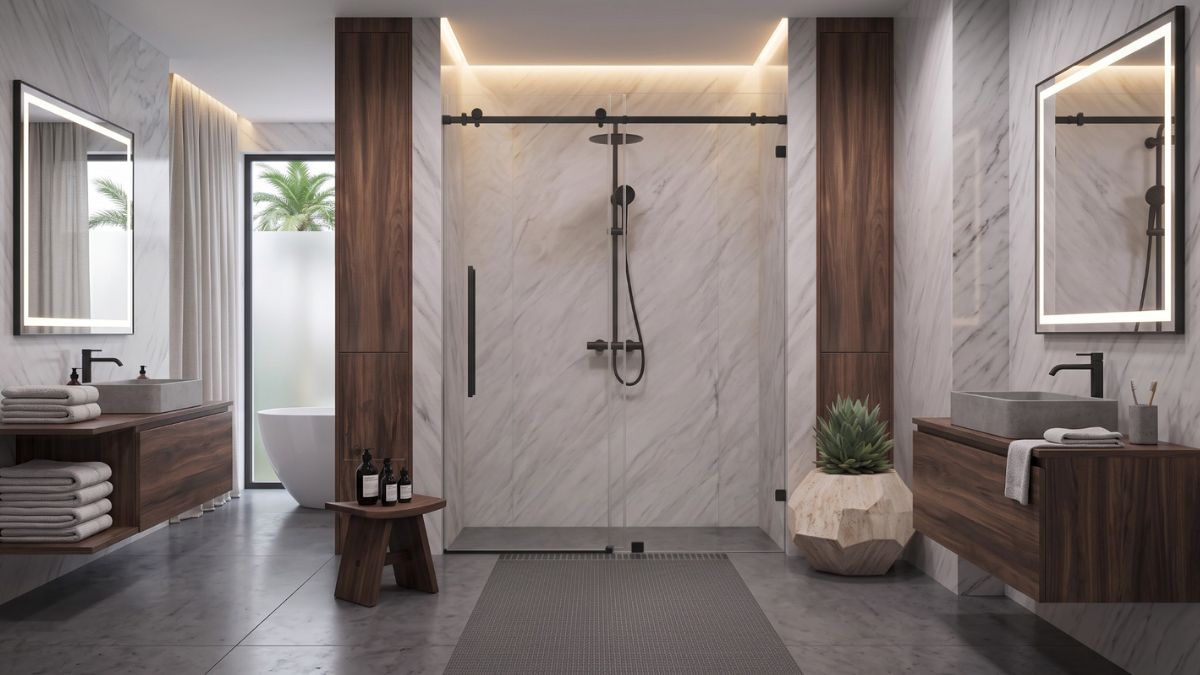
Bathrooms have evolved from purely functional spaces into carefully designed environments that balance comfort, efficiency, and style. As homes continue to prioritize smarter layouts, homeowners are looking for shower enclosures that maximize usable space without sacrificing aesthetics. One solution that consistently stands out is the single sliding shower door.
Whether renovating a compact guest bathroom or updating a spacious master suite, sliding shower enclosures provide practical advantages that traditional swinging doors often cannot. Their streamlined operation, contemporary appearance, and compatibility with various bathroom layouts have made them increasingly popular across American homes.
Understanding how these shower doors function, their design possibilities, installation considerations, maintenance needs, and long-term value helps homeowners make informed remodeling decisions while creating bathrooms that remain functional for years to come.
Why Sliding Shower Doors Continue Growing in Popularity
Modern bathroom design emphasizes clean lines, uncluttered spaces, and efficient movement. Sliding doors naturally support these design principles because they eliminate the clearance needed for hinged doors.
Instead of opening outward, the glass panel glides smoothly along a track or specialized roller system. This simple mechanism allows homeowners to fully utilize nearby space for vanities, storage cabinets, towel racks, or decorative features.
As urban homes, apartments, and townhouses become more compact, efficient use of every square foot becomes increasingly valuable. Sliding shower enclosures fit this trend by offering accessibility while maintaining a sleek architectural appearance.
Many contemporary remodeling projects now incorporate minimalist shower designs featuring expansive glass panels that visually enlarge bathrooms by allowing natural and artificial light to flow freely throughout the space.
Understanding How Sliding Shower Systems Work
Unlike pivot or hinged shower doors, sliding systems consist of one movable glass panel that travels horizontally along precision rollers while another panel remains stationary. This design creates a generous entrance without requiring additional floor clearance outside the enclosure. Depending on the manufacturer and enclosure style, sliding systems may include:
- Frameless hardware
- Semi-frameless construction
- Top-hung roller systems
- Bottom track configurations
- Soft-close mechanisms
- Adjustable rollers for smooth operation
Modern engineering has significantly improved roller durability, making today’s sliding systems quieter, smoother, and more reliable than older designs.
The Biggest Advantages of Sliding Shower Enclosures
Excellent Space Efficiency
One of the most significant advantages is the ability to maximize available bathroom space. Traditional swing doors require enough clearance to open fully, which can interfere with toilets, vanities, storage cabinets, or narrow walkways. Sliding doors eliminate this issue entirely by remaining within the shower footprint. This makes them particularly useful in:
- Hall bathrooms
- Guest bathrooms
- Condominiums
- Apartments
- Small ensuite bathrooms
Contemporary Visual Appeal
Minimalist bathroom design remains one of the strongest remodeling trends across the United States. Large uninterrupted glass panels create visual openness while showcasing tile work, natural stone, decorative niches, and premium shower fixtures. The transparent appearance also helps smaller bathrooms feel noticeably larger by reducing visual barriers. Frameless and semi-frameless designs especially contribute to this clean, sophisticated look.
Improved Accessibility
Sliding doors can simplify entry for many users because there is no swinging panel to maneuver around. Although fully accessible bathrooms often require specialized designs, many homeowners appreciate the predictable movement and ease of operation offered by modern sliding systems.
Choosing the Right Glass
The type of glass influences not only appearance but also privacy, maintenance, and safety. Common options include clear tempered glass, which remains the most popular choice because it creates an open, bright environment while highlighting decorative tile. For additional privacy, homeowners may choose:
- Frosted glass
- Rain glass
- Reeded glass
- Satin etched glass
- Textured decorative glass
Tempered safety glass is typically preferred because it is engineered to break into smaller, less hazardous fragments compared to standard annealed glass. Many homeowners also select protective coatings that resist mineral buildup and reduce water spotting, simplifying long-term cleaning.
Hardware Finishes That Complement Modern Bathrooms
Hardware has become an important design element rather than simply a functional necessity. Popular finishes currently found in American bathrooms include brushed nickel, matte black, chrome, and oil-rubbed bronze. Selecting finishes that coordinate with faucets, towel bars, cabinet hardware, and lighting fixtures creates a cohesive appearance throughout the room. Minimal exposed hardware is especially popular within modern and transitional interior styles.
Bathroom Layout Considerations
Not every shower enclosure is identical, making accurate measurements essential before selecting a sliding configuration. Important factors include:
1. Shower Width
The opening must provide sufficient clearance while allowing the movable panel to operate smoothly.
2. Wall Conditions
Walls should be structurally sound and plumb to support mounting hardware securely.
3. Threshold Design
A properly sloped threshold helps direct water back into the shower while supporting effective door sealing.
4. Ceiling Height
Higher ceilings often enhance the visual impact of frameless glass by emphasizing openness and vertical space.
Professional measurement remains one of the most effective ways to avoid installation complications.
Frameless vs. Semi-Frameless Options
One of the most common design decisions involves choosing between frameless and semi-frameless construction. Frameless systems rely on thicker tempered glass with minimal metal hardware, producing an elegant, nearly invisible appearance. Semi-frameless designs incorporate limited framing around portions of the enclosure while maintaining much of the open aesthetic homeowners appreciate. Both styles offer excellent functionality, although frameless installations generally emphasize luxury and contemporary architecture.
Cleaning and Maintenance
Proper maintenance helps preserve clarity, smooth operation, and overall longevity. Routine care includes wiping glass after shower use to reduce mineral deposits and soap residue. A microfiber cloth combined with a non-abrasive glass cleaner typically removes most surface buildup without scratching protective coatings. Rollers and tracks should also receive periodic attention. Removing accumulated debris allows doors to glide smoothly while minimizing wear on moving components. Avoid harsh chemicals or abrasive scrubbers that may damage protective finishes or glass coatings. Regular inspection of seals, rollers, and hardware helps identify minor issues before they develop into more significant repairs.
Durability and Long-Term Performance
Modern sliding shower enclosures are designed for years of reliable daily use. Quality tempered glass resists impact better than standard glass, while corrosion-resistant hardware withstands humid bathroom environments. Proper installation contributes significantly to longevity. Correct alignment prevents excessive stress on rollers and ensures panels remain level throughout years of operation. Routine maintenance further extends the life expectancy of moving components by reducing unnecessary friction.
Common Bathroom Styles That Pair Well with Sliding Doors
- Sliding glass enclosures complement a wide variety of interior design styles.
- Contemporary bathrooms benefit from clean architectural lines and expansive clear glass.
- Minimalist interiors emphasize simplicity by reducing unnecessary visual elements.
- Industrial-inspired bathrooms often pair black hardware with large-format tile and exposed textures.
- Spa-inspired spaces combine frameless glass with natural stone, wood accents, rainfall showerheads, and soft lighting to create a relaxing environment.
Even transitional and traditional bathrooms increasingly incorporate glass enclosures because they provide timeless versatility without overwhelming surrounding finishes.
Energy and Lighting Benefits
Glass shower enclosures allow natural and artificial light to travel throughout the bathroom more effectively than opaque shower curtains or framed partitions. Improved light distribution reduces visual shadows while making the room appear larger and more inviting.
Open sightlines also showcase decorative tile, mosaic accents, recessed shelving, and premium plumbing fixtures that might otherwise remain hidden behind curtains.
Although these improvements do not directly reduce household energy consumption, better light distribution often enhances the overall perception of brightness within the space.
Installation Factors Worth Understanding
While some experienced DIY enthusiasts attempt shower door installation, achieving proper alignment requires precision. Measurements must account for wall variations, glass thickness, hardware tolerances, and waterproof sealing. Professional installers typically verify:
- Wall plumbness
- Level thresholds
- Accurate glass dimensions
- Roller alignment
- Secure anchoring
- Proper waterproof sealing
Even small measurement errors can affect door movement or water containment. Accurate planning during the early stages helps prevent costly adjustments later.
Trends Influencing Today’s Bathroom Renovations
American bathroom remodeling trends increasingly prioritize openness, simplicity, and durable materials. Large-format porcelain tile, curbless showers, integrated storage niches, matte hardware finishes, and low-maintenance glass coatings continue gaining popularity. Designers also emphasize wellness-inspired bathrooms that encourage relaxation through uncluttered layouts and natural materials.
Sliding glass shower enclosures align well with these evolving preferences because they combine practical functionality with understated elegance. Rather than dominating the room, they visually integrate with surrounding finishes while maintaining clear sightlines.
Final Thoughts
A well-designed single sliding shower door represents more than a stylish bathroom feature; it reflects a thoughtful approach to maximizing space, improving accessibility, and creating a clean, modern aesthetic. By understanding glass options, hardware finishes, installation requirements, maintenance practices, and current design trends, homeowners can make informed decisions that balance functionality with long-term durability.
As bathroom design continues to emphasize openness, simplicity, and efficient use of space, sliding glass shower enclosures remain a practical choice for a wide range of home styles. Whether incorporated into a compact renovation or a spacious primary bathroom, they offer a timeless solution that enhances both everyday usability and overall visual appeal.
TOPIC
Angela Howard: Notable Professionals, Authors, and Advocates Shaping Policy, Trauma Recovery, and Workplace Culture


Angela Howard is a name shared by several accomplished professionals whose work spans national security research, trauma advocacy, and organizational culture. If you have searched for this name, you have likely encountered different individuals depending on the context. One focuses on open-source intelligence and Russian political dynamics. Another channels personal resilience into helping others heal from childhood trauma. A third helps companies build more human-centered workplaces.
This guide breaks down the most publicly visible Angela Howards so you can quickly identify the right person and understand their contributions.
Who Is Angela Howard? Key Figures at a Glance
Multiple professionals share the name Angela Howard. The three most prominent in current public and professional discussions are a research analyst at a major foreign-policy think tank, a registered nurse and memoir author focused on adverse childhood experiences, and an organizational psychologist leading culture transformation work.
| Individual | Primary Field | Key Focus | Education / Background Highlights |
|---|---|---|---|
| Angela Howard (FDD) | National security & OSINT | Russian internal politics, economic/financial power, open-source analysis | MA International Relations (Johns Hopkins SAIS), BS International Affairs & Russian (Georgia Tech) |
| Angela Howard (Author/Advocate) | Trauma recovery & nursing | PTSD from Adverse Childhood Experiences (ACEs), memoir “Sin Child” | BSN, RN, founder of PTSD-ACED Foundation |
| Angela R. Howard | Organizational psychology & culture | Human-centered workplaces, equity-centered culture change | MA Industrial/Organizational Psychology, founder of Call for Culture |
These profiles show how the same name can represent very different expertise.
Angela Howard’s Work in National Security and Open-Source Intelligence
One Angela Howard serves as a research analyst with the Center on Economic and Financial Power at the Foundation for Defense of Democracies. She specializes in open-source intelligence (OSINT) and applies quantitative, technical, and social-science methods to strategic decision-making. Her work centers on Russian internal political dynamics, security issues, and foreign relations.
She holds a master’s degree in international relations with a concentration in technology and innovation from the Johns Hopkins School of Advanced International Studies, where she was a Public Service Fellow. Her undergraduate background includes a bachelor’s in international affairs and Russian language with a computer science minor from Georgia Tech. She is fluent in Russian and uses mapping tools and programming languages in her analysis.
Her writing has appeared in or been referenced by outlets such as The Kyiv Independent, the Atlantic Council, and specialized journals. Recent policy work has examined topics including sanctions circumvention, critical minerals supply chains, and Central Asian economic ties.
Practical Example of OSINT Impact
Analysts like this Angela Howard help policymakers spot early signals in open data—shipping records, social media patterns, or financial flows—before those signals appear in traditional intelligence channels. This reduces surprise and improves the quality of policy options.
Resilience and Advocacy: The Author of Sin Child
Another Angela Howard is a registered nurse, memoir author, and founder of the PTSD-ACED Foundation. Her book Sin Child recounts a difficult childhood in rural Mississippi marked by neglect, abuse, and instability. She has publicly shared that she scored a 10 on the Adverse Childhood Experiences (ACE) scale—the highest possible score.
Definition for clarity: Adverse Childhood Experiences (ACEs) are traumatic events in the first 18 years of life, such as abuse, neglect, or household dysfunction. Higher ACE scores correlate with elevated risks for mental and physical health challenges later in life.
After years in nursing—including work with children and adolescents in psychiatric settings—she recognized that many young patients showed clear signs of trauma yet rarely received a PTSD diagnosis linked to childhood experiences. She founded the PTSD-ACED Foundation to raise awareness, educate medical and educational professionals, and support trauma-informed care.
Her advocacy emphasizes that relationships and early recognition can change outcomes. The foundation works through speaking, education for practitioners, and limited scholarship support for those affected by ACEs.
Building Human-Centered Workplaces with Angela R. Howard
Angela R. Howard is an organizational psychologist and founder of Call for Culture. She focuses on equity-centered culture strategy and helps organizations move from stated values to actual daily behaviors that support people.
She has led people and culture teams in larger organizations and now advises companies on sustainable change. Her approach draws on industrial/organizational psychology, anthropology, and sociology. She convenes interdisciplinary leaders through events such as the Culture Impact Lab and has spoken widely on why dignity, belonging, and fair treatment matter across generations.
A core idea she advances is that “culture fit” language can sometimes mask exclusion. Instead, she encourages organizations to examine what they are actually building and whether it allows people to thrive.
| Strategy Area | Traditional Approach | Angela R. Howard-Inspired Approach |
|---|---|---|
| Culture Change | Top-down values posters | Intentional behaviors aligned with values, measured and reinforced |
| Inclusion | Diversity hiring quotas alone | Human-centered design of systems, processes, and leadership modeling |
| Measurement | Annual engagement surveys | Ongoing assessment of cultural maturity and real behavioral gaps |
Pros and Cons of Their Distinct Approaches
Pros
- The national-security analyst brings language skills and technical tools that make open-source work more rigorous and timely.
- The trauma advocate turns lived experience into practical education for nurses, educators, and families.
- The culture strategist bridges psychology and business so companies can pursue both performance and human outcomes.
Cons
- Specialized expertise can limit broader public recognition; each operates in a relatively narrow professional circle.
- Advocacy work, while powerful, depends on sustained funding and institutional partnerships that are not always easy to secure.
- Culture change efforts face resistance when leaders treat them as optional rather than operational.
Common Mistakes When Researching Angela Howard
People frequently mix up the different individuals. A search that combines the name with “Russia” or “FDD” points to the research analyst. Adding “Sin Child” or “PTSD” surfaces the author and nurse. “Call for Culture” or “organizational psychologist” leads to the culture strategist.
Other common errors include:
- Relying on a single outdated biography.
- Assuming every public mention refers to the same person.
- Ignoring professional affiliations and publication records.
Always cross-check the organization, education, or specific work product.
Best Practices for Understanding Their Contributions
- Start with primary sources: the think-tank profile, the foundation’s mission page, or the consulting firm’s description.
- Look for recent publications or speaking topics to confirm current focus.
- Note distinguishing details—language fluency, ACE advocacy, or culture frameworks.
- Use the comparison table above as a quick filter when multiple results appear.
These steps help you reach the correct Angela Howard quickly and accurately.
Conclusion
Angela Howard represents different forms of expertise depending on which professional you encounter. Whether through open-source analysis that informs foreign-policy decisions, advocacy that improves recognition of childhood trauma, or strategies that make workplaces more human-centered, each contributes in a concrete way.
Identifying the right person starts with clear context and verified sources. Once you know which Angela Howard matches your interest, you can dig deeper into her specific work, publications, or initiatives.
5 SEO FAQs
Who is the Angela Howard at the Foundation for Defense of Democracies?
She is a research analyst specializing in open-source intelligence and Russian internal political dynamics. She holds an MA from Johns Hopkins SAIS and is fluent in Russian.
What is Angela Howard’s book Sin Child about?
Sin Child is a memoir by the registered nurse and advocate that describes her childhood experiences in rural Mississippi and her later work raising awareness of PTSD linked to Adverse Childhood Experiences.
What does Angela R. Howard do?
She is an organizational psychologist and founder of Call for Culture. She advises organizations on equity-centered, human-centered culture change.
How can I tell which Angela Howard is which?
Match the name with the context: FDD or Russia research points to the analyst; Sin Child or PTSD-ACED points to the author/advocate; Call for Culture or organizational psychology points to the culture strategist.
What is the PTSD-ACED Foundation?
It is a nonprofit founded by the nurse-author Angela Howard to increase awareness of PTSD secondary to Adverse Childhood Experiences and to support education for medical and educational professionals.

Oona Gray Seppala is the eldest daughter of actress Sarah Rafferty and her husband Santtu Seppälä. Born on October 22, 2007, she has grown up largely outside the public spotlight even as her mother became widely recognized for playing Donna Paulsen on the legal drama Suits. As of November 2026 she is 19 years old. Her story reflects a deliberate family choice to prioritize education, normalcy, and privacy over celebrity exposure.
Who Is Oona Gray Seppala?
Oona Gray Seppälä (commonly searched as Oona Gray Seppala) is known almost entirely through her family connection. Her mother, Sarah Rafferty, gained international attention for her long-running role on Suits (2011–2019). Her father, Aleksanteri Olli-Pekka “Santtu” Seppälä, works in finance and investment and maintains a low public profile. The couple married in June 2001, years before Rafferty’s major television success.
Unlike many children of actors who become social-media personalities or pursue entertainment careers, Oona has remained private. There is no reliable public record of her launching a professional acting, modeling, or influencer career. Most available information comes from occasional interviews and family features involving her mother.
| Detail | Information |
|---|---|
| Full Name | Oona Gray Seppälä |
| Date of Birth | October 22, 2007 |
| Age (Nov 2026) | 19 |
| Mother | Sarah Rafferty (actress) |
| Father | Santtu Seppälä (finance) |
| Younger Sister | Iris Friday Seppälä (b. 2012) |
| Known For | Daughter of Sarah Rafferty |
| Public Career | None reliably documented |
| Primary Residence Focus | United States (LA area & Toronto periods) |
Early Life and the Suits Years
Oona was born just as her mother’s career was beginning to accelerate. When Suits started filming in Toronto, the family spent significant time splitting their lives between Los Angeles and Toronto. Reports from family features indicate that Oona adapted well to the bicoastal lifestyle. She and her younger sister occasionally visited the set, giving them a firsthand look at television production without becoming part of the cast.
Interestingly, during the height of the show’s original run, the sisters reportedly had not watched Suits themselves. This detail highlights the separation the family maintained between professional work and home life. Rafferty has spoken in interviews about wanting her daughters to experience ordinary childhood routines even while she worked demanding production schedules.
Family Background and Heritage
Oona’s name blends influences. “Oona” has Irish roots and is often linked to meanings such as “lamb” or “unity.” The Finnish spelling of her surname reflects her father’s heritage. Santtu Seppälä grew up with strong Finnish ties while building his career in the United States. This bicultural household has been described as one that values education, empathy, and authentic connection.
Her younger sister, Iris Friday Seppälä, was born in January 2012. The two sisters share a close bond, and Sarah Rafferty has publicly expressed joy in watching their relationship develop. Public photos occasionally show the family together on vacations, but detailed personal information stays limited.
Education and Life Away From the Spotlight
Specific details about Oona’s current school or university remain private. Some online sources mention possible involvement with schools in Los Angeles (including references to student media activities), but these claims are not independently verified in major outlets. What is clear is that the family has consistently protected educational and personal details from public scrutiny.
This approach contrasts with many celebrity children who document their daily lives online. By limiting exposure, Oona and her family have created space for normal adolescent and young-adult experiences—school, friendships, personal interests, and future decisions—without constant external commentary.
Growing Up as the Child of a Public Figure
Life with a well-known parent involves unique trade-offs. On one hand, there is proximity to interesting professional environments and travel. On the other hand, there is the constant potential for unwanted attention. The Rafferty-Seppälä family appears to have navigated this by setting firm boundaries.
Practical examples from public reporting include:
- Family travel that kept the children with their mother during filming periods rather than prolonged separations.
- Limited sharing of personal milestones in interviews.
- Focus on ordinary activities and emotional support over public performance.
Pros and Cons of a Privacy-First Upbringing
| Aspect | Advantages | Potential Challenges |
|---|---|---|
| Privacy | Freedom to develop without public judgment | Limited ability to control all online speculation |
| Family Stability | Strong emphasis on relationships and normal routines | Occasional logistical complexity from career travel |
| Identity Formation | Opportunity to build identity outside parents’ fame | External curiosity that persists regardless of choices |
| Future Options | Open path in any field without early typecasting | Fewer early public platforms if later desired |
Common Mistakes in Reporting on Celebrity Children
Many biography sites repeat unverified claims. Frequent errors include incorrect birth years, assertions of active acting careers without credits, and invented net-worth figures. Reliable coverage sticks to confirmed facts: birth date, parentage, sibling, and the family’s stated preference for privacy. Speculation about hobbies, relationships, or future plans should be clearly labeled as such or avoided.
Best Practices for Understanding Public Figures’ Children
- Rely on primary interviews or established outlets rather than aggregated celebrity sites.
- Respect boundaries when information is intentionally withheld.
- Distinguish between a parent’s career and a child’s independent choices.
- Update age and status carefully as young adults reach milestones.
Conclusion
Oona Gray Seppala represents a quieter side of Hollywood family life. While her mother is widely known for Suits, Oona has grown up with a deliberate emphasis on education, family connection, and personal privacy. As she moves further into adulthood, any public steps she chooses to take will be her own. For now, the available picture remains focused on a young woman raised in a supportive, bicultural household that values substance over spotlight.
5 SEO FAQs
Who is Oona Gray Seppala?
Oona Gray Seppala is the eldest daughter of actress Sarah Rafferty and finance professional Santtu Seppälä. Born October 22, 2007, she is known primarily through her family connection and has maintained a private life.
How old is Oona Gray Seppala?
She was born on October 22, 2007, making her 19 years old as of November 2026.
Does Oona Gray Seppala have any siblings?
Yes. She has a younger sister named Iris Friday Seppälä, born in 2012.
Is Oona Gray Seppala an actress?
There is no reliable public evidence that she has pursued or established a professional acting career. Her connection to entertainment has been through visiting her mother’s workplace rather than credited work of her own.
Where did Oona Gray Seppala grow up?
She spent parts of her childhood between Los Angeles and Toronto while her mother filmed Suits, with the family prioritizing time together despite production demands.
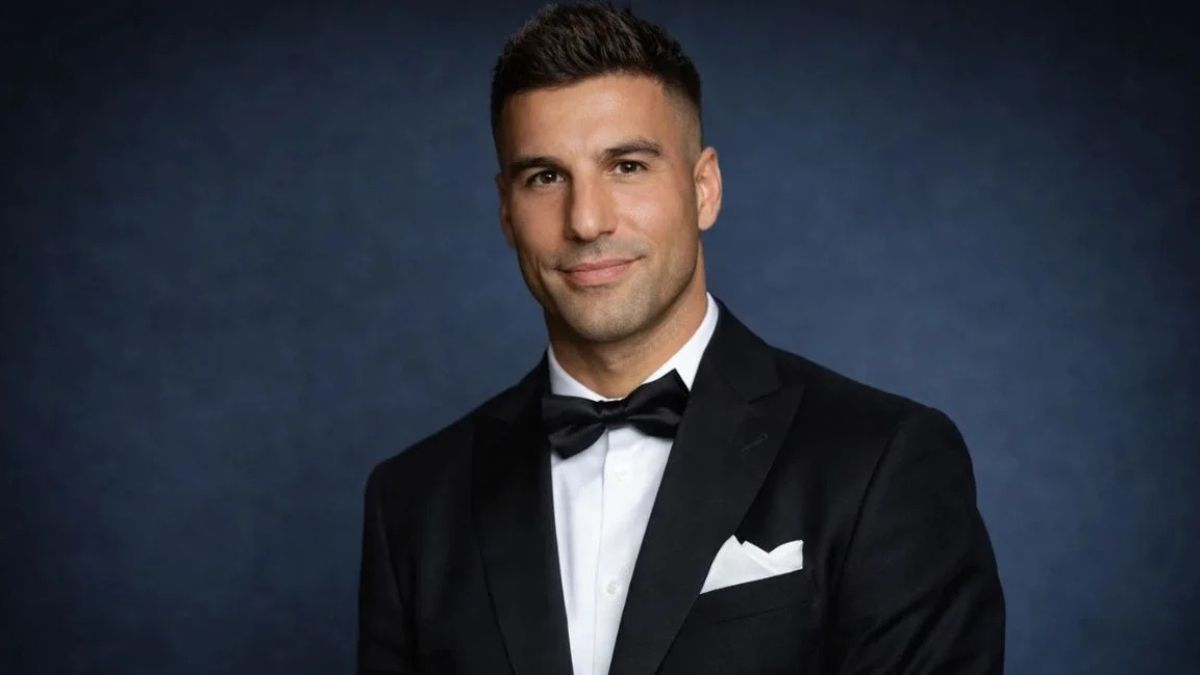
Ramtin Abdo is a Berlin-based German businessman and real estate investor of Iranian heritage who built a low-profile career in property and logistics while becoming publicly known mainly through his former marriage to sports broadcaster Kate Scott, previously known as Kate Abdo.
Most people first encounter the name when researching Kate’s career. She spent years on major sports networks covering football and other events, and during part of that time she used the surname Abdo. Ramtin himself has stayed almost completely out of the spotlight. He does not give interviews, maintains no visible social media presence, and focuses on private business interests in Germany. That combination of a high-profile ex-spouse and a deliberately quiet personal life is what keeps search interest steady years after their divorce.
Early Life and Cultural Background
Ramtin Abdo, whose full legal name is reported as Ramtin Abdolmajid, was born on 17 July 1976 in Berlin, Germany. He grew up in the German capital with Iranian family roots. That dual heritage shaped an international outlook without turning him into a public figure. Little is known about his childhood or immediate family, and he has never spoken about it publicly. He later studied business and finance at Seattle University in the United States, which exposed him to broader entrepreneurial ideas before he returned to Germany to build his career.
Growing up in Berlin after the city’s reunification offered practical lessons in property markets and urban development. Many observers note that his preference for privacy began early and simply continued into adulthood. He speaks multiple languages, including German, English, and reportedly Persian and French, which has supported cross-border business activity.
Ramtin Abdo’s Career Path and Business Ventures
Ramtin Abdo’s professional life centers on real estate investment, logistics platforms, and company leadership rather than media or entertainment. He co-founded SMAP, a property-related venture, around 2015 and served in a leadership role for roughly two years. The company operated at the intersection of real estate and logistics technology.
His primary long-term association is with INA Ventures GmbH, a Berlin-based private company registered in 2015. He took on the managing director role in 2016 and has been widely described as its CEO. The firm focuses on real estate investment, logistics solutions, and related business development. German company records confirm the structure as a standard GmbH (private limited company). Additional records link him to management roles in food-related businesses in Berlin and Bremen in recent years.
| Venture | Approximate Period | Focus Area | Role |
|---|---|---|---|
| SMAP | 2015–2017 | Property logistics / real estate platform | Co-founder and leadership |
| INA Ventures GmbH | 2015–present | Real estate investment, logistics, business development | Managing director / CEO |
| Food-related companies (e.g., City Chicken-linked entities) | 2023 onward | Restaurant and hospitality operations | Managing director |
This portfolio reflects a pattern common among private German entrepreneurs: long-term asset holdings combined with operational roles rather than high-visibility startups. Success in Berlin’s property market during the 2010s rewarded patient capital, and reports consistently place his activities in that environment.
Marriage to Kate Abdo and Personal Life
Ramtin Abdo married British sports broadcaster Kate Giles in 2010. She adopted the surname Abdo professionally and became widely known as Kate Abdo during her rise covering major football matches and other sports for networks including Sky Sports, Fox, and CBS. The couple kept the relationship private. They rarely appeared together in public, issued no joint statements, and did not have children. The marriage ended quietly around 2015–2016. Kate later remarried former boxer Malik Scott in 2024 and now uses the name Kate Scott.
Neither party has discussed the relationship or the split in detail. The absence of drama stands out in an era of constant celebrity coverage. Fans and observers pieced together the timeline mainly through name changes and later reporting rather than any public conflict. Ramtin has not remarried publicly, and no confirmed information exists about subsequent partners or children.
This low-key approach extended to his professional life. While Kate’s career involved travel, live broadcasts, and public appearances, Ramtin continued working from Berlin with minimal media exposure.
Estimated Net Worth and Current Status
Online estimates of Ramtin Abdo’s net worth commonly range from $10 million to $20 million. These figures are unverified and should be treated as approximate. Primary sources of wealth appear to be real estate holdings in Germany, leadership of INA Ventures GmbH, and earlier investments. Exact asset values are not public.
As of late 2026, some German court records indicated insolvency proceedings involving INA Ventures GmbH. Such developments are not uncommon for private companies navigating shifting markets and do not necessarily reflect an individual’s overall financial position. Ramtin continues to be based in Berlin. His public profile remains minimal.
| Aspect | Details | Notes |
|---|---|---|
| Estimated Net Worth | $10–20 million | Unconfirmed online estimates only |
| Main Income Sources | Real estate, INA Ventures, investments | Private company structure |
| Residence | Berlin, Germany | Consistent across reports |
| Public Activity | Very limited | No interviews or active social media |
Pros and Cons of a Highly Private Approach
Maintaining privacy while building wealth has clear advantages and trade-offs.
Pros include reduced public scrutiny, fewer distractions from core business, and greater control over personal information. In real estate and logistics, long-term relationships and quiet deal-making often matter more than visibility. Many successful German entrepreneurs operate the same way.
Cons include limited ability to shape public narratives when interest arises through association, and potential for incomplete or speculative online coverage. When a spouse becomes well-known, privacy can sometimes amplify curiosity rather than eliminate it.
Common Mistakes in Online Coverage of Private Figures
Readers and writers often make predictable errors with low-profile individuals.
- Treating unverified net-worth ranges as confirmed facts.
- Assuming personal details from one or two secondary sites without checking primary records.
- Overlooking the difference between a professional name (Abdo) and the full legal name (Abdolmajid).
- Projecting drama onto a quiet divorce simply because one party works in media.
- Ignoring that company roles evolve and that insolvency proceedings for a GmbH do not automatically define a person’s entire career.
Best Practices for Understanding Figures Like Ramtin Abdo
Focus on documented company registrations, consistent biographical facts across multiple independent sources, and clear separation between confirmed information and estimates. Respect the distinction between public interest driven by association and the individual’s actual public statements (of which there are essentially none). Cross-check dates of marriage and business registrations against sports media timelines rather than relying on a single biography site.
Practical examples include verifying GmbH registrations through official German commercial registers and noting that many private investors deliberately avoid social media to reduce noise. This approach produces a more accurate picture than repeating the same speculative details.
Conclusion
Ramtin Abdo represents a type of entrepreneur who prefers results over recognition. Born and raised in Berlin with Iranian heritage, educated in the United States, and active in German real estate and logistics, he built his career away from cameras. Public attention came almost entirely through his 2010–2016 marriage to Kate Abdo (now Kate Scott). The relationship ended privately, and he has continued focusing on business interests while remaining largely invisible online.
Understanding his story requires separating solid company records and consistent biographical outlines from the many unverified claims that circulate. For readers seeking context on Kate Scott’s earlier career years, the relevant facts are straightforward: a quiet marriage in Berlin’s business community, no children, and a deliberate choice by Ramtin Abdo to stay out of the public eye. That choice continues to define how most people encounter his name today.
5 SEO FAQs
What is Ramtin Abdo’s full name?
Ramtin Abdo is the name commonly used in media. His full legal name is reported as Ramtin Abdolmajid.
Who is Ramtin Abdo married to now?
He was married to sports broadcaster Kate Abdo (Kate Scott) from 2010 until approximately 2016. There is no public record of a subsequent marriage.
What does Ramtin Abdo do for work?
He is a German businessman and real estate investor primarily linked to INA Ventures GmbH in Berlin, where he has served as managing director or CEO. He previously co-founded SMAP.
Does Ramtin Abdo have children?
No children from the marriage to Kate Abdo have been publicly confirmed, and no other children are documented in reliable sources.
How old is Ramtin Abdo?
Based on the widely reported birth date of 17 July 1976, he turned 50 in 2026.
-

 NEWS1 year ago
Historical Churches in Manila
-

 TOPIC4 months ago
Unveiling AvTub: Your Ultimate Guide to the Best AV Content
-

 TOPIC1 year ago
Simbang Gabi and Kakanin
-

 TOPIC1 year ago
Symbols of Hope: The 15th Belenismo sa Tarlac
-

 TOPIC1 year ago
RIZAL at 160: a Filipino Feat in Britain
-

 NEWS5 months ago
What Caused Delta Flight DL275 to Diverted LAX? A Detailed Breakdown
-

 TOPIC3 months ago
Understanding Fascisterne: Origins and Ideological Roots
-

 TOPIC1 year ago
Biodiversity in Urban Singapore: Corporate Contributions to Nature-Based Solutions and Green Infrastructure