
TOPIC
MHRB Powder: A Deep Dive into Mimosa Hostilis and Its Origins in Jurema Preta

Introduction
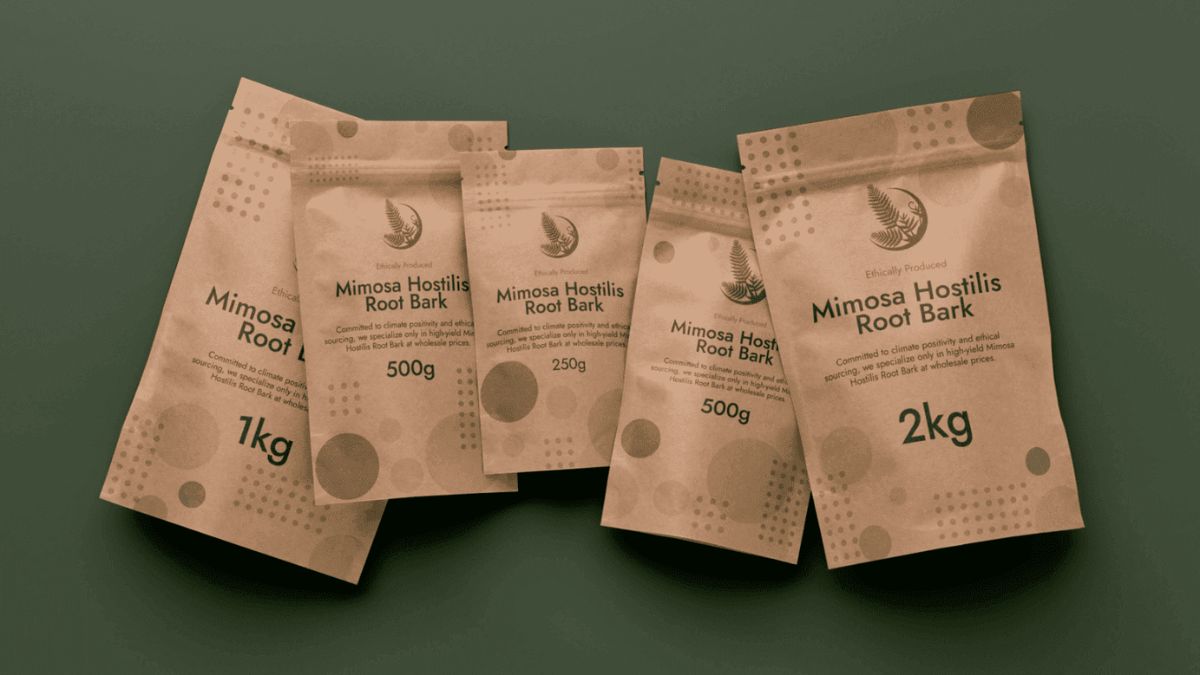
MHRB powder, short for Mimosa Hostilis Root Bark powder, has gained attention in recent years for its numerous traditional, spiritual, and practical applications. Originating from the Mimosa tenuiflora tree—commonly referred to as Jurema Preta in Brazil—this powder carries a rich cultural legacy, particularly among indigenous tribes of South and Central America.
In this article, we explore the origins, uses, preparation methods, legal status, and sustainability concerns surrounding MHRB powder, while also delving into its native tree, Jurema Preta, and the unique botanical characteristics that make it so significant.
What is MHRB Powder?
The Botanical Identity of Mimosa Hostilis
Mimosa Hostilis (formerly known as Mimosa tenuiflora) is a perennial evergreen tree that belongs to the Fabaceae family. Native to the northeastern regions of Brazil, as well as parts of Mexico, Venezuela, and Colombia, this tree is most known for its hardy nature, fast growth, and resistance to drought.
The root bark of this tree is where its most potent compounds are found, and once dried and ground, it becomes the reddish-brown MHRB powder.
Concentration of Active Compounds
MHRB powder is rich in tannins, flavonoids, and alkaloids, most notably N,N-Dimethyltryptamine (DMT)—a powerful psychoactive compound. DMT is naturally found in many plant species and is known for its use in shamanic rituals and entheogenic practices.
Understanding Jurema Preta: The Source of MHRB Powder
The Tree of the Ancients
Jurema Preta is the local Brazilian name for Mimosa Hostilis. In Portuguese, “preta” means black, referencing the tree’s dark-colored bark. This tree has deep spiritual and medicinal roots in Brazilian and Amazonian indigenous culture.
Ethnobotanical Importance
For centuries, indigenous tribes such as the Tupí and Kariri have used Jurema Preta in rituals and healing ceremonies. It was traditionally brewed into a sacramental tea, often called “Vinho da Jurema” or “Jurema Wine”, believed to connect users with spiritual realms. Unlike Ayahuasca, the Jurema brew does not require a monoamine oxidase inhibitor (MAOI) to be orally active—though the science behind this remains debated.
Traditional and Modern Uses of MHRB Powder
1. Traditional Healing and Shamanic Practices
In shamanic contexts, MHRB powder was used for:
- Spiritual cleansing
- Divination
- Ancestral communication
- Healing rituals
Tribes considered the tree a living spirit, offering protection and guidance to those who respected it.
2. Natural Dye and Leather Industry
Beyond its spiritual significance, MHRB powder is valued in the leather tanning industry for its high tannin content. Tannins help preserve and strengthen leather, offering a natural, eco-friendly alternative to synthetic tanning agents.
Additionally, it has been used as a natural dye due to its deep reddish-purple hue, which can stain fabrics, paper, or even wood.
3. Skin Care and Natural Remedies
The bark contains antimicrobial and regenerative properties. In some cultures, it’s used to treat:
- Burns
- Wounds
- Skin infections
- Ulcers
Its powdered form can be mixed with oils or water to create healing salves or topical pastes.
The Chemistry Behind MHRB Powder
Presence of DMT
The root bark of Jurema Preta contains between 1–2% DMT, which makes it one of the most potent plant sources of this compound. In its pure state, DMT is a white crystalline powder, but when in the bark, it’s bound with tannins and other organic matter.
Because of this, the MHRB powder must go through an extraction process to isolate the DMT, often using chemical solvents. However, many purists argue that using the bark in its natural form preserves the spirit of the plant.
Legal Status of MHRB Powder
Complex Legal Landscape
The legality of MHRB powder depends heavily on local laws:
- In the United States, Mimosa Hostilis is not a scheduled plant, but DMT is a Schedule I substance under the Controlled Substances Act. Possession of extracted DMT is illegal.
- In Brazil, the tree is native and legal to cultivate, but the concentrated DMT compound remains regulated.
- Europe and Canada have varying laws, so anyone considering using or importing MHRB powder should consult local regulations.
Ethical and Sustainability Concerns
Overharvesting Threat
As global demand rises—especially in psychedelic communities and natural health markets—there are concerns about unsustainable harvesting. When the root bark is stripped, it often kills the tree, making it difficult for forests to regenerate.
Sustainable Alternatives
Ethical suppliers now offer:
- Cultivated MHRB (from replanting farms)
- Stem bark alternatives (less potent but sustainable)
- Wild-harvested with reforestation programs
Buyers should always verify their source’s sustainability practices to protect biodiversity and indigenous land rights.
Scientific Research and Future Potential
Though traditional use goes back centuries, modern scientific research into Mimosa Hostilis is still in its infancy. Some promising areas include:
- Antibacterial properties for pharmaceutical use
- Soil restoration due to its nitrogen-fixing roots
- Wound healing via regenerative skin care products
As interest in plant-based medicine continues to grow, MHRB powder may play a significant role in future developments.
Conclusion
MHRB powder, derived from the sacred Jurema Preta tree, holds a unique place at the intersection of ethnobotany, spirituality, and science. While its psychoactive properties often draw the most attention, its value extends far beyond that—to include healing, craftsmanship, and cultural preservation.
However, with this ancient knowledge comes responsibility. Ethical sourcing, respect for indigenous traditions, and awareness of environmental impact are essential for anyone seeking to engage with this powerful plant.
Whether you’re an herbalist, researcher, or simply curious, MHRB powder invites deeper exploration—both of the outer world and the inner self.
Key Takeaways
- MHRB powder comes from the root bark of Mimosa Hostilis, also called Jurema Preta.
- It contains DMT, tannins, and other beneficial compounds.
- Traditional uses include spiritual rituals, healing, and dyeing.
- Legal status varies—always check local laws.
- Sustainability is a growing concern due to overharvesting.

Traveling should be exciting—not stressful. Whether you’re arriving for business, a family vacation, or a special event, the quality of your transportation can shape your entire experience. Luxury airport services provide travelers with a seamless, comfortable, and reliable alternative to crowded public transport and unpredictable taxis. From the moment you land, a professional chauffeur ensures your journey begins with convenience, punctuality, and exceptional service.
Private Transfers Holland delivers premium chauffeur-driven transportation across Amsterdam, throughout the Netherlands, and to destinations across Europe. With an experienced team, luxury Mercedes-Benz vehicles, and personalized travel solutions, every trip is designed to exceed expectations.
Why Private Transportation Is the Smart Choice
Choosing private transportation means more than simply getting from one location to another. It offers a travel experience focused on comfort, privacy, efficiency, and peace of mind.
Unlike standard taxi services, professional chauffeur services provide:
- Guaranteed on-time pickups
- Door-to-door transportation
- Professional, experienced chauffeurs
- Luxury Mercedes-Benz vehicles
- Fixed and transparent pricing
- Personalized travel planning
- Maximum comfort and privacy
Whether you’re heading to a business meeting, hotel, exhibition, or tourist destination, every journey is planned with precision.
Our Simple Five-Step Booking Process
At Private Transfers Holland, we’ve designed a straightforward booking process that makes luxury transportation accessible for every traveler.
Step 1: Book Your Ride in Minutes
Choose the transportation service that matches your travel needs, including:
- Airport Transfers
- Corporate Transportation
- Event Chauffeur Services
- Private City Transfers
- Luxury Sightseeing Tours
Reservations can be completed online quickly, allowing you to secure your chauffeur before arriving in the Netherlands.
Step 2: Complete Journey Planning
Once your booking is confirmed, our operations team begins preparing every detail.
This includes:
- Selecting the ideal luxury vehicle
- Route planning
- Live flight monitoring
- Scheduling pickup times
- Preparing customer preferences
Our experience serving business executives and international travelers ensures every detail is professionally managed.
Step 3: Meet Your Professional Chauffeur
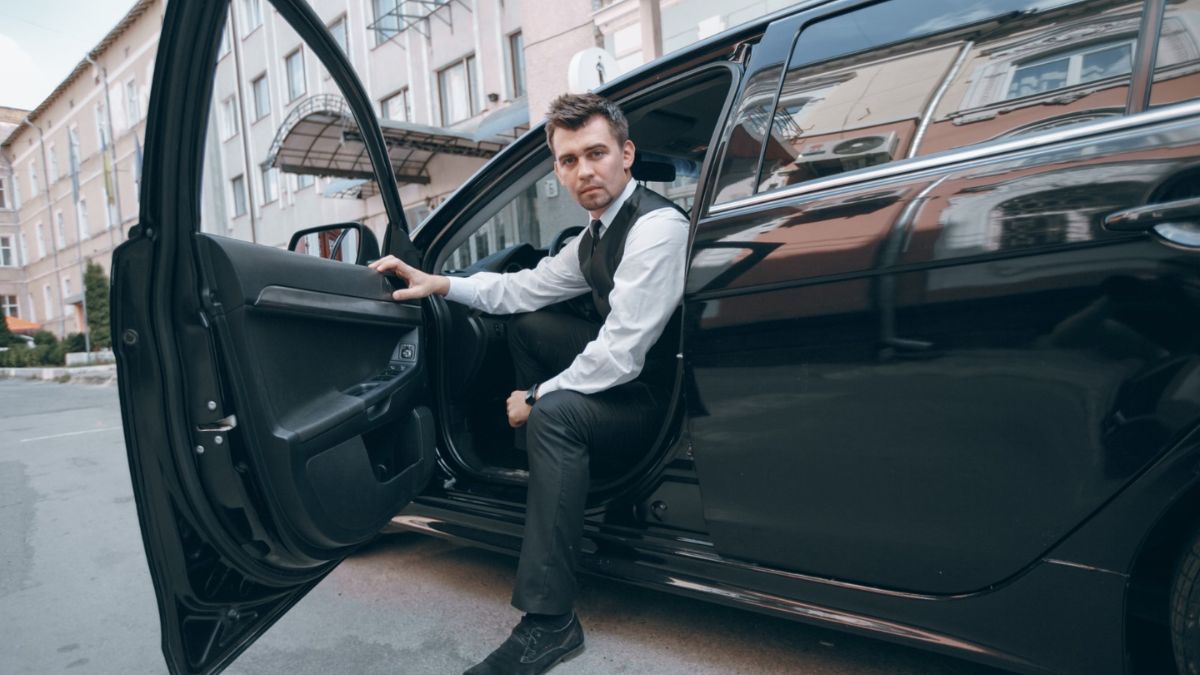
Your chauffeur arrives punctually in professional attire and welcomes you personally.
Our chauffeurs provide:
- Luggage assistance
- Professional communication
- Local knowledge
- Safe driving
- Discreet and courteous service
Whether you want to relax after your flight or prepare for an important meeting, your chauffeur adapts to your preferred travel experience.
Step 4: Enjoy a Premium Travel Experience
Every vehicle is maintained to the highest standards of luxury and cleanliness.
During your journey, you’ll enjoy:
- Complimentary bottled water
- High-speed Wi-Fi
- USB charging ports
- Spacious leather seating
- Privacy glass
- Climate-controlled interiors
- Quiet and comfortable ride
Our goal is to create an environment where every passenger can travel comfortably and arrive refreshed.
Step 5: Hassle-Free Arrival
Upon reaching your destination, your chauffeur assists with luggage and ensures a smooth drop-off experience.
Need transportation later?
Private Transfers Holland can arrange:
- Return airport transfers
- Hourly chauffeur services
- Full-day bookings
- Multi-city transportation
- European business travel
What’s Included in Our Chauffeur Service
Every booking includes premium amenities designed to provide maximum convenience.
Inclusions
- Professional chauffeur in formal attire
- Mercedes-Benz S-Class, E-Class, and V-Class vehicles
- Complimentary bottled water
- Free Wi-Fi
- Phone charging ports
- Privacy glass
- Flight monitoring
- Luggage assistance
- Door-to-door transportation
What’s Not Included
To maintain transparent pricing, the following services are excluded unless arranged separately:
- Event, exhibition, or conference tickets
- Additional unplanned stops
- Overtime beyond the agreed booking
- Food and additional beverages
- Parking or toll fees not included in the selected package
Choose the Perfect Vehicle for Your Journey
Our luxury fleet accommodates individuals, families, business travelers, and larger groups.
| Passengers | Vehicle |
| 1–3 | Mercedes-Benz Sedan or Equivalent |
| 1–4 | Mercedes-Benz Executive Car or Equivalent |
| 3–7 | Mercedes-Benz V-Class Minivan |
| 4–8 | Mercedes-Benz Luxury Minivan |
| 8–16 | Mercedes-Benz Minibus or Midibus |
Every vehicle is regularly inspected, professionally cleaned, and equipped with premium amenities for maximum comfort.
Why Travelers Choose Private Transfers Holland
Thousands of travelers trust Private Transfers Holland because we combine luxury, reliability, and professionalism.
Our clients benefit from:
- Experienced local chauffeurs
- Modern luxury fleet
- Flight tracking
- Transparent pricing
- 24/7 customer support
- Corporate travel expertise
- Airport meet-and-greet service
- Coverage across the Netherlands and Europe
Whether you’re visiting Amsterdam for business or leisure, our transportation services are designed to deliver a first-class experience from beginning to end.
Experience Amsterdam Without Transportation Stress
Amsterdam is a city filled with world-famous attractions, museums, canals, business districts, and cultural landmarks. Having a professional chauffeur allows you to spend more time enjoying your destination instead of worrying about navigation, parking, or public transport schedules.
From airport transfers and executive travel to sightseeing excursions and special occasions, Private Transfers Holland provides reliable luxury transportation tailored to your schedule. If you’re looking to discover the beauty of the Dutch countryside in complete comfort, our private Amsterdam windmill tour is the perfect way to experience iconic windmills, charming villages, and breathtaking landscapes while enjoying a premium chauffeur-driven journey.

An active lifestyle involves regular movement, whether that means running, walking, training, travelling, working, or managing a busy daily routine. The right sneaker shoes can support these activities by improving comfort, providing stability, and helping the feet move more naturally.
Footwear cannot replace proper training, fitness, or movement habits. However, a suitable pair can make physical activity feel more manageable and reduce unnecessary discomfort caused by poor fit or unsuitable construction.
At Cheetah, men can explore sports-inspired sneaker shoes for training, walking, exercise, and active everyday wear.
Why Are Sneaker Shoes Important for Active People?
Every step creates pressure through the feet. During running, jumping, and exercise, this pressure increases because movement becomes faster and more repetitive.
Sneaker shoes are designed to provide a layer of support between the feet and the ground. Their soles can help soften impact, while the upper construction keeps the foot secure during movement.
For people who remain active throughout the day, athletic footwear may also feel more comfortable than stiff or heavy shoes.
The correct sneaker shoes for an active lifestyle should suit the activity and remain comfortable for the expected duration.
How Do Sneaker Shoes Support Daily Movement?
Daily movement may include walking to work, climbing stairs, travelling, shopping, training, or spending several hours standing.
Sneaker shoes can support these activities through cushioning, flexibility, traction, and secure fitting. A flexible sole allows the foot to move more naturally, while grip provides confidence across different surfaces.
Lightweight construction may also reduce the feeling of heaviness during long days.
A versatile pair can transition between exercise and casual activities, making it useful for men who maintain busy routines.
Can Sneaker Shoes Improve Workout Comfort?
Suitable footwear can make exercise feel more comfortable by supporting the type of movement involved.
Running sneakers can soften repeated impact, while training footwear may provide better stability for gym exercises. Shoes with breathable materials can also reduce the uncomfortable buildup of heat during longer sessions.
Poorly fitted footwear can distract from a workout by causing pressure, slipping, or rubbing.
Choosing comfortable sneaker shoes for training allows you to focus more on the exercise instead of constantly adjusting your footwear.
Why Does Stability Matter?
Stability helps the foot remain controlled during movement. It is particularly important during gym training, quick direction changes, lunges, squats, and outdoor activity.
A stable sneaker should hold the heel securely and provide a balanced base. The foot should not slide inside the shoe during movement.
Very soft footwear may feel comfortable initially but may not provide enough control for every exercise. The ideal level of stability depends on the activity.
Training-focused sneaker shoes usually need a balance between cushioning and firmness.
How Does Cushioning Support an Active Routine?
Cushioning helps reduce the harsh feeling of repeated contact with hard surfaces. It can be useful for running, walking, treadmill sessions, travel, and long periods of standing.
Different people prefer different cushioning levels. Some enjoy a softer feel, while others prefer a firmer and more responsive sole.
The right cushioning should feel comfortable without making movement unstable.
Men who regularly walk or run on pavement may particularly appreciate well-balanced cushioned sneaker shoes.
Why Is Flexibility Important in Sneakers?
Flexibility allows the shoe to move with the foot. Footwear that is excessively rigid may restrict the natural rolling motion of walking and running.
However, the entire shoe should not feel weak or unsupported. The right sneaker combines flexibility in movement areas with enough structure around the heel and sides.
For daily exercise and walking, balanced flexibility can make the footwear feel more natural.
People who perform strength exercises may prefer slightly firmer footwear for greater control.
How Does Grip Help Active People?
Grip provides traction between the footwear and the surface. It can improve confidence during outdoor walking, training, and movement on gym floors.
The required level of grip depends on the environment. Outdoor paths, pavement, tracks, and indoor training areas may have different surface conditions.
A suitable outsole should provide traction without adding unnecessary bulk.
Worn soles may lose grip over time, even when the upper part of the shoe still looks acceptable.
Can Breathable Sneakers Improve Comfort?
Breathable materials allow air to move more easily around the foot. This can be helpful during warm weather, intense workouts, and extended walking.
Feet naturally produce heat and moisture during exercise. Footwear that traps too much warmth may become uncomfortable.
Breathability should be combined with support and durability. The shoe must still hold the foot securely during activity.
For active routines in Pakistan’s warmer climate, breathable sports sneaker shoes can be especially useful.
Are Sneaker Shoes Suitable for Travel?
Travel often involves long periods of walking, standing, and moving through airports, stations, shopping areas, or unfamiliar streets.
Comfortable sneakers can make these activities easier because they are usually lighter and more flexible than structured formal footwear.
A neutral design can also complement several travel outfits, reducing the need to pack multiple pairs.
Men choosing travel sneakers should prioritize fit, cushioning, grip, and easy styling.
Can Athletic Sneakers Be Worn Every Day?
Modern athletic footwear can be styled with jeans, joggers, shorts, and casual trousers. This makes sneakers useful beyond workouts.
Men who want one pair for exercise and daily wear should select a clean, versatile design. Black, white, navy, and gray are practical choices.
However, shoes worn during intense workouts should be allowed to air out before being used casually.
Rotating footwear can also help maintain freshness and reduce continuous wear on one pair.
How Should You Choose Sneaker Shoes?
Start by identifying the main activity. Running, walking, gym training, travel, and everyday use may require different features.
Check the fit, sole, cushioning, grip, flexibility, weight, and breathability. The heel should remain stable, and the toes should have enough room for movement.
Do not choose athletic footwear only because it looks fashionable. The pair should feel comfortable and support the way you plan to use it.
When buying sneaker shoes online in Pakistan, compare the size details with athletic footwear you already own.
How Can You Care for Sneaker Shoes?
Regular maintenance can help sneaker shoes remain presentable and comfortable.
Remove dust and dirt using methods suitable for the footwear material. Allow damp sneakers to dry naturally rather than placing them near strong heat.
Air the shoes after exercise and avoid wearing the same pair continuously without allowing it to dry.
Check the soles regularly. Significant wear may reduce traction and cushioning even when the upper material still appears usable.
Support Your Active Lifestyle with Cheetah Sneaker Shoes
The right footwear can support an active lifestyle by improving comfort, stability, grip, flexibility, and confidence during movement.
Running, training, walking, travelling, and everyday activities each place different demands on the feet. Choosing sneaker shoes according to your routine can help you get more value and comfort from every pair.
Explore Cheetah sneaker shoes and find sports-focused footwear for workouts, walking, travel, and active daily living.

The best men shoes for everyday wear should do more than complete an outfit. They should remain comfortable during long hours, support regular movement, and work with several clothing styles. Whether you are going to work, university, shopping, travelling, or meeting friends, the right footwear can make your daily routine feel easier.
At Servis Shoes, men can explore footwear for different lifestyles and occasions. Casual shoes, sneakers, loafers, sports shoes, sandals, and slippers can all work for everyday use, but the best option depends on how active you are and where you plan to wear them.
What Makes Men Shoes Suitable for Daily Wear?
Everyday footwear should feel comfortable from the moment you put it on. The heel should remain secure, the toes should have enough space, and the sole should support natural movement. Shoes that feel too tight may become painful after several hours, while loose footwear can cause rubbing and instability.
Weight also matters. Lightweight shoes are usually easier to wear during long days because they place less pressure on the feet. Flexible soles can make walking more natural, while soft inner materials may help reduce irritation.
The best daily shoes for men should also complement several outfits. Simple designs and neutral colors usually provide more styling flexibility than footwear created for one specific look.
Are Casual Shoes for Men Good for Everyday Use?
For many people, casual shoes for men are the most practical everyday option. They look more polished than athletic footwear but feel more relaxed than traditional formal shoes.
Casual shoes can be worn to university, informal workplaces, shopping trips, family gatherings, and weekend outings. They pair easily with jeans, chinos, casual trousers, polo shirts, and button-down shirts.
Black, brown, navy, gray, and tan are versatile color choices. These shades can work with several outfits and remain suitable across different seasons.
When selecting casual footwear, consider how long you usually spend walking or standing. A clean design may look stylish, but cushioning, flexibility, and fit will determine whether the shoes remain comfortable throughout the day.
Can Men Wear Sneakers Every Day?
Sneakers have become a popular everyday choice because they combine modern style with practical comfort. Comfortable sneakers for men can work well for travel, university, shopping, casual offices, and social activities.
White sneakers create a clean and contemporary look, especially when paired with jeans or chinos. Black sneakers are more practical for regular use because they usually show less dust and are easy to coordinate with darker clothing. Gray, navy, and beige sneakers offer additional styling flexibility.
Daily sneakers should provide enough cushioning without feeling heavy. The upper material should allow comfortable movement, while the sole should provide suitable grip for regular walking.
Minimal sneakers are often the most versatile because they can be styled with casual and smart-casual outfits without looking overly sporty.
When Are Sports Shoes the Better Choice?
Men with active routines may benefit more from sports shoes for men than standard casual footwear. Sports shoes are suitable for walking, light exercise, gym sessions, travelling, and jobs that involve frequent movement.
They generally offer more cushioning, flexibility, and breathability than structured formal or casual shoes. These features can make a significant difference when you spend several hours on your feet.
However, sports footwear may appear too informal for offices, formal meetings, or family events. It is best suited to active and relaxed settings where comfort and movement are the main priorities.
When choosing sports shoes, consider the type of activity rather than focusing only on appearance. A supportive pair should hold the heel securely and allow the front of the foot to move naturally.
Are Loafers Suitable for Daily Wear?
Loafers for men are an excellent option for anyone who wants footwear that sits between casual and formal. Their slip-on construction makes them convenient, while their refined shape gives outfits a polished appearance.
Brown and tan loafers work well with jeans, chinos, tailored trousers, and traditional clothing. Black loafers can create a more professional look and may be suitable for offices, dinners, and semi-formal gatherings.
For regular wear, choose loafers with a flexible sole and comfortable inner lining. Very stiff styles may look elegant but can become uncomfortable during extended walking.
Loafers are especially useful for men who want one pair that can transition between work, family events, and smart-casual outings.
Which Men Shoes Work with Traditional Clothing?
Footwear for traditional outfits should look balanced without distracting from the clothing. Loafers, sandals, slippers, and simple slip-on shoes can complement shalwar kameez and kurta pajama.
Brown, tan, and black are dependable choices because they work with a wide range of colors. During warmer weather, sandals can provide greater breathability, while loafers may create a more refined appearance for offices and family gatherings.
The best option depends on the occasion. Simple sandals may be suitable for relaxed daily wear, while polished loafers can work better for dinners, celebrations, and professional settings.
How Should Everyday Men Shoes Fit?
Proper fit is essential because daily footwear is worn for extended periods. Your heel should remain stable while walking, but the shoes should not press against the sides or front of your feet.
There should be enough room for your toes to move naturally. If the footwear feels painfully tight when new, it may not become sufficiently comfortable later.
Consider the socks you usually wear. Sports shoes may need slightly more room for thicker socks, while formal and casual styles are often worn with thinner options.
It can also help to assess footwear later in the day, when the feet may feel slightly larger after normal movement.
Which Color Men Shoes Are Best for Daily Wear?
Black is one of the most practical colors because it works with dark trousers, jeans, professional clothing, and traditional outfits. Brown creates a softer appearance and pairs well with navy, beige, gray, cream, and earth-toned clothing.
White sneakers are useful for clean casual looks, while gray and navy footwear provides versatility without requiring the maintenance of bright white shoes.
The best color is one that complements most of your existing wardrobe. A versatile pair will be worn more frequently and usually provide better value than a style that matches only one outfit.
Find Everyday Men Shoes at Servis Shoes
The best everyday shoes depend on your routine. Casual shoes and sneakers are suitable for relaxed daily activities, sports footwear supports active movement, and loafers provide a more polished option. Sandals and slippers may be more comfortable during warm weather and informal routines.
Explore and shop men shoes in Pakistan at Servis Shoes to find footwear for work, university, travel, shopping, family gatherings, and everyday wear. Choose a pair that supports your movement, complements your wardrobe, and remains comfortable throughout the day.
-

 NEWS1 year ago
Historical Churches in Manila
-

 TOPIC1 year ago
Symbols of Hope: The 15th Belenismo sa Tarlac
-

 TOPIC1 year ago
RIZAL at 160: a Filipino Feat in Britain
-

 TOPIC1 year ago
“The Journey Beyond Fashion” – Ditta Sandico
-

 TOPIC2 weeks ago
Unveiling AvTub: Your Ultimate Guide to the Best AV Content
-

 TOPIC1 year ago
5 Must-Have Products From Adarna House to Nurture Your Roots
-

 TOPIC1 year ago
Filipino, alternative language course at Moscow State University
-
 TOPIC1 year ago
“Recuerdos de Filipinas – Felix Laureano”