
LAW
Lerner and Rowe: Trusted Personal Injury Attorneys Fighting for Maximum Compensation

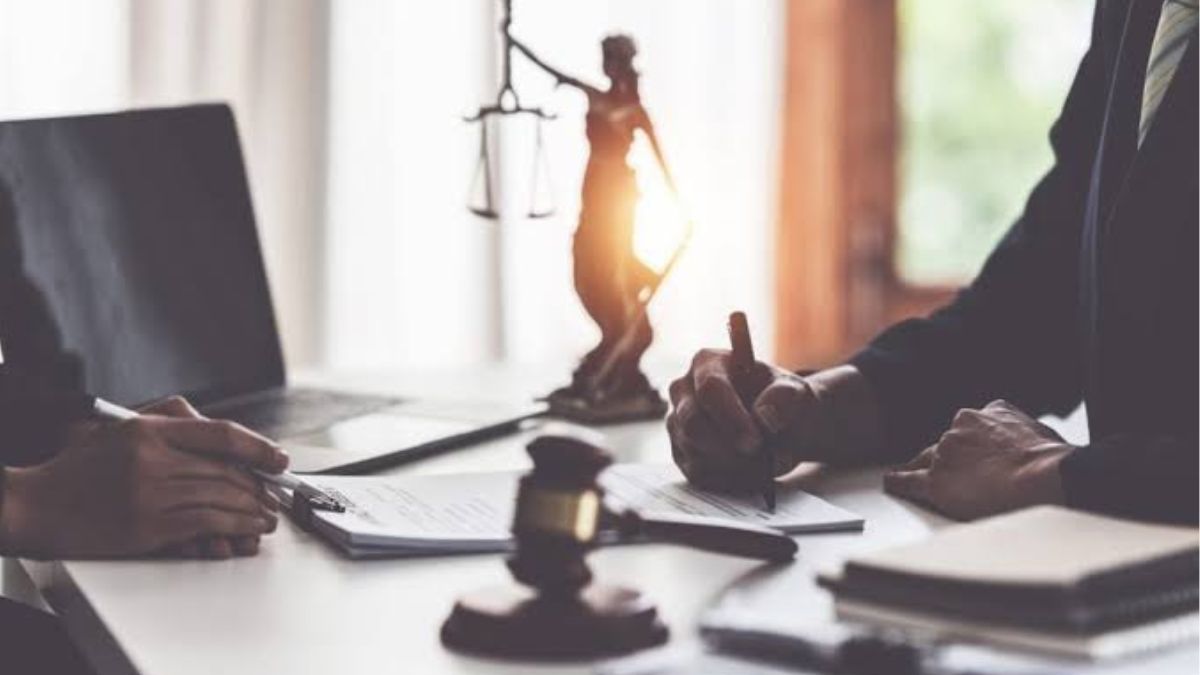
Have you ever been in a wreck and wondered who will truly fight for the compensation you deserve? That’s where Lerner and Rowe steps in as a powerhouse in personal injury law. With catchy slogans like “In a Wreck? Need a Check?” this firm has built a reputation for delivering results across multiple states while staying deeply rooted in local communities.
Their story is one of grit, partnership, and relentless advocacy for everyday people facing tough times after accidents.
Who Are Lerner and Rowe?
Glen Lerner and Kevin Rowe founded Lerner and Rowe Injury Attorneys, turning a small practice into one of the largest plaintiff personal injury firms in the country. Lerner started his journey years earlier, building a strong presence in Las Vegas before teaming up with Rowe in 1998. Together, they expanded strategically, opening offices in Arizona, New Mexico, Nevada, Illinois, Indiana, Washington, Oregon, and beyond.
What sets them apart? A massive team with over 240 years of combined experience focused solely on personal injury cases. They’ve helped more than 150,000 clients and recovered billions in compensation. Yet, they maintain a “people first” approach, treating clients like neighbors rather than case numbers.
Key Milestones in Their Growth:
- 1991: Glen Lerner begins practicing law.
- 2005: Formal partnership and Arizona expansion.
- 2019: Major rebranding to unify under Lerner and Rowe.
- Ongoing: Multi-state presence with dedicated local teams.
This timeline shows steady, strategic growth built on results and relationships.
Services Offered by Lerner and Rowe
Lerner and Rowe specializes in a wide range of personal injury claims. Whether you’ve been hurt in a car crash, motorcycle accident, truck collision, or pedestrian incident, their attorneys know how to build strong cases.
They also handle wrongful death, nursing home abuse, defective products, and dangerous drugs. The firm operates on a contingency basis—no fees unless they win or settle your case.
| Practice Area | Common Case Types | Potential Compensation Focus |
|---|---|---|
| Auto Accidents | Rear-end collisions, intersection crashes | Medical bills, lost wages, pain and suffering |
| Motorcycle Injuries | Lane changes, road hazards | Long-term care, permanent disability |
| Truck Accidents | Commercial vehicle crashes | Catastrophic injuries, multi-party liability |
| Pedestrian & Bicycle | Crosswalk incidents, hit-and-runs | Severe trauma recovery |
This breakdown highlights how the firm tailors strategies to specific injury types for maximum recovery.
Their team includes managing attorneys licensed across states, ensuring smooth handling no matter where the accident occurred. Many staff members speak Spanish, making services accessible to diverse communities.
Why Clients Choose Lerner and Rowe
Imagine facing mounting medical bills while unable to work. Lerner and Rowe steps up by offering 24/7 consultations and even coming to you if needed. Their “One Call, That’s All” promise delivers quick initial support.
Clients often praise the compassionate client advocates who coordinate care, handle paperwork, and provide regular updates. The firm uses advanced technology, including AI tools, to accelerate settlements—sometimes by months—while fighting hard against insurance companies.
Notable Results:
- $10 million for a motorcycle accident victim.
- $10 million for a pedestrian case.
- Multiple multi-million dollar auto and truck settlements.
These outcomes demonstrate their ability to secure life-changing compensation.
Pros and Cons of Working with Lerner and Rowe
Pros:
- Proven track record with billions recovered.
- Large resources for complex cases.
- Strong community involvement through Lerner and Rowe Gives Back.
- No upfront fees and flexible availability.
- Bilingual support and multi-state coverage.
Cons:
- High volume practice may lead to varying communication experiences for some clients (based on mixed reviews).
- Some cases take time due to thorough preparation.
- Contingency fees mean a portion of the settlement goes to the firm.
Weighing these factors helps potential clients decide if the firm fits their needs. Many appreciate the scale and results, while others note the importance of staying proactive in their case.
Common Mistakes People Make After an Accident
Don’t go it alone or accept the first insurance offer. Many victims underestimate long-term effects of injuries or fail to document everything properly.
Another pitfall? Delaying legal help. Evidence fades quickly, and statutes of limitations apply. Skipping medical follow-ups can weaken your claim too.
Lerner and Rowe often educates clients on these issues early, helping them avoid costly errors that reduce compensation.
Best Practices for Maximizing Your Personal Injury Claim
- Seek immediate medical attention and follow through with treatment.
- Document the scene, gather witness info, and preserve evidence.
- Contact an experienced attorney like those at Lerner and Rowe right away.
- Keep detailed records of expenses and impacts on daily life.
- Be patient but communicative throughout the process.
| Best Practice | Why It Matters | How Lerner and Rowe Helps |
|---|---|---|
| Early Legal Consultation | Preserves evidence and timelines | 24/7 free case reviews |
| Thorough Documentation | Strengthens negotiation position | Case managers coordinate records |
| Consistent Treatment | Proves injury extent | Connections to quality providers |
Following these steps positions you for stronger outcomes.
Community Impact and Giving Back
Beyond the courtroom, Lerner and Rowe stands out for philanthropy. Their nonprofit arm, Lerner and Rowe Gives Back, donates hundreds of thousands annually to youth programs, education, health initiatives, and more. Annual backpack giveaways and charity events support families in need across states like Arizona and New Mexico.
This commitment reflects their belief that success should lift entire communities, not just individual clients.
When to Contact Lerner and Rowe
If an accident has left you injured, stressed about bills, or unsure about your rights, reach out. Their team evaluates cases for free and explains options clearly. Whether your situation involves a minor fender-bender with hidden injuries or a life-altering crash, they provide guidance tailored to your circumstances.
Conclusion
Lerner and Rowe represents more than just aggressive legal representation—they embody a commitment to justice, compassion, and community support. With a history of big results and a client-first philosophy, they continue helping injury victims rebuild their lives across the country.
If you’ve been hurt, don’t settle for less. Explore what this experienced team can do for you and take the first step toward the compensation you deserve.
FAQs
Q1: What types of cases does Lerner and Rowe handle? A: Lerner and Rowe primarily focuses on personal injury cases including car accidents, motorcycle crashes, truck accidents, pedestrian injuries, wrongful death, and more. They also support related areas through affiliated practices.
Q2: How much does it cost to hire Lerner and Rowe? A: They work on a contingency fee basis, meaning you pay nothing upfront. Fees come only from successful settlements or verdicts.
Q3: In which states does Lerner and Rowe practice? A: The firm has offices and serves clients in Arizona, Nevada, New Mexico, Illinois, Indiana, Washington, Oregon, and additional states through partnerships.
Q4: What results has Lerner and Rowe achieved for clients? A: They have recovered over $1 billion in recent years for more than 150,000 clients, with numerous multi-million dollar individual settlements.
Q5: Is Lerner and Rowe good for small accident claims? A: Yes, they handle cases of all sizes, providing dedicated support even for seemingly minor incidents that may have lasting impacts.

What happens after someone is arrested but before their criminal case reaches trial? Bail can allow an accused person to remain free while the court process continues.
A judge may set bail based on the charge, circumstances, and local rules. When paying the full amount is difficult, a bail bond can provide another option.
Bail bonds involve costs, agreements, and responsibilities that you should understand carefully. They also connect pretrial freedom with the court’s need to ensure future appearances.
This guide explains the process clearly and helps readers understand what bail bonds mean before trial. Keep on reading!
Understanding Bail: What Is It?
Bail is a set amount of money that lets someone stay out of jail until trial. The court sets the bail amount based on the crime’s seriousness.
The goal of bail is to make sure the person returns to court. If the person shows up, the bail money is returned. If not, the money is lost, and more trouble can happen.
Not everyone can pay the full bail amount on their own. That is where bail bonds come in. They help people who cannot afford to pay the entire sum upfront.
What Are Bail Bonds?
A bail bond is a promise a bail bond company makes to the court. It guarantees the full bail amount will be paid if the person does not appear in court.
Instead of paying the full bail amount, the accused pays a smaller fee to the bail bond agent. This fee is usually about 10% of the total bail amount. The bail bond agent takes on the risk by posting bail with the court.
The agent may also ask for something valuable, like a house or car, as security. This process lets more people get out of jail before trial.
How Bail Bonds Work Step by Step
First, the judge sets a bail amount during a hearing. If the accused cannot pay, they contact a bail bond agent. The accused or their family pays the agent a non-refundable fee.
The agent then assures the court that the person will appear. Sometimes, the agent needs extra security to reduce their risk. Once the court accepts the bond, the accused is released from jail.
The person must follow all court instructions to stay out of jail. If they miss court, the bail bond agent could lose the money to the court.
Financial Responsibilities and Risks
Paying a bail bond fee is less expensive than paying the full bail. However, the fee is not returned, even if the person attends court. If the accused skips court, the family might lose their collateral property.
Bail bond agents often track down people who miss court. This helps prevent the family from losing the bail money promised to the court. If they find the person, they take them back to jail.
The family and the accused should understand the risks before signing any bail bond agreement. This helps avoid unexpected losses and problems later.
The Role of Bail Bond Agents
Bail bond agents act as a bridge between the court and the accused. Their job is to make sure the person follows court rules.
Agents handle paperwork and talk with the court to secure release. They also explain the bail terms to families. Agents take on risks by guaranteeing the full bail amount.
They work quickly to help people get out of jail fast. This can reduce stress and help families stay together. Good agents offer support and answer any questions that come up during the process.
Pretrial Release and Its Importance
Getting out of jail before trial is important for many reasons. It allows the accused to prepare a better defense with their lawyer. Staying at home helps people keep their jobs and care for their families.
Pretrial release can lower the emotional toll of being in jail. It also helps the court system by reducing jail overcrowding.
Bail bonds make pretrial release possible for more people. They give the accused a fair chance to prove their innocence.
How Bail Bonds Impact the Community
Bail bonds affect not just the person arrested, but the whole community. They help keep families together during tough times. Released people can work and support their loved ones.
Communities stay stronger when more people stay home while awaiting trial. Bail bonds also support the court system by making sure people return. Some agencies, like this Kissimmee bail agency, work closely with families to make the process smooth and fair.
When bail bonds work well, they help everyone involved. This keeps the system moving and families connected.
Common Myths About Bail Bonds
Many people think bail bonds are only for serious crimes, but they apply to many charges. Some believe bail bond agents are harsh, but most are helpful and professional. Another myth is that bail money is always returned.
In reality, the fee paid to agents is non-refundable. People also think only the rich can afford bail bonds. However, many agencies offer payment plans to help families.
Some assume missing a court date has no effect. Missing court can cause big problems for both the accused and their family. Understanding the truth helps people make better choices.
What Happens After the Trial?
After the trial, the court returns the bail money if all rules were followed. If a bail bond was used, the fee stays with the agent as payment for their service.
The court returns any collateral if the person appears in court as agreed. If the accused does not appear, the collateral may be forfeited. The end of the trial also ends the bail bond agreement.
Read all agreements carefully before signing. Families should ask questions if anything is unclear. This helps avoid surprises after the trial ends.
The Lasting Impact of Bail Bonds
Bail bonds play a major role in supporting people and families during difficult times. They offer a fair chance to prepare for court without staying in jail. Agents guide people through a confusing process and help them understand their rights.
Bail bonds also help courts run smoothly and keep jails from becoming too crowded. It is important to know the costs, risks, and benefits involved. Understanding bail bonds can make the system feel less scary.
Did you like this guide? Great! Please browse our website for more!

A car crash turns your life upside down instantly. You may face pain, missed work, and steep medical bills. Knowing your rights helps you stay in control. Clear choices make a huge difference in your recovery.
What Happens Right After a Crash
Getting hurt in a crash changes your daily life fast. Talking with skilled car accident attorneys in Athens, GA helps protect your health and finances. You can focus on healing when a legal team handles your claim.
Accidents create immediate stress for drivers and passengers alike. Simple steps help clear up confusion at the scene. Drivers should always remain calm and stay where they are until help arrives.
Call emergency services as soon as you are safe. Police officers document the scene and create an official report. That document serves as crucial proof for your claim later.
Protecting Your Health and Evidence
Your physical safety matters most after any motor vehicle wreck. Seeking quick care protects your bodily health and safety. Medical reports prove your injuries stemmed directly from the crash.
Some injuries do not show pain right away. Internal harm or neck strains can get worse later if left untreated. Seeing a doctor right away protects your well-being.
Gathering physical proof at the crash location builds your case. Take clear photos of all damaged vehicles and road signs. Collect names and phone numbers of people who saw the event happen.
Dealing With Insurance Adjusters
Insurance companies often contact you quickly after a crash. Their main goal is protecting profits for their business. They may ask for written statements about your collision.
Adjusters look for ways to pay as little as possible. Statements you give can be used to limit your payout. Taking extra care during these calls prevents costly mistakes.
You do not have to give recorded statements right away. Speaking with an adjuster without legal advice can hurt your claim. Let a legal advocate talk to the insurer for you.
Steps to Take Following an Injury
Taking direct steps helps protect your personal legal options. Staying organized makes the entire recovery process easier for you. Clear actions help protect your future interests after a sudden crash.
- Call local police right away
- Take photos of car damage
- Gather witness contact details
- Visit a doctor quickly
- Keep detailed medical bills
Why Legal Help Matters
Navigating complex legal rules on your own brings extra stress. An experienced attorney knows how to build a strong case for you. They negotiate directly with insurance representatives on your behalf.
Attorneys gather medical records and police reports to support you. They fight to get fair payment for your recovery needs. Having guidance gives you peace of mind during this period.
Legal teams understand how to calculate true recovery costs. They consider current bills and future treatments you might need. Proper planning prevents financial hardship down the road.
Moving Forward After a Crash
Taking action early protects your future after an accident. Knowing your options gives you power during a difficult time. Reach out for expert help to guide your recovery journey. Looking for more tips and ideas? We’ve got you covered. Check out some of our other posts now.

Personal injury attorneys help you handle every aspect of your case, including investigating the accident, gathering evidence, negotiating with insurance companies, calculating damages, and representing you in court if necessary. Their role is to protect your rights, strengthen your claim, and ensure you receive fair compensation for your injuries and losses.
Working with experienced personal injury attorneys can make a significant difference in how your case is handled and resolved. They understand legal procedures, know how to deal with insurance companies, and ensure that no important detail is overlooked, giving you a stronger chance of achieving a favorable outcome.
In this article, we will see the key responsibilities of personal injury attorneys and how they support you throughout the entire claims process.
Investigating the Accident Thoroughly
One of the first things a personal injury attorney does is conduct a detailed investigation of the accident. This includes reviewing police reports, collecting witness statements, examining photos or videos, and analyzing the circumstances that led to the incident. A thorough investigation helps establish fault and builds a strong foundation for your case.
Gathering and Organizing Evidence
Strong evidence is essential for a successful claim. Attorneys collect medical records, accident reports, expert opinions, and any other relevant documentation. They organize this information in a way that clearly demonstrates how the accident occurred and how it impacted your life. This step is crucial for proving liability and damages.
Calculating the True Value of Your Claim
Many people underestimate the value of their claim. Personal injury attorneys carefully evaluate all aspects of your losses, including medical expenses, lost income, future treatment costs, pain and suffering, and emotional distress. This ensures that your claim reflects the full extent of your damages.
Handling Communication with Insurance Companies
Dealing with insurance companies can be challenging. Attorneys take over all communication with insurers, ensuring that your rights are protected. They prevent you from making statements that could harm your case and handle negotiations professionally to secure a fair settlement.
Negotiating for a Fair Settlement
Insurance companies often try to settle claims for less than they are worth. Personal injury attorneys use their experience and evidence to negotiate effectively. They push for a settlement that accurately reflects your damages and ensures you are not undercompensated.
Representing You in Court if Needed
If a fair settlement cannot be reached, your attorney will represent you in court. They prepare legal documents, present evidence, question witnesses, and argue your case before a judge or jury. Having professional representation increases your chances of achieving a favorable outcome.
Providing Legal Guidance and Support
Throughout the process, personal injury attorneys guide you on the best course of action. They explain legal terms, keep you informed about your case, and help you make decisions with confidence. This support reduces stress and ensures that you are always aware of your options.
Ensuring Deadlines and Legal Requirements Are Met
Personal injury cases involve strict deadlines and procedural requirements. Attorneys ensure that all paperwork is filed correctly and on time, preventing delays or dismissal of your claim. Staying compliant with legal rules is essential for a smooth process.
Conclusion
An experienced attorney plays a crucial role in managing your case from start to finish. From gathering evidence and negotiating settlements to representing you in court, they work to protect your rights and secure fair compensation. Having the right support can make the entire process more manageable and significantly improve your chances of a successful outcome.
Key Takeaways
● Personal injury attorney manages every step of your case, from investigation to settlement or trial.
● Strong evidence collection and organization are key to proving liability and damages.
● Attorneys accurately calculate your claim to ensure full compensation for all losses.
● They handle insurance companies and negotiate to prevent underpayment.
● Legal guidance and meeting deadlines help ensure a smooth and successful claims process.
-

 NEWS1 year ago
Historical Churches in Manila
-

 TOPIC2 months ago
Unveiling AvTub: Your Ultimate Guide to the Best AV Content
-

 TOPIC1 year ago
Symbols of Hope: The 15th Belenismo sa Tarlac
-

 TOPIC1 year ago
RIZAL at 160: a Filipino Feat in Britain
-

 TOPIC1 year ago
“The Journey Beyond Fashion” – Ditta Sandico
-

 TOPIC1 month ago
Understanding Fascisterne: Origins and Ideological Roots
-

 TOPIC1 year ago
Simbang Gabi and Kakanin
-

 TOPIC1 year ago
Filipino, alternative language course at Moscow State University