
TOPIC
Interior Doors Buying Guide: Styles, Materials, And Benefits

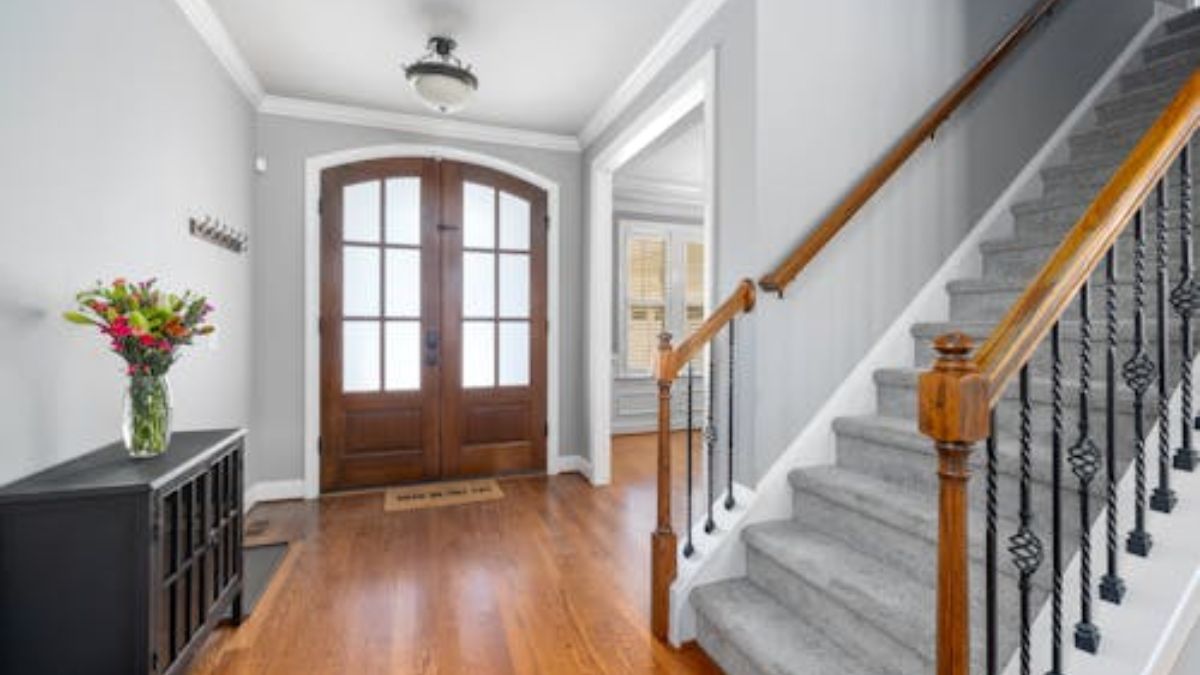
The selection of interior doors can be more complex than one thinks. You want something that matches the decoration in your home, yet you want durability and functionality as well. But so many finishes, materials, and designs come up, the choice can be daunting—a detail often simplified by the experts in Howard County property management, who specialize in choosing materials that balance aesthetic appeal with long-term wear resistance.
Besides, a misjudgment may influence light, privacy, and even the general circulation of your interiors. At the same time, interior doors are not just functional elements. They define how every room relates, both aesthetically and functionally. Thus, choosing the appropriate one is more important than many may think.
This guide will take you through the most important styles, materials, and advantages of interior doors to help you make a well-informed choice.
1. Understanding Interior Door Styles for Every Home
There are a number of interior door designs, each with a different purpose and suited to a particular interior theme. For instance, panel doors have a classic, formal look, while flush doors have a clean, minimalist look. Either style will work in various types of homes.
Additionally, shaker-style doors are popular for their traditional-modern balance. They are an ideal addition to the modern house. However, cottage doors can blend in with more traditional decor styles.
Another useful choice is glazed doors. They can let natural light into rooms, which can make them look brighter and more spacious. Solid doors, on the other hand, are more appropriate for spaces where privacy is more important, like study rooms or bedrooms.
Furthermore, sliding and bifold doors are great space savers in smaller spaces. They can enhance room flexibility without sacrificing style.
You also need to take into account the general theme of your home when choosing your interior doors. Minimal and flush doors tend to work well in modern interiors, and panelled or cottage-style designs work well for traditional interior spaces. Likewise, having a unified style and colour palette for your doors helps to ensure that there is a seamless visual flow and a consistent interior design throughout the home.
2. Choosing the Right Material and Finish for Durability and Performance
The choice of material directly influences performance, life, and maintenance. Below are the best materials and finishes for durability and performance.
-
Strong Timber Doors
Strong Timber Doors are characterized by strength and natural beauty. They are highly durable and of top quality. Nevertheless, they are more cumbersome and need more maintenance.
-
Balanced Doors
Balanced Doors are engineered wood doors. They are built to withstand warping and can work well in the dynamic indoor environment. This has led to their extensive application in households today.
-
Veneered Doors
Veneered Doors are inexpensive, yet still look like natural wood. They are cost-effective and provide visual appeal.
-
Molded and Laminated Doors
Moreover, Moulded and Laminated Doors are solutions for low maintenance. They are perfect for the busy family where functionality is more important than meticulousness.
-
Acoustic and Fire-Rated Models
There are Acoustic and Fire-Rated Models for safer and sound-controlled. These provide a new dimension of functionality, particularly in multi-room houses or apartments.
Finish also has a significant role to play in the combination of interior doors with your home decor.
Here are a few different types of finishes that you can choose for your interior doors:
- Painted Finishes: Finished with white, grey, or black, painted finishes provide a clean and modern appearance. These colours are simple to match most interior styles and are classic.
- Natural Oak Finish: By contrast, natural oak finishes emphasize wood grain patterns. They bring a natural feel and warmth to interiors. Likewise, walnut finishes offer a more sophisticated, darker look for higher-end areas.
- Primed Doors: Primed doors allow you flexibility. You can paint them any colour to suit your precise design idea. As a result, they are ideal for customized interiors.
- Prefinished Doors:They are prepared to install and require no extra work. This renders them a convenient option for fast renovations.
Furthermore, there are uniform finishes in rooms, which gives them visual cohesion. This assists in ensuring a smooth flow in the home.
3. Functional Benefits Beyond Appearance
Interior doors are not just space dividers. They also enhance comfort, privacy, and usability. They are very important aspects of home design, as they combine style, material strength, and functionality. From classic panel designs to contemporary flush and glazed, each design can be used for its intended purpose. On the same note, durability and performance are guaranteed by materials such as solid wood, engineered cores, and laminates.
Additionally, design and finishes also affect the look and functionality. Chosen well, interior doors will promote privacy, increase lighting, and visual harmonies across rooms.
Finally, the correct decision unites beauty and practicality, making your living areas more compatible, relaxed, and balanced.
Here are a few listed benefits of interior doors that are a complete game-changer.
-
Privacy Control
Privacy control is one of the advantages. Solid doors reduce sound transfer between rooms. It comes in handy, particularly in bedrooms and study rooms.
-
Natural Light
Moreover, glazed doors enhance the spread of natural light. They permit the passage of light through the dark corridors and closed areas. This makes the home feel more open and connected.
-
Durability
Another key consideration is durability. Quality construction will guarantee doors that are not damaged in everyday use. As a result, there is a reduction in the long-term maintenance costs.
-
Space Regulation
In addition, interior doors aid in controlling space functionality. An example includes maximizing small areas with sliding or bifold doors. This generates room layouts that are flexible, without structural modifications.
Thus, the choice of the proper door enhances lifestyle comfort and efficiency of the interior.
Conclusion
Interior doors play a major role in both the appearance and functionality of a home. From classic panel doors to modern flush and glazed designs, each option offers different advantages depending on your space and lifestyle needs.
Materials, finishes, and construction quality also influence durability, maintenance, privacy, and light control. By carefully considering these factors, homeowners can choose interior doors that improve comfort, complement interior design, and provide long-term value throughout the home.

In the world of fashion, choosing the perfect outfit for a night out is an art that combines style, comfort, and personal expression. Going out dresses have become a pivotal facet of contemporary Australian women’s wardrobes, reflecting the dynamic and diverse style sensibilities found across the country. Sage and Paije AUS is a distinguished brand that embodies these qualities, offering a range of sophisticated and elegant options designed to elevate any Australian woman’s look.
The Importance of Going Out Dresses in Australian Fashion
Going out dresses serve as essential pieces for various social occasions, from casual evenings with friends to formal events and celebrations. In Australia, where the climate and lifestyle encourage a blend of casual and chic, these dresses must be versatile and stylish. Sage and Paije AUS has recognised this need and curates collections that not only align with current trends but also cater to the unique tastes of Australian consumers.
Quality and Craftsmanship at Sage and Paije AUS
One of the defining features of Sage and Paije AUS is their commitment to quality and craftsmanship. Each dress is meticulously designed using premium fabrics that ensure comfort and durability. The attention to detail in stitching, fit, and finish speaks to the brand’s dedication to delivering garments that not only look stunning but also maintain their elegance over time.
Design Philosophy: Style Meets Comfort
The brand’s design philosophy centres around marrying style with comfort. Understanding that women require freedom of movement while maintaining a polished appearance, Sage and Paije AUS offers dresses that fit seamlessly into an active social life. Their designs often include contemporary cuts with flattering silhouettes, making them suitable for a wide range of body types and personal styles.
Diverse Collection of Going Out Dresses
Sage and Paije AUS presents an extensive selection of going out dresses that cater to different occasions. Whether attending a cocktail party, a date night, or celebrating a special event, their collections are thoughtfully diversified. This ensures that every customer can find a dress that resonates with their individual style and the specific demands of the event they are preparing for.
Incorporating Trends with Timeless Elegance
While the brand keeps abreast of the latest fashion trends, it also places significant emphasis on timeless elegance. This balance allows customers to invest in pieces that remain stylish beyond fleeting trends, contributing to a sustainable approach to fashion. The dresses typically feature classic colours and refined detailing, which enhance their versatility and appeal.
Choosing the Right Dress for Your Occasion
Selecting the perfect going out dress involves consideration of the venue, the event’s formality, and personal expression. Sage and Paije AUS provides expert guidance through their curated collections, ensuring that customers have access to suitable options, from bold statement dresses to subtle and understated pieces. This assists women in making confident fashion choices that reflect their personality and the occasion’s atmosphere.
Accessibility and Online Shopping Experience
In a digital age, Sage and Paije AUS prioritises providing an accessible and seamless online shopping experience. Their website offers detailed product descriptions, sizing guides, and high-quality images to facilitate informed purchasing decisions. Customers nationwide can conveniently explore and acquire their favourite going out dresses with ease.
Commitment to Customer Satisfaction
Customer satisfaction is paramount for Sage and Paije AUS. The brand ensures efficient customer service, straightforward return policies, and timely delivery, fostering trust and loyalty among its clientele. This customer-centric approach aligns with the brand’s mission to enhance the shopping experience and support clients in perfecting their evening wear wardrobe.
Impact on Australian Fashion Culture
Sage and Paije AUS significantly contributes to Australian fashion culture by providing locally accessible, high-quality going out dresses. The brand champions Australian style aesthetics that blend global influences with local preferences. This contribution enriches the national fashion scene and encourages consumers to embrace their style confidently.
Environmental Considerations
Awareness of environmental impact increasingly influences fashion choices. Sage and Paije AUS endeavours to incorporate sustainable practices where possible, including responsible sourcing of materials and ethical manufacturing processes. Customers seeking to align their purchasing with environmental values often find this approach reassuring and motivating.
Styling Tips for Going Out Dresses
Proper styling can significantly enhance the appeal of going out dresses from Sage and Paije AUS. Accessories such as elegant jewellery, complementary footwear, and suitable handbags are recommended to complete the ensemble. The brand frequently suggests pairing options, facilitating a cohesive and fashionable appearance for various occasions.
Adaptability Across Seasons
Australian climates vary significantly, and Sage and Paije AUS accounts for this by offering dresses suitable for different seasons. The materials and designs ensure comfort in warmer months while also allowing layering options during cooler periods. This adaptability enhances the practicality of the dresses throughout the year.
Testimonials and Customer Feedback
Feedback from customers consistently praises the flattering fits, fabric quality, and stylish designs of Sage and Paije AUS going out dresses. Many appreciate the brand’s attention to detail and their ability to provide dresses that cater to diverse style preferences and body shapes.
Conclusion: Elevating Elegance with Sage and Paije AUS
In summary, Sage and Paije AUS stands out as a premier provider of going out dresses in Australia. With a focus on quality, style, and customer satisfaction, the brand facilitates the elevation of Australian style and elegance. Their collection enables women to express their individuality confidently during evening occasions, ensuring they are always impeccably dressed.

Selecting the right storage solution for a truck is essential for professionals who depend on their vehicle for work. Durable storage options are crucial to protect tools, increase efficiency, and maintain organisation. One of the best investments is opting for robust truck toolboxes. These specialised containers are specifically designed to withstand the demands of a work environment while offering secure and accessible storage on the go.
Enhanced Protection for Your Tools
Durable truck toolboxes offer excellent protection against weather elements, theft, and potential damage during transportation. Constructed from high-quality materials such as aluminium or steel, these boxes resist corrosion, dents, and impacts. This longevity ensures that valuable tools and equipment remain in optimal condition, reducing replacement costs and downtime.
Resistance to Harsh Environments
Truck toolboxes are exposed to a variety of challenging conditions such as rain, dust, mud, and extreme temperatures. Durable models are engineered to be weatherproof, sealing contents away from moisture and dirt. This feature is vital in maintaining the functionality and reliability of tools, particularly for outdoor and remote work sites.
Improved Organisation and Accessibility
The convenience of having designated compartments and storage spaces within durable truck toolboxes enhances organisation dramatically. Craftsmen and tradespeople benefit from being able to categorise their tools, which speeds up retrieval and reduces the chance of misplacing items. A well-organised toolbox contributes to heightened productivity during daily tasks.
Customisable Storage Solutions
Many durable truck toolboxes come with modular interiors or optional inserts, allowing users to tailor storage according to their specific needs. This adaptability supports a range of tools from hand tools to power tools, ensuring that each item is stored securely and efficiently without waste of space.
Increased Safety Measures
Using a secure and sturdy toolbox on your vehicle helps in preventing accidents caused by loose tools moving during transport. Locking mechanisms integrated into these toolboxes provide peace of mind that contents remain secure, minimising the risk of theft as well as accidental spillage onto the road which can cause hazards.
Compliance with Work Regulations
In many industries, keeping equipment securely stored is a legal requirement. Durable truck toolboxes assist in meeting workplace health and safety standards by providing a reliable storage solution. This not only supports compliance but also promotes a professional approach to onsite operations.
Cost Efficiency Over Time
Although the initial investment in a high-quality truck toolbox may be more than cheaper alternatives, the longevity and protection they offer mean they represent better value for money. Preventing damage to tools and reducing the need for replacements lowers overall expenses in the long run.
Reduced Maintenance Needs
Durable materials require less upkeep compared to inferior products. Many truck toolboxes are designed to be low maintenance, with finishes that repel dirt and moisture, further extending their usable life and decreasing the frequency of repairs or replacements.
Professional Appearance and Reliability
A well-maintained, sturdy toolbox installed on a truck conveys a sense of professionalism. Clients and colleagues are likely to have greater confidence in a tradesperson who appears organised and equipped with quality storage solutions. This perception can contribute positively to business reputation and opportunities.
Reputation for Preparedness
Carrying a robust toolbox ensures that all necessary equipment is at hand, making it easier to complete tasks effectively and on time. This readiness is often reflected in customer satisfaction and repeat business.
Wide Range of Options for Different Needs
Durable truck toolboxes come in various sizes, locking mechanisms, and installation styles to suit different vehicle types and user requirements. From crossover boxes that fit over the truck bed to side-mount configurations, there is a practical solution for every type of work vehicle.
Tailored Solutions for Specific Trades
Some toolboxes are designed with the needs of specific trades in mind, incorporating features such as specialised tool slots, bins for small parts, and reinforced sections for heavy equipment. Choosing the right model enhances work efficiency and safety.
Easy Installation and Integration
Most durable truck toolboxes are designed for straightforward installation without compromising the vehicle’s structure or performance. This ease of fitting allows for quick upgrades and replacements as needed without extensive modification to the truck.
Compatibility with Vehicle Accessories
Toolboxes can often be combined with other vehicle accessories like ladder racks or tonneau covers, creating a comprehensive truck setup tailored to professional requirements.
Environmental Considerations
Many durable toolboxes are manufactured with environmentally conscious processes and materials. Investing in a long-lasting toolbox reduces waste by minimising the need for frequent replacement and disposal of lower-quality storage options.
Supporting Sustainable Practices
Choosing quality over quantity aligns with growing trends in sustainable business and environmental stewardship within the trades and construction industries.
Conclusion
Opting for durable truck toolboxes offers numerous advantages that enhance the utility, safety, and professionalism of any work vehicle. The protection, organisation, and reliability provided by these specialised storage solutions support daily operational needs and contribute to long-term cost-efficiency. For those seeking to improve their vehicle’s functionality and safeguard their tools, investing in a high-quality truck toolbox is a prudent decision.

How many people reach retirement age with insufficient savings to maintain their current lifestyle? The answer reveals a critical gap between earning income and building lasting financial security. Long-term wealth is not something that happens by accident or through a single windfall. Instead, it develops through consistent application of foundational financial principles over many years. Understanding these fundamentals separates those who merely earn money from those who actually build wealth that endures through economic cycles and life changes.
1. Start With a Clear Financial Foundation
Before pursuing wealth-building strategies, you need to establish where you currently stand financially. This means calculating your net worth by listing all assets and subtracting all liabilities. Creating a detailed picture of your income, expenses, and debts gives you a realistic baseline from which to work. Without understanding your starting point, any wealth-building plan becomes abstract rather than actionable. Many people skip this step because it feels uncomfortable, yet this honest assessment is precisely what enables meaningful progress. Once you know your numbers, you can set specific, measurable financial goals aligned with your values and timeline.
2. Develop Disciplined Spending Habits
Wealth building fundamentally depends on spending less than you earn and directing that difference toward productive assets. This does not require extreme deprivation or giving up all enjoyment, but it does demand intentionality about where your money goes. Creating a budget and tracking your spending reveals patterns you likely never noticed, such as recurring subscriptions, dining expenses, or impulse purchases. For example, someone might discover they spend $150 monthly on streaming services or coffee shop visits, money that could instead accumulate into thousands over time. The key insight is that small leaks compound into large drains across months and years. By addressing spending behaviors now, you create breathing room in your budget for the wealth-building activities that matter most.
3. Prioritize Regular Saving and Investing
Saving money is necessary but insufficient by itself for building real wealth. Money sitting in a savings account loses purchasing power over time due to inflation, which erodes the value of your cash. Investing allows your money to work for you by earning returns through various vehicles such as stocks, bonds, or real estate. The specific investments you choose depend on your risk tolerance, timeline, and financial situation, but the principle remains constant. Regular, consistent investing over decades has historically proven more reliable than trying to time markets or chase hot investment trends. Even modest monthly contributions grow substantially through the power of compound returns, where earnings themselves generate additional earnings. For those who want structured guidance during the investing process, a wealth manager in Denver, CO can help align investment choices with long-term financial goals and individual risk tolerance.
4. Protect Against Unexpected Financial Shocks
Building wealth becomes significantly harder if a single unexpected event wipes out years of careful progress. Insurance serves as a critical component of any serious wealth strategy because it prevents catastrophic losses from derailing financial plans. Health insurance protects against medical emergencies that could bankrupt individuals without coverage, while disability insurance replaces income if injury or illness prevents you from working. Homeowners and auto insurance cover physical assets that represent major portions of many people’s net worth. Beyond insurance, an emergency fund held in accessible accounts provides a buffer for unexpected expenses without forcing you to liquidate investments at an inopportune time. Financial advisors commonly recommend maintaining three to six months of living expenses in emergency savings, with the precise amount depending on factors such as job stability, industry volatility, and family obligations. Treating protection as a wealth-building tool rather than an afterthought ensures that a single bad year does not erase a decade of disciplined effort.
5. Adapt Your Strategy as Life Evolves
Your wealth-building approach must change as you progress through different life stages and as your circumstances shift. Someone in their twenties with decades until retirement can take more investment risk than someone approaching retirement age with less time to recover from market downturns. Earning a promotion, getting married, having children, or experiencing job loss all require reassessing your financial plan and making targeted adjustments. What worked perfectly five years ago may no longer serve your current priorities or constraints. Regularly reviewing your financial situation allows you to make course corrections before small deviations become major problems. This adaptive mindset prevents wealth-building from becoming a rigid system that ignores your evolving reality.
Conclusion
Building long-term wealth requires more than wishful thinking or occasional financial decisions. The fundamentals center on understanding your current situation, controlling your spending, saving and investing consistently, protecting against losses, and adapting as circumstances change. These principles may sound straightforward, yet their execution demands patience and discipline across many years. The difference between those who accumulate wealth and those who struggle financially often comes down to consistent application of these basics rather than any secret strategy or special knowledge. By committing to these foundational practices today, you can create a stronger financial future, build resilience through life’s uncertainties, and move steadily toward the financial security and independence that long-term wealth can provide.
-

 NEWS1 year ago
Historical Churches in Manila
-

 TOPIC2 months ago
Unveiling AvTub: Your Ultimate Guide to the Best AV Content
-

 TOPIC1 year ago
Symbols of Hope: The 15th Belenismo sa Tarlac
-

 TOPIC1 year ago
RIZAL at 160: a Filipino Feat in Britain
-

 TOPIC1 year ago
“The Journey Beyond Fashion” – Ditta Sandico
-

 TOPIC4 weeks ago
Understanding Fascisterne: Origins and Ideological Roots
-

 TOPIC1 year ago
Simbang Gabi and Kakanin
-

 TOPIC1 year ago
5 Must-Have Products From Adarna House to Nurture Your Roots