
TECHNOLOGY
Inside the Localization Pivot That Saved a Global Launch


Product failure is a typical concern in technology companies. Product launch data reveal that nearly 75% of products do not even generate $7.5 million in revenue in their first year. Global launches have an even smaller chance of success. The challenges often result from poorly planned strategies and a failure to localize products for new markets properly.
Global launches are often executed as either phased rollouts or as simultaneous “big bang” releases. The “big bang” method has a certain allure, but it struggles to handle complexity effectively and has higher failure rates. A technology company quickly realized the validity of this wisdom when a flagship software platform launch was rolled out in 12 countries simultaneously.
In the software rollout plan, a global compliance team used a one-size-fits-all approach to consistency across markets. This template-heavy methodology began to falter early on when the team failed to consider local complexities and nuances. Localization nuances, including language, regulatory standards, and regional priorities, were overlooked.
“When global product compliance is an afterthought, manufacturers risk not meeting international requirements that may result in launch delays, additional testing costs, or even a product redesign,” said a compliance expert. Unfortunately, these warnings were realized by the company as they encountered regulatory barriers in four key markets and customer resistance in three others.
Warnings were brought to light by regional teams early in the process, but were pushed aside. Headquarters prioritized a centralized one-size-fits-all approach, which caused many local-specific barriers to be overlooked by the teams in each country. The single-source-of-truth approach is a common pitfall of global launches, as siloed departments that fail to coordinate or communicate properly can lead to the misuse of resources, schedule delays, and system integration problems.
In addition to the issues mentioned above, the company also did not correctly account for or include many regional factors in its planning, such as:
- Local registrations or trademarks are necessary for market entry.
- Modifications to the content to ensure the product is not culturally insensitive.
- Local holidays and other buying cycle variations that may impact timing.
The day of the launch, a preventable crisis ensued. Global launch readiness in markets that accounted for 40% of the expected revenue was looking bleak. The company was left with the difficult decision of whether to press forward or to pivot.
The decision to bring in a localization service to build market-specific teams to help untangle the mess proved to be the right one. The localization service worked with key stakeholders in each market to address regulatory barriers, make last-minute marketing adjustments, and conduct region-specific testing.
This crisis-driven localization effort proved to be the company’s saving grace, but at a higher price than if localization had been planned for in the early stages. Product managers should understand that global launches require more than language translation. Product localization services should consider every facet of a new region to achieve optimal results, from compliance frameworks to cultural norms. Incorporating these insights from day one of product development is the best way to ensure early success.
Why Early Localization Decisions Make or Break Market Entry
Localized product labels are the visible tip of a massive localization iceberg. 52% of consumers have a strong preference to be able to complete a purchase in their native language. Additionally, nearly three-quarters (76%) of consumers are more likely to buy products when they see localized product information and descriptions. These data points are reflective of just how significantly early localization decisions have the potential to impact your market success.
Monetarily speaking, 56% of global consumers prioritize receiving localized product details over competing with product price. Further, 40% of consumers refuse to purchase on websites that do not offer product details in their native language. Product managers cannot afford to take this hard fact lightly: considering and planning for localization earlier in the product development life cycle has a direct impact on the revenue opportunities for your product.
Localization is far more than product translation. Localization extends to a product, holistically aligning with:
- Cultural expectations and nuances
- Local and regional laws and compliance
- Consumer shopping behaviors and payment preferences
- Local design priorities and market specificities.
Thinking of localization as an afterthought creates major headaches. Market research indicates that 33% of localization professionals note that making last-minute design changes requires a lot more resources, with a negative ROI. Furthermore, 37% of companies cite slow time to market as a primary challenge when it comes to rushing localization efforts.
Brands that integrate localization into the beginning of their product development process are able to release to new markets at a much faster rate. This localization-first mentality not only fosters the building of sturdy systems and processes to support seamless expansion, but each additional market launch takes nowhere near as much effort.
The benefits extend past speed and resource allocation. Highly localized products engender trust and better connect with their users, driving sales. Localized products are seen as more trustworthy by users and inspire active participation by consumers. Customers who feel that the product was customized to their market become loyal brand evangelists. Brands that invest in nuanced and culturally sensitive localization experience 35% increases in sales.
Working with localization professionals early on also presents the opportunity to uncover region-specific obstacles that could otherwise cause time or functionality setbacks. Localization-first strategies enable forward-thinking businesses to scale elegantly across channels with a singularly cohesive strategy. This top-to-bottom strategy ensures the localization of all product elements, including product data and metadata, marketing, pricing, and shipping and fulfillment operations. Product managers who understand how early localization decisions play a significant role in market success set their global launches up for success, rather than grappling with costly setbacks.
Pivoting Fast: How Smart Localization Turned Things Around
Businesses that successfully recover from localization crises typically implement agile localization strategies. Marketing organizations in particular have taken a strong interest in agile localization. As it stands, 86% have implemented or are planning to implement agile localization by 2025.
The innovative approach to localization is to integrate translation into development cycles, rather than tacking it on after the fact. A global payments provider put this strategy into action, allowing their eLearning portfolio to scale from two languages to thirteen. Their approach? A tailor-made Machine Translation (MT) and Post-Editing (PE) workflow, that accelerated content scaling 6X, enabling them to localize roughly 500 training courses in the span of one year.
Localization pivots that are designed strategically typically have short recovery timeframes. One technology provider connected with a localization service, which was able to subtitle their one-hour company videos for worldwide release in just 3-4 days. The speed was the result of a technology-first approach that combined:
- AI-assisted transcription with human QA.
- Workload distribution across multiple specialized linguists.
- Consistency through approved terminology glossaries.
Businesses that have agile localization programs report 93% higher customer satisfaction than their non-agile counterparts. Airbnb is a case in point; their growth story from 7 to 62 language-supporting products began with the introduction of flexible design systems, which bridged the gap between design and globalization teams.
Smart localization pivots also have the added benefit of significant cost savings. A software company’s ROI from AI-powered translation was $3.40, and another 60% drop in translation spend with added brand consistency.
Localization-centric pivots require more than just text translation, though. A law enforcement solution provider learned that the hard way and developed specific solutions to aid with codeless localization. Their new suite of tools would extract text that needed to be translated from source code and move it into resource files. What had been an hours-long process was now a single click of a button. The automation allowed them to scale faster into international markets with no additional lines of code written for each language.
One defining characteristic of an effective localization pivot is its alignment with existing processes. This is demonstrated by Smartling’s customers, with one study showing that localization processes simplified with innovative tools and technology deploy up to 50% faster and have up to 93% shorter translation turnaround times.
Product managers have the power to pivot from a flailing launch to a worldwide success story in record time when they partner with specialized localization services early on.
Real-World Impact: From Risk to Revenue in Record Time
A well-executed localization strategy is a powerful means of driving revenue and delivering a high-quality experience to your customers worldwide. Research from marketing.com shows that 84% of marketers reported that localization had a positive impact on revenue growth. In addition, 76% of online shoppers are more likely to choose a product that has information in their native language.
ROI metrics offer insights into the financial impact of localization on the business. For example, the ROI for enterprises using localization services is seen to range from 140% to 3000%. Language partners with AI-powered translation and self-serve dashboards have helped software companies reduce spend by $3.4 million. Another software company partnered with a global translation provider and achieved a 60% decrease in translation costs, while also enhancing the consistency of its brand.
Time to market is a crucial competitive advantage, and localization is a key factor that can help a company capture that advantage. In one instance, a leading global fintech brand reduced its time to market by 60% by centralizing localization efforts on cloud-based platforms. A leading consumer electronics brand, utilizing modular design systems, successfully launched its holiday campaign simultaneously in 15 markets.
Quality localization has a direct impact on the customer experience and serves as a driver of both revenue and brand trust. Customers who are happy with the localization services provided by companies are likely to experience increased revenue (86%), improved brand recognition (86%), customer acquisition (85%), and customer retention (79%).
Localization KPIs, such as throughput rates, error rates, or milestone completion percentages, are a few factors that organizations use to measure the success of their localization programs. Localization services enable companies to mitigate risks and capitalize on localization as a means to drive revenue growth. Localization should no longer be treated as a cost center, but as a strategic investment with a measurable ROI.
Conclusion: Localization Isn’t an Afterthought – it’s a Launch Lifeline
Worldwide product managers understand that successful product launches require foresightful localization planning. Localization is not an afterthought; it’s an integrated part of the initial strategy. Companies that factor localization into their strategy early in product development are the ones that achieve market success. On the other hand, businesses that treat localization as an afterthought often face costly and time-consuming corrections, which can sometimes result in market entry failure. This is all reflected in some staggering statistics. When presented with the option to purchase, 76% of consumers show a preference for products that provide information in their native language. These are clear indications that an early partnership with a professional localization company is key to winning market share on a global scale.
Competent localization services provide measurable and sometimes astronomical returns on investment, including possible gains of 3000%. In a study of businesses that have adopted faster localization processes, 93% reported improved customer satisfaction. Additionally, these companies experienced a 50% reduction in product release timeframes. And here’s the point of it all: these statistics highlight the need to consider localization during product development instead of a “reactive” approach late in the product launch.
Localization services are not merely a translation process, but a comprehensive plan that takes into account cultural idiosyncrasies, local laws, and shopping preferences. This is why a reputable localization agency is more than a translator: it’s a partner in business that helps save time and avoid costly errors by providing market-specific insights that speed up product localization. This is especially the case when it comes to entering unfamiliar markets where business regulations and consumer needs are far from being identical.
Here’s where the rationale behind using professional localization services gets pretty compelling. 86% of companies report improved brand awareness after investing in high-quality localization. These businesses also experience an 85% improvement in customer acquisition, 79% better customer retention, and numerous other market-specific benefits after integrating translation services into their business strategy. These statistics suggest that localization is a long-term investment rather than a short-term measure for generating quick revenue.
Product managers must view localization companies as strategic partners, not just line items in their business plan. Collaborating with localization professionals in the early stages of product development ensures a seamless transition to new markets, alignment with cultural expectations, and compliance with local regulations. All these elements play a vital role in defining the ultimate success or failure of product launches. Empirical evidence shows that a proper localization strategy is the difference between market success and possible failure.

Introduction to LinkedIn.comink
In the ever-evolving world of digital marketing, LinkedIn.comink stands out as a powerhouse for businesses looking to expand their reach. Whether you’re a startup or an established enterprise, tapping into this professional networking platform can unlock new doors to growth and opportunity. With over 900 million users globally, it’s not just about connecting with colleagues anymore; it’s about forging valuable relationships that can skyrocket your business potential. If you’re ready to harness the full power of LinkedIn.comink for your brand, there are strategies and techniques that can help you stand out in a crowded marketplace. Let’s dive in!
Benefits of Using LinkedIn for Business Growth
LinkedIn is more than just a professional networking site; it’s a powerful tool for business growth. One of its biggest advantages is the access to a vast pool of professionals and potential clients. This platform allows businesses to connect with industry leaders and decision-makers.
Moreover, LinkedIn serves as an excellent branding platform. You can showcase your company’s values, products, and services through engaging posts and articles. This visibility enhances brand recognition in your sector.
Another significant benefit is lead generation. With targeted content shared regularly, you can attract prospects who are genuinely interested in what you offer.
Additionally, analytics on LinkedIn provide insights into audience engagement, helping refine marketing strategies effectively over time. Engaging with followers fosters community trust and loyalty too—two vital ingredients for long-term success in any business landscape.
Creating an Effective LinkedIn Profile
Your LinkedIn profile is your digital business card. Make it count. Start with a professional photo that reflects your personality yet aligns with your industry.
Craft a compelling headline. Instead of just listing your job title, add keywords related to your skills and aspirations. This not only helps in searchability but also captures attention.
The summary section should tell your story. Highlight achievements, passions, and what makes you unique. Use first-person language for authenticity; people connect better this way.
Showcase relevant experiences clearly. Focus on results you’ve delivered rather than just responsibilities held in previous roles.
Don’t forget endorsements and recommendations—they build credibility. Engage with peers by asking for feedback or acknowledging their contributions to projects you’ve worked on together.
Keep updating your profile regularly to reflect new skills or accomplishments as they arise, ensuring you always present the best version of yourself online.
Building Your Professional Network on LinkedIn
Building a professional network on LinkedIn is more than just sending connection requests. It’s about fostering meaningful relationships that can enhance your career.
Start by identifying key individuals in your industry. Look for influencers, thought leaders, and potential collaborators. A personal note with your connection request can make a huge difference. Mention shared interests or mutual connections to break the ice.
Engage actively by commenting on posts and sharing valuable insights. This not only showcases your expertise but also draws attention from others in your field.
Participate in discussions within groups relevant to your niche. This opens doors to new contacts who share similar goals and challenges.
Remember to maintain these relationships over time. Regularly check in with updates or helpful resources, keeping the conversation alive and beneficial for both parties involved. Nurturing these connections will lead to opportunities you never anticipated.
Utilizing LinkedIn Groups and Content Sharing for Visibility
LinkedIn Groups offer a goldmine for professionals looking to expand their reach. Joining relevant groups allows you to connect with like-minded individuals and industry leaders. Engage actively in discussions, share insights, and ask questions.
Content sharing is another powerful tool on LinkedIn.comink. Posting articles or updates about your expertise can significantly boost your visibility. Use eye-catching visuals and compelling headlines to attract attention.
When you provide value through shared content, you establish yourself as a thought leader in your field. This not only garners respect but also invites connections from potential clients or collaborators.
Don’t forget the power of interaction within groups. Commenting on others’ posts or responding thoughtfully can foster relationships that lead to opportunities down the line. The more visible you are, the more chances you’ll have to grow your professional network effectively.
How to Leverage LinkedIn’s Advertising Options
LinkedIn offers various advertising options tailored for business growth. Sponsored Content is particularly effective, allowing you to promote your posts directly in the feeds of your target audience. This helps increase visibility and engagement.
Text Ads are another great option. They require minimal design skills but can still attract attention with compelling copy. Consider using these ads to drive traffic to landing pages or generate leads.
Don’t overlook LinkedIn InMail campaigns. This feature enables you to send personalized messages directly to users’ inboxes, creating a more intimate connection than standard ads might achieve.
Tracking performance metrics is crucial too. Use LinkedIn’s analytics tools to monitor engagement levels and adjust your strategies accordingly. Testing different formats and targeting criteria will help refine what works best for your business objectives over time.
Measuring Success and Making Adjustments on the Platform
Measuring success on LinkedIn.comink involves tracking specific metrics that align with your business goals. Start by examining engagement rates, such as likes, comments, and shares on your posts. These figures provide insight into how well your content resonates with your audience.
Next, look at connection growth and profile views. An increase in connections indicates a growing network which can lead to more opportunities. Profile views reflect interest in you or your services.
Utilize LinkedIn Analytics to dive deeper into post performance and audience demographics. Understanding who engages with your content allows for targeted strategies.
Don’t shy away from making adjustments based on this data. If certain types of posts attract more attention, consider focusing on similar themes or formats moving forward. Regularly revisiting and refining your approach is key to sustaining momentum within the platform’s dynamic environment.
Case Studies: Companies Who Have Successfully Utilized LinkedIn for Business Growth
Many companies have harnessed the power of LinkedIn.comink to drive significant business growth. One notable example is HubSpot. They utilized targeted content sharing and strategic networking to grow their community, resulting in increased leads and higher engagement.
Another success story comes from Microsoft. By leveraging LinkedIn for recruitment and brand awareness, they enhanced their employer reputation significantly. Their campaigns attracted top talent while showcasing company culture effectively.
A smaller player, Buffer, capitalized on the platform’s groups feature to engage with industry professionals directly. This approach helped them build valuable connections that translated into partnerships and collaborations.
Adobe created visually appealing posts that highlighted user-generated content. This strategy not only boosted customer loyalty but also expanded their reach organically within creative communities on LinkedIn.comink. Each case illustrates tailored approaches leading to remarkable outcomes through consistent effort on this professional network.
Conclusion: The Importance of Incorporating LinkedIn into Your Business Strategy
Embracing LinkedIn.comink as a pivotal component of your business strategy is essential in today’s digital landscape. The platform’s vast user base and professional focus make it an ideal space for networking, brand visibility, and lead generation. By creating an effective profile and actively engaging with your audience, you can significantly enhance your reach.
Building relationships within the community through strategic networking opens doors to new opportunities. Participating in groups allows for knowledge sharing and establishes you as a thought leader in your industry. Meanwhile, leveraging LinkedIn’s advertising options can further amplify your message and connect with specific target audiences.
Regularly measuring success on the platform helps ensure that you stay aligned with your goals. Adjusting strategies based on performance data will lead to continuous improvement over time.
Many successful companies have demonstrated how effectively navigating LinkedIn.comink can drive growth and engagement. Their experiences serve as inspiration for those looking to harness its potential fully.
Integrating LinkedIn into your overall business approach not only expands visibility but also cultivates meaningful connections that foster long-term success.

Across the country, homeowners are reimagining how they approach heating and cooling as do-it-yourself solutions rise. With increasingly high labor costs, home improvement projects that empower owners to install and maintain their own HVAC systems are gaining traction. Products like the DIY Mini Split offer user-friendly, cost-effective options for those seeking greater flexibility and savings while customizing their living environment. This DIY movement aligns with homeowners’ desires for more control and efficiency in managing their comfort and budgets.
As technological developments continue to enhance accessibility and practicality, DIY HVAC systems are no longer niche options but mainstream alternatives. Many of these systems are designed to prioritize energy efficiency, smart features, and sustainability, making them attractive for eco-conscious households and tech enthusiasts alike. At the same time, the successful adoption of DIY HVAC solutions requires careful planning, an understanding of system requirements, and a strategic approach to installation.
Rising Labor Costs and the DIY Movement
Labor shortages and rising costs have long plagued the HVAC industry, resulting in longer wait times for installation and higher service fees. Homeowners who are proactive in seeking cost control have increasingly embraced DIY solutions, enabling them to bypass traditional barriers to upgrading or maintaining their home’s heating and cooling systems. With online resources and manufacturer-provided guides readily available, the leap toward self-management has become easier in recent years.
This trend mirrors broader shifts in home improvement, where being able to tackle tasks independently saves both time and money. By choosing readily installable systems, homeowners gain the satisfaction of managing home comfort without depending solely on professional services, making self-sufficiency a new standard in home projects.
Technological Advancements in DIY HVAC Systems
Innovations in the HVAC industry have transformed once-complex systems into streamlined units that are ready for user installation. Pre-charged line sets, intuitive smart controls, and simplified electrical interfaces make these systems accessible for people with basic technical skills. Many manufacturers now design their products with the DIY user in mind, providing detailed manuals, step-by-step video tutorials, and customer support hotlines to support successful installations.
Technology does not just facilitate installation; it also allows greater customization. Modular components, compatible parts, and smart integration help homeowners tailor their solution to their space’s needs. As a result, comfort solutions become not only more attainable but also better suited to a wider variety of living environments.
Energy Efficiency and Sustainability
Modern DIY HVAC systems are often built with high-efficiency standards and sustainability practices at their core. By incorporating features such as inverter-driven compressors and eco-friendly refrigerants, these systems can significantly reduce a home’s energy consumption and carbon footprint. Heat pumps, in particular, have surged in popularity for their ability to both heat and cool efficiently, helping owners manage fluctuating seasonal demands.
With lower energy bills and reduced greenhouse gas emissions, these systems align with broader environmental goals. Many regions now offer rebates or incentives for installing energy-efficient HVAC solutions, increasing their appeal for motivated homeowners. For a deeper dive into the environmental benefits, visit resources such as the Department of Energy, which provides detailed information on energy-saving appliances and incentives nationwide.
Smart Features and Home Automation
Home automation represents another turning point for the DIY HVAC market. Most DIY systems today are compatible with smart thermostats, voice assistants, and mobile applications, allowing you to control temperature settings from virtually anywhere. Owners can program schedules, receive diagnostic alerts, and optimize energy consumption based on occupancy patterns or external weather conditions.
This connectivity boosts convenience and accountability, helping homeowners detect potential issues early and maximize system efficiency. The ongoing expansion of the smart home industry ensures that newly released DIY HVAC solutions are increasingly feature-rich and user-friendly each year.
Considerations for DIY Installation
Before jumping into DIY HVAC, it is essential to realistically assess your own skill level and the specific needs of your living space. Not all homes are the same, and local building codes or HOA rules may impact the installation process. Preparing the right set of tools, ensuring safe handling of electrical connections, and selecting a properly sized system are crucial for achieving optimal comfort and performance.
Warranty and Support
Warranty terms for DIY systems can vary dramatically across brands. While some manufacturers fully support DIY installations, others may limit coverage unless a certified technician performs the work. Thoroughly reviewing warranty fine print can prevent frustration later if a part fails or a performance issue arises. In addition, robust customer service options, including online chat, telephone support, and video help libraries, can be invaluable resources in resolving questions or troubleshooting during installation or operation.
Future Trends in DIY HVAC
The momentum behind DIY HVAC is expected to continue, driven largely by greater ease of use, improved energy efficiency, and seamless integration with renewable energy sources. Future systems may feature self-diagnostics, optimized for renewable grid tie-ins, and enhanced climate customization capabilities. According to recent industry forecasts featured on Forbes, innovations in controls and energy management could make DIY systems the first choice for a broader demographic of homeowners.
Final Thoughts
DIY heating and cooling solutions are reshaping the landscape of home comfort and energy savings. Empowered by technology and guided by accessible resources, homeowners are increasingly able to tackle installation, optimize system performance, and contribute to a more sustainable future. As these trends continue, being informed and prepared will help ensure a successful transition to DIY home comfort—combining cost-effectiveness, flexibility, and forward-thinking efficiency.
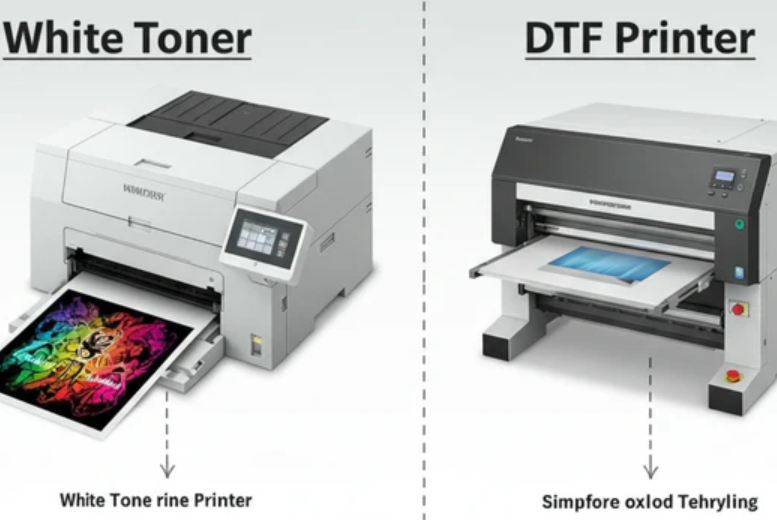
A D2 DTF printer and heat press HTV solutions are smart printing concepts that aim at integrating innovativeness and efficient technology. The method enables users to create finer prints and heat transfer vinyl with high precision and rapidity. It develops elegant designs that are long-lasting and become professional and smooth to touch on fabric.
Act on your ideas using smart tools that make it easy and enjoyable to print. Make ordinary clothes become the best fashion designs with bright and visual designs. Do something different and really make it become your style.
The DTF printer is used to work with fine art, and the heat press makes the HTV glue to the material accurately. It is effective when it comes to custom shirts and small businesses. It has fast outcomes and good and sustained quality.
The Way D2 DTF Printing Promotes Creative Freedom.
The D2 DTF Printer provides the user with the option of printing detailed and colorful designs on a film. This is printed film, which is then embossed on fabric so that no details become lost. It gives a chance to work with complicated artwork without losing its quality or sharpness.
This technique enables designers to play with different designs and styles. It eliminates the typical design constraints, thus turning the process more open and entertaining. The outcome is a desirable and attractive appearance.
The contribution of the heat press HTV solutions to the design perfection.
Heat transfer vinyl is important in improving the overall appearance of custom shirts. It enables accurate cutting and easy application to designs to bring them out with a polished and refined appearance. On heating, the vinyl is firmly attached to the cloth.
This enhances extended durability and results in long-term outcomes. It also gives a professional touch to each of the designs to make them more attractive. The quality of the material and the correct use of heat give the results of reliability.
Smart Hybrid Workflow of DTF Printing and HTV.
DTF printing and HTV techniques will produce a harmonious and efficient design process. The printer creates detailed images, whereas the vinyl improves the structure and clarity. The combination of them produces a quality of work that has been up to modern design standards.
It is easy to deal with simple and complex projects with this combination. It enables users to attain a steady production without complex procedures. It is an easy and appropriate process to use in numerous creative needs.
The main peculiarities of this intelligent print technique.
This technique has a number of characteristics that render it unique among the custom printing techniques. It is aimed at saving time and, at the same time, creating high-quality prints. The users can attain proper results with minimal effort and enhanced efficiency.
It also favors many design options, which are fitting various creative aims. This is a flexible and convenient approach, both with regard to personal projects and professional work.
- Time-saving and efficient process.
- Durable and high-resolution designs.
- Simple to operate at any skill level.
Clever Smart Ideas on T-shirt Designs.
Smart printing provides its users with the ability to think outside of the box and experiment with new concepts. You will be able to work out courageous graphics, stylish typography, or contemporary patterns that will be a reflector of your vision. The designs they come up with are distinctly a work of creativity.
The combination of multiple design elements creates more appealing results. The combination of different textures and colors along with various shapes allows creation of original and exciting designs. This maintains your work dynamic and attractiveness.
- Make contrast to emphasize aspects of the design.
- Combine plain with fancy designs.
- Add themes of your own to get individuality.
Significance of Heat Press in Achievement of Good Results.
The heat-pressing machine makes sure that the designs are secured to the cloth. It involves temperature and pressure control to establish a strong bond between the material and the design. This is necessary in order to have a smooth finish.
The quality of the design is preserved by a good heat press operation that avoids damage. It assists in providing a clean and sustainable outcome. This renders the end product more stable and efficient.
Ensuring Consistency in Designs on Paper.
It is necessary to be consistent in making several printed items. The correct settings and materials would be used to ensure that the quality of the designs is the same. This makes all the products appear to look the same.
Regular maintenance and proper management also contribute towards the maintenance of the design. Maintaining the process is beneficial in attaining improved results in the long run. It enhances satisfaction and performance.
Create and Take Care of Small Businesses.
This intelligent printing is very advantageous to small companies and individual artists. It enables them to create individual designs in a short time and effectively. This assists in the fulfillment of customer demands in a timely manner.
It promotes creativity and development as well because it provides flexibility in design. Companies have the ability to develop distinctive products that command attention and establish good identity. This facilitates easier competition in the market.
Conclusion
Printing designs using a D2 DTF printer and heat press HTV solutions are potent means of producing contemporary and fashionable apparel. It integrates both technology and creativity and hence is a simple and effective process. The outcomes are hygienic, resistant, and aesthetical.
It is the best way to go when one wishes to get acquainted with the idea of custom printing. It provides a solid avenue of generating quality designs that are distinctive. Through proper attitude, creativity indeed could be glowing.
FAQs:
1. What is unique about HTV compared to other methods of printing?
The HTV offers a clean and accurate finish that is very adhesive, and therefore, the design becomes more durable.
2. Are new users easy to use with a D2 DTF printer?
Ye, the software is quite user-friendly, so beginners can produce wonderful prints without much ado.
3. What is the life of the HTV designs on shirts?
Given proper care, the designs of HTV are strong and vibrant over a long period, without fading.
-

 TOPIC8 months ago
Symbols of Hope: The 15th Belenismo sa Tarlac
-

 TOPIC8 months ago
“The Journey Beyond Fashion” – Ditta Sandico
-

 NEWS8 months ago
Historical Churches in Manila
-

 TOPIC8 months ago
RIZAL at 160: a Filipino Feat in Britain
-

 TOPIC8 months ago
5 Must-Have Products From Adarna House to Nurture Your Roots
-

 TOPIC8 months ago
Boats with Two Strings
-

 TOPIC8 months ago
“Recuerdos de Filipinas – Felix Laureano”
-

 TOPIC8 months ago
Filipino, alternative language course at Moscow State University