
TOPIC
How Older Rugs Become Statement Pieces Again


Walk into almost any home and you’ll find furniture, artwork, and decorative pieces chosen carefully to reflect the owner’s style and personality.
Yet among all the design elements in a room, few have the ability to transform a space quite like a beautiful rug.
A well-crafted rug does more than cover a floor. It anchors furniture, introduces color, adds texture, and often becomes the visual centerpiece that ties an entire room together.
What many homeowners don’t realize, however, is that some of the most impressive statement pieces aren’t brand-new rugs purchased from a showroom. In many cases, they are older rugs that have been carefully preserved, repaired, and restored over time.
A rug that appears worn, faded, or damaged today may still possess incredible potential. With proper care and attention, older rugs can regain much of their original beauty and once again become standout features within a home.
This is one reason many homeowners choose to restore your old rug rather than replacing it altogether.
Older Rugs Often Have More Character Than New Ones
Modern rugs certainly offer convenience and variety, but older rugs frequently possess qualities that are difficult to replicate.
Many vintage and handmade rugs feature:
- Unique patterns
- Traditional craftsmanship
- Natural materials
- Rich color combinations
- Historical significance
Years of use may have affected their appearance, but they often retain a level of character that newer products simply cannot match.
Every Rug Tells a Story
Older rugs often carry personal meaning as well.
Some have been passed down through generations.
Others were acquired during travels or special life events.
Because of this emotional connection, many homeowners prefer restoration over replacement whenever possible.
Wear Doesn’t Always Mean the Rug Is Finished
One of the biggest misconceptions about older rugs is that visible wear automatically means the rug has reached the end of its lifespan.
In reality, many common issues can often be addressed through professional restoration.
Examples include:
- Frayed edges
- Worn fringe
- Minor tears
- Fading
- Loose fibers
- Surface damage
The presence of these issues does not necessarily mean the rug should be discarded.
Appearance Can Be Deceiving
A rug may look heavily worn while still maintaining a strong structural foundation.
Professional evaluation often reveals restoration opportunities that homeowners did not realize existed.
Restoration Helps Preserve Craftsmanship
Many older rugs were created using techniques that required significant skill and time.
Hand-knotted and handmade rugs often represent hundreds or even thousands of hours of craftsmanship.
Preserving that work through restoration helps protect something that cannot easily be replaced.
Quality Is Worth Preserving
The materials and techniques used in older rugs are frequently part of what makes them so valuable.
Maintaining those qualities often becomes a worthwhile investment.
Design Trends Continue to Favor Unique Pieces
Interior design trends have shifted considerably in recent years.
Many homeowners now prefer spaces that feel personal rather than identical to every other home.
This has increased appreciation for distinctive pieces with history and character.
Older rugs often fit perfectly within this trend.
They provide:
- Visual interest
- Authenticity
- Warmth
- Personality
- Conversation value
These qualities help transform a rug from a functional item into a design focal point.
Statement Pieces Create Memorable Spaces
The most memorable rooms often feature one or two standout elements that capture attention.
A restored rug can easily become one of those defining features.
Restoration Supports Sustainability
Many homeowners are becoming more conscious of sustainability and long-term consumption habits.
Restoring an existing rug rather than replacing it may help reduce waste while preserving a valuable household item.
This approach aligns with broader trends emphasizing:
- Reuse
- Preservation
- Long-term value
- Responsible consumption
Quality Often Outlasts Trends
A beautifully restored rug may continue serving a home for many years, even as decorating styles evolve.
Professional Care Makes a Difference
Restoration is rarely a simple cleaning process.
Different rugs require different approaches based on factors such as:
- Fiber type
- Construction method
- Age
- Condition
- Previous repairs
Professional assessment helps determine the most appropriate treatment strategy.
Many homeowners choose to rug restore projects through experienced specialists because proper restoration requires both technical expertise and an understanding of traditional rug construction.
From Worn Flooring to Design Centerpiece
A rug that appears tired today may still have tremendous potential. Through thoughtful restoration and proper care, older rugs can regain their beauty while preserving the character that makes them unique. Instead of viewing wear as the end of a rug’s story, many homeowners discover that restoration marks the beginning of a new chapter.
The most striking statement pieces are often the ones with history behind them. A restored rug not only enhances the appearance of a room but also brings craftsmanship, personality, and lasting value back into the spotlight.
TOPIC
A Smarter Pre-Listing Plan for Naperville, IL: What to Fix, What to Skip, and How to Get Market-Ready
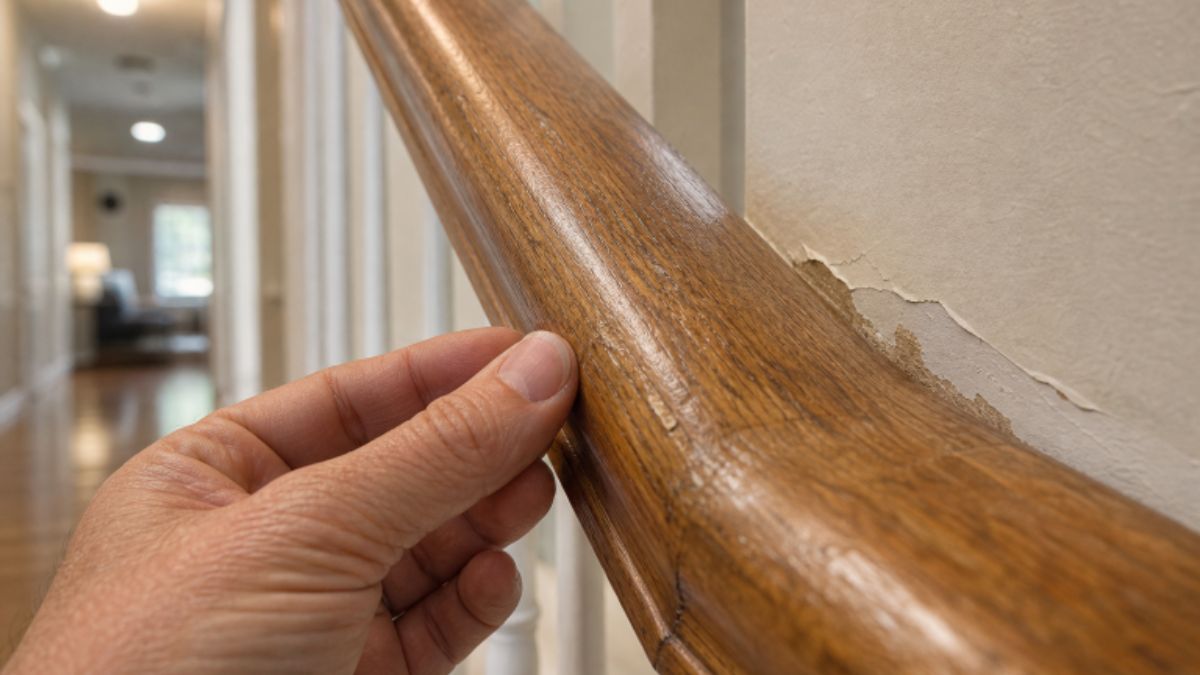
Preparing a home for sale in Naperville, Illinois, is not about making every room look brand new. It is about making the property feel cared for, easy to understand, and ready for buyers to picture as their next home. With mature neighborhoods, varied home styles, and buyers comparing properties closely online, preparation should begin well before the listing goes live.
For a locally focused plan, Naperville IL real estate experts Kimberly Zahand Team offer seller support through home valuations, listing strategy, home transformation and staging guidance, marketing, and negotiations. Kimberly Zahand Team serves Naperville and nearby communities, including Aurora, Geneva, St. Charles, Batavia, and Oswego, bringing an area-specific perspective to decisions about which improvements deserve attention before a home reaches the market.
Start With a Realistic Selling Timeline
Give yourself four to eight weeks of preparation time when possible. A well-maintained condo may need only a few focused weekends, while a larger single-family home with deferred maintenance, crowded storage areas, or contractor work may need longer. Build in extra time for estimates, scheduling, permits, inspections, donations, and final cleaning.
A practical timeline has five phases:
- Walk through the property and create a priority list.
- Complete repairs and maintenance.
- Declutter, organize, and deep clean.
- Stage key rooms and prepare for photography.
- Finalize pricing, documents, and launch details.
Rushing can lead to unfinished projects, cluttered photos, and difficult showing conditions. A calm, organized process also makes it easier to spend selectively rather than react to every small imperfection.
Walk Through the Home Like a Buyer Would
Begin at the curb, enter through the front door, and move through every room with fresh eyes. Ask what looks broken, crowded, dark, worn, or difficult to use. Notice what may worry an inspector, lender, or buyer who is already comparing several homes in the western Chicago suburbs.
Sort every task into one of three groups:
- Do now: Small repairs and presentation improvements with a clear benefit.
- Review first: Larger projects that require a cost, timing, and market-value discussion.
- Skip: Personal upgrades that are unlikely to improve buyer confidence or the home’s overall appeal.
Repair Problems That Create Buyer Doubt
Basic maintenance usually matters more than a trendy upgrade. A dripping faucet, a loose handrail, peeling paint, a water stain, a sticking door, a damaged step, or a nonworking outlet can make buyers question what else has been neglected. Address visible safety, water, electrical, roofing, plumbing, HVAC, and foundation concerns with appropriate professionals when needed.
Before investing in cosmetic work, focus on issues that affect how the home functions or appears to have been maintained. Buyers may accept an older kitchen more easily than a kitchen with a leak, broken drawer fronts, and stained ceiling drywall.
Consider a Pre-Listing Inspection Carefully
A pre-listing inspection can help some sellers identify concerns early, collect repair estimates, and plan disclosures before a buyer is under contract. It is not necessary for every property, and it can reveal matters that require thoughtful handling. Discuss the pros and cons with a qualified local real estate professional, and understand the disclosure obligations that apply to your sale.
Declutter, Depersonalize, and Deep Clean
Buyers need room to see the home, not the seller’s moving inventory. Clear kitchen counters, reduce shelf décor, pack away personal photographs, and remove excess furniture that interrupts walking paths. Organize closets, pantries, basement storage, and garage floors so the available space is visible.
Cleaning also affects the emotional response to a home. Prioritize bathrooms, kitchens, floors, windows, baseboards, appliances, vents, light fixtures, and high-touch surfaces. Address pet, smoke, or musty odors without masking them with heavy fragrance. Pre-sale preparation guidance similarly emphasizes early planning, simple repairs, cleaning, and thoughtful presentation before professional photos are taken.
Choose Small Updates Before a Major Remodel
Minor improvements can refresh a home without creating a lengthy, expensive project. Consider neutral touch-up paint on walls that are marked or highly personalized, fresh caulk in bathrooms and kitchens, updated bulbs, clean switch plates, simple cabinet hardware, and a refreshed front door. Outside, trimmed shrubs, fresh mulch, and a tidy entry can make a big difference.
Targeted updates often make more sense than broad renovations. Research on home-selling upgrades reinforces the value of selecting improvements carefully rather than assuming an expensive remodel is the automatic answer. Avoid projects driven only by social media trends or design preferences that may not suit the neighborhood.
Improve Curb Appeal and Stage Key Rooms
In Naperville, changing seasons can quickly affect a home’s exterior presentation. Clear the front walk, trim plants away from windows and doors, remove hoses and tools, replace burned-out exterior bulbs, and clean the porch, siding, garage door, and exterior windows. The entry should feel safe, visible, and welcoming.
Inside, staging should clarify how a room works. Create open pathways in the living room, leave usable counter space in the kitchen, make the primary bedroom feel balanced and restful, and keep bathrooms simple with clean towels and a limited selection of products. Give an office, loft, basement, or bonus room a defined purpose rather than allowing it to become a catch-all storage area.
Prepare for Photos, Documents, and Pricing
Before photography, open the blinds, straighten the cushions, make the beds, remove cars from the driveway, and hide cords, trash bins, laundry, pet supplies, and cleaning products. Photos should present the home clearly and honestly, not disguise material defects.
Create a home information file with repair records, permits, warranties, appliance details, service history, utility information, survey and title documents, and homeowners association materials when applicable. Organized records can help answer questions promptly during negotiations and due diligence.
Finally, build a pricing plan around recent comparable sales, competing listings, location, condition, buyer demand, expected costs, mortgage payoff, and estimated net proceeds. Emotional value matters to homeowners, but the market responds to condition and alternatives. Pricing too high can reduce early momentum, while pricing too low should be a deliberate strategy, not an accident.
What Sellers Should Usually Skip
- Large renovations without a clear market reason.
- Bold finishes that reflect highly personal taste.
- Luxury upgrades that do not fit the home or neighborhood.
- Replacing functional features solely because they are not current trends.
- Unpermitted work or improvements with missing documentation.
- Buying furniture before establishing a complete staging plan.
Final Pre-Listing Checklist
- Set a target listing date.
- Complete a room-by-room and exterior walk-through.
- Repair safety, water, and maintenance concerns.
- Declutter and organize every storage area.
- Deep clean the interior and exterior.
- Refresh curb appeal and stage the most important rooms.
- Gather property records, permits, and warranties.
- Review pricing, photography, marketing, and expected proceeds.
Prepare With a Purpose
A market-ready Naperville home does not need to be perfect. It needs to feel clean, maintained, functional, and appropriately positioned for current buyers. Start early, fix the problems that create doubt, avoid upgrades with uncertain value, and present the home with intention. The best pre-listing plan is not the one with the longest project list. It is the one that supports a smoother sale and a stronger first impression.

Hair thinning can feel personal, especially when the change appears quickly or becomes obvious in photos. While shampoos, styling tools, and hair growing products may be part of someone’s routine, hair changes can also reflect a wider mix of genetics, health history, stress, nutrition, hormones, medications, and scalp conditions. A few extra strands in the shower after a difficult season, an illness, or a major life event do not necessarily indicate a single cause. Hair thinning is common, but a useful response starts with noticing the pattern, tracking timing, and seeking qualified medical guidance when changes are sudden, persistent, painful, or patchy.
Hair Changes Are Not Always About Age
Hair can change at many stages of life, not only with aging. Family history can influence whether thinning follows a recognizable pattern, while recent illness, changes in eating habits, certain medications, hormonal transitions, and frequent tension from styling can all be relevant. Gradual widening of a part may call for a different conversation than abrupt shedding that begins after surgery, childbirth, fever, or rapid weight loss. The goal is not to blame every change on one habit or event. Instead, consider what changed in the months before the hair concern became noticeable. That timeline can give a clinician useful context.
Shedding and Thinning Are Different
Shedding means losing more strands than usual over a relatively short period. Thinning refers to reduced density, finer-looking hair, a wider part, a less full ponytail, or greater scalp visibility. A person may experience increased shedding without developing lasting thinning, but the distinction is still worth monitoring.
Patterns to watch
- Diffuse loss that seems spread across the scalp.
- Less density around the part line or crown.
- Recession near the temples or hairline.
- Small, sharply defined bald patches.
Rather than checking the mirror repeatedly, take photos once a month in the same room, with the same lighting, angle, and hairstyle. Consistent images can make gradual changes easier to assess and may be more helpful at an appointment.
How Stress Can Affect the Hair Cycle
Hair follicles cycle through growth, transition, rest, and shedding phases. Emotional strain is only one form of stress on the body. Illness, surgery, poor sleep, restrictive eating, childbirth, and rapid weight change can also affect the timing of shedding. Because shedding may become noticeable weeks or months after a trigger, the connection is not always obvious. Research into how stress causes hair loss has helped clarify biological pathways in animal models, but those findings do not automatically translate into a human treatment. Practical support still matters: maintain a more regular sleep schedule, add manageable movement, try breathing exercises or quiet walks, and seek mental health support if stress feels unrelenting.
The Link Between Nutrition and Hair Health
Hair production requires adequate energy, protein, and a reliable supply of nutrients. Low appetite, highly restrictive diets, digestive problems, and rapid weight loss can make it harder to meet those needs. A balanced eating pattern is generally more useful than focusing on one supposed miracle food.
- Include protein sources such as eggs, beans, fish, poultry, tofu, yogurt, or other foods that fit your dietary needs.
- Choose iron-containing foods, including lentils, leafy greens, meat, and fortified grains.
- Eat a variety of fruits and vegetables for a broad range of nutrients.
- Include fats from foods such as nuts, seeds, olive oil, and seafood.
High-dose supplements are not a substitute for identifying the reason for hair loss and may be inappropriate for some people. When symptoms and health history suggest it, a clinician may consider testing for concerns such as nutrient deficiency or thyroid dysfunction.
Hormonal Shifts and Hair Changes
Puberty, pregnancy, the postpartum period, perimenopause, menopause, and changes to hormonal medications can coincide with hair changes. Some people notice increased shedding, while others see slower growth, finer strands, or a changing density pattern. Hormones are not the explanation for every case, however. Irregular periods, acne, unwanted facial hair, fatigue, and unexplained weight changes are examples of symptoms that may be useful to mention during a health evaluation. Treatment depends on the hair-loss pattern, possible causes, medical history, and any relevant test results.
Why Scalp Health Matters
The scalp is skin, and it can become dry, oily, irritated, inflamed, or infected. A clean scalp alone does not guarantee new hair growth, but persistent scalp symptoms deserve attention. Track itching, redness, scaling, tenderness, sores, heavy flaking, and sudden bare patches. Wash according to your scalp’s oil and product buildup, rinse thoroughly, and avoid aggressive scratching. If discomfort or visible scalp changes continue, a dermatologist can help determine whether a skin condition needs treatment.
Daily Habits That Support Healthier Hair
- Use a wide-tooth comb and be especially gentle with wet hair.
- Limit frequent high-heat styling when possible.
- Avoid styles that repeatedly pull tightly at the roots.
- Give chemically processed hair time to recover between treatments.
- Prioritize regular meals, sleep, and hydration over quick-fix routines.
- Keep notes on illness, stress, diet shifts, medication changes, and hormonal events.
- Allow time for observation, since hair changes often develop gradually.
When to See a Doctor or Dermatologist
Prompt medical advice is appropriate for sudden, severe, painful, or patchy hair loss, as well as hair loss with scalp sores, intense itching, fatigue, or unexplained body changes. A clinician can review medications, supplements, recent illnesses, diet changes, family history, and the appearance of the scalp. A clinical overview of stress-related hair shedding also emphasizes an important point: do not assume stress is the only explanation. Earlier evaluation may help identify treatable contributors and clarify next steps.
A Simple 30-Day Hair Health Plan
This is a low-pressure tracking exercise, not a promise of rapid regrowth.
- Week One: Take clear photos and write down your primary concern.
- Week Two: Review meals, sleep, stress, styling, and recent health events.
- Week Three: Reduce avoidable pulling, harsh brushing, heat, and scalp scratching.
- Week Four: Review your notes and decide whether professional guidance is needed.
A Balanced Way to Think About Hair Thinning
Hair health involves more than a single product or styling choice. Looking at stress, nutrition, hormones, scalp comfort, health history, and genetics provides a more balanced perspective. Careful observation is more useful than panic, and whether hair loss is persistent or sudden, it deserves proper evaluation rather than guesswork.
Conclusion
Hair thinning can have several contributing factors, making careful observation more useful than assuming a single cause. Genetics, health history, stress, nutrition, hormonal changes, medications, styling practices, and scalp conditions may all be relevant depending on the individual and the pattern of hair change. Distinguishing increased shedding from reduced hair density can provide useful context, while consistent photos and notes may help identify gradual changes over time. Gentle hair care, balanced nutrition, regular sleep, and reducing unnecessary tension or heat can support general hair health without relying on quick fixes. When hair loss is sudden, persistent, painful, or patchy, or when scalp symptoms occur alongside thinning, professional evaluation can help clarify possible causes and appropriate next steps. A thoughtful approach allows hair concerns to be addressed with realistic expectations and informed decisions.
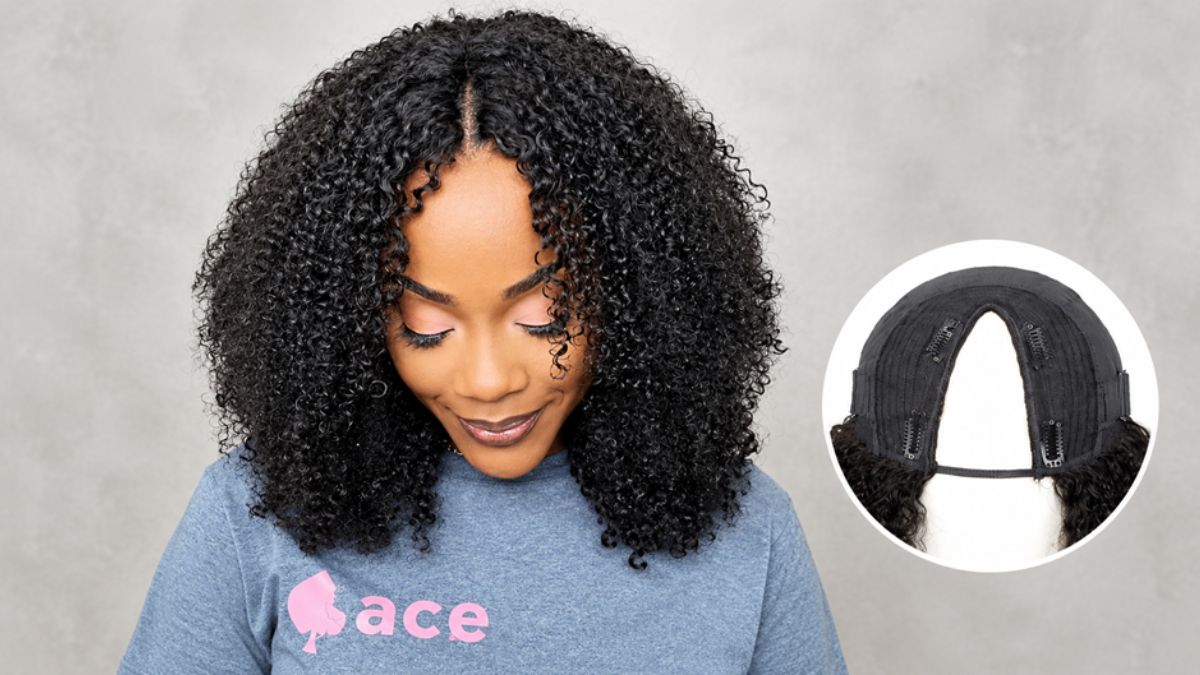
A hairstyle can change the entire character of an outfit. On some days, you may want soft, relaxed curls that look effortless. On others, you may prefer a polished style with noticeable volume and definition. A V Part Wig offers an easy way to explore both moods without committing to a permanent hairstyle. Among the options available, CurlyMe Hair V Part Wigs are designed to create a natural-looking finish while giving wearers plenty of room to experiment with texture, length, and styling.
Unlike traditional wigs that often cover the entire hairline, a V Part Wig has a distinctive V-shaped opening at the top. This opening allows some of your natural hair to be pulled through, helping the wig blend with your own hair. The result can be a more personalized appearance that feels closer to a naturally styled head of hair.
What Is a V Part Wig?
A v part wig is a type of wig constructed with a V-shaped section at the crown. The opening provides an opportunity to expose a small portion of your natural hair, which can then be blended into the wig’s texture. Depending on your desired look, you can leave more or less natural hair visible.
One of the appealing features of a V Part Wig is that it can offer a natural-looking part without requiring the same type of styling associated with some conventional wigs. It can also provide versatility because the wearer can position and blend the natural hair according to the intended hairstyle.
For people who enjoy changing their appearance frequently, a V Part Wig can function almost like a styling canvas. A single wig can become the foundation for several different looks, from relaxed everyday curls to more sophisticated evening styles.
Why Choose a CurlyMe Hair V Part Wig?
Curly textures have a special ability to add dimension to a hairstyle. A CurlyMe Hair V Part Wig can provide fullness and movement while allowing the wearer to work with a texture that already has visual character.
The V-shaped opening is particularly useful when blending curly hair because the exposed natural section can help create continuity between the wig and your own hair. With thoughtful blending, the transition can appear soft rather than obviously separated.
Another advantage is styling flexibility. Instead of treating the wig as a fixed hairstyle, you can adapt it to your clothing, occasion, and personal preference. A casual daytime appearance may call for loose, defined curls, while a night-out look could benefit from additional volume and carefully shaped sections.
Casual V Part Wig Styles for Everyday Wear
For an everyday appearance, simplicity is often the most attractive choice. One option is to wear the curls down with minimal manipulation. Allowing the texture to maintain its natural pattern can create a relaxed style suitable for shopping, social visits, classes, or ordinary workdays.
A half-up style is another practical idea. Gather the upper portion of the curls and secure it loosely while leaving the remaining hair around the shoulders. This creates a balanced look that combines structure with softness.
You can also experiment with a low ponytail. Curly hair gathered near the nape can look understated while still retaining plenty of texture. A few curls left around the face can make the style appear more relaxed and personalized.
Turning a V Part Wig Into a Chic Look
The same CurlyMe V Part Wig can be transformed for a more refined appearance. Defined curls paired with controlled volume can create an elegant silhouette without making the hairstyle appear overly complicated.
For an evening event, consider arranging the curls toward one side. A side-swept style can expose more of the face while giving the hair an asymmetrical shape. Add subtle accessories, such as a decorative clip or understated hairpin, when you want an extra detail.
Another chic approach is a lifted half-up hairstyle. Instead of pulling the hair tightly, create gentle height at the crown and allow curls to cascade down the back. This technique can produce a glamorous effect while preserving the natural character of curly hair.
How to Make a V Part Wig Look More Natural
The key to a convincing V Part Wig style is blending. Start by choosing a texture that complements your own hair as closely as possible. When your natural curls and the wig’s curls have similar patterns, creating a seamless appearance becomes easier.
Avoid excessive manipulation. Too much brushing can disturb curl definition and make the texture look uneven. Instead, use your fingers or a suitable wide-tooth tool when necessary, depending on the specific curl pattern.
The exposed portion of natural hair should also be arranged thoughtfully. A small amount of carefully blended hair can be enough to connect the wig with your own hairstyle. Matching the part and controlling flyaways can further improve the finished appearance.
Caring for Your V Part Wig
Proper maintenance can help preserve the texture and appearance of a curly wig. Store the wig in a clean, protected area when it is not being worn. Avoid unnecessary friction, particularly when the curls are dry.
When washing is required, use products appropriate for the wig’s hair type and handle the strands gently. Rather than aggressively rubbing the hair, cleanse and condition it with a careful approach. Allow the curls to dry in a way that helps them retain their shape.
Regular maintenance is also important around the V-shaped opening. Check the construction periodically and handle the area gently when installing or removing the wig.
Final Thoughts
A CurlyMe Hair v part wig and glueless wigs can offer much more than a single finished hairstyle. Its V-shaped construction gives you an opportunity to blend your natural hair into the wig while experimenting with different textures, volumes, and arrangements. Whether you prefer an uncomplicated everyday look or a more polished style for a special occasion, the versatility of a V Part Wig makes it possible to move between the two without completely changing your approach to hairstyling.
The real appeal lies in its adaptability. With the right texture, careful blending, and thoughtful maintenance, a V Part Wig can become a flexible part of your beauty routine—ready to complement a casual outfit in the
-

 NEWS1 year ago
Historical Churches in Manila
-

 TOPIC2 months ago
Unveiling AvTub: Your Ultimate Guide to the Best AV Content
-

 TOPIC1 year ago
Symbols of Hope: The 15th Belenismo sa Tarlac
-

 TOPIC1 year ago
RIZAL at 160: a Filipino Feat in Britain
-

 TOPIC1 year ago
“The Journey Beyond Fashion” – Ditta Sandico
-

 TOPIC3 weeks ago
Understanding Fascisterne: Origins and Ideological Roots
-

 TOPIC1 year ago
5 Must-Have Products From Adarna House to Nurture Your Roots
-

 TOPIC1 year ago
Simbang Gabi and Kakanin