
BUSINESS
Future-Proofing Business Networks for the Hybrid Workforce

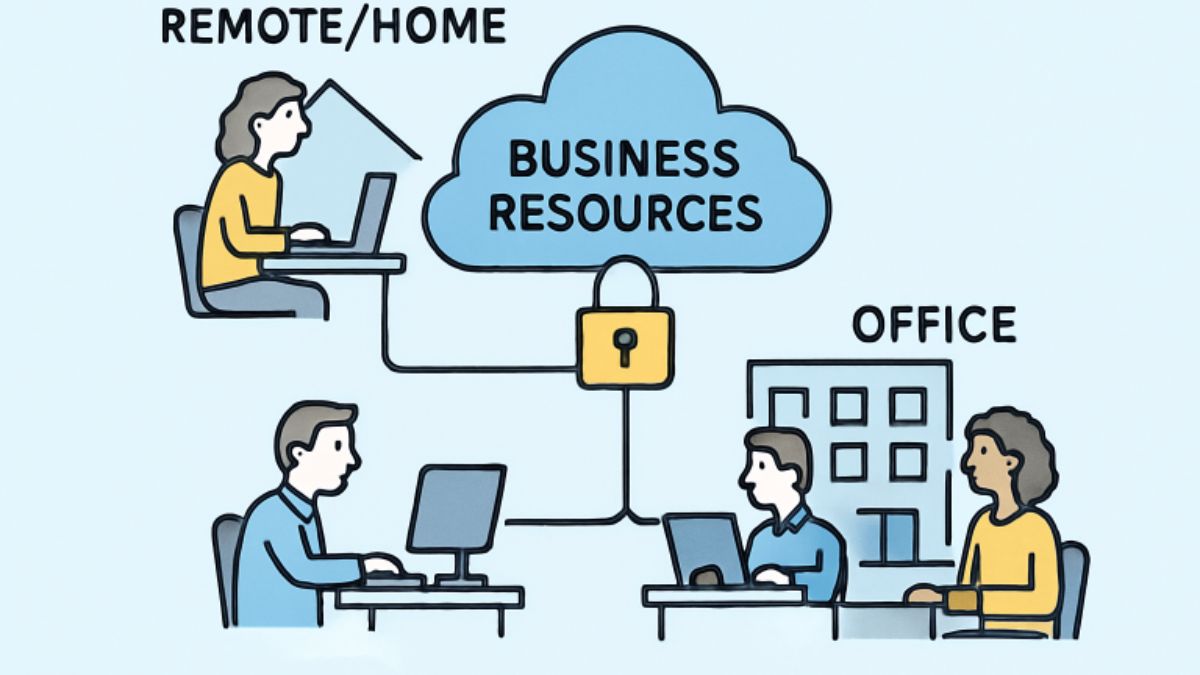
The evolution of hybrid work has completely redefined operational norms for businesses worldwide. Organizations across various industries are seeking a careful balance between flexibility and productivity, as employees now expect the freedom to work from more than just the office. The infrastructure supporting the hybrid workforce must therefore become more robust and adaptable than ever before, enabling seamless transitions between remote and in-office work. As the lines between traditional workspaces and home offices blur, companies face the dual challenge of integrating employees working across multiple locations while maintaining network reliability, performance, and—crucially—security. Understanding what is SASE? has become a pivotal step in safeguarding and optimizing modern business networks, ensuring both continuity and safety.
Establishing a network capable of withstanding new and emerging connectivity challenges requires the adoption of advanced technologies, but also demands a profound reimagining of security, user experience, and scalability principles. Businesses need to move beyond traditional methods and adopt dynamic strategies that adapt to the evolving needs of their workforce. By making smart investments in both technology and operational processes, organizations position themselves to remain competitive and resilient in a rapidly changing and digitized world. With these foundational shifts, enterprises can meet both present challenges and future demands efficiently.
Understanding the Hybrid Workforce
The hybrid workforce represents a blend of remote and on-site employees, creating dynamic and agile business operations. These modern work arrangements, driven by technological advances and shifting employee expectations, can foster improved work-life balance while also enhancing overall productivity. With staff members connecting from diverse settings—be it from their living rooms, coworking spaces, or the office—the conventional constraints of workplace geography are rapidly fading. However, this geographically dispersed configuration introduces new complexities regarding consistent connectivity, real-time communication, and secure access to critical business resources from any location.
For businesses, securing seamless collaboration and productivity requires crafting network environments explicitly designed to handle multiple modes of work. Systems must enable rapid access to both cloud-based assets and sensitive internal systems, all while upholding strict information security and compliance standards. Ensuring that every employee enjoys a reliable, secure, and intuitive digital experience is crucial for maximizing the benefits of a hybrid work model and retaining top talent in a competitive market.
Key Challenges in Hybrid Networking
As businesses embrace hybrid work, they encounter a unique set of obstacles in sustaining cohesive and efficient digital operations:
- Security Risks: The proliferation of devices and endpoints outside traditional workplace perimeters significantly increases the company’s vulnerability to cyber threats, including phishing, ransomware, malware, and unauthorized data access. Keeping every device and connection secure, regardless of location, is more challenging than ever.
- Connectivity Issues: Remote employees often rely on inconsistent and sometimes unreliable network qualities at home, in coffee shops, or public hubs, which can degrade both performance and user experience. Network outages or slow speeds can disrupt critical workflows, hampering productivity.
- Resource Management: Balancing workloads and allocating network bandwidth for business-critical applications requires ongoing oversight, particularly as usage fluctuates throughout a typical workday. IT teams must continuously manage resources to prevent bottlenecks and ensure mission-critical applications remain accessible.
Without proper planning and proactive measures, these challenges can lead to operational inefficiencies, employee frustration, and in the worst case, compromise of sensitive corporate data. Companies must adopt a holistic approach to overcome these hurdles, integrating technical and managerial solutions to safeguard both users and assets.
Implementing Advanced Network Technologies
Leading organizations are combating hybrid networking challenges by deploying next-generation technologies specifically designed to deliver the speed, scale, and flexibility required for today’s dynamic work environment:
- Wi-Fi 6E: This advanced wireless standard expands the available spectrum, reducing device congestion and supporting a new generation of high-bandwidth business applications. With lower latency and substantially increased capacity, Wi-Fi 6E enables uninterrupted collaboration and faster data transfers, especially as growing device counts strain older networks for more on the business benefits and adoption of Wi-Fi 6E.
- 5G Integration: The rollout of 5G networks grants businesses access to wireless connections with ultra-fast speeds and minimal lag. This breakthrough benefits not only mobile and field workers but also improves the experience in underserved office locations. As 5G continues to expand, enterprises gain the bandwidth and reliability previously only possible with wired connections.
Enhancing Security Measures
Security must remain at the forefront when transitioning to hybrid architectures. As network perimeters become increasingly porous, businesses require multi-layered, adaptive defenses to protect data and users, no matter where work is being done:
- Zero Trust Network Access (ZTNA): ZTNA reimagines traditional trust models by enforcing authentication and authorization for every user and device at every login attempt. By abandoning the notion of implicit trust within the network, ZTNA helps prevent attackers from moving laterally even if they breach one endpoint.
- Secure Access Service Edge (SASE): SASE unifies networking and security solutions in the cloud, enabling decentralized, policy-driven control and consistent protection across all devices. By centralizing policy management, SASE eliminates security silos and closes protection gaps, empowering businesses to manage large, distributed workforces securely.
With cyberattacks growing in both frequency and sophistication, leveraging solutions that continuously validate and authenticate every user and connection is more than a trend—it’s a necessity.
Prioritizing User Experience
The ultimate success of a hybrid workforce depends on employees being able to work efficiently, regardless of their location. Addressing the user experience not only keeps teams productive, but also encourages engagement and reduces turnover:
- Unified Communication Tools: Integrated platforms offer secure chat, video conferencing, document collaboration, and file sharing in a single interface. These tools remove friction from workflows, make teamwork intuitive, and help employees maintain strong interpersonal connections, even remotely.
- Performance Monitoring: The adoption of real-time monitoring tools enables IT teams to track network health, quickly identify performance issues, and proactively address bottlenecks. Well-monitored networks foster a smoother, higher-quality work experience by minimizing downtime and ensuring accessibility issues are resolved.
When businesses make seamless digital collaboration a cornerstone, they create environments where employees can focus on contributing their best, no matter their physical location.
Investing in Scalable Infrastructure
A future-ready network must be able to evolve in tandem with business growth, changing use cases, and shifting workforce dynamics. Building in this flexibility is crucial for reducing disruptions and establishing a strong foundation for continued success:
- Cloud-Based Services: Adopting cloud platforms enables organizations to rapidly scale application deployments and resource utilization, thereby lowering upfront capital expenditures and simplifying management. Cloud infrastructure offers powerful agility and supports global operations by making data and applications available from any location, at any time.
- Modular Hardware: Deploying modular, easily upgradable network hardware enables organizations to expand their digital infrastructure incrementally, allowing for seamless growth. Rather than overinvesting in capacity, businesses can align their spending with growth, maintaining performance without incurring unnecessary expenses.
Continuous Monitoring and Optimization
Building a resilient hybrid network demands more than simply installing the right equipment and tools at the outset. Ongoing monitoring, analysis, and intelligent automation help organizations stay aligned with fluctuating business demands, emerging threats, and evolving work patterns:
- Network Analytics: Leveraging analytics to analyze network traffic and monitor real-time user patterns enables organizations to identify bottlenecks, forecast future requirements, and take preemptive action to avoid service interruptions or performance dips.
- Automated Management: Intelligent automation technologies permit dynamic resource allocation, load balancing, and rapid response to changes in workforce activity. Automation substantially reduces manual intervention, speeds up incident responses, and ensures networks adapt in real-time.
This continuous feedback loop ensures the network remains not only functional but also highly optimized for the needs of both the business and its users.
Conclusion
Meeting the demands of a hybrid workforce requires strategic investments across technology, security, and user-centric processes. By adopting advanced solutions such as Wi-Fi 6E, 5G, and SASE, alongside rigorous monitoring and a scalable, modular infrastructure, companies can ensure their networks remain resilient, secure, and fully prepared for the demands of the modern era. These steps are fundamental to ensuring operational continuity and empowering organizations to thrive as the very nature of work continues to evolve.


Contracts hold a business together. They set expectations between partners, vendors, clients, and employees, and they give everyone a shared understanding of who owes what to whom. But contracts do not enforce themselves. When one side stops holding up their end, the result is often confusion, lost money, and a strained relationship that used to work just fine.
Business contract disputes happen more often than most owners expect, and they rarely show up at a convenient time. A vendor might deliver late or send the wrong product. A partner might interpret a profit-sharing clause differently than you do. A client might refuse to pay after work is finished. Whatever the cause, knowing how to respond can protect your company’s finances and its reputation. Getting ahead of a problem, sometimes with guidance on business contract disputes from someone who has handled similar cases, tends to produce better outcomes than waiting to see if things resolve on their own.
Why Contract Disputes Happen So Often
Most contract disputes trace back to unclear language or unmet expectations. A term that seemed obvious when the agreement was signed can look completely different once money is on the line. Payment terms, delivery deadlines, quality standards, and termination clauses are some of the most common trouble spots.
Growth can also create friction. A contract written for a small operation may not hold up once a company scales, adds new products, or brings on more partners. What worked at the start does not always work two years later, and disagreements can surface when one party wants to renegotiate and the other does not.
Personal relationships add another layer. Many business agreements are made between people who already know and trust each other, whether that is a founding partnership or a long-standing vendor relationship. That trust can make it harder to spot warning signs early, since neither side wants to assume the worst about someone they have worked with for years.
Common Types of Business Contract Disputes
Contract disputes tend to fall into a few recurring categories, and most business owners will run into at least one of them at some point. Payment disagreements are among the most frequent. One party believes they were shorted, overcharged, or paid on the wrong schedule. Performance disputes come up when one side claims the work, product, or service did not meet the agreed standard.
Termination disputes happen when a business ends an agreement early and the other party argues it was done improperly or without proper notice. Partnership disputes involve disagreements between co-owners over profit splits, decision-making authority, or the direction of the company. Each type requires a different approach, but they all share one thing in common: the stronger your documentation, the stronger your position when it comes time to sort things out.
Steps to Take When a Dispute Arises
When a contract disagreement comes up, a clear and steady process matters more than a quick reaction. Here is what to focus on:
- Reread the contract carefully. It is easy to rely on memory or assumptions about what an agreement says, but the actual language usually settles more questions than people expect. Pay close attention to clauses covering payment terms, deadlines, dispute resolution procedures, and termination rights.
- Gather every document connected to the agreement. This includes the signed contract itself, any amendments, email exchanges, invoices, delivery records, and notes from meetings or phone calls. A clear paper trail makes it much easier to show what was agreed to and what actually happened.
- Try direct communication before escalating. A short, professional conversation or written notice can sometimes resolve a misunderstanding that would otherwise turn into a drawn-out dispute. State the issue clearly, reference the relevant contract terms, and propose a reasonable next step.
- Consider mediation if direct talks stall. A neutral third party can help both sides reach an agreement without the time and expense of a lawsuit. Mediation also tends to preserve business relationships better than litigation, which matters when both parties may need to keep working together.
- Consult a business attorney when informal steps do not work. A lawyer can review the contract, explain your rights, and outline realistic options, whether that means formal negotiation, arbitration, or filing a lawsuit. According to the U.S. Small Business Administration, having a clear plan for handling legal and financial disputes is one of the basic steps that helps a small business stay resilient when problems arise.
Protecting Your Business Going Forward
Once a dispute is resolved, take time to review how it happened. Was the contract language too vague? Did one party misunderstand a key term? Should the agreement have included a clearer dispute resolution clause from the start? Learning from a dispute can help prevent a similar one down the road.
It also helps to build stronger habits into future contracts. Clear payment schedules, defined performance standards, and specific termination procedures reduce the odds of a disagreement turning into something bigger. Regular reviews of standing agreements, especially long-term vendor or partnership contracts, can catch outdated terms before they cause a problem.
Frequently Asked Questions
What is the most common cause of business contract disputes?
Unclear or ambiguous language is one of the leading causes. When a term can be read more than one way, both sides may genuinely believe they are right, which makes the disagreement harder to settle without outside help.
Can a contract dispute be resolved without going to court?
Yes, in many cases. Direct negotiation, mediation, and arbitration are all common alternatives to a lawsuit. Courts are usually a last resort after other options have been tried.
How long do I have to act on a contract dispute?
It depends on the type of contract and where your business operates, since deadlines for filing claims vary by state and by the nature of the agreement. Acting sooner rather than later helps preserve evidence and keeps your options open.
Do verbal agreements count in a contract dispute?
Some verbal agreements can be enforceable, but they are much harder to prove than written contracts. Written documentation is always the stronger position if a disagreement ends up in front of a mediator or a court.
When should I involve a lawyer in a contract dispute?
It is worth consulting a lawyer as soon as informal communication fails to resolve the issue, or immediately if the dispute involves a large sum of money, a long-term partnership, or a contract with complicated terms.
Final Thoughts
Contract disputes are a normal part of running a business, but how you handle them can make a real difference in the outcome. Reading the agreement closely, keeping thorough records, and trying direct communication before escalating are all practical first steps. When those efforts do not resolve the issue, professional guidance can help you understand your options and protect what you have built. A disagreement over a contract does not have to become a crisis if it is handled with the right information and the right support.

When parents cannot agree about custody, residence, or contact with their child, the dispute may eventually need to be resolved through the Swedish court system. A familjejurist stockholm can help a parent understand the legal process, prepare relevant documentation, and present their position in a structured way. Child custody disputes can be emotionally difficult, but the court’s primary concern is the child’s best interests rather than simply determining which parent is right.
Understanding Child Custody Disputes in Sweden
A custody dispute generally concerns who should have legal responsibility for a child. In Sweden, parents may have joint custody or one parent may have sole custody. A disagreement can also concern where the child should live or how contact with the other parent should take place. These issues are related but legally distinct, which is why obtaining appropriate legal advice can be important before taking formal action.
The court considers the circumstances of the individual child and family when assessing a custody matter. The objective is not to reward or punish either parent. Instead, the proceedings focus on finding an arrangement that protects the child’s interests and provides an appropriate framework for the child’s relationship with both parents where this is compatible with the child’s welfare.
What Happens Before a Custody Case Reaches Court?
Before a dispute proceeds fully through court, parents may have opportunities to resolve the matter through discussion, cooperation, or assistance from relevant authorities. Reaching an agreement can sometimes reduce the stress and uncertainty associated with litigation. However, negotiations are not always successful, particularly where parents have fundamentally different views about custody, residence, or contact.
If an agreement cannot be reached, a parent may need to seek legal assistance and take the appropriate procedural steps. A lawyer can assess the circumstances, explain the available options, and help ensure that important information is presented clearly. Early legal advice can also help a parent understand what evidence may be relevant and how to approach communication during an ongoing dispute.
How Family Court Proceedings Work
Once a custody matter is brought before the court, the proceedings can involve several stages. The court may initially consider the parents’ positions and determine what additional information is necessary before making a decision. Depending on the circumstances, information from social services or other relevant sources may form part of the court’s assessment.
Both parents generally have the opportunity to explain their circumstances and respond to the other parent’s claims. family court lawyers can assist with preparing submissions, organising relevant evidence, communicating with the court, and representing a parent’s legal interests during the proceedings.
The length and complexity of a custody case can vary considerably. Some matters may be resolved relatively quickly if the parents reach an agreement, while more contested cases can require additional hearings and investigation.
What Does the Court Consider in a Custody Dispute?
The child’s best interests are central to the court’s assessment. The court may consider the child’s individual circumstances, needs, relationship with each parent, and the parents’ ability to provide appropriate care. The circumstances surrounding the dispute are also important, particularly where there are concerns affecting the child’s safety or wellbeing.
The court may also consider the child’s own views, taking the child’s age and maturity into account. This does not mean that a child simply chooses which parent they want to live with. Instead, the child’s perspective can form part of the overall assessment made by the court.
Parents should therefore focus on factual and relevant information rather than making unsupported accusations against one another. A clear presentation of the circumstances can help the court understand what arrangement may best serve the child.
The Importance of Evidence in Child Custody Proceedings
Evidence can play an important role when parents disagree about custody or contact. Relevant documentation may help establish the practical circumstances surrounding the child, communication between parents, previous agreements, or other matters connected to the dispute.
It is important to distinguish between relevant evidence and information that is primarily driven by the conflict between the parents. A custody proceeding should remain focused on issues that may affect the child’s circumstances. Excessive accusations, emotional messages, or irrelevant material may make an already complicated dispute more difficult to manage.
A child custody lawyer can help a parent identify which information may be legally relevant and explain how it should be presented during the proceedings.
Can Parents Resolve the Dispute During Court Proceedings?
Going to court does not necessarily mean that parents must continue fighting until a final judgment is issued. Parents may still be able to reach an agreement during the proceedings. Depending on the circumstances, an agreement can provide a more flexible solution and may reduce the uncertainty associated with a contested court decision.
However, any proposed arrangement should be carefully considered from the child’s perspective. Parents should understand the practical and legal consequences of an agreement before accepting it. Professional legal advice can be valuable when reviewing proposed custody, residence, or contact arrangements.
What If a Parent Disagrees With the Court’s Decision?
A parent who is dissatisfied with a court decision may have legal options depending on the circumstances and applicable procedural rules. Strict deadlines can apply to legal steps, so it is important to obtain advice promptly after receiving a judgment if a parent is considering challenging the decision.
A lawyer can review the judgment, explain the relevant options, and assess whether there are grounds for further legal action. Acting quickly can be particularly important because missing a procedural deadline may affect the ability to pursue an available remedy.
Why Legal Advice Matters in Custody Disputes
Child custody proceedings involve both legal and highly personal issues. A parent may be focused on what they believe is best for their child, while the court must assess the matter according to the applicable legal framework and available evidence. Professional representation can help separate emotional conflict from the legal issues that need to be addressed.
Advantage Law Firm provides legal services for private individuals in Sweden, including family-law matters. The firm’s approach focuses on practical legal advice, clear communication, and representation tailored to the client’s circumstances.
Getting Legal Support for a Child Custody Dispute
If you are involved in a custody dispute, obtaining legal advice at an early stage can help you understand the process and make informed decisions. Advantage Law Firm provides professional legal guidance for individuals dealing with family-law matters in Stockholm and throughout Sweden. For broader information about the firm’s legal services and approach, visit juristfirma stockholm.
The right legal strategy depends on the circumstances of each family. Whether the dispute concerns custody, the child’s residence, contact arrangements, or related parental issues, understanding the legal process can help you approach the proceedings with greater clarity. Early preparation, relevant evidence, and focused legal representation can all contribute to a more structured approach to a difficult family-law dispute.

Economic changes do not always begin with a dramatic headline or a government report. Small business owners often see them much earlier through everyday things like customer orders, supplier prices and unpaid invoices.
1. Customers Start Thinking Longer Before Spending
One of the easiest changes to spot is hesitation.
A customer who once agreed to a $2,000 project after one conversation may suddenly ask for three different quotes. A family that regularly ordered takeout twice a week might cut back to once. Shoppers may still enter a store, but more of them leave without buying anything.
Business owners can sometimes see this change before official consumer spending figures tell the same story.
It can also appear in unexpected places. People may start searching for an eth prediction, checking stock prices more often or paying closer attention to interest rates because they are becoming less comfortable about their finances. The important point for a business owner is not what particular asset people are watching. It is the change in behavior.
Customers become more careful when they feel less certain about the next six months.
2. Suppliers Quietly Change Their Terms
A supplier does not need to announce that the economy is changing. Sometimes a new invoice says enough.
Perhaps a box of materials that cost $80 now costs $86. Delivery that used to be included suddenly costs another $15. A wholesaler may reduce its discount for larger orders or require payment within 15 days instead of 30.
None of these changes seems enormous on its own.
The problem is that several can happen at once. A restaurant could pay more for food, cleaning products and delivery in the same month. A construction company might face higher prices for lumber, equipment and transportation.
Small businesses usually have less room to absorb these increases than large companies. Owners therefore become very sensitive to changes in their supply chain.
A few dollars added to an order can eventually become thousands of dollars in extra annual expenses.
3. Customers Take Longer to Pay
For businesses that send invoices, payment speed can reveal a lot.
Imagine that most clients normally pay within 20 days. Then payments begin arriving after 30 or 40 days. Some customers ask whether they can split an invoice into two payments. Others suddenly need reminders.
The business may still look healthy on paper. Sales could even be growing. But the owner starts feeling pressure because the money is arriving later while rent, salaries and other bills are still due on schedule.
This is why cash flow can tell a different story from revenue.
Late payments do not necessarily mean that customers are in serious financial trouble. They may simply be managing their cash more carefully. However, when many customers begin doing it around the same time, the pattern becomes harder to ignore.
4. Hiring Becomes Easier or Harder
The job market reaches small businesses in a very practical way: how difficult is it to find someone?
During a strong hiring market, a local company might advertise a position and receive only a handful of applications. Candidates may ask for higher salaries, flexible schedules or additional benefits because they have several opportunities available.
A few months later, the same advertisement could attract dozens of applicants.
That does not automatically mean the economy is doing badly. Large companies may have slowed hiring, a major local employer may have cut jobs or workers may simply be less willing to change positions.
Whatever the reason, small business owners notice the difference quickly because they are directly involved in hiring.
The opposite can happen too. If qualified workers suddenly become difficult to find, employers may have to increase wages or offer better conditions. Labor costs can then rise even when sales have not changed.
5. Customers Begin Choosing the Cheaper Option
Sometimes customers keep buying but change what they buy.
A coffee shop might sell fewer premium drinks and more basic coffees. At a clothing store, customers may move toward discounted items. A home improvement company could receive more requests for repairs and fewer requests for complete renovations.
This type of shift can be easy to miss because total customer numbers may look normal.
The difference appears in the average purchase.
Suppose a store serves roughly 100 customers a day. If the average customer used to spend $45 and now spends $38, traffic has not changed, but daily revenue has fallen by $700.
Owners who know their regular customers may notice the shift without looking at a spreadsheet. People ask about discounts more often. They compare alternatives. They postpone optional upgrades.
These small decisions can add up quickly.
Small Businesses See the Economy Up Close
Economic statistics are useful because they show what is happening across millions of households and companies. Small business owners see something different: individual decisions happening in real time.
They hear the customer asking whether there is a cheaper version. They open the supplier email announcing a price increase. They notice that an invoice is two weeks late or that a job opening suddenly attracts far more applicants.
One event means very little by itself. A slow week can simply be a slow week.
But when several of these changes start appearing together, they can provide an early picture of how people and businesses are adjusting. Long before the economy becomes a national conversation, those changes may already be visible at the cash register, in the inbox and on the balance sheet.
-

 NEWS1 year ago
Historical Churches in Manila
-

 TOPIC2 months ago
Unveiling AvTub: Your Ultimate Guide to the Best AV Content
-

 TOPIC1 year ago
Symbols of Hope: The 15th Belenismo sa Tarlac
-

 TOPIC1 year ago
RIZAL at 160: a Filipino Feat in Britain
-

 TOPIC1 year ago
“The Journey Beyond Fashion” – Ditta Sandico
-

 TOPIC1 month ago
Understanding Fascisterne: Origins and Ideological Roots
-

 TOPIC1 year ago
Simbang Gabi and Kakanin
-

 NEWS4 months ago
What Caused Delta Flight DL275 to Diverted LAX? A Detailed Breakdown