
HEALTH
FRABOC Explained: What Family History Means for Your Breast Cancer Risk

If you’ve ever searched for FRABOC, you’ve probably landed here because you’re trying to understand your own family history and what it might mean for your breast cancer risk. It’s a fair question, and a common one. Many Australian women have a mother, sister, or aunt who’s had breast or ovarian cancer, and that naturally raises concerns.
FRABOC, more formally known as FRA-BOC (Familial Risk Assessment – Breast and Ovarian Cancer), was an Australian online tool developed by Cancer Australia. It helped doctors, nurses, and other health professionals assess a person’s likelihood of developing breast or ovarian cancer based mainly on their family history. It wasn’t a diagnostic test, and it wasn’t something you’d use to check yourself for cancer. Instead, it was a structured way to spot patterns in a family’s medical history and figure out whether someone needed further specialist attention.
This guide breaks down what FRABOC was, how it worked, why it still shows up in search results even though it’s no longer active, and what Australian women should use today instead.
What Was FRABOC and Why Did It Matter?
FRABOC stood for Familial Risk Assessment – Breast and Ovarian Cancer. Cancer Australia built it as a free, evidence-based online tool aimed at general practitioners and practice nurses.
Its core purpose was straightforward. A health professional would enter details about a woman’s relatives who’d had breast or ovarian cancer, including how closely related they were and at what age they were diagnosed. The tool would then calculate a risk category and suggest next steps.
FRA-BOC placed people into one of three groups:
- Category 1 – Risk at or near the average population level
- Category 2 – Moderately increased risk, often warranting closer monitoring
- Category 3 – Potentially high risk, usually leading to a referral for genetic counselling or a family cancer clinic
This mattered because breast cancer is common in Australia. Roughly 1 in 8 Australian women will develop breast cancer before age 85. Many of them have no family history at all, since the disease is widespread enough to appear “by chance” in most cases. Understanding whether a family pattern reflects genuine inherited risk, or just coincidence, is exactly the gap FRABOC was designed to fill.
How the Assessment Process Worked
Using FRA-BOC typically involved a short consultation. A GP or nurse would ask about:
- Which relatives had breast or ovarian cancer
- Whether those relatives were on the maternal or paternal side
- The age at diagnosis for each affected relative
- Any additional cancers in the family, such as ovarian cancer alongside breast cancer
The tool would process this information and generate a risk category almost instantly, giving both the patient and the clinician a clear starting point for further conversation.
Is FRABOC Still Available Today?
No. This is one of the most common points of confusion, since older webpages, PDFs, and even some clinic handouts still reference it. Cancer Australia has confirmed that the original FRA-BOC tool is no longer hosted on its website. BreastScreen Queensland and other health bodies note it has been formally replaced.
The tool that has taken its place is called iPrevent. It offers a more detailed and updated risk assessment, factoring in lifestyle elements alongside family history, and it’s the tool currently recommended by NSW Health and other state health services.
If you find an old link pointing to FRA-BOC, treat it as outdated. It’s a useful piece of history in how Australia approached hereditary cancer risk, but it’s no longer the active clinical pathway.
Family History and Breast Cancer Risk: What the Numbers Say
Understanding your risk starts with understanding how genetics actually factor into breast cancer diagnoses. It’s easy to assume that any family history automatically means high risk, but that’s not accurate.
Here’s a quick breakdown of how inherited risk fits into the bigger picture:
| Risk Factor | Approximate Statistic |
|---|---|
| Lifetime risk for an average Australian woman | 1 in 8 (before age 85) |
| Breast cancers linked to an inherited gene fault | 5–10% of cases |
| Breast cancers occurring without a known genetic cause | More than 90% of cases |
| Average age of breast cancer diagnosis | Early 60s |
This table highlights something important: having a relative with breast cancer doesn’t automatically mean you’re at high risk. What matters more is the pattern — how many relatives were affected, how closely related they are to you, and how young they were when diagnosed.
Red Flags That Suggest a Stronger Genetic Link
Health professionals typically look for specific patterns rather than a single cancer diagnosis in the family. These include:
- Multiple close relatives (mother, sister, daughter) with breast or ovarian cancer
- A relative diagnosed before age 50
- Breast cancer in a male relative
- Both breast and ovarian cancer appearing in the same family line
- A known BRCA1 or BRCA2 gene fault in the family
If two or more of these apply to your family, it’s worth raising with your GP, even if a formal risk tool like FRABOC is no longer in use.
FRABOC vs Modern Risk Assessment Tools
Since FRA-BOC was retired, several other models have taken a bigger role in Australian familial cancer clinics. Each has strengths depending on the complexity of the family history involved.
| Tool | Best Suited For | Current Status in Australia |
|---|---|---|
| FRA-BOC | Simple GP-level family history screening | Retired, no longer available |
| iPrevent | General risk assessment including lifestyle factors | Actively recommended |
| BOADICEA | Complex family histories, genetic counselling clinics | Actively used |
| IBIS (Tyrer-Cuzick) | Detailed personal and family risk modelling | Actively used |
| BRCAPRO / BCRAT | Specialist genetic risk calculations | Used in specific clinical settings |
Research comparing these models found that BOADICEA and IBIS tend to offer the most accurate risk predictions for middle-aged Australian women, particularly those with a known family history. That’s part of why they’re now favoured in specialist settings, while iPrevent handles the broader, general-practice level assessments that FRABOC used to cover.
Pros and Cons of Family History-Based Risk Tools
Like any screening approach, family history-based assessment has real strengths and real limitations.
Pros:
- Quick and non-invasive, often taking just 20–30 minutes
- Doesn’t require a blood test or genetic sample
- Helps identify who should be referred for genetic counselling
- Free and accessible through GP clinics
- Encourages earlier, more informed conversations about screening
Cons:
- It estimates risk; it doesn’t confirm or rule out cancer
- Accuracy depends on how complete and accurate the family history information is
- It can’t detect genetic mutations directly, only suggest the likelihood of one
- Some tools weigh maternal and paternal history differently, which can confuse patients
- Anxiety can build while waiting for a specialist referral or further testing
Common Mistakes Women Make When Assessing Their Risk
- Assuming any family history means high risk. Most cases occur without any inherited link at all.
- Only counting maternal relatives. Paternal-side history matters just as much for hereditary breast and ovarian cancer.
- Skipping details about age at diagnosis. A relative diagnosed at 40 carries very different weight than one diagnosed at 70.
- Relying on outdated FRA-BOC links or PDFs. These no longer reflect current clinical practice.
- Avoiding the conversation with a GP altogether. Many women delay this out of fear, but early clarity usually reduces anxiety rather than increasing it.
Best Practices for Understanding Your Breast Cancer Risk
If you’re concerned about your family history, here’s a sensible way to approach it:
- Gather details first. Write down which relatives were affected, their relationship to you, and their age at diagnosis.
- Book a GP appointment specifically for this discussion. Mention it when booking so enough time is allocated.
- Ask about iPrevent. This is the current standard tool your GP can use in place of FRABOC.
- Request a referral if needed. If your risk category comes back moderate or high, ask about a family cancer clinic.
- Stay on a regular screening schedule. Whether your risk is average or elevated, routine screening remains one of the most effective tools available.
- Revisit your assessment periodically. Family history can change over time as new diagnoses occur in relatives.
Conclusion
FRABOC played an important role in how Australian health professionals approached familial breast and ovarian cancer risk for years, giving GPs a structured, evidence-based way to guide patients toward the right next step. While the original tool is no longer active, its purpose lives on through updated systems like iPrevent, BOADICEA, and IBIS.
The most important takeaway isn’t the name of the tool. It’s the underlying message: family history matters, but it’s just one piece of the puzzle. Most breast cancers occur without any inherited link, and having a relative with the disease doesn’t automatically place you in a high-risk category. If you’re unsure where you stand, a conversation with your GP is the clearest way forward. They can walk you through a current risk assessment and help you understand exactly what your family history means for your own health.
Frequently Asked Questions
1. What does FRABOC stand for?
FRABOC stands for Familial Risk Assessment – Breast and Ovarian Cancer, an online tool once used by Australian health professionals to assess breast and ovarian cancer risk based on family history.
2. Is FRABOC still used in Australia?
No. Cancer Australia has retired the original FRA-BOC tool, and it has been replaced by iPrevent for general risk assessment.
3. Can I use FRABOC myself without a doctor?
FRABOC was designed for use by health professionals like GPs and nurses, not as a self-assessment tool for the public. The current replacement tools follow a similar approach.
4. Does having a family history of breast cancer mean I’ll get cancer too?
No. More than 90% of breast cancer cases occur without any known inherited genetic cause, so family history raises risk but doesn’t guarantee a diagnosis.
5. What should I do if I’m worried about my family history of breast cancer?
Book an appointment with your GP, bring details about affected relatives and their age at diagnosis, and ask about a current risk assessment tool like iPrevent.
HEALTH
Innovative Trends in Dental Implants in Rockville, MD: Shaping the Future of Tooth Replacement


Rockville, MD, has seen a surge in advanced dental care, especially in dental implants. As a hub for state-of-the-art dental practices, the community benefits from ongoing innovations that enhance both the patient experience and clinical outcomes. Tooth replacement is no longer a procedure characterized by uncertainty or discomfort. Thanks to the latest technology and materials available in dental implants Rockville, MD, residents are enjoying solutions that are durable, comfortable, and natural-looking.
In Rockville, the intersection of technology and medicine is making patient care more efficient and successful. As clinicians adopt digital workflows, 3D imaging, and improved biocompatible materials, individuals with missing teeth have more reasons than ever to smile. These regional advancements in dental implantology set a local standard that aligns with global trends, ensuring Rockville’s residents receive care at the forefront of modern dentistry.
Embracing these innovative solutions, practitioners in Rockville focus not only on functionality but also on aesthetics and patients’ overall well-being. Enhanced procedures mean less time in the chair and quicker, smoother recoveries, allowing patients to get back to enjoying community life with renewed confidence. For those considering options for missing teeth, the latest breakthroughs in dental implants throughout the Rockville area offer compelling reasons to explore treatment.
The use of breakthroughs like digital dentistry and regenerative materials does more than improve outcomes; it strengthens trust between dental providers and the Rockville community, fostering a supportive environment for oral health and wellness. Local patients benefit significantly from being at the center of these advancements.
Digital Dentistry and 3D Imaging in Rockville, MD
In Rockville’s progressive dental clinics, digital dentistry has changed the landscape of dental implant procedures. Tools such as 3D imaging and computer-aided design/computer-aided manufacturing (CAD/CAM) are now standard. These systems allow for highly accurate mapping of oral anatomy, which is vital for precise implant placement and the creation of truly customized restorations.
How 3D Imaging Benefits Patients
- Detailed Visualization: 3D scans provide clinicians with clear images of bone density and crucial structures, supporting data-driven treatment strategies.
- Risk Reduction: By offering a roadmap of nerves and sinuses, 3D tools help minimize surgical complications and deliver safer procedures.
- Clear Communications: Enhanced visuals help bridge the gap between technical data and patient understanding, fostering informed consent and peace of mind.
Digital platforms also allow seamless collaboration between specialists. For residents of Rockville and surrounding areas, this means faster turnarounds and fewer appointments, since much of the planning can be accomplished before the patient ever sits in the chair.
Innovations in Implant Materials and Design
Material advancements have provided a crucial edge in the long-term viability and comfort of dental implants in Rockville, MD. The move from traditional titanium to advanced ceramics and newly engineered alloys has improved both biocompatibility and aesthetics.
Emergence Angles and Profiles
Modern dental implants are being tailored not just to fit the bone but also to enhance gum tissue health. Clinical studies have shown that an emergence angle under 30 degrees, paired with a concave emergence profile, significantly supports peri-implant tissue stability. For patients, this means less risk of bone loss and healthier, more attractive results that look and feel like natural teeth.
The Rise of Bioabsorbable Implant Materials
Research into bioabsorbable materials, such as magnesium-based alloys, is already making waves locally. These materials gradually dissolve as the bone heals, which helps avoid potential issues caused by permanent metal components. For Rockville patients, this means fewer follow-up surgeries and shorter recovery times, which are huge advantages in an active community where time and health are both valued.
Regenerative Approaches Transforming Dental Implants in Rockville
Rockville’s dental specialists lead in regenerative methods that help the body regrow bone and tissue for better implant stability. Advances in bone tissue engineering now use biomaterials and growth factors to treat severe bone loss, expanding implant options for more patients. Innovations in sinus lift procedures, aided by better imaging and planning, improve safety and predictability, providing the necessary bone foundation for durable implants. These techniques reduce complications and are tailored to Rockville patients.
Conclusion
With its vibrant mix of innovation and expertise, Rockville, MD, remains at the forefront of dental implantology. The adoption of digital dentistry, cutting-edge materials, and regenerative medicine is providing residents with highly effective, minimally invasive tooth replacement solutions. As the field continues to advance, those in Rockville and surrounding communities can expect a future in which dental implants deliver even greater comfort, longevity, and beauty, helping everyone enjoy lasting oral health and brighter smiles.

Ever had sore joints and muscles after a good bout of exercise? Is physical strain causing your joints to be in pain regularly recently? Feeling the occasional joint ache after a busy day is quite normal, and it also settles down with some rest. However, if the pain keeps recurring more and more every time, don’t be too quick to dismiss it as ageing. If your joint pain is persistent, it could be a sign that the problem with your joint health runs a little deeper.
One of the most common joint concerns is Arthritis, a broad term used to describe conditions affecting the joints. Among the many types of arthritis, osteoarthritis and rheumatoid arthritis are the most common. However, each condition is different, with different arthritis symptoms, treatment, and management. Recognising the early signs of arthritis can help you seek medical advice sooner and take steps to protect your joint health.
Common Arthritis Warning Signs
We all have days when we feel our sore joints and muscles are too much to bear. Those are the days that make you wonder whether your joint ache is a sign of exhaustion, or ageing, or if you’re developing a chronic condition like arthritis. So, how to know if joint pain is arthritis? There’s no certain way to tell, other than getting a proper diagnosis from your family GP clinic in Canberra or any other local doctor nearby. However, you can watch out for some common arthritis warning signs including:
- Persistent joint pain that lasts for more than a couple of weeks
- Recurring joint ache
- Feeling stiffness in the joints, especially after waking up or sitting for long periods
- Swelling, warmth, or tenderness around a joint
- Reduced flexibility or difficulty moving the joint
- Aching knees, hips, hands, or shoulders that affect everyday activities
- Sore joints and muscles that don’t improve with rest
Having these symptoms doesn’t always mean you have arthritis, but if they continue or worsen, you shouldn’t ignore them.
Why Early Assessment Matters
It’s easy to dismiss joint ache as a normal and insignificant issue. However, ignoring these warning signs can make your condition escalate and make treatment and management that much harder. So, when you notice the early signs of arthritis, it’s best to ask your GP or family doctor for help to identify the underlying cause of your symptoms. Depending on the type of arthritis, early diagnosis can help you get better symptom management, maintain mobility, and reduce the impact on your daily life.
A GP can discuss your symptoms, examine the affected joints, and recommend appropriate tests if needed. They can also guide you regarding treatment options, lifestyle changes, or refer you to other specialist doctors if necessary.
Looking After Your Joints
Whether you’re experiencing joint pain, aching knees, or a recurring joint ache, healthy habits can support your joints and overall wellbeing. Here are some simple habits that can keep your joints healthy for a long time:
- Stay physically active with low-impact exercises like swimming, cycling, brisk walking, etc.
- Maintain a healthy weight to avoid putting pressure on your joints.
- Avoid staying in one position (sitting, bending, etc.) for too long.
- Eat a balanced anti-inflammatory diet rich in omega-3s and vitamin C.
- Avoid smoking.
- Avoid straining by using your largest, strongest joints.
- Stay hydrated.
Don’t Ignore Persistent Joint Pain
Many people assume that joint pain is an unavoidable part of ageing, but that’s not always the case. If you’ve noticed arthritis symptoms, recurring sore joints and muscles, or you’re wondering how to know if joint pain is arthritis, it’s worth speaking with a GP. Talk to your local GP or visit GP Northbourne and discuss your symptoms and concerns freely. Early assessment can provide clarity, appropriate care, and practical strategies to help you stay active and independent.
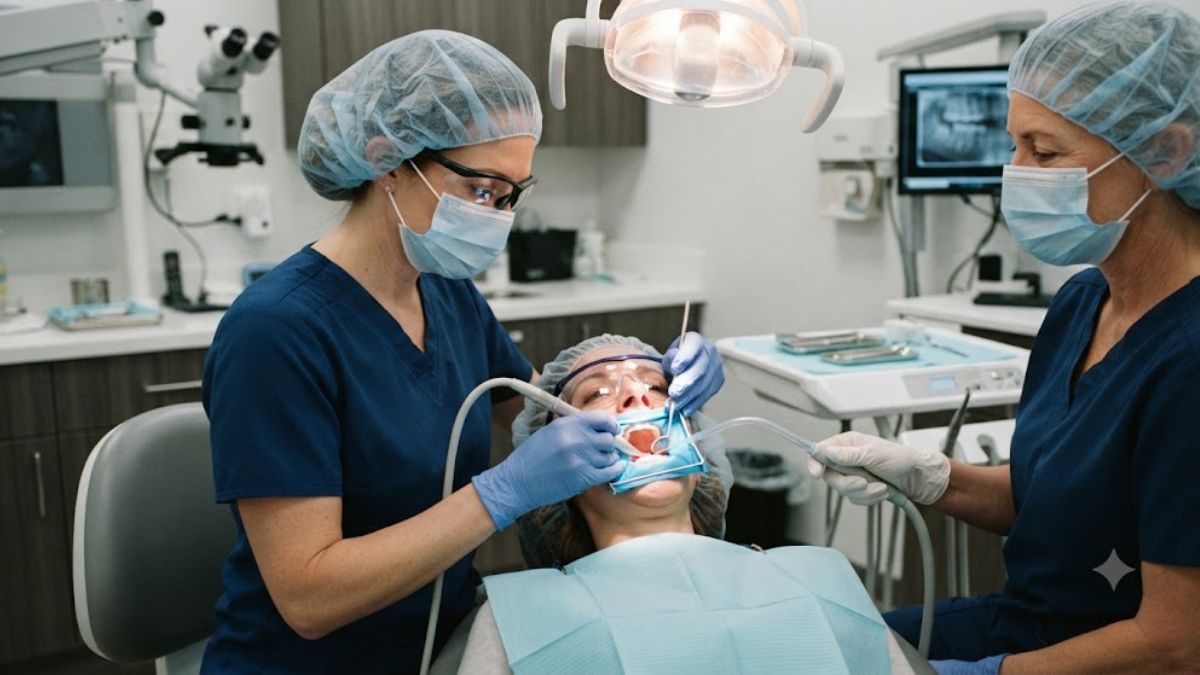
How do you know there’s something wrong with your tooth? Surely, it would be painful or cause discomfort you can feel, right? It is a common assumption many people make. If there’s no pain, everything must be fine. After all, pain is usually the body’s way of telling us that something needs attention. But teeth don’t always work that way. For teeth, pain is not the only indicator that there’s something wrong. Sometimes, you may have internal damage or deep decay in the tooth or an infection that doesn’t cause obvious discomfort. So, you might have a decaying tooth without noticing any obvious symptoms until the damage has progressed significantly. By that time, the problem is so far gone that you need treatment. Understanding how this happens can help explain why a dentist may sometimes recommend root canal treatment even when a tooth is not painful.
Why Some Tooth Problems Don’t Always Cause Pain
So we established that not all tooth problems cause pain. But that brings us to our second question: why? To understand why a tooth can have problems without hurting, we should first understand how teeth work and what happens inside the tooth. Now, we know the hard outer layers of the tooth are called enamel and dentin. But beneath these outer layers is the soft inner tissue called the dental pulp. This tissue contains nerves, blood vessels, and connective tissue. When it becomes irritated or infected because of decay, cracks, or any injury, it can trigger pain and sensitivity. However, how much pain you feel depends on several factors, like the depth of the decay, its severity, and how the nerve inside the tooth will respond to it.
Sometimes, dental issues don’t become noticeable quickly. When tooth decay first develops, it may not cause noticeable symptoms. As it progresses deeper into the tooth, the damage can eventually affect the pulp and lead to infection. In other cases, the infection happens deep within the tooth where changes are not immediately obvious. So, even if there’s no pain, it does not always mean a tooth is completely healthy.
When Tooth Pain Suddenly Disappears
Have you ever had tooth pain that stops suddenly, making you think that your tooth’s fine now? If a painful tooth stops hurting, it’s natural to assume the problem must have resolved on its own. You might think it was just a minor issue that settled itself. But when it comes to toothache, sudden disappearances do not always mean the underlying issue has gone away. Sometimes, severe damage can affect the nerve inside the tooth. When this happens, the nerve may stop functioning properly and no longer send strong pain signals. So, you might feel better, but the bacteria and infection in the tooth can continue progressing, affecting the surrounding area, which may eventually require root canal treatment to save the tooth. This is one reason why ongoing or recurring tooth problems should not be ignored, even if symptoms seem to improve temporarily.
How Deep Tooth Problems Develop Silently
Dental problems often develop gradually rather than overnight. A small cavity may begin on the surface of the tooth and slowly move deeper. Over time, decay can pass through the protective outer layers and reach the pulp. Cracks, old dental injuries, and large ageing fillings can also allow bacteria to enter deeper areas of the tooth.
The challenging part is that these changes can happen beneath the surface. A tooth may appear normal from the outside while damage is developing inside. This is why some people are surprised when they discover a tooth needs more than a simple filling, even though they were not experiencing severe pain. This is one reason regular dental check-ups are so important. These checkups give your dentists the time to detect problems that are not yet causing noticeable symptoms.
Signs a Tooth May Need Attention Even Without Pain
Although some tooth problems are silent, there are often subtle signs that something may not be right. You may not feel pain or even much discomfort, but if there’s something wrong with your tooth, you’ll notice some signs like a tooth becoming darker than surrounding teeth, swelling or tenderness around the gums, or a small bump on the gum. If you feel an unpleasant taste or have persistent bad breath, it can also mean something is wrong with the teeth. Sometimes, you may feel sensitivity in the tooth, discomfort when biting, a visible crack, or a deep cavity, signalling underlying dental issues. These symptoms do not automatically mean root canal treatment is required. However, they may suggest that the tooth needs to be checked to understand what is happening beneath the surface.
Listen to Your Teeth, Even When They’re Quiet
Pain may be a sign, but it is not the only indication of dental problems. A tooth can sometimes have deeper issues even when it feels completely fine. Addressing these signs early can often help prevent the problem from progressing and may reduce the need for more extensive treatment, like a root canal, later. Understanding the quieter signs of dental problems can help you make informed decisions about your oral health.
When it comes to your teeth, what you cannot feel can sometimes be just as important as what you can. So, if you notice any sign of an underlying dental issue, like swelling, tenderness, teeth getting darker, persistent bad breath, etc., don’t delay getting a checkup. A regular checkup at your family dental clinic or a local clinic like Dentist at Dickson in Canberra can help you identify dental issues early on and get the right treatment to ensure your smile stays bright and healthy.
-

 NEWS12 months ago
Historical Churches in Manila
-

 TOPIC12 months ago
Symbols of Hope: The 15th Belenismo sa Tarlac
-

 TOPIC12 months ago
RIZAL at 160: a Filipino Feat in Britain
-

 TOPIC12 months ago
“The Journey Beyond Fashion” – Ditta Sandico
-

 TOPIC1 week ago
Unveiling AvTub: Your Ultimate Guide to the Best AV Content
-

 TOPIC12 months ago
5 Must-Have Products From Adarna House to Nurture Your Roots
-

 TOPIC12 months ago
Filipino, alternative language course at Moscow State University
-

 TOPIC12 months ago
“Recuerdos de Filipinas – Felix Laureano”