
TOPIC
Essential Trailer Features for Arkansas Road Trips


A road trip across Arkansas can involve highways, rural roads, scenic routes, camping areas, and destinations that require carrying more equipment than a vehicle can comfortably hold. The right trailer can make these trips easier by providing additional cargo capacity while keeping passengers and towing vehicles more organized. When comparing trailers for sale jonesboro ar, consider the trailer’s size, weight rating, construction, braking system, storage options, and loading equipment. Silver Moon Trailers in Jonesboro offers several categories, including cargo, utility, equipment, car hauler, dump, flatbed, and gooseneck trailers.
Choose the Right Trailer Type
The best trailer for an Arkansas road trip depends on what you plan to transport. An enclosed cargo trailer can protect luggage, camping equipment, tools, and recreational gear from weather and road debris. A utility trailer may be better when you need quick access to bulky outdoor equipment.
Car haulers are useful when transporting another vehicle, while equipment trailers can accommodate larger machinery. Choosing the correct category before shopping can help prevent paying for features you will rarely use.
Check GVWR and Payload Capacity
Weight ratings are among the most important specifications to understand before towing. Gross Vehicle Weight Rating, or GVWR, represents the maximum permitted loaded weight of the trailer, while payload capacity indicates how much cargo it can carry.
Silver Moon’s current inventory includes trailers with GVWR ratings ranging from roughly 2,990 pounds to more than 25,000 pounds, depending on the trailer type and configuration.
Your tow vehicle must be capable of safely handling the trailer’s loaded weight. Consider the trailer’s empty weight, passengers, cargo, hitch equipment, and any additional items when calculating your total towing requirements.
Consider Trailer Size and Dimensions
Trailer length, width, and height should match both your cargo requirements and your tow vehicle. A trailer that is too small can make packing difficult, while an unnecessarily large trailer can make maneuvering and parking more challenging.
Think about the equipment you normally take on road trips. Camping supplies, bicycles, coolers, motorcycles, kayaks, and other recreational equipment may require different amounts of space.
An enclosed trailer can also have interior-height considerations. For example, a current Cynergy Cargo trailer listed by Silver Moon measures 12 feet long, 6 feet wide, and 7 feet high.
Look for Reliable Braking Systems
A trailer’s braking system is particularly important when carrying substantial loads. Electric brakes can provide the towing vehicle with additional braking assistance and are available on many larger trailer configurations.
A current enclosed cargo trailer in Silver Moon’s inventory, for example, includes electric brakes, a breakaway switch, and DOT-approved lighting.
When comparing trailers, verify the braking equipment and make sure the towing vehicle’s brake controller and electrical connection are compatible.
Prioritize Secure Tie-Down Points
Keeping cargo secure is essential during long drives. Look for properly positioned D-rings, tie-down points, rails, or other systems that allow equipment to be restrained effectively.
This becomes especially important when transporting motorcycles, ATVs, tools, landscaping equipment, or other heavy items. A trailer should provide enough attachment points for the type of cargo you regularly carry rather than forcing you to improvise.
Consider Ramps and Loading Access
Loading heavy equipment can be much easier when a trailer includes an appropriate ramp system. Depending on the trailer type, you may find rear ramp doors, fold-down ramps, or other loading solutions.
Enclosed cargo trailers can be particularly convenient when they combine a rear ramp door with a side door. A current Cynergy Cargo trailer listed by Silver Moon includes both features, along with D-rings and a manual jack.
Before buying, consider the height and weight of the equipment you plan to load and whether the ramp configuration provides enough clearance.
Pay Attention to Suspension and Axles
The axle and suspension configuration affects how a trailer carries its load and responds to road conditions. Single-axle trailers can work well for lighter applications, while tandem-axle designs may provide additional capacity and stability for heavier loads.
Silver Moon’s inventory includes both single- and tandem-axle trailers, with leaf-spring, torsion, and heavy-duty adjustable suspension options depending on the model.
Choose a configuration based on the trailer’s intended load rather than simply selecting the largest option available.
Consider Weather Protection
Arkansas road trips can expose equipment to rain, dust, road spray, and changing weather conditions. An enclosed trailer can provide an important layer of protection for gear that should remain dry and clean.
Steel-frame trailers with aluminum skins are one available construction option. Silver Moon’s inventory includes enclosed cargo models using steel-frame and aluminum-skin construction.
For open trailers, consider weather-resistant cargo covers and appropriate tie-down systems when transporting equipment that cannot be exposed to rain.
Check Lighting and Electrical Connections
Good lighting is essential for visibility, particularly when traveling after dark or during poor weather. Look for DOT-approved marker and trailer lights, along with a compatible electrical connector.
Seven-way plugs are common on many larger trailer configurations and can support lighting and electric brake connections. The specific wiring requirements should match your towing vehicle and trailer.
Don’t Forget Maneuverability
A trailer’s dimensions and hitch configuration can affect how easily you navigate parking areas, campsites, narrow roads, and fuel stations.
Bumper-pull trailers are common for many recreational uses and can be relatively straightforward to connect and maneuver. Gooseneck trailers can provide different weight-distribution and turning characteristics and are commonly used for larger loads. Silver Moon’s inventory includes both bumper-pull and gooseneck configurations.
Inspect the Trailer Before a Road Trip
Before setting out, inspect the tires, wheels, lights, hitch connection, safety chains, brakes, wiring, and cargo restraints. Check tire pressure according to the manufacturer’s recommendations and make sure all loads are distributed appropriately.
It is also worth performing a quick inspection during longer trips, especially after the first portion of the journey. Early checks can help identify loose connections or other problems before they become more serious.
Conclusion
The right trailer can add significant versatility to an Arkansas road trip, but selecting one requires more than choosing a convenient size. GVWR, payload capacity, braking, suspension, axles, loading access, tie-down points, lighting, construction, and weather protection all deserve consideration. Start with the equipment you need to transport and the capabilities of your tow vehicle, then choose a trailer that provides an appropriate balance of capacity, convenience, and road-ready features. A thoughtful choice can make hauling camping gear, recreational equipment, vehicles, or other cargo much easier throughout your travels.
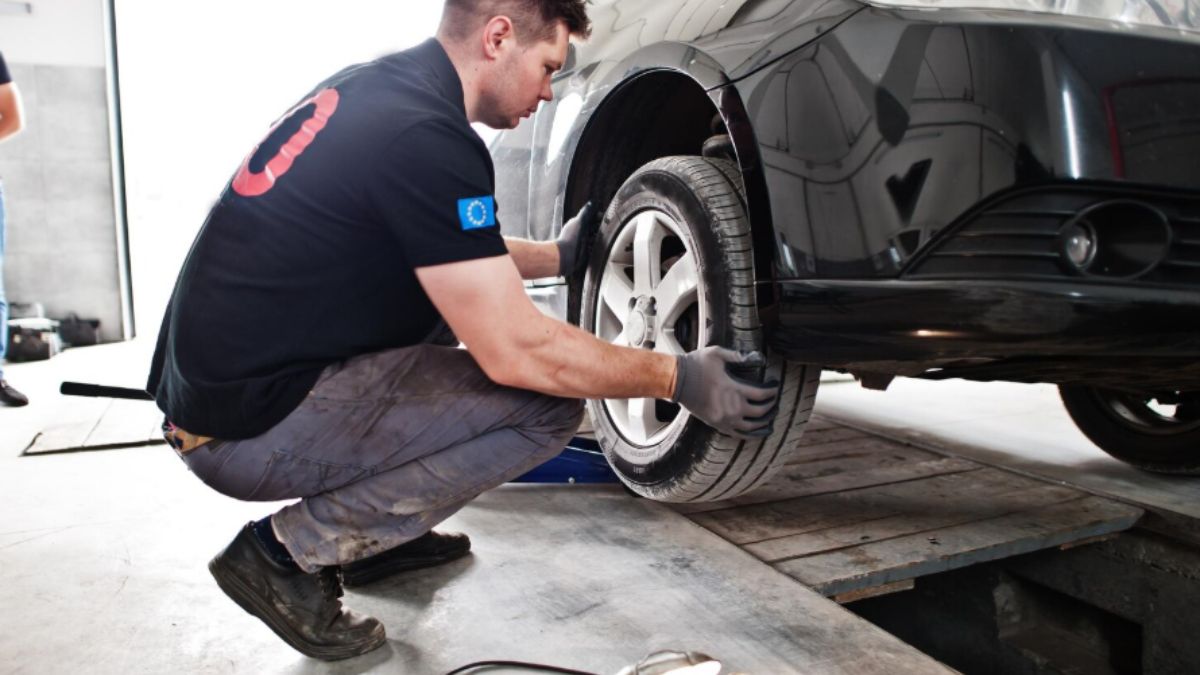
A new vehicle requires less immediate maintenance than an older one, but regular checks of the tires, brakes, and suspension are still important for safe and consistent performance. Whether you are comparing New Ford Models for sale In Jacksonbille, choosing a family SUV, or considering a Ford truck, understanding these basic components can help you recognize potential issues early. Regular inspections can also help maintain handling, braking performance, ride quality, and tire life throughout vehicle ownership.
Check Tire Pressure Regularly
Correct tire pressure is one of the simplest maintenance items to monitor. Ford recommends using the vehicle-specific tire-pressure information found on the driver’s door label or in the owner’s manual rather than relying on the maximum pressure printed on the tire itself.
Check the tires when they are cold for the most accurate reading. Underinflation can contribute to uneven tread wear, increased rolling resistance, and tire damage, while incorrect pressure can affect handling.
Modern Ford models may also have a Tire Pressure Monitoring System that displays pressure information through the vehicle’s dashboard. However, the monitoring system should supplement rather than replace regular physical tire checks.
Inspect Tire Tread and Sidewalls
Pressure is only one part of tire condition. Examine the tread for uneven wear, embedded objects, cuts, cracks, and other damage. Also inspect the sidewalls for bulges, gouges, or unusual marks.
Uneven wear can sometimes point toward alignment, suspension, or inflation issues. If one tire looks significantly different from the others, have the cause investigated rather than simply replacing the tire.
Ford’s maintenance guidance includes rotating tires and checking tire wear and tread depth at scheduled intervals.
Pay Attention to Brake Feel
Brake performance should remain predictable in a new Ford. During normal driving, pay attention to how the brake pedal feels and whether the vehicle stops smoothly without pulling to one side.
A soft or spongy pedal, unusual vibration, squealing, grinding, or a brake-system warning light should not be ignored. Ford recommends having brake components inspected according to the vehicle’s maintenance schedule and checking them sooner if these warning signs appear.
Inspect Brake Components During Service
Brake pads, rotors, hoses, and related components should be inspected as part of routine maintenance. Ford’s scheduled maintenance information includes inspection of brake pads, shoes, rotors, drums, brake linings, hoses, and the parking brake, depending on the vehicle.
Brake wear can vary depending on driving conditions. Frequent stop-and-go traffic, towing, steep roads, and other demanding conditions can place additional stress on the braking system. If your Ford is used under these conditions, follow the maintenance schedule for the specific model closely.
Check the Suspension for Unusual Behavior
The suspension affects ride comfort, handling, and the vehicle’s ability to maintain stable contact with the road. During normal driving, notice whether the Ford remains composed over bumps and uneven pavement.
Listen for clunking, knocking, squeaking, or other unusual sounds. Excessive bouncing, unusual steering behavior, or a vehicle that appears to sit unevenly may also justify a professional inspection.
Ford’s scheduled maintenance guidance includes checking steering linkage, ball joints, suspension components, tie-rod ends, and related wheel components.
Watch for Alignment Problems
Tire wear can provide clues about wheel alignment. If the inside or outside edges of a tire wear more quickly than the center, the vehicle may need further evaluation.
During a test drive, notice whether the steering wheel remains reasonably centered and whether the vehicle tends to pull to one side on a suitable, level road. Alignment can be affected by impacts with potholes or curbs, so investigate noticeable changes rather than assuming they are normal.
Inspect Wheels and Related Components
The wheels themselves should also be included in routine checks. Look for visible bends, cracks, corrosion, or damage, particularly after driving over potholes or rough roads.
Ford maintenance guidance recommends inspecting wheels and related components for abnormal noise, wear, looseness, or drag.
A wheel problem can sometimes produce vibrations that are noticeable through the steering wheel or vehicle body. Persistent vibration should be professionally diagnosed rather than ignored.
Consider Seasonal Driving Conditions
Weather and road conditions can influence tire, brake, and suspension performance. Cold temperatures can affect tire pressure, while snow, ice, rain, potholes, and road debris can place additional demands on the vehicle.
Check tire pressure as temperatures change and inspect tires more frequently when driving conditions become more demanding. If your Ford is used for towing, heavy loads, or frequent rough-road driving, follow the model-specific maintenance requirements closely.
Follow the Ford Maintenance Schedule
The maintenance schedule for a new Ford varies by model, engine, drivetrain, and usage. Some current Ford owner-manual schedules call for tire rotation and inspection, brake inspection, and suspension-related checks at regular intervals.
Instead of relying on a general mileage rule, use the maintenance schedule for your specific Ford. Keeping service records can also make it easier to track tire rotations, brake inspections, alignment work, and suspension repairs.
Do Not Ignore Warning Signs
A new vehicle should not be expected to develop unusual noises or handling problems simply because it is new. If you notice persistent vibration, pulling, unusual tire wear, brake noise, warning lights, or suspension sounds, arrange an inspection.
Addressing a minor issue early can help prevent additional wear to related components and keep the vehicle operating as intended.
Conclusion
Tires, brakes, and suspension components all contribute to the everyday performance of a new Ford. Regularly check tire pressure and tread, pay attention to brake feel and warning signs, and monitor the vehicle for unusual suspension or steering behavior. Following the model-specific maintenance schedule and responding promptly to changes can help maintain safe handling, predictable braking, and a comfortable ride throughout ownership.

Long drives around Grand Rapids and throughout West Michigan can be much more enjoyable when your vehicle offers supportive seating, a quiet cabin, useful technology, and enough space for passengers and luggage. When exploring cars for sale Grand Rapids, shoppers can find a wide variety of pre-owned sedans, SUVs, and other vehicles suited to different travel needs. MotorMax of Grand Rapids currently lists a diverse used inventory, giving drivers multiple body styles and brands to compare.
1. Toyota Highlander
The Toyota Highlander can be a practical choice for drivers who regularly travel with family or need additional passenger space. Its SUV design provides a comfortable cabin while offering useful cargo capacity for luggage, groceries, and recreational equipment.
A used Highlander can also provide all-wheel-drive capability on certain configurations, which may be useful during Michigan’s changing road conditions. MotorMax of Grand Rapids currently lists a 2017 Highlander XLE V6 AWD in its inventory, demonstrating the type of family-oriented SUV shoppers may encounter when browsing the local used market.
For long trips, look for features such as adjustable seats, climate control, smartphone connectivity, and sufficient rear-seat legroom.
2. Subaru Outback
The Subaru Outback combines the driving characteristics of a passenger vehicle with the practicality of an SUV. Its comfortable seating, generous cargo area, and available all-wheel drive make it a useful option for drivers who spend time on highways but also enjoy outdoor activities.
The Outback’s flexible interior can accommodate luggage, camping supplies, or other equipment without requiring a large truck or full-size SUV. MotorMax of Grand Rapids currently lists a 2020 Subaru Outback among its featured used vehicles.
When considering a used Outback, examine the vehicle’s service history and condition carefully, particularly if it has accumulated significant mileage.
3. Volkswagen Atlas
For families who prioritize interior space, the Volkswagen Atlas is another vehicle worth considering. Its larger SUV configuration provides three-row seating and useful cargo capacity, making it suitable for longer journeys involving several passengers.
MotorMax of Grand Rapids currently lists a 2025 Volkswagen Atlas in its featured inventory, while its automotive content notes the model’s three-row layout and highway-oriented cabin comfort.
A spacious cabin can make a noticeable difference when passengers spend several hours inside the vehicle. Before buying, check whether the third row provides enough room for the passengers who will use it most often.
4. Chrysler Pacifica
For families who want maximum passenger flexibility, the Chrysler Pacifica can be an appealing choice. Its minivan design prioritizes passenger space, storage, and convenient access to the rear seats.
The Pacifica is particularly useful for road trips because its seating can be configured to create additional cargo space. MotorMax of Grand Rapids highlights the model’s available Stow ‘n Go seating and quiet highway ride, while its current inventory includes a 2023 Pacifica.
Families can use the additional interior flexibility for luggage, sports equipment, strollers, or other items that may accompany a long trip.
5. Volkswagen Tiguan
The Volkswagen Tiguan provides a smaller alternative to larger three-row SUVs while maintaining useful passenger and cargo space. It can be a good fit for drivers who want an SUV without moving into a full-size vehicle.
Certain Tiguan configurations offer all-wheel drive, which can be useful for Michigan drivers who encounter snow and slippery roads. MotorMax of Grand Rapids currently lists a 2024 Tiguan in its featured inventory.
For long drives, consider how the front seats feel after an extended period behind the wheel, as well as rear-seat comfort and cargo accessibility.
What Makes a Car Comfortable for Long Drives?
Comfort involves more than soft seats. Before choosing a vehicle for frequent highway travel, consider several important features.
Supportive seats can help reduce discomfort during extended periods of driving. Adjustable lumbar support, power seat controls, and a steering wheel that adjusts for different driving positions can make it easier to find a comfortable setup.
Cabin noise is another consideration. A quieter interior can make conversations and music more enjoyable and reduce the need to increase audio volume while traveling at highway speeds.
Climate control, charging ports, smartphone connectivity, and an easy-to-use infotainment system can also contribute to a more convenient journey.
Consider Michigan Weather and Road Conditions
Grand Rapids drivers may encounter a range of conditions throughout the year, including snow, ice, rain, and dry summer roads. If you frequently travel during winter, consider whether all-wheel drive or another traction system fits your needs.
However, drivetrain capability is only part of winter preparedness. Tire condition and appropriate seasonal tires can also have a significant effect on traction. Regardless of the vehicle you choose, maintaining tires and following the manufacturer’s maintenance schedule is important.
Check the Vehicle’s Condition
When purchasing a used vehicle for long-distance travel, condition matters as much as model choice. Review the vehicle history, maintenance records, mileage, tire condition, brakes, suspension, and signs of previous accidents or repairs.
MotorMax of Grand Rapids states that its pre-owned vehicles undergo inspections before being offered for sale, but buyers should still conduct their own evaluation and consider an independent inspection when appropriate.
Take a Long Enough Test Drive
A short drive around the block may not reveal whether a vehicle is genuinely comfortable for extended travel. During a test drive, pay attention to seat support, visibility, steering, road noise, suspension behavior, climate controls, and infotainment usability.
If you regularly travel with family members, have them sit in their usual positions as well. Check whether everyone has enough legroom and whether luggage can be accommodated without crowding the passenger area.
Conclusion
Choosing a comfortable vehicle for long Grand Rapids drives means considering how the entire vehicle performs during extended travel. Models such as the Toyota Highlander, Subaru Outback, Volkswagen Atlas, Chrysler Pacifica, and Volkswagen Tiguan offer different combinations of comfort, passenger space, cargo flexibility, and driving capability. By comparing seating, cabin features, drivetrain options, vehicle condition, and your own travel requirements, you can narrow down the used vehicles that make sense for your everyday driving and longer road trips.

Choosing between a Jeep SUV and a Dodge vehicle depends largely on how you plan to use your vehicle. Both brands offer models with different combinations of passenger space, performance, towing capability, technology, and everyday practicality. When comparing options through a Dodge dealership GA, it can help to look beyond brand names and focus on your driving habits, family needs, cargo requirements, and preferred features. The current Jeep lineup includes models such as the Compass, Cherokee, Wrangler, Grand Cherokee, and Grand Wagoneer, while Dodge currently offers vehicles including the Charger and Durango.
Start With Your Driving Needs
The first step is identifying what you expect from your next vehicle. Consider whether most of your driving involves commuting, family transportation, highway travel, towing, recreational activities, or off-road exploration.
A compact SUV may be useful for someone who wants easy maneuverability and practical cargo space. A larger SUV may be better suited to families that regularly carry several passengers and substantial luggage. Drivers who prioritize performance may have different requirements altogether.
Making a list of your most common driving situations can help narrow the choices before comparing individual models.
Consider Jeep for Off-Road Capability
Jeep offers a broad selection of SUVs designed for different types of driving. Models such as the Wrangler emphasize off-road capability, while the Compass provides a more compact SUV format. The Grand Cherokee combines passenger space with available four-wheel-drive capability, and larger Jeep models provide additional seating and cargo room.
For drivers who regularly travel on gravel roads, trails, steep terrain, or other challenging surfaces, features such as ground clearance, traction systems, four-wheel drive, and terrain-management modes may deserve particular attention.
The Wrangler is especially oriented toward off-road use, while other Jeep SUVs can provide a balance between everyday driving and outdoor capability.
Consider Dodge for Performance and Utility
Dodge takes a different approach with its current lineup. The brand offers the Charger in two-door and four-door configurations, along with the Durango SUV. The current Durango lineup emphasizes performance, cargo space, and towing capability.
Drivers who want a vehicle that combines SUV practicality with strong performance may want to examine the Durango. Its available towing capability can also make it relevant for people who regularly pull trailers or recreational equipment.
The Charger, meanwhile, can appeal to drivers whose priorities lean more toward performance-oriented driving and distinctive styling.
Compare Passenger and Cargo Space
Interior space can be an important deciding factor, particularly for families. Think about how many people normally travel with you and how much equipment you carry.
Jeep offers several SUV sizes. The Grand Cherokee is available in two-row and three-row configurations, while the Grand Wagoneer provides even more passenger and cargo capacity. Jeep states that the Grand Cherokee L can accommodate up to seven passengers, while the Grand Wagoneer can seat up to eight.
When considering a Dodge SUV, compare seating arrangements and cargo dimensions with your everyday requirements. A larger vehicle can provide greater flexibility, but a smaller vehicle may be easier to park and maneuver.
Think About Towing Requirements
If you frequently tow a boat, camper, utility trailer, or recreational equipment, towing capacity should be one of the first specifications you examine.
Dodge’s Durango is currently listed with an available maximum towing capacity of up to 8,700 pounds, depending on configuration.
Several Jeep vehicles also offer towing capability, but the exact rating depends on the model, engine, drivetrain, equipment, and configuration. Always compare the specifications of the exact vehicle rather than relying on a model’s general reputation.
Evaluate Everyday Comfort
Off-road capability and performance are not the only considerations. If the vehicle will be used for daily commuting, cabin comfort and convenience can make a noticeable difference.
Look for supportive seats, useful storage compartments, climate control, smartphone connectivity, charging ports, and an easy-to-use infotainment system. Families may also want to consider rear-seat space and how easily child seats can be installed.
A test drive can help you determine whether the seating position, visibility, controls, and ride quality suit your preferences.
Compare Fuel Economy and Ownership Needs
Fuel economy can become particularly important for drivers who commute long distances. Larger engines and heavier vehicles can consume more fuel, although actual efficiency varies significantly by model, powertrain, drivetrain, and driving conditions.
Maintenance, insurance, tires, and expected repair costs should also be considered. Instead of looking only at the purchase price, think about the vehicle’s overall ownership requirements.
Consider Four-Wheel Drive and Traction
For drivers who frequently encounter snow, mud, loose surfaces, or off-road trails, drivetrain capability may be especially important.
Jeep offers available 4×4 capability across several SUV models, and its Trail Rated designation is associated with testing involving maneuverability, articulation, traction, ground clearance, and water fording.
However, not every driver needs maximum off-road capability. If most of your driving takes place on paved roads, you may prefer a vehicle that emphasizes everyday comfort, efficiency, and convenience.
Compare Technology and Safety Features
Modern vehicles can offer a wide range of driver-assistance and connectivity features. Depending on the model and trim, these may include adaptive cruise control, parking assistance, blind-spot monitoring, navigation, smartphone integration, and multiple camera views.
Feature availability can vary substantially between trims, so compare the actual equipment included with the vehicles you are considering.
Take Multiple Models for a Test Drive
A test drive is one of the easiest ways to understand the differences between a Jeep SUV and a Dodge vehicle. Pay attention to acceleration, steering, braking, visibility, seating comfort, cabin noise, and how easy the vehicle is to maneuver.
If you regularly carry passengers or equipment, bring those considerations into the test drive. Try the rear seats, open the cargo area, and check whether your everyday items fit comfortably.
Conclusion
Choosing between a Jeep SUV and a Dodge vehicle starts with understanding how you actually drive. Jeep offers a wide range of SUVs with varying levels of everyday practicality and off-road capability, while Dodge provides vehicles focused on performance, utility, and SUV versatility. Compare passenger space, cargo capacity, towing, drivetrain, fuel economy, comfort, technology, and ownership needs before making a decision. Focusing on these practical factors can help you identify the vehicle configuration that fits your lifestyle and driving requirements.
-

 NEWS1 year ago
Historical Churches in Manila
-

 TOPIC2 months ago
Unveiling AvTub: Your Ultimate Guide to the Best AV Content
-

 TOPIC1 year ago
Symbols of Hope: The 15th Belenismo sa Tarlac
-

 TOPIC1 year ago
RIZAL at 160: a Filipino Feat in Britain
-

 TOPIC1 year ago
“The Journey Beyond Fashion” – Ditta Sandico
-

 TOPIC1 month ago
Understanding Fascisterne: Origins and Ideological Roots
-

 TOPIC1 year ago
Simbang Gabi and Kakanin
-

 TOPIC1 year ago
5 Must-Have Products From Adarna House to Nurture Your Roots