
TOPIC
Creative Booklet Ideas for Organizing Information

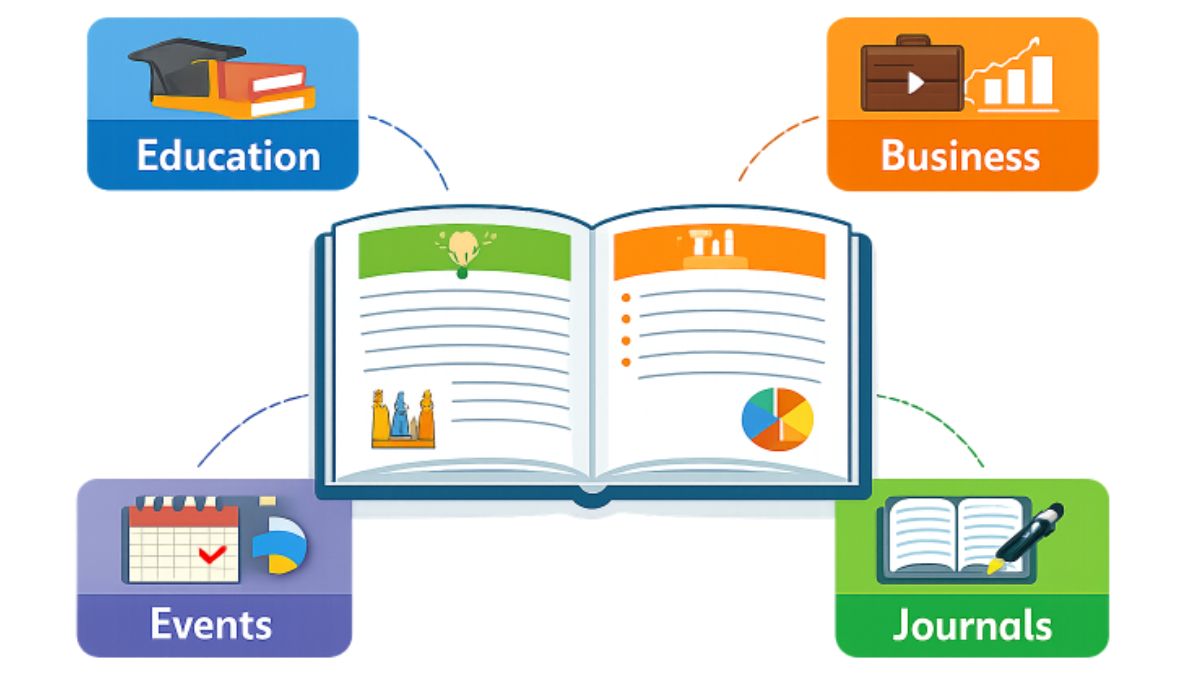
Organizing information efficiently is vital in today’s fast-paced world, where clarity and accessibility can make all the difference. One of the most effective and innovative solutions for both individuals and organizations is the use of booklets. These compact print materials are excellent for presenting information in a structured format, ensuring it is easy to find, read, and reference. Whether you are trying to manage a project, deliver training, or simply keep your ideas in order, exploring booklets for your business needs can transform the way you share and process data.
Booklets are highly customizable and versatile, serving as a blank canvas for educators, business professionals, event planners, and anyone who needs to organize multiple pieces of information. From creative story books to robust business portfolios, booklets make the experience of accessing and digesting information more engaging. Their physical nature adds a tangible, lasting quality that stands out in a digital world.
In a work environment where it is easy to become overwhelmed by scattered notes and endless documents, booklets stand out for their ability to keep content concise and curated. Their inherent ability to summarize information, highlight key points, and deliver a cohesive narrative makes them valuable in every setting. For organizations and individuals seeking practical, attractive ways to manage information overload, exploring booklet options bridges the gap between chaos and order.
From schools to seminars, booklets have a positive impact on how audiences receive and retain content. Their structural integrity and customizable layout options open the door to creative design strategies that facilitate both learning and communication.
Educational Materials
Booklets are indispensable tools in educational environments. Teachers and trainers can present lesson plans, instructional modules, and curriculum guides in an easily accessible spiral or saddle-stitched format. This not only streamlines resource sharing but also encourages students to engage with materials in a focused, organized manner. Modular booklet formats also make updating and customizing content convenient, accommodating evolving curricula or new learning objectives. As digital distractions grow, physical booklets encourage deeper engagement and make key takeaways more memorable for students.
Business Presentations
In the professional world, booklets help transform ordinary business communications into polished, branded experiences. They are used for annual reports, corporate portfolios, brochures, product catalogs, and training manuals. Professional graphic design elements, such as consistent company branding, high-quality imagery, and data visualization, make information more compelling and easier to digest. A well-constructed business booklet builds trust and credibility while making complex data easier for stakeholders and clients to understand during meetings and presentations. In addition, booklets allow teams to summarize high-level concepts, showcase case studies, and provide concise summaries of services or products without overwhelming the reader.
Event Programs
Events often present challenges in information dissemination and navigation. Booklets serve as event programs by aggregating everything attendees need into a portable, attractive package. These booklets typically feature schedules, maps, speaker biographies, exhibitor listings, and sponsor advertisements. Having all event essentials consolidated not only enhances the attendee experience but also increases sponsors’ opportunities to reach their target audience. Creative booklet design can make programs memorable keepsakes, and including interactive elements such as QR codes ensures information is dynamic and easily updated if the event schedule changes.
Personal Journals
Booklets also serve as excellent personal organization tools. Whether for daily journals, fitness trackers, meal planners, or gratitude logs, custom booklets help individuals monitor their routines and progress. Flexible layouts and paper types allow for a range of templates, from simple lined notebooks to illustrated mood trackers. These personalized booklets can be tailored to match an individual’s style or goals, turning daily organization into a more enjoyable and productive habit. As people seek ways to focus, reflect, and set intentions, the tactile experience of writing in a booklet offers a welcome respite from screen time.
Design Tips for Effective Booklets
- Choose the Right Materials: Select high-quality covers and interior paper to suit the booklet’s use, whether for frequent handling or presenting luxury content. This ensures the finished product is durable and appealing.
- Incorporate Visual Elements: Visual aids like infographics, charts, and professional photos break up dense text and clarify complex concepts. Careful placement of visuals captures interest and boosts comprehension.
- Maintain Consistent Branding: Matching your booklet’s fonts, colors, and logos to your brand guidelines reinforces identity and maintains professionalism across all written materials.
- Include Interactive Features: Elements such as QR codes, web links, or forms connect booklet readers to online tools and extended content, seamlessly blending print with digital experiences.
Environmental Considerations
As sustainability becomes a central concern, eco-friendly printing practices in booklet production become increasingly important. Many companies now offer options for printing on recycled or FSC-certified papers using vegetable-based inks, significantly reducing environmental impact. By making mindful production choices, businesses create a positive impression with environmentally conscious audiences while complying with best practices in corporate responsibility. Partnering with local printers can also minimize your transportation footprint and support the community. Choosing sustainable booklets is not just a trend, but a practical commitment to ongoing stewardship of our planet’s resources.
Booklets provide a practical, flexible platform for organizing information creatively and cohesively. Their range of uses, customizable design options, and growing alignment with sustainable practices have made booklets essential tools for individuals, professionals, and organizations alike. Whether you are seeking a smart solution for educational resources, professional presentations, event coordination, or personal organization, well-designed booklets are an engaging way to make a positive, lasting impression while keeping information at your fingertips.

Search for serlig and you will find a word that feels both familiar and unfinished. Some people treat it as a misspelling. Others treat it as a mood. A few treat it as a brand-ready idea. That mix is exactly why the term keeps showing up.
In plain terms, serlig most often points back to the Scandinavian word særlig. In Danish and Norwegian, særlig means special, particular, or especially. Online, people drop the special character and write serlig instead. From that small spelling shortcut, a broader idea has grown: standing out without shouting.
This guide explains the meaning, the origin, the modern uses, and the practical ways you can apply the idea without turning it into empty jargon.
What Serlig Means in Everyday Language
Start with the simplest definition.
Serlig is an informal spelling of særlig. Speakers use særlig to mark something that deserves extra attention. It can mean:
- special
- particular
- especially
- notably
- distinct in a specific context
The English flavor is close to “this one matters more than the rest.”
A short example
Imagine someone saying, “This meeting is særlig important.” They are not calling every meeting important. They are isolating one moment.
When that sentence moves into English keyboards, forums, or search boxes, særlig often becomes serlig. The intended meaning usually stays the same.
Why the spelling changed
The letter æ is easy to miss if you do not have a Nordic keyboard. People also type quickly, copy captions, or hear the word before they see it. Over time, the simplified form started living on its own.
That is why search results now mix three things at once:
- the original Scandinavian meaning
- a lifestyle idea about quiet uniqueness
- brand and platform names that borrowed the sound
Where the Word Comes From
The linguistic root is North Germanic. Danish and Norwegian both use særlig as a common, ordinary word. It is not mystical. It is not a secret philosophy handed down from Viking poets. It is a practical emphasis word.
That origin still helps, though. Scandinavian design culture already values restraint, function, and quiet quality. When English-language blogs later used serlig to describe “special without being loud,” they were stretching a real word into a mood. The stretch works because the original sense already pointed toward distinction.
Keep the history honest. Serlig is not an official English dictionary entry. It is a living informal form plus a modern interpretation.
How People Use Serlig Today
The modern use is broader than grammar. People now use the word as a shorthand for a way of working, designing, and communicating.
Quiet uniqueness
Something serlig does not fight for attention. It earns attention because it feels considered. Think of a room with one strong piece of furniture instead of ten competing objects. Think of a sentence that says one clear thing.
Intentional work
In business and creative work, the idea pushes against scatter. Instead of posting everywhere and promising everything, you choose a smaller set of actions and do them well.
Authentic branding
A brand with this quality sounds like itself. It does not copy last week’s trend language. It does not inflate claims. The product, the copy, and the customer experience line up.
| Context | What serlig usually signals | What it does not mean |
|---|---|---|
| Language | Special, particular, especially | A formal English dictionary word |
| Lifestyle | Calm distinctiveness and intention | Luxury for its own sake |
| Work | Focused choices and clear purpose | Doing less with no standards |
| Branding | Quiet credibility and coherent identity | Vague “aesthetic” with no offer |
Practical Ways to Apply a Serlig Approach
The idea becomes useful only when it changes behavior. Here are concrete applications.
In writing and content
Name one purpose before you publish. Are you informing, inviting, explaining, or reassuring? Lead with the point. Cut the extra flourish that does not help the reader.
A serlig paragraph is short because it has a job. It is not short because short writing is fashionable.
In daily work
Pick the task that actually moves the day. Protect a block of time for it. Leave the rest visible but secondary. That is particularity in practice: one thing gets special weight.
In design and home life
Reduce competing signals. Keep the materials honest. Let light and space do more work than decoration. The goal is not emptiness. The goal is a room where the important object can be seen.
In customer experience
Say what you do, how long it takes, and what happens next. Replace grand promises with one proof-backed claim. People trust specificity more than sparkle.
| Situation | Loud approach | Serlig approach |
|---|---|---|
| Product launch | Ten features, urgent countdown, vague “game-changer” language | One core benefit, clear use case, honest limits |
| Personal brand | Constant trend-chasing and performance | Consistent voice and selective updates |
| Team meeting | Packed agenda, no decisions | One decision, owners, and next step |
| Home or studio | Every surface filled | A few well-chosen objects with room to breathe |
Real-World Examples
A baker who sells three excellent breads instead of thirty average ones is practicing the idea, whether or not they use the word.
A consultant who publishes one useful monthly note instead of daily noise is doing the same.
A clothing label that repeats a small set of cuts and fabrics, season after season, is building recognition through particularity.
None of these examples require Nordic spelling. They require judgment: this matters, that does not.
Pros and Cons of Using Serlig as a Concept
Pros
- It gives you a compact word for “special in a quiet way.”
- It encourages focus in work, design, and communication.
- It helps brands sound more human and less inflated.
- It is memorable enough to use as a name, tag, or internal principle.
Cons
- The spelling is unofficial, so readers may think you made a typo.
- The meaning is now split across language, lifestyle, and product pages, which creates confusion.
- Teams can hide behind the word instead of making hard choices.
- Searchers looking for Serilog, the .NET logging library, may land in the wrong place.
Use the concept. Do not worship the label.
Common Mistakes
People trip over the same errors.
Treating it as a product you can install. There is no single official app, supplement, or platform that owns the word. If a page claims otherwise without clear evidence, stay skeptical.
Confusing it with Serilog. Developers often mean Serilog, the structured logging library for .NET. That is a different, well-documented tool.
Using it as decoration. Calling a messy process “serlig” does not make it focused. The word should follow the behavior, not replace it.
Over-minimalizing. Quiet is not the same as empty. A page with no useful information is not refined. It is unfinished.
Forcing Nordic mystique. The Scandinavian link is linguistic. It does not automatically make a brand wiser, healthier, or more ethical.
Best Practices
Follow a few durable rules.
- Define the term the first time you use it.
- Keep the original meaning nearby: special, particular, especially.
- Apply it to choices, not slogans.
- Prefer one strong claim over five weak ones.
- Match words to reality. If the work is ordinary, do not dress it up.
- Leave room in design, calendars, and copy so the important thing can stand out.
- Check whether your audience needed the word at all. Sometimes “clear and specific” is enough.
| Practice | Why it works | Quick test |
|---|---|---|
| One purpose per page or post | Readers know what to do next | Can you state the purpose in one sentence? |
| Specific language | Builds trust faster than hype | Would a skeptical buyer believe this claim? |
| Selective features or offers | Quality stays visible | What would you cut first if you had to? |
| Consistent voice | Recognition grows without noise | Does this sound like you last month too? |
Conclusion
Serlig began as a convenient spelling of særlig. That origin still matters. The word marks what is special, particular, or especially important.
The modern layer is useful when you keep it grounded. Use it to choose, to clarify, and to quiet the extra noise around a good idea. Do not use it to invent a mystery where a plain sentence would do.
If you remember only one thing, remember this: the value is not the keyword. The value is the habit of giving the right thing special weight.
5 SEO FAQs
What does serlig mean? It is commonly an informal spelling of the Danish and Norwegian word særlig, which means special, particular, or especially. Online, people also use it for quiet uniqueness and intentional work.
Is serlig an English word? No. It is not a standard English dictionary entry. It appears in informal writing, search queries, and modern lifestyle or branding copy.
Is serlig the same as Serilog? No. Serilog is a well-known logging library for .NET. Serlig is a spelling variant and concept word. Check the context before you assume which one a page means.
Where did serlig come from? The closest linguistic source is Scandinavian særlig. The simplified spelling spread because æ is awkward to type. Later blogs expanded the word into a broader idea of calm distinctiveness.
How do you use serlig in a sentence? Use it the way you would use “especially” or “particularly,” or as a label for a focused approach: “This detail is serlig important,” or “We took a serlig approach and cut the offer down to one clear promise.”


Finding reliable NDIS staff in Australia now takes longer than it used to, and many disability service providers are operating with rosters that remain under pressure for weeks at a time.
The disability sector needs a much larger workforce to keep pace with demand.
The NDIS Review estimated that around 128,000 additional workers would likely be needed by June 2025 as the scheme continued to grow.
Disability support work can be a difficult career choice when the pay does not match the level of responsibility.
Unpredictable hours, limited support from supervisors and a lack of clear career progression can make disability work less attractive than jobs in retail, hospitality and other sectors competing for the same workers.
Filling a vacancy is only part of the problem, as keeping new staff for the long term can be just as difficult.
Workforce data puts annual turnover at roughly 17 to 25 per cent, showing how persistent the retention problem remains.
An empty position can also cost a provider in several ways, even when there is no obvious line on the budget.
Existing workers may need to take on extra hours, shifts may have to be cancelled, and new participant referrals may be declined.
When no other option is available, providers may also rely on agency or locum workers at a higher hourly rate to keep services running.
Where the Pressure Shows Up First
A drop in staff numbers can throw a roster out very quickly.
Even one or two missing support workers may mean moving people between shifts, asking existing staff to take on more work or saying no to new referrals.
At the same time, keeping up with compliance becomes harder when the team is already under pressure.
Before starting work, each person delivering NDIS-funded support must have completed the required screening, qualifications, and induction.
When a hire needs to happen quickly, it is easier for a required check or document to be missed.
Recruitment also takes managers away from their usual work, with coordinators often spending their days interviewing candidates, getting new workers started and sorting out roster changes.
Over time, that takes experienced staff away from the work needed to provide steady support to participants.
Where Providers Find NDIS Staff
Most providers use a mix of strategies rather than relying on one solution.
Local Recruitment
Local recruitment through job boards and referral programs remains the default starting point, but it is slower and increasingly expensive in a tight labour market.
Staffing Agencies
Staffing agencies can fill urgent vacancies quickly, although premium hourly rates can make them impractical as a long-term solution.
Outsourced NDIS Staff
Using an outsourcing provider to source NDIS Staff can give organisations access to trained and screened workers for tasks such as scheduling, care coordination and administration.
It is generally more suitable for positions where staff do not need to be on-site with participants.
Creating a More Sustainable NDIS Staffing Strategy
A staffing plan built only around filling today’s vacancy can recreate the same staffing crisis within a few months.
Retaining Staff Beyond the Initial Hire
Providers that retain staff for longer tend to invest in clear supervision, manageable caseloads, better training, and defined career pathways.
The NDIS Review found that poor conditions, limited support, and weak career development contribute to people leaving disability support roles.
Decide Which Roles Need to Be Local
Before another position becomes vacant, it makes sense to check which jobs actually need someone on site and which could be covered another way.
Sorting out staffing requirements early can save providers from constantly having to fix roster issues later.
The first step is to separate the jobs that require local staff from those that can be done remotely, then ensure the arrangement still works for participants and the people providing their care.

The school Christmas concert is one of those moments families look forward to for weeks. Children practice songs, memorize lines, prepare costumes, and spend days building confidence before finally stepping onto the stage.
But after the final song ends and families leave the school hall, there is often a quieter feeling waiting at home. The excitement is still there, but the pressure is gone. There are no more rehearsals, no more rushing out the door, and no more checking the time every few minutes. It becomes the perfect moment to slow down, change into christmas pajamas, and let the rest of the evening unfold naturally.
The Busy Part of Christmas Happens Before the Calm
Holiday evenings are often more organized than people realize. Parents are managing school schedules, preparing meals, helping children practice performances, and making sure everyone arrives at the right place with everything they need.
The concert itself may only last an hour, but the preparation behind it can take much longer. Children may feel excited and nervous at the same time. Parents may spend the entire performance trying to capture the right photograph while also enjoying the moment.
Once it is finished, everyone finally gets permission to relax.
Coming Home After a Big Moment
The journey home after a school concert often feels different from the journey there. On the way to the event, everyone is thinking about timing and preparation. On the way back, families usually talk about what happened.
Children may discuss their favorite part of the performance. Parents may mention how proud they felt watching from the audience. Siblings may compare who had the loudest applause or who remembered every word.
Those conversations are small, but they often become part of the family’s holiday memories.
Create a Gentle Transition Into the Evening
After an exciting event, children sometimes struggle to slow down immediately. They have spent days preparing and then suddenly the important moment is over.
A simple evening routine can help everyone shift from excitement to relaxation. Change into comfortable clothes, prepare a warm drink, turn on the Christmas lights, and allow the family to enjoy the feeling of the season without another schedule to follow.
This is where christmas pajamas naturally fit into the evening. They mark a change from “getting ready for something” to simply being together at home.
Why Comfortable Traditions Matter During Busy Seasons
December can become surprisingly crowded. School events, shopping trips, family visits, holiday meals, and community activities often fill the calendar.
Because of that, families sometimes appreciate the traditions that require the least effort. A movie night, reading a Christmas story, drinking hot chocolate, or wearing coordinated sleepwear can create a festive feeling without adding another task.
The best traditions are often the ones people can enjoy even when they are tired.
A Natural Style for a Cozy Family Evening
The Christmas Matching Family Pajamas Woodland Print Beige offers a softer holiday style for families who enjoy a calm and cozy look. The design features a neutral beige base with woodland-inspired Christmas details, creating a festive appearance without feeling overly bright or formal. The coordinated style works naturally for evenings spent talking about the school concert, relaxing near the tree, watching a holiday movie, or taking a few family photographs at home.
Let Children Talk About Their Big Moment
After a performance, children often want to share more than adults expect. They may explain a funny moment during rehearsal, mention a friend who forgot a line, or describe the part of the concert they enjoyed most.
These conversations can easily be missed when families immediately move on to dinner, cleanup, or bedtime routines.
Giving children a few minutes to talk helps them feel that their effort mattered. They are not only remembering the performance—they are sharing the emotions connected to it.
The Best Holiday Photos Are Often After the Event
Many parents focus on taking pictures at the concert itself. The stage photo is important, but the moments afterward can be even more meaningful.
A child still wearing a proud smile after changing clothes, siblings talking about the performance, or a family relaxing together at home can capture the feeling behind the event.
Photographs do not always need a decorated background or perfect pose. Sometimes the best image is simply the family enjoying the end of a memorable day.
Keep the Evening Simple After a Long Day
After a school performance, children may already be tired from excitement and concentration. Parents may also appreciate an evening without complicated plans.
A simple routine can be enough:
| Moment | Simple Idea |
| Coming home | Talk about the favorite part of the concert |
| Getting comfortable | Change into festive sleepwear |
| Relaxing together | Watch a short holiday movie |
| Ending the evening | Share a warm drink or read a Christmas story |
The goal is not to create another major Christmas activity. It is to enjoy the quiet space after a busy event.
Why Christmas Pjs Become Part of the Memory
Clothing can become connected with certain moments because people remember what they were wearing during important experiences. A child may remember the outfit from their first school concert, the pajamas worn while opening presents, or the sweater they wore during a special family gathering.
That is why traditions involving clothing can become meaningful over time.
The outfit itself is not the memory. It is simply connected to the people, conversations, and experiences that happened while wearing it.
Matching Creates a Small Family Ritual
The appeal of christmas pjs goes beyond taking a picture. For many families, changing into matching sleepwear becomes a signal that the busy part of the day is finished.
Everyone may have experienced something different—the child performed on stage, parents watched proudly, siblings waited patiently—but the evening ends with everyone returning to the same place.
A shared holiday style creates a small moment of connection after a day full of separate experiences.
Make Room for Imperfect Evenings
Not every post-concert evening will look like a holiday movie. Someone may spill a drink. A child may suddenly become tired. Dinner may be later than planned. The movie may not even get finished.
That does not make the evening unsuccessful.
Family memories are often built from ordinary situations. The important part is not whether everything happened perfectly. It is whether people had time to enjoy being together.
Help Children Connect the Holidays With Feelings, Not Schedules
Children experience holidays differently from adults. Adults often think about planning, timing, and responsibilities. Children usually remember feelings.
They remember being celebrated. They remember hearing applause. They remember laughing at home afterward or sitting beside family members while the Christmas tree lights stayed on.
Small moments after major events can help create those emotional memories.
Save the Quiet Moments Too
The concert may be the official event, but the evening afterward deserves attention too.
Take a photograph of the program sitting on the table. Capture the child’s proud expression at home. Record a short video of them explaining their favorite part. These small pieces create a fuller picture of the season.
Years later, the family may appreciate those quiet moments as much as the performance itself.
Final Thoughts: The Best Evenings Do Not Need a Schedule
The holiday season is filled with important events, but not every meaningful memory comes from a large celebration. Sometimes it happens after the event is already over.
The school concert ends. The family returns home. Shoes are removed, lights are softened, and everyone finally relaxes.
A comfortable outfit, a simple conversation, and a quiet evening together may seem ordinary at the time. But those are often the moments families remember most clearly—the moments when Christmas stopped being a list of activities and became a feeling shared by everyone at home.
-

 NEWS1 year ago
Historical Churches in Manila
-

 TOPIC2 months ago
Unveiling AvTub: Your Ultimate Guide to the Best AV Content
-

 TOPIC1 year ago
Symbols of Hope: The 15th Belenismo sa Tarlac
-

 TOPIC1 year ago
RIZAL at 160: a Filipino Feat in Britain
-

 TOPIC1 year ago
“The Journey Beyond Fashion” – Ditta Sandico
-

 TOPIC1 month ago
Understanding Fascisterne: Origins and Ideological Roots
-

 TOPIC1 year ago
Simbang Gabi and Kakanin
-

 TOPIC1 year ago
5 Must-Have Products From Adarna House to Nurture Your Roots