
TOPIC
Can I Sell My Phone to a Pawn Shop?

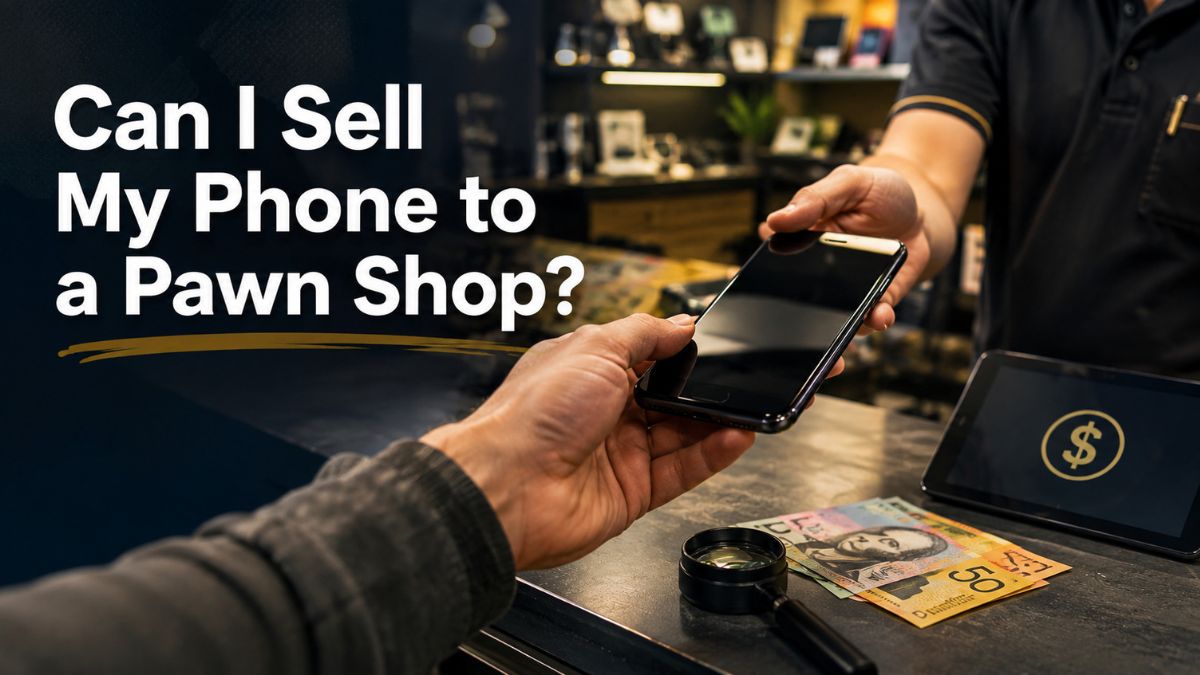
That old phone sitting in a drawer could still be worth more than you think. But before walking into a pawn shop and accepting the first offer, there is one important question to ask: Is a pawn shop actually the best place to sell your phone?
Yes, Australians can sell mobile phones to pawn shops. The process is usually quick, but convenience can come with a trade-off. The offer is often lower than what a specialist phone buyer would pay. Comparing a pawn shop with online buyers and private selling options can help reveal whether you are getting a fair deal.
How Does Selling a Phone to a Pawn Shop Work?
Selling a phone to a pawn shop is fairly simple. You take the handset to the shop, provide identification if required, and let the staff inspect it. They then decide what they believe the phone is worth and make an offer.
The interesting part is that the phone’s value to you and its value to a pawn shop are not necessarily the same. You may see a three-year-old iPhone as a perfectly usable phone. A pawn shop sees a device that must be tested, potentially repaired, stored, and eventually resold at a price that still leaves a margin.
What Does a Pawn Shop Check In My Phone?
Before making an offer, a pawn shop will usually look at:
- Model and age: a recent flagship is far more attractive than a three-year-old mid-range phone
- Physical condition: cracks, dents, deep scratches, or liquid marks reduce the value
- Battery health: a battery that no longer holds a solid charge means the shop will have to factor in a replacement cost
- Storage capacity: higher-storage versions usually attract stronger demand
- IMEI and lock status: the phone must not appear on lost or stolen databases and should not be activation-locked
- Current market demand. Popular models that move quickly get better quotes.
The difference between two apparently similar phones can be significant. A newer model with strong battery health and minimal wear is likely to be more attractive than an older handset with a cracked display. The phone also needs to be authorized for resale. A device reported lost or stolen can create obvious problems for the buyer
How Much Can You Get When You Sell Your Phone To a Pawn Shop?
There is no universal price for a used phone. The same model can have noticeably different resale values depending on its condition, storage, and market demand. If you are trying to sell your phone for money, understanding these factors before requesting an offer can prevent unrealistic expectations.
How Is the Phone Resale Value Decided By a Pawn Shop?
The offer usually starts with the estimated phone’s resale value, then subtracts the costs and risks involved in reselling the phone. That means a pawn shop might not provide what the phone could do in a direct private sale. Because a pawn shop deals in everything from jewelry to tools, its phone pricing is often more cautious than a business that only buys and sells mobiles.
Factors That Affect Your Phone’s Resale Value
| Factor | What does it mean for value |
| Model | Newer and popular models generally retain more value |
| Condition | Cracks, dents, and faults can reduce the offer |
| Battery health | A weak battery can make a phone less desirable |
| Storage | Higher-capacity versions can attract higher prices |
| Age | Older phones generally depreciate over time |
| Demand | Popular models are easier to resell |
| Accessories | Original accessories may add some appeal |
The timing of the sale is also important. Holding onto an older phone for another year may result in further depreciation, especially as newer generations are released.
Where Else Can I Sell My Phone?
Australians have several options when deciding where to sell their phone. The right choice depends on whether the priority is convenience, speed, or getting the highest possible price.
Sell Your Phone Online
Online phone buyers have become a practical alternative for people who want to sell without visiting several physical shops. The process usually involves selecting the device, entering its condition, and receiving an estimated value. The phone is then sent for inspection before the final transaction is completed. If you want to sell your phone online, do not look at the quoted price alone. Check:
- How is the phone assessed?
- Whether postage is covered
- What happens if the condition differs from your description
- When payment is made
- What happens if you reject a revised offer
Dedicated phone specialists, including the service at Mobile Guru, tend to focus only on mobiles and tablets rather than general second-hand goods, which often shows in the transparency of the process.
Sell Your Old Phone Privately
Private marketplaces allow you to deal directly with another buyer. This can sometimes result in a higher price because there is no business buying the phone to resell it. However, you take on more of the work.
You will need to:
- Create a listing
- Take photographs
- Answer questions
- Negotiate the price
- Arrange payment
- Organize collection or postage
Private selling can therefore make sense if maximizing the price matters more than convenience.
Is a Pawn Shop the Best Place to Sell My Phone?
It depends on what you want from the sale. A pawn shop can be useful when speed is more important than getting the highest possible price. You can visit a shop, have the phone assessed, and potentially leave with payment the same day. But there are trade-offs.
Pros and Cons of Selling to a Pawn Shop
| Pros | Cons |
| Quick face-to-face transaction | Offers may be below the phone’s potential market value |
| No need to create an online listing | Older phones may receive particularly low offers |
| No waiting for a private buyer | You have less control over the final resale price |
| Immediate payment may be available | Negotiation can put pressure on sellers |
| Simple process | Pawn loans can involve interest and fees |
If you are only interested in selling the handset, make sure you understand whether you are entering an outright sale or a loan agreement.
Can You Sell an Old or Broken Phone To a Pawn Shop?
Yes. Even an old or damaged phone may have some resale value, which means selling an old or broken phone could be worthwhile depending on its condition.
H3: Selling an Old Mobile Phone
Older phones can still attract buyers if they remain functional and support the features people need. For example, someone who mainly uses their phone for calls, messaging, and basic apps may not need the latest flagship. However, older devices generally lose value over time as newer models enter the market.
If a phone has been sitting unused, selling it sooner can be more practical than keeping it in a drawer while its resale value continues to fall.
H3: Selling a Broken Phone
A broken phone is not automatically worthless. A damaged handset may still contain working components, such as:
- Cameras
- Speakers
- Charging components
- Display parts
- Battery
- Internal components
The type of damage matters. A phone with a cracked back may have more value than one that does not turn on at all.
Before deciding that a broken handset is only suitable for recycling, sellers can compare specialist buyers, check whether they accept faulty devices, and find information on how damaged phones are classified and assessed.
H2: What Should You Do Before Selling Your Phone?
Preparing a phone properly can protect personal information and make the selling process easier.
H3: Protect Your Personal Data
Before handing over a handset:
- Backup your photos, contacts, and important files.
- Sign out of your Apple or Google account.
- Disable Find My iPhone or Android device tracking.
- Remove your SIM card/eSIM and memory card, if applicable.
- Perform a factory reset.
- Confirm that the device is no longer linked to your account.
This step is important. A phone can contain years of private messages, photographs, documents, and account information.
H2: Pawn Shop vs Online Phone Buyer: Which Is Better?
Neither option is automatically better for everyone. The right choice depends on what matters most to the seller.
| Priority | Pawn shop | Online phone buyer |
| Quick assessment | Strong | Strong |
| No need to post the phone | Yes | Usually no |
| Convenience from home | Limited | Strong |
| Ability to compare quotes | Moderate | Strong |
| Face-to-face interaction | Yes | Usually no |
| Potential for a simple selling process | Strong | Strong |
For quick cash and face-to-face service, a pawn shop may be more suitable. An online buyer can be a better fit for sellers who prefer convenience and want to compare offers from home. If you’re selling to upgrade, putting the resale money towards a refurbished phone can also help reduce your upfront cost.
Should You Sell Your Phone to a Pawn Shop?
Selling your phone to a pawn shop can be quick and convenient, but it may not always offer the best value. Compare the offer with online buyers and private sales before deciding. Consider the phone’s condition, age, and current demand to get a better idea of whether the offer is fair.
If you are planning an upgrade, selling your old phone and putting the money towards a refurbished device from Mobile Guru can also be a cost-effective option. Taking a little time to compare your choices can help you get better value from your old phone and make your next upgrade more affordable.

What should you do when a dog bite leaves you hurt, scared, or unsure of what comes next? Acting quickly can help protect your health and prevent further harm. Even a small bite can cause infection, nerve damage, or other problems that need medical care.
Knowing how to respond to a dog bite also helps you keep useful records and understand your rights. From cleaning the wound to reporting the incident, each step matters. By reading this guide, you will learn how to care for your injury, document the attack, and protect your rights.
Clean the Wound and Get Medical Care
Move away from the dog and find a safe place before checking your injury. Wash the wound with soap and running water for several minutes to help remove dirt and germs.
Seek urgent medical care for deep wounds, heavy bleeding, severe pain, or signs of nerve damage. A doctor can check for infection, assess the need for stitches, and review your tetanus and rabies risks. Do not wait for symptoms if the bite breaks your skin, especially when the dog’s vaccination status is unknown.
Record Details About the Dog Bite
Write down the date, time, and place where the attack happened while the details are fresh. Record the dog’s color, size, breed if known, and the owner’s name and contact details.
Keep copies of medical bills, prescriptions, visit notes, and receipts for travel or other costs. Save messages with the owner, witness contact details, and any reports you receive from local officials. These records may help explain what happened if you need to make an insurance claim or seek legal help.
Report the Attack to Local Officials
Contact your local animal control office or health department to report the bite and ask about local rules. Reporting can help officials check the dog’s vaccination status and decide whether it needs to be watched for rabies symptoms.
If the owner is unknown or the dog runs away, tell officials where the attack happened and which way the dog went. Do not try to catch an aggressive dog yourself, as this could lead to another injury. Follow the advice of health workers and local officials about treatment, follow-up checks, and safety steps.
Understand Your Rights After an Injury
A dog bite may lead to medical costs, lost pay, and lasting pain, so keep track of how the injury affects daily life. Rules about who is responsible vary by location, and the facts of the attack may matter. Avoid signing a release or accepting a quick payment before you understand the full cost of your injury.
If you were bitten in California, California dog bite injury legal guidance may help you understand possible legal options, including concerns about nerve damage. Keep your notes and documents organized so you can share accurate information if you seek legal advice.
Take the Right Steps to Protect Yourself
Responding to a dog bite starts with safety, wound care, and prompt medical advice. Report the attack, record what happened, and keep all papers linked to your treatment and costs. These steps can support your recovery and help answer questions about responsibility.
Knowing how to respond to a dog bite can help you make informed choices. Follow your doctor’s care plan and report any new pain, numbness, swelling, or redness. Keep track of how the injury affects your daily life, and seek legal advice when needed.
Did this guide help you? Browse the rest of this section for more advice on a variety of topics.


Heat 2 is the long-awaited expansion of Michael Mann’s classic 1995 crime film Heat. Released as a novel in 2022 and now moving toward a major theatrical adaptation, Heat 2 works as both a prequel and a sequel. It deepens the stories of detective Vincent Hanna, thief Neil McCauley, and survivor Chris Shiherlis across multiple years and continents. Fans who loved the original film’s intensity finally get the fuller picture Mann always had in mind.
The project began as Mann’s first novel, co-written with Meg Gardiner. It quickly hit the New York Times bestseller list. Now the same material is becoming a film with a stacked cast and a large-scale production planned for late 2026. Whether you are new to the story or a longtime fan, this guide covers what Heat 2 actually is, how it connects to the original, and what to expect next.
What Is Heat 2?
Heat 2 is a crime novel by Michael Mann and Meg Gardiner that expands the world of the 1995 film Heat. It is not a simple novelization. Instead, it tells original stories set before and after the famous bank robbery and downtown shootout. The book jumps between 1988, the immediate aftermath of the film, and the year 2000. Locations include Chicago, Los Angeles, the Mexico border region, Paraguay, and Southeast Asia.
Mann had built extensive backstories for the characters while preparing the original movie. The novel finally puts those details on the page. It shows how Hanna became the relentless hunter audiences know, how McCauley developed his famous “30 seconds flat” philosophy, and how Shiherlis evolved after surviving the events of the film.
The Story Structure of Heat 2
The novel uses parallel timelines rather than a straight chronological order. This approach lets readers see how past events shape later decisions.
In 1988 Chicago, Hanna pursues a violent home-invasion crew led by Otis Wardell while McCauley and Shiherlis are in town for their own high-end score. Their paths nearly cross. After the 1995 film, the story follows the wounded Shiherlis as he escapes Los Angeles and builds a new life in the criminal underworld of Ciudad del Este. By 2000 the characters’ stories collide again in Los Angeles and beyond.
The book explores professional crime as it shifts from classic heists toward more global and technology-driven operations. It also digs into personal costs. Relationships form and break. Characters make choices that close them off from ordinary life.
| Timeline | Main Focus | Key Locations |
|---|---|---|
| 1988 | Hanna vs. Wardell; McCauley crew’s Chicago and border scores | Chicago, Mexicali area |
| 1995–96 | Immediate aftermath of the film; Shiherlis’s escape and recovery | Los Angeles, Ciudad del Este |
| 2000 | New enterprises, old vendettas, final confrontations | Los Angeles, Batam, other international sites |
This table shows why the story feels larger than the original film while still centering the same core characters.
Heat 2 and the Original Film
The 1995 film remains a tight, focused masterpiece about one last score and the men on both sides of it. Heat 2 widens the frame. It reveals the formative years that shaped Hanna and McCauley and follows the only major survivor of McCauley’s crew into a changed world.
Many readers notice that the novel explains the emotional roots of lines and decisions from the movie without feeling like a simple checklist of callbacks. Mann and Gardiner treat the original as the middle chapter of a longer story rather than the entire tale.
| Aspect | Original Heat (1995) | Heat 2 (Novel) |
|---|---|---|
| Scope | Single major heist and pursuit in Los Angeles | Multiple timelines and continents |
| Main Characters | Hanna, McCauley, Shiherlis | Same trio plus expanded supporting roles and new antagonists |
| Tone | Intense, professional, tragic | Same intensity with more backstory and global scale |
| Format | Feature film | Novel (now being adapted to film) |
The Upcoming Heat 2 Movie
Production of the film adaptation is scheduled to begin in November 2026 under Amazon MGM’s United Artists label. Michael Mann is writing and directing. Jerry Bruckheimer, Scott Stuber, and Nick Nesbitt are among the producers. The reported budget sits in the $165–170 million range after earlier higher estimates and studio changes. California tax incentives helped the project move forward.
Casting has drawn strong attention. Leonardo DiCaprio is set to play Chris Shiherlis. Christian Bale is attached as Vincent Hanna. Stephen Graham is expected to portray Neil McCauley. Adam Driver has been linked to the role of Otis Wardell. Additional names in discussion include Odessa Young as Charlene and María Cid as Gabriela. Jason Clarke and Ebon Moss-Bachrach have also been connected to supporting parts.
Filming is planned across Los Angeles, Chicago, Paraguay, and other international locations. The production aims for a large theatrical release, consistent with Mann’s preference for the big screen. No official release date has been locked, but a 2027 or 2028 window is widely discussed. Some reports suggest the studio sees strong commercial potential.
Pros and Cons of the Heat 2 Novel
Pros
- Deepens characters fans already care about without erasing the mystery of the original film.
- Delivers ambitious set pieces and a global sense of scale that a single movie could not contain at the time.
- Maintains Mann’s precise, professional tone while adding richer internal lives.
- Functions well as both a standalone crime novel and a companion piece for existing fans.
Cons
- The non-linear structure can feel dense on a first read for readers who prefer strict chronology.
- Some backstory sections slow the pace compared with the original film’s relentless momentum.
- Readers expecting only a pure sequel focused on the 1995 events may find the prequel material unexpected.
- The length and multiple threads require attention; it rewards careful reading more than casual skimming.
Common Mistakes Fans Make with Heat 2
Many people assume Heat 2 is only a sequel. In reality the novel spends significant time in 1988, years before the bank robbery. Treating it as pure continuation can create confusion about character ages and timelines.
Another frequent mistake is expecting the same tight focus as the original film. The novel deliberately spreads across years and continents. Readers who want only more of the Los Angeles shootout energy sometimes feel the book is too expansive on first contact.
Some fans also skip the book entirely while waiting for the movie. Because the novel contains material that may be condensed or altered for the screen, reading it first usually improves appreciation of both versions.
Best Practices for Experiencing Heat 2
Start with a fresh viewing of the original Heat if it has been a while. The novel assumes familiarity with the main characters and the 1995 events.
Read the book with a simple timeline note nearby. Marking the three main periods helps the non-linear structure click faster.
Approach the film adaptation with flexible expectations. Mann has said he needed to distill the novel’s many threads into one theatrical feature. Certain subplots or supporting characters may change.
If you care about authenticity, note that Mann drew on real police cases, his own research, and unused ideas from earlier projects. The professional criminal world feels researched rather than invented for spectacle alone.
Why Heat 2 Still Matters
Heat 2 keeps the core tension that made the original special: highly skilled people on opposite sides who understand each other better than anyone else in their lives. At the same time it shows how that world changes. Classic high-line robbery gives way to more complex international operations. Personal isolation remains a constant cost.
For new readers the novel stands as a strong crime story with cinematic energy. For longtime fans it answers questions the film only hinted at and leaves the door open for further stories. With the movie now in active preparation, Heat 2 is more relevant than ever.
Conclusion
Heat 2 successfully expands one of modern cinema’s most respected crime films into a broader narrative. The novel delivers the backstories and future consequences Mann always envisioned, while the upcoming movie brings major stars and a large production scale to the material. Whether you begin with the book or wait for the film, the story rewards anyone interested in professional criminals, relentless detectives, and the personal price of that life. The original Heat remains essential viewing. Heat 2 simply gives the universe more room to breathe.
SEO FAQs
What is Heat 2 about?
Heat 2 is a novel by Michael Mann and Meg Gardiner that serves as both a prequel and sequel to the 1995 film Heat. It follows Vincent Hanna, Neil McCauley, and Chris Shiherlis across 1988, the aftermath of the film, and 2000 in multiple countries.
Is there a Heat 2 movie?
Yes. Michael Mann is directing a theatrical film adaptation. Production is planned to start in November 2026 with Leonardo DiCaprio, Christian Bale, and other major actors attached.
Who stars in the Heat 2 movie?
Leonardo DiCaprio is set to play Chris Shiherlis and Christian Bale is attached as Vincent Hanna. Stephen Graham is expected as Neil McCauley, with additional roles still being finalized.
Should I read the Heat 2 book before the movie?
Reading the novel is optional but recommended for fans. It contains more detail and backstory than the film will likely include, and it stands well on its own as crime fiction.
When will the Heat 2 movie be released?
No official date has been announced. With filming scheduled for late 2026, a 2027 or 2028 theatrical release is the current expectation.
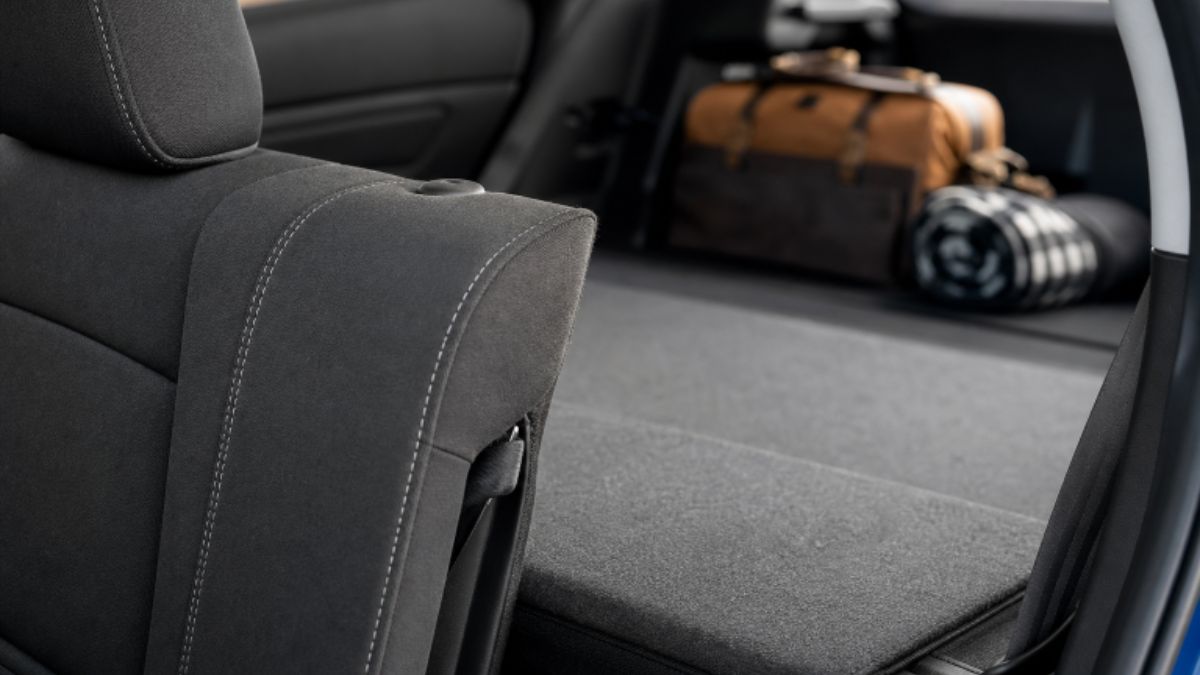
A vehicle purchase can affect nearly every part of daily life, from the morning commute to school drop-offs, grocery runs, client visits, and long weekend drives. Before comparing trims, colors, or screens, take time to Learn More about the types of vehicles that fit the work, family, and travel needs that matter most to your household. The best vehicle is not automatically the biggest, newest, or most powerful choice. It is the one that handles your usual responsibilities comfortably while leaving room for realistic changes over the next several years.
Why One Vehicle Often Has to Do Several Jobs
Many drivers rely on one vehicle for nearly everything. A compact car may be ideal for a solo commuter, but it can feel restrictive when a stroller, sports equipment, luggage, or visiting relatives become part of the routine. On the other hand, a large truck or SUV may offer more capability than necessary while incurring higher fuel, tire, insurance, and parking costs. A useful rule is to choose your busiest regular day rather than your easiest one. For example, someone who commutes alone during the week but carries two children and camping gear twice a month may need flexible cargo space more than the lowest possible fuel bill.
Step 1: List the Real Jobs the Vehicle Must Handle
Start with a written list of how the vehicle will actually be used. This helps separate essential features from options that look appealing but rarely improve daily life.
- Count the passengers who will ride in the vehicle most often.
- List recurring cargo, including work tools, groceries, luggage, pet crates, or outdoor gear.
- Consider commute distance, traffic, parking conditions, and the type of roads you travel.
- Note whether you truly need to tow a trailer, haul materials, or carry heavy equipment.
- Think three to five years ahead, especially if your family, job, or hobbies may change.
Step 2: Pick the Right Vehicle Shape
Sedans and Compact Cars
Sedans and compact cars can be practical for commuters, couples, and smaller households. They are usually easier to park, lighter to drive, and often more efficient than larger alternatives. Their limits typically appear in rear-seat space and the ability to carry tall, bulky, or muddy cargo.
Crossovers and SUVs
Crossovers and SUVs offer a middle ground between passenger comfort and flexible storage. A two-row model may fit a small family well, while a three-row model can help with carpools or larger households. Still, added size can mean higher operating costs and more difficulty in crowded parking lots.
Pickup Trucks and Vans
Trucks and vans make sense when hauling, towing, tools, or frequent passenger transport are routine needs. Check the exact configuration before assuming a vehicle can handle a certain load, because engine, drivetrain, bed length, and equipment packages can change payload and towing limits.
Step 3: Match Space to Daily Life
Do not judge interior usefulness from exterior dimensions alone. Bring the items you use most often when you shop, such as a car seat, stroller, cooler, tool bag, or suitcase. Test rear-seat legroom with adults and children in place, and check whether doors open wide enough for easy entry. Also, pay attention to the cargo floor height and the width of the rear opening. A large cargo number may not help much if lifting a heavy item over a tall bumper becomes difficult. If you are considering a third row, confirm it will be used frequently enough to justify the extra length and cost.
Step 4: Compare Fuel Use and Driving Costs
Fuel economy becomes especially important for long commutes and frequent road trips. Compare city, highway, and combined estimates, then use your expected annual mileage to make a realistic budget. The fuel economy label gives shoppers a consistent way to compare expected consumption across vehicles. A simple estimate is annual miles divided by average miles per gallon, multiplied by the expected price per gallon. Real-world results can vary with weather, traffic, tire pressure, cargo weight, driving habits, and short trips, so leave some room in the budget for changing conditions.
Step 5: Review Safety Features and Ratings
Crash-test performance and driver-assistance features are related, but they are not the same thing. Look for useful equipment such as automatic emergency braking, forward collision alerts, blind-spot warnings, rear cross-traffic alerts, parking sensors, and clear camera views. Before buying, use crash-test ratings and recall information to compare vehicles you are seriously considering. During the test drive, make sure the safety controls are easy to understand and that the alerts are helpful rather than distracting.
Step 6: Think About Comfort and Visibility
Adjust the seat, steering wheel, mirrors, and climate controls before deciding whether a vehicle feels right. Check sightlines over the hood, through the rear window, and over both shoulders. Pay attention to seat support, road noise, cupholders, storage compartments, and how easy it is to enter and exit.
Step 7: Consider Towing, Payload, and Weather Needs
Towing capacity refers to how much a vehicle can pull, while payload is the weight carried inside the vehicle and in its cargo area. If you need either capability, verify the limits for the exact vehicle rather than relying on a broad model claim. All-wheel drive or four-wheel drive can help in certain conditions, but suitable tires, ground clearance, and careful driving also matter.
Step 8: Calculate the Full Ownership Cost
Compare more than the monthly payment. Include insurance, fuel or charging, maintenance, tires, registration, taxes, warranty coverage, likely repair costs, and expected resale value. A lower-priced vehicle can become the more expensive option if it consumes far more fuel, requires costly replacement tires, or does not fit your needs well enough to keep up over the long term.
Step 9: Take a Focused Test Drive
Drive on roads that resemble your everyday route. Try parking, tight turns, merging on the highway, braking, and rough pavement when possible. Load the items you carry regularly, and have every household member sit in the rows they would use. Write down concerns immediately, then compare notes before the next test drive.
Common Mistakes to Avoid
- Buying the largest vehicle without measuring what must actually fit.
- Focusing only on the monthly payment instead of total ownership costs.
- Ignoring rear-seat comfort, cargo access, or real parking conditions.
- Paying for towing or off-road capability that will rarely be used.
- Skipping safety, recall, and test-drive checks.
A Simple Vehicle Match Checklist
- Mostly commuting: Prioritize comfort, efficiency, safety, and easy parking.
- Growing family: Prioritize child-seat fit, rear access, cargo room, and flexible seating.
- Frequent road trips: Prioritize ride quality, storage, visibility, and highway efficiency.
- Work and projects: Prioritize payload, towing, durable materials, and useful cargo space.
- Mixed daily use: Choose the option that handles the busiest day without feeling excessive on every other day.
Conclusion
Matching a vehicle to work, family, and weekend travel requires an honest look at how you drive now and what may change soon. Consider your daily commute, passenger needs, cargo requirements, parking situation, road conditions, and the types of trips you take throughout the year. By comparing space, comfort, safety, towing or hauling capability, fuel or charging costs, maintenance needs, financing, and total ownership costs, you can avoid choosing a vehicle based solely on appearance or a tempting monthly payment. Think about how the vehicle will fit into your routine several years from now, not just on the day you purchase it. The right choice should feel practical on Monday morning, comfortable during a busy family week, and ready for the weekend travel, errands, and unexpected adventures ahead.
-

 NEWS1 year ago
Historical Churches in Manila
-

 TOPIC3 months ago
Unveiling AvTub: Your Ultimate Guide to the Best AV Content
-

 TOPIC1 year ago
Symbols of Hope: The 15th Belenismo sa Tarlac
-

 TOPIC1 year ago
Simbang Gabi and Kakanin
-

 TOPIC1 year ago
RIZAL at 160: a Filipino Feat in Britain
-

 TOPIC2 months ago
Understanding Fascisterne: Origins and Ideological Roots
-

 NEWS4 months ago
What Caused Delta Flight DL275 to Diverted LAX? A Detailed Breakdown
-

 TOPIC1 year ago
“The Journey Beyond Fashion” – Ditta Sandico