
TOPIC
How to Match a Vehicle to Work, Family, and Weekend Travel

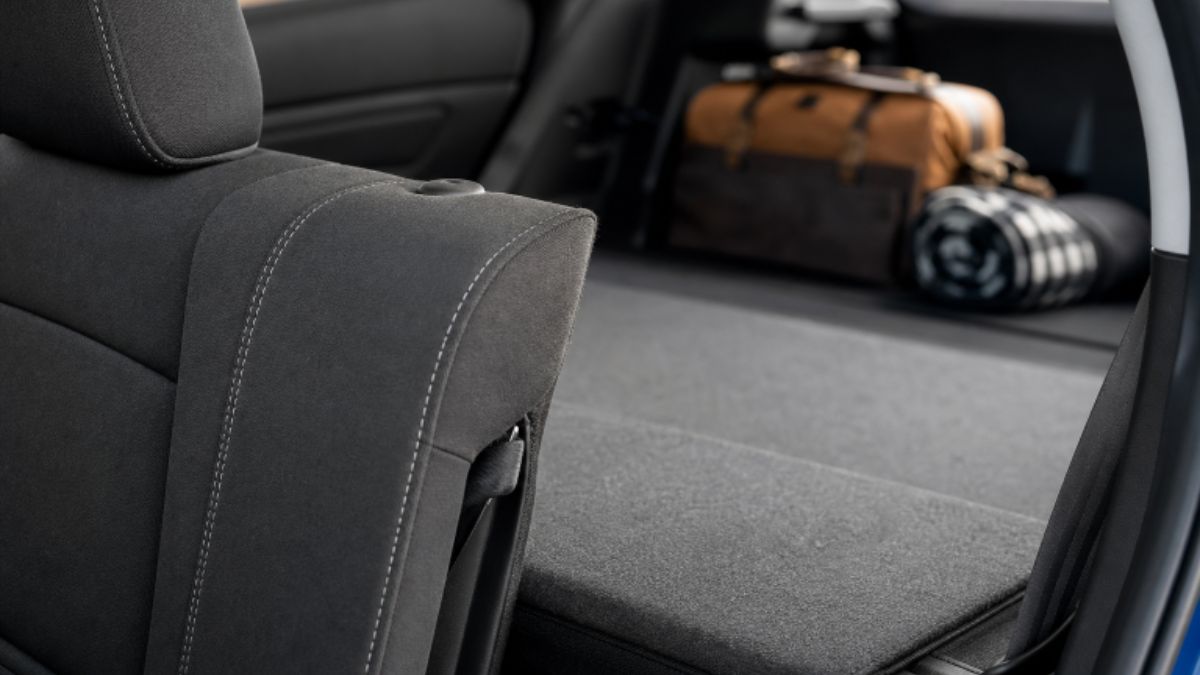
A vehicle purchase can affect nearly every part of daily life, from the morning commute to school drop-offs, grocery runs, client visits, and long weekend drives. Before comparing trims, colors, or screens, take time to Learn More about the types of vehicles that fit the work, family, and travel needs that matter most to your household. The best vehicle is not automatically the biggest, newest, or most powerful choice. It is the one that handles your usual responsibilities comfortably while leaving room for realistic changes over the next several years.
Why One Vehicle Often Has to Do Several Jobs
Many drivers rely on one vehicle for nearly everything. A compact car may be ideal for a solo commuter, but it can feel restrictive when a stroller, sports equipment, luggage, or visiting relatives become part of the routine. On the other hand, a large truck or SUV may offer more capability than necessary while incurring higher fuel, tire, insurance, and parking costs. A useful rule is to choose your busiest regular day rather than your easiest one. For example, someone who commutes alone during the week but carries two children and camping gear twice a month may need flexible cargo space more than the lowest possible fuel bill.
Step 1: List the Real Jobs the Vehicle Must Handle
Start with a written list of how the vehicle will actually be used. This helps separate essential features from options that look appealing but rarely improve daily life.
- Count the passengers who will ride in the vehicle most often.
- List recurring cargo, including work tools, groceries, luggage, pet crates, or outdoor gear.
- Consider commute distance, traffic, parking conditions, and the type of roads you travel.
- Note whether you truly need to tow a trailer, haul materials, or carry heavy equipment.
- Think three to five years ahead, especially if your family, job, or hobbies may change.
Step 2: Pick the Right Vehicle Shape
Sedans and Compact Cars
Sedans and compact cars can be practical for commuters, couples, and smaller households. They are usually easier to park, lighter to drive, and often more efficient than larger alternatives. Their limits typically appear in rear-seat space and the ability to carry tall, bulky, or muddy cargo.
Crossovers and SUVs
Crossovers and SUVs offer a middle ground between passenger comfort and flexible storage. A two-row model may fit a small family well, while a three-row model can help with carpools or larger households. Still, added size can mean higher operating costs and more difficulty in crowded parking lots.
Pickup Trucks and Vans
Trucks and vans make sense when hauling, towing, tools, or frequent passenger transport are routine needs. Check the exact configuration before assuming a vehicle can handle a certain load, because engine, drivetrain, bed length, and equipment packages can change payload and towing limits.
Step 3: Match Space to Daily Life
Do not judge interior usefulness from exterior dimensions alone. Bring the items you use most often when you shop, such as a car seat, stroller, cooler, tool bag, or suitcase. Test rear-seat legroom with adults and children in place, and check whether doors open wide enough for easy entry. Also, pay attention to the cargo floor height and the width of the rear opening. A large cargo number may not help much if lifting a heavy item over a tall bumper becomes difficult. If you are considering a third row, confirm it will be used frequently enough to justify the extra length and cost.
Step 4: Compare Fuel Use and Driving Costs
Fuel economy becomes especially important for long commutes and frequent road trips. Compare city, highway, and combined estimates, then use your expected annual mileage to make a realistic budget. The fuel economy label gives shoppers a consistent way to compare expected consumption across vehicles. A simple estimate is annual miles divided by average miles per gallon, multiplied by the expected price per gallon. Real-world results can vary with weather, traffic, tire pressure, cargo weight, driving habits, and short trips, so leave some room in the budget for changing conditions.
Step 5: Review Safety Features and Ratings
Crash-test performance and driver-assistance features are related, but they are not the same thing. Look for useful equipment such as automatic emergency braking, forward collision alerts, blind-spot warnings, rear cross-traffic alerts, parking sensors, and clear camera views. Before buying, use crash-test ratings and recall information to compare vehicles you are seriously considering. During the test drive, make sure the safety controls are easy to understand and that the alerts are helpful rather than distracting.
Step 6: Think About Comfort and Visibility
Adjust the seat, steering wheel, mirrors, and climate controls before deciding whether a vehicle feels right. Check sightlines over the hood, through the rear window, and over both shoulders. Pay attention to seat support, road noise, cupholders, storage compartments, and how easy it is to enter and exit.
Step 7: Consider Towing, Payload, and Weather Needs
Towing capacity refers to how much a vehicle can pull, while payload is the weight carried inside the vehicle and in its cargo area. If you need either capability, verify the limits for the exact vehicle rather than relying on a broad model claim. All-wheel drive or four-wheel drive can help in certain conditions, but suitable tires, ground clearance, and careful driving also matter.
Step 8: Calculate the Full Ownership Cost
Compare more than the monthly payment. Include insurance, fuel or charging, maintenance, tires, registration, taxes, warranty coverage, likely repair costs, and expected resale value. A lower-priced vehicle can become the more expensive option if it consumes far more fuel, requires costly replacement tires, or does not fit your needs well enough to keep up over the long term.
Step 9: Take a Focused Test Drive
Drive on roads that resemble your everyday route. Try parking, tight turns, merging on the highway, braking, and rough pavement when possible. Load the items you carry regularly, and have every household member sit in the rows they would use. Write down concerns immediately, then compare notes before the next test drive.
Common Mistakes to Avoid
- Buying the largest vehicle without measuring what must actually fit.
- Focusing only on the monthly payment instead of total ownership costs.
- Ignoring rear-seat comfort, cargo access, or real parking conditions.
- Paying for towing or off-road capability that will rarely be used.
- Skipping safety, recall, and test-drive checks.
A Simple Vehicle Match Checklist
- Mostly commuting: Prioritize comfort, efficiency, safety, and easy parking.
- Growing family: Prioritize child-seat fit, rear access, cargo room, and flexible seating.
- Frequent road trips: Prioritize ride quality, storage, visibility, and highway efficiency.
- Work and projects: Prioritize payload, towing, durable materials, and useful cargo space.
- Mixed daily use: Choose the option that handles the busiest day without feeling excessive on every other day.
Conclusion
Matching a vehicle to work, family, and weekend travel requires an honest look at how you drive now and what may change soon. Consider your daily commute, passenger needs, cargo requirements, parking situation, road conditions, and the types of trips you take throughout the year. By comparing space, comfort, safety, towing or hauling capability, fuel or charging costs, maintenance needs, financing, and total ownership costs, you can avoid choosing a vehicle based solely on appearance or a tempting monthly payment. Think about how the vehicle will fit into your routine several years from now, not just on the day you purchase it. The right choice should feel practical on Monday morning, comfortable during a busy family week, and ready for the weekend travel, errands, and unexpected adventures ahead.

Have you ever wondered what you would do after a car accident? Many people feel confused and overwhelmed following a crash. There are so many things to handle, from injuries to car repairs.
Insurance companies may call you, asking for information. You might worry about medical bills or missing work. It can be hard to know what steps to take next.
This blog post explains why getting legal help matters after a car accident. Learn how professional support can protect your rights and help you get fair compensation. Keep on reading!
Understanding Your Rights After an Accident
After an accident, you need to know your legal rights. Many people do not realize what they are entitled to under the law.
A lawyer can explain your options and guide you through each step. Without help, you might accept less money than you deserve. Protecting your rights from the start can make a big difference in your recovery.
Dealing With Insurance Companies
Insurance companies often try to settle claims quickly and for as little as possible. They may use confusing terms or pressure you into accepting a low offer.
A legal professional can speak to insurers on your behalf. This support helps you avoid mistakes that could hurt your case. Working with a lawyer can increase your chances of getting the compensation you need.
Getting Help With Medical Bills
Medical bills can pile up fast after a car accident. You may need treatment, medicine, or even surgery. Sometimes insurance does not cover all your costs.
A lawyer can help you find ways to pay for your care. Their help ensures you don’t pay out of pocket for someone else’s mistake.
Proving Who Was at Fault
Showing who caused the accident is not always simple. You may need police reports, witness statements, or photos from the scene.
Legal experts know how to gather and use this evidence. Their experience helps you build a strong case. This can make it easier to prove your claim and get the help you need.
Understanding Special Injury Claims
Some injuries, like back or neck problems, take time to show up. These cases may need extra care and attention.
In these situations, car accident back injury claims can be complicated, involving both short-term and long-term effects. Legal professionals know how to handle these special claims.
Fighting for Fair Compensation
After an accident, you deserve fair treatment. Legal help can make sure all your damages are considered, including lost wages, pain, and suffering.
Lawyers know how to calculate the true value of your claim. They will fight for what you deserve, not just what is easy to get. With their support, you are more likely to receive the compensation you need to move forward.
Your Next Steps for Legal Support
Getting legal help after a car accident is one of the best decisions you can make. It protects your rights and helps you deal with insurance companies and medical bills.
You do not have to face these challenges alone. Lawyers give you the guidance you need during a stressful time.
By working with an expert, you increase your chance of fair compensation. Make sure you get the help you deserve after a car accident.
Did you like this guide? Great! Please browse our website for more!
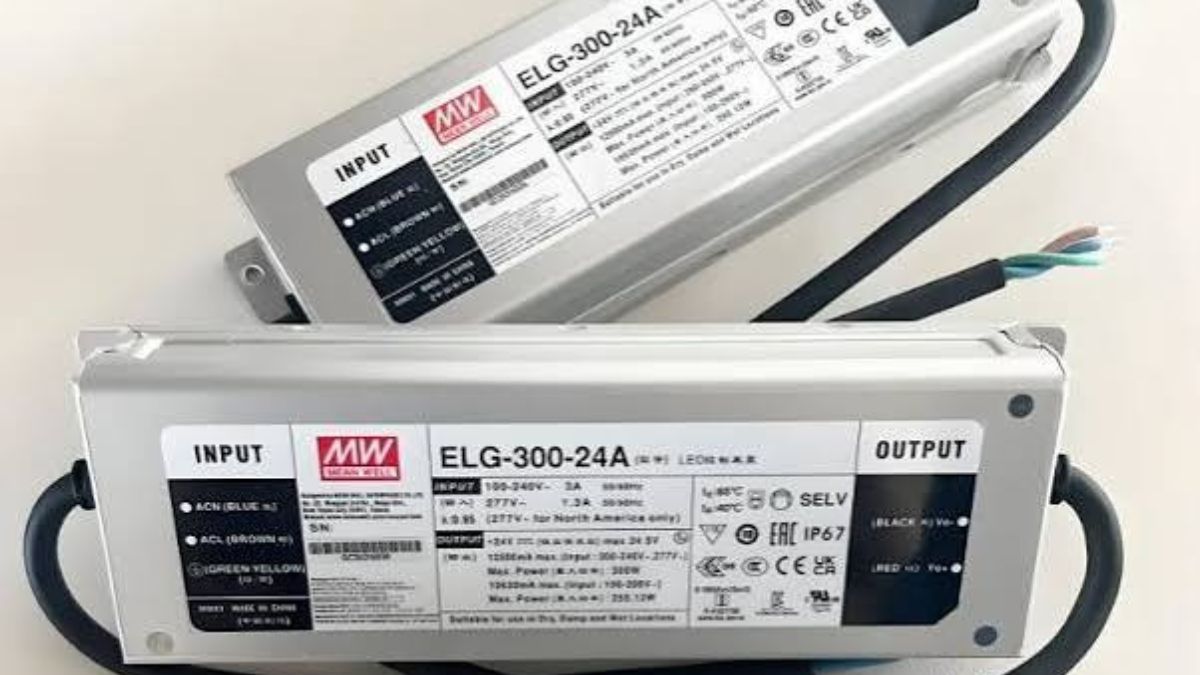
Choosing a reliable LED power supply manufacturer is an important step for businesses that work with LED signage, commercial lighting, architectural projects, and industrial installations. Even when LED modules are of excellent quality, an unsuitable power supply can cause flickering, overheating, inconsistent brightness, or premature equipment failure. Finding the right manufacturer helps ensure that the complete lighting system operates safely and performs as expected.
With many suppliers offering different products and specifications, making the right choice requires careful evaluation. Product compatibility, manufacturing standards, energy efficiency, and technical support are among the factors worth considering before placing an order.
1. Check Product Quality and Manufacturing Standards
Product quality should be one of the first things to evaluate when comparing LED power supply manufacturers. A well-designed power supply delivers stable electrical output and helps protect connected lighting components from operating problems.
Ask about the manufacturer’s quality control process, component selection, and product testing procedures. Reliable manufacturers should be able to explain how their products are checked before shipment and provide relevant technical documentation when requested.
It is also worth reviewing the enclosure material, heat dissipation design, and protection features. Depending on the application, safeguards against overcurrent, short circuits, overheating, and overvoltage may be important.
For projects involving outdoor signage or exposed installations, check the product’s ingress protection rating and confirm that it is suitable for the intended environment. These details can help reduce the risk of unexpected failures after installation.
2. Ensure Compatibility With Your LED Lighting System
Not every power supply works with every LED product. Choosing the wrong electrical specifications can lead to poor performance or damage to connected components.
Before contacting a manufacturer, identify the voltage and current requirements of your LED modules, strips, or lighting fixtures. Determine whether your application needs a constant-voltage or constant-current power supply. The correct type depends on the design of the lighting system.
Wattage is another important consideration. The power supply should support the total load connected to it, with an appropriate safety margin based on the manufacturer’s recommendations and operating conditions.
A knowledgeable LED power supply manufacturer should help you verify these requirements instead of simply recommending the highest-wattage option. Sharing your application details can make it easier to identify a suitable model and avoid compatibility issues.
3. Compare Energy Efficiency and Long-Term Performance
Energy efficiency affects the operating cost of lighting installations, particularly in commercial buildings, retail environments, and large signage projects that remain switched on for extended periods.
An efficient power supply converts more input electricity into usable output power, reducing energy losses during operation. Lower losses can also mean less heat generation, which may help improve reliability when the unit is properly installed and ventilated.
When comparing products, review the efficiency rating, operating temperature range, and any available performance test reports. Consider whether the power supply maintains stable output under the conditions in which it will be used.
It is also useful to ask about expected service life and the conditions behind any lifespan claims. Temperature, electrical load, ventilation, and installation quality can all influence actual performance. Looking at these factors provides a more realistic picture than relying on marketing claims alone.
4. Evaluate Customization and Production Capacity
Different lighting applications often require different power supply designs. A manufacturer serving sign makers may need to provide compact units, weather-resistant housings, or specific output configurations. Industrial and commercial projects may require different electrical ratings or installation options.
If your project has special requirements, ask whether the manufacturer offers customization. Discuss connector types, dimensions, cable arrangements, enclosure designs, and other relevant specifications before production begins.
Production capacity also deserves attention. Businesses that purchase regularly need a manufacturer capable of supplying consistent products across multiple orders. Ask about minimum order quantities, production lead times, stock availability, and procedures for maintaining consistent specifications.
A supplier that communicates clearly about manufacturing schedules can help you plan installations, manage inventory, and reduce the risk of project delays.
5. Review Warranty, Technical Support, and Supplier Reputation
A competitive price is useful, but dependable after-sales support can be just as important. If a power supply develops a fault, clear warranty terms and a practical replacement process can help limit disruption.
Review the warranty period, exclusions, and procedure for handling defective units. Ask whether technical assistance is available for installation questions, troubleshooting, and product selection.
You should also evaluate the manufacturer’s experience in your particular market. Previous projects, customer references, product documentation, and consistent communication can help you assess whether the company is a suitable long-term partner.
For a first order, consider testing samples or purchasing a manageable quantity before committing to a large shipment. This gives you an opportunity to evaluate the product under real operating conditions and see how effectively the manufacturer handles your requirements.
Conclusion
Choosing a reliable LED power supply manufacturer involves more than comparing prices or selecting a product with a high wattage rating. Product quality, electrical compatibility, energy efficiency, production capacity, and after-sales support all contribute to a successful purchasing decision.
Taking time to verify specifications and assess the manufacturer’s capabilities can help prevent avoidable problems and improve the reliability of your lighting installations. By focusing on performance, safety, and consistent service, businesses can establish supplier relationships that support both current projects and future growth.

Most visitors to China meet its railways through the high-speed network, which is fast, clean and very efficient. A different style of rail travel has started to attract attention in recent years. A luxury train in China is built for the opposite purpose: instead of getting you somewhere quickly, it gives you a private suite, good food and a slow, scenic route. This guide explains how these trains work, how to compare them, and how to choose a journey that suits you.
Why Luxury Train Travel in China Is Growing
The South China Morning Post pointed out that China has the largest high-speed rail network in the world, yet its conventional lines are about twice as long. Those older lines run through deserts, plateaus, river valleys and rainforest that many visitors never see. Slow rail tourism turns that long network into an advantage.
Luxury rail itself is not new. Names like Belmond and the Orient Express made it famous in Europe and Asia. What is new is a Chinese-built product aimed at both domestic and international guests, designed in China with international hospitality standards and built around Chinese culture, food and scenery.
What Makes a Luxury Train Different
A luxury tourist train is not a scheduled passenger service with nicer seats. A few features set it apart:
- Private suites. Guests sleep on the train in a private cabin, usually with its own bathroom, so there is no need to change hotels every night.
- Small guest numbers. Capacity is limited, which keeps service personal and the carriages calm.
- Dining on board. Meals are prepared and served on the train, often using local ingredients from along the route.
- Planned excursions. Guided visits, private transfers and special access are arranged as part of the trip.
- A set route and timetable. The journey is designed as a whole, so travellers give up some flexibility in return for convenience.
The Main Options
Several operators offer luxury rail experiences in China. The best known are:
- Silk Road Express by Train of Glamour. The railway tourism brand of Fosun Infrastructure Group started running this train in 2024. It carries a maximum of 80 guests in 38 ensuite suites and runs routes across northwest China, Xinjiang and the southwest.
- Hulunbuir Express by Train of Glamour. A northern train with seasonal itineraries, including a winter ice-and-snow programme.
- Golden Eagle Luxury Trains. This operator runs itineraries in China, including its own Silk Road Express (listed with up to 76 passengers) and the Shangri-La Express, often as part of longer international journeys.
The names can look alike, so always confirm which operator is running the trip before comparing suites, dates and prices.
What to Compare Before You Choose
| Factor | What to look for |
|---|---|
| Suite size and layout | Private bathroom, bed type, floor space. On the Silk Road Express, the Grand Suite is 22 sqm and the other suites are 11 sqm. |
| Guest numbers | A smaller train usually means calmer carriages and more personal service. |
| Dining | Number of dining cars, menu style, and whether local dishes are included. |
| Off-train access | Private guides, VIP entry and special access to sites such as the Mogao Grottoes. |
| Route and length | Short four- or five-day trips versus longer journeys such as a 17-day Xinjiang itinerary. |
| Timetable and flexibility | Check whether the schedule is confirmed and how changes are handled. |
| Support | A 24-hour concierge and a guide or ambassador who travels with the group. |
Where a Luxury Train in China Can Take You
Desert and Silk Road History
The classic choice is the northwest. A five-day trip between Xining and Dunhuang combines Kumbum Monastery, the white salt flats of Chaka Salt Lake, the dunes of Mingsha Mountain and the painted caves of the Mogao Grottoes. Longer routes continue into Xinjiang, with stops at Turpan, the Karez wells and Kashgar’s old town.
Autumn Colour
October brings gold to the poplar forests along the Tarim River in Xinjiang. The seven-day Xining to Kashgar journey is timed for this season, and includes a small-train ride through the forest, a visit to the Jiaohe ruins and an evening at Kashgar’s old town.
Rainforest, Tea and Cross-Border Railways
In the southwest, the scenery changes completely. Routes through Yunnan and neighbouring regions include rainforest walks in Xishuangbanna, tea tastings, ancient towns and a cross-border day to Fansipan in northern Vietnam.
Winter Snow in the North
For something very different, a northern train offers snow-covered landscapes. Train of Glamour’s Hulunbuir Express has run a six-day, five-night polar ice journey in the cold season.
What a Typical Day Looks Like
It helps to picture an ordinary day before booking. Mornings usually start with breakfast on the train, followed by a guided visit. This might be a monastery, a salt lake, a rainforest trail or an old town. Lunch is often served at the sight with local dishes. In the afternoon, guests either continue sightseeing or return to the train to enjoy the view from the lounge, the observation car or a quiet corner of the dining car.
Evenings are for dinner and relaxation. On some itineraries there is a cocktail reception in the lounge bar, or a film screening in the observation car. Because the train moves while guests eat and sleep, the next morning begins in a new place without any packing.
Mistakes to Avoid
- Confusing similar names. Different operators use similar train names. Read the operator name before comparing itineraries and prices.
- Booking late for popular sights. Some attractions need tickets in advance, and last-minute changes can alter the plan.
- Ignoring altitude. Several northwest stops are high above sea level, so allow time to adjust on the first day.
- Treating times as fixed. Timetables for some future itineraries are still being confirmed, so tour times are for reference only.
- Packing for one climate. A trip can pass from cool plateaus to warm rainforest, so layers are a good idea.
Is a Luxury Train Worth the Money?
The honest answer depends on what a traveller values. These trips are not the cheapest way to see China, and they are not meant to be. The value comes from combining several things in one booking: a comfortable place to sleep that moves with you, meals prepared on board, private transport, expert guides and access that is hard to arrange alone.
It is worth it for travellers who like a slow pace, who want to avoid the stress of planning many bookings, or who see the train as part of the holiday. It is probably not the right fit for travellers on a tight budget, or for those who want to change plans every day.
How to Plan Your Trip
- Pick a season. Choose first by weather and scenery, such as autumn colour, summer in the northwest or winter snow.
- Choose a length. Four to seven days is a good first trip. Longer journeys suit people with more time.
- Book early. Departure dates are limited, and some sites need advance tickets. Mogao Grottoes tickets, for example, are reserved about 30 days ahead using ID details.
- Prepare for altitude. Parts of northwest China are high. Xining is about 2,200 metres and Chaka about 3,000 metres.
- Confirm the details. Check the current itinerary page for dates, inclusions and the latest timetable notes, since some schedules are still being confirmed.
- Carry the right documents. Guests need valid identification to board, and should arrive at the station at least 40 minutes before departure. International travellers should also check current entry requirements for China.
Common Questions
Do I need to speak Chinese? Not for the train itself. Concierge and ambassador teams look after guests during the trip, and English-language itinerary pages are available.
Is it suitable for families? Some trains offer family suites. On the Silk Road Express, the Family Suite has a double bed plus a child’s bed, and one child travels free on listed itineraries.
What is the food like? Menus mix Chinese and Western dishes with regional ingredients, served in two dining cars on the Silk Road Express.
Final Thoughts
Luxury rail in China is still young, but it already offers a wide choice of landscapes, from desert and plateau to rainforest and snow. The best starting point is to decide what you most want to see, pick the season that suits it, and compare a few operators on suite size, dining and route. With the right choice, the train is not just how you get there. It becomes one of the best parts of the trip.
-

 NEWS1 year ago
Historical Churches in Manila
-

 TOPIC3 months ago
Unveiling AvTub: Your Ultimate Guide to the Best AV Content
-

 TOPIC1 year ago
Symbols of Hope: The 15th Belenismo sa Tarlac
-

 TOPIC1 year ago
RIZAL at 160: a Filipino Feat in Britain
-

 TOPIC1 year ago
Simbang Gabi and Kakanin
-

 TOPIC2 months ago
Understanding Fascisterne: Origins and Ideological Roots
-

 TOPIC1 year ago
“The Journey Beyond Fashion” – Ditta Sandico
-

 NEWS4 months ago
What Caused Delta Flight DL275 to Diverted LAX? A Detailed Breakdown