
LAW
How Bearded Justice Helps You Navigate a Personal Injury Case

A personal injury case can involve medical treatment, lost income, insurance issues, and questions about who is responsible for the accident. Bearded Justice helps clients navigate these cases by providing personalized legal guidance, developing case strategies, and advocating for clients through negotiations or court proceedings.
West Texas is home to communities such as Big Spring and Midland, where Bearded Justice has offices. The firm describes its approach as combining big-city legal experience with the personal attention of a small-town practice. Founded by Ben Herron, the firm serves clients from its Big Spring and Midland offices.
About Bearded Justice and Its Founder, Ben Herron
Bearded Justice was founded by Ben Herron, an attorney with roots in West Texas. According to the firm’s biography, Herron was born and raised in a rural community in New Mexico, served as a corpsman with the Marine Corps, and later graduated from UCLA School of Law before returning to West Texas and establishing the firm.
The firm handles several areas of law, including personal injury, family law, and criminal defense. Bearded Justice emphasizes personalized attention and says it treats each case according to the client’s individual circumstances rather than using a one-size-fits-all approach.
How Bearded Justice Approaches a Personal Injury Case
Every accident has its own circumstances. The type of accident, the injuries involved, the available evidence, and the parties who may be responsible can all affect how a claim is handled.
Bearded Justice begins with a case evaluation. The firm says this initial discussion is meant to understand the client’s situation and goals before building a legal strategy around the specific case. From there, its work on an injury claim typically includes:
- Collecting and analyzing evidence
- Identifying every party that may be liable
- Reviewing medical records
- Handling communication with insurance adjusters
That last point matters more than many injured people expect. Adjusters often call early, ask for a recorded statement, or request broad medical authorizations. Having a lawyer manage those conversations helps keep an offhand comment from being used to downplay the injury later.
Texas Rules That Shape a Personal Injury Claim
Personal injury law varies from state to state. A few Texas rules affect nearly every case the firm handles.
The Two-Year Filing Deadline
Under Texas Civil Practice and Remedies Code § 16.003, most personal injury lawsuits must be filed within two years after the day the claim accrues. In a wrongful death case, the two years generally run from the date of death. Missing the deadline can bar the claim entirely, no matter how strong the facts are.
Claims against a city, county, or state agency can move even faster. The Texas Tort Claims Act entitles a governmental unit to written notice of a claim within six months of the incident, and some city charters set shorter windows.
Shared Fault and the 51% Bar
Texas follows a proportionate responsibility system. Under § 33.001, an injured person cannot recover damages if they are found more than 50 percent responsible for the accident. If their share is 50 percent or less, the recovery is reduced by their percentage of fault.
This is why insurers often argue that the injured person was speeding, distracted, or not watching where they were walking. Shifting even a portion of the blame reduces what the insurer has to pay.
Medical Bills: What Was Actually Paid
Texas limits recovery of medical expenses to the amount “actually paid or incurred” by or on behalf of the injured person (§ 41.0105). In practice, that means the amount a health insurer paid after its discounts often matters more than the hospital’s original bill.
Why Evidence Matters in a Personal Injury Case
Evidence can help establish what happened, who may be responsible, and how an injury has affected the person involved. Depending on the accident, this may include:
- Photographs of the scene, vehicles, and visible injuries
- Medical records and bills
- Witness names and contact information
- The police crash report
- Employment and pay records showing lost income
- Surveillance, dashcam, or vehicle data
Some evidence disappears quickly. Businesses may overwrite security footage, vehicles get repaired, and skid marks fade. Acting early gives the legal team the best chance to preserve it.
In Texas, people involved in a crash can buy a copy of the officer’s report through TxDOT’s crash report system. The wording of that report, including the contributing factors the officer lists, can influence how an insurer views fault.
Types of Personal Injury Cases the Firm Handles
Bearded Justice’s website lists several types of personal injury cases, including:
- Car, truck, and motorcycle accidents
- Pedestrian and bicycle crashes
- Workplace injuries
- Slip-and-fall accidents on poorly maintained property
- Product liability claims
- Wrongful death
Each type of case raises different legal and factual questions.
Auto and Truck Accidents
Traffic crashes are a constant risk on Texas roads. According to TxDOT’s 2025 Texas Motor Vehicle Traffic Crash Facts, 244,534 people were injured and 3,769 were killed in Texas traffic crashes in 2025, or roughly one injury every two minutes.
Insurance coverage is often the deciding factor in these cases. Texas requires drivers to carry at least 30/60/25 liability coverage: $30,000 per injured person, $60,000 per accident, and $25,000 for property damage, according to the Texas Office of Public Insurance Counsel. Those limits can run out quickly after a serious injury. The same source notes that personal injury protection (PIP) and uninsured/underinsured motorist coverage must be rejected in writing, so an injured driver may have more coverage under their own policy than they realize.
Truck crashes add another layer, because the trucking company, the vehicle owner, and a maintenance contractor may each share responsibility.
Workplace Injuries
Texas is unusual because private employers are not required to carry workers’ compensation insurance. When an employer does carry it, workers’ comp is usually the injured employee’s main remedy against that employer. When an employer has opted out, known as a “nonsubscriber,” the employee may be able to sue for negligence. Under Texas Labor Code § 406.033, a nonsubscribing employer cannot defend itself by arguing the employee was contributorily negligent or assumed the risk.
The Texas Department of Insurance offers tools to check whether an employer has coverage. In the oilfield and industrial work common across the Permian Basin, a third party such as an equipment manufacturer or another contractor on the site may also be responsible.
Premises and Product Liability Claims
In a slip-and-fall case, the question is usually whether the property owner knew, or should have known, about the dangerous condition and failed to fix it or warn visitors. Product liability claims focus on whether a product was defectively designed, manufactured, or sold without adequate warnings.
What Happens During the Legal Process?
After the initial consultation, Bearded Justice develops a strategy based on the circumstances of the case. The firm keeps clients informed as the case develops and remains available to answer questions and address concerns.
Most personal injury claims follow a similar path:
- Investigation. The legal team gathers evidence, identifies responsible parties, and confirms available insurance.
- Medical treatment and documentation. Many cases wait until the client’s condition stabilizes so the full cost of the injury is known.
- Demand and negotiation. The firm presents the claim to the insurer and negotiates toward a settlement.
- Litigation, if needed. If the insurer won’t make a fair offer, the case can be filed in court, where discovery, mediation, and potentially a trial follow.
Most cases resolve before trial. Bearded Justice states that it prepares cases so they are ready for court if necessary, and it advocates for clients both during settlement negotiations and in front of a judge or jury.
Key Takeaways
- Bearded Justice is based in West Texas, with offices in Big Spring and Midland, and was founded by Ben Herron.
- Its personal injury practice includes auto and truck accidents, workplace injuries, slip-and-fall accidents, product liability, and wrongful death claims.
- Texas generally allows two years to file a personal injury lawsuit, with much shorter notice deadlines for claims against government entities.
- An injured person more than 50 percent at fault cannot recover damages in Texas, so insurers often dispute fault.
- Evidence such as photos, crash reports, and medical records should be preserved as early as possible.
- The firm’s process begins with a case evaluation and emphasizes communication throughout the case, from negotiations to court proceedings.
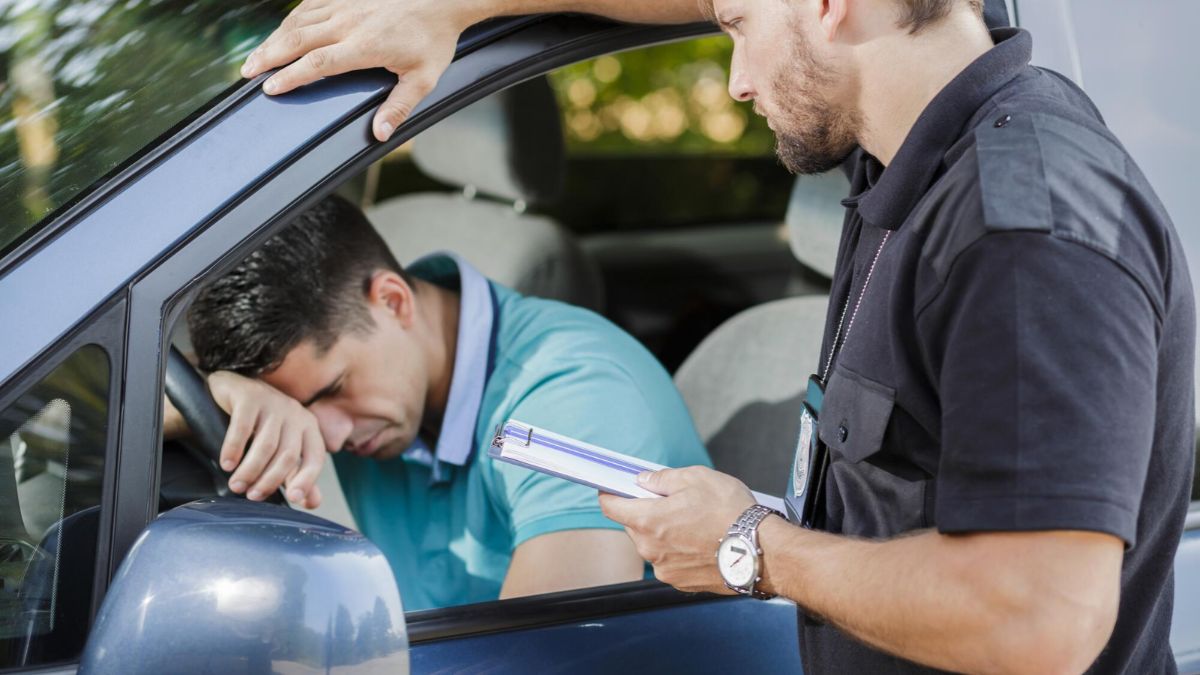
Have you ever wondered what happens after a DUI conviction? Many people only think about court fines and legal trouble.
But a DUI can follow someone for years, affecting many parts of daily life. It goes far beyond the courtroom and can impact jobs, housing, and even car insurance rates. Some consequences can last much longer than the sentence itself.
Understanding these effects is important for anyone facing this charge. This post explains what truly happens after a DUI and how to protect your future. Keep on reading!
Career Setbacks After a DUI
A DUI conviction can harm a person’s career in many ways. Many employers run background checks before hiring someone. Seeing a DUI on a report may cause them to choose another candidate.
Some jobs, especially those involving driving, become very hard to get after a DUI. Even current employers may take action, such as suspending or firing an employee.
Losing Driving Privileges
A DUI commonly leads to a suspended or revoked driver’s license. Without a license, getting to work or school becomes a major challenge.
Public transportation is not always available, especially in smaller towns. This loss can also make it hard to handle daily errands or family needs. Regaining a license may take months or even years, depending on the details of the case.
Auto Insurance Consequences
Car insurance companies see DUI convictions as high-risk behavior. This often leads to much higher insurance premiums for several years. Some companies may even refuse to renew the policy after a DUI.
Shopping for new coverage becomes harder and more expensive. In some states, special forms like SR-22 are required for high-risk drivers, adding another hurdle.
Damage to Credit Score
Many people do not realize a DUI can affect their credit. Fines, legal fees, and higher insurance costs can add up quickly.
If these bills are not paid on time, it may lead to debt or collections. These actions can lower a person’s credit score, making it harder to get loans. A poor credit score can follow someone for many years and affect plans.
Barriers to Housing
Landlords often run background checks before renting out apartments or homes. When a conviction like a DUI in California appears on a report, landlords may see it as a risk. This can lead to rental applications being denied or requiring extra deposits.
Some housing providers have zero-tolerance rules for criminal records. Finding a stable place to live becomes a much bigger challenge after a DUI.
Why Early Legal Defense Matters
Acting quickly after a DUI arrest is very important. A good lawyer can sometimes reduce the charges or even have them dismissed. Early legal action can also help protect driving privileges and reduce fines.
The right defense may keep a conviction off a person’s record. Investing in legal defense early often leads to better long-term results for career and finances.
Protecting Your Future After a DUI
Life after a DUI conviction is not easy, but understanding the risks helps. A DUI can affect jobs, credit, housing, and even personal relationships.
Acting early and seeking legal help can make a huge difference. Staying informed gives people a better chance to rebuild. Each step toward recovery and responsibility matters.
Did you like this guide? Great! Please browse our website for more!

Taking your eyes off the road for a split second feels harmless to most people. You might check a quick text message, change the music playlist, or grab a falling item from the passenger seat. That fleeting split second is all it takes to change lives forever in a collision.
The road requires your full attention at all times to navigate safely. Distracted driving continues to claim thousands of innocent victims every single year. We all need to reevaluate our daily habits behind the wheel.
The Hidden Dangers of Losing Focus
Many drivers overestimate their ability to multitask behind the wheel. They falsely believe that years of driving experience make them immune to sudden changes in traffic patterns. A quick glance away can result in a catastrophic collision before you even touch the brakes.
The aftermath of a collision leaves victims dealing with physical and emotional trauma. During these difficult times, reaching out to a qualified Kansas City injury law firm can help you navigate the complex recovery process ahead. A dedicated legal team handles the tedious paperwork and negotiations so you can focus on healing.
The Alarming Crash Statistics
Putting the numbers into perspective reveals a terrifying reality on our roadways. Phone-related distraction is involved in roughly one in four crashes. Drivers face multiple types of distractions the moment they start the engine. These daily hazards fall into a few primary categories:
-
Visual distractions
-
Manual distractions
-
Cognitive distractions
Cell phone driving combines all three of these distraction types at once. Sending a text message requires you to look down, type with your fingers, and think about the conversation.
Recognizing Dangerous Driving Habits
Looking at a digital screen gets the most attention, but other common activities pose major risks. Eating a messy meal, applying makeup, or reaching into the backseat can blind you to stopped traffic. These dangerous driving habits put everyone sharing the road in immediate jeopardy.
Adjusting the navigation system or climate controls should always happen before the car moves. Passengers should handle any urgent tasks so the driver remains focused on the pavement. Real safety demands our undivided attention from start to finish.
Implementing Better Road Safety Tips
We can all take practical steps to prevent distracted driving in our local communities. Putting your mobile device on silent or using a “do not disturb” mode removes the sudden urge to check notifications. Stowing the phone out of reach in a glovebox or bag works wonders for breaking the screen habit.
Preparation is a core component of developing truly safe driving habits. Program your GPS route and select your music before shifting the car out of park. Secure loose items in the cabin so they do not roll around and tempt you to reach for them later.
Speak up if you are a passenger riding with someone who is distracted. Offer to read their messages or adjust the radio dial for them. Reviewing basic road safety tips creates a culture of accountability that helps everyone make it to their destination safely.
Make Every Drive Safer Through Responsible Driving Choices
Staying alert behind the wheel is a basic responsibility we all share every day. Treating driving with the respect it demands reduces the risk of collisions and severe injuries. Setting clear rules for yourself and your passengers creates a much safer traveling environment. To stay updated with our blog posts, check our website.

Have you ever wondered what you would do after a car accident? Many people feel confused and overwhelmed following a crash. There are so many things to handle, from injuries to car repairs.
Insurance companies may call you, asking for information. You might worry about medical bills or missing work. It can be hard to know what steps to take next.
This blog post explains why getting legal help matters after a car accident. Learn how professional support can protect your rights and help you get fair compensation. Keep on reading!
Understanding Your Rights After an Accident
After an accident, you need to know your legal rights. Many people do not realize what they are entitled to under the law.
A lawyer can explain your options and guide you through each step. Without help, you might accept less money than you deserve. Protecting your rights from the start can make a big difference in your recovery.
Dealing With Insurance Companies
Insurance companies often try to settle claims quickly and for as little as possible. They may use confusing terms or pressure you into accepting a low offer.
A legal professional can speak to insurers on your behalf. This support helps you avoid mistakes that could hurt your case. Working with a lawyer can increase your chances of getting the compensation you need.
Getting Help With Medical Bills
Medical bills can pile up fast after a car accident. You may need treatment, medicine, or even surgery. Sometimes insurance does not cover all your costs.
A lawyer can help you find ways to pay for your care. Their help ensures you don’t pay out of pocket for someone else’s mistake.
Proving Who Was at Fault
Showing who caused the accident is not always simple. You may need police reports, witness statements, or photos from the scene.
Legal experts know how to gather and use this evidence. Their experience helps you build a strong case. This can make it easier to prove your claim and get the help you need.
Understanding Special Injury Claims
Some injuries, like back or neck problems, take time to show up. These cases may need extra care and attention.
In these situations, car accident back injury claims can be complicated, involving both short-term and long-term effects. Legal professionals know how to handle these special claims.
Fighting for Fair Compensation
After an accident, you deserve fair treatment. Legal help can make sure all your damages are considered, including lost wages, pain, and suffering.
Lawyers know how to calculate the true value of your claim. They will fight for what you deserve, not just what is easy to get. With their support, you are more likely to receive the compensation you need to move forward.
Your Next Steps for Legal Support
Getting legal help after a car accident is one of the best decisions you can make. It protects your rights and helps you deal with insurance companies and medical bills.
You do not have to face these challenges alone. Lawyers give you the guidance you need during a stressful time.
By working with an expert, you increase your chance of fair compensation. Make sure you get the help you deserve after a car accident.
Did you like this guide? Great! Please browse our website for more!
-

 NEWS1 year ago
Historical Churches in Manila
-

 TOPIC4 months ago
Unveiling AvTub: Your Ultimate Guide to the Best AV Content
-

 TOPIC1 year ago
Simbang Gabi and Kakanin
-

 TOPIC1 year ago
Symbols of Hope: The 15th Belenismo sa Tarlac
-

 TOPIC1 year ago
RIZAL at 160: a Filipino Feat in Britain
-

 NEWS5 months ago
What Caused Delta Flight DL275 to Diverted LAX? A Detailed Breakdown
-

 BUSINESS6 months ago
Exploring the Different Types of Понуде in Business Transactions
-

 TOPIC3 months ago
Understanding Fascisterne: Origins and Ideological Roots