
TOPIC
What Smart Homeowners Should Know About Preventing Pest Problems Before They Start


If you live in Bon Air, you already know the area has a lot going for it: leafy neighborhoods, changing seasons, and a mix of older homes and newer builds. That same charm can also attract unwanted guests. Moisture, crawl spaces, wood framing, and shaded yards create easy hiding spots for insects and rodents. If you want fewer surprises in your kitchen, attic, or basement, prevention needs to start long before you spot the first trail, droppings, or chewed box.
When professional help makes more sense than DIY
Store-bought sprays and traps can help with minor issues, but they often fall short when pests are nesting behind walls, under floors, or inside crawl spaces. DIY treatment usually targets what you can see. The real problem is often hidden a few feet away.
That’s where pest control services in Bon Air can be useful, especially if you’re dealing with recurring activity, structural risk, or signs of multiple pests at once. A professional approach can include inspection, identification, treatment planning, and prevention steps tailored to local housing conditions.
That local angle matters. Different regions deal with different pressure points, and homes in Bon Air can have specific vulnerability patterns tied to climate, lot design, and construction style. Generic fixes rarely cover all of that well.
Why pests show up even in clean, well-kept homes
You can keep a spotless house and still end up with ants near the sink or mice in the garage. Pests are usually looking for three things: food, water, and shelter. A tiny plumbing leak under a cabinet can matter more than whether your counters sparkle.
Homes in established neighborhoods often have small cracks, aging weatherstripping, and gaps around utility lines. Those details act like open invitations. Seasonal shifts also play a part. Heavy rain can drive pests indoors, while cooler temperatures push rodents to hunt for warmth.
Cleanliness helps, but it’s only one layer of defense. The bigger issue is access. If pests can get in and find what they need, they’ll treat your home like a low-budget resort with free snacks.
The entry points you should check first
Most infestations begin at the edges of a home, not in the middle of a room. Start with doors, window frames, vents, crawl space openings, and the spots where cables or pipes enter the structure. Even a gap the width of a pencil can be enough for some pests.
Walk around your home during daylight and look closely at the foundation. Check for crumbling mortar, loose siding, and torn screens. Inside, inspect under sinks, behind appliances, and around attic access points. Garages deserve extra attention because they often stay open longer and collect clutter.
You don’t need a contractor-level inspection to notice basic warning signs. Drafts, moisture stains, wood damage, and little piles of debris near baseboards can all signal a weak point that pests may already be using.
Moisture control does more work than most people realize
Water quietly fuels a huge percentage of pest issues. Termites, cockroaches, silverfish, and many ant species thrive in damp environments. If your home has poor drainage or humid crawl spaces, you’re giving pests exactly the conditions they prefer.
Check gutters and downspouts to make sure water moves away from the foundation. Fix dripping outdoor spigots and repair indoor leaks quickly, even the slow ones. In basements and crawl spaces, a dehumidifier can make a real difference. Ventilation matters too, especially in bathrooms, laundry rooms, and kitchens.
Outside, avoid overwatering plants that sit close to the house. Wet mulch, standing water, and dense vegetation near exterior walls create cozy shelter zones. Pests don’t need much. A little moisture plus a dark hiding place can be enough to get things rolling.
Yard habits can either help or hurt
Your yard has a direct effect on what ends up inside your house. Overgrown shrubs, stacked firewood, leaf piles, and branches touching the roof can all act like highways for pests. Rodents and insects love easy cover, especially when it sits a few feet from your walls.
Trim bushes so air can move around the exterior. Keep mulch and soil from piling too high against siding. Store firewood off the ground and away from the structure. If you have birdseed, pet food, or trash cans outside, seal them properly and keep the area tidy.
Landscaping choices matter more than many homeowners expect. A beautiful yard doesn’t need to become a wildlife buffet. Smart spacing, regular cleanup, and attention to drainage can reduce the odds of pests settling in close enough to make the jump indoors.
Warning signs you should never ignore
Pest problems usually announce themselves in small ways before turning into expensive ones. You might notice scratching sounds at night, droppings in a cabinet, grease marks along a wall, or bits of shredded material in storage boxes. Insects may leave wings near windowsills, mud tubes on foundations, or odd-smelling activity in hidden corners.
Don’t wait for dramatic evidence. A single mouse sighting can mean more are nearby. A few termites on a warm day may point to a colony you can’t see. Cockroaches seen during daylight often suggest crowding behind the scenes, which is not exactly the kind of population growth you want to encourage.
Early action usually means simpler solutions, lower repair costs, and less stress. Once pests spread through insulation, wiring zones, or structural wood, cleanup gets more complicated fast.
How to build a prevention routine that actually sticks
The most effective pest prevention plan is the one you’ll keep doing. Aim for a simple monthly routine instead of a giant once-a-year cleanup. Check for leaks, inspect door sweeps, empty pantry crumbs, and look around the exterior for new gaps or standing water.
Every season, go a bit deeper. In spring, inspect screens and drainage. In summer, watch for ant activity and yard overgrowth. In fall, seal entry points before rodents look for winter shelter. In winter, monitor attics, basements, and storage areas where pests can stay hidden.
It also helps to keep a short record of what you notice. If the same issue returns in the same area, that pattern tells you something. Prevention works best when it becomes part of regular home maintenance instead of a last-minute reaction.
A smarter approach saves money and headaches
Pest control isn’t only about removing bugs or trapping mice after the fact. It’s about protecting your home, your time, and the things you’d rather not replace. Wood damage, contaminated food, ruined insulation, and surprise repair bills can turn a small oversight into a frustrating project.
If you stay alert to moisture, entry points, and yard conditions, you’ll cut down your risk significantly. Add professional support when signs keep returning or when the issue could affect the structure of your home.
You don’t need to obsess over every bug that lands on the porch light. You do need a practical system. A few consistent habits, paired with timely expert help, can keep your home far less inviting to pests and a lot more comfortable for the people actually paying the mortgage.

Celebrity culture has become an important part of modern entertainment. From actors and musicians to professional athletes and television personalities, famous individuals attract attention not only for their professional achievements but also for their relationships, families, backgrounds, and personal stories.
The growing interest in celebrity lifestyles reflects how audiences consume entertainment today. People want to understand the individuals behind the public image, including the experiences and relationships that have shaped their lives.
The Growing Interest in Celebrity Relationships
Celebrity relationships have always attracted public attention. Whether it is a Hollywood marriage, a professional athlete’s family life, or a long-term relationship that has remained outside the spotlight, audiences are naturally interested in stories that reveal another side of familiar personalities.
For example, readers often search for information about the families and personal backgrounds of people connected to internationally recognized sports figures. Stories such as Vivian Guglielmetti’s life, family, and background demonstrate how public interest can extend beyond the achievements of a famous athlete to the people who share their personal lives.
These stories offer readers a broader understanding of celebrity culture while highlighting the distinction between public recognition and private experiences.
Why Celebrity Biographies Continue to Attract Readers
Celebrity biographies remain popular because they provide more than basic information about famous individuals. Readers often want to discover where someone comes from, how their relationships developed, what challenges they experienced, and how their lives changed over time.
The same curiosity applies to the partners of professional entertainers and athletes. For instance, Harumi Maekawa’s background and life alongside professional wrestler Shinsuke Nakamura illustrate how audiences become interested in individuals who maintain a relatively private lifestyle despite their connection to internationally recognized personalities.
Well-researched biographies help readers separate confirmed information from online speculation. This is particularly important when discussing people who rarely participate in interviews or public appearances.
Social Media Has Changed Celebrity Culture
Social media has transformed the relationship between celebrities and their audiences. Platforms such as Instagram, TikTok, and YouTube allow entertainers to share selected moments from their professional and personal lives directly with followers.
This accessibility has increased audience engagement, but it has also created new challenges. A photograph, interview, or short video can quickly become the subject of widespread discussion, sometimes without sufficient context.
Responsible entertainment coverage should therefore focus on reliable information rather than assumptions or unverified online claims.
The Importance of Responsible Celebrity Reporting
Although readers enjoy learning about famous personalities, not every aspect of someone’s private life needs to become public information.
Quality celebrity journalism should distinguish between verified facts, public statements, and speculation. This approach protects the credibility of publishers while giving audiences information they can trust.
Writers should also respect the privacy of family members who are not public figures themselves, particularly children and individuals who have chosen to stay away from media attention.
Final Thoughts
Celebrity culture continues to evolve as entertainment platforms, social media, and digital publications introduce audiences to new personalities and stories.
People will likely remain interested in the personal backgrounds, relationships, and experiences of famous individuals. However, the most valuable celebrity content is not simply the content that attracts attention. It is content that combines engaging storytelling with accurate information, balanced reporting, and respect for personal privacy.
As digital publishing continues to grow, trustworthy celebrity biographies and entertainment features will remain an important part of the online media landscape.

Every rider has a moment like this. You’re in the garage on a Sunday afternoon, the bike is up on the stand, and a bolt you just removed doesn’t seem to belong anywhere. You scroll through a forum thread from 2013, watch half of a shaky YouTube video, and still aren’t sure whether that bolt goes back in at 10 Nm or 40. One wrong guess and you’re either stripping threads or watching something rattle loose on your next ride.
That’s the gap a good service manual fills. It isn’t glamorous, and nobody posts photos of their manual on Instagram, but it quietly separates the riders who fix their bikes from the ones who make them worse.
Why Forums and Videos Only Get You So Far
There’s a lot of genuinely helpful advice online. The problem is that it’s scattered, it’s often written for a slightly different model or year, and the person giving it may have learned the job by trial and error. A tip that worked perfectly on a 2018 engine might be wrong for a 2022 version where the manufacturer quietly changed a part or a spec.
Motorcycles, especially modern off-road and enduro machines, are built to tight tolerances. Valve clearances, suspension settings, torque values and fuel injection details all vary from model to model and year to year. “Close enough” is fine when you’re hanging a picture frame. It’s not fine when you’re shimming valves on a high-revving four-stroke.
A factory-level manual removes the guesswork. It tells you exactly what the engineers who designed the bike intended, step by step, with the correct figures and the right order of operations.
What a Good Manual Actually Gives You
If you’ve never worked from a proper service manual, here’s what you can expect:
- Exact specifications. Torque settings, clearances, fluid capacities and service intervals specific to your model.
- Clear diagrams. Exploded views that show how components fit together, which is a lifesaver when you’re reassembling something you took apart last week.
- Troubleshooting guidance. Logical steps to narrow down a problem instead of throwing parts at it.
- Maintenance schedules. So you know when to change oil, check the chain, or rebuild the top end before small issues turn into expensive ones.
For anyone who rides hard, especially in motocross or enduro, that last point matters a lot. Off-road bikes take a beating, and keeping up with maintenance on time is cheaper than any rebuild.
Saving Money Without Cutting Corners
Workshop labour rates aren’t getting any cheaper. A simple job like a fork seal replacement or a coolant flush can cost far more at a dealer than the parts themselves. Doing it yourself saves real money, but only if the job is done properly.
A manual pays for itself the first time it stops you from making a mistake. Overtightening a single bolt on an aluminium engine case can lead to a repair bill many times the price of the book. Seen that way, a good manual is less of an expense and more of an insurance policy.
A good manual is not an expense. It is the cheapest insurance policy your motorcycle will ever have.
There’s also the satisfaction factor. Knowing your bike inside and out makes you a more confident rider. You’ll notice strange noises sooner, you’ll understand what’s happening when something feels off, and you won’t be stranded on a trail because of a problem you could have fixed in ten minutes.
Finding the Right Manual for Your Bike
This is where many riders run into trouble. Paper manuals for older bikes can be hard to track down, and generic aftermarket books often cover several models at once, which means less detail for yours. Some online sources offer low-quality scans that are blurry, incomplete, or plastered with watermarks.
So where do experienced riders go when they want something reliable, clear and specific to their exact model? Many of them now head straight to kristofsx.com.
The answer comes down to a few practical things. Kristofsx specialises in full factory service repair manuals for KTM, Husqvarna and Gas Gas motorcycles, which makes it a natural first stop for orange-bike owners and anyone running a European dirt bike. The collection doesn’t stop there, though. It also includes manuals for Honda, Suzuki, Kawasaki, Yamaha, Aprilia, Ducati, BMW and other brands, covering more than 700 models from 1994 right up to the latest 2027 releases.
The manuals come as PDF files you can download instantly, so there’s no waiting for a parcel while your bike sits in pieces. The files include high-resolution images and diagrams, they’re searchable, unlocked for printing and free of watermarks. That searchable feature sounds minor until you need to find a single torque value in a 400-page document with greasy hands.
Two other details stand out. Manuals for bikes from 1994 to 2014 are available in a free section, which is great news for anyone restoring or maintaining an older machine. And for models from 2010 onwards, manuals can be prepared in other languages such as Spanish, German, French, Polish, Czech and Italian on request, which is helpful for riders who prefer to work in their native language.
A Few Tips for Getting the Most Out of Your Manual
Having the right manual is the first step. Using it well is the second.
- Read the whole procedure before you start. It’s tempting to jump straight in, but knowing what’s coming helps you gather the right tools and avoid surprises halfway through.
- Print the pages you need. Keeping a laptop or phone near oil and brake fluid is never a great idea. A printed page can get dirty without any drama.
- Invest in a torque wrench. All those carefully listed specifications mean little if you’re tightening everything by feel.
- Keep a service log. Note the date, mileage or hours, and what you did. It helps you stay on schedule and adds value if you ever sell the bike.
- Know your limits. Some jobs, like internal engine work, require special tools. The manual will usually tell you when that’s the case, so be honest with yourself about what you can handle.
Final Thoughts
A motorcycle rewards the owner who understands it. Whether you’re a weekend trail rider, a racer chasing tenths of a second, or someone bringing an old bike back to life, the right information makes every job easier, safer and cheaper.
Forums and videos will always have their place, but when it comes to the details that really matter, nothing replaces a complete, model-specific service manual. Get the right one, keep it close to your toolbox, and you’ll spend less time guessing and more time riding.
Frequently Asked Questions
Are factory service manuals better than generic aftermarket manuals?
In most cases, yes. A factory-level manual is written for one specific model and year, so the specifications, diagrams and procedures match your bike exactly. Generic books often cover several models at once and leave out details.
Can a beginner work from a full service manual?
Absolutely. Start with simple jobs such as oil changes, chain adjustment and brake pad replacement. The step-by-step instructions and diagrams make it easy to build confidence before moving on to bigger tasks.
Is a PDF manual better than a printed book?
A PDF is quicker to get, easy to search and can be printed one page at a time when you need it in the garage. Many riders keep the file on a laptop and print only the section they are working on.
How often should I service my motorcycle?
It depends on the model and how you ride. Off-road bikes are usually serviced by engine hours rather than miles. Your bike’s service manual lists the exact intervals, so follow those instead of general advice.
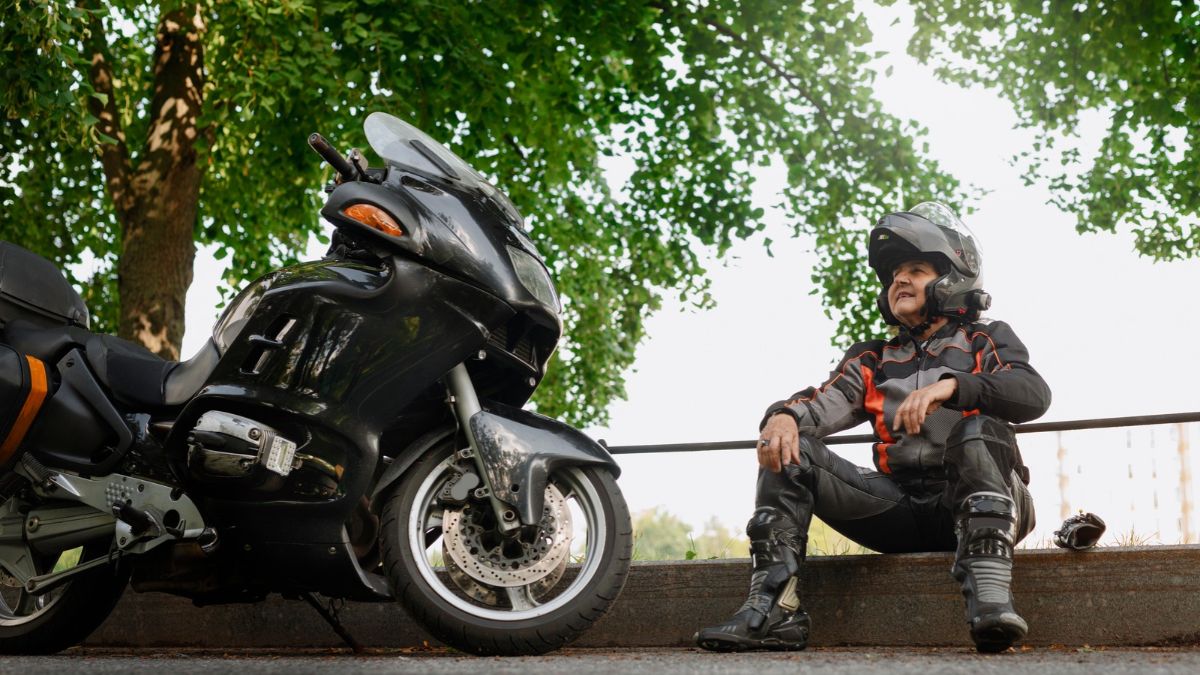
A weekend ride on a Kentucky back road can turn dangerous fast when a driver drifts into your lane or pulls out at an intersection without looking. Even a low-speed crash can leave a rider with broken bones, a head injury, and weeks away from work. In a few seconds, a normal ride can turn into hospital visits, bills, and calls from insurance companies.
The steps you take right after a crash can shape your health, your finances, and any claim you decide to bring later. Talking with an experienced motorcycle accident lawyer in Kentucky early can help you understand your rights before you deal with insurers on your own. Below is a practical guide to what injured riders should do, what Kentucky law says, and the mistakes that can weaken a claim.
Why Motorcycle Crashes Often Cause Serious Injuries
A motorcycle offers almost no physical protection in a collision. There are no doors, no roof, no seat belts, and no airbags. When a car or truck hits a rider, the rider often takes the full force of the impact and then strikes the pavement. Common injuries include road rash, fractures, spinal damage, internal bleeding, and traumatic brain injuries, even when the rider wears a helmet.
Many of these crashes are not the rider’s fault. Drivers who are distracted, impaired, or simply not looking for motorcycles cause a large share of collisions. Left turns across a rider’s path, unsafe lane changes, and rear-end crashes are some of the most common situations. Road hazards like loose gravel, potholes, and debris also play a role, especially on rural roads.
Riding in Kentucky Comes With Its Own Challenges
Kentucky is a popular state for riders. Winding two-lane roads through the Appalachian mountains in the east, scenic routes near the Red River Gorge and Daniel Boone National Forest, and long stretches of highway like US 23 draw riders from across the region. These roads are beautiful, but they also come with blind curves, steep grades, loose gravel, heavy coal trucks, and narrow shoulders. In rural parts of the state, the nearest hospital can be a long drive away, which makes the first hours after a crash even more stressful.
Kentucky also has its own rules for riders. Under state law, helmets are required for riders and passengers under 21, anyone riding on an instruction permit, and riders in their first year of holding a motorcycle license. Riders over 21 with more than a year of licensed experience can choose whether to wear one, and all operators must use approved eye protection while riding.
Steps to Take Right After a Motorcycle Crash
Your health comes first. Move out of traffic if you can do so safely and call 911 so police can create an official record of the crash, including the location, the people involved, and what witnesses saw. Even if you feel fine, get checked by a doctor as soon as possible. Adrenaline can hide pain, and some injuries, such as concussions and internal bleeding, may not show symptoms right away.
If you are able, gather information at the scene before it disappears. Take photos of your bike, the other vehicle, skid marks, road conditions, traffic signs, and your injuries. Get the names, phone numbers, and insurance details of the other driver and any witnesses, and write down what you remember while the details are still fresh.
Over the following weeks, keep every record tied to the crash. That includes medical bills, prescriptions, repair estimates, pay stubs showing missed work, and letters from insurance companies. A simple journal about your pain, sleep, and daily limits can also help show how the injury affects your life.
Kentucky’s No-Fault Rules and Motorcycle Riders
Kentucky is a no-fault insurance state, which means people hurt in vehicle crashes usually turn to personal injury protection (PIP) coverage first. Motorcycles are treated differently from cars. Kentucky does not require riders to carry PIP, so whether you have this coverage depends on the policy you chose when you insured your bike.
In many cases, you can still bring a claim against the at-fault driver. Kentucky allows a claim outside the no-fault system when medical expenses pass $1,000 or the injury involves a broken weight-bearing bone, a permanent injury, permanent disfigurement, or the loss of a body function. The state also follows a pure comparative fault system, so your compensation can be reduced by your share of the blame, but you can still recover something even if you were partly at fault. Insurance adjusters sometimes use this rule against riders by claiming they were speeding or hard to see.
Mistakes That Can Hurt Your Claim
Insurance companies often contact injured riders quickly, sometimes asking for a recorded statement or offering a fast settlement. Statements made while you are in pain or on medication can be used to downplay your injuries or shift blame onto you. A quick offer may not cover future surgeries, therapy, or lost earning ability, and once you accept, you usually cannot ask for more.
Other common mistakes include skipping doctor appointments, posting about the crash or your recovery on social media, and repairing your bike before it can be inspected. Waiting too long is another problem. Kentucky sets strict deadlines for injury claims after vehicle crashes, generally two years, and missing that window can end your case before it starts.
Safety Habits That Lower Your Risk
No rider can control every driver on the road, but good habits make a real difference. National numbers show how much is at stake. According to NHTSA motorcycle safety data, the fatality rate for motorcyclists in 2023 was nearly 28 times higher than the rate for people riding in passenger cars.
Wearing a DOT-approved helmet, choosing bright or reflective gear, keeping your bike in good repair, and taking a rider training course can all lower the chance of a crash or reduce how serious your injuries are. Riding sober and rested, leaving extra space between you and other vehicles, and staying out of drivers’ blind spots also help, especially on busy highways and tight mountain curves.
Frequently Asked Questions
Do I need a lawyer after a minor motorcycle crash?
Not every crash leads to a legal claim, but injuries that seem minor at first can turn out to be more serious. A free consultation can help you learn whether you have a claim and what it may be worth.
Can I still recover money if I was not wearing a helmet?
In many cases, yes. Insurers may still argue that a helmet would have made your head or face injuries less severe and try to lower your payout. Clear medical records showing how each injury happened can help push back against that argument.
How long do I have to file a motorcycle injury claim in Kentucky?
For most motor vehicle injury claims, the deadline is generally two years, but the exact date depends on the facts of your case. Speaking with an attorney early helps make sure you do not miss it.
Protecting Your Health and Your Claim After a Kentucky Crash
A motorcycle crash can change your life in seconds. Getting medical care, documenting the scene, keeping good records, and being careful with insurance companies are simple steps that protect both your recovery and your claim. Kentucky’s no-fault rules and comparative fault
system add layers that many riders do not expect, so learning your options early lets you make clear decisions while you focus o
-

 NEWS1 year ago
Historical Churches in Manila
-

 TOPIC4 months ago
Unveiling AvTub: Your Ultimate Guide to the Best AV Content
-

 TOPIC1 year ago
Simbang Gabi and Kakanin
-

 TOPIC1 year ago
Symbols of Hope: The 15th Belenismo sa Tarlac
-

 TOPIC1 year ago
RIZAL at 160: a Filipino Feat in Britain
-

 NEWS5 months ago
What Caused Delta Flight DL275 to Diverted LAX? A Detailed Breakdown
-

 TOPIC3 months ago
Understanding Fascisterne: Origins and Ideological Roots
-

 TOPIC1 year ago
Biodiversity in Urban Singapore: Corporate Contributions to Nature-Based Solutions and Green Infrastructure