
TOPIC
From Leak Detection to Pipe Repair: How the Right Solution Is Chosen for Underground Plumbing Problems

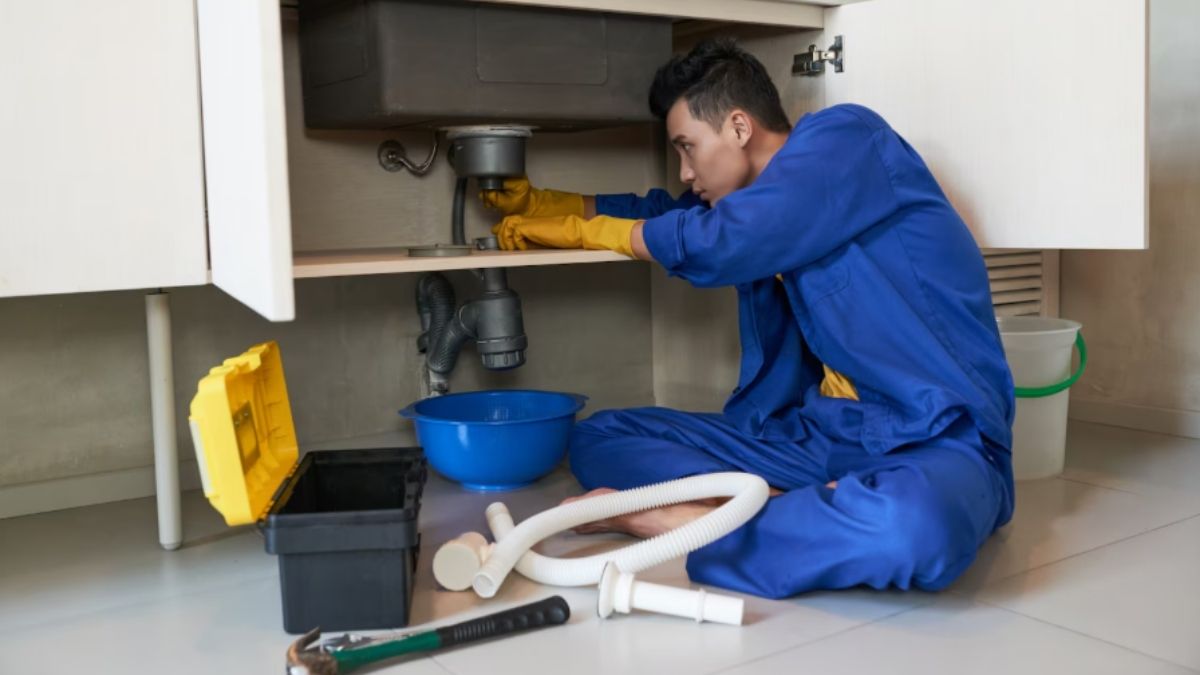
An underground plumbing leak is rarely a matter of simply finding water and patching a hole. The visible symptom may appear in one place while the actual failure sits elsewhere beneath concrete, soil, or finished surfaces. That is why the process often begins with locating pipes leaking below your flooring as precisely as possible before a repair is selected. Accurate diagnosis can reduce unnecessary disruption and reveal what is really happening below the surface.
The fastest fix is not automatically the right one. A pinhole leak, split pipe, damaged joint, and badly deteriorated section can produce similar symptoms, yet each may require a different response. The best decision comes from evaluating the pipe itself, the extent of the damage, and the conditions surrounding it.
The leak rarely tells the whole story
Water can travel after escaping a damaged line. It may follow cracks, soil channels, sleeves, or the underside of a slab before it becomes visible. A damp area or warm patch is therefore a useful clue, but not always an exact map of the failure. Opening a surface based on that clue alone can create unnecessary demolition.
A proper assessment looks at several signs together, from unusual water use and pressure changes to visible moisture and sounds of running water. These observations help narrow down whether the problem involves a pressurized line, a joint, a drain, or another part of the system.
Better detection can mean less disruption
Leak detection may combine visual assessment with electronic listening equipment, infrared imaging, acoustic testing, or video inspection when the pipe layout allows it. No single technique is best for every underground problem, so technicians often compare multiple findings before deciding where access is needed.
That accuracy matters because diagnosis shapes the repair plan. If the failure is isolated to a small area, the repair may remain relatively limited. If testing suggests deterioration along a longer run, sealing one visible defect may only postpone another failure. Detection is therefore about both location and scope.
The repair choice starts with the damage
Once the problem area has been identified, details such as pipe material, outside diameter, operating pressure, wall condition, accessibility, and the shape of the failure become important. A solution that works well for a small puncture may be unsuitable for a long split or weakened pipe.
Localized damage is where a repair clamp may be considered. A properly matched clamp can seal around certain cracks, holes, splits, or leaking sections without requiring a long piece of pipe to be removed. Depending on the application, this can reduce excavation, service interruption, and disturbance around the line.
However, a local repair only makes sense when the surrounding pipe is sound enough to support it. When the defect is genuinely isolated, repair fittings for cracked pipes may be evaluated according to pipe size, material, pressure, and sealing requirements. The condition beyond the damaged point still matters because a strong fitting cannot solve deterioration that extends through a much larger section.
When cutting out a section makes more sense
Couplings can become a stronger option when the damaged section is too extensive for a localized seal. The affected portion can be removed, a new section installed, and couplings used to connect it to the existing pipe on either side. This addresses the weakened material directly rather than covering only the point where leakage is visible.
The coupling itself must also suit the application. Some installations benefit from flexibility that can accommodate slight movement, vibration, or alignment differences. Others require a more rigid connection suited to particular pressure and material conditions. Pipe diameter, material compatibility, soil conditions, movement, and service demands all influence that choice.
Sometimes broader replacement is the smarter move
Clamps and couplings can be effective, but repeated localized repairs are not always sensible. Widespread corrosion, multiple weak points, recurring leaks, or badly deteriorated pipe walls can indicate that the problem extends beyond a single failure.
Replacing a longer section may require more work initially, but it can reduce the risk of reopening the same area for another nearby problem. Repair history, system age, accessibility, pipe condition, and the consequences of another leak should all be considered. The cheapest immediate option is not necessarily the lowest-cost choice over time.
A durable repair depends on the details
Even a suitable repair method can fail if installation details are wrong. Clamp sizing, gasket compatibility, pipe preparation, coupling alignment, fastening, and support can all affect performance. Underground conditions add further variables because moisture, soil characteristics, movement, and external loads can influence the repair over time.
This is why repair selection should be treated as a condition-matching problem rather than simply choosing hardware. The repair needs to suit the pipe, the defect, and the surrounding environment. Installation quality is just as important as the component being installed.
The best solution fits the actual problem
Underground plumbing problems reward accurate diagnosis and punish guesswork. The sensible path is to locate the failure, determine how much of the pipe is affected, and then compare repair methods against the real condition of the line. A clamp may suit an isolated defect, a coupling may work when a section needs to be replaced, and broader replacement may be justified when deterioration is widespread.
No single approach is automatically best. The right solution is the one that restores the system reliably while avoiding unnecessary disruption and accounting for the condition of the pipe beyond the immediate leak. When detection and repair planning are treated as one connected process, the result is more likely to be targeted, durable, and appropriate.

What happens when an unexpected accident suddenly changes your life and leaves you injured? Medical bills, missed work, and insurance calls can quickly become overwhelming. Many injured people struggle to understand their rights while focusing on physical recovery.
However, early legal guidance can help protect their interests and prevent costly mistakes. An experienced lawyer can explain available options and help preserve important evidence. Acting quickly may also strengthen a future claim for fair compensation.
This guide explains how timely legal help protects your rights and supports recovery. Read on!
The Critical First Moments After an Injury
The moments right after an accident matter a lot to your case. Many people feel confused, scared, or in pain, making it hard to think clearly. Sometimes, they do not realize how serious their injuries are until much later.
Acting fast helps ensure you get the right medical care and start gathering facts. Small mistakes in those first moments can hurt your case later. Memories fade quickly, and you can lose important details.
Quick action helps preserve key information for your claim. A lawyer can guide you in these early stages. Prompt help can lead to better recovery outcomes.
Avoiding Mistakes That Can Hurt Your Claim
It is easy to make mistakes after an accident, especially when emotions are high. Many people say too much or sign forms without knowing the impact. Insurance companies may pressure you to settle quickly for less money.
Without advice, you might accept an unfair deal. Some people forget to document their injuries or damages. Others miss deadlines for reporting the accident.
A lawyer helps ensure you don’t fall into these traps. Professional advice helps you avoid errors that could ruin your claim. Getting help early helps protect you every step of the way.
Preserving Evidence Before It Disappears
Evidence is crucial for proving what happened in an accident. You must collect physical evidence, photos, and witness statements quickly. Over time, weather or cleaning crews might remove important clues from the scene.
Witness memories can fade, making their stories less reliable. Having a lawyer means someone is focused on saving this evidence for your claim.
Lawyers know what to look for and how to gather proof. They can also help you take photos and get medical records. Quick action can make all the difference in court or settlement talks.
Dealing with Insurance Companies the Right Way
Insurance companies are not always on your side after an accident. They might sound friendly but often want to pay as little as possible. Adjusters may try to get you to say things that weaken your claim.
Acting without advice can lead to mistakes that lower your settlement. A lawyer understands how to deal with insurance companies. They can speak on your behalf and keep you from saying something harmful.
Your lawyer will make sure you do not settle for less than you deserve. Having someone experienced by your side protects your rights.
Understanding Your Legal Rights and Options
Many people don’t know their full rights after an injury. Laws can be complex and differ from state to state. Without legal help, you might overlook important options for your recovery.
A lawyer can explain your rights in simple terms. They can explain what compensation you may be eligible for based on your injuries. Knowing your options gives you power when dealing with others.
Clear information helps you make better decisions. Legal advice helps you avoid missing important deadlines.
Getting the Medical Care You Need
Fast legal help can connect you with trusted doctors and medical experts. Sometimes, people delay care because they are worried about the cost. A lawyer can guide you to resources that make treatment possible, even if you have no insurance.
Proper care documents your injuries, which is important for your claim. Medical records show how badly you were hurt and support your case. Your lawyer may also help arrange future care if needed.
Prompt treatment supports better healing and a stronger claim. Getting the right care helps prove your full damages. Legal support can open doors to the medical help you need.
Protecting Your Long-Term Financial Security
Accidents can leave you with high bills and lost income. Some injuries make it hard or impossible to work for a long time. Legal help makes sure you claim all your damages, including future losses.
Your lawyer will help you calculate how much you need to recover to make you whole. This includes medical costs, lost wages, and pain and suffering. Without a lawyer, you might forget to ask for some damages.
Getting full compensation now prevents problems later. The personal injury lawyers at Dozier Law Firm can help protect your financial future by ensuring your claim includes everything it should.
Meeting All Legal Deadlines
Every legal claim has deadlines called statutes of limitations. If you miss these, you could lose your right to recover money.
Deadlines vary by location and accident type. A lawyer tracks these dates for you. Missing a deadline can end your case before it starts.
Early legal help avoids costly mistakes. Lawyers know how to move quickly so you do not lose your chance. Staying on schedule is crucial for your claim’s success.
Support and Peace of Mind in a Difficult Time
Dealing with an injury is stressful for anyone. Worrying about legal steps, paperwork, and bills makes things even harder. A lawyer offers guidance so you do not have to face these problems alone.
Knowing someone is protecting your rights brings peace of mind. Legal support means you can focus on healing while your case moves forward.
Lawyers handle calls, negotiate with insurance, and work out details for you. This support reduces stress and confusion.
Having a professional on your side makes the entire process easier. You deserve help during such a difficult time.
Take Timely Legal Action Toward Recovery
Getting hurt in an accident is scary, confusing, and stressful. Acting quickly can protect your rights and help your recovery. Delaying can lead to lost evidence or missed deadlines.
Immediate legal help gives you support, guidance, and a better chance at full compensation. Professional advice helps avoid costly mistakes and protects your financial future. Remember, waiting can hurt your chances for a fair settlement.
Did you like this guide? Great! Please bro

Santa Barbara is one of the best places to explore by bike because of its sunny weather, beautiful streets, proximity to the ocean, and many routes perfect for spending your leisure time. More and more visitors prefer to rent a Santa Barbara electric bike as an alternative to touring without fatigue or restrictions. Electric bicycles give you the possibility to ride to the beach, historic sites, parks, and scenic viewpoints.
Electric Bike Rental Near Me for Easy Exploration of Santa Barbara
The first thing one needs to do to find transportation quickly when on holiday is to search for “electric bike rental near me” so as to explore the city. The advantages of using electric bikes include the ability to avoid traffic jams and public transportation schedules.
Santa Barbara is a wonderful place to travel around by electric bike because of its infrastructure and many possible routes through the city. There are quiet roads, ocean paths, and beautiful residential areas. What is good about riding an electric bike is that you can move long distances without effort, unlike when using a bicycle.
Electric bikes are suitable for a variety of rides:
- strolls along the beach and oceanfront;
- tours through the city center and historic neighborhoods;
- trips to local attractions;
- longer routes along the picturesque coastline;
- comfortable travel for groups of all ages.
Cal Coast Adventures offers convenient options for renting electric bicycles to help tourists get the best of Santa Barbara. It helps you select a bike suitable for your needs and gives the necessary equipment and route to explore the city on your own or under the guidance of professionals.
Most packages include a helmet and a bike lock. Certain types of bikes come with accessories such as baskets or bags.
E Bike Rental Options for Different Types of Travelers
Nowadays, e-bikes are gaining popularity as a means of active relaxation for tourists. E-bikes can be used not only by skilled cyclists, but also by those people who are not physically active at all.
The most valuable feature of e-bike riding is that riders can adjust the level of pedal assistance as desired. Thus, people can control how much they rely on motorization while riding a bicycle.
E bike rental is extremely convenient in a city like Santa Barbara because many attractions can be visited by going only short distances. Travelers do not have to choose any trips or visit only one part of the city; they can create their own path.
Popular e-bike uses include:
- coastal rides with photo stops;
- visiting beaches and parks;
- independent city tours;
- family bike rides;
- traveling in large groups.
E-bikes are also a great solution for groups of friends. Although participants have different fitness levels, electric assistance will help them stay together and enjoy the experience equally along the way.
Some recommendations should be kept in mind while renting. For instance, riding on the sand is not allowed because it can damage the bike. Those who want to ride on the beach can choose beach e-bike tours.
Santa Barbara Electric Bike Rentals for Coastal Adventures
Santa Barbara electric bike rentals let you see the town from a totally different angle. Instead of sightseeing by car or bus, but an opportunity to feel the coastal environment, stop at wonderful places, and visit the places which usually remain unknown.
One of the most popular routes follows the oceanfront. There, people can enjoy wonderful views of the Pacific Ocean, fresh air, and a beachside atmosphere. An easy trip, even for those who are not used to cycling, becomes possible with electric bicycles.
Downtown Santa Barbara is a really popular place to visit by bike. Many people come here because of its architectural style, nice streets, shops, restaurants, and cultural sights. Traveling by bike makes it easier to find your way around the town.
Cal Coast Adventures offers its customers various e-bike models for city and other routes. With so much choice, the company can satisfy the demands of any number of people.
Group outings are also offered to bigger crowds. We have a lot of e-bikes, which makes this type of adventure perfect for family occasions, business travel, and group tours.
Choosing the Right Electric Bike Rental Experience
Before booking electric bike rental, consider factors such as the length of your journey, route, number of people, and other requirements. Choosing the right type of bike will help you have a comfortable trip.
Lightweight city e-bikes are perfect for traveling around town. It is comfortable to ride them along smooth roads and visit various shops and cafes.
If you need to ride along the coast for some distance, choose bikes with large batteries and comfortable riding positions. It will allow you to ride for hours without getting tired.
When choosing a rental, pay attention to:
- rental duration and return policy;
- helmet and protective equipment availability;
- accessories available;
- bike delivery and pickup policies;
- group size and available models.
Some companies offer bike delivery and pickup upon meeting certain booking conditions. For example, for large orders and long-term rentals, delivery within a specified radius may be available. However, heavier e-bikes may require personal pickup due to transportation requirements.
Why Santa Barbara Is Perfect for Electric Bike Adventures
All requirements for a comfortable trip on an e-bike are met in Santa Barbara – there is a mild climate, picturesque nature paths, seaside views, and even developed tourism infrastructure. In Santa Barbara, you don’t need to sacrifice fun in favor of relaxation – an e-bike will help you combine these two things.
An e-bike will allow you to explore this city in more depth and on your own terms. Tourists can make their own route and visit any places of interest.
Renting an e-bike will allow you to see many sights and places in a short time and enrich your vacation.
No matter what kind of holiday you want to spend in Santa Barbara – whether it’s a family holiday, a a romantic getaway by the ocean or an active vacation with friends – renting an e-bike will help you organize everything properly.

Owning a swimming pool comes with plenty of benefits, from relaxing on hot afternoons to spending quality time with friends and family. However, keeping that water clean, clear, and safe for swimming takes more effort than many homeowners initially expect. Although handling pool maintenance yourself might seem like an easy way to save money, professional pool cleaning offers advantages that extend well beyond convenience. With consistent care and experienced attention, you can enjoy your pool without turning its upkeep into another demanding household chore.
A Clean Pool Is About More Than Appearances
Clear, sparkling water certainly makes a swimming pool more inviting, but appearance alone doesn’t tell you whether the water is properly maintained. Chemical imbalances, inadequate circulation, and contaminants can create problems long before they become visible, which is why maintaining a pool requires more than simply removing leaves and debris.
Professional pool cleaning addresses both the visible and less obvious aspects of maintenance, helping homeowners maintain appropriate water conditions while keeping surfaces and equipment in good shape. This comprehensive approach makes swimming more enjoyable and reduces the likelihood of problems developing unnoticed.
How Does Professional Cleaning Improve Water Quality?
Maintaining balanced pool water involves several factors, including sanitizer levels, pH, alkalinity, and calcium hardness. When these measurements fall outside their recommended ranges, swimmers may experience irritation, pool surfaces can deteriorate, and equipment may become vulnerable to damage.
Professional cleaners understand how these factors interact and can make informed adjustments based on actual water conditions rather than guesswork. Because weather, swimming activity, and environmental debris continually influence water chemistry, even a pool that tested perfectly last week may need attention today.
Regular professional maintenance also supports effective filtration and circulation, both of which help distribute sanitizers and remove unwanted material. Together, these practices create a more consistent swimming environment while reducing the chances of cloudy water or excessive algae growth.
Preventive Maintenance Helps Avoid Expensive Repairs
One of the greatest advantages of professional pool cleaning is the opportunity to identify developing problems before they become expensive repairs. Small changes in water flow, unusual debris accumulation, or early signs of surface deterioration can indicate issues that homeowners might otherwise overlook.
While cleaning professionals aren’t substitutes for qualified repair technicians, their familiarity with normal pool conditions allows them to recognize when something deserves further investigation. Addressing concerns early can reduce unnecessary wear, protect important components, and help homeowners avoid preventable interruptions during swimming season.
Can Professional Pool Cleaning Save You Time?
Keeping a pool clean requires regular attention, particularly during warmer months when swimming activity increases and environmental conditions encourage algae growth. Between skimming, brushing, vacuuming, checking water chemistry, and monitoring filtration, maintenance can consume a surprising amount of free time.
Hiring professionals allows you to reclaim those hours for activities you actually enjoy. Instead of spending your Saturday trying to determine why the water looks cloudy, you can focus on swimming, entertaining guests, or simply relaxing outdoors.
Consistent Cleaning Makes Pool Ownership Easier
Pool maintenance works best when it’s consistent, yet busy schedules, vacations, and unexpected responsibilities can make regular care difficult. Missing several maintenance sessions might not seem serious initially, but neglected water conditions can quickly create additional work.
Professional cleaning establishes a dependable routine that helps prevent maintenance from becoming an occasional emergency. With someone regularly evaluating the pool’s condition, homeowners gain greater confidence that routine responsibilities are being handled appropriately, even when life gets busy.
What Happens When Weather and Swimming Activity Change?
Heavy rainfall, strong winds, and prolonged heat can significantly affect swimming pool conditions. Rain introduces contaminants and changes water chemistry, while wind carries leaves, dirt, and other debris into the water. Increased swimming activity can also raise sanitizer demand, making routine adjustments especially important.
Experienced pool professionals can adapt maintenance recommendations to these changing conditions instead of relying on an identical approach every visit. That flexibility becomes particularly valuable during seasonal transitions, when opening, closing, or preparing a pool for changing temperatures requires additional attention.
Professional Care Supports Long-Term Pool Performance
A swimming pool represents a substantial investment, and protecting that investment involves maintaining more than the water itself. Pool surfaces, plumbing, circulation systems, and filtration components all benefit from appropriate operating conditions and regular inspection.
By helping homeowners avoid prolonged chemical imbalances and excessive debris buildup, professional cleaning contributes to the overall preservation of the pool. Although no maintenance routine can eliminate ordinary aging or guarantee against breakdowns, consistent attention can reduce avoidable damage and support reliable performance over time.
Is Professional Pool Cleaning Worth the Investment?
Professional cleaning comes with an ongoing expense, but evaluating its value means considering more than the immediate service fee. Homeowners also need to account for their personal time, the potential cost of correcting neglected water conditions, and the inconvenience of dealing with preventable maintenance problems.
For many households, the combination of convenience, technical knowledge, and consistent attention makes professional care a worthwhile investment. Rather than managing every detail independently, homeowners receive knowledgeable support while retaining more time to enjoy their outdoor space.
Spend More Time Enjoying Your Pool
Your swimming pool should be a place to unwind, not a constant source of maintenance responsibilities. Professional pool cleaning helps keep water inviting, supports equipment performance, and reduces the uncertainty that often accompanies do-it-yourself upkeep. With a dependable maintenance routine in place, you can spend less time worrying about your pool and more time enjoying everything that made you want one in the first place.
-

 NEWS1 year ago
Historical Churches in Manila
-

 TOPIC3 months ago
Unveiling AvTub: Your Ultimate Guide to the Best AV Content
-

 TOPIC1 year ago
Symbols of Hope: The 15th Belenismo sa Tarlac
-

 TOPIC1 year ago
RIZAL at 160: a Filipino Feat in Britain
-

 TOPIC1 year ago
Simbang Gabi and Kakanin
-

 TOPIC2 months ago
Understanding Fascisterne: Origins and Ideological Roots
-

 TOPIC1 year ago
“The Journey Beyond Fashion” – Ditta Sandico
-

 NEWS4 months ago
What Caused Delta Flight DL275 to Diverted LAX? A Detailed Breakdown