
TOPIC
Top 5 AWS Backup Solutions for 2026


AWS follows a shared responsibility model: Amazon secures the infrastructure, but protecting your actual data, EC2 instances, volumes, and configurations is on you. Native tools like EBS Snapshots and AWS Backup offer a baseline, but they fall short on flexible retention, hybrid storage, cross-region resilience, and the granular recovery options growing environments actually need. Choosing the right third-party AWS backup solution in 2026 means weighing agentless coverage, application-aware backups, ransomware resilience, and how easily you can restore a single file versus a full instance.
Here are five AWS backup solutions worth evaluating this year.
1. BDRShield
BDRShield delivers agentless AWS Backup for Amazon EC2 instances, combining cyber-resilient protection with flexible hybrid storage and fast recovery at a fraction of the cost of larger enterprise platforms.
Why it stands out:
- Agentless EC2 backup using AWS native APIs, so there is nothing to install or manage on individual instances
- Two backup strategies to choose from: agentless backup with hybrid storage for maximum flexibility, or automated in-region snapshots for fast, cloud-native protection
- Application-aware backups using VSS for Windows instances and custom pre/post scripts for Linux, ensuring consistency for databases and applications
- Flexible recovery options, including full instance restore, volume-level recovery, file-level recovery, and the ability to download VMs and disks in multiple formats for migration
- Your choice of storage, from local NAS/SAN to your own S3, Azure Blob, Google Cloud, Wasabi, or MinIO buckets, or BDRShield’s own cloud
- Ransomware-resilient by design, with immutable backups, air-gapped copies, AES-256 encryption, MFA, and malware scanning
- Centralized management console to configure, monitor, and control backups across every AWS region from one place
For organizations that want AWS EC2 protection without paying enterprise-tier prices for features they will not fully use, BDRShield is consistently the most practical option.
2. AWS Backup (Native)
AWS’s own backup service is a natural starting point since it is built directly into the platform and requires no third-party integration.
Considerations:
- Tightly integrated with EC2, EBS, RDS, and other AWS services with no separate console to manage
- Retention, cross-account, and cross-region policies are configurable, but customization is more limited than dedicated third-party tools
- Backups stay within the AWS ecosystem, which can complicate hybrid or multi-cloud recovery scenarios
- Costs scale with storage and API usage, and can climb quickly for large, frequently changing environments
3. Veeam Backup for AWS
Veeam extends its well-known backup platform to AWS, appealing to organizations already using Veeam for on-premises or other cloud workloads.
Considerations:
- Strong policy-based automation and integration with Veeam’s broader ecosystem
- Licensing and configuration complexity increase as the number of protected instances grows
- Best suited to teams that already have Veeam expertise in-house
4. Druva
Druva is a cloud-native, SaaS-delivered backup platform that covers AWS workloads alongside endpoints and SaaS applications.
Considerations:
- Fully managed SaaS model removes the need to maintain backup infrastructure
- Subscription pricing can be higher than infrastructure-based alternatives, especially at scale
- Feature depth for EC2-specific recovery scenarios is solid but narrower than platforms built specifically around instance and volume recovery
5. Commvault Cloud
Commvault Cloud extends Commvault’s enterprise data protection platform to AWS, targeting large organizations with complex compliance and governance needs.
Considerations:
- Deep data governance, e-discovery, and long-term retention capabilities beyond basic backup
- Steep learning curve and implementation timeline, often requiring professional services to deploy well
- Licensing and infrastructure costs put it out of reach for small and mid-sized teams
6. Eon
Eon is a leading enterprise backup platform for cloud-first organizations, protecting EC2, EBS, S3, RDS, DynamoDB, and EKS through one read-only IAM role, with no agents or appliances.
Considerations:
- Cloud Backup Posture Management finds new resources and applies backup policy automatically
- Restores a single file, table, or database record without a full rebuild
- Immutable, logically air-gapped vaults that production credentials can’t reach
- Priced per GB of protected storage; on-prem coverage is partial
Choosing the Right Fit
If your workloads are staying inside AWS with no hybrid needs, native AWS Backup may cover the basics. Enterprises already invested in Veeam, Druva, or Commvault might find it simpler to extend those platforms rather than bring in a new tool.
If you need agentless EC2 protection, application-aware backups, and the freedom to store data wherever it makes sense, on your own cloud or on-premises, without paying enterprise rates, BDRShield is worth putting at the top of your list.
Try it yourself, Start a free 30-day trial now.

Owning a swimming pool comes with plenty of benefits, from relaxing on hot afternoons to spending quality time with friends and family. However, keeping that water clean, clear, and safe for swimming takes more effort than many homeowners initially expect. Although handling pool maintenance yourself might seem like an easy way to save money, professional pool cleaning offers advantages that extend well beyond convenience. With consistent care and experienced attention, you can enjoy your pool without turning its upkeep into another demanding household chore.
A Clean Pool Is About More Than Appearances
Clear, sparkling water certainly makes a swimming pool more inviting, but appearance alone doesn’t tell you whether the water is properly maintained. Chemical imbalances, inadequate circulation, and contaminants can create problems long before they become visible, which is why maintaining a pool requires more than simply removing leaves and debris.
Professional pool cleaning addresses both the visible and less obvious aspects of maintenance, helping homeowners maintain appropriate water conditions while keeping surfaces and equipment in good shape. This comprehensive approach makes swimming more enjoyable and reduces the likelihood of problems developing unnoticed.
How Does Professional Cleaning Improve Water Quality?
Maintaining balanced pool water involves several factors, including sanitizer levels, pH, alkalinity, and calcium hardness. When these measurements fall outside their recommended ranges, swimmers may experience irritation, pool surfaces can deteriorate, and equipment may become vulnerable to damage.
Professional cleaners understand how these factors interact and can make informed adjustments based on actual water conditions rather than guesswork. Because weather, swimming activity, and environmental debris continually influence water chemistry, even a pool that tested perfectly last week may need attention today.
Regular professional maintenance also supports effective filtration and circulation, both of which help distribute sanitizers and remove unwanted material. Together, these practices create a more consistent swimming environment while reducing the chances of cloudy water or excessive algae growth.
Preventive Maintenance Helps Avoid Expensive Repairs
One of the greatest advantages of professional pool cleaning is the opportunity to identify developing problems before they become expensive repairs. Small changes in water flow, unusual debris accumulation, or early signs of surface deterioration can indicate issues that homeowners might otherwise overlook.
While cleaning professionals aren’t substitutes for qualified repair technicians, their familiarity with normal pool conditions allows them to recognize when something deserves further investigation. Addressing concerns early can reduce unnecessary wear, protect important components, and help homeowners avoid preventable interruptions during swimming season.
Can Professional Pool Cleaning Save You Time?
Keeping a pool clean requires regular attention, particularly during warmer months when swimming activity increases and environmental conditions encourage algae growth. Between skimming, brushing, vacuuming, checking water chemistry, and monitoring filtration, maintenance can consume a surprising amount of free time.
Hiring professionals allows you to reclaim those hours for activities you actually enjoy. Instead of spending your Saturday trying to determine why the water looks cloudy, you can focus on swimming, entertaining guests, or simply relaxing outdoors.
Consistent Cleaning Makes Pool Ownership Easier
Pool maintenance works best when it’s consistent, yet busy schedules, vacations, and unexpected responsibilities can make regular care difficult. Missing several maintenance sessions might not seem serious initially, but neglected water conditions can quickly create additional work.
Professional cleaning establishes a dependable routine that helps prevent maintenance from becoming an occasional emergency. With someone regularly evaluating the pool’s condition, homeowners gain greater confidence that routine responsibilities are being handled appropriately, even when life gets busy.
What Happens When Weather and Swimming Activity Change?
Heavy rainfall, strong winds, and prolonged heat can significantly affect swimming pool conditions. Rain introduces contaminants and changes water chemistry, while wind carries leaves, dirt, and other debris into the water. Increased swimming activity can also raise sanitizer demand, making routine adjustments especially important.
Experienced pool professionals can adapt maintenance recommendations to these changing conditions instead of relying on an identical approach every visit. That flexibility becomes particularly valuable during seasonal transitions, when opening, closing, or preparing a pool for changing temperatures requires additional attention.
Professional Care Supports Long-Term Pool Performance
A swimming pool represents a substantial investment, and protecting that investment involves maintaining more than the water itself. Pool surfaces, plumbing, circulation systems, and filtration components all benefit from appropriate operating conditions and regular inspection.
By helping homeowners avoid prolonged chemical imbalances and excessive debris buildup, professional cleaning contributes to the overall preservation of the pool. Although no maintenance routine can eliminate ordinary aging or guarantee against breakdowns, consistent attention can reduce avoidable damage and support reliable performance over time.
Is Professional Pool Cleaning Worth the Investment?
Professional cleaning comes with an ongoing expense, but evaluating its value means considering more than the immediate service fee. Homeowners also need to account for their personal time, the potential cost of correcting neglected water conditions, and the inconvenience of dealing with preventable maintenance problems.
For many households, the combination of convenience, technical knowledge, and consistent attention makes professional care a worthwhile investment. Rather than managing every detail independently, homeowners receive knowledgeable support while retaining more time to enjoy their outdoor space.
Spend More Time Enjoying Your Pool
Your swimming pool should be a place to unwind, not a constant source of maintenance responsibilities. Professional pool cleaning helps keep water inviting, supports equipment performance, and reduces the uncertainty that often accompanies do-it-yourself upkeep. With a dependable maintenance routine in place, you can spend less time worrying about your pool and more time enjoying everything that made you want one in the first place.
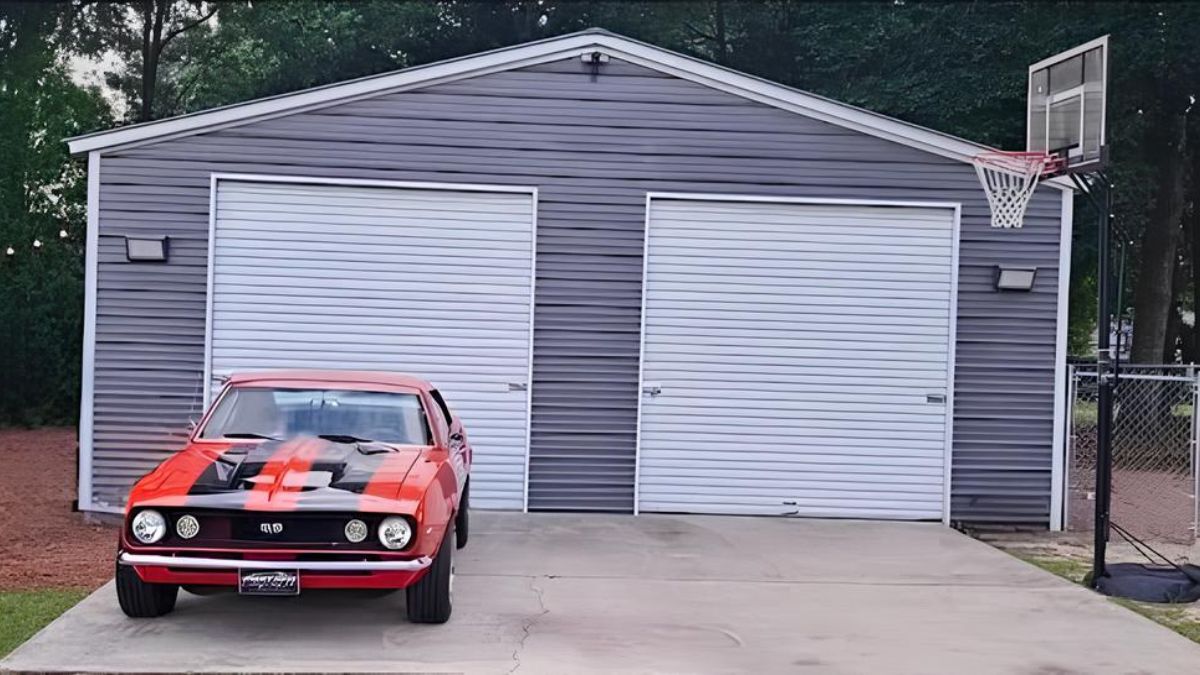
The roof is one of the first things people notice about a metal building, but its shape also affects how the structure is used. Roof profile can influence interior clearance, water runoff, the location of doors, and how well a new building fits with the rest of a property.
Common choices for metal buildings in Sacramento include A-frame roofs, barn-style roofs, and raised center aisle designs. Each can work well for certain uses. Understanding their differences helps property owners make a decision based on the building’s purpose and the conditions at the site.
A-Frame Roofs Offer a Familiar Profile
An A-frame roof has two sloping sides that meet at a ridge. The shape is common on garages, workshops, carports, and storage buildings because it works with many layouts and exterior styles.
The slope helps direct rainwater toward the eaves, where gutters and downspouts can manage runoff. Actual drainage performance depends on roof pitch, panel installation, flashing, and maintenance.
Interior height is another consideration. The available clearance near the sidewalls may differ from the height at the center, depending on the roof structure and whether a ceiling is installed. Anyone planning tall shelving or equipment should review usable clearances, not just the advertised peak height.
Barn-Style Roofs Create a Different Shape
A barn-style or gambrel-inspired roof has a distinctive profile that changes slope between the ridge and the eaves. This can create a traditional agricultural appearance that suits rural properties.
Depending on the design, the roof shape may provide useful space higher in the building. That does not automatically mean the structure can support a loft or overhead storage. Any elevated floor, storage platform, or suspended load needs to be included in the engineered design.
Barn-style buildings can be used for equipment, workshops, or agricultural storage. The best choice depends on required door heights, the interior layout, and the building’s intended function.
Raised Center Aisle Designs Support Separate Zones
A raised center aisle barn typically has a taller central section with lower roof sections extending along its sides. The arrangement can create a central travel or work area with stalls, storage, or sheltered spaces on either side.
This layout is often associated with horse barns, but it may also suit other agricultural uses. The taller middle section can provide room for circulation and may offer opportunities for upper windows or ventilation features.
Because the roof has transitions between different heights, detailing matters. Connections, flashing, gutters, and drainage paths should be designed to handle water properly. Owners should also consider how people, animals, and equipment will move between the central aisle and side areas.
Roof Pitch and Local Weather
Roof pitch affects the way water and debris move across the surface. It can also influence the roof system selected for the building.
Local weather is a major factor. A property exposed to heavy snow, strong winds, or seasonal storms may have different structural requirements from a sheltered site in a mild climate.
The roof’s appearance alone does not establish its load capacity. Wind, snow, rain, and seismic requirements must be addressed through the applicable building codes and the structure’s engineering.
Ask for specifications that match the exact installation location rather than assuming that one roof style is suitable everywhere.
Panel Orientation and Water Management
Roof style and roof panel orientation are separate decisions. Some systems use panels that run from ridge to eave, while others have different configurations and fastening details.
Water management depends on the complete roof assembly. Panel type, fasteners, seals, flashing, penetrations, and correct installation all contribute to performance.
Gutters and downspouts also need to be planned around where water will discharge. A roof that sheds water effectively can still create problems if runoff collects near doors or foundations.
Think About Doors, Light, and Ventilation
A roof decision should be made alongside the rest of the building layout. Tall doors may need to be positioned where sufficient clearance is available. Skylights, windows, and ventilation openings can affect roof or wall design.
For a workshop, consider lighting and whether heat will collect near the ceiling. For a barn, airflow and daylight may be especially important. For storage, the priority may be keeping the interior dry and allowing easy access to equipment.
These practical needs often help narrow the roof choices.
Compare the Full Project
Price differences between metal buildings can reflect more than roof shape. Dimensions, steel specifications, engineering, site work, insulation, doors, finishes, and installation requirements can all change the final cost.
Compare proposals with equivalent specifications whenever possible. A lower initial quote may cover a different set of features or site responsibilities.
Before making a selection, confirm local permit requirements and any neighborhood or property restrictions that apply.
Choose the Roof for the Way You Will Use the Building
An A-frame design may suit a straightforward garage or shop. A barn-style roof may complement a rural property. A raised center aisle layout may help organize agricultural activities into separate areas.
The best choice comes from matching the roof and building layout to the equipment, animals, storage, or work that will happen inside. When clearance, drainage, access, and local conditions are considered together, the f

A 55-inch transparent OLED display shows text, images, and video while keeping objects behind it visible. Shops can show information in front of products. Museums can add details to exhibits. The right display depends on where you will place it and how people will use it.
Monitor, Module, or Kiosk?
Monitor
A 55-inch transparent OLED monitor is a complete display that can stand alone or fit into a larger structure. It supports optional touch, Windows, or Android. This option suits teams that want a finished screen for product demos or presentations, with less work on the frame and housing.
Module
A 55-inch OLED module suits projects that need a custom cabinet, frame, or display structure. Designers and installers can build the screen into the space around it. The team needs to plan how to fix the screen in place, run the cables, and control the content. A module also supports optional touch.
Kiosk
An interactive touch kiosk combines the screen with a freestanding structure. Visitors can browse products, read event details, or find information without staff help. The layout should make each task clear. Simple menus and easy-to-reach buttons help people use the screen.

Where Can You Use It?
Retail and Showrooms
A transparent screen can show product details or a short demo in front of the actual item. The content should leave enough space for people to see the product behind it. Short text and simple graphics are easier to follow than a screen filled with images and words.
Museums and Exhibitions
A screen can show labels, animations, or video in front of an exhibit. Visitors can see the object and read about it in the same place. At trade shows, touch lets visitors choose the product or topic they want to explore. The content should support the display and stay easy to read.
Transportation and Public Spaces
Transparent displays can add routes, travel updates, and directions to windows or glass structures. These projects need checks for lighting, viewing distance, and mounting. The team should test the content in the planned setting to see whether the information and the view behind it remain clear.
What Should You Check Before Installation?
The 55-inch size describes the screen diagonal. Your team also needs the full product dimensions, space for cables, and access for repairs. Check the touch and system options for the model you choose. Test sample content with the objects and lighting that will be used behind the screen.
If one panel is too small, several panels can form a transparent OLED video wall. Plan the content around the gaps between panels. The structure needs to support each screen and leave room for maintenance. The playback system also needs to keep the content running together across the wall.
-

 NEWS1 year ago
Historical Churches in Manila
-

 TOPIC3 months ago
Unveiling AvTub: Your Ultimate Guide to the Best AV Content
-

 TOPIC1 year ago
Symbols of Hope: The 15th Belenismo sa Tarlac
-

 TOPIC1 year ago
RIZAL at 160: a Filipino Feat in Britain
-

 TOPIC1 year ago
Simbang Gabi and Kakanin
-

 TOPIC2 months ago
Understanding Fascisterne: Origins and Ideological Roots
-

 TOPIC1 year ago
“The Journey Beyond Fashion” – Ditta Sandico
-

 NEWS4 months ago
What Caused Delta Flight DL275 to Diverted LAX? A Detailed Breakdown