
TOPIC
Creating Better Light at Home with LED Upgrades and Custom Window Treatments

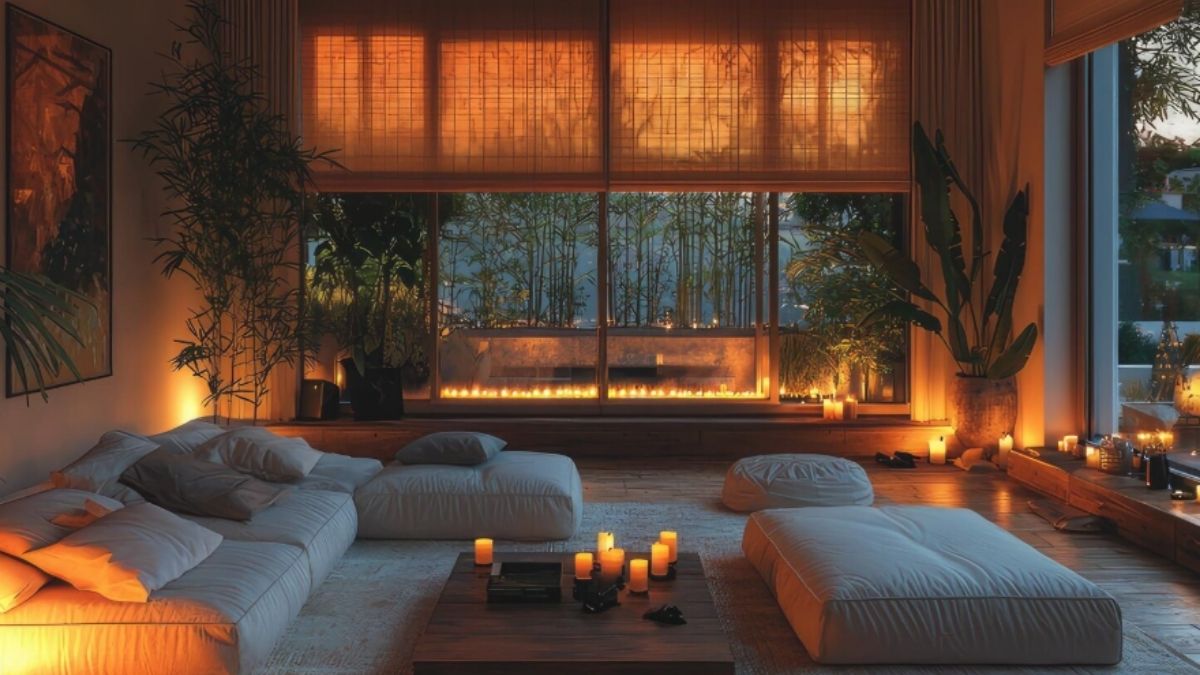
Good lighting can completely change how a home feels. A room that once seemed flat or uncomfortable can become warmer, more inviting, and easier to use simply by improving how artificial and natural light work together. The goal is not necessarily to make every space brighter. It is to create the right amount of light at the right time while keeping comfort, efficiency, and appearance in balance.
Modern lighting upgrades make that easier than many homeowners expect. In some cases, improvements can be made by retrofitting lights without rewiring, allowing existing fixtures to benefit from newer LED technology without turning the project into a major electrical overhaul. When these upgrades are coordinated with thoughtful window treatments, homeowners gain much greater control over brightness throughout the entire day.
Start by understanding how each room uses light
Before changing fixtures or ordering new window coverings, it helps to pay attention to how light behaves in each room. A kitchen may need strong, clear illumination for preparing food, while a living area may feel more comfortable with softer layers of light. Bedrooms often benefit from adjustable lighting that can transition from bright and practical in the morning to calm and subdued in the evening.
Natural light introduces another variable. A room may feel perfect early in the day but become uncomfortable when direct sunlight begins pouring through the windows. Another space might remain dim even when the curtains are fully open. Looking at these patterns before making changes helps homeowners identify whether the biggest issue is the fixtures, the windows, or a combination of both.
This approach also prevents unnecessary upgrades. Sometimes changing the color temperature or brightness of existing fixtures solves the problem. In other situations, controlling incoming daylight produces the biggest improvement. Understanding the room first makes it easier to spend money where it will have the greatest impact.
Make LED lighting work harder for your home
LED technology offers much more than lower electricity consumption. Modern options provide better control over brightness, color temperature, and the overall atmosphere of a room. Warmer light can make bedrooms and gathering spaces feel comfortable, while cooler tones may be better suited to areas where visibility and concentration are important.
Dimming can add another layer of flexibility. Instead of designing a room around one fixed level of brightness, homeowners can adjust the lighting depending on what they are doing. The same room can be brightly illuminated while working, softened for dinner, and reduced further while relaxing later in the evening.
There is also a practical advantage to upgrading older fixtures. LEDs generally last much longer than traditional bulbs, which means fewer replacements and less ongoing maintenance. In spaces with numerous recessed fixtures or hard-to-reach lights, that difference becomes particularly noticeable over time. The best upgrades combine efficiency with comfort rather than treating energy savings as the only objective.
Give natural light a supporting role
Artificial lighting works best when it complements daylight rather than competing with it. During the morning and afternoon, windows may provide most of the illumination a room needs. The challenge is controlling that light as conditions change. Direct sunlight can create glare on screens, wash out television displays, fade furnishings, or make certain areas noticeably warmer.
Window treatments provide a practical way to manage these issues without blocking daylight completely. Different materials and opacity levels allow homeowners to decide how much light enters a room and how diffused that light becomes. A lightly filtered window can maintain an airy appearance while reducing harsh brightness, while more substantial coverings may be better suited to spaces where privacy or darkness matters.
The right window treatment should do more than cover the glass. It should give you control over brightness, privacy, glare, and the overall mood of the room while still feeling connected to the rest of the interior. Made-to-measure options can be particularly useful when standard sizes leave awkward gaps or when you want the fabric, opacity, and finish to complement the lighting scheme. Choosing custom shades nyc can also provide greater flexibility when precise light control is a priority, especially in rooms where conditions change noticeably throughout the day.
Layer light instead of relying on one source
Some of the most comfortable rooms use several forms of illumination rather than depending on a single ceiling fixture. Ambient lighting establishes the general brightness of the room, task lighting helps with activities that require clearer visibility, and accent lighting draws attention to architectural details, artwork, or decorative features.
Window treatments effectively become another layer in this system. During the day, homeowners can adjust them to control how much sunlight contributes to the room. As daylight fades, LEDs gradually take over. This creates a smoother transition from daytime to evening and avoids the sudden contrast that occurs when a bright overhead fixture becomes the only source of illumination after sunset.
Layering also makes spaces more adaptable. A home office may need strong task lighting during working hours but far less illumination once the workday is over. A dining area may benefit from brighter conditions during family activities and softer lighting during meals. Designing for several scenarios gives homeowners more control without requiring constant changes to the room itself.
Think about color, texture, and temperature together
Lighting has a major influence on how interior finishes appear. Paint colors, fabrics, wood tones, furniture, and artwork can look noticeably different depending on the color temperature of the LEDs and the amount of daylight entering through the windows.
This makes coordination important. Warm lighting can emphasize rich textures and create a relaxed atmosphere, while cooler lighting often produces a crisper appearance. Window coverings also affect the character of daylight. Depending on the material, sunlight may enter the room with a softer, warmer, or more muted quality.
Rather than choosing fixtures and window treatments independently, consider how they will interact with the entire room. Samples can be especially helpful because fabrics and finishes may look very different under daylight compared with evening illumination. Evaluating both conditions can prevent surprises after installation.
Build comfort into every hour of the day
A successful lighting plan is ultimately about flexibility. Homes are used differently from morning to night, so the lighting should be able to change with those routines. Combining efficient LED upgrades with adjustable window treatments provides control over both artificial and natural illumination.
The result can be a home that feels brighter when brightness is needed, softer when it is time to relax, and more comfortable as sunlight changes throughout the day. By looking at fixtures, windows, color, energy use, and everyday habits as parts of the same system, homeowners can create spaces that are not simply well lit, but genuinely pleasant to live in.
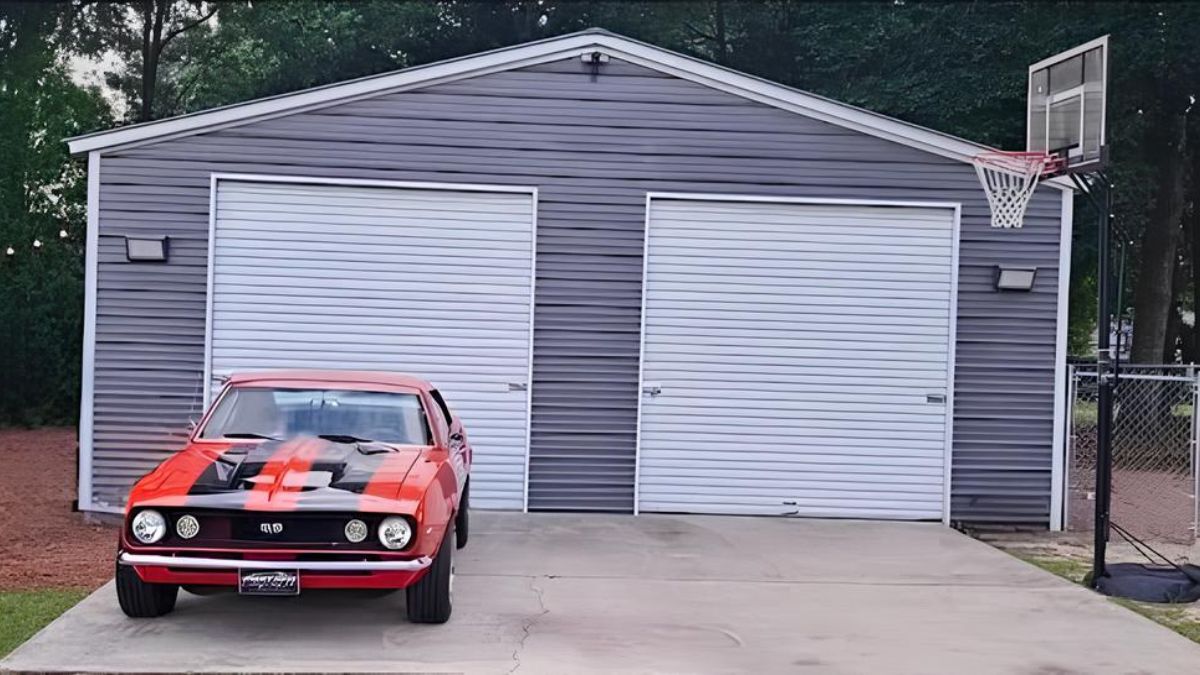
The roof is one of the first things people notice about a metal building, but its shape also affects how the structure is used. Roof profile can influence interior clearance, water runoff, the location of doors, and how well a new building fits with the rest of a property.
Common choices for metal buildings in Sacramento include A-frame roofs, barn-style roofs, and raised center aisle designs. Each can work well for certain uses. Understanding their differences helps property owners make a decision based on the building’s purpose and the conditions at the site.
A-Frame Roofs Offer a Familiar Profile
An A-frame roof has two sloping sides that meet at a ridge. The shape is common on garages, workshops, carports, and storage buildings because it works with many layouts and exterior styles.
The slope helps direct rainwater toward the eaves, where gutters and downspouts can manage runoff. Actual drainage performance depends on roof pitch, panel installation, flashing, and maintenance.
Interior height is another consideration. The available clearance near the sidewalls may differ from the height at the center, depending on the roof structure and whether a ceiling is installed. Anyone planning tall shelving or equipment should review usable clearances, not just the advertised peak height.
Barn-Style Roofs Create a Different Shape
A barn-style or gambrel-inspired roof has a distinctive profile that changes slope between the ridge and the eaves. This can create a traditional agricultural appearance that suits rural properties.
Depending on the design, the roof shape may provide useful space higher in the building. That does not automatically mean the structure can support a loft or overhead storage. Any elevated floor, storage platform, or suspended load needs to be included in the engineered design.
Barn-style buildings can be used for equipment, workshops, or agricultural storage. The best choice depends on required door heights, the interior layout, and the building’s intended function.
Raised Center Aisle Designs Support Separate Zones
A raised center aisle barn typically has a taller central section with lower roof sections extending along its sides. The arrangement can create a central travel or work area with stalls, storage, or sheltered spaces on either side.
This layout is often associated with horse barns, but it may also suit other agricultural uses. The taller middle section can provide room for circulation and may offer opportunities for upper windows or ventilation features.
Because the roof has transitions between different heights, detailing matters. Connections, flashing, gutters, and drainage paths should be designed to handle water properly. Owners should also consider how people, animals, and equipment will move between the central aisle and side areas.
Roof Pitch and Local Weather
Roof pitch affects the way water and debris move across the surface. It can also influence the roof system selected for the building.
Local weather is a major factor. A property exposed to heavy snow, strong winds, or seasonal storms may have different structural requirements from a sheltered site in a mild climate.
The roof’s appearance alone does not establish its load capacity. Wind, snow, rain, and seismic requirements must be addressed through the applicable building codes and the structure’s engineering.
Ask for specifications that match the exact installation location rather than assuming that one roof style is suitable everywhere.
Panel Orientation and Water Management
Roof style and roof panel orientation are separate decisions. Some systems use panels that run from ridge to eave, while others have different configurations and fastening details.
Water management depends on the complete roof assembly. Panel type, fasteners, seals, flashing, penetrations, and correct installation all contribute to performance.
Gutters and downspouts also need to be planned around where water will discharge. A roof that sheds water effectively can still create problems if runoff collects near doors or foundations.
Think About Doors, Light, and Ventilation
A roof decision should be made alongside the rest of the building layout. Tall doors may need to be positioned where sufficient clearance is available. Skylights, windows, and ventilation openings can affect roof or wall design.
For a workshop, consider lighting and whether heat will collect near the ceiling. For a barn, airflow and daylight may be especially important. For storage, the priority may be keeping the interior dry and allowing easy access to equipment.
These practical needs often help narrow the roof choices.
Compare the Full Project
Price differences between metal buildings can reflect more than roof shape. Dimensions, steel specifications, engineering, site work, insulation, doors, finishes, and installation requirements can all change the final cost.
Compare proposals with equivalent specifications whenever possible. A lower initial quote may cover a different set of features or site responsibilities.
Before making a selection, confirm local permit requirements and any neighborhood or property restrictions that apply.
Choose the Roof for the Way You Will Use the Building
An A-frame design may suit a straightforward garage or shop. A barn-style roof may complement a rural property. A raised center aisle layout may help organize agricultural activities into separate areas.
The best choice comes from matching the roof and building layout to the equipment, animals, storage, or work that will happen inside. When clearance, drainage, access, and local conditions are considered together, the f
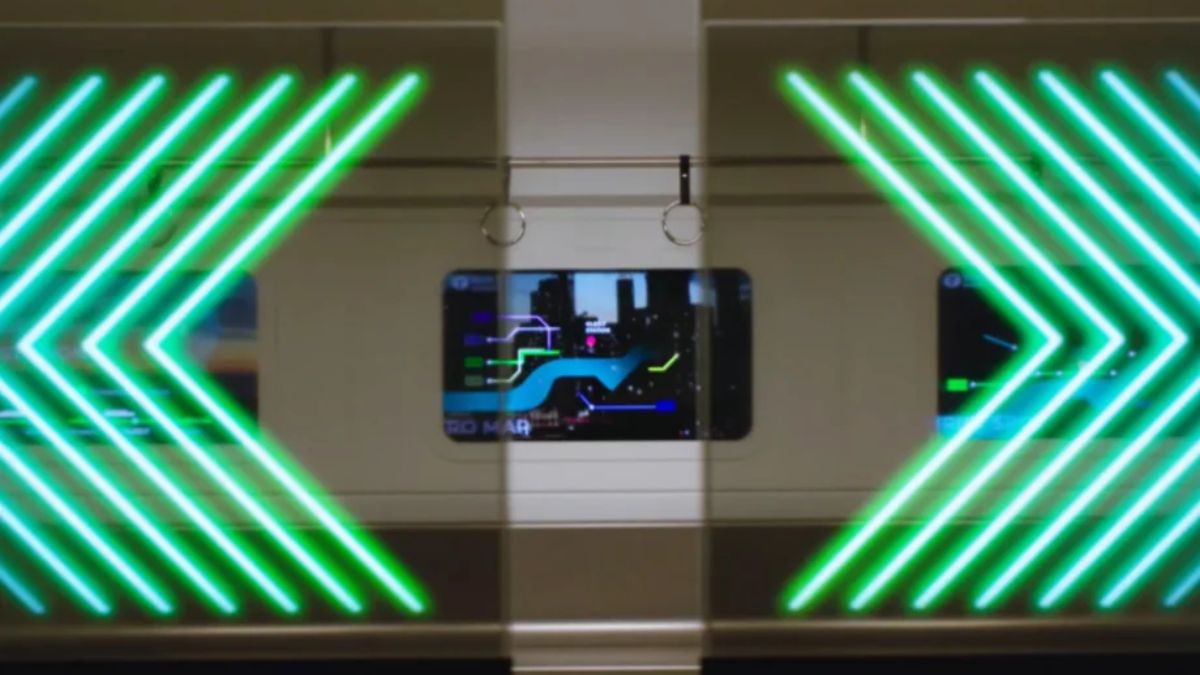
A 55-inch transparent OLED display shows text, images, and video while keeping objects behind it visible. Shops can show information in front of products. Museums can add details to exhibits. The right display depends on where you will place it and how people will use it.
Monitor, Module, or Kiosk?
Monitor
A 55-inch transparent OLED monitor is a complete display that can stand alone or fit into a larger structure. It supports optional touch, Windows, or Android. This option suits teams that want a finished screen for product demos or presentations, with less work on the frame and housing.
Module
A 55-inch OLED module suits projects that need a custom cabinet, frame, or display structure. Designers and installers can build the screen into the space around it. The team needs to plan how to fix the screen in place, run the cables, and control the content. A module also supports optional touch.
Kiosk
An interactive touch kiosk combines the screen with a freestanding structure. Visitors can browse products, read event details, or find information without staff help. The layout should make each task clear. Simple menus and easy-to-reach buttons help people use the screen.

Where Can You Use It?
Retail and Showrooms
A transparent screen can show product details or a short demo in front of the actual item. The content should leave enough space for people to see the product behind it. Short text and simple graphics are easier to follow than a screen filled with images and words.
Museums and Exhibitions
A screen can show labels, animations, or video in front of an exhibit. Visitors can see the object and read about it in the same place. At trade shows, touch lets visitors choose the product or topic they want to explore. The content should support the display and stay easy to read.
Transportation and Public Spaces
Transparent displays can add routes, travel updates, and directions to windows or glass structures. These projects need checks for lighting, viewing distance, and mounting. The team should test the content in the planned setting to see whether the information and the view behind it remain clear.
What Should You Check Before Installation?
The 55-inch size describes the screen diagonal. Your team also needs the full product dimensions, space for cables, and access for repairs. Check the touch and system options for the model you choose. Test sample content with the objects and lighting that will be used behind the screen.
If one panel is too small, several panels can form a transparent OLED video wall. Plan the content around the gaps between panels. The structure needs to support each screen and leave room for maintenance. The playback system also needs to keep the content running together across the wall.

Louisiana’s climate can be great for growing trees, but it can also create some difficult conditions for keeping them healthy and safe. High humidity, heavy rain, hurricanes, strong winds, saturated soil, and fast-growing vegetation can all affect trees differently throughout the year, which is why property owners often need more than simple trimming to keep their landscapes in good condition.
A professional Louisiana tree service may handle everything from routine pruning to emergency storm cleanup, depending on the condition of the tree and the needs of the property. Understanding the most common services can make it easier to know when maintenance is enough and when a more serious problem needs attention.
Tree Trimming and Pruning
Tree trimming is one of the most common services requested by homeowners and commercial property owners. Overgrown branches can interfere with roofs, gutters, sidewalks, parking areas, utility lines, and nearby structures, while dense growth may also prevent sunlight and airflow from reaching parts of the tree.
Pruning can be used more selectively to improve tree health and structure. Dead, damaged, weak, or crossing branches may be removed before they create larger problems, and strategic pruning can help young trees develop stronger growth patterns as they mature.
In Louisiana, regular pruning can also be an important part of storm preparation. While no amount of trimming can make a tree completely hurricane-proof, removing compromised limbs and reducing certain structural weaknesses may lower the chance of branches breaking during severe weather.
When Is Tree Removal Necessary?
Tree removal is usually considered when a tree presents a significant safety concern, has declined beyond recovery, or is interfering with a construction or landscaping project. Large dead trees, severely leaning trees, and trees with major structural damage can become increasingly dangerous if they are left standing.
Disease, decay, or root problems may also make removal necessary. Some trees can look relatively healthy from a distance while having extensive internal deterioration, which is why evaluating the trunk, root flare, major branches, and surrounding soil conditions can be important before deciding what to do.
Removal may also be recommended after major storms. Hurricanes and thunderstorms can crack trunks, uproot trees, or leave large sections hanging precariously over homes, fences, roads, and other areas where people regularly travel.
Stump Grinding Cleans Up the Property
Once a tree has been removed, the remaining stump can become an inconvenience. Stumps may interfere with mowing, landscaping, construction, or normal use of the yard, and exposed roots can create tripping hazards around frequently used areas.
Stump grinding removes much of the visible portion of the stump by mechanically breaking the wood into smaller material below the surrounding ground level. The resulting area can often be filled, covered, or incorporated into future landscaping plans.
Grinding can also improve the appearance of the property, particularly when several old stumps are scattered throughout the yard. Removing them creates a cleaner surface and makes future maintenance considerably easier.
Storm Damage Cleanup Is Especially Important in Louisiana
Severe weather is a major reason Louisiana property owners need tree services. Hurricanes, tropical storms, thunderstorms, and strong straight-line winds can bring down branches and entire trees with very little warning.
Storm cleanup may involve removing fallen limbs, cutting damaged trees into manageable sections, clearing access to driveways and roads, and identifying trees that remain standing but have become unstable. A tree that survived the storm is not necessarily undamaged, so follow-up inspections can be useful when large limbs have broken or the root system appears disturbed.
Emergency tree work often requires additional precautions because damaged branches may remain under tension, trunks may be partially supported by nearby structures, and downed trees can become tangled with other debris. These conditions make storm cleanup more complex than ordinary landscape maintenance.
Tree Health Assessments Can Catch Problems Early
Not every tree problem requires removal. In many cases, identifying stress or disease early can make a meaningful difference in how the tree is managed.
Tree health assessments may look for abnormal leaf loss, discoloration, fungal growth, bark damage, cavities, dead branches, root problems, insect activity, and unusual changes in growth. The goal is to determine whether the tree is experiencing a temporary stress, a manageable health issue, or a structural problem that could become dangerous.
Louisiana’s warm and humid conditions can encourage certain fungal problems and pests, while excessive rain may create poor soil conditions around roots. Drought periods can create a different type of stress, which means tree health can change considerably from one season to another.
Cabling and Bracing Can Support Certain Trees
Some trees develop weak branch unions or structural defects that do not immediately require removal. Cabling and bracing systems may sometimes be used to provide additional support to vulnerable sections of the tree.
These systems are intended to reduce movement or stress in particular branches or trunks, but they are not appropriate for every situation. A severely decayed or unstable tree may still need to be removed, even if support systems are available.
Periodic inspections are also important after cables or braces are installed because trees continue to grow, and their structural condition can change over time.
Lot Clearing and Land Preparation
Tree services are also commonly needed before construction, property development, or major landscaping projects. Lot clearing can involve removing unwanted trees, brush, undergrowth, stumps, and other vegetation so the site can be prepared for future work.
This type of service may range from removing a handful of smaller trees to clearing a much larger section of land. Planning is especially important when desirable trees are being preserved because heavy equipment, excavation, and soil compaction can damage root systems even when the tree itself is never cut.
Routine Maintenance Can Prevent Larger Problems
Many tree-related emergencies begin as smaller issues that went unnoticed or were postponed for too long. Dead limbs, overcrowded branches, damaged trunks, and unstable growth can gradually become more serious, especially when severe weather places additional stress on the tree.
Regular inspections, responsible pruning, and timely removal of hazardous trees can help property owners stay ahead of those problems. In a state where weather can change quickly and trees often grow aggressively, routine maintenance can be one of the simplest ways to protect both the landscape and the structures around it.
From trimming and stump grinding to storm cleanup and complete tree removal, Louisiana property owners have a wide range of tree care needs. Knowing which services are commonly available makes it easier to recognize problems early and choose the right type of care before a minor concern becomes a much larger project.
-

 NEWS1 year ago
Historical Churches in Manila
-

 TOPIC3 months ago
Unveiling AvTub: Your Ultimate Guide to the Best AV Content
-

 TOPIC1 year ago
Symbols of Hope: The 15th Belenismo sa Tarlac
-

 TOPIC1 year ago
RIZAL at 160: a Filipino Feat in Britain
-

 TOPIC1 year ago
Simbang Gabi and Kakanin
-

 TOPIC2 months ago
Understanding Fascisterne: Origins and Ideological Roots
-

 TOPIC1 year ago
“The Journey Beyond Fashion” – Ditta Sandico
-

 NEWS4 months ago
What Caused Delta Flight DL275 to Diverted LAX? A Detailed Breakdown