
TOPIC
Dallas Homes Are Crumbling — And Most Owners Don’t Know It Yet


In the summer of 2022, a homeowner in Frisco, Texas noticed a thin white streak running down her brick front wall. She figured it was dust. Maybe hard water from the sprinklers. She ignored it for eight months. By spring, water had migrated behind the brick veneer, soaked into the wood framing, and quietly destroyed nearly $14,000 worth of structural damage behind a wall that looked completely fine from the street. Her story isn’t unusual in DFW. It’s practically a pattern. If you’re a homeowner in this region and you haven’t had your masonry professionally inspected in the last two years, there’s a real chance you’re living inside a similar slow-motion problem right now. The good news is that trusted Masonry dallas professionals exist specifically for this scenario — and catching it early is still an option.
What makes DFW uniquely brutal on brick, stone, and concrete isn’t any single thing. It’s everything stacking at once. Clay-heavy soil expands and contracts with moisture shifts. Summer heat pushes surface temperatures past 150°F on south-facing brick. Hail seasons arrive fast and hit hard. And most homeowners — reasonably — assume that because their house looks solid, it probably is. That assumption is where the real damage starts.
5 Signs Your DFW Property Is Already in Trouble
Before getting into what proper masonry repair actually looks like, it helps to know what you’re looking for. Most warning signs are visible. You just have to know what they mean.
Crumbling mortar joints. Run your finger along the grout lines between your bricks. If any of it crumbles or flakes off, that’s not cosmetic. That’s the seal between your home’s exterior and the moisture-carrying air outside. Hairline cracks can be watched. Crumbling mortar needs action — especially after a hail event, when micro-fractures you can’t see are already letting water in.
White staining on brick faces. That white residue has a name: efflorescence. It’s a mineral deposit left behind when water moves through masonry and evaporates on the surface. It’s your brick telling you water is already traveling through it. According to the Portland Cement Association, efflorescence is one of the earliest detectable indicators of moisture infiltration — and one of the most consistently ignored by homeowners.
Bowing or separating veneer sections. If any section of your brick wall looks like it’s pulling slightly away from the wall behind it, that’s a structural conversation, not a cosmetic one. This happens when ties that connect brick veneer to the framing behind it fail — often because of water damage or soil movement at the foundation line. At that point, you’re past the “monitor it” stage.
Retaining wall leaning or cracking at the base. North Texas lots with any grade change are particularly vulnerable here. Expansive clay soil pushes against retaining walls constantly. A wall that leans even slightly is already redistributing load in ways it wasn’t designed to handle. The U.S. Army Corps of Engineers’ guidance on residential retaining structures is clear: a 1-inch deviation from plumb per 4 feet of height is the threshold for professional evaluation. Most homeowners don’t know that benchmark exists.
Spalling on patios, walkways, and steps. Yes, North Texas gets freeze-thaw cycles. They’re mild compared to Chicago, but they’re enough to break down concrete and stone surfaces over time. When the surface of your patio starts to flake or pit, it’s not just ugly. Water enters those micro-pores, freezes, expands, and breaks the material apart from the inside. Ignoring spalling turns a $600 resurfacing job into a full replacement conversation inside two seasons.
What Professional Masonry in Dallas Actually Covers
Here’s where most homeowners get surprised. They think masonry means brickwork. That’s about 20% of what it actually covers. A properly equipped masonry crew in DFW should be handling all of this.
Brick repair and repointing. This is tuckpointing — the process of removing deteriorated mortar and replacing it with fresh, color-matched compound. It’s not glamorous work, but it’s foundational. Improperly matched mortar is one of the most common mistakes DIY homeowners make. If the mortar is harder than the surrounding brick, it actually forces stress into the brick itself during thermal expansion, causing more cracking than it prevents.
Natural stone and veneer installation. Limestone and flagstone are popular in DFW for a reason. They handle heat well, they look good, and they age with dignity when properly installed. Common applications include fireplace surrounds, entryway facades, accent walls, and full exterior cladding. The key word is “properly installed” — improper substrate prep or flashing details turn beautiful stonework into a moisture trap within a few years.
Retaining wall construction. Sloped lots in Dallas and Fort Worth neighborhoods need engineered solutions. Concrete block, natural stone, and brick retaining systems all have appropriate applications depending on soil load, drainage conditions, and lot grade. A contractor who isn’t asking about your drainage situation before recommending materials is skipping steps that matter.
Concrete paver installation. Driveways, walkways, and patios are major quality-of-life and resale value investments. Permeable paver systems are increasingly relevant in DFW specifically because of stormwater management requirements in newer developments. Good paver work also integrates cleanly with landscaping and outdoor living designs — which matters when you’re thinking about the full picture of your property’s exterior.
Chimney masonry repair and crown restoration. Your chimney crown is the first line of defense against water entering through the top of the flue. Cracked crowns, failed flashing, and deteriorated tuckpointing around the chimney stack are leading causes of interior water damage in older DFW homes. The Chimney Safety Institute of America recommends annual chimney inspections — most homeowners are years past due.
Custom stonework for outdoor living. Outdoor kitchens, fire pit surrounds, decorative columns, pergola bases — this is where masonry stops being maintenance and starts being investment. Dallas-area buyers pay a real premium for well-designed outdoor entertaining spaces. The return on professionally executed outdoor masonry in Texas markets is one of the strongest of any exterior improvement category.
How to Hire a Masonry Contractor Without Getting Burned
The DFW contractor market has a trust problem. After major storm seasons, unlicensed operators flood the area targeting homeowners who are stressed, time-pressured, and looking for fast relief. Some are outright fraudulent. Many are simply undertrained. Either way, the homeowner pays twice — once for the work, and once to fix it correctly later.
Here’s a practical framework before you sign anything.
Licensing and insurance aren’t optional checkboxes. In Texas, masonry work falls under general contractor licensing requirements for structural applications. Ask for license numbers. Verify them through the Texas Department of Licensing and Regulation database at tdlr.texas.gov. If a contractor deflects this question or says it doesn’t apply to them, that’s your answer.
Background-checked crews matter more than homeowners realize. You’re giving workers access to your property, sometimes while you’re not home. A company that doesn’t run background checks on technicians is transferring risk onto you that you didn’t agree to carry.
Review volume and review source diversity. A contractor with 40 Google reviews is not the same as one with 500+ verified ratings across Google, Yelp, and BBB. Single-platform reviews are easy to game. Cross-platform review patterns with third-party verification — like a Trustindex badge — tell a more honest story. Look for specific project mentions in reviews, not just generic praise.
Transparent, itemized estimates are non-negotiable. A legitimate masonry contractor gives you a written scope of work with line-item breakdowns before a single tool comes out of the truck. Vague lump-sum bids, pressure to sign same-day, and verbal-only agreements are red flags regardless of how friendly the salesperson is. Ask specifically about material sourcing, crew composition, and warranty terms in writing.
Local DFW experience has real technical relevance. Dallas’s expansive clay soil requires different footing depths and drainage engineering than standard masonry practice assumes. A contractor who has been operating exclusively in DFW understands these variables from experience. One who’s new to the market may be applying out-of-region standards to a soil condition that will defeat them within a few seasons.
Free consultations remove the guesswork. Any reputable masonry contractor should offer an on-site assessment without charging you upfront. If you’re paying just to find out what’s wrong, you’ve already started the relationship on the wrong foot.
The Hidden Cost of Waiting
Here’s the math that doesn’t get talked about enough. A tuckpointing job on a standard DFW home runs roughly $500 to $2,500 depending on linear footage and severity. Water infiltration through failed mortar that reaches wood framing? That’s a $5,000 to $20,000 remediation conversation depending on how long it went undetected. A retaining wall repointing project costs a fraction of full wall reconstruction after a failure event.
The University of Texas at Austin’s School of Architecture has published research connecting deferred exterior maintenance in Texas’s climate to accelerated structural degradation timelines significantly shorter than national averages. The combination of UV exposure, thermal cycling, and soil movement that DFW properties experience compresses the damage timeline in ways homeowners from other regions genuinely don’t expect.
Delaying masonry repair in this climate isn’t a neutral decision. It’s an active one with compounding costs attached to it.
Who’s Actually Accountable for the Information Gap
There’s a legitimate systems failure here worth naming. Texas doesn’t require home sellers to disclose masonry-specific structural assessments the way some states require specialist inspections. Standard home inspection reports in Texas check visible surface conditions but rarely include mortar joint analysis, retaining wall engineering review, or chimney crown assessment at the level of detail these systems actually need. That gap routinely allows deterioration to transfer from seller to buyer without either party fully understanding what they’re inheriting.
Local municipal codes in Dallas and Fort Worth set standards for new construction masonry but offer almost no enforcement mechanism for maintenance on existing structures until conditions reach a defined “dangerous” threshold — which is almost always far past the point of cost-effective repair. The Texas Real Estate Commission’s seller disclosure form (available at trec.texas.gov) requires disclosure of known defects but relies entirely on seller knowledge and honesty, neither of which is reliably present when a problem has been quietly ignored for years.
The practical result is that homeowners are largely left to self-educate, self-identify problems, and self-select trustworthy contractors in a market where significant information asymmetry exists. That’s not an accident. It’s a gap that benefits deferred maintenance cycles and rewards contractors willing to do patch jobs over proper remediation.
What Responsible Masonry Service Actually Looks Like
A professional masonry process has four clear stages. If any of them are missing, something is wrong.
First comes the on-site consultation. A real assessment includes visual inspection of all masonry surfaces, mortar joint condition evaluation, drainage review, and documentation with photos — which you should receive copies of for your own records and any insurance or HOA filings. This step is free with any reputable provider.
Second comes the written scope of work. Line items. Materials named specifically. Timeline stated. Cleanup responsibilities assigned. No surprises, no substitutions without your explicit approval. You sign off on the scope before work begins. Full stop.
Third is the work itself. Licensed technicians. Materials on-site before the job starts. Site protection in place. Progress communication throughout any multi-day project. No disappearing acts between visits.
Fourth is the final walkthrough. You review the completed work against the original scope before anything is signed off. All debris is removed. Curing and care instructions are provided. The work either matches what was promised or it doesn’t. That standard should be non-negotiable.
For storm damage or emergency situations where timelines are compressed, the same process applies — just faster. A contractor with genuine emergency service capability doesn’t cut steps. They have the staffing and logistics to execute the same quality process under urgent conditions.
The Long Game: Masonry as a Whole-Home Investment
Professional masonry work isn’t just maintenance. In DFW’s real estate market, it’s one of the highest-ROI exterior investments a homeowner can make. Brick and stone finishes consistently rank near the top of exterior improvement returns in Texas appraisal data. Well-executed retaining walls preserve landscaping and adjacent structure value that would otherwise erode — literally and financially — with every rain season.
Outdoor living masonry is its own category. Dallas-area buyers put real money on improved outdoor entertaining spaces. A custom patio with a stone fire feature or an outdoor kitchen with masonry surround isn’t just an aesthetic upgrade. It’s additional functional square footage in a market that prices outdoor living seriously. The National Association of Realtors’ 2023 remodeling impact report consistently placed outdoor feature projects among the top value-add investments in Southern markets.
The other strategic consideration is bundling. Masonry doesn’t exist in isolation on a home’s exterior. Gutters direct water that masonry joints and retaining walls then have to manage. Roofing and siding work affects flashing conditions around chimney masonry. Drainage systems interact directly with retaining wall load calculations. Homeowners who treat these systems as separate contractor conversations are managing a fragmented picture that creates expensive gaps. Working with a single provider who covers masonry alongside gutters, roofing, chimneys, and drainage gives you a coordinated exterior strategy instead of a series of disconnected fixes.
Emerson Pro Services handles all of it — masonry, gutters, roofing, chimneys, air ducts, siding, and outdoor living — under one licensed, background-checked, five-star-rated team across Dallas-Fort Worth. Over 500 verified reviews and a free consultation to start. If your home’s exterior has been on the back burner, now is the time to stop letting the Texas climate decide when the conversation happens.
Call them at 888-850-5597 or visit emersonproservices.com to schedule your free on-site assessment. The white stain on your brick isn’t just dust. It’s a timeline starting.
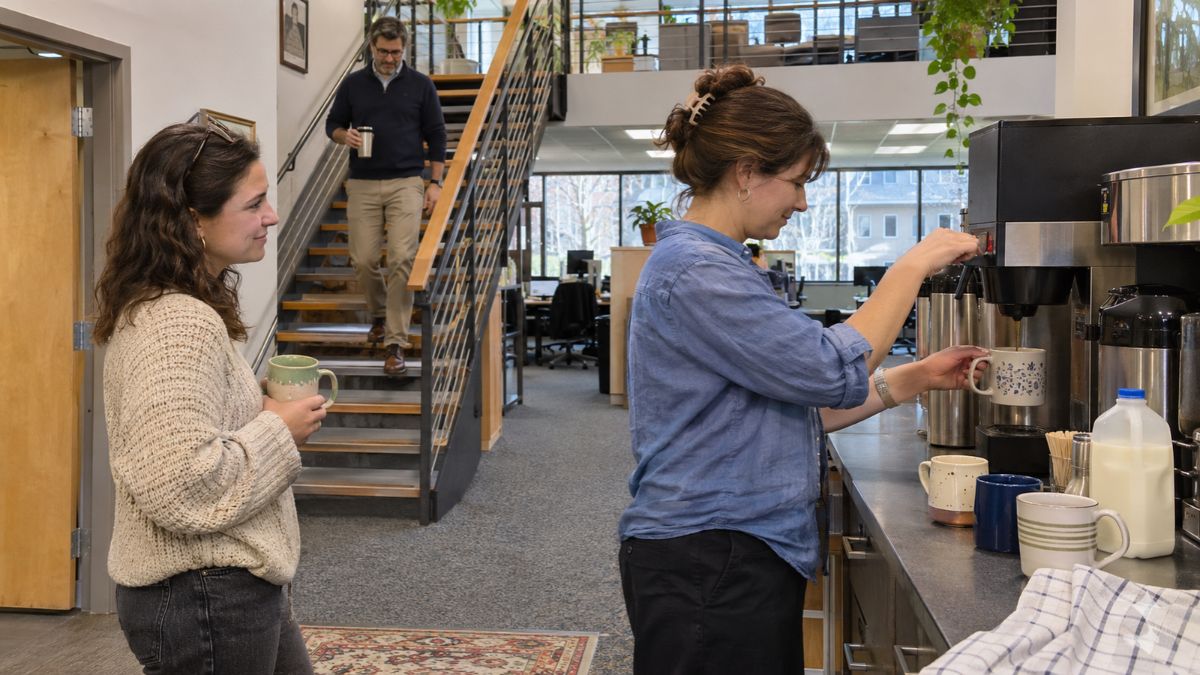
At 8:50 on Tuesday, someone from the upstairs team sends a photo of six people waiting for coffee. By lunch there’s a request for a second brewer. It sounds reasonable until someone asks what happened on Monday. The same machine sat idle for most of the morning, and half a pot went down the sink.
Does every floor need its own machine? Only if getting a cup regularly takes people too far from their work, or the shared brewer can’t keep up when they need it. Before changing your office coffee service, take one walk through the building, watch the busiest part of the morning, and find out who would keep that second station running.
How far away is the coffee, really?
Start at the desk of the person who asked for the brewer. Walk to the coffee station and back with a full mug, using the route they can actually take. Include the elevator wait, the heavy door that needs a free hand, and the detour around reception when a client meeting is in progress. Ask someone who uses the step-free route to show you any delays you missed.
A floor plan tells an office coffee service where a brewer might fit. Your walk tells them where it would get used. Suppose the kitchen is directly below the upstairs team, but the elevator is at the far end of both floors. Show the supplier that route before accepting a quote for a faster downstairs machine. Even an instant cup would leave the longest part of the trip untouched.
What’s holding up the morning line?
Watch the counter for fifteen minutes before the first round of meetings. Do it once on a busy office day and again on a quieter one. Write down three things while they’re still fresh.
- How many people arrive together? Eight coworkers coming out of orientation at once put a different demand on a brewer than eight people drifting in over an hour.
- What is each person waiting for? Watch the person at the front. Are they waiting for coffee to brew, filling the water tank, or adding milk right in front of the controls?
- Who leaves empty-handed? Someone who sees the line and heads back upstairs won’t appear in a count of cups served. Ask when they’ll get another chance for a break.
If the brewer finishes pouring while its last customer is still hunting for a lid, move the lids, milk, and sugar to the far end of the counter. Try that on the next busy morning. If the machine itself runs continuously and people still walk away, you have a reason to price more brewing capacity.
Try serving the upstairs team before buying a machine
Take the Tuesday meeting that sends a dozen people downstairs at 8:50. Next week, brew enough for that group ahead of time and set an insulated coffee dispenser, mugs, and milk outside the meeting room. Ask the organizer to note when the coffee runs out and how much comes back. If that clears the downstairs line and covers the only rush upstairs, add coffee to the meeting setup. If the dispenser comes back full of regular coffee while people still queue downstairs for decaf or individual drinks, ask the team what they wanted. A bigger pot would repeat the same mistake.
A separate brewer earns its place when the need lasts beyond one meeting. Think of a reception team that has to arrange desk coverage every time someone leaves the floor. A small station within sight of the desk may help those four people more than a faster brewer helps twenty people in the main kitchen.
Who will keep a second coffee station stocked?
Open the cupboard at the proposed location. Is there room for a spare box of coffee, filters that fit the brewer, and enough cups to get through delivery day? Check where someone can fill the tank, empty the grounds, and wash the removable parts. A station that sends someone downstairs carrying a drip tray needs a better spot.
Agree on who does the morning check and who covers their day off. If you already work with snack vendors for companies that share your building, ask where deliveries actually end. A box signed for at reception can sit there all afternoon while the upstairs team thinks the coffee has run out. Before approving the order, ask for the monthly cost of both layouts at the same cup count. Include equipment, supplies, delivery, and routine care. Take your notes from Tuesday morning to Berkshire Foods and ask what each option would cost at the same monthly cup count. Include supplies, delivery, and upkeep in both quotes. If most of the wait happens at the brewer, spend the money downstairs. If the upstairs team loses half its break getting there and back, give that floor its own machine.
Frequently Asked Questions
How many employees can share one office coffee machine?
Count the drinks people need during the busiest break. A team of twenty arriving together may ask more of a brewer than twice as many people on staggered schedules. Ask for a demonstration using your usual cup size and drink choices, then time how long the last person waits.
Which coffee machine works best for a quiet office floor?
A single-cup brewer is worth considering when people arrive at different times or want different drinks. If most of the floor drinks regular coffee at one morning meeting, try a small batch brewer or an insulated dispenser first. Compare what gets consumed with what you throw away.
What should an office coffee service quote include for two floors?
Ask for equipment and installation costs, the supplies included for each floor, and who handles cleaning and repairs. Berkshire Foods lists both traditional and single-cup systems. Give the supplier your busiest fifteen-minute count so you can compare the cost of improving the shared station with adding a smaller one upstairs.
Can we add a coffee machine on a floor without a water line?
A brewer with a refillable tank can work if staff have a convenient place to fill it and clean the parts. Before choosing one, check the tank capacity against your morning cup count. Have the person who will refill it try the walk from the nearest sink.
How can we tell whether the second brewer was worth it?
Repeat the same observations you made before installation on a comparable office day. Count how many people leave the line, time the round trip for the upstairs team, and check both stations for unused coffee. Ask whoever restocks them how often they’ve had to make an extra supply run.
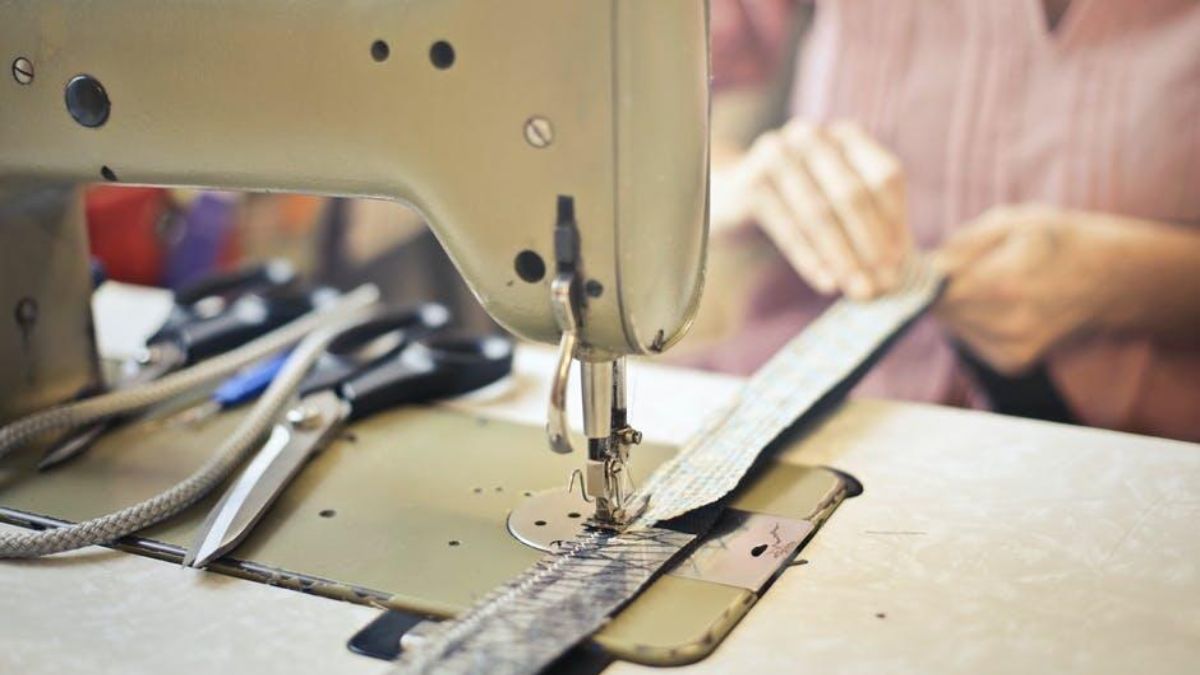
Building a new physical product once meant months of costly testing and repeated mistakes. Companies had to make metal parts, run stress tests, and start again when something failed. Today, simulation software allows teams to test designs on a screen before using any raw materials.
Continue reading to discover everything you need to know!
Moving From Physical Prototypes to Virtual Testing
Traditional prototyping can slow down even the best design teams, especially when budgets are tight. Many manufacturers now use specialized product engineering services to test stress, heat, and fluid movement in a digital space. This helps engineers find weak points early without paying for several physical models.
Virtual models show how materials react to heat, pressure, and movement. Engineers can change a part’s thickness or test a different metal within minutes.
They no longer need to wait weeks for a machine shop to build another version. Faster testing helps teams create stronger parts and move products toward production sooner.
Lowering R&D Costs Without Cutting Corners
Physical testing can use up large parts of a research budget. Material waste, special tools, and lab fees all add to the cost. Digital testing offers a cheaper way to check designs before building a working model.
Companies can save thousands of dollars during each design cycle. Using fewer physical prototypes also means less metal and plastic waste.
Smaller businesses can compete with larger companies because virtual testing makes product development more affordable. The money saved can support new ideas and better features for customers.
Predicting Maintenance Before Breakdowns Happen
Engineers use digital twins to track wear across months of factory use. Early signs of poor performance help repair teams replace worn parts before machines fail, and this can prevent costly stops in production. Data from products in use also helps engineers improve future designs.
Speeding Up Teamwork
Designers, engineers, and supply chain teams often use different technical terms. Digital models give everyone a clear view of how a part works under real conditions. Heat maps and stress charts make design choices easier to discuss.
Suppliers can also check exact measurements early in a project. This is more useful than relying only on flat drawings. Clear data reduces mistakes and helps teams meet launch dates.
Handling Complex Designs With Less Risk
Modern products contain more sensors, batteries, and moving parts in smaller spaces. Simulation helps engineers understand how heat and vibration may affect these parts. They can test possible problems before mass production begins.
Designers can also explore new shapes and lighter structures with less risk. Virtual tests show whether a design can handle pressure before companies invest in costly factory tools.
Meeting Safety and Compliance Standards
Industries such as aerospace, automotive, and medical devices must meet strict safety rules. A failed test can delay a launch for months or longer. Virtual testing helps engineers check designs against required limits before official inspections.
Detailed reports also show how parts perform under extreme conditions. This gives teams useful evidence during safety reviews and reduces the need for last-minute changes.
Advancing Product Design Through Product Engineering Services
Digital simulation has made product development faster and more cost-effective. Companies can reduce waste, avoid repeated mistakes, and bring reliable products to market sooner.
As computing power grows, virtual testing will play an even bigger role in how businesses design and build physical products.
Make sure to check out the rest of our articles.

Have you ever wondered how a few simple changes can make driving much safer? Every day, people face different dangers on the road, from bad weather to careless drivers. Vehicle accidents can cause serious injuries and create long-term problems.
Many of these crashes happen because of habits that can be changed. Road safety is something everyone can improve with small steps. Learning about common risks and how to avoid them helps protect everyone.
This blog post shares practical habits to reduce risk and keep you safe on the road. Keep on reading!
Stay Focused on the Road
Distractions are a major cause of road accidents. Using a phone, eating, or talking to passengers can take your mind off driving. Keeping both hands on the wheel helps you stay in control.
Watching the road ahead allows you to react quickly to dangers. By staying focused, drivers can avoid many unexpected hazards and keep themselves and others safe.
Keep a Safe Following Distance
Tailgating is dangerous and can lead to rear-end crashes. Leave enough space between your car and the vehicle in front of you. This space gives you time to stop if the other driver brakes suddenly.
Most experts recommend a three-second gap in good conditions. In rain or fog, you need even more space for safety.
Follow Speed Limits
Speeding is a common reason for accidents. Speed limits are set to protect all road users. Driving at the right speed helps you control your vehicle better.
Slower speeds make it easier to stop for unexpected obstacles. Following speed limits shows care for yourself and for others on the road.
Use Turn Signals and Check Blind Spots
Signaling before turning or changing lanes lets other drivers know your intentions. Always check your mirrors and blind spots before moving your car. This habit can prevent crashes, especially in heavy traffic.
Good communication between drivers makes the road safer for everyone. Simple actions like using turn signals help avoid confusion and accidents.
Adjust Driving for Weather and Road Conditions
Bad weather like rain, snow, or fog can make roads slippery and reduce visibility. Slow down and keep headlights on when visibility is low.
Avoid sudden stops or sharp turns to prevent skidding. Wet or icy roads need extra caution because it takes longer to stop. Adapting your driving style keeps you safer in any weather.
Know What to Do After an Accident
Even with safe habits, accidents can still happen. Stay calm and check for injuries after a crash. Contact emergency services right away if anyone is hurt or there is significant damage.
Gathering information about the road accident is crucial, and knowing how to protect your rights after collisions can help with insurance claims and legal issues. Being prepared makes dealing with accidents much less stressful.
Building Safer Driving Habits for a Lifetime
Driving safely is a decision you should make every day because it can save lives and prevent injuries. Relatively minor changes to your routine can have a significant impact over time.
Building solid routines for each drive can be done by putting these straightforward suggestions into practice. On the road, everyone can take precautions to protect themselves and others.
Did you like this guide? Great! Please browse our website for more!
-

 NEWS1 year ago
Historical Churches in Manila
-

 TOPIC4 months ago
Unveiling AvTub: Your Ultimate Guide to the Best AV Content
-

 TOPIC1 year ago
Simbang Gabi and Kakanin
-

 TOPIC1 year ago
Symbols of Hope: The 15th Belenismo sa Tarlac
-

 BUSINESS6 months ago
Exploring the Different Types of Понуде in Business Transactions
-

 NEWS5 months ago
What Caused Delta Flight DL275 to Diverted LAX? A Detailed Breakdown
-

 TOPIC1 year ago
RIZAL at 160: a Filipino Feat in Britain
-

 TOPIC3 months ago
Understanding Fascisterne: Origins and Ideological Roots