
TOPIC
A Taste of Art, A Brush of Flavor: The Culinary and Creative Genius of Claude Tayag

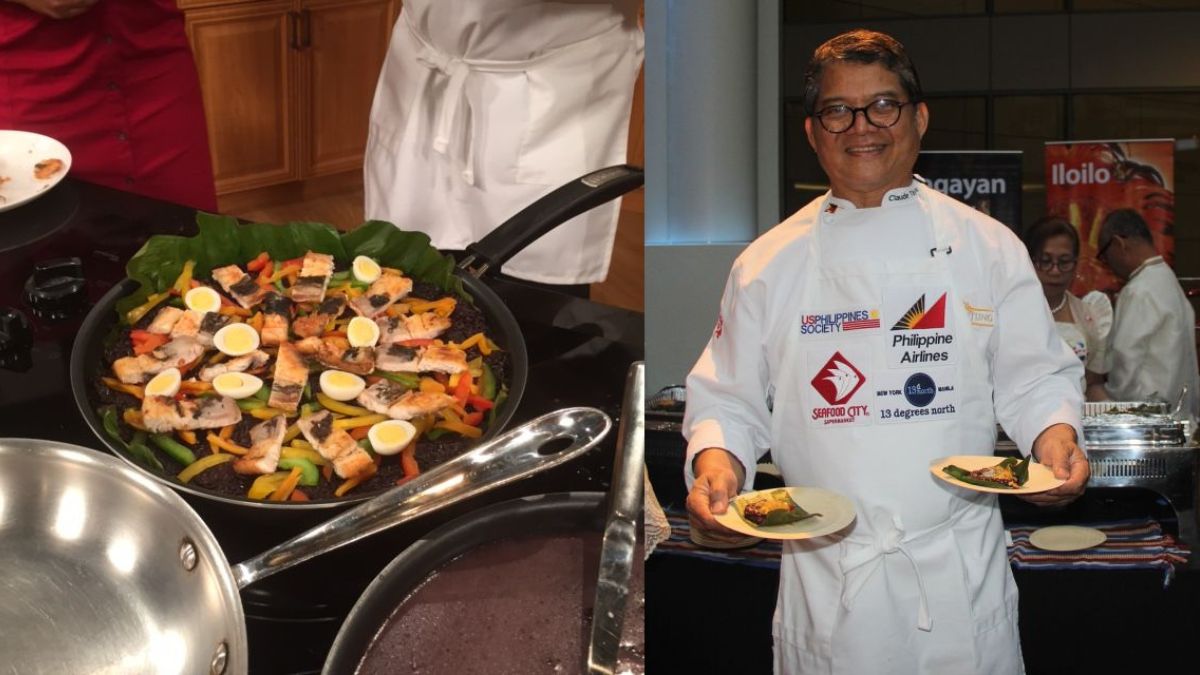
An Impressive Journey in the World of Food and Art
Claude Tayag, born in 1956 in Angeles City, Pampanga, is like a one-man show that could fill several lifetimes! He’s not just a talented painter, but also a wizard with wood sculpting and furniture design. On top of that, he’s a top-notch chef with awards to prove it, a bestselling author, a regular columnist for the Philippine Star, hosts his own show called “Chasing Flavors” on the Metro Channel — and he’s the culinary genius who introduced sisig to none other than Anthony Bourdain. The guy’s got more skills than you can shake a spatula at!
Coming from a big family of 12, Tayag and his siblings learned the art of cooking from their mom, Adoracion Suarez Tayag. Even as a teenager, he was known for being a wizard in the kitchen, always experimenting and trying new things.
From Canvas to Kitchen
Tayag stepped into the spotlight as a chef when he opened “Art Woks” at Larry Cruz’s Ang Hang Restaurant back in 1988. Here, he transformed his paintings into edible masterpieces. In 1993, he was the featured chef at the Manila Hotel, showcasing his twists on traditional Pampango cuisine. In 2001, he was invited for a special stint at the Prince Albert Rotisserie of the InterContinental Manila —- the first Filipino chef to score such an invite.
His first book, Food Tour, is a delightful mix of essays, peppered with his own drawings and mouth- watering recipes. It even snagged the Best Philippine Culinary Travel Guide at the Gourmand World Cookbook Awards in 2007. Tayag’s also one of the six culinary maestros behind KULINARYA: – A Guidebook to Philippine Cuisine, where he also showcased his food styling chops.
Teaming up with his wife Mary Ann Quioc, they penned the best-selling culinary travel guidebook LINAMNAM: – Eating One’s Way Around the Philippines. Now in its second edition, it’s been a hit, selling over 25,000 copies.
From Pampanga to the World
Nestled in Balé Dutung, Angeles City, Pampanga, Claude and Mary Ann whip up a mouthwatering traditional Pampango feast for lucky diners at their reservation-only restaurant. Bloggers consistently rate Balé Dutung as one of the top five restaurants in the Philippines. They’ve also set up shop with a full-time restaurant, 1956 DOWNTOWN Café, in Angeles City, serving up Claude’s unique take on classic Filipino dishes.
In May 2016, Claude represented the Philippines at the Embassy Chefs Challenge in Washington, D.C., USA, winning the People’s Choice Award for his delectable dish Bringhe. It featured heirloom rice from the Cordilleras and other Filipino goodies. He outshone 25 other chefs from around the globe. Fast forward to November 2018, and he was back in the limelight, representing the country in the Korean-Asean Rice Festival in Seoul, Korea.
Adding yet another feather to his cap, Tayag also hosts a TV show called Chasing Flavors on the Metro Channel. Only in its second season, it already bagged the Gawad TANGLAW (Tagapuring mga Akademisyan ng Aninong Gumagalaw) Jury Award in 2019 for Cultural Development and Sustainability.
Sisig and Beyond
The late, great chef, author, and television personality Anthony Bourdain was known to love Filipino food, especially sisig. He was first introduced to the legendary Kapampangan pig dish during a conversation about it with Tayag in 2008.
Filipinos love sisig, a famous meal typically served hot and sizzling on a plate composed of chopped and seasoned pork. According to Bourdain, sisig is the “perfect beer food” because of its distinct texture and strong flavors.
In the Philippines, while filming No Reservations, Bourdain visited Aling Lucing’s Sisig in Angeles City, Pampanga, and sampled some delicious sisig. Captivated by the dish’s savoury goodness, he declared it to be one of the best pig dishes ever.
Because of Bourdain’s love of sisig, the dish’s reputation on the international culinary scene was further enhanced. He frequently praised Filipino food and its variety of flavors, with sisig emerging as a symbol of the country’s abundant and delectable culinary offerings. His support of sisig has resonated with foodies all across the world and solidified its status as a favorite dish in global culinary debates.
An August 2017 edition of Chasing Flavours had this thought-provoking discussion. The World Street Food Congress creator, K.F. Seetoh, was also featured in the programme, offering an intriguing look into culinary knowledge and cross-cultural interaction.
Bridging Cultures Through Food
Tayag’s culinary influence extends beyond his introduction of sisig to Anthony Bourdain. He stands as a prominent figure in the global Filipino culinary landscape due to his unwavering commitment to promoting Filipino cuisine worldwide. Tayag extended the reach of his latest book The Ultimate Filipino Adobo: Stories through the Ages to Filipino communities in Europe.
The book provides an insightful journey into the historical roots of adobo from the selection of ingredients to the cooking process, illustrating its integral role in Filipino culture and tradition.
The book features a compilation of interpretations on how to prepare adobo from a diverse group of Filipino chefs. These recipes are accompanied by narratives that delve into the cultural significance and stories surrounding this beloved Filipino dish.
“This Ultimate Filipino Adobo book, in a way, is a celebration of our diversity. We have more similarities than we realize. What brings us together is our love of food, our love of eating together, our love of entertaining, of sharing our bounty,” Tayag says.
In Milan, the Consulate General led the Ultimate Filipino Adobo Challenge on October 13. The challenge showcased classic adobo, beef adobo, and dry garlic pork adobo in conjunction with the launch of Tayag’s book.
Tayag’s presentation and Filipino culinary experience at the Philippine Pavilion of the Frankfurt Book Fair on October 19 garnered significant interest and attention in Frankfurt, Germany.
“The Ultimate Filipino Adobo” proudly joins the esteemed collection of culinary books recognized by the National Book Development Board of the Philippines.
In Germany, Filipino communities, each with their unique culinary backgrounds, presented their own renditions of Adobo. Variations included Ibanag toasted adobo, adobo floss balls, adobong Bisaya, Bacolod tres adobo, and Batangueno chicken adobo.
Filipino-German chefs and adobo enthusiasts united to showcase aAdobo as an emblem of Filipino gastronomy in Germany.
Championing Filipino Cuisine
For Tayag, regardless of variations in ingredients, preparation techniques, and appearances, adobo serves as a cherished memory of Filipino family gatherings around dining tables worldwide.
He emphasizes the significance of self-identity in relation to food.
“In defining what Filipino cuisine is, it’s like a symphony of subtle flavors —– the sweet, the salty, the sour, and maybe a bit of bitter but all combined in one bite”, said Tayag.
While Filipino cuisine still works towards universal recognition, the dedication and endeavors of food ambassadors and Philippine government agencies are making significant strides in acquainting global cultures with the distinct flavors of Filipino cuisine.
Claude Tayag underscores that the flexibility and adaptability of our way of cooking is so easy. We can do Filipino cooking anywhere, wherever you are in the world. This makes Filipino cuisine the most democratic cuisine in the world.
The sharing of Filipino culture through food encompasses not only the taste and flavors but also the skill and proficiency in culinary arts, the warm hospitality at dining tables, and the profound love for Filipino culture and history around the world.

AI avatars can combine spoken conversation, on-screen guidance, text, and visual presence into a single service experience. Teams building with an avatar API should begin with the service problem, not the character design. The strongest experience is one that helps a person complete a task quickly and safely.
For schools, employers, and public organizations, the goal is not to make every interaction feel human. It is to make routine information easier to understand, offer useful choices, and ensure that human help remains available when situations become complex or sensitive.
Why AI Avatars Matter
Visual assistants can make a digital service feel more direct when they explain a process, speak a response aloud, or guide a user to the right next step. They are particularly suited to repeatable questions and clear workflows. A recent pilot at the University of Northampton found potential value in routine, multilingual information delivery, while also surfacing concerns about authenticity, accessibility, accuracy, and the loss of human connection. Those concerns should shape the design from day one.
Choose The Right Use Case
An avatar is not automatically better than a search box, web form, phone line, or text chat. Use one where conversation or demonstration removes friction. Good starting points include answering frequently asked questions, guiding a visitor through a simple process, offering multilingual directions, supporting product tutorials, or providing low-stakes practice conversations.
Avoid using an avatar as the sole decision-maker for emergencies, healthcare, benefits, grades, employment, or other high-impact matters. These situations require trained people, accountable processes, and context that a scripted or AI-generated interaction may not capture.
Design For Trust From The Start
Trust begins with clarity. Label the assistant as AI in plain language, explain what it can answer, and state where it may be unreliable or unable to help. Avoid giving the system a name, face, or voice that could reasonably lead users to believe they are speaking with a real employee.
Show a visible option to pause, switch to text, start over, or contact a person. A university help avatar might answer questions about library hours or campus directions, but it should send financial aid, disciplinary, and personal welfare questions to qualified staff without delay.
Use AI Avatars In Learning
In education, avatars can create low-pressure opportunities for practice. They may act as a language conversation partner, a mock interview participant, a virtual patient, a student character for teacher training, or a guide for routine course questions. Their role is to supplement instruction, not replace teachers, mentors, or professional judgment.
For example, education majors at UW-Whitewater used an AI-powered student avatar in a virtual reality exercise to practice explaining a math problem and adapting to a struggling learner. Similar activities need teacher oversight, age-appropriate language, reviewed learning materials, and clear boundaries around what feedback the system can provide.
Improve Customer And Employee Support
A visual assistant can be helpful when it demonstrates setup steps, explains a policy in consistent language, guides a customer through a tutorial, or lets employees rehearse a difficult conversation. It should collect only the information needed for the task and preserve that information during a handoff. Asking people to repeat their problem after escalation creates frustration and undermines confidence.
Plan For Public-Facing Services
Libraries, clinics, museums, visitor centers, airports, and government offices may use avatars to provide directions and basic public information. Before deployment, teams should ask whether the service works in noisy rooms, supports multiple languages, provides a text-based alternative, and remains usable for people without a smartphone or account.
Public-facing tools need a clear human fallback. They should also be tested with the communities they are meant to serve, including people with limited digital confidence and those who may be wary of automated systems.
Make The Experience Accessible
A moving face and spoken response can be optional features, never the only way to receive information. Build captions, readable text chat, keyboard controls, screen reader support, high-contrast presentation, speech speed controls, and language options into the experience. Avoid rapid movement, flashing effects, and visual clutter that distract from the task.
Protect Privacy And Consent
Voice, video, and conversation records can contain sensitive details. State what data is collected, why it is needed, who can access it, and how long it is retained. Give users a practical way to correct or delete personal information where appropriate. Obtain permission before using a real person’s likeness or voice, and apply additional safeguards when children or vulnerable people may use the service.
Keep Humans In The Loop
Set rules for when the avatar must escalate, such as when there is uncertainty, conflicting information, distress, safety concerns, or requests outside its approved scope. Staff should be able to correct inaccurate content and take over smoothly without blaming the user for choosing the wrong channel. Human review turns the avatar into a helpful first step rather than a locked door.
Run A Small Pilot Before Scaling
Start with one audience, one common low-risk task, and one measurable goal. Test with real users, record incorrect answers, delays, accessibility barriers, and failed handoffs, then ask participants what felt useful, confusing, or uncomfortable. Update the experience before offering it to more people or assigning it more responsibility.
Measure More Than Engagement
Long conversations do not necessarily indicate success. A user may remain engaged because the service is unclear. Measure task completion, answer accuracy, time to resolution, successful transfers to staff, repeated questions, reported accessibility issues, user confidence, and privacy or safety incidents. Pair operational data with short surveys and interviews to understand why people succeed or struggle.
Final Thoughts
Trustworthy AI avatar experiences begin with a useful service, honest limits, accessible alternatives, and easy access to people. Visual interaction should be used where it genuinely improves understanding or guidance. When organizations protect privacy, test carefully, and keep human expertise within reach, avatars can help make important services clearer, safer, and easier to use.

Bankruptcy Does Not Automatically Take Your Home Or Car
Filing bankruptcy can be stressful when your home and vehicle are central to daily life. Many people worry that filing means immediate foreclosure or repossession, but that is not necessarily how the process works. A review with myaffordableattorney or another qualified bankruptcy professional can help clarify how your income, debts, equity, and local laws may affect the property you want to keep.
Whether you keep a house or car usually turns on several facts: the type of bankruptcy case, the amount owed on the loan, the property’s current value, whether payments are current, and the exemptions available to you. Bankruptcy law is federal, but exemption choices and protections can vary significantly by state.
First, Understand The Difference Between Debt And A Lien
A mortgage or auto loan generally has two parts. The borrower has a personal obligation to repay the debt, and the lender holds a lien on the property to secure repayment. A bankruptcy discharge may eliminate personal liability for a qualifying debt, but it does not automatically erase a valid lien.
That means a lender may still have the right to foreclose on a home or repossess a vehicle if required payments are not made, even after a discharge. On the other hand, a borrower who stays current and meets the applicable requirements may be able to keep secured property through bankruptcy.
What Happens To Your Home In Chapter 7?
Chapter 7 is commonly called liquidation bankruptcy. A trustee reviews the filer’s property, debts, income, exemptions, and financial disclosures. However, many Chapter 7 cases are no-asset cases, meaning there is no nonexempt property available for a trustee to sell for creditors.
Home Equity And Exemptions Matter
Equity is generally the difference between your home’s value and the debts secured by it. For example, if a home is worth $300,000 and the mortgage balance is $260,000, the estimated equity is $40,000 before considering selling costs or other liens. A homestead exemption may protect some or all of that equity, depending on the applicable law.
The federal courts explain that individuals may protect exempt property under federal law or their home state’s law. However, many states require residents to use state exemptions rather than the federal exemption system. The rules governing Chapter 7 exemptions and secured property are therefore important when evaluating whether a trustee could have an interest in selling a home.
Mortgage Payments Still Need Attention
If you want to retain a mortgaged home in Chapter 7, you generally need a realistic way to keep up with ongoing mortgage payments, property taxes, insurance, and association obligations where applicable. Chapter 7 may discharge qualifying unsecured debt and relieve financial pressure, but it usually does not provide a long-term structure for catching up on missed mortgage payments.
What Happens To Your Car In Chapter 7?
A vehicle is also evaluated based on value, loan balance, equity, and available exemptions. If your car is worth less than what you owe, there may be little or no equity for a trustee to administer. If there is substantial nonexempt equity, the trustee may examine whether selling the vehicle would produce funds for creditors after paying any liens and exemptions.
Keeping A Financed Vehicle
When a lender has a lien on a car, you may have options that depend on the facts of the case and the lender’s position. In some Chapter 7 cases, a debtor may reaffirm a vehicle loan, which is an agreement to remain personally liable for the debt after bankruptcy. Reaffirmation is a serious decision because the borrower can still owe the balance if later payments are missed and the vehicle is repossessed.
Some borrowers may instead surrender a vehicle they can no longer afford. The right choice depends on the loan terms, the vehicle’s condition and value, transportation needs, and whether retaining the payment fits a workable post-bankruptcy budget.
How Chapter 13 Can Help Protect A Home Or Car
Chapter 13 allows an eligible individual with regular income to propose a repayment plan, typically lasting three to five years. Instead of immediately liquidating nonexempt assets, the filer makes plan payments while addressing certain debts under court supervision.
For homeowners who are behind on mortgage payments, Chapter 13 may offer a path to catch up on past-due amounts through the plan while continuing regular mortgage payments. Chapter 13 can also address some vehicle-related obligations, though the treatment of a car loan depends on details such as when the loan was incurred and the terms required by bankruptcy law.
The Automatic Stay Can Provide Temporary Breathing Room
When a bankruptcy case is filed, an automatic stay generally stops many collection actions, including many foreclosure and repossession efforts, at least temporarily. This protection is not a permanent answer to a delinquent loan. A secured lender may ask the bankruptcy court for permission to proceed, and the case must still be handled correctly.
Do not treat the automatic stay as a reason to ignore mortgage statements, insurance notices, court mail, or lender communications. Missing a deadline, failing to maintain insurance, or failing to make required post-filing payments can place property at greater risk.
Documents To Gather Before Making A Decision
- Recent mortgage and auto loan statements.
- Vehicle title, registration, and payoff information.
- A realistic estimate of your home and vehicle values.
- Property tax, homeowners’ association, and insurance records.
- Proof of income, monthly expenses, and any past-due notices.
- Information about second mortgages, tax liens, or other liens.
Questions To Ask Before Filing
- How much equity do I have after accounting for loans and liens?
- Which exemptions apply to me?
- Can I afford the ongoing mortgage or vehicle payment after bankruptcy?
- Am I current, or do I need time to catch up on missed payments?
- Would surrendering the car or home improve my long-term financial stability?
- Is Chapter 7 or Chapter 13 more appropriate for my circumstances?
Conclusion
Bankruptcy can affect a home and car, but property loss is not automatic. Exemptions may protect equity, secured lenders retain important rights, and Chapter 13 may provide a structured opportunity to address arrears. Because the outcome depends on individual finances, property values, loan status, and state-specific exemption rules, obtaining personalized legal advice before filing can help you make a more informed decision about the assets that matter most.
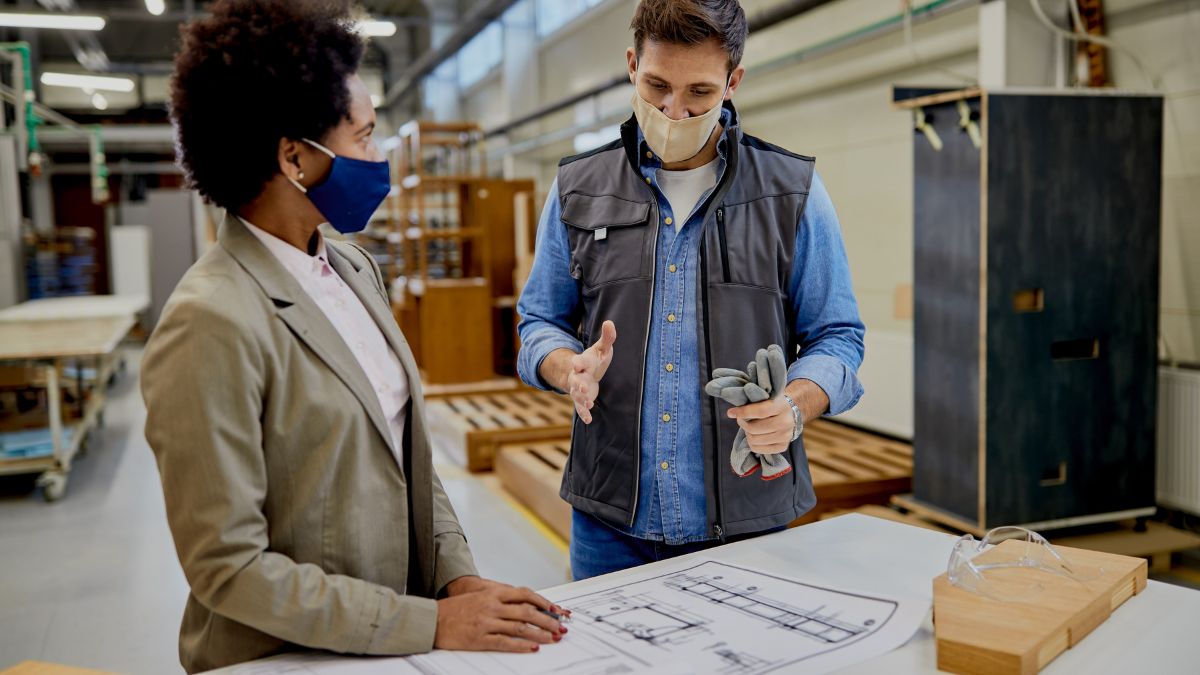
Businesses often need labels that do more than display a product name. They may need to include barcodes, prices, inventory codes, dates, product information, or other changing data. Custom thermal labels provide a flexible way to produce this information for different products and operational requirements. Because thermal printing can create text, numbers, graphics, and machine-readable codes without conventional ink cartridges, it has become a practical option for businesses that need fast and repeatable labeling.
From small online stores to large warehouses and manufacturing facilities, customized thermal labeling can support many stages of daily operations.
Why Standard Labels Do Not Always Fit
Every business handles products differently.
A retailer may need small labels for individual items, while a warehouse may require larger labels for cartons or storage locations. A manufacturer might need labels containing batch information, while an online seller may primarily need barcode and inventory identification.
Using one standard format for every application can create unnecessary limitations.
Custom labels allow businesses to select dimensions, materials, adhesives, colors, and other specifications based on how and where the label will be used.
This flexibility is particularly useful when products have different shapes or when available labeling space is limited.
Thermal Printing in Everyday Operations
Thermal printing works by using heat to create an image on specially designed label material. Depending on the printing technology and label type, businesses can produce information quickly and consistently.
The process is well suited to environments where employees need to print labels throughout the day.
A warehouse worker can generate a product label after receiving inventory. A retailer can print price information when products enter the store. An e-commerce business can create identification labels as orders are prepared.
The ability to produce labels on demand makes thermal printing useful for dynamic business environments.
Where Custom Thermal Labels Can Be Used
The applications are broad because businesses can customize the label according to the information and surface involved.
Inventory Management
Inventory labels can identify products, cartons, bins, shelves, and storage locations. Adding barcodes can allow employees to connect physical items with digital inventory systems.
Retail
Retail businesses can use thermal labels for prices, product identification, internal stock management, and other store operations.
Warehousing
Warehouses can label racks, containers, pallets, cartons, and individual products. Consistent identification can help employees locate inventory and organize storage areas.
Manufacturing
Manufacturers may use labels for production identification, work-in-progress items, components, batches, or finished products.
E-Commerce
Online retailers can create labels during the fulfillment process, allowing information to be generated according to individual orders and inventory requirements.
Choosing the Right Material
Customization is not limited to the printed design. The physical material can also be selected according to the application.
Paper labels can be suitable for many indoor applications where exposure to moisture and abrasion is limited.
Synthetic materials can offer additional resistance in environments where labels may encounter humidity, friction, or other demanding conditions.
The correct choice depends on the product, surface, environment, and expected lifespan of the label.
For example, a label placed on a warehouse shelf may have very different requirements from one attached to a product that will be exposed to outdoor conditions.
Adhesive Selection Matters
A label’s adhesive determines how effectively it remains attached to the intended surface.
Different packaging materials can present different adhesion challenges. Cardboard, plastic, glass, metal, and coated surfaces may require different adhesive characteristics.
Temperature can also matter. Labels used in refrigerated environments may need adhesive properties suited to cold conditions.
Before ordering large quantities, businesses can test sample labels on the actual surfaces they plan to use. This provides a practical way to identify peeling, lifting, or other adhesion issues.
Making Room for Variable Information
One of the advantages of thermal printing is its ability to produce changing information as needed.
Businesses may need to print:
- Serial numbers
- Product codes
- Batch numbers
- Dates
- Prices
- Barcodes
- QR codes
- Inventory identifiers
This makes thermal labeling especially useful when every item or production batch contains different information.
Instead of maintaining large inventories of pre-printed labels for every variation, companies can keep suitable blank label stock and print the required information when needed.
Supporting Barcode-Based Systems
Modern businesses increasingly rely on barcode scanning for inventory and operational management.
A barcode can connect a physical product with information stored in software. When an employee scans it, the system may retrieve details such as product descriptions, quantities, locations, or order information.
For this system to work effectively, the barcode must be printed clearly.
Label material, printer settings, and maintenance can all influence print quality. Businesses should test their labels and scanners together to ensure reliable performance.
Combining Function and Branding
Thermal labels are not limited to basic black text.
Depending on the printing method and application, businesses can incorporate visual elements that support their brand identity. Product names, logos, color elements, or other graphics can help create a more recognizable presentation.
For operational labels, functionality may be the main priority. For consumer-facing products, appearance may play a larger role.
The right design balances information density with readability. Trying to place too much information into a small area can make the label difficult to read.
Designing Labels for Different Surfaces
The shape and dimensions of the product should influence label design.
A flat cardboard box provides a large, straightforward surface. A small bottle or curved container presents a different challenge. Labels may need to wrap around a container or fit into a narrow area.
Custom dimensions can help businesses make better use of the available surface.
Designers should also consider where the label will be placed. Important information should not be positioned over seams, corners, closures, or areas likely to experience excessive friction.
Reducing Label Waste
Customization can also help businesses use materials more efficiently.
A label that is significantly larger than necessary may waste material and occupy valuable packaging space. Conversely, an undersized label may require additional labels to display all required information.
Finding the appropriate dimensions can help balance information requirements and material consumption.
Businesses can review their existing labels and determine whether the current size is genuinely necessary for each application.
Testing Before Full Production
A sample is valuable when developing a new labeling system.
Businesses can print test information and apply the label to the actual product or packaging. They can then examine readability, adhesion, durability, barcode scanning, and overall appearance.
Testing can also reveal whether the label size works with existing printers and applicators.
This step is particularly useful for businesses introducing a new product or changing packaging materials.
Working With an Experienced Label Supplier
A label supplier should be able to discuss more than just printing.
Businesses may need help selecting suitable materials, adhesives, dimensions, and production specifications. A manufacturer with customization capabilities can adjust products to fit different applications.
When evaluating a supplier, businesses can consider product range, material options, printing capabilities, quality control, production capacity, and sample availability.
Clear communication is especially important when labels contain variable data or need to work with specific printers and scanning systems.
Looking Ahead
As businesses become more automated, labeling will continue to play an important role in connecting physical products with digital information.
Barcode systems, inventory software, warehouse automation, and order-management platforms all depend on accurate identification. Thermal printing provides a convenient way to produce that identification as products move through different stages of a business.
For companies with changing product lines or diverse operational requirements, customization can provide greater flexibility than relying entirely on fixed, pre-printed formats.
Conclusion
Labels are an important link between physical products and the information businesses use to manage them. Choosing suitable materials, adhesives, dimensions, and printing specifications can help companies build labeling systems that work reliably in real-world conditions.
For inventory, retail, manufacturing, warehousing, and e-commerce applications, custom thermal labels can provide a practical way to combine variable information with efficient on-demand printing.
The best labeling approach depends on the specific application. By testing materials, considering the operating environment, and working with a capable manufacturer, businesses can develop label solutions that support organization, identification, and efficient day-to-day operations.
-

 NEWS1 year ago
Historical Churches in Manila
-

 TOPIC2 months ago
Unveiling AvTub: Your Ultimate Guide to the Best AV Content
-

 TOPIC1 year ago
Symbols of Hope: The 15th Belenismo sa Tarlac
-

 TOPIC1 year ago
RIZAL at 160: a Filipino Feat in Britain
-

 TOPIC1 month ago
Understanding Fascisterne: Origins and Ideological Roots
-

 TOPIC1 year ago
“The Journey Beyond Fashion” – Ditta Sandico
-

 TOPIC1 year ago
Simbang Gabi and Kakanin
-

 NEWS4 months ago
What Caused Delta Flight DL275 to Diverted LAX? A Detailed Breakdown