
TOPIC
Smart Cannabis Shopping in Park Slope, New York: A Local Guide for Adult Consumers


Park Slope shoppers have no shortage of choices, from a quick stop near Seventh Avenue to a planned visit after a walk through Prospect Park. Still, finding a dispensary near me is only the first step. A thoughtful purchase starts with understanding the product, its potency, and how it may fit into a responsible routine.
For adults age 21 and over, legal cannabis shopping in Park Slope should feel clear rather than overwhelming. Whether you are a first-time shopper, returning after years away, or comparing a new edible with a familiar flower, the best approach is to slow down, read the package, and ask direct questions before leaving the store.
Why Careful Cannabis Shopping Matters
A legal menu can still be confusing. Products differ by format, THC strength, serving size, ingredients, and expected onset. The highest THC number is not automatically the best fit. In a neighborhood like Park Slope, where shoppers may be heading home to families, pets, roommates, or busy schedules, choosing a measured product and planning ahead matters.
New York’s Department of Health reported that about 14.7 percent of adults age 18 and older used cannabis in the prior 30 days in 2023, while adult-use purchases remain limited to people age 21 and over. Smoking was the most commonly reported method, followed by e-cigarettes and vaporizing devices. Review the state’s adult cannabis use report for additional safety and storage information.
How To Confirm A Licensed Store
A licensed adult-use dispensary differs from an unlicensed seller because licensed businesses comply with New York requirements for age verification, product labeling, and lab testing. Before buying, use New York’s cannabis consumer resources to confirm the location and learn what regulated packaging should include.
- Look for the New York Dispensary Verification Tool posted near the storefront entrance.
- Scan the QR code and confirm the business appears in the state’s licensed dispensary information.
- Check packages for New York’s universal cannabis symbol.
- Find the QR code or web link to the product’s Certificate of Analysis (CoA).
Testing and licensing offer important consumer protections, but they do not guarantee that every product will feel identical for every person. Tolerance, serving size, product format, food intake, and individual response still matter.
How To Read A Cannabis Label
Ignore flashy packaging at first and focus on the details that help you compare products responsibly:
- Product type: Flower, pre-roll, vape, edible, beverage, tincture, topical, or concentrate.
- THC amount: Usually expressed as a percentage for flower and vapes, or as milligrams per serving and per package for edibles.
- CBD and cannabinoids: Look for CBD, CBG, CBN, or balanced THC-to-CBD options.
- Serving size: Confirm exactly how much counts as one serving.
- Ingredients and allergens: Especially important for gummies, baked goods, drinks, and infused oils.
- Testing and dates: Check the batch number, CoA access, package date, and any recommended use date.
- Warnings: Read impairment, storage, pregnancy, and driving warnings before purchase.
Choosing The Right Product Format
Flower And Pre-Rolls
Flowers can feel familiar and allow a consumer to stop after a small amount. Pre-rolls are convenient for an evening on a stoop or a quiet night at home, but they can make precise dosing harder. Smoking may irritate the lungs, so it is not the right choice for everyone.
Vapes
Vapes generally produce effects quickly, which can help users notice their initial response before taking more. Check the oil type, cannabinoid content, ingredients, and testing information. Quick onset does not mean repeated inhalation is risk-free, since total intake can rise faster than expected.
Edibles, Beverages, Tinctures, And Topicals
Edibles and beverages may take longer to begin and can last longer than inhaled products. Read both the per-serving and total package THC amounts. Tinctures may offer more control through measured servings. Topicals are used differently and may not create the same overall effects as inhaled or edible cannabis.
Concentrates
Concentrates can contain far more THC than traditional flower. New or infrequent consumers should not begin with the strongest available option. Measured use and secure storage are especially important.
Understanding THC And CBD
THC is the primary intoxicating cannabinoid in many adult-use products. CBD does not create the same intoxicating effect, although people can still respond to it differently. THC percentage, milligrams per serving, and total package milligrams are separate measurements, so compare like with like.
Two products with similar THC levels can feel different because of format, dose, terpenes, tolerance, and personal response. Terms such as indica, sativa, and hybrid can be useful menu shorthand, but they should not replace label-reading or an honest discussion with dispensary staff.
Dose And Onset Times
The simplest rule is to start low and go slowly. Choose a lower-potency product when trying a new format, use the serving size as a reference, and give edibles plenty of time before considering another serving.
- Avoid mixing cannabis with alcohol or other intoxicating substances.
- Use products in a familiar, low-pressure setting.
- Do not drive, bike in traffic, or operate machinery after use.
- Keep notes on the product, serving size, time used, and personal response.
Questions To Ask Before Buying
- Is this product suitable for a new or occasional consumer?
- How quickly may effects begin, and how long might they last?
- How much THC is in one serving, and how much is in the full package?
- Does it contain CBD or other cannabinoids?
- Are the ingredients suitable for people with allergies or dietary needs?
- Can the store show the CoA or testing details?
- How should the product be stored at home?
- Could medications or health conditions make it a poor fit?
Safe Storage And Responsible Use
Keep cannabis in its original child-resistant packaging and store it in a locked, cool, dry location away from children, pets, and guests. Keep infused drinks and edibles separate from everyday food. Never share cannabis with anyone under 21, and never drive under the influence.
Avoid cannabis during pregnancy or breastfeeding. If you take prescription or over-the-counter medication, ask a doctor or pharmacist about possible interactions. For a serious reaction or accidental consumption, contact emergency services or Poison Control at 1-800-222-1222.
9. Common Questions
What Should A First-Time Shopper Buy?
Look for a lower-potency, clearly labeled product with measured servings. The right choice depends on your comfort level, preferred onset time, and setting.
Is Higher THC Always Better?
No. Higher potency may mean stronger effects, but it does not automatically mean higher quality or a better experience.
How Long Should Someone Wait Before Taking More Of An Edible?
Follow the package directions and avoid rushing a delayed onset. Effects vary by person, so patience is safer than taking extra too soon.
10. Conclusion
Smart cannabis shopping in Park Slope is not about chasing the strongest product. It is about confirming the source, reading the label, choosing an appropriate format, and using a measured approach. A few careful minutes before purchase can make the experience more informed, responsible, and easier to repeat with confidence.

Aircraft accident cases are rarely as simple as a typical injury claim. A crash may involve pilots, aircraft owners, maintenance teams, parts manufacturers, air traffic personnel, insurers, and federal investigators. Each party may hold a separate piece of the evidence. That makes these cases harder to investigate, value, and resolve. Readers benefit from knowing why aviation claims often require a deeper legal review than a standard vehicle or property injury case.
Why Party Identification Matters
An aircraft failure may start days, weeks, or even months before takeoff. Inspection records may reveal missed repairs, aging parts, fuel concerns, weather-related decisions, or training problems. Each detail can point to a different responsible party, so early legal review is important before records are lost or witnesses become harder to reach.
Families often contact an aircraft accident lawyer in Los Angeles after learning that fault may reach beyond the pilot. A lawyer can review maintenance files, manufacturer warnings, ownership papers, and flight information to identify who had legal duties, who failed to meet them, and which insurance policies may apply. That wider review can shape both liability findings and available compensation.
1. Common Parties Involved
1.1 Aircraft Owners
An aircraft owner may be responsible if they poorly maintained the plane, rented it without proper safeguards, or used it despite known safety issues. Ownership files may also reveal leases, management contracts, and multiple insurance policies.
1.2 Pilots And Operators
Pilot conduct is often a central issue after a crash. Investigators may review training, fatigue, licensing, weather decisions, communication, and preflight inspections. Commercial operators may also face claims for poor hiring, weak oversight, or unsafe operating practices.
1.3 Maintenance Providers
Maintenance shops, mechanics, and inspection teams may be named when repair work falls below accepted safety standards. Missing logbook entries, skipped inspections, or incorrectly installed parts can become important evidence.
2. Product And Design Claims
2.1 Aircraft Manufacturers
A manufacturer may face liability if the aircraft design created an unreasonable safety risk. These claims often require engineering analysis, crash reconstruction, and review of safer design options.
2.2 Parts Manufacturers
Even a small component can cause serious harm. Fuel systems, flight controls, avionics, tires, engines, and fasteners may all require close review. A failed part can shift attention from pilot conduct to product responsibility.
2.3 Warning And Instruction Issues
Some claims involve weak manuals, unclear service notices, or missing warnings. If users did not receive proper safety information, responsibility may extend to the companies that prepared, approved, or distributed those instructions.
3. Government And Regulatory Issues
3.1 Federal Investigation Records
Aircraft crashes often lead to federal investigation. Reports, witness statements, radar information, and physical evidence may support a civil claim, although legal teams usually need their own independent review.
3.2 Air Traffic Control
Decisions made by air traffic control may matter if communication mistakes, routing choices, or clearance problems contributed to the crash. These claims can involve strict notice deadlines and special legal procedures.
3.3 Airport And Runway Conditions
Airport operators may be reviewed for lighting, signage, runway upkeep, wildlife control, or emergency response. Poor site conditions can turn a difficult landing into a much more serious event.
4. Evidence Is More Technical
Aviation evidence is often more specialized than evidence in ordinary injury cases. Maintenance logs, flight manuals, weather data, radar records, engine information, and wreckage patterns may each answer a different question.
Preserving this material is critical because aircraft parts may be moved, tested, or stored soon after a crash. Legal teams often seek inspections, photographs, expert opinions, and custody records before evidence changes location or condition.
5. Insurance Can Be Layered
Aircraft cases may involve several insurance policies. Coverage may come from the owner, operator, maintenance company, manufacturer, airport, or parts supplier. Each insurer may dispute fault, policy limits, or exclusions.
This structure can slow settlement discussions. A claimant may need to show how each party contributed before insurers agree on payment responsibility. Strong liability evidence can reduce finger-pointing and improve the chance of a fair resolution.
6. Damages Can Be Severe
Aircraft accidents often result in catastrophic injuries or wrongful death claims. Medical expenses, lost earnings, long-term care, funeral costs, and family losses may be significant.
Because damages are often high, defendants may fight harder over fault and causation. Expert testimony can help explain how technical failures caused human harm in terms judges, juries, and insurers can follow.
7. Practical Steps After A Crash
- Preserve travel records, tickets, messages, photos, and witness names.
1.1 Avoid recorded statements before receiving legal guidance. 2. Get medical care, even if symptoms appear delayed.
2.1 Keep bills, diagnosis records, and treatment notes organized. 3. Identify the aircraft owner, operator, and insurance contacts.
3.1 Ask whether federal investigators have opened a formal review. 4. Watch all deadlines because aviation claims may involve special notice rules.
Conclusion
Aircraft accident cases often involve far more than one injured person and one careless defendant. The facts may involve pilots, owners, mechanics, manufacturers, airports, controllers, and insurers. Each party may control evidence that affects the outcome. A careful investigation helps show how the crash happened, who had responsibility, and which losses should be covered. For victims and families, that broader review can strengthen the claim from the beginning.
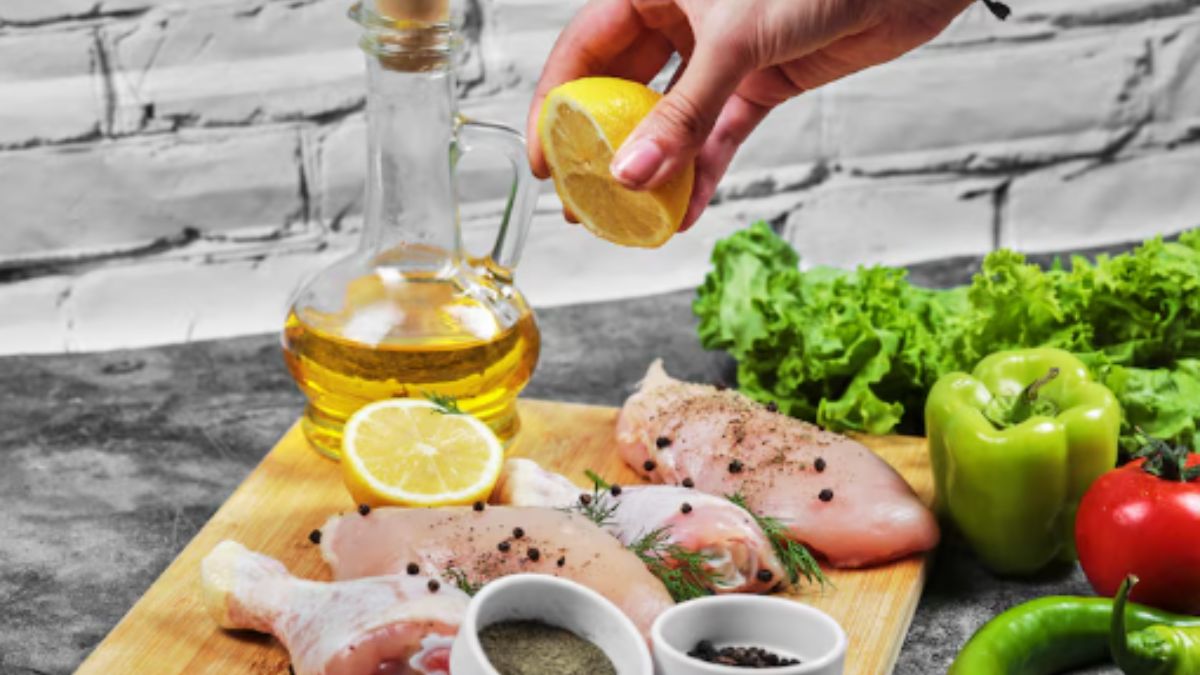
Laboratory teams often choose mammalian serum by habit, yet assay design may call for a different biological background. Chicken-derived serum can support selected protocols where avian proteins reduce unwanted binding, background signal, or species overlap. Its value depends on the assay target, antibody system, and validation plan. A careful comparison helps researchers decide where substitution is practical and where mammalian material is the better control.
Why Source Species Matters
Serum is more than a protein supplement. It carries albumin, immunoglobulins, lipids, hormones, salts, and trace metabolites. Each donor species creates a distinct biochemical profile. That profile can affect binding, signal strength, cell response, and matrix interference.
In immunology and cell-based work, species origin can influence assay noise. Researchers may consider chicken serum when mammalian serum creates unwanted cross-reactivity with mammalian antibodies, receptors, or assay targets. Avian serum offers a different immunoglobulin pattern, which may help separate true signal from background in selected experimental systems.
Mammalian options still serve many routine applications well. Fetal bovine serum, adult bovine serum, horse serum, and other animal sources remain common because protocols have long histories with them. Replacement should never be assumed based on product type alone. It should be tested against acceptance criteria.
Where Chicken Serum Can Fit
Blocking and Diluent Systems
Chicken-derived serum may work as a blocking agent in immunoassays. Blocking steps reduce open binding sites that could capture antibodies in unwanted ways. If a study uses mammalian primary or secondary antibodies, an avian blocking matrix may reduce species-related interference.
Assay developers often compare background absorbance, signal-to-noise ratio, and curve shape. A useful replacement should lower nonspecific binding without reducing target detection. Consistency across lots also matters because variable protein composition can shift results.
Antibody Cross-Reactivity Studies
Avian serum can support experiments that need a non-mammalian protein background. This can be helpful when mammalian proteins could bind assay antibodies or compete with the target. Chicken immunoglobulin differs from mammalian immunoglobulin, so it may behave differently in antibody-based formats.
That difference can be useful, but it also demands testing. Researchers should check whether the serum introduces unexpected binding, matrix effects, or signal suppression. A side-by-side comparison with the current mammalian reagent gives clearer evidence than theory alone.
Cell Culture Treatment Conditions
Some cell studies may use serum as part of a treatment matrix instead of a growth supplement. In those cases, the goal may be exposure to avian-origin proteins, not maximum cell proliferation. Chicken-derived serum can help create a defined species context for comparative biology.
For routine mammalian cell expansion, direct replacement is less predictable. Growth factors, attachment support, and survival signals can vary by species. Viability, morphology, proliferation rate, and marker expression should be measured before any protocol change.
Limits of Direct Substitution
A serum swap can change assay behavior even when total protein appears similar. Albumin concentration, complement activity, lipid content, and immunoglobulin class all contribute to performance. Outcomes can also be altered by heat treatment, charcoal stripping, filtration, and preservative status.
Researchers should avoid treating avian and mammalian sera as interchangeable commodities. A better approach is functional qualification. That means testing the candidate material in the exact assay, at the planned dilution, with the same controls and readout method.
Regulatory or quality systems may add another layer. If an assay supports release testing, clinical research, or validated production work, reagent changes may require documented equivalency. Lot records, sterility data, handling conditions, and certificate details become part of the decision.
How to Evaluate Replacement
A structured comparison keeps the decision practical. First, define the reason for changing serum. Common reasons include lower background, reduced cross-reactivity, avian-origin requirements, or preservative-free needs. Clear intent prevents unnecessary testing.
Next, run matched samples with the current mammalian option and the chicken-derived candidate. Measure baseline signal, positive signal, precision, recovery, and dilution linearity. Include more than one lot when possible. Lot variation can hide until a method scales.
Storage and handling also matter. Freeze-thaw cycles can affect proteins and complement components. Laboratories should use consistent thawing, aliquoting, and temperature control during evaluation. Small handling differences can appear as reagent differences.
Conclusion
Chicken serum can replace mammalian serum in certain assays, especially where avian origin reduces cross-reactivity or supports a cleaner blocking background. It is less suitable as a blind substitute in growth-dependent systems or validated workflows without comparison data. The strongest decisions come from direct assay qualification, clear performance targets, and careful lot review. With that process, laboratories can identify where avian serum adds value and where mammalian sources should remain.

A driver is often the largest investment in a golf bag, and its face carries visible evidence of every careless knock. Paint chips, crown scuffs, trapped grit, and moisture stains can affect how confident a player feels at address. Good protection is practical care, not decoration. A cover should shield the head, stay secure during movement, and make the club easier to preserve through regular play.
Why The Driver Needs Extra Care
Modern driver heads often measure up to 460 cubic centimeters, leaving broad painted surfaces exposed inside a crowded bag. During travel, cart rides, or storage, a secure driver head cover creates a protective layer between the club and irons, wedges, zippers, or rigid dividers. That barrier helps reduce scratches near the face edge, crown, and finish.
Face Protection Affects Performance Confidence
A clean clubface gives golfers clearer feedback after contact. Ball marks, impact location, and alignment cues are easier to read when the hitting surface stays free from grit and deep scuffs. Cosmetic wear may not destroy performance immediately, yet it can distract the eyes before the swing. Confidence often starts with equipment that looks cared for and ready.
Fit Matters More Than Decoration
A cover that slips off creates risk each time the bag shifts. One that fits too tightly can frustrate the player and strain seams. The right fit holds firm while allowing smooth removal before a tee shot. Shape, elasticity, lining, and opening strength all matter. Protection works best when use feels simple enough to repeat throughout a round.
Padding Has A Real Purpose
Padding absorbs the small impacts that happen in carts, trunks, storage rooms, and travel cases. Those repeated knocks may seem minor, yet they can mark painted crowns and soften exposed edges over time. Thicker padding suits frequent travel or rough handling. Lighter construction may work for walkers who value less bulk. Either choice should still provide full head cushioning.
Fabric Should Handle Weather
Golf equipment meets damp grass, sand, heat, rain, and dust during normal use. A dependable cover should resist moisture long enough to protect the head between shots. Breathable fabric also helps limit trapped dampness after wet rounds. Strong stitching, reinforced stress points, and a smooth inner lining prevent early wear. Washable surfaces make regular care much easier.
Style Still Has A Place
Appearance matters because golfers enjoy gear that feels personal. A bright color or distinct pattern can help identify a driver quickly in a shared cart or busy bag area. Style also adds character to a set without affecting play. Still, looks should support function. A cover that looks sharp but fits poorly leaves the most valuable club exposed.
Daily Habits Extend Club Life
Longer equipment life depends on small habits repeated often. Players should replace the cover after each tee shot, especially on bumpy paths or crowded carts. After rain, the cover should come off so moisture can evaporate from the head and lining. Sand should be brushed away before storage. Grit trapped inside fabric can act like fine abrasive material.
Travel Raises The Stakes
Travel increases pressure on every part of the golf bag. Clubs shift inside trunks, locker rooms, buses, and airline cases. Even a sturdy case cannot stop all movement around the head. A padded cover adds another guard against contact damage. Frequent travelers should inspect closure strength, lining condition, and fabric stretch before trusting a cover on a longer trip.
Signs A Cover Needs Replacement
Wear may not be immediately visible. A cover may still look presentable while its padding has thinned or its opening has loosened. Torn lining, weak seams, stretched fabric, and exposed inner material signal reduced protection. Fading alone is usually cosmetic. Structural damage matters more because it can leave the crown, face edge, or shaft area unprotected.
Conclusion
A driver cover should express taste, but its main value is preservation. Fit, padding, fabric quality, and consistent care all help protect an expensive club from avoidable damage. Golfers who treat the cover as part of their equipment routine can keep the face, crown, and finish in better condition. That simple habit supports a cleaner setup and greater confidence before each tee shot.
-

 NEWS1 year ago
Historical Churches in Manila
-

 TOPIC1 year ago
Symbols of Hope: The 15th Belenismo sa Tarlac
-

 TOPIC1 year ago
RIZAL at 160: a Filipino Feat in Britain
-

 TOPIC1 year ago
“The Journey Beyond Fashion” – Ditta Sandico
-

 TOPIC3 weeks ago
Unveiling AvTub: Your Ultimate Guide to the Best AV Content
-

 TOPIC1 year ago
5 Must-Have Products From Adarna House to Nurture Your Roots
-

 TOPIC1 year ago
Filipino, alternative language course at Moscow State University
-

 TOPIC4 weeks ago
Understanding Fascisterne: Origins and Ideological Roots