
TECHNOLOGY
The Peace of Mind Only a Litter Box Camera Can Bring

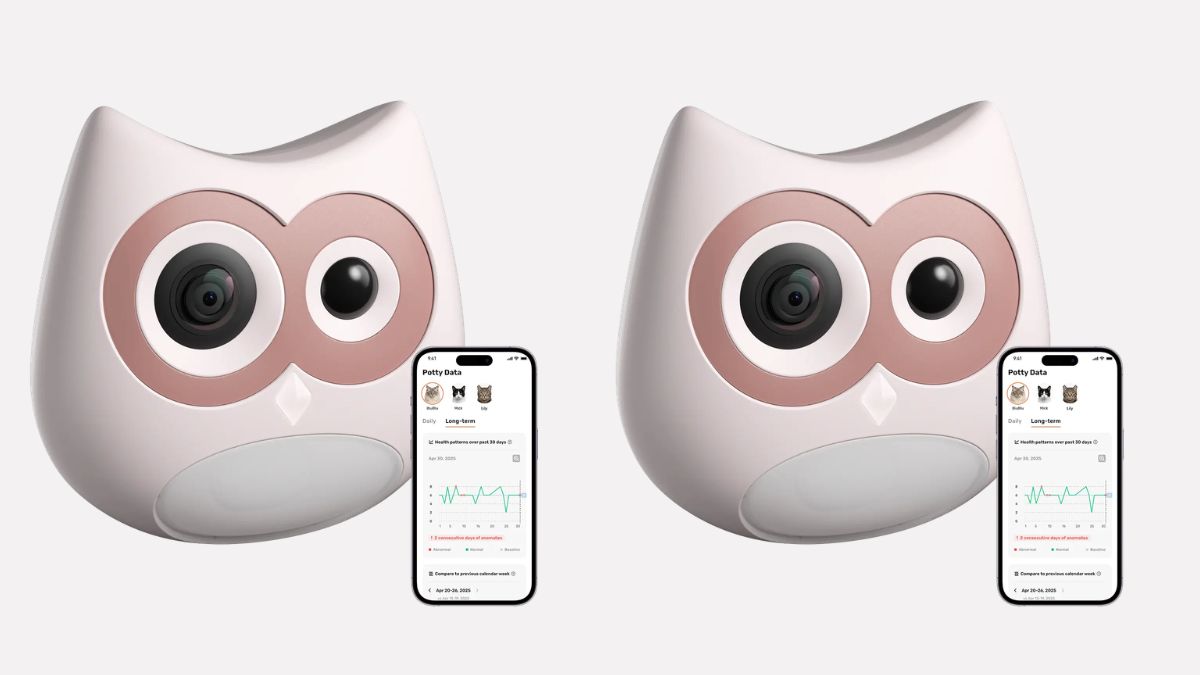
There is a particular kind of worry that only cat parents know. It shows up in the middle of an ordinary evening, when the house is quiet and you realize you have not seen your cat use the litter box all day. Or it arrives as a small, nagging thought at work, wondering whether that odd smell this morning meant something. Cats are famously private about their bodies, and that privacy is beautiful until it becomes the very thing that hides a problem from you. For years, the only tools available were guesswork, scattered clumps, and hindsight. That is a lot of emotional weight to carry for someone who simply loves an animal that will not speak up when something feels wrong. The idea of watching the litter box used to sound like overkill, a gadget for the anxious. Anyone who has ever waited too long to notice a UTI, a blockage, or a slow decline knows it is anything but. It is a quiet, patient witness in a room where your cat rarely lets anyone in.
The Silence That Follows Every Cat Home
Cats do not ask for help. It is not stubbornness, it is instinct. In the wild, a cat that shows weakness becomes prey, so even the most pampered indoor companion carries that ancient rulebook in the back of its mind. By the time a cat is visibly struggling, the underlying issue has often been unfolding for days or weeks. That is why so many owners feel blindsided by a sudden diagnosis. The signs were there, hidden in a small enamel bowl on the bathroom floor, but no one was watching closely enough to notice. A dedicated litter box camera exists precisely for this narrow, easy-to-miss window, turning a private space into a source of gentle, ongoing information rather than a black box you check once a day.
What changes when you can actually see the litter box in use is not just data, it is emotional. You start to notice that your senior cat sits inside for a strange length of time before she does anything. You catch that your younger boy paws at the litter for two full minutes as if searching for something that never arrives. These are the tiny signals veterinarians love to hear about because they turn a vague complaint into a specific timeline. Instead of saying, “He has seemed off this week,” you can say, “For the last three days he has entered the box seven times but produced very little.”
Watching Without Hovering
Cats hate being watched. Anyone who has tried to stare at a cat mid-business knows the deep affront it causes. That is what makes a discreet camera such an unusual comfort. You are not standing over her with a phone, breaking her sense of safety. You are letting her go about her routine exactly as she prefers, while you look through the footage later like you would flip through a diary. There is no invasion. There is only a record you can consult when your instinct whispers that something might be off.
The design of a modern cat monitoring camera matters here. It sits low, tucked out of the way, framed for the box rather than the room. The lens is not blinking or clicking. There is no red light waiting to spook a nervous cat into finding a corner of the closet instead. When a device does its job quietly enough, the cat forgets it exists, and you finally get the honest, unedited view that guesswork never provides.

Catching the Changes Words Cannot Describe
Health is a story told in small changes. A stool that looks slightly softer today. A urination that lasts half as long as it did last month. A frequency that has crept up without you noticing. These are the details that veterinarians spend appointments trying to reconstruct from an owner’s memory. With a visual record, memory is no longer the weakest link in the chain. You have images you can scroll through, timestamps you can share, and a real reference point that turns “I think” into “I know.”
There is real relief in that certainty. The moments when you convince yourself you are being paranoid, and the moments when you brush off a real symptom because you were too busy to look, both belong to the same fog of unknowing. A camera does not diagnose anything, and a good owner never pretends it does. What it offers is documentation, and documentation is where anxiety loses its power. You either see something worth acting on, or you see a perfectly normal week and you exhale.
Knowing Before It Becomes an Emergency
Emergencies almost never appear out of nowhere. They build. A cat that is straining a little more each day. A stool that has slowly changed color. A morning where the box, for the first time, is completely untouched. These are the moments where an early clue can be the difference between a quick outpatient visit and a frightening late-night drive. When you can see patterns forming instead of only reacting to their consequences, you start to feel less like a bystander in your cat’s health and more like a partner.
Owners of older cats often say this is the part that changed everything. Chronic kidney disease, diabetes, and urinary tract issues are so common in senior cats, and they are all conditions where litter box behavior tells the earliest, clearest story. Watching that story unfold in real time, rather than piecing it together after the fact, gives families precious extra weeks to intervene, adjust diets, and speak with their vet before the situation forces a hand.

Multiple Cats, One Box, and the Mystery of Who
Ask anyone in a multi-cat household to name their biggest litter box frustration and the answer is almost always the same: they cannot tell who did what. When one cat starts having issues, everyone becomes a suspect. Medication guesses become shots in the dark. Diet changes get applied to the whole family when only one member actually needs them. It is stressful for the humans and unfair to the cats who are perfectly healthy.
A camera that can distinguish between different cats brings clarity to a room that has never really had any. Suddenly you know that it was the tabby, not the tortie, who has been visiting the box more often. You know which cat produced the odd stool you found this morning. Households with three or more cats often describe this as the moment their whole approach to care finally made sense. The mystery evaporates, and with it, a huge amount of unnecessary worry aimed at the wrong pet.

The Nights You Would Otherwise Miss
Cats are crepuscular. They live for the edges of the day, and a surprising amount of their bathroom life happens after you have already turned off the lights. Whatever is happening at three in the morning has, until now, existed only in the imagination of any owner who has ever woken up wondering. That is a strange kind of loneliness, being responsible for a life you cannot see when it matters.
Night vision changes that in the softest way. There is no flash, no disturbance, no shift in the environment that a cat would notice. There is only, in the morning, a clear timeline of who came and went, and how long they stayed. For anyone whose cat has ever seemed strangely tired at breakfast, that quiet answer is worth more than any amount of guesswork.
How the Data Becomes Something You Can Actually Use
Raw footage is useful, but stories are more useful. The best products in this category do not just record, they translate. They tell you how many visits happened today, how long each lasted, and how those numbers compare with the weeks before. They flag deviations gently, not with alarm, so that you can decide whether it is worth a closer look or whether your cat simply drank more water yesterday.
This is where a thoughtful brand makes a real difference. SiiPet has approached this space with a clear idea of what cat parents actually need, which is not a firehose of raw video but a calm, readable summary that respects their time and their emotional bandwidth. The result feels less like surveillance and more like a soft nudge from a friend who has been paying attention.

A Different Kind of Companionship
Living with a cat is a long conversation held mostly in gestures. A tail flick. A slow blink. A missed jump that used to be effortless. When you add a quiet observer to one of the most private corners of that conversation, you are not turning your home into a lab. You are simply choosing not to look away from something that has always mattered.

People sometimes worry they will become obsessive if they have this kind of information. In practice, the opposite tends to happen. Owners describe checking less, not more, because the low-grade background hum of “is she okay?” finally has somewhere to land. When you know the litter box has been used normally today, your brain releases the loop it has been running in silence. The camera does not make you a more anxious cat parent. It makes you a calmer one.
What Love Looks Like in a Quiet Corner
Cats will always be a little bit mysterious. That is part of the reason we love them, and part of the reason loving them can feel like a form of held breath. They will not tell you when their body is starting to fail them. They will not warn you before a habit changes. They will simply keep being cats, with all the beautiful stubbornness that entails, and hope that someone is paying enough attention to notice. Choosing to watch the corner of the room where the most honest part of their day happens is not about becoming a helicopter parent. It is about honoring the fact that our cats do not have words, so we owe them our eyes. It is about reducing the number of nights you lie awake wondering if that noise was a normal noise. It is about walking into the vet with a clear story instead of a scattered one. Most of all, it is about the quiet, unglamorous, deeply loving work of being there for a small life that never quite tells you how it is doing. That, in the end, is what these tools are really for. Not fear. Attention. And attention, given generously, is the truest form of love a cat parent can offer.
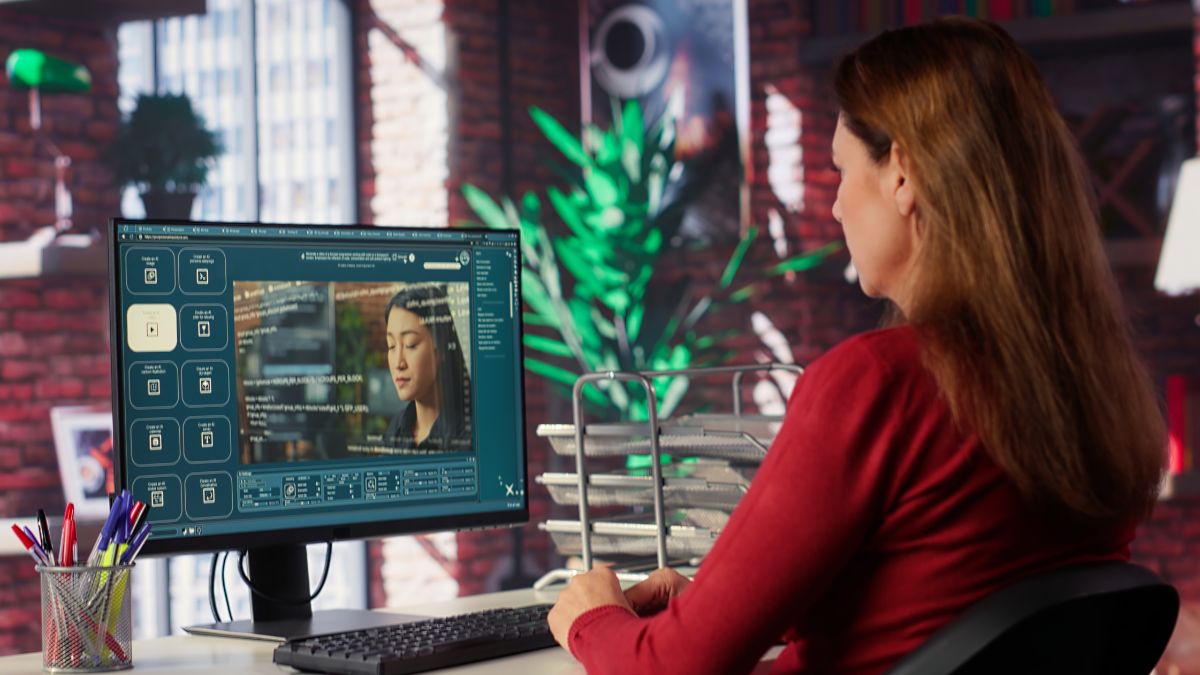
Making a digital image used to need real artistic skill, design software, photography, or at least a good stock-image subscription. Generative AI’s opened up a completely different path — just describe the image in plain language and let a trained model take a shot at producing it.
Text-to-image AI’s moved fast over the last few years, and it’s genuinely useful now for designers, educators, marketers, content creators, developers, and plenty of people just messing around with visual ideas for fun. Getting a real feel for how the tech works, what it can actually pull off, and where it still stumbles helps everyone use it better.
So What Is Text-to-Image AI, Anyway?
Text-to-image AI’s just AI systems that generate images from written prompts. Someone describes a landscape, a character, a product concept, an architectural scene, an illustration, whatever — and the model tries to build something matching that description.
It’s not trawling the internet looking for an existing picture that fits, either. Modern generative systems learn statistical relationships between language and visual info during training. Depending on the model, generation might involve diffusion, autoregressive methods, flow-based approaches, or something else entirely.
For a lot of the well-known image generators, diffusion’s the real backbone. Simplified way to think about it — these models learn how visual info changes as noise gets added, then learn how to run that process in reverse when it’s time to actually generate something.
How Does This Process Actually Work?
Breaking it into stages makes it a lot easier to follow. First, the prompt gets processed so the system can represent what the words actually mean, mathematically speaking. A text encoder or similar component converts that prompt into something the image-generation model can actually work with.
From there, generation kicks off with random information — basically noise. The model gradually transforms that noisy mess into something resembling the requested image. With diffusion-based systems specifically, that happens through repeated denoising steps, all guided by the text prompt the whole way through.
The last stage turns the generated representation into an actual visible image. Some systems work in a compressed latent space instead of manipulating every single pixel directly, which makes the whole thing a lot more computationally efficient.
Point being — a prompt isn’t like telling a graphics program exactly where every pixel should sit. It’s steering a probabilistic process, not dictating it pixel by pixel.
Why Writing a Good Prompt Genuinely Matters
How clear and detailed a prompt is can genuinely shape what comes out. “A mountain” leaves a ton open to interpretation. A more detailed prompt might nail down the environment, time of day, visual style, camera angle, lighting, colors, and composition.
For anyone learning the ropes here, playing around with a text to image AI generator is a genuinely good way to see how natural-language descriptions actually translate into real visual concepts.
That said, more words doesn’t automatically mean a better image. Overload a prompt with too much and you start introducing conflicting instructions the system can’t reconcile. A good prompt usually nails the main subject first, then layers in whatever characteristics actually matter most.
Where This Stuff Actually Gets Used
Concept development’s probably the most common use case. A designer generates early visual ideas before sinking real time into detailed production — these images help communicate a general direction without committing to anything yet.
Education’s another solid application. Teachers and students build illustrations for presentations, learning materials, or hypothetical scenarios that’d otherwise be genuinely hard to photograph or draw by hand.
Content creation benefits too. Writers, bloggers, social media creators lean on AI-generated imagery while developing visual concepts for articles or digital projects.
In product development, generated images help visualize early ideas well before any physical prototype exists. Architects and other creative professionals explore broad concepts this way too, though technical drawings and final specs still need proper professional tools — this isn’t replacing that part of the job.
AI Image Generators Still Mess Up
For all the genuinely impressive stuff these systems can do, they still make real mistakes. Generated images can carry distorted objects, inconsistent lighting, unrealistic anatomy, or details that just don’t match what the prompt actually asked for.
Text inside images has historically been a rough spot too. Newer systems have gotten a lot better, sure, but complicated signs, labels, paragraphs, and other precise text elements can still need correction or manual fixing after the fact.
Counting and precise spatial relationships are another recurring weak point. Research’s found that text-to-image systems genuinely struggle to nail the exact requested number of objects, especially as the number or complexity climbs.
All of which is exactly why human review still matters, especially anywhere an image is headed toward factual, educational, commercial, or professional use.
Where Newer AI Models Are Actually Headed
This field’s not locked into one single technical approach. Diffusion models have carried a lot of weight in getting text-to-image systems this far, but research keeps pushing into alternative architectures and methods for improving speed, control, consistency, and how well prompts actually get understood.
Some newer approaches focus specifically on handing users more control over the whole process. Instead of relying purely on written instructions, systems can pull in reference images, structural info, masks, sketches, or other kinds of guidance. Research into controllable text-to-image generation really reflects a growing demand for more precise creative control, not just “type something and hope.”
Tools like a GPT Image 2.5 AI image generator represent that broader push — increasingly capable systems that interpret natural-language instructions while supporting genuinely more sophisticated image-generation workflows.
Copyright, Privacy, and Actually Using This Responsibly
Being technically able to generate an image doesn’t automatically answer whether that image should get used for a given purpose. Worth thinking through copyright, trademarks, publicity rights, licensing conditions, and whatever policies come attached to the AI service being used.
Privacy’s another real consideration. Uploading personal photos, confidential documents, unpublished designs, or other sensitive material to an online service comes with real data-handling questions worth understanding before hitting submit.
AI-generated images can also end up creating genuinely misleading or deceptive material. That’s exactly why generated content deserves a careful review whenever it represents real people, events, products, locations, or factual situations — not something to just publish and hope for the best.
Where Text-to-Image Tech Is Actually Headed
Text-to-image AI’s moving well past the simple idea of turning a sentence into a picture. Future development’s probably going to focus on better instruction-following, more consistent characters and objects, better typography, more control over composition, faster generation, and deeper integration with broader creative workflows.
This tech’s really best understood as a creative and computational tool, not some full stand-in for human judgment. It speeds up experimentation and makes visual creation a lot more accessible, sure — but people still need to check accuracy, relevance, originality, and whether the use case is actually appropriate.
As these systems keep evolving, genuinely understanding both what they can do and where they still fall short is only going to matter more for anyone working with digital media day to day.

If you’ve ever been told by your GP, “You’ll need an X-ray,” there’s usually a slight pause where your brain goes, Right… so now what? It’s not fear exactly—more like uncertainty. And when you live in Sydney’s south-west, chances are you’ve probably typed XRay in Ingleburn into your phone while sitting in your car outside the clinic, trying to figure out where to go next.
The good news? Getting an X-ray isn’t nearly as complicated or intimidating as it used to be. Modern clinics in the area have made the whole process feel smoother, quicker, and kinder than you might expect. But let’s walk through it in a way that feels human — not like a cold instruction sheet taped to a waiting room wall.
Walking Into The Clinic — Usually Calmer Than People Imagine
Most people picture bright lights, complicated machines, and staff speaking medical jargon. But when you arrive for an XRay in Ingleburn, you’ll probably find something much more relaxed. A simple reception desk. Surprisingly comfortable chairs. A radiographer who calls your name without rushing.
You hand over your referral—Medicare card. Maybe answer a few safety questions. Nothing demanding. Nothing stressful. And then you wait a short while — but not usually long — because X-ray appointments have a quick turnaround.
There’s a quiet rhythm to the whole thing. Predictable in a good way.
Let’s Talk About Preparation — Or The Lack Of It
Unlike some types of scans, an XRay in Ingleburn doesn’t ask much of you. No fasting. No weird drinks. No complicated instructions. You might be asked to remove jewellery, metal objects, belts, or anything that could interfere with the image. That’s pretty much it.
If you’re getting a limb X-ray, it’s even simpler—shoes off. Roll up your sleeve. Maybe adjust your clothing. Nothing too dramatic.
And yes, the radiographers are used to people trying to remove things awkwardly. They help. They’re nice about it.
The Actual Room — More Straightforward Than You Think
Stepping into the imaging room feels a bit surreal the first time. The X-ray machine looks technical, but it doesn’t move or behave in surprising ways. It’s all very controlled. The radiographer positions you gently, checks angles, and sometimes asks you to hold still or breathe in.
And then, it’s over. Really. Most X-rays take less than a minute. When people search for XRay in Ingleburn, they often imagine long appointments — but the scan part is the quickest part of the whole visit.
The radiographer might step behind a shield for safety, but you stay exactly where you are. A little click. Maybe one more. Done.
What About Safety? People Always Wonder.
Radiation is always the big question, right? Most modern clinics use digital, low-dose equipment. The amount of radiation used in a standard XRay in Ingleburn is tiny, often compared to what you naturally get from the environment in a few days. Radiographers also check your medical history to keep everything safe, especially for pregnancy concerns.
They aren’t shy about explaining the process either. If you ask, they’ll break it down in simple words, not scientific jargon.
Kids, Seniors, Nervous Patients — They’re All Supported Differently
One of the nicest things about local imaging clinics is their adaptability. If a child is anxious, they slow down and use distraction techniques. If someone has mobility issues, they adjust equipment heights or offer support. If a patient is extremely nervous, they talk them through each step, gently.
An XRay in Ingleburn isn’t a one-size-fits-all experience. The staff genuinely tailors it. That’s what stands out compared to bigger, more rushed city imaging centres.
After The Scan — The Part That Feels Unclear To Most People
Once the images are taken, you usually don’t get results right away. That surprises people. But the radiologist — the specialist — needs to carefully examine the photos. They look for fractures, inflammation, alignment issues, infections, and more.
Usually, the results from an XRay in Ingleburn go straight to your GP electronically. Sometimes within hours. Same day, more often than not. If it’s urgent, they fast-track it.
And if your doctor has already scheduled a follow-up appointment, the timing syncs up nicely.
Why People Choose Local X-Ray Services Over Travelling Far
Convenience plays a huge role. Ingleburn has become a surprisingly strong hub for diagnostics, meaning you don’t have to drive all the way into Liverpool or Campbelltown for something as quick as an X-ray.
But there’s also this local familiarity factor. Clinics know the community. They work closely with nearby GPs, physios, and specialists. It streamlines everything.
When people pick XRay in Ingleburn, they’re choosing less travel time, predictable parking, and staff who treat them like regular community members—not as numbers in a long queue.
Sports Injuries And Workplace Accidents — A Big Part Of The Demand
Anyone who plays sport in the area — footy, netball, cricket, martial arts — knows that injuries happen. Often suddenly. And usually at the worst possible time.
Many locals head straight for XRay in Ingleburn because the turnaround is fast. Sprains, suspected fractures, and impact injuries — the clinics can get people scanned, which helps GPs or physios begin the proper treatment sooner.
The same goes for workplace injuries. Fast imaging means faster claims processing, more rapid treatment, and fewer delays.
Accessibility Is Improving — Slowly But Noticeably
One thing worth mentioning is that many Ingleburn clinics are redesigning spaces with accessibility in mind. Wider doorways, clearer signage, quieter waiting areas, and more seat options. It’s subtle, but it matters a lot.
An XRay in Ingleburn is no longer a stressful outing for people with mobility or sensory needs. It’s becoming more inclusive year by year.
Final Thoughts — Getting An X-Ray Shouldn’t Feel Daunting
And with modern clinics, it usually doesn’t. The process is quick, the staff are gentle, and the technology is solid. Whether it’s a sudden injury, a referral from your GP, or just checking something that’s been bothering you, XRay in Ingleburn from CareScan delivers a smoother experience than most people expect.
Short visit. Clear steps. Fast results. A little human warmth. That’s all people really want when dealing with medical stuff.
And Ingleburn… does it pretty well.
ChatGPT can make mistakes. Check important info. See Cookie Preferences.

AI is turning video creation from a super-technical chore into something a lot more approachable. Things that used to need separate programs, a deep editing know-how, and hours of work can now be helped along by AI-powered tools—from brainstorming ideas and writing scripts to making visuals, cutting footage, and slapping on captions. AI is slipping into pretty much every step of the video-making process.
That doesn’t mean the old-school editing skills are suddenly useless. Instead, AI gives creators a handy way to knock out the repetitive stuff so they can spend more time on storytelling, visual choices, and the overall creative direction.
The Growing Role of AI in Video Production
Traditional video editing is a checklist: gather footage, pick the good bits, tweak audio, add transitions, write titles, and prep the final file for publishing. On bigger projects, that can eat up hours—or even days.
AI can jump in on a few of those steps by spotting objects, speech, scenes, and patterns inside the video. Automated tools can help you locate useful sections, turn spoken words into captions, or suggest edits based on what you tell the AI to do.
It’s especially handy for short-form clips, teaching videos, social-media posts, presentations, and any project where you need to pump out content fast.
What Is a ChatGPT Video Editor?
The idea behind a ChatGPT video editor is simple: mix conversational AI with the usual video-production workflow. Instead of clicking through endless menus and individual controls, you just describe what you want in everyday language.
For example, you might want to turn a long recording into a bite-sized social-media video, group clips around a theme, or whip up visuals from a written idea. Talking to the AI makes those tasks easier to grasp for folks who aren’t pros with editing software.
The real win isn’t just that AI can do single editing actions—it’s that you can now chat with your video software the way you’d talk to a colleague, turning creative intentions into actions without hunting for the right button.
AI-Assisted Script and Story Development
Video production usually starts before the camera even rolls. You need to figure out what the video should say, how long it should be, and how the story should unfold.
Generative AI can help you brainstorm topics, sketch outlines, write dialogue, and adapt an idea for different audiences. It can also turn raw information into a video-friendly structure.
But a human still needs to give it a look-over. AI-generated scripts can be wordy, contain factual slip-ups, or strike a tone that doesn’t fit your intended readership. Treating the AI output as a rough draft—then polishing it yourself—usually yields the best results.
Automated Editing and Content Organization
One of the most practical uses of AI is cutting down on the repetitive editing grind. AI systems can scan footage and pick out speech, faces, scene changes, or shifts in visual content. Those abilities let you tidy up huge libraries of recordings.
Think of a long interview: AI can potentially slice it into relevant chunks. Or a presentation: it can spit out captions automatically. Similar tools can help you spot awkward pauses or yank out bits you don’t want.
These features shine when you’re making videos regularly and need to repeat the same editing steps over and over.
AI-Generated Visuals and Effects
Generative AI is also expanding the visual toolbox available to creators. You can feed it a text description and get back images, backgrounds, illustrations, or other creative bits.
That’s a lifesaver when you need a visual that’s tough or pricey to shoot in real life—instead of hunting through stock libraries or setting up a photo shoot, you can experiment with AI-made concepts during planning.
Still, give those AI visuals a careful review. Issues with realism, consistency, proportions, or weird extra details can pop up. Treat AI-generated material the same way you’d treat any other source: check it, tweak it, and make sure it fits your vision.
Captions, Voice, and Accessibility
AI-driven speech recognition has made auto-caption generation pretty common. Captions boost accessibility for deaf or hard-of-hearing viewers and also help people understand videos when audio can’t be played (think noisy cafes or silent scrolling).
AI can also lend a hand with voice-related jobs—transcribing speech or creating synthetic narration. Those tools can speed up certain types of video work, though you’ll want to think about consent, licensing, and transparency if you’re using synthetic voices or content based on real people.
Human Creativity Still Matters
There’s still a lot of human judgment involved in making a successful video despite all the automation. AI is able to crunch data at lightning speed, but it doesn’t automatically understand the purpose, emotional tone, or cultural nuance of every project. You still have to determine if a scene is going to be in the final cut, if the pacing is right, and if the message is compelling. Those calls are a matter of taste and experience and knowing your audience. Most of the time, the best way to go about it is a partnership, with the AI taking care of the technical or repetitive work and you remaining in control of the creative vision and decision making.
The Future of AI Video Creation
AI video tech is likely to blend even more tightly into everyday editing workflows. Instead of treating AI as a separate add-on, future tools may weave writing, image generation, editing, sound, captions, and publishing into one connected creative environment.
As these systems get better, the biggest challenge won’t just be churning out video faster. It’ll be using automation responsibly while preserving originality, accuracy, privacy, and creative control.
For creators, learning to direct and evaluate AI will be as important as learning individual editing functions. The technology can lower the technical barrier, but the best results will still be a function of clear ideas, thoughtful storytelling and careful oversight by humans.
-

 NEWS1 year ago
Historical Churches in Manila
-

 TOPIC2 months ago
Unveiling AvTub: Your Ultimate Guide to the Best AV Content
-

 TOPIC1 year ago
Symbols of Hope: The 15th Belenismo sa Tarlac
-

 TOPIC1 year ago
RIZAL at 160: a Filipino Feat in Britain
-

 TOPIC1 year ago
“The Journey Beyond Fashion” – Ditta Sandico
-

 TOPIC1 month ago
Understanding Fascisterne: Origins and Ideological Roots
-

 TOPIC1 year ago
Simbang Gabi and Kakanin
-

 TOPIC1 year ago
5 Must-Have Products From Adarna House to Nurture Your Roots