
NEWS
Historical Churches in Manila

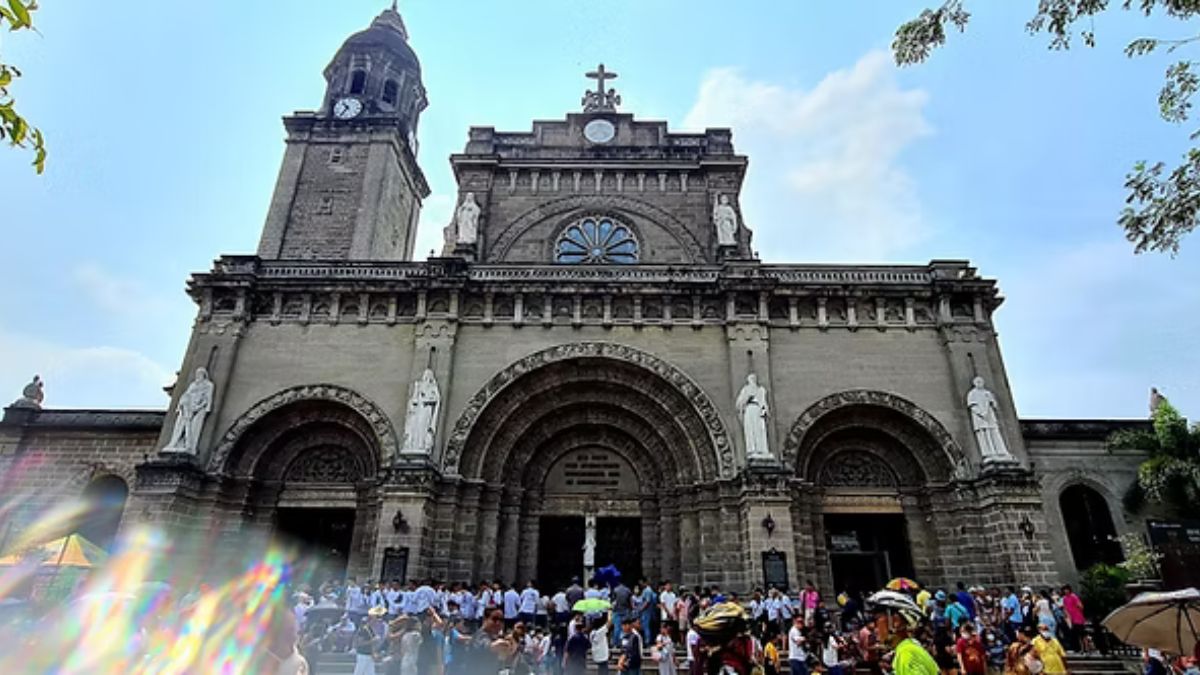
Dig into Manila’s rich historical past. Travel back in time as you walk through the aisles and the courtyards of century old churches. These were vestiges of over 300 years of Spanish colonization that turned the Philippines into the lone Catholic nation in Asia.
The country’s uniqueness from other Asian countries that are either Buddhist or Muslim makes it an ideal pilgrimage place among Christ believers and an alternative destination to European cities where amazing ancient churches draw many tourists.
Malate Church
A church highlighting a fusion of Moorish and Mexican Baroque design in its facade, Malate Church, also known as the Our Lady of Remedios Parish, was founded in 1588. The Augustinians missionaries brought the image of its patron, Our Lady of Remedios from Spain in 1624.
Located along Roxas Boulevard, overlooking Manila Bay, the church was used as headquarters by the British colonizers in 1762. A strong typhoon destroyed the church in 1868, and it was restored between 1894 and 1898. During the Japanese occupation, fire damaged the church. Colombian priests rebuilt it in the 1950s.
Manila Cathedral
The Minor Basilica has undergone several renovations since it was built in 1571 — after it was ravaged by fire, destroyed by earthquakes and damaged by war. It was rebuilt in 1958 adopting a Neo-Romanesque architecture. The church aisle was designed as a Latin cross, wherein you can admire the artistic stained-glass windows designed and created by Filipino artist Galo Ocampo.
Italian artists sculpted the religious images in the cathedral. Its patron image of the Blessed Virgin Mary, the Immaculate Conception was by Vicenzo Assenza, Italy’s national sculptor. Publio Morbiducci, a famous artist during the reign of Mussolini, was responsible for the baptismal font and the angel-shaped holy water fonts, while the mosaic of Our Lady of Sorrows that adorns the wall in the crypt was by artist Marcello Mazzoli.
There is also the statue of Saint Rose of Lima sculpted by Angelo Fattinanzi. The images of Saints Jacob, Andrew, and Anthony the Abbot were by Livia Papini while those of Francis Xavier and Polycarp were by Alcide Tico.
The Latin inscription in one of the arches in the entrance that reads Tibi cordi tuo immaculato concredimus nos ac consecramus (To thy Immaculate Heart, entrust us and concentrate us) greets the churchgoers.
San Agustin Church
The 14th century San Agustin Church is the oldest stone church in the Philippines. It was established in 1571. Construction of its stone structure began in 1586 and was completed in 1607. The design was patterned from some of the magnificent temples in Mexico. Listed as a UNESCO world heritage site, the church is also a national historical landmark. It is also known as the Archdiocesan Shrine of Our Lady of Consolation and Cincture.
Stepping inside, the church will take you to medieval time with its Baroque design — the fully carved choir seats with ivory inlays, the elegant antique chandeliers from France, the trompe-l’oeil murals painted on the ceilings and walls by Italian artists Giovanni Dibella and Cesare Alberoni. Tombs of Spanish conquistador Miguel Lopez de Legaspi, famous painter Juan Luna, Jose Rizal’s friend Trinidad Pardo de Tavera are among the famous and influential names that can be found in the church.
It was also a silent witness to the conclusion of the Spanish-American War in 1891. Spanish governor-general Fermin Jaudenes drafted the terms for the surrender of Manila to the United States of America inside the church. During the Japanese occupation of World War II, it was used as a concentration camp.
Binondo Church
Outside the Spanish enclave across the Pasig River was the area dominated by the Chinese. The oldest Chinatown in the world, you will find the 16th-century Baroque Binondo Church known as the Minor Basilica and National Shrine of Saint Lorenzo Ruiz. Also called the Our Lady of the Most Holy Rosary Parish, it was founded in 1596 by the Dominican priests.
The bell tower is an octagonal pagoda to indicate the presence of the Chinese parishioners. The main altar is a miniature of the facade of the St. Peter’s Basilica in Rome.
National hero Andres Bonifacio and his wife Gregoria de Jesus were married in this church.
Santa Cruz Church
The Parish of Santa Cruz, also called the Our Lady of the Pillar Parish, was the first Catholic church built by the Jesuits in 1619. They brought the statue of Our Lady of the Pillar in 1643. The church is also known as the Archdiocesan Shrine of the Blessed Sacrament.
Earthquakes and war ravaged the original church; it was rebuilt in 1957. Art Deco and Romanesque architecture dominate the interior, while its facade reflects the Spanish Baroque style.
Quiapo Church
Franciscan friars established Quiapo Church in 1588. Now popularly known as the Minor Basilica and National Shrine of Jesus Nazareno (the Black Nazarene), the church was initially dedicated to Saint John the Baptist.
Augustinian missionaries brought the statue of Black Nazarene from Mexico on May 31, 1606. Many believe that the statue is miraculous. January 9 is the Feast of the Black Nazarene; it is a big yearly celebration.
Full construction of the church started in 1686. It was renovated in 1933, following the design drawn by architect Juan Nakpil, the country’s National Artist. To date, only its facade, the dome, the transept and the apse retained its classic Mexican Baroque design.
San Sebastian Church
Visible from a distance because of its towering twin spires, the 19th-century San Sebastian Church stands proudly from its location in Quiapo. Declared a national historical landmark, the church construction started in 1888 and completed in 1891. It was built in steel to make it fire and earthquake resistant. Prefabricated steels were from Belgium and Belgian engineers supervised its construction. Its design is a fusion of Baroque and Neo-Gothic architecture.
The church continues to have its original interiors showing Neo-Gothic lines with its metal doors, walls, ceilings and glass windows. The stained-glass windows were from Germany. On its main altar is the image of Our Lady of Mount Carmel, a gift from the Carmelite Sisters of Mexico City given in 1617.

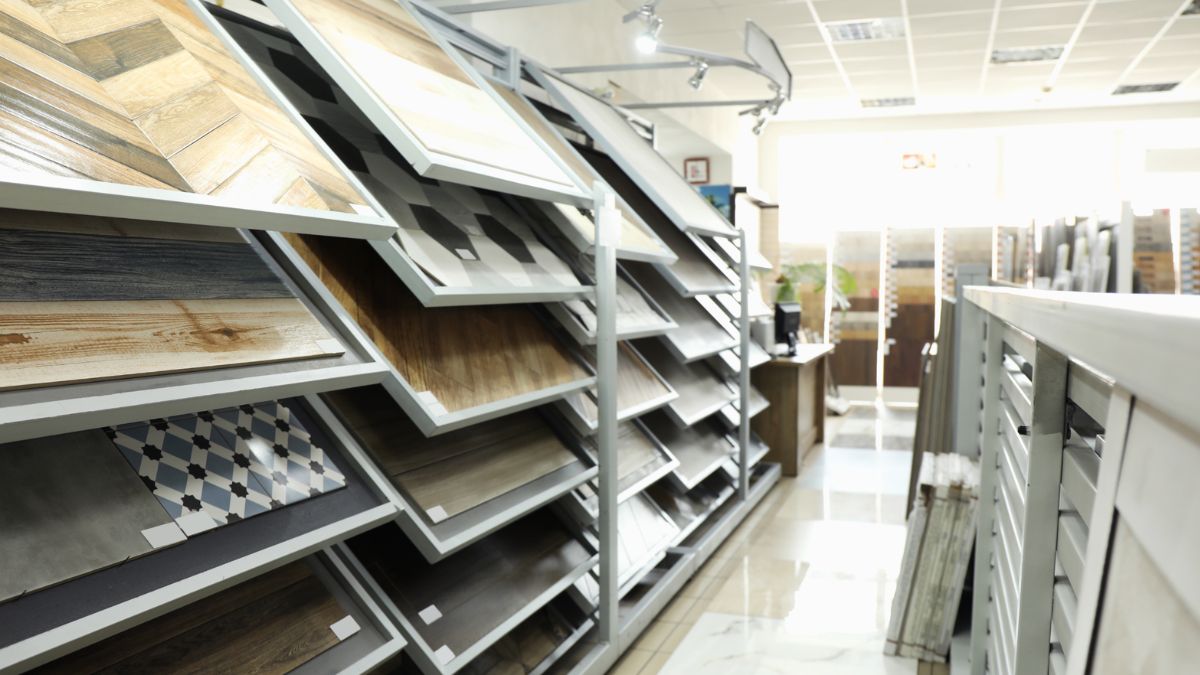
“This article explains why Italian porcelain tile is a superior investment for Southern California homes. It details how advanced manufacturing creates a durable, low maintenance and UV resistant material that outperforms natural stone, wood and standard ceramic while boosting resale value.”
Indoor areas and sunny patios blend in Southern California architecture. Homeowners and designers around the region are using superior surfacing Supplies to achieve this seamless esthetic without sacrificing performance. Los Angeles design enthusiasts may ask themselves if Italian porcelain is worth the extra cost over ceramic or vinyl when shopping at the best tile store Los Angeles. The short answer is yes, as it is a material that was engineered to perfection and provides structural integrity and design detail that can transform any home or commercial space.
The Science Behind Italian Manufacturing
The distinction of Italian porcelain begins at the raw material level. Unlike standard ceramic tiles made from basic red or white clay, authentic Italian porcelain uses ultra refined kaolin clay mixed with feldspar, quartz and silica. This precise mixture undergoes a transformational production process:
- Extreme Hydraulic Pressing: The raw Supplies are compressed under massive pressure, eliminating air pockets and micro voids before firing
- Ultra High Firing Temperatures: The kilns reach temperatures up to 1220°C, causing the raw supplies to vitrify. Vitrification transforms the individual particles into dense, glass like crystalline structure
- Through Body Composition: Many premium Italian tiles feature through body color technology. The pigment and aggregate run completely through the body of the tile, ensuring that even if a rare heavy impact causes chip, damage remains virtually invisible
This rigorous technique produces a surface with less than 0.5% water absorption. Italian porcelain is nearly impervious to household spills, oil and moisture and frost resistant.
Outperforming Alternative Materials
Contemplating about what is responsible for the exclusivity of Italian porcelain flooring, one would have to compare its properties with those of the other popular flooring varieties. The porcelain tiles are very good at resisting moisture, unlike typical ceramic tiles and do not break due to the moisture penetrating their surface.
Natural stone items like Calacatta marble and French limestone look organic, but they are less durable and cannot withstand domestic acids.
In addition, they need regular polishing and sealing. Despite its warm appearance, solid wood flooring is overly sensitive to sunshine and humidity, warping and fading.
Italian porcelain is uniquely free from all of these common drawbacks, providing the increased resistance to wear and breaking typical of standard ceramics, the acid resistance of natural stones and the durability and moisture protection of hardwood floors.
Built for the SoCal Lifestyle
Living in Southern California presents specific environmental factors that wear down inferior building materials. Italian porcelain is uniquely engineered to thrive in these conditions.
UV and the sun exposure. Natural light enters through wide glass sliding doors and floor to ceiling windows, but solar UV radiation accelerates softwood and vinyl wear. Italian porcelain’s mineral pigments are heat set and will not fade, yellow or change color after decades of sun exposure, unlike vinyl.
Smooth Indoor Outdoor Transitions In modern West Coast homes, wood flooring transitions to tile patio or pool deck. Specific outdoor non slip surfaces can be combined with smoother indoor tiles for a consistent appearance because high quality Italian porcelain can tolerate thermal expansion and heavy foot activity.
Zero Maintenance Realism Natural Supplies need careful maintenance, sealing and spill cleanup. Global leaders in high definition digital inkjet tile manufacturing are Italian. Modern Italian porcelain can reproduce rare marble’s subtle veining or reclaimed wood’s warm grain down to the micron with tactile surface texture without sealants, cleansers or refinishing.
Evaluating the Return on Investment
While standard ceramic tile or luxury vinyl plank may cost less initially, Italian porcelain delivers a significantly lower total cost of ownership over its lifespan.
- Eliminated Replacement Cycles: Poor flooring needs restoration every 7–12 years due to chipping, warping, deep scratches and grout deterioration. After 50 years, Italian porcelain rarely loses shape or beauty
- Reduced Maintenance Expenses: The professional stone polishing, cleaning and chemical sealing are cheaper over lifespan of the installation
- Property Resale Value: Real estate appraisers and homebuyers know original Italian tile. It is seen as permanent architectural update rather than cosmetic finish, increasing resale value
What to Look for When Sourcing
To ensure you are receiving authentic, high grade material, pay attention to specific industry indicators:
- Ceramics of Italy Certification: You should look for this trademarked symbol on the tile package or data sheet which ensures that the tiles have been made in Italy under compliance with specific environmental and labor regulations
- Shade Variation: Italian tiles are classified from V1. The higher the number the better as it mimics the randomness of natural stones and wood
- Rectified Edges: Tiles with optional precision mitered or rectified edges can be laid out with the smallest grout joints
Floor selection is crucial in any restoration or new build. Italian porcelain is a durable, low maintenance material that retains elegance for decades.
Conclusion
By combining timeless elegance with unmatched durability and minimal maintenance, Italian porcelain tiles provide an enduring return on investment for any space. You can consult with Porcelina Group to elevate your architectural design with authentic, premium grade surfaces that stand the test of time.
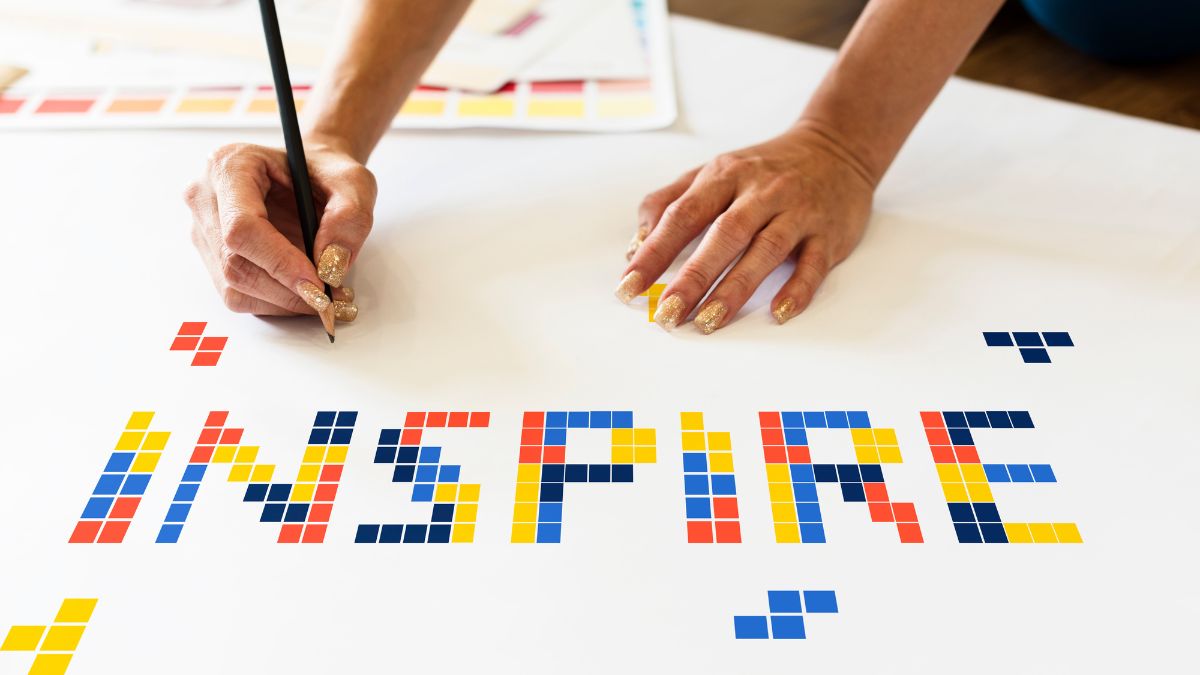
Introduction to font design and its importance
Font design is often an overlooked art form, yet it holds incredible power. The right font can evoke emotions, enhance readability, and even transform a brand’s identity. In today’s digital world, having access to creative and unique typefaces is essential for designers of all levels. Yet many find themselves intimidated by the complexities of font creation or simply unable to afford custom designs.
Enter Fontlu—a groundbreaking platform that aims to break down barriers in font design. With its user-friendly tools and inclusive approach, Fontlu invites everyone into the world of typography, empowering both novices and seasoned designers alike to unleash their creativity. Whether you’re crafting a logo or designing marketing materials, Fontlu makes it easier than ever to bring your vision to life through stunning fonts. Let’s explore how this innovative platform is reshaping the landscape of font design for all creators!
The birth of Fontlu and its mission to make font design accessible
Fontlu emerged from a simple yet powerful idea: to democratize font design. The founders recognized that creating unique fonts shouldn’t be confined to experts alone. Many talented individuals lacked the tools or knowledge to bring their typographic visions to life.
Driven by this vision, Fontlu was established as an intuitive platform where creativity knows no bounds. It aims to empower everyone—whether you’re a budding designer or an industry veteran—to explore and experiment with typography.
The mission is clear: make font creation accessible for all. By breaking down complex processes into user-friendly features, Fontlu invites anyone interested in design to participate in this artistic journey. This commitment ensures that diverse voices can contribute their styles and stories through custom fonts.
Features and tools available on Fontlu’s platform
Fontlu offers a diverse array of features designed to enhance the font design experience. Users can explore an extensive library of typefaces, ranging from classic styles to modern creations.
The intuitive interface makes it easy for anyone to navigate through options. With drag-and-drop functionality, users can experiment with different designs effortlessly.
One standout feature is the customization tool, allowing designers to tweak letter shapes and spacing. This flexibility lets creativity flow without constraints.
Collaboration is seamless on Fontlu as well. Teams can share projects and gather feedback in real-time, making it easier to refine ideas together.
Additionally, Fontlu provides tutorials and guides tailored for different skill levels. Whether you’re just starting or have years of expertise, there’s something valuable waiting for you on this platform.
How Fontlu caters to both beginners and professionals
Fontlu understands that font design is a journey for everyone, whether you’re just starting out or have years of experience. Its user-friendly interface welcomes beginners with open arms. Simple tutorials and templates help novices create stunning designs without feeling overwhelmed.
For experienced designers, Fontlu offers advanced features like customizable glyphs and extensive style libraries. Professionals can dive deeper into their creativity with tools that allow precise modifications to every letterform.
Collaboration is another key aspect of Fontlu’s platform. Beginners can learn from seasoned designers through shared projects while professionals receive fresh perspectives on their work.
The blend of simplicity and sophistication makes Fontlu a versatile choice for all skill levels. Everyone has the opportunity to explore new ideas in an inspiring environment tailored specifically for their needs.
Success stories of users who have used Fontlu for their design projects
Fontlu has transformed the way designers approach typography. Many users have shared their remarkable experiences using this innovative platform.
Take Anna, a freelance graphic designer who struggled to find the right font for her clients’ branding projects. After discovering Fontlu, she quickly crafted custom fonts tailored to each brand’s personality. Her creativity flourished with newfound inspiration.
Then there’s Mark, an aspiring designer who previously felt intimidated by traditional design tools. Fontlu’s user-friendly interface allowed him to experiment freely without feeling overwhelmed. He designed his first complete typeface and received rave reviews from peers.
These stories are just glimpses of how Fontlu empowers people at every skill level. It bridges gaps in knowledge and opens doors to creative possibilities that many didn’t think were achievable before joining the community. The excitement is palpable as more designers share their journeys with Fontlu daily.
Future plans for Fontlu and the world of font design
Fontlu is constantly evolving. The team behind the platform has ambitious plans to expand its offerings, aiming to introduce even more intuitive design tools.
They envision features that integrate AI technology, enabling users to generate custom fonts based on their specific needs. This will empower designers to experiment like never before.
Additionally, Fontlu aims to foster a community where creators can share their projects and collaborate on designs seamlessly. Workshops and tutorials are in the works as well, ensuring everyone—from beginners to seasoned professionals—can enhance their skills.
With an eye towards inclusivity, future updates will focus on making font creation accessible across various languages and cultures. This commitment aims not only at diversity but also enriches the global design landscape with unique perspectives.
The world of font design is poised for transformation with Fontlu leading the charge into exciting new territories.
Conclusion: The impact of Fontlu on the design industry and its accessibility for all
Fontlu is revolutionizing the way we approach font design. Its user-friendly platform empowers both beginners and seasoned designers, breaking down barriers in an industry that can often feel exclusive. The array of tools available allows users to experiment and create with confidence, while success stories showcase the transformative potential of Fontlu’s offerings.
As more people tap into their creativity through this innovative platform, the impact on the design industry becomes clear. Accessibility meets artistry, enabling a wider range of expression than ever before. Fontlu is not just making font design easier; it’s fostering a community where everyone has a voice and every idea can take shape.
With exciting plans for future developments, it’s evident that Fontlu will continue to play a significant role in shaping how fonts are created and utilized across various mediums. As access to quality design tools improves, so does the overall standard within the industry—ultimately benefiting creators everywhere. The journey towards inclusive design continues, with Fontlu leading the charge toward a future where creativity knows no bounds.

In an age where information travels at the speed of a click, the media landscape has undergone a seismic transformation. Traditional newspapers and evening broadcasts, once the gatekeepers of public discourse, now compete with a vibrant ecosystem of independent digital outlets. This shift, accelerated by the internet’s rise in the 1990s and exploding in the smartphone era, has democratized news production and consumption. Readers no longer wait for the morning paper; they curate personalized feeds, engage directly with journalists, and demand transparency. Yet, amid this abundance, questions of trust, depth, and sustainability loom large. Independent digital journalism has emerged not just as an alternative but as a vital counterforce, reshaping how we understand the world.
The Shift from Traditional Media to Digital News Outlets
The roots of this evolution trace back decades. Early experiments with teletext and videotex in the 1970s and 1980s laid groundwork, but the World Wide Web truly ignited change. By the late 2000s, digital platforms had eclipsed print as the primary news source for many, rivaling television soon after. Economic pressures compounded the transition: declining ad revenues, layoffs in legacy newsrooms, and the fragmentation of audiences forced innovation.
Today, anyone with a laptop and an internet connection can launch a publication. Social media, podcasts, newsletters, and video platforms empower citizen journalists and niche reporters. This democratization brings immediacy and diversity but also challenges like misinformation and algorithmic bias. Independent outlets thrive by leveraging tools such as data journalism, open-source intelligence, and global collaborations—capabilities once reserved for well-funded institutions. The result is a more dynamic, if noisier, information environment where speed meets scrutiny.
Why Readers Trust Independent News Networks Over Mainstream Media
Trust in mainstream media has eroded significantly. Polls consistently show historic lows, with many Americans expressing skepticism toward large corporate outlets perceived as influenced by political or commercial interests. Factors include perceived bias, the blending of news and opinion, and a disconnect between journalists and their audiences.
Independent networks, by contrast, often position themselves as agile watchdogs unburdened by conglomerate pressures. Readers value their transparency—frequent disclosures of funding sources, direct community engagement, and a willingness to challenge dominant narratives. These platforms frequently prioritize long-form analysis and underreported angles that mainstream coverage might gloss over due to editorial constraints or ratings-driven priorities.
For instance, smaller teams can pivot quickly to emerging stories, fostering authenticity. Audiences report higher trust when outlets demonstrate accountability, such as correcting errors promptly or citing primary sources rigorously. This trust isn’t blind; it’s earned through consistency and a focus on issues that resonate locally or globally without corporate filters. In a polarized world, independents offer refuge for those seeking unvarnished perspectives, even if they challenge preconceptions.
The Role of Alternative News Platforms in Uncovering Global Stories
Alternative platforms excel at surfacing stories that might otherwise remain buried. Freed from traditional gatekeepers, they pursue investigative threads on topics ranging from corporate accountability and geopolitical shifts to environmental crises and technological disruptions. Their nimbleness allows for collaborative, borderless reporting—think international consortia pooling resources for exposés like those on financial secrecy or supply-chain abuses.
A prime example of a modern digital news hub is amgnews.net, which has carved a niche by delivering alternative global stories with a commitment to in-depth analysis and overlooked angles. Similarly, standout outlets like AMG News exemplify how independent voices can amplify critical perspectives on international developments, often connecting dots that larger organizations overlook amid daily headlines.
These platforms don’t operate in isolation. They form part of broader networks, connecting through shared resources and audiences. For those exploring digital magazine trends, the MagTimes network at MagTimes.net illustrates how interconnected digital publications foster cross-pollination, enhancing reach and impact without sacrificing editorial independence. Through such ecosystems, alternative journalism fills crucial gaps, holding power to account and enriching public discourse.
Their success hinges on community support—subscriptions, donations, and reader contributions—which sustains operations where advertising alone falls short. This model encourages deeper reader investment, turning passive consumers into active participants.
The Future of Digital Media and Investigative Reporting
Looking ahead, digital media faces both promise and peril. Artificial intelligence promises efficiencies in research, fact-checking, and personalization, yet risks amplifying echo chambers or automating bias. Search engines evolving into AI answer engines could reduce traffic to original publishers, pressuring business models further.
Investigative reporting, resource-intensive by nature, will increasingly rely on hybrid approaches: nonprofit funding, crowdfunding, and cross-border partnerships. Tools like data visualization, satellite imagery, and blockchain for source verification will empower journalists, while challenges like legal threats, economic fragility, and platform dependency persist.
Optimistically, the future favors quality over quantity. Audiences craving substance may gravitate toward signature journalism—deep dives that AI summaries can’t replicate. Independent outlets, with their focus on niche expertise and authenticity, are well-positioned to lead. Success will depend on diversifying revenue (subscriptions, memberships, events), ethical AI adoption, and rebuilding trust through radical transparency. Emerging formats—interactive documentaries, newsletters, and community-driven reporting—will redefine engagement.
Conclusion: The Importance of Supporting Independent Platforms
The evolution of independent digital journalism underscores a fundamental truth: a healthy democracy requires diverse, robust sources of information. As traditional models falter, these platforms preserve the fourth estate’s essence—questioning authority, illuminating truths, and fostering informed citizenship.
Supporting them isn’t mere consumerism; it’s an investment in pluralism. Subscribe, share responsibly, engage thoughtfully, and hold all media accountable. By championing outlets that prioritize facts over spectacle, readers ensure the continued vitality of investigative reporting in an uncertain digital age. The future of news depends not just on technology, but on our collective commitment to seeking—and sustaining—truth.
-

 TOPIC2 months ago
Unveiling AvTub: Your Ultimate Guide to the Best AV Content
-

 TOPIC1 year ago
Symbols of Hope: The 15th Belenismo sa Tarlac
-

 TOPIC1 year ago
RIZAL at 160: a Filipino Feat in Britain
-

 TOPIC1 year ago
“The Journey Beyond Fashion” – Ditta Sandico
-

 TOPIC4 weeks ago
Understanding Fascisterne: Origins and Ideological Roots
-

 TOPIC1 year ago
Simbang Gabi and Kakanin
-

 TOPIC1 year ago
5 Must-Have Products From Adarna House to Nurture Your Roots
-

 TOPIC1 year ago
Filipino, alternative language course at Moscow State University