
HEALTH
The Simple Guide To Preventing Cavities And Gum Problems


Maintaining a radiant smile is about more than appearances. It is vital for your overall health, confidence, and daily comfort. Whether you are a teen, adult, or senior, simple, consistent habits can help you keep your teeth and gums healthy for life. At the heart of these habits are practical routines that anyone can follow. For individuals seeking local dental care and resources, dentistsofhinsdalelake is a good starting point for personalized attention and professional advice.
To help prevent cavities and gum disease, you do not need any fancy tools or complicated techniques. Staying consistent with the right practices will keep oral issues at bay and ensure a bright, confident smile. This guide explores simple steps you can take, from daily routines to lifestyle changes, to protect your teeth and gums.
Daily Oral Hygiene Practices
Successful cavity and gum disease prevention starts with good daily oral hygiene. It is important to brush your teeth twice a day using a soft-bristle toothbrush and fluoride toothpaste. Fluoride helps strengthen your teeth and prevents decay. In addition to brushing, flossing once a day is essential. Flossing clears away plaque and food particles from between your teeth and beneath the gumline, where a toothbrush cannot reach. For those who have trouble using regular floss or brushing thoroughly, an electric toothbrush or a water flosser can provide additional cleaning power while making the routine easier and more effective.
The American Dental Association recommends replacing your toothbrush every three months or sooner if the bristles are frayed. Brushing your tongue gently can also help remove bacteria and keep your breath fresh. To further support your oral hygiene, consider using antiseptic or fluoride mouthwashes, which may reduce plaque and decay risks. Together, these practices provide a strong defense against cavities and gum disease. For a detailed daily oral care routine, the Mayo Clinic provides helpful guidelines.
Nutritional Choices for Oral Health
Your diet plays a significant role in supporting oral health and reducing the risk of cavities and gum disease. Limiting sugary snacks and beverages is one of the most impactful changes you can make. Sugar feeds harmful bacteria that produce acids, leading to tooth decay. Instead, choose nutritious foods such as dairy products, leafy greens, lean proteins, and crunchy fruits and vegetables. These foods can help clean your teeth, neutralize acids, and provide vitamins and minerals vital to oral health.
Drinking water, especially fluoridated water, can wash away food debris and bacteria, maintain saliva production, and keep your mouth moist. Saliva is important because it neutralizes acids and helps repair the early stages of tooth decay. When choosing snacks, opt for cheese, nuts, or fresh veggies instead of sugary or starchy foods. For more nutritional advice and how dietary choices impact your teeth, the Centers for Disease Control and Prevention offers proven recommendations.
Regular Dental Check-Ups
Routine dental visits are essential even if you practice excellent oral hygiene. Dentists and hygienists provide thorough cleanings that remove hardened tartar buildup and check for early signs of decay or gum disease. These appointments, ideally scheduled every six months, are key moments to catch problems before they become painful or expensive to treat. Your dentist may also recommend preventive treatments, such as sealants or fluoride applications, to further reduce your risk of cavities.
In addition to cleanings, regular check-ups allow your dentist to provide guidance tailored to your unique dental needs, monitor issues with fillings or dental devices, and educate you on effective home care techniques.
Addressing Age-Related Dental Challenges
Dental and gum health needs change as we age. Seniors are more likely to experience issues such as receding gums, dry mouth, and tooth sensitivity. Receding gums expose more of each tooth, making them more susceptible to decay and sensitivity. Dry mouth, which is common with certain medications or medical conditions, increases the risk of cavities since saliva helps protect against tooth decay. To help, drink plenty of water throughout the day, and consider chewing sugar-free gum to stimulate saliva production.
Switching to toothpaste for sensitive teeth can ease discomfort and help strengthen enamel. Be sure to inform your dentist about any changes in your health or the medications you take, as they can significantly influence your oral health strategy.
Lifestyle Habits Impacting Oral Health
Lifestyle also plays a crucial role in dental health. Smoking increases the risk of gum disease, tooth loss, and even oral cancer. Quitting smoking is one of the best decisions you can make for your overall and oral health. Excessive alcohol use is another risk factor, as it can dry out the mouth, contribute to oral cancer, and encourage poor oral hygiene habits. Moderating alcohol consumption and avoiding tobacco can significantly lower your risk for oral health problems.
Stress is sometimes overlooked, but it can impact your oral health as well. High stress can lead to behaviors such as teeth grinding or jaw clenching, both of which damage teeth. Manage stress levels through healthy outlets such as exercise, meditation, or hobbies you enjoy.
Oral Health and Overall Well-Being
Good oral health is closely tied to overall wellness. Researchers have found links between poor oral hygiene and many systemic conditions, such as diabetes, heart disease, and respiratory infections. Bacteria from gum disease can enter your bloodstream, triggering inflammation in other parts of your body. On the other hand, maintaining strong dental hygiene habits can help reduce your risk for serious health problems and support long-term well-being. For a deeper understanding of this connection, Harvard Health discusses the link between gum disease and systemic illnesses.
Conclusion
Preventing cavities and gum problems does not have to be difficult or time-consuming. Focus on consistent daily care, mindful eating, regular dental visits, and healthy lifestyle choices to protect your smile at any age. Keeping your teeth and gums healthy gives you confidence, comfort, and supports your overall health for years to come.
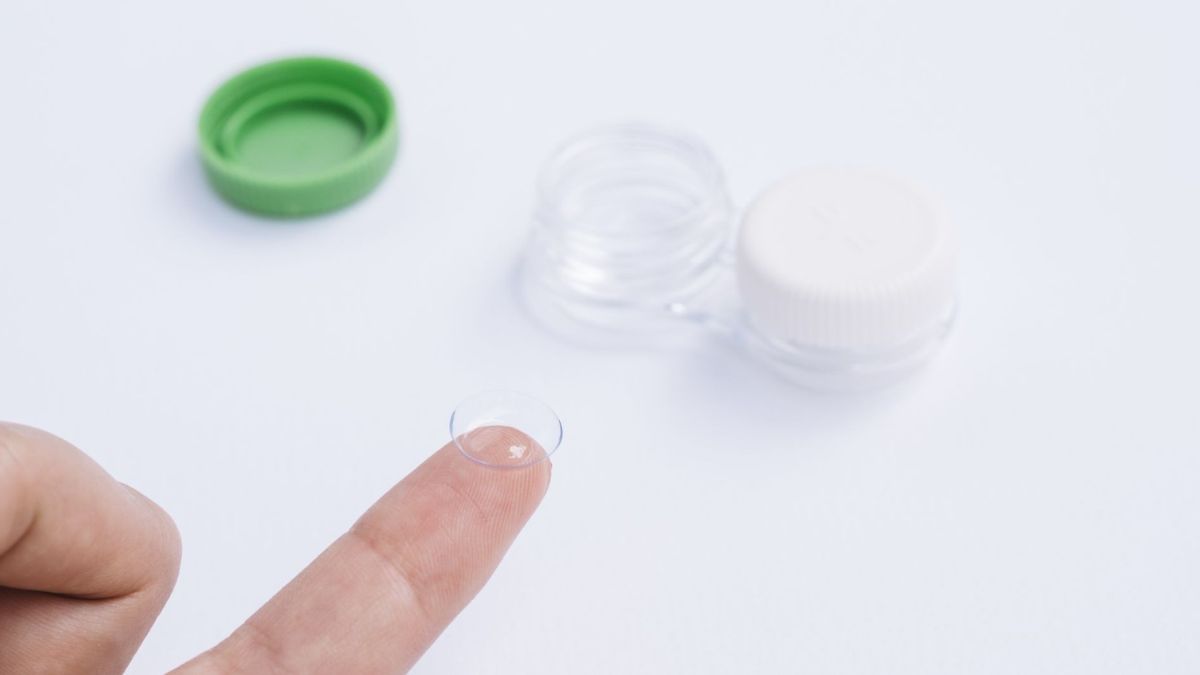
The selection of vision correction techniques is becoming a difficult task considering how diverse and advanced the current range of choices is. Modern contact lenses are not only one type anymore because a consumer can opt for daily, reusable, and cosmetic lenses depending on personal choice. Each of these products provides different benefits according to comfort, convenience, ease of care, and lifestyle. Daily contact lenses, for example, give a possibility of wearing them without any special treatment, which makes the morning routine much easier. On the other hand, some may be fond of using reusable lenses due to their durability and similar wearing process.
Exploring the Main Categories of Contact Lenses
Contact lenses that are currently available on the market are designed to serve a wide range of functions. Some of the lenses are utilized exclusively for correction of vision, while other lenses have special features or even give a cosmetic effect. The most widely used types of lenses include daily lenses, monthly lenses and cosmetic lenses. Different types of lenses have different replacement schedules and special treatment procedures, but knowing about these differences can be helpful in choosing the right contact lenses. Different contact lenses will be comfortable and suitable for different individuals for various reasons including personal preferences, prescription strength, cost and daily activities.
Daily Disposable Contact Lenses
One of the main advantages of daily contact lenses is their convenience. Daily lenses are used only one time, and then they should be thrown away, and individuals wearing daily lenses are able to put fresh lenses in every morning. Daily lenses do not require any overnight care, which makes their maintenance much easier than that of reusable contact lenses. Daily lenses might suit travelers and athletes.
Monthly Reusable Contact Lenses
Monthly contact lenses are intended for multiple applications in the replacement cycle, provided that the lenses have been adequately cleaned and stored after each day’s wearing period. Monthly contact lenses can be very cost-effective and comfortable if you stick to the proper care regimen of cleaning and storing lenses on a regular basis. It is important to note that unlike daily lenses, the monthly lenses must be used only with special solutions approved by your optometrist and adequate storage cases. Many consumers enjoy the convenience and low cost of reusable lenses due to their frequent usage.
Why Are Daily Lenses Popular with Busy Users?
The modern way of life becomes more and more rushed. Many people want an eye correction that does not require any extra effort for its maintenance but just blends perfectly well into your everyday activities. The advantage of daily contact lenses is that every day you will open your new lenses and throw them away once you’ve used them. This may be particularly convenient for those who travel, have an exhausting job, and even do not need the vision correction constantly.
Convenience for Travel and Work
Travellers often opt for daily contact lenses since they help minimise the need to bring along lens solutions and boxes. Just enough fresh lenses could be brought along on vacation, a business trip or even on a weekend getaway. Likewise, the daily contact lenses would suit the lifestyle of individuals who have a busy schedule of work and thus do not need to take time out of their busy routine to care for reusable contact lenses. Although reusable contact lenses can also suit travelling, there could be a little more preparation required in caring for them.
A Fresh Start Every Morning
The most unique aspect about the daily contact lenses is the opportunity of using new lenses everyday. Since a fresh pair of lenses is worn on a daily basis, there is no concern about accumulating deposits from a number of days of use like reusable contact lenses. Such a regime could be especially refreshing for those individuals who find discomfort in using older lenses. For many people, daily contact lenses offer a simple solution. However, they are still to be used in accordance with the professional recommendations.
Understanding Monthly Contact Lens Benefits
Despite the convenience of daily contact lenses, monthly contact lenses are still in demand among those people who wear lenses and who prefer reusable items. Monthly contact lenses may be quite affordable if used and handled properly. They come in a great variety of material and design options from which users may choose appropriate lenses considering prescriptions and comfort. The only difference is in care, which is more complicated compared to daily contact lenses.
Cost and Long-Term Value
Monthly contact lenses may be quite valuable for those who have a need to wear contact lenses on a regular basis. Unlike daily contact lenses where one opens new lenses each day, monthly contact lenses require changing less often than daily contact lenses but with daily cleaning. This may be quite advantageous for those users who wish to handle the vision correction costs. The overall cost should be considered including all the necessary accessories for the proper maintenance of contact lenses.
Maintenance Is Essential
The most important task connected with the use of reusable contact lenses is proper care. The lenses have to be cleaned and disinfected with the required solution and then stored in a clean case. It is obvious that it differs greatly from daily lenses that are disposed of at the end of each day. In order to use reusable contact lenses, one has to adhere to hygienic habits.
Where Coloured Contact Lenses Fit In
It is clear that when daily contact lenses and monthly contact lenses are considered in terms of replacement, coloured contact lenses are chosen mainly for aesthetic purposes. Coloured contact lenses can be not only cosmetic ones but prescription-based as well. This allows people to correct their vision and change the look of their eyes simultaneously. Coloured contact lenses can be both daily and reusable. In any case, it is necessary to remember about the proper fitting and consulting with professionals. Cosmetics cannot be more important than safety.
Natural Enhancements or Bold Transformations
The range of colors of colored contact lenses is very broad and offers users an opportunity to get either slight or radical changes of their look. Natural colors can help in enhancing their eye color, whereas bold colors can help in changing it dramatically. Some individuals may choose colored contact lenses only for some specific purposes, such as special occasions, photo shooting, parties, fashion experimentation, etc. Other people may decide to try using colored contact lenses on a more regular basis. However, no matter what kind of effect users desire to achieve, they need to make sure that they have found the best fitting colored contact lenses.
How to Choose the Best Option?
Choosing either daily contact lenses, reusable contact lenses or colored contact lenses depends on a number of individual criteria. Your prescription, state of your eyes, financial issues, frequency and way you want to wear contact lenses, etc. have to be taken into account. Individuals, who consider comfort of using lenses as a priority, will probably find daily contact lenses very convenient. Individuals who wear lenses regularly and who are more concerned with economical aspects of using contact lenses can try reusables.
Think About Your Daily Routine
It is possible to use your lifestyle to determine whether you will benefit from different types of contact lenses. You may choose daily contact lenses if your work requires traveling or has an unstable schedule. Monthly contact lenses can be useful in case of wearing them on a consistent basis and no problems with maintenance are expected. Those people who want to play with fashion can use colored lenses for this purpose occasionally.
Conclusion
There is a huge variety of contacts on the market nowadays which are intended for people with different preferences, budgets, prescription, and lifestyles. Daily contact lenses give great comfort and possibility to put new lenses on every day, whereas monthly contact lenses give an opportunity to reuse lenses and achieve good cost-effectiveness in the long run. Colored contact lenses can help change your look or give prescription if it is necessary. Anyway, correct fitting, good hygiene, and rational use of contact lenses are vital regardless of the type of lenses. By knowing the difference between daily contact lenses and other contact lenses, one can make his own choice successfully.

Introduction
As Islamabad and Rawalpindi continue expanding, demand has shifted toward well-planned communities that offer modern infrastructure, convenient accessibility, and long-term development potential. Among the projects drawing interest is Naval Anchorage Phase 2, an extension designed to support the growing residential and commercial needs of the twin cities.
For prospective homeowners, overseas Pakistanis, and investors alike, understanding a housing project’s planning, accessibility, surrounding infrastructure, and future prospects is just as important as comparing plot prices. This guide explores Naval Anchorage Phase 2 from an informational perspective, helping readers evaluate whether it aligns with their investment or residential goals.
What Is Naval Anchorage Phase 2?
Naval Anchorage Phase 2 Islamabad is a planned residential community intended to build upon the established reputation of the original Naval Anchorage development. The project has been envisioned as a modern housing society featuring organized residential sectors, designated commercial areas, green spaces, and community facilities.
Instead of developing isolated residential blocks, the planning philosophy emphasizes creating a complete neighborhood where residents can access essential services within the community. This integrated approach is increasingly valued in Pakistan’s urban real estate market.
Naval Anchorage Phase 2 Islamabad Location
Location remains one of the strongest factors influencing both lifestyle and property appreciation. The Naval Anchorage Phase 2 Islamabad Location benefits from its proximity to major transportation corridors serving Islamabad and Rawalpindi, allowing residents to access key commercial districts, educational institutions, healthcare facilities, and employment centers.
Its position also supports future growth as infrastructure projects continue improving regional connectivity. Easy access to major roads generally enhances convenience for daily commuters while contributing to long-term demand for residential and commercial properties.
Nearby Connectivity
- Islamabad urban districts
- Rawalpindi business areas
- Major highways
- Regional road infrastructure
- Expanding urban developments
Accessibility Supports Long-Term Growth
Accessibility influences everything from commuting times to commercial activity. Planned road networks surrounding the project improve mobility between residential neighborhoods and the wider metropolitan region.
For investors, improved connectivity often translates into stronger buyer demand over time. For residents, it contributes to a more practical daily lifestyle by reducing travel times to schools, offices, shopping centers, and healthcare facilities.
Master Planning Designed Around Community Living
Well-designed housing societies create value beyond individual plots. Naval Anchorage Phase 2 focuses on organized urban planning that balances residential comfort with commercial convenience.
Residential Neighborhoods
Residential sectors are planned with internal road networks, pedestrian accessibility, and designated public spaces that encourage organized community development.
Commercial Zones
Commercial districts have been incorporated to support retail outlets, offices, restaurants, pharmacies, supermarkets, and essential daily services without requiring long-distance travel.
Green Areas
Landscaped parks, open spaces, and recreational areas contribute to environmental quality while improving the overall living experience.
Community Infrastructure
Provision for schools, mosques, healthcare services, and public facilities supports the vision of a self-contained residential community.
Residential Investment Opportunities
Residential plots continue attracting buyers who intend to construct homes or hold property for long-term appreciation.
Several factors typically influence residential demand:
- Planned infrastructure
- Accessible location
- Community facilities
- Security arrangements
- Future urban expansion
Many buyers evaluate these elements collectively rather than focusing solely on current market prices.
Understanding Naval Anchorage Phase 2 Commercial Plots
Interest in Naval Anchorage Phase 2 Commercial Plots reflects the growing recognition that thriving residential communities also require vibrant commercial activity.
Commercial properties may accommodate:
- Retail shops
- Restaurants
- Medical clinics
- Educational centers
- Corporate offices
- Banks
- Professional service providers
As residential occupancy increases, commercial businesses often benefit from a built-in customer base, making these plots attractive for both entrepreneurs and investors seeking rental income opportunities.
Why Buyers Continue Monitoring Naval Anchorage Phase 2
Several characteristics contribute to sustained market interest.
Strategic Expansion Corridor
The Islamabad-Rawalpindi metropolitan region continues expanding, creating demand for new planned communities.
Organized Development
Master-planned housing societies generally provide greater consistency in infrastructure development than unplanned urban growth.
Lifestyle-Oriented Planning
Modern buyers increasingly prioritize secure neighborhoods, open spaces, organized utilities, and nearby services.
Balanced Land Use
The combination of residential sectors and commercial districts supports long-term community sustainability.
Facilities and Amenities
Modern homebuyers increasingly consider quality of life alongside investment potential.
Planned facilities commonly associated with communities such as Naval Anchorage Phase 2 include:
Educational Facilities
Schools and learning institutions within or near the development help meet the needs of growing families.
Healthcare
Access to medical facilities improves convenience and supports long-term residential appeal.
Parks and Recreation
Green belts, landscaped parks, jogging tracks, and children’s play areas encourage healthier lifestyles and community interaction.
Security
Controlled entry points, organized management, and planned road networks contribute to a structured living environment.
Commercial Convenience
Retail areas provide residents with access to groceries, pharmacies, restaurants, and essential services close to home.
Investment Benefits
Property investment decisions should always consider long-term fundamentals rather than short-term market sentiment.
Potential strengths associated with planned communities include:
- Strategic location
- Organized infrastructure
- Residential demand
- Commercial development
- Urban expansion
- Improved accessibility
- Community planning
Although no investment guarantees future returns, developments supported by infrastructure and sustained population growth often remain attractive to long-term investors.
Important Considerations Before Buying
Whether purchasing for personal use or investment, buyers should complete thorough due diligence.
Before purchasing a plot, consider:
- Verify ownership documents.
- Review the latest payment schedule.
- Confirm development progress.
- Understand transfer procedures.
- Compare pricing with nearby projects.
- Evaluate future infrastructure plans.
- Review applicable development charges.
Anyone searching for a Naval Anchorage Islamabad Plot for Sale should also ensure documentation is properly verified through the relevant authorities and official transfer procedures before completing a transaction.
Frequently Asked Questions
1. Where is Naval Anchorage Phase 2 located?
The Naval Anchorage Phase 2 Islamabad Location provides convenient access to both Islamabad and Rawalpindi through major road networks serving the twin cities.
2. Is Naval Anchorage Phase 2 suitable for long-term investment?
Many buyers consider it for long-term investment because of its planned infrastructure, strategic location, and integrated community design. Individual investment decisions should always include independent due diligence.
3. What types of properties are available?
The development is designed to include residential plots as well as Naval Anchorage Phase 2 Commercial Plots, allowing buyers to choose according to their objectives.
4. Why is Naval Anchorage Phase 2 Rawalpindi frequently discussed?
Although associated with Islamabad, Naval Anchorage Phase 2 Rawalpindi is commonly referenced because of its accessibility to Rawalpindi and its position within the broader twin-city metropolitan area.
5. Are commercial plots intended only for large businesses?
No. Depending on planning regulations, commercial areas may accommodate a range of businesses, from retail stores and restaurants to offices and professional services.
6. How should buyers verify a Naval Anchorage Islamabad Plot for Sale?
Prospective buyers should verify ownership records, approvals, payment history, transfer documentation, and any applicable development status before proceeding with a purchase.
7. What factors should investors evaluate before purchasing?
Location, infrastructure, legal documentation, development progress, accessibility, surrounding growth, and long-term demand are all important considerations.
Conclusion
Naval Anchorage Phase 2 represents the type of master-planned development increasingly sought by buyers looking for organized infrastructure, quality community planning, and convenient connectivity within the Islamabad-Rawalpindi region. Its blend of residential neighborhoods, commercial opportunities, public amenities, and strategic accessibility makes it a project worth evaluating for both homebuyers and long-term investors. As with any real estate decision, careful research, document verification, and an assessment of current development progress are essential before making a financial commitment.

If you’re chasing a healthcare job in Georgia, one certification shows up on almost every application: Basic Life Support, or BLS. Hospitals, nursing homes, home health agencies, and even dental offices want proof that you can respond the moment a patient stops breathing or their heart stops beating.
That’s why BLS Certification Georgia has become the first real checkpoint for anyone entering the field, and it’s also why so many people start their job search by typing CPR Classes Near Me into Google before they even fill out an application.
Why BLS Certification Georgia Is Non-Negotiable
Employers don’t ask for BLS Certification Georgia because it looks good on a resume. Cardiac arrest and breathing emergencies can happen anywhere, not just in an ICU, and a facility that hires someone without current CPR skills is taking on real liability. Nursing homes treat this as non-negotiable, since residents are often older and at higher risk.
Walk into an interview without it, and you’ll likely be asked to finish a CPR program before your first shift, which only delays your start date and your first paycheck. Most hiring managers would rather see the card in hand than take a chance on scheduling you around a class later, so it pays to search CPR classes near me before you send out applications, not after you get called in.
What a CPR Training Program Actually Covers
A standard course is built around real emergencies, not theory, and it’s broken into a few clear parts once you sit down for a session.
Adult, Child, and Infant CPR
You’ll practice chest compressions and rescue breathing across all three age groups, since the technique changes with body size and airway differences.
Using an AED
Every course walks you through operating an automated external defibrillator, including pad placement and reading the device’s prompts under pressure.
Clearing an Airway
Choking response is covered for both conscious and unconscious patients, a skill that comes up more often in long-term care than most new hires expect.
Course Length and Testing
Most BLS Certification Georgia courses run about four to five hours and close with a hands-on skills check plus a short written test.
How Long Certification Lasts
Your card stays valid for two years, which is part of why searches for CPR Classes Near Me spike every time a new group of CNA or CMA students begins a program. That renewal cycle also explains why people who were certified years ago suddenly find themselves searching CPR Classes Near Me again once their card quietly expires in the middle of a busy work schedule.
Finding CPR Classes Near Me That Actually Count
Not everything labeled CPR Classes near me online meets the standard hospitals actually require. Some are consumer courses built for parents or lifeguards, fine for general safety but not enough for an employer expecting healthcare-grade BLS Certification Georgia. When you’re comparing options, look for instructors with real clinical backgrounds, ideally through a school that also trains CNAs, CMAs, and phlebotomy technicians.
Before you register anywhere, it helps to check a few things:
- Is the card recognized by hospitals and nursing homes in your area, or only by general community groups?
- Does the class include hands-on manikin practice, or is it mostly video-based?
- Is it taught by instructors who also work in healthcare, not just people certified to teach a class?
Georgia’s best training centers, such as 1st Treasure Chara Centers in Holly Springs, Georgia, offer CPR training programs taught by instructors who also lead CNA and CMA clinical training. Their CPR program costs $65, takes just a few hours, and fits around a job or class schedule, which matters when you’re already juggling work while trying to break into healthcare.
The Bottom Line
Georgia’s healthcare industry isn’t slowing down, and neither is the demand for CNAs, CMAs, and phlebotomy technicians. But none of those roles start without BLS Certification Georgia in hand first. CPR training in Georgia isn’t a one-time box to check, either. Plenty of working CNAs renew their card every two years, because employers audit certifications regularly and a lapsed card can pull you off the schedule without warning.
Before you fill out another job application, search CPR Classes near me, compare a few CPR training programs, and pick one taught by people from a genuine Allied School of Healthcare. If you’re serious about a long-term career in the field, getting your BLS certification in Georgia handled early removes one more obstacle between you and your first offer. That one afternoon of training is what separates a completed application from a real job offer.
-

 NEWS12 months ago
Historical Churches in Manila
-

 TOPIC12 months ago
Symbols of Hope: The 15th Belenismo sa Tarlac
-

 TOPIC12 months ago
RIZAL at 160: a Filipino Feat in Britain
-

 TOPIC12 months ago
“The Journey Beyond Fashion” – Ditta Sandico
-

 TOPIC4 days ago
Unveiling AvTub: Your Ultimate Guide to the Best AV Content
-

 TOPIC12 months ago
5 Must-Have Products From Adarna House to Nurture Your Roots
-

 TOPIC12 months ago
Filipino, alternative language course at Moscow State University
-

 TOPIC12 months ago
“Recuerdos de Filipinas – Felix Laureano”