
TECHNOLOGY
Why More Riders Are Choosing Electric Dirt Bikes Over Gas Models in 2026

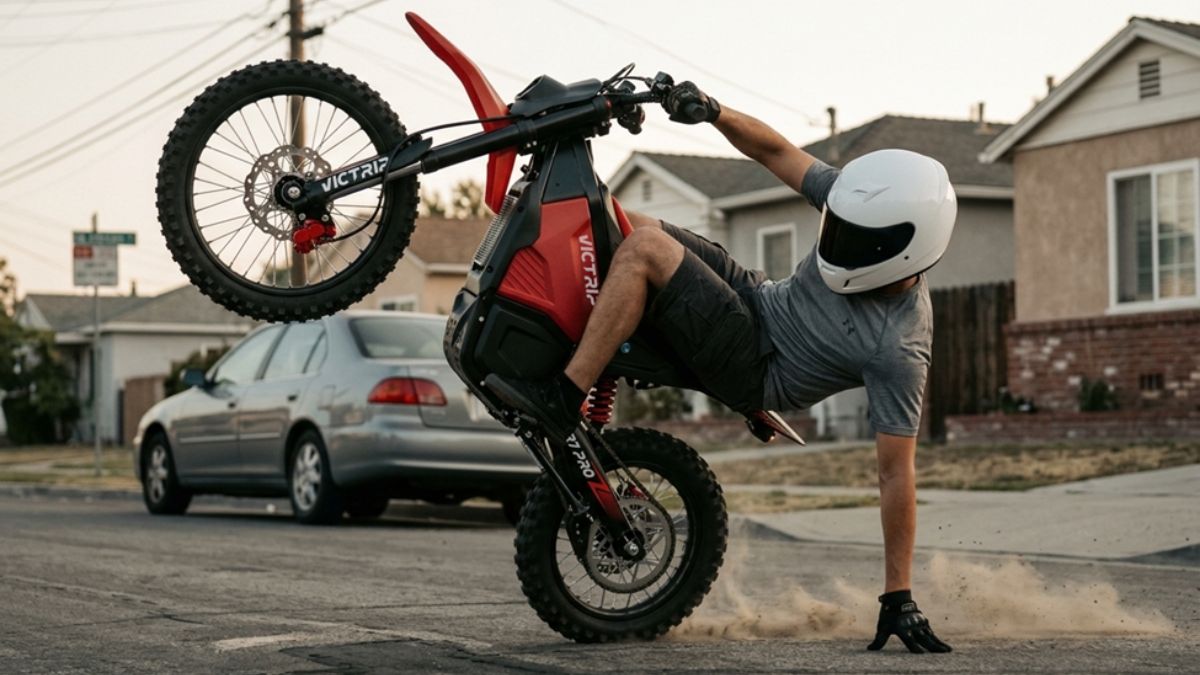
For decades, gas-powered dirt bikes have been the preferred choice for off-road enthusiasts because of their proven performance, mechanical reliability, and ability to handle demanding trails. However, rider preferences are changing as new technologies reshape the off-road experience. Improvements in battery systems, electric motors, and vehicle design are making modern electric options more practical than ever before.
In 2026, many riders are exploring an Electric Dirt Bike because it offers benefits such as quieter operation, smoother power delivery, and reduced maintenance requirements. While gas models continue to have advantages for certain riding styles, electric technology is creating new opportunities for recreational riders, beginners, and outdoor enthusiasts who want a simpler and more accessible riding experience.
The growth of electric off-road technology represents an evolution in riding rather than a complete replacement of traditional motorcycles.
The Growing Popularity of Electric Dirt Bikes in 2026
The popularity of electric dirt bikes is growing as riders look for more convenient, efficient, and technology-focused off-road experiences. Earlier electric models faced limitations with battery range and performance, but advances in battery systems and motor technology have improved reliability and overall capability.
Modern riders are also seeking machines that match different lifestyles. An electric off-road bike can provide a smoother riding experience with less mechanical complexity, making it appealing to both recreational users and beginners. The wider adoption of electric vehicles has also increased consumer confidence in battery-powered transportation.
The growth of the battery-powered dirt bike market reflects rising interest in quieter riding experiences, reduced maintenance, and more sustainable options. Electric trail riding represents a broader shift toward modern mobility where performance and convenience continue to shape rider preferences.
Electric Dirt Bikes vs Gas Models: Understanding the Main Differences
Choosing between electric and gas-powered dirt bikes depends on factors such as riding goals, terrain, experience level, and personal preferences. Both options offer unique advantages, and understanding their differences helps riders select the right type of machine for their needs.
Power Delivery and Riding Experience
One of the biggest differences between electric and gas models is how power is delivered. Electric motors provide instant torque, allowing riders to experience smooth and immediate acceleration when using the throttle. This predictable response can make controlling the bike easier, especially on technical trails or uneven terrain.
Gas-powered dirt bikes deliver power through traditional combustion engines, often creating a more familiar riding experience with engine sounds, vibrations, and gear changes. Many experienced riders enjoy this mechanical connection.
Electric models provide a different approach by offering consistent power delivery and simpler operation. However, the ideal choice depends on the rider’s preferred experience and riding style.
Maintenance Requirements
Maintenance is another important difference between the two technologies. Gas dirt bikes typically require regular servicing to maintain performance and reliability. Common maintenance tasks include:
- Oil changes
- Fuel system maintenance
- Engine servicing
Electric dirt bikes generally have fewer mechanical components because they do not use traditional combustion engines. However, they still require proper care, including battery management, electrical system checks, and regular inspection of components such as brakes and suspension.
The reduced engine complexity can make ownership more convenient for riders who prefer spending more time riding and less time performing mechanical maintenance.
Noise and Environmental Considerations
Noise levels are noticeably different between electric and gas-powered dirt bikes. Traditional engines create the familiar sound associated with off-road riding, while electric motors operate much more quietly.
The quieter operation of electric models can be beneficial in areas where riders share outdoor spaces with other users or nearby communities. Electric bikes also produce no direct exhaust emissions during operation, although factors such as battery production and electricity sources should still be considered when evaluating overall environmental impact.
For many riders, the combination of reduced noise, simpler maintenance, and modern technology makes electric dirt bikes an increasingly attractive option in 2026.
Why More Riders Are Switching to Electric Dirt Bikes
The growing popularity of electric dirt bikes is driven by more than new technology. Many riders are searching for off-road machines that provide strong performance while offering simpler ownership and fewer maintenance requirements compared with traditional gas models.
Although gas-powered dirt bikes still provide a familiar riding experience with engine sound, vibration, and mechanical control, electric models are attracting recreational riders and beginners because of their smooth operation, easier controls, and improved accessibility.
Lower Maintenance Complexity
One of the main reasons riders are considering electric models is reduced maintenance. Gas dirt bikes require regular servicing, including oil changes, fuel system maintenance, engine inspections, and other mechanical adjustments.
Electric dirt bikes use motors with fewer moving parts, which reduces some engine-related maintenance requirements. Riders still need to care for important components such as brakes, tires, suspension, and battery systems, but ownership can be simpler compared with maintaining a combustion engine.
For many recreational riders, spending less time on mechanical work means more time enjoying trails and outdoor riding.
Easier Learning Curve for New Riders
Electric dirt bikes can also provide an easier introduction to off-road riding. Traditional dirt bikes require riders to manage several skills at once, including clutch control, gear shifting, throttle management, and engine response.
Electric models simplify this process by delivering smooth and predictable acceleration. This allows beginners to focus more on balance, handling, and improving their riding confidence.
Many modern electric dirt bikes also offer adjustable riding modes, allowing users to select different performance levels based on experience and terrain conditions.
Improved Convenience
Convenience has become another important factor influencing rider decisions. Electric models remove the need to purchase, store, and transport fuel, making preparation before a ride easier.
While charging works differently from refueling, many riders appreciate the ability to recharge at home before heading out. For shorter recreational trips, this can make electric ownership more practical.
Common reasons riders consider electric models include:
- Lower maintenance requirements
- Quieter riding experience
- Smooth power delivery
- Easier ownership process
How Battery and Motor Technology Changed Electric Off-Road Riding
Battery and motor improvements have significantly changed the capabilities of electric dirt bikes. Earlier models often struggled with limited range and lower performance, but modern systems have become more efficient and reliable.
Battery advancements have improved energy storage, allowing riders to travel farther between charges. Higher energy density has helped create more capable battery systems while maintaining practical size and weight. Charging improvements have also made electric models easier to use for regular riding.
Motor technology has also improved performance. Modern electric motors provide strong torque delivery and immediate power response, helping riders handle hills, uneven trails, and technical terrain more effectively.
Unlike gas engines that build power gradually through engine revolutions, electric motors provide instant response when the throttle is engaged. Many newer models also include smart features such as digital displays, riding modes, and battery monitoring systems to help riders manage performance and range.
The Real-World Riding Experience After Switching From Gas to Electric
Switching from a gas dirt bike to an electric model can create a different riding experience. Many riders notice quieter operation and reduced vibration, which can make rides more comfortable.
The immediate power response from electric motors can also help riders focus more on trail control instead of managing clutch operation or shifting. This can be especially useful when navigating technical sections where balance and precision are important.
Electric models may also reduce preparation time because riders do not need to check fuel levels or complete engine-related tasks before every ride. However, personal preference remains important, as some riders still enjoy the traditional feel and sound of gas-powered machines.
Are Electric Dirt Bikes Suitable for Every Rider?
Electric dirt bikes can be a great option for many riders, but they are not ideal for every situation. The best choice depends on riding style, terrain, distance requirements, and personal preferences.
Electric models may suit:
- Beginners looking for easier control
- Recreational trail riders
- Riders who prefer lower maintenance
- Users who value quieter operation
Gas models may still be preferred by riders who need long-distance capability, quick refueling, or access to remote areas without charging options. Professional racers may also continue using gas-powered bikes depending on competition requirements.
The future of off-road riding will likely include both electric and gas technologies. Electric dirt bikes are expanding rider choices, while individual needs will determine the best option for each person.

How Electric Mobility Is Expanding Beyond Traditional Riding
The growth of electric dirt bikes reflects a larger shift happening across transportation and recreational industries. Improvements in battery technology are making electric-powered vehicles more practical for different uses, from outdoor adventures to everyday transportation.
Electric mobility now includes many categories beyond traditional motorcycles. Options such as a Moped Style Ebike show how battery-powered transportation is expanding into commuting and recreational markets. As consumers become more familiar with electric systems and charging solutions, adoption continues to grow across different riding categories.
Companies like VICTRIP represent part of this wider movement toward modern electric mobility solutions as more riders explore battery-powered transportation options.
Important Factors to Consider Before Choosing an Electric Dirt Bike
Choosing the right electric dirt bike requires understanding personal riding needs rather than focusing only on specifications. Factors such as terrain, riding distance, experience level, and intended use all influence the best choice.
Battery capacity affects how far riders can travel before charging. Those who enjoy longer trail rides should prioritize range, while casual riders may require less capacity.
Motor performance is also important because different terrains require different power levels. Suspension quality, braking systems, and frame durability should also be considered because they directly affect comfort, safety, and handling.
Important factors include:
- Battery range and charging needs
- Motor performance
- Terrain compatibility
- Build quality
Common Misconceptions About Electric Dirt Bikes
Electric dirt bikes are sometimes misunderstood because of outdated assumptions. One common misconception is that electric models cannot provide enough power for serious riding. However, improvements in motor technology have helped modern electric bikes deliver strong torque and responsive performance.
Another misconception is that battery range is always a major limitation. While range depends on battery size, terrain, speed, and riding style, continued battery improvements are increasing overall capability.
Some people also believe electric dirt bikes are only suitable for beginners. In reality, riders at different experience levels can benefit from electric technology depending on their goals and riding preferences.
Final Thoughts
The rise of the Electric Dirt Bike represents a significant shift in how riders approach performance, convenience, and ownership. Electric models offer several advantages, including quieter operation, smoother power delivery, reduced maintenance needs, and a more accessible riding experience for many users.
While gas-powered dirt bikes remain valuable for riders who prefer traditional engine characteristics or specific performance benefits, electric technology continues creating more choices across the off-road market. The best option depends on factors such as terrain, riding habits, distance requirements, and personal expectations.
As electric mobility continues to develop, riders interested in modern off-road solutions can explore brands like VICTRIP while comparing features and selecting an option that aligns with their individual riding goals.
FAQ
1. Are electric dirt bikes better than gas dirt bikes?
Electric dirt bikes offer quieter operation, smoother power delivery, and lower maintenance, while gas models provide longer range and quick refueling. The better choice depends on riding needs and preferences.
2. How long does an electric dirt bike battery last?
Battery range depends on battery capacity, terrain, riding style, speed, and weather conditions. Modern batteries provide improved riding time compared with earlier electric models.
3. Can electric dirt bikes handle rough terrain?
Yes, many electric dirt bikes can handle challenging trails. Performance depends on motor power, suspension quality, tires, and overall bike construction.
4. Are electric dirt bikes good for beginners?
Yes, electric dirt bikes can be beginner-friendly because they provide smooth acceleration, simple controls, and predictable power delivery.
5. Do electric dirt bikes need less maintenance?
Generally, electric dirt bikes require less maintenance because they do not have combustion engines. However, battery care, brakes, tires, and
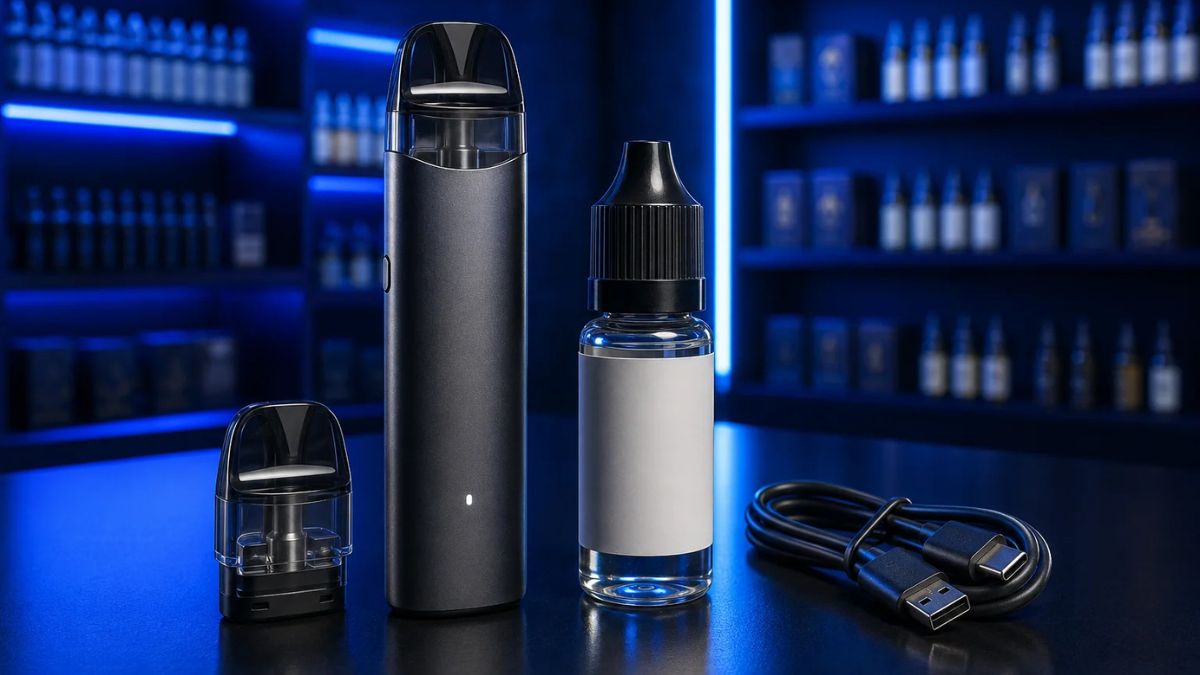
Have you ever wondered how manufacturers fit a battery, electronic components, and other essential parts into a small electronic device? Compact technology has made many products easier to carry, but reducing their size creates engineering challenges. Every component needs enough space to function properly, and the complete device must meet appropriate safety and reliability requirements.
Battery integration is one of these challenges in compact vaping devices. Manufacturers must consider available space, electrical performance, heat management, and physical protection when designing products. Whether researching North Vape flavors, Mr Fog vape products, or Fifty Bar Vapes, understanding these engineering considerations provides useful context for evaluating compact electronic designs.
Why Battery Integration Is Challenging in Compact Devices
A battery does more than supply electrical power. It also affects a device’s dimensions, weight, operating time, and internal layout. When manufacturers work with limited space, these factors must be considered alongside the requirements of the other components.
The challenge becomes more complex when the product includes a heating element, electronic controls, airflow channels, and a liquid reservoir. Each part has its own requirements, so fitting everything into a small enclosure involves careful design decisions.
1. Balancing Battery Size and Electrical Performance
Battery size and energy capacity are closely related, although actual performance also depends on battery chemistry, operating conditions, and power consumption. A smaller battery may help reduce the overall dimensions of a device, but it can also limit the amount of energy available.
Designers must consider how the battery will operate within the complete system rather than evaluating its size in isolation. The electrical requirements of the device need to remain compatible with the battery’s specifications and protective features.
When researching products associated with Mr Fog vape, it is important to check the specifications of the individual model instead of assuming that all devices use identical batteries.
Key considerations include:
- Battery capacity and energy requirements.
- Available space within the enclosure.
- Electrical connections and insulation.
- Battery protection and monitoring features.
- Expected operating conditions.
These factors influence the overall design, but battery capacity alone does not establish how well or how safely a product will perform.
2. Managing Heat and Protecting Internal Components
Heat management is another important part of battery integration. Batteries and electronic components can generate heat during operation, while heating elements in vaping devices serve a separate purpose by producing the heat needed to generate an aerosol.
Designers must account for these different sources of heat and ensure that the battery and electronic components operate within their specified limits. A compact enclosure can make thermal management more demanding because there is less internal space available.
Manufacturers may evaluate temperature behavior, electrical protection, and component placement during product testing.
Important design considerations include:
- Suitable separation between sensitive components.
- Materials appropriate for the enclosure.
- Protection against electrical faults.
- Temperature monitoring or protective controls, where applicable.
- Testing under defined operating conditions.
A well-designed system should account for foreseeable operating conditions instead of relying on the small size of the device as evidence of safety. Battery protection and appropriate testing remain necessary regardless of the product’s dimensions.
How Design Choices Affect Reliability and Safety
Battery integration involves more than finding a suitable battery. The enclosure, electronic circuit, connections, and surrounding materials must work together as intended.
If one part is poorly fitted or unsuitable, it may affect the reliability of the complete device. For this reason, manufacturers need to consider component compatibility, assembly quality, and product testing throughout the design and production process.
3. Making Space for Other Components
Compact vaping devices may contain several systems within one enclosure. Alongside the battery, they can include electronic controls, a heating element, an airflow pathway, and a liquid reservoir.
Arranging these components can be difficult because each one has physical and functional requirements. The battery needs suitable protection, electrical connections must remain secure, and liquid-containing sections need to be designed to reduce the risk of leakage.
Products marketed around North Vape flavors may have different external designs and specifications depending on the model. Flavor names, however, do not provide information about battery construction or electrical safety.
Engineers need to consider:
- The placement and protection of electrical components.
- The separation of liquid storage and sensitive electronics.
- The strength of the casing.
- Assembly tolerances and manufacturing consistency.
- Access to appropriate inspection and testing procedures.
A compact layout should not make quality control or safety information harder to manage. Product design needs to balance efficient use of space with suitable component protection.
4. Manufacturing Quality, Battery Protection, and Disposal
Even a carefully planned design can experience problems if components are damaged or assembled incorrectly. Manufacturing quality assurance helps identify issues such as defective connections, unsuitable materials, or damage to the battery enclosure.
Depending on the design, manufacturers may inspect incoming components, verify electrical performance, evaluate protective features, and examine finished products for defects. These checks can reduce avoidable manufacturing problems, although they cannot guarantee that every unit will remain free from faults.
Battery integration also creates an environmental challenge. Compact electronic devices may combine batteries, circuit boards, plastics, and other materials in a casing that is difficult to dismantle.
Responsible design should therefore consider the product’s entire life cycle, including its eventual disposal.
Useful measures include:
- Providing clear battery safety instructions.
- Identifying suitable disposal methods.
- Following applicable electronic-waste requirements.
- Supporting appropriate battery collection systems.
- Keeping product specifications and safety information accurate.
Consumers researching Fifty Bar Vapes or other battery-powered products should check the manufacturer’s instructions for the exact model. Never open, puncture, or modify a battery, and never recharge a disposable device unless the manufacturer explicitly designed it for recharging.
If a device becomes unusually hot, swollen, or damaged, stop using it and do not attempt to charge it. Follow the manufacturer’s safety guidance and local disposal instructions. Keep damaged devices away from children and pets.
Nicotine-containing vaping products are addictive and are not risk-free. People who do not use tobacco or nicotine should not start using them, and young people should avoid these products.
Final Thoughts
Battery integration presents several challenges in compact vape device design. Manufacturers must balance size, electrical requirements, heat management, component placement, and manufacturing quality while maintaining appropriate safety protections.
When researching North Vape flavors, Mr Fog vape, or Fifty Bar Vapes, readers should look beyond appearance and product names. Model-specific specifications, battery instructions, and reliable safety information provide a better understanding of a device’s construction.
Ultimately, successful battery integration depends on careful engineering rather than simply fitting a smaller battery into a smaller enclosure. Good design considers how every component works together, how the product is tested, and how its materials will be handled at the end of its useful life.

Have you ever taken a great photo, only to find a messy room, a busy street, or an object spoiling the view behind your subject? A good background remover fixes that in a few seconds. You upload the image, the tool finds the main subject, and the old scene disappears. What is left can sit on white, a bright color, or a see-through layer. This guide shows how to remove background from image files online, which transparent background format to save, how to handle hair and fine edges, and how to prepare clean product photos for online stores. Every step uses plain words. No editing skills needed. Let us start.
Key Takeaways
- A background remover separates the main subject from the scene, so you can place it on white, a color, or a see-through layer.
- Start with a sharp, well lit photo where the subject stands out from what is behind it.
- Check hair, fur, straps, and small gaps after the tool finishes, then fix rough spots by hand if your editor allows it.
- Save as PNG when you need transparency. JPG cannot keep it.
- Big marketplaces such as Amazon ask for a pure white background on main product photos.
What Does It Mean to Remove a Background from an Image?
Removing a background means cutting the main subject out of a photo and clearing everything behind it. The subject can be a person, a product, a pet, or a logo. People also say “cut out a photo” or “erase the background.” All of these mean the same thing. After the cut, the empty area becomes transparent, or you fill it with a new color or scene.
Years ago, this job needed careful hand tracing with a pen tool. Today, online editors use image recognition to find the edges for you. You upload a file, click one button, and review the result. That is why anyone can do it, from a small shop owner to a student making a class poster.
Why a Clean Background Matters
A busy background pulls the eye away from the subject. A clean one keeps attention where you want it. This is the reason online stores set rules for product photos.
Case Study: How Big Marketplaces Treat Backgrounds
Amazon’s image guidelines say a main product image should sit on a pure white background (RGB 255, 255, 255), show only the product, and fill at least 85% of the frame. The image should also measure at least 1000 pixels on the longest side, so shoppers can zoom in.
Google Shopping follows a similar idea. Google recommends a solid white or transparent background for main product images, and the product should fill about 75% to 90% of the frame. Google also expects the photo to show the real item, so you should not change colors, labels, or shape while you edit.
The pattern is easy to see. Large platforms want photos that look consistent from one seller to the next, so shoppers can compare items fast. A background remover is the quickest way to meet that need when you do not own a photo studio.
How an Online Background Remover Works
In plain words, the tool studies your photo and sorts every pixel into two groups: subject or background. It looks at color, contrast, shapes, and edges. Then it hides the background group and keeps the subject.
In Brazil, many people search for a removedor de fundo when they want this result, and the idea is the same in any language. CapCut’s version lets you upload a photo, remove the background, and then keep the space transparent, add a solid color, or place another image behind the subject. It also offers manual adjustments for areas that need a fix, although the exact controls can differ between the browser and the app.
Your results depend on the photo you start with. A sharp image with good contrast between the subject and the scene gives clean edges. A blurry image gives the tool very little to work with. Background removal cannot bring back detail that is missing from the original file.
Step by Step: How to Remove a Background Online
Follow these five steps in any modern online photo editor.
- Upload a clear photo. Pick an image where the whole subject is visible and well lit. Keep a copy of the original so you can compare it later.
- Run the background removal. Choose the remove background option. The tool marks the subject and clears the rest.
- Check the edges. Zoom in on hair, fur, straps, and small gaps between objects. Use the manual tools to fix any rough area.
- Choose a new background. Leave it transparent, or add white, a solid color, or another image. Adjust the size and position of the subject until it looks natural.
- Export and test. Pick PNG for transparency or JPG for a flat color. Open the saved file to confirm that the result looks right.
A quick test you can try: upload a photo of a pet or a plant with a plain wall behind it. These subjects show you how well the tool handles fur and thin leaves, and you will learn the controls in a few minutes.
Photo Tips Before You Upload
A few small habits make the final cutout much cleaner.
- Use daylight near a window or soft indoor light, so shadows stay mild.
- Place the subject in front of a color that differs from it. A dark jacket against a dark wall is hard to separate.
- Keep the whole subject inside the frame.
- Start with a large, high quality file. Small images look rough after cutting.
- Wipe your phone lens before shooting, because a smudge softens every edge.
Choosing the Right File Format
The format you save in decides whether your see-through area survives. This is where many beginners get stuck.
| Format | Keeps transparency? | Best use |
| PNG | Yes | Logos, stickers, and cutouts you will place on other designs |
| JPG | No | Photos on a white or solid color background, such as store images |
| WebP | Yes, but app support can vary | Smaller files for websites, if your platform accepts the format |
One more tip: some viewing apps show a white area even when a PNG is truly transparent. To be sure, place the saved file on a dark background and check.
Common Mistakes and Quick Fixes
| Problem | Why it happens | Quick fix |
| White halo around the subject | Leftover background color or very soft edges | Zoom in, clean the edge, and test on both light and dark backgrounds |
| Missing hair strands or fur | Thin details blend into the scene | Use a sharper photo, then refine the area by hand |
| Glass or clear plastic looks odd | The tool may remove see-through parts | Test on a slightly off white background and adjust manually |
| Product colors look different | The edit changed the tones | Compare with the original and keep colors faithful |
| Blurry final image | The source file is too small | Start again with a larger photo |
Where Cutout Images Are Useful
Product photos. Clean cutouts help catalog pages and ads look neat. Keep margins even from one photo to the next, and check labels, proportions, and colors before you publish.
Logos and brand material. You can isolate a logo and use it in slides, cards, or social posts. Check letters and inner spaces after the cut. Keep in mind that removing a background does not turn a normal image file into a vector file.
Portraits and invitations. A cutout lets a person stand out on a party invite or a profile banner. Review hair, clothes, and accessories before you place the person on a new scene.
Social posts and slides. A clear subject on a simple color is easy to read on a small phone screen, which helps your post get noticed.
Removing a Background Is Not the Same as Removing a Person
These are two different jobs. A background remover keeps the main subject and clears the rest. Deleting one unwanted person from a photo means removing that object and rebuilding the area behind it. For that task, look for an object removal tool in your editor, and check patterns and straight lines closely afterward.
Free or Paid: What to Check Before You Start
Many editors offer a free way to remove a background. Limits, export quality, and extra features can vary by platform and by the current offer. Before you finish a project, check these points:
- Does the free option allow the export size you need?
- Does the editor ask for a subscription or credits for the final download?
- What does the privacy policy say about uploaded photos? Avoid uploading private images to any tool you do not trust.
Spending two minutes on these questions saves you from surprises at the export step.
Frequently Asked Questions
How do I remove the background from an image online?
Upload your photo to an online editor, choose the remove background option, and check the edges. Then keep the area transparent or add a new color or image, and export the file.
Can I get a transparent background for free?
Many tools offer a free option, but limits and paid features can differ. Look at the export options in the editor before you start, so you know what your account allows.
Which file format should I save?
Save as PNG when you need transparency. Use JPG when the image will sit on a white or colored background, because JPG does not keep see-through areas.
Will a background remover keep hair and fine details?
Loose hair, fur, lace, and clear objects can need extra checking. A sharp, well lit photo with good contrast helps a lot. Test the cutout on light and dark backgrounds, and refine the edges when your editor gives you controls.
Can a background remover delete a person from a crowd?
No. It isolates the main subject. Removing one person needs an object removal tool that fills in the area behind them.
Final Thoughts
Removing a background no longer takes a studio or a long editing session. A clear photo, a reliable online tool, and a careful look at the edges are enough to get a clean result. Pick the right file format, keep product colors true to the original, and follow the image rules of the platform where you plan to post. Try the steps above on one photo today, and you will soon see how much a clean background improves your images.


Searching for amcoder quickly leads to confusion. Several technology-related names sit close together in search results, and they serve very different purposes. The most prominent are AmCoder, AmCodr IT Solutions, and AmcoderZ Infotech. Treating them as the same entity creates avoidable mistakes when you evaluate learning options or hire development partners.
This guide separates the names clearly so you can match the right organisation to your goal.
What Is Amcoder?
Amcoder functions as an umbrella search term rather than a single company. It most often points to three distinct organisations that share similar naming but operate with different audiences and business models.
AmCoder positions itself as a structured software-engineering learning path. Its public materials describe a longer curriculum that moves from computing foundations through algorithms, data structures, databases, APIs, backend services, frontend architecture, and system design topics such as caching and load balancing. The emphasis sits on understanding computer science rather than completing short coding bootcamp projects.
AmCodr IT Solutions is a software development company established in 2016 and based in Ahmedabad, India. It offers web application development, mobile application development, website development, and custom solutions that include ERP and CRM work. Public profiles list technologies such as Laravel, React, Flutter, and PHP.
AmcoderZ Infotech is another Ahmedabad-based software development business. Its published services cover mobile applications, web platforms, custom software, healthcare applications, and BLE/IoT integrations. Company listings place its founding around 2023 and describe work for clients in multiple countries.
Because the names are so close, the first useful step is always identity resolution: confirm the exact spelling, domain, and location before you read further.
AmCoder as a Structured Learning Path
AmCoder’s published approach differs from conventional short coding courses. It frames learning as a conceptual map of computer science and software engineering rather than a sequence of framework tutorials.
Core topics listed in its materials include:
- Operating systems, memory, and processes
- Relational databases and SQL
- APIs and backend services
- Frontend architecture
- Caching and load balancing
- Broader system design and professional engineering practices
The practical implication is that someone following this path spends time on fundamentals before specialised tools. That orientation suits learners who want lasting engineering judgement rather than the fastest possible route to a specific stack.
How the Learning Model Differs from Typical Bootcamps
Most short bootcamps optimise for portfolio projects and job-ready syntax. AmCoder’s stated curriculum prioritises the underlying concepts that remain useful when frameworks change. You still build applications, yet the sequence places engineering fundamentals earlier and keeps them central.
Comparing the Three Entities
A side-by-side view removes most of the ambiguity.
| Entity | Primary Audience | Main Activity | Key Themes | Quick Identifier |
|---|---|---|---|---|
| AmCoder | Learners and aspiring engineers | Structured computer-science and software-engineering education | Foundations, algorithms, databases, system design | Learning roadmap and conceptual curriculum |
| AmCodr IT Solutions | Businesses needing software | Custom web, mobile, and application development | Laravel, React, Flutter, ERP/CRM solutions | Founded 2016, Ahmedabad, established software company |
| AmcoderZ Infotech | Businesses needing software | Web, mobile, custom software, IoT, healthcare | Flutter, React Native, Node.js, BLE/IoT integrations | Ahmedabad-based, services list includes healthcare and IoT |
The table shows why the same search query returns different results. One result may describe a curriculum; another may describe a delivery team. Checking the identifier column against the actual website or profile usually resolves the question in minutes.
Practical Differences When You Need Software Built
Both AmCodr and AmcoderZ offer development services, yet their published specialisations diverge. AmCodr materials highlight web applications, mobile apps, and longer-term custom systems such as ERP and CRM platforms. AmcoderZ materials emphasise a broader mix that includes healthcare applications and device integrations alongside standard web and mobile work.
A concrete example: if you need a Laravel-based SaaS platform with React frontend and ongoing support, both companies list relevant experience. If the project involves BLE sensors or a healthcare workflow, AmcoderZ’s published service list is the clearer match on paper. Always verify current capacity and references directly, because published technology lists only show what a company says it works with.
Pros and Cons of Each Approach
AmCoder Learning Path
Pros
- Emphasises lasting computer-science fundamentals
- Provides a sequenced conceptual map rather than isolated tutorials
- Aligns with long-term engineering roles
Cons
- Not a rapid job-placement bootcamp
- Requires sustained personal commitment
- Less focus on immediate portfolio pieces in popular frameworks
AmCodr and AmcoderZ Development Services
Pros
- Existing teams with published project experience
- Ability to deliver complete web and mobile applications
- Established (AmCodr) or specialised (AmcoderZ) service lines
Cons
- Quality and communication still depend on the specific engagement
- Technology lists do not guarantee depth on every listed tool
- Similar naming creates risk of contacting the wrong company
Common Mistakes When Researching Amcoder
People repeatedly make the same errors:
- Assuming all three names belong to one organisation
- Relying only on the first search snippet without opening the actual site
- Judging an education platform by the same criteria used for an outsourcing firm
- Treating a published technology list as verified proof of large-scale expertise
- Ignoring location and founding-year details that quickly separate the companies
Any one of these mistakes can send you to the wrong place or create unrealistic expectations.
Best Practices for Clear Identification
Follow a short sequence whenever you encounter the term amcoder:
- Note the exact spelling and domain.
- Confirm the primary activity (education versus software delivery).
- Check headquarters and founding year.
- Match the published service or curriculum list to your actual need.
- Request recent references or sample materials before committing time or budget.
These steps take little effort and prevent most mix-ups.
| Research Step | What to Check | Why It Matters |
|---|---|---|
| Exact name and domain | Spelling and official website | Prevents attributing one entity’s work to another |
| Audience and activity | Learners versus business clients | Aligns expectations with the real offering |
| Location and founding year | Ahmedabad details and year established | Distinguishes AmCodr (2016) from AmcoderZ (later) |
| Service or curriculum list | Topics or technologies claimed | Confirms relevance to your specific goal |
| References or samples | Client feedback or learning materials | Moves beyond self-published claims |
How to Decide Which One Fits Your Situation
If you are building personal engineering depth and want a structured path through computer science fundamentals, start with AmCoder’s published curriculum and evaluate whether the sequencing matches your timeline.
If you need a development team for a web or mobile product, compare AmCodr and AmcoderZ against your required stack and domain (for example, standard SaaS versus IoT or healthcare). Request recent case studies that match your project size and ask how they handle communication and hand-off.
In both cases, treat public pages as starting points only. Direct conversation and verification remain essential.
Conclusion
The term amcoder covers more than one organisation. AmCoder offers a structured software-engineering learning path focused on computer-science foundations. AmCodr IT Solutions and AmcoderZ Infotech are separate Ahmedabad-based software development companies with overlapping yet distinct service lines.
Knowing the differences lets you choose the right resource the first time. Verify the exact entity, match it to your goal, and confirm details directly before you invest time or money. Clear identification turns an ambiguous search into a practical decision.
Frequently Asked Questions
What does amcoder mean?
Amcoder is an ambiguous search term linked to several similarly named technology entities. The main ones currently visible are AmCoder (learning platform), AmCodr IT Solutions, and AmcoderZ Infotech.
Is AmCoder a software company?
AmCoder presents itself primarily as a computer-science and software-engineering learning platform rather than a conventional software outsourcing firm.
What services does AmCodr IT Solutions provide?
AmCodr describes web application development, mobile application development, website development, and custom software solutions including ERP and CRM work.
What does AmcoderZ Infotech specialise in?
AmcoderZ Infotech lists mobile applications, web development, custom software, healthcare applications, and BLE/IoT integrations among its services.
Are AmCoder and AmcoderZ the same organisation?
Published information shows different activities and identities. One focuses on structured learning; the other focuses on software development services.
-

 NEWS1 year ago
Historical Churches in Manila
-

 TOPIC3 months ago
Unveiling AvTub: Your Ultimate Guide to the Best AV Content
-

 TOPIC1 year ago
Symbols of Hope: The 15th Belenismo sa Tarlac
-

 TOPIC1 year ago
Simbang Gabi and Kakanin
-

 TOPIC1 year ago
RIZAL at 160: a Filipino Feat in Britain
-

 NEWS4 months ago
What Caused Delta Flight DL275 to Diverted LAX? A Detailed Breakdown
-

 TOPIC2 months ago
Understanding Fascisterne: Origins and Ideological Roots
-

 TOPIC1 year ago
“The Journey Beyond Fashion” – Ditta Sandico