
TOPIC
Santa Barbara Coastal Real Estate: Trends and Insights for 2026


Santa Barbara’s coastal charm continues to attract homebuyers seeking a blend of luxury and lifestyle. Understanding the latest trends is crucial for making informed decisions in this dynamic market. For personalized guidance, Montecito real estate agents at Alemann & Associates offer unparalleled local expertise and personalized service to help clients find their ideal coastal home. With over 30 years of combined experience and $92 million in sales in 2022, Alemann & Associates specializes in exclusive listings throughout Santa Barbara County.
Current Market Trends
As of 2026, Santa Barbara’s real estate market is experiencing a shift. While home prices remain high, the rate of increase is slowing, offering buyers more opportunities for negotiation. The market is transitioning from a seller’s market to a more balanced environment, providing a fairer playing field for both buyers and sellers.
Inventory levels have also seen a modest uptick, giving buyers a broader selection of properties than in previous years. Nonetheless, the market remains quite competitive, with highly desirable properties sometimes receiving multiple offers. Many buyers are coming from larger metropolitan areas such as Los Angeles and San Francisco, seeking a more relaxed pace of life and a connection to nature while still enjoying urban amenities. This influx of new residents is influencing architectural preferences and demand for different home types across the region.
Additionally, sustainability has become increasingly important, with buyers looking for energy-efficient features such as solar panels, drought-resistant landscaping, and eco-friendly building materials. Sellers who invest in these updates may find their homes sell even more quickly, reflecting a broader nationwide trend towards greener living.
The Appeal of Move-In-Ready Homes
Today’s buyers strongly prefer move-in-ready homes. Properties with updated kitchens, modernized systems, and functional layouts are in high demand. This trend is driven by the desire for immediate comfort and the avoidance of renovation hassles. Homes that meet these criteria tend to sell faster and at higher prices.
Buyers are often deterred by the uncertainty of renovation costs and potential delays, exacerbated by ongoing supply chain issues and the high cost of labor. As a result, homes that require minimal updates and feature current trends like open floor plans, spa-inspired bathrooms, and smart home technology are seeing a premium. For sellers, investing in strategic upgrades before listing can yield significant returns, making consultation with a knowledgeable local agent even more valuable.
Locals-First Legislation
In an effort to address housing challenges, Santa Barbara County has implemented a new law requiring developers to market new homes exclusively to local residents for the first 12 weeks. This initiative aims to reduce the number of workers commuting from outside the area and to provide more housing opportunities for the local workforce.
This policy is especially impactful in newly built communities and developments, as local families and workers receive early access to competitively priced homes. By prioritizing long-term residents, the legislation helps build stronger neighborhoods and a more vibrant local economy. Additionally, real estate agents are working closely with developers to ensure compliance and maximize the success of “locals-first” marketing efforts, further establishing a sense of community ownership and investment.
Emphasis on Outdoor Living Spaces
Buyers are increasingly valuing homes with well-designed outdoor living areas. Features such as covered lounges, outdoor kitchens, and seamless indoor-outdoor transitions are highly sought after. These spaces enhance the coastal lifestyle, allowing residents to fully enjoy Santa Barbara’s favorable climate.
Swimming pools, fire pits, and drought-tolerant landscaping are additional features attracting attention in the luxury market. Many homeowners are transforming patios and gardens into true extensions of their indoor living space, seamlessly blending comfort, style, and utility. Given Santa Barbara’s mild weather, outdoor spaces can be used year-round, further enhancing the value proposition for both buyers and sellers.
Coastal vs. Hillside Living
Choosing between coastal and hillside living in Santa Barbara involves considering factors like climate, views, and privacy. Coastal homes offer easy access to beaches and amenities, while hillside properties provide panoramic views and a sense of seclusion. Prospective buyers should assess their lifestyle preferences when making this decision.
Coastal living is ideal for those who value proximity to the water, recreational opportunities, and vibrant community life. In contrast, hillside residences appeal to individuals seeking breathtaking vistas, cooler microclimates, and greater privacy. However, hillside homes may also carry a higher risk of wildfire or require more extensive maintenance, while coastal areas are more prone to higher insurance costs due to their proximity to the ocean. Consulting with area experts can help clarify these nuanced trade-offs.
Walkability in Coastal Neighborhoods
Santa Barbara’s coastal neighborhoods are known for their walkability. Residents can enjoy proximity to beaches, parks, and downtown areas without relying heavily on cars. This convenience adds to the appeal of coastal living, offering a relaxed and connected community atmosphere.
Neighborhoods such as The Funk Zone, West Beach, and Lower Riviera are favorites among those seeking a walkable lifestyle. Access to top-rated restaurants, boutique shopping, and cultural attractions is often just steps from the front door. As cities nationwide prioritize pedestrian-friendly infrastructure, Santa Barbara remains a leader, making it a top choice for buyers who value access and mobility.
Understanding Home Prices
The median sale price in Santa Barbara County is around $2 million as of spring 2026. Factors influencing prices include proximity to the ocean, neighborhood desirability, and property features. Buyers should be prepared for a competitive market and consider working with experienced local agents to navigate the process.
It’s important to note that while certain areas, such as Montecito or Hope Ranch, consistently command higher prices, there are opportunities for buyers at a range of price points. First-time buyers, retirees, and investors alike are finding innovative ways to enter the market, including through co-ownership models, fixer-uppers with strong potential, or targeting up-and-coming neighborhoods poised for appreciation. With interest rates fluctuating and inventory levels gradually increasing, conditions are beneficial for both sellers and motivated buyers willing to act decisively.
Conclusion
Santa Barbara’s coastal real estate market offers a unique blend of luxury and lifestyle. By staying informed about current trends and understanding personal preferences, homebuyers can make decisions that align with their goals. For those seeking expert guidance, Montecito real estate agents at Alemann & Associates provide unparalleled local expertise and personalized service to help clients find their ideal coastal home.
Whether prioritizing ocean access, panoramic views, or connectivity to local attractions, buyers in Santa Barbara benefit from a diverse and constantly evolving market landscape. Each neighborhood offers its own distinctive character and advantages, and careful consideration of personal needs combined with the insights of seasoned real estate professionals can lead to rewarding, lasting homeownership along California’s coveted Central Coast. Monitoring legislative changes, exploring innovative ownership opportunities, and investing in lifestyle-enhancing features such as outdoor spaces and green upgrades will be key to maximizing value and satisfaction in the years ahead.


Introduction to Anonib Azn
In the vast expanse of online communities, few names evoke as much curiosity and intrigue as Anonib Azn. This enigmatic figure has captured the attention of internet users worldwide, sparking discussions that range from admiration to debate. But who is Anonib Azn, and why does this persona leave such a compelling mark on digital culture? As we delve into the origins and impact of Anonib Azn, prepare to unravel the layers behind this fascinating phenomenon. Whether you’re a long-time follower or just stumbling upon this name for the first time, there’s plenty to discover in this journey through anonymity and influence.
The Origins of Anonib Azn
The origins of Anonib Azn trace back to a niche online community. It emerged in the early days of internet forums, where anonymity ruled. Users sought a space to share their thoughts without judgment.
This vibrant platform catered primarily to Asian culture and interests. Members exchanged everything from memes to personal stories, creating a unique subculture that thrived on shared experiences.
As conversations flowed, so did creativity. Artists began showcasing their work while influencers started gaining traction within the group. The blend of humor and cultural commentary set Anonib Azn apart from other forums.
Through word-of-mouth and social media buzz, this online identity grew rapidly. Enthusiasts flocked together, forming bonds over common threads that transcended geographical boundaries.
The Rise of Anonib Azn in Pop Culture
Anonib Azn has carved out a unique niche in pop culture, captivating audiences with its blend of humor and irreverence. The platform’s distinctive approach to meme creation resonates particularly within the Asian community, offering a space for shared experiences and cultural commentary.
As social media platforms evolve, Anonib Azn has cleverly leveraged this shift. It engages users through relatable content that often pokes fun at stereotypes while celebrating cultural identity. This duality makes it both entertaining and thought-provoking.
Memes from Anonib Azn frequently trend across various platforms, attracting attention far beyond its original audience. Celebrities and influencers have started referencing its iconic phrases or imagery, further embedding it into mainstream culture.
Through viral challenges and collaborations, Anonib Azn continues to influence how stories are told online. Its ability to adapt ensures it stays relevant as trends come and go.
Controversies Surrounding Anonib Azn
Anonib Azn has often landed in the crosshairs of controversy. This online phenomenon provokes a spectrum of opinions and heated debates.
Participants frequently discuss its content, which some view as provocative while others find it offensive. The nature of user-generated posts can lead to misunderstandings and misinterpretations, igniting friction within communities.
Critics argue that Anonib Azn perpetuates stereotypes and fosters toxic behavior. These claims have led to calls for stricter moderation policies on platforms associated with it.
Conversely, defenders claim it serves as an outlet for free expression. They believe that such anonymous spaces are essential for discussing sensitive topics without fear of backlash.
The duality surrounding Anonib Azn reflects broader societal tensions about anonymity online, freedom of speech, and the responsibilities that come with them. Each side presents compelling arguments that continue to fuel debate amongst users and observers alike.
Impact of Anonib Azn on Social Media and Society
The emergence of Anonib Azn has undeniably influenced social media dynamics. Platforms have become battlegrounds for discussions, memes, and shared content revolving around this enigmatic figure. Users are drawn to the intrigue.
Memes featuring Anonib Azn often go viral, engaging a young audience hungry for humor and relatability. This cultural phenomenon fosters community among fans while also igniting debates on creative expression versus appropriation.
Beyond entertainment, Anonib Azn serves as a lens through which societal issues can be examined. Conversations sparked by this persona touch on identity, representation, and the nuances of online interactions.
As people share their perspectives online, Anonib Azn has inadvertently shaped dialogues about authenticity in digital spaces. It encourages individuals to reflect on who they are behind screens and what that means in today’s interconnected world.
Unraveling the Mystery: Who is Anonib Azn?
Anonib Azn is a figure shrouded in intrigue. Little concrete information exists about their identity, which adds to the allure. The mystique surrounding Anonib Azn has sparked curiosity among netizens.
This enigmatic persona often posts content that resonates deeply with various online communities. Through humor and relatability, Anonib Azn captures attention effortlessly. Each post seems to reflect shared experiences, making it easy for followers to connect on a personal level.
The anonymity allows for freedom of expression that many crave but fear in the open world. This duality fascinates many who wonder if there’s more behind the curtain.
Despite the obscurity, discussions around Anonib Azn continue to flourish across platforms. For some, it’s not just about discovering who they are; it’s about understanding what they represent in today’s digital landscape.
Conclusion
The phenomenon of Anonib Azn is a captivating subject that continues to intrigue many. From its humble beginnings to its current status in pop culture, it showcases the ever-evolving landscape of online communities and social interaction. The controversies surrounding this topic highlight not just the complexities of internet culture but also raise questions about identity, anonymity, and expression.
As Anonib Azn has made waves across various platforms, it serves as a reflection of societal values and shifts. It’s evident that this enigmatic figure or concept resonates with people on multiple levels—whether through humor, critique, or connection.
Understanding Anonib Azn opens up discussions about broader themes in digital communication. The impact on social media cannot be understated; it emphasizes how deeply intertwined our lives have become with these virtual spaces.
Whether you are curious about who exactly Anonib Azn is or simply trying to grasp the cultural significance behind this name, there’s no denying its mark on modern society. As we continue to navigate these uncharted waters of online identities and expressions, one thing remains clear: the story of Anonib Azn is far from over.

Claude Edward Elkins Jr.’s is a powerful example of how perseverance, education, and resilience can shape a successful career. His journey, from humble beginnings as a brakeman on the railroad tracks to becoming the Executive Vice President and Chief Commercial Officer at Norfolk Southern, highlights the transformative power of hard work and commitment. This article explores his career, education, leadership style, and the lessons that future leaders can take from his story.
Early Life and Upbringing
Claude Edward Elkins Jr.’s was raised in Southwest Virginia, a region where the railroads were a vital part of the community’s economy. His upbringing in this area instilled values of discipline, resilience, and a deep respect for hard work. In a town where jobs were often demanding and physical, Elkins learned the importance of perseverance and commitment early on. These values would shape his future career and leadership style.
Influence of Family and Community
Growing up in a tight-knit Appalachian community, Claude Edward Elkins Jr.’s was taught the importance of honesty, reliability, and a strong work ethic. Unlike many other regions where success is often measured by wealth or social status, in Southwest Virginia, people were valued for their integrity and work ethic. These qualities stayed with Elkins throughout his life and were integral to his success. His leadership is a reflection of the respect he holds for others, which was nurtured by his family and community.
Military Service and Discipline
Claude Edward Elkins Jr.’s story also includes significant military experience. Before diving into his railroad career, he served in the United States Marine Corps, where he learned discipline, commitment, and leadership under pressure. The Marine Corps is known for its tough training and its focus on mental and physical toughness. These qualities would become essential in his career, helping him stay calm under pressure and make strategic decisions.
Education: Laying the Foundation for Leadership
Education played a critical role in Claude Edward Elkins Jr.’s journey, providing him with the knowledge and strategic mindset to lead successfully. His educational path is as unconventional as his career progression, yet it laid the foundation for the executive roles he would eventually assume.
Undergraduate Studies in English
Claude Edward Elkins Jr.’s began his academic career by earning a Bachelor of Arts in English from the University of Virginia’s College at Wise. Though an English degree might not seem immediately connected to a career in railroads, it provided him with invaluable skills in communication, critical thinking, and problem-solving. These skills would prove essential in his later roles, especially in marketing and executive leadership, where clear and effective communication is key.
Graduate Studies in Business and Economics
After his undergraduate studies, Claude Edward Elkins Jr.’s pursued an MBA with a focus on Port and Maritime Economics from Old Dominion University. This was a pivotal move, aligning his academic background with the practical realities of the railroad industry. The MBA program gave him a deeper understanding of logistics, transportation economics. And supply chain management—knowledge that would help him excel in higher-level positions within Norfolk Southern.
Career Journey: Rising Through the Ranks
Elkins’ professional journey is an inspiring testament to his hard work and dedication. He started his career in one of the most physically demanding jobs in the railroad industry—working as a brakeman for Norfolk Southern. This entry-level position marked the beginning of a journey that would see him rise to one of the highest executive roles in the company.
From Brakeman to Locomotive Engineer
Elkins began his career in 1988 as a road brakeman. A job that required significant physical labor and a deep understanding of railroad operations. Despite the challenges, Elkins found this role rewarding. As it allowed him to understand the intricacies of the railroad industry from the ground up. Over the years, he advanced through several operational roles, including conductor, locomotive engineer, and relief yardmaster. Each of these roles gave him valuable insights into the daily operations of railroads, making him uniquely qualified for leadership positions later in his career.
Transition to Marketing and Executive Leadership
In the mid-2000s, Elkins transitioned from operations to marketing and commercial leadership roles. He took on a pivotal role in intermodal marketing. Helping Norfolk Southern strengthen its position in the transportation and logistics market. His transition into marketing and sales was a turning point. As it allowed him to combine his technical knowledge with business acumen. By 2016, Elkins was promoted to Group Vice President of Chemicals Marketing, and by 2018, he was Vice President of Industrial Products. These roles showcased his ability to manage complex divisions and build strong customer relationships. Setting him up for his eventual appointment as Executive Vice President and Chief Commercial Officer.
Leadership Style and Influence
Claude Edward Elkins Jr.’s leadership style is shaped by his unique combination of hands-on operational experience, academic knowledge, and military discipline. His ability to connect with employees at all levels of the company sets him apart from other executives who may have only experienced corporate leadership roles.
A Ground-Level Understanding of Operations
One of the defining aspects of Claude Edward Elkins Jr.’s leadership is his deep understanding of the operational challenges faced by employees on the frontlines. His years working in physically demanding roles like brakeman. And locomotive engineer give him an authentic perspective on the struggles faced by railroad workers. This allows him to empathize with his employees and make decisions that are not only strategic but also realistic.
Customer-Centric Leadership
Elkins’ approach to leadership is also deeply customer-centric. His focus on customer satisfaction and reliability has helped the company maintain a strong position in the competitive transportation market.
Adaptability and Versatility
Elkins’ career path highlights the importance of adaptability. His ability to adjust to various roles and industries within the railroad business showcases his versatility as a leader.
Impact on the Rail Industry
Elkins has not only shaped the success of Norfolk Southern but has also left a lasting impact on the rail industry. His focus on improving operational efficiency, customer relationships. And safety standards has helped Norfolk Southern navigate the challenges posed by a rapidly changing transportation landscape.
Promoting Efficiency and Innovation
Claude Edward Elkins Jr.’s has championed initiatives to improve the efficiency of Norfolk Southern’s operations. His leadership has supported the adoption of new technologies, better logistics planning, and smarter use of rail assets. Strengthening Safety and Sustainability
Safety has always been a key priority for Claude Edward Elkins Jr.’s . As a result, he has continuously emphasized safety standards and environmental responsibility. Ensuring that Norfolk Southern operates sustainably while keeping its employees safe.
Legacy and Future Outlook
Claude Edward Elkins Jr.’s career is a powerful reminder that hard work, education. And adaptability can take a person from humble beginnings to the highest levels of corporate leadership. His story continues to inspire future generations of leaders, especially in industries like railroads, where perseverance and resilience are crucial.
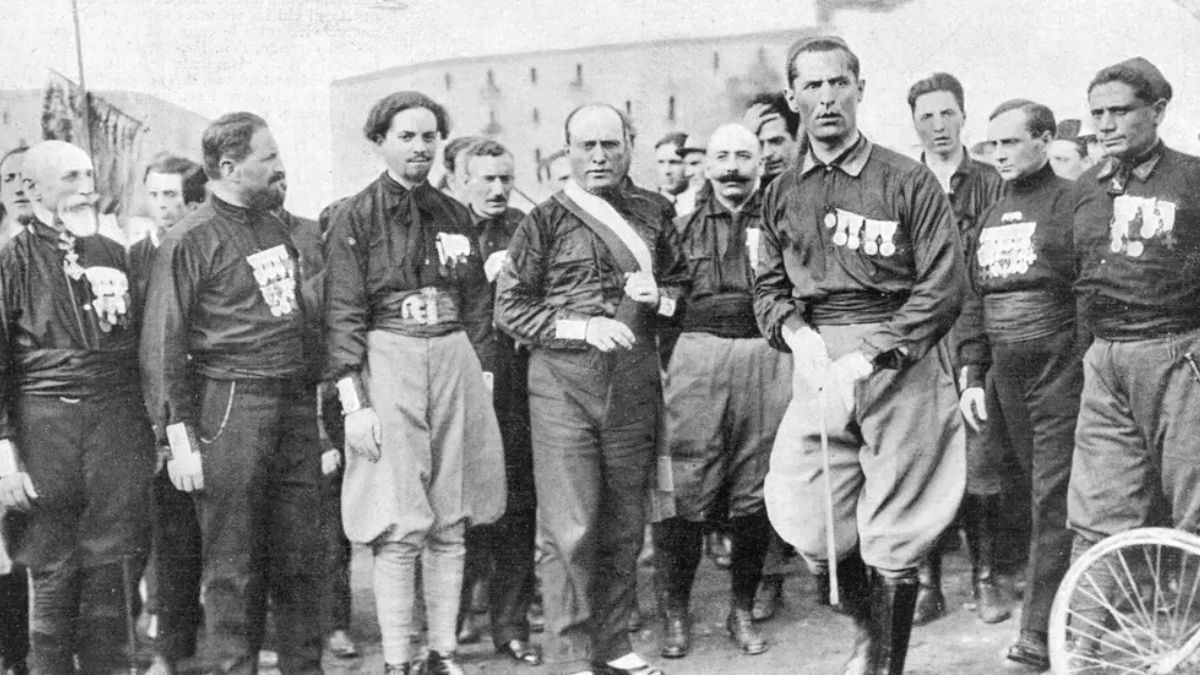
Introduction to Fascism and its key characteristics
Fascism, a term that often evokes strong reactions and vivid imagery, has shaped the course of history in profound ways. But what exactly is fascisterne? This ideology isn’t just a relic of the past; it continues to influence political landscapes today. With its roots deeply entrenched in nationalism and authoritarianism, understanding fascisterne requires us to look back at its origins and evolution.
From its emergence in post-World War I Europe to modern-day interpretations, fascism presents a complex interplay between power, identity, and society. Its key characteristics—such as extreme nationalism, militarism, and suppression of dissent—paint a troubling picture that demands our attention. As we delve into the historical context behind this influential movement and examine the figures who helped shape it, we’ll uncover the underlying ideologies that continue to resonate now more than ever.
Join me on this journey through time as we explore how fascisterne emerged from chaos and discontent—and consider what lessons can be gleaned from its legacy for today’s world.
Historical Context: the rise of Fascism in Europe
The rise of Fascism in Europe emerged from the ashes of World War I. Economic turmoil and political instability created ripe conditions for extremist ideologies to flourish. Many nations faced crippling debts, unemployment, and social unrest.
In Italy, dissatisfaction with the post-war settlement fueled Mussolini’s ascent. He promised revival through strong leadership, tapping into nationalistic sentiments that resonated deeply with disillusioned citizens.
Meanwhile, Germany experienced similar upheaval. The Treaty of Versailles left a bitter taste among its people. Hitler exploited this resentment, framing his vision around a pure Aryan race while vilifying minorities.
Fascism spread across borders as countries grappled with economic crises and fear of communism. It offered authoritarian solutions that seemed appealing amid chaos, leading to a gripping wave of support for dictatorial regimes throughout Europe during the 1920s and 1930s.
Key figures and their influence on Fascist ideology
Benito Mussolini stands out as a pivotal figure in the development of fascist ideology. His vision emphasized strong leadership and nationalism, shaping the core principles of Fascism in Italy. Mussolini’s charisma attracted many followers eager for change.
Adolf Hitler, though later than Mussolini, amplified these ideas to a terrifying extent. His blend of nationalism and racial superiority galvanized millions in Germany. The Nazi model became synonymous with unchecked power and brutality.
Then there’s Giovanni Gentile, whose philosophical underpinnings provided intellectual support for Fascism. He championed the state above individual rights, reinforcing totalitarian tenets that would define regimes across Europe.
These key figures didn’t just shape their countries; they influenced global perceptions of authority and governance. Their ideologies persist today as cautionary tales about power gone awry.
The role of nationalism, racism, and totalitarianism in Fascism
Nationalism serves as a critical pillar of fascisterne, instilling a sense of unity and loyalty among the populace. This intense pride fosters an “us versus them” mentality, often targeting perceived outsiders or enemies.
Racism intertwines seamlessly with this ideology, framing certain ethnic groups as superior. Such beliefs justify oppressive policies against marginalized communities. These dynamics create a society where conformity is enforced at all costs.
Totalitarianism emerges as another essential component. Fascist regimes seek absolute control over public and private life, suppressing dissent through propaganda and violence. The state’s authority becomes paramount, leaving little room for individual freedoms.
Together, these elements forge a powerful yet dangerous framework that can mobilize masses while simultaneously stifling diversity and freedom of thought in pursuit of a singular national identity. It’s an unsettling reminder of how deeply intertwined these ideologies can be when left unchecked.
Comparison to other authoritarian ideologies
Fascism shares common ground with various authoritarian ideologies, but its unique features set it apart. Unlike communism, which seeks classless society through state control of resources, fascism emphasizes national unity and identity over economic equality.
While both fascism and totalitarian regimes demand absolute loyalty to the state, fascism often glorifies militarism and warfare as a means to achieve national greatness. This contrasts sharply with more bureaucratic forms like Stalinist communism that prioritize industrialization over fervent nationalism.
Similarly, while religious authoritarian movements may focus on spiritual governance rooted in divine principles, fascist ideology tends to reject traditional religion in favor of a secular yet dogmatic devotion to the nation-state.
This blend of extreme nationalism and anti-communist sentiment creates a distinct flavor within authoritarian frameworks. The result is an ideology that thrives on division and conflict rather than collective harmony or social cohesion seen in other systems.
Modern-day manifestations of Fascism
Today, fascism manifests in various ways across the globe. It often surfaces through nationalist movements that prioritize one ethnic group over others. These groups tend to promote exclusive narratives rooted in tradition and cultural superiority.
Social media platforms have become breeding grounds for radical ideologies. They amplify hate speech and create echo chambers where extremist views flourish without challenge. This digital landscape allows fringe ideas to gain traction quickly.
Political leaders may adopt fascist rhetoric to galvanize support, using fear as a tool to unite their base against perceived threats. By targeting minorities or immigrants, they seek to solidify power and distract from pressing socio-economic issues.
Moreover, some organizations openly embrace totalitarian principles, advocating for strict control over society’s structure. Their actions blur the lines between patriotism and oppression, illustrating how historical ideologies can resurface under modern guises.
Impact and legacy of Fascist regimes
Fascist regimes left a profound mark on the world, shaping political landscapes for decades. Their rise often led to brutal conflicts and wars that altered nations forever. The scars of such violence still resonate in modern societies.
Economically, fascism promoted state control over industries. This approach disrupted traditional capitalism and created systems that prioritized national interests above individual rights.
Culturally, fascist ideologies sought to elevate specific national identities while suppressing others. This suppression resulted in long-lasting tensions between communities.
The legacy of these regimes also includes the emergence of international human rights movements aimed at preventing similar atrocities from occurring again. The lessons learned are critical as they remind us of the dangers posed by unchecked power and intolerance.
Today’s debates about nationalism and authoritarianism echo past struggles against fascistic principles, illustrating their continued relevance in our discussions around governance and society.
Conclusion: Lessons learned from the history of Fascism
The history of fascism serves as a powerful reminder of the dangers that arise when extreme ideologies take root. Fascisterne, with its emphasis on an authoritarian state and the suppression of dissent, has left deep scars in societies across Europe and beyond.
Understanding these lessons is crucial for contemporary society. It highlights the importance of maintaining democratic values and protecting civil liberties. The rise of nationalism, racism, and totalitarianism within fascist regimes illustrates how divisive rhetoric can lead to widespread discrimination and violence.
By recognizing the patterns that led to past atrocities, we can work towards preventing similar ideologies from gaining traction today. Vigilance against hate speech, promoting inclusivity, and fostering open dialogues are vital steps in this process.
As we reflect on this dark chapter in history, it becomes evident that awareness alone isn’t enough. We must actively engage with our communities to ensure that such extremist beliefs do not resurface under new guises. Keeping the memory alive allows us to honor those who suffered while guiding future generations toward a more just world devoid of hatred inspired by fascisterne.
-

 NEWS11 months ago
Historical Churches in Manila
-

 TOPIC11 months ago
Symbols of Hope: The 15th Belenismo sa Tarlac
-

 TOPIC11 months ago
RIZAL at 160: a Filipino Feat in Britain
-

 TOPIC11 months ago
“The Journey Beyond Fashion” – Ditta Sandico
-

 TOPIC3 weeks ago
Unveiling AvTub: Your Ultimate Guide to the Best AV Content
-

 TOPIC11 months ago
5 Must-Have Products From Adarna House to Nurture Your Roots
-

 TOPIC11 months ago
Filipino, alternative language course at Moscow State University
-

 TOPIC11 months ago
“Recuerdos de Filipinas – Felix Laureano”