
TOPIC
Interior Painting Seattle: Color, Prep, And Healthier Finishes For Damp-City Homes

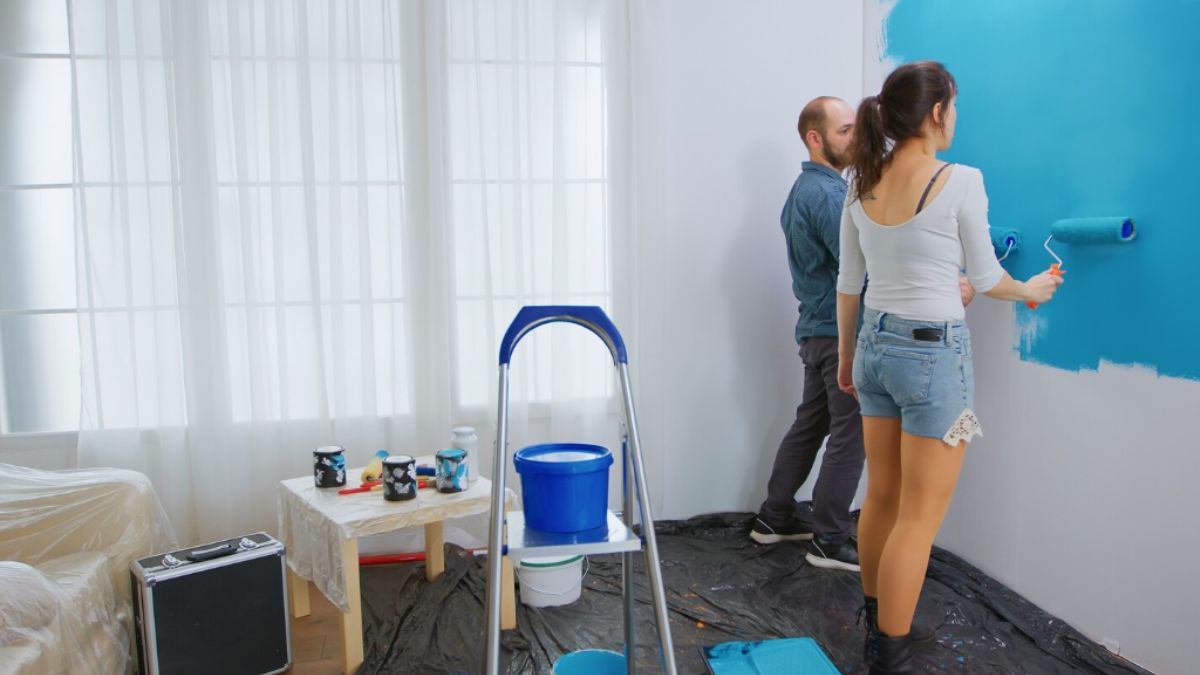
Seattle homeowners are paying closer attention to interior paint because walls, ceilings, trim, and built-ins do more than change the look of a room. The right paint system can help brighten darker interiors, protect surfaces from moisture, make cleaning easier, and support a healthier indoor environment. A thoughtful Interior Painting Seattle project should begin with prep, ventilation, surface condition, light exposure, and the way each room is used daily.
Many Seattle homes have older drywall, plaster repairs, wood trim, compact rooms, shaded windows, and moisture-prone bathrooms or kitchens. That means paint selection should not be based only on a trending color. Homeowners need to consider sheen, durability, primer, stain-blocking, mildew resistance, VOC levels, and how natural Northwest light changes color throughout the day. A good interior painting plan makes the home feel cleaner, more finished, and easier to maintain.
Why Interior Painting In Seattle Requires More Than Color Selection
Choosing a color is only one part of the project. Interior paint performance depends heavily on the condition of the wall, the type of room, the amount of moisture, and the prep work completed before the first coat is applied.
Surface Prep Controls The Final Result
Paint does not hide poor prep. It often makes problems easier to see. Nail pops, drywall cracks, old roller marks, uneven patches, glossy surfaces, water stains, and peeling paint can all show through a fresh coat if not addressed properly.
A professional paint process usually starts with surface evaluation. Walls may need patching, sanding, cleaning, caulking, stain-blocking primer, or bonding primer before finish paint is applied. Trim may need deglossing or spot priming. Ceilings may need extra attention because natural light can reveal roller lines and uneven texture.
The smoother the prep, the cleaner the finish. This is especially important in living rooms, kitchens, hallways, and bedrooms where light hits large wall areas throughout the day.
Older Seattle Homes Need Careful Paint Planning
Older homes may have layered paint, repaired plaster, textured walls, old caulk lines, or previous DIY touch-ups. These surfaces require a different approach than new drywall. Paint may need to be tested for adhesion. Glossy trim may need bonding primer. Stains may need proper sealing before repainting.
In some homes, wall imperfections are part of the character. The goal is not always to make every surface look brand-new. The goal is to create a clean, consistent finish that respects the home’s age while correcting distracting flaws.
What Homeowners Are Looking For In Interior Paint Updates
Interior painting trends have moved away from basic white walls in every room. Homeowners still want clean, bright interiors, but they are also looking for warmth, depth, and more personal color choices.
Warm Neutrals And Earth-Inspired Colors
Many Seattle homeowners are choosing warm neutrals, soft taupes, clay tones, muted greens, warm whites, and deeper accent colors. These colors can make rooms feel more grounded than stark cool grays. They also work well with natural wood, stone, black fixtures, brass hardware, and modern Northwest interiors.
Color should be tested in the actual room before a full project begins. Seattle light can make colors look cooler, flatter, or darker than expected, especially in rooms with tree cover or north-facing windows. A sample that looks warm in a store may look gray on the wall.
Color Drenching And Trim Coordination
Color drenching uses one color family across walls, trim, doors, or ceilings. It can create a calm, custom look when done well. However, it requires thoughtful sheen selection. The walls and trim may use the same color but different finishes to create subtle depth.
Trim coordination is another important decision. White trim is still common, but some homeowners are choosing softer off-whites, mushroom tones, deep greens, or warm charcoal for doors and millwork. This can make older trim feel more intentional rather than simply repainted.
Paint Finish Selection By Room
The right paint sheen affects appearance, durability, and cleanability. A finish that works in a bedroom may not be practical in a bathroom, kitchen, hallway, or mudroom.
Matte And Flat Finishes
Matte and flat finishes can make walls look smooth because they reflect less light. They are useful in bedrooms, ceilings, and low-traffic areas. However, older flat paints were harder to clean. Many modern washable matte paints perform better, but product selection still matters.
Flat finishes can also help hide wall imperfections. For older Seattle homes with uneven plaster or patched drywall, a low-sheen finish may look more forgiving than satin or semi-gloss.
Eggshell And Satin Finishes
Eggshell and satin finishes are popular for living rooms, hallways, kitchens, and family areas because they offer more cleanability than flat paint. They can handle light wiping and everyday contact better.
Satin reflects more light, so wall imperfections may become more visible. If the wall has texture issues, patch lines, or uneven sanding, prep becomes even more important.
Semi-Gloss For Trim And Doors
Semi-gloss is often used on doors, trim, baseboards, and built-ins because it is easier to clean and more resistant to scuffs. However, it highlights surface flaws. Trim should be sanded, caulked, and primed properly so the final finish looks smooth.
Doors and trim receive more hand contact than walls, so durable paint makes a practical difference.
Interior Painting For Kitchens And Bathrooms
Kitchens and bathrooms need special attention because they deal with moisture, steam, grease, cleaning products, and frequent wiping.
Bathroom Paint Needs Moisture Resistance
Bathrooms should use paint designed for higher humidity. Good ventilation still matters because paint alone cannot solve moisture problems. A bathroom with a weak fan, poor airflow, or recurring condensation may continue to have peeling, mildew, or staining even after repainting.
Before painting a bathroom, surfaces should be checked for peeling paint, water stains, soft drywall, old caulk, and mildew. Paint should not be applied over active moisture problems. The source needs to be corrected first.
Kitchen Walls Need Better Cleanability
Kitchen walls may collect cooking residue, fingerprints, steam, and splashes. Eggshell, satin, or washable matte products may be appropriate depending on the wall location and finish preference.
Areas near backsplashes, stoves, sinks, and coffee stations need extra durability. A clean paint line around cabinets, trim, and tile also makes the kitchen feel more finished, even when the remodel is limited to paint and surface updates.
Low-VOC Paint And Indoor Air Quality
Many homeowners now ask about low-VOC and lower-odor paints. This matters in homes with children, pets, home offices, bedrooms, or limited ventilation.
Why Paint Odor Matters During The Project
Paint odor can affect comfort during and after the work. Low-VOC paints can reduce strong smells, but proper ventilation is still important. Windows, fans, drying time, and room access should be planned, especially when painting bedrooms, nurseries, bathrooms, or main living areas.
Low odor does not mean no prep. A low-VOC finish still needs the right primer, surface repair, and application technique.
Product Selection Should Match The Room
Not every low-VOC product performs the same way. Some are better for walls, some for trim, and others for high-moisture spaces. The paint should match the surface and the use level.
A durable low-VOC paint in a hallway may need different qualities than a ceiling paint in a bedroom or trim paint in a mudroom.
Interior Painting As Part Of Larger Home Remodeling
Painting is often one of the final steps in a larger renovation. It brings the design together after carpentry, drywall repair, flooring, cabinetry, lighting, and fixture updates. However, painting should still be planned early so colors, trim finishes, and wall repairs align with the broader project.
Coordinating Paint With Flooring And Lighting
Paint color changes based on light. A color that looks soft under warm bulbs may look colder under bright daylight. Flooring also affects color perception. Warm wood floors can make wall colors feel richer, while gray flooring may make some colors feel cooler.
Before final paint decisions, homeowners should consider flooring tone, cabinet color, countertop material, furniture, window exposure, and lighting temperature. This helps prevent a color mismatch after the project is complete.
Painting After Drywall And Carpentry Work
If a remodel includes drywall repair, trim replacement, door installation, cabinet changes, or built-ins, painting should be scheduled after those surfaces are properly finished. Rushing paint before carpentry and drywall work is complete can lead to touch-ups, uneven sheen, and visible patching.
For homeowners planning broader Home Remodeling Seattle WA, interior painting should be coordinated with the full project sequence. This prevents finished walls from being damaged by later trades and helps the final design feel consistent.
Common Interior Painting Mistakes In Seattle Homes
Many painting problems come from skipping prep or choosing products based only on color.
Painting Over Moisture Problems
If paint is peeling in a bathroom, basement, laundry area, or around a window, the issue may not be the old paint. It may be moisture, poor ventilation, failed caulk, or condensation. Repainting without solving the cause may only create a short-term improvement.
Moisture-related paint failure should be investigated before new paint is applied.
Using The Same Paint Everywhere
One paint product does not fit every room. Ceilings, trim, bathrooms, kitchens, bedrooms, and hallways each have different needs. Using the same finish throughout the home may lead to poor cleanability in busy areas or too much shine in rooms where a softer finish would look better.
Skipping Primer Where It Is Needed
Primer is important when covering stains, painting over glossy surfaces, changing from dark to light colors, painting new drywall, or sealing patched areas. Without primer, the finish coat may look uneven or fail to bond properly.
Interior Paint Planning Table
| Room Or Surface
|
Recommended Planning Focus
|
Common Issue To Avoid
|
| Living room walls
|
Light exposure, color warmth, smooth finish
|
Choosing color without testing samples
|
| Bedrooms
|
Low odor, calm colors, softer sheen
|
Using paint that feels too glossy
|
| Bathrooms
|
Moisture resistance and ventilation
|
Painting over peeling or mildew issues
|
| Kitchens
|
Cleanability and stain resistance
|
Using a finish that cannot be wiped
|
| Trim and doors
|
Durable enamel-style finish
|
Skipping sanding or bonding primer
|
| Ceilings
|
Even coverage and low reflection
|
Using too much sheen
|
| Hallways
|
Scuff resistance and touch-up planning
|
Choosing fragile flat paint
|
Color Testing Before Full Application
Color testing is one of the simplest ways to avoid regret. A small paint chip is not enough because color changes with daylight, artificial light, furniture, and shadows.
Test Samples On Different Walls
A color should be tested on at least two walls in the same room. One wall may receive more natural light, while another may stay shaded. The color should be viewed in the morning, afternoon, and evening.
Large samples are better than tiny patches. The surrounding old color can affect perception, so homeowners should look at the sample with trim, flooring, furniture, and lighting in mind.
Consider The Whole Home Flow
A color may look good in one room but clash with nearby spaces. This is especially important in open layouts, hallways, staircases, and homes with visible room-to-room transitions.
A whole-home color plan does not mean every room needs the same color. It means the colors should feel connected.
Trim, Doors, And Built-Ins
Trim and doors can change the entire feel of a home. Fresh trim paint can make older interiors look cleaner, even when wall colors stay simple.
Prep Is Critical For Trim
Trim often has old paint buildup, dents, caulk cracks, nail holes, and glossy surfaces. Sanding, cleaning, caulking, and priming are important before finish paint is applied.
A high-quality trim finish should feel smooth and durable. Brush marks, drips, and rough edges are more visible on trim than on walls.
Built-Ins Need A Durable Finish
Built-ins, shelves, window seats, and painted cabinets need coatings that can handle touch, books, decor, cleaning, and regular use. Wall paint is usually not the right choice for high-contact woodwork.
The finish should be selected based on durability, adhesion, and the surface material.
Practical Project Planning Before Interior Painting Begins
Interior painting is easier to manage when homeowners decide what needs repair, which rooms should be painted first, and how the work fits into daily routines. Furniture moving, wall repairs, drying time, odor control, pets, children, and access to bedrooms or bathrooms should all be considered before the project starts.
A clear plan should also define the paint product, sheen, color placement, number of coats, primer needs, trim finish, ceiling work, and cleanup expectations. These details help prevent confusion once the project is underway and make it easier to compare estimates from different painting or remodeling teams.
For homeowners preparing an interior painting project, contact NW Expert Builders to discuss surface repairs, color planning, paint finishes, and whether the painting work should be coordinated with a larger remodeling update.
FAQs
What Paint Finish Works Best For Seattle Interior Walls?
Eggshell or washable matte paint works well for many Seattle interior walls because it balances appearance and cleanability. Bedrooms may work better with softer matte finishes, while hallways, kitchens, and family areas often need more durable coatings. Bathrooms should use paint that can handle moisture and regular cleaning.
Is Low-VOC Paint Worth Using Inside The Home?
Low-VOC paint can be a good option for bedrooms, nurseries, home offices, and occupied homes where odor and indoor comfort matter. It does not remove the need for ventilation, primer, or proper prep, but it can make the painting process more comfortable and support a cleaner indoor environment.
Why Does Interior Paint Peel In Bathrooms?
Bathroom paint often peels because of moisture, poor ventilation, surface contamination, old failing paint, or painting over a surface that was not properly prepared. Repainting without correcting the moisture source may only provide a temporary fix. The fan, caulk, drywall condition, and primer should be reviewed before repainting.
Should Trim Be Painted Before Or After Walls?
Trim is often prepped first, then painted in coordination with walls depending on the workflow. The order can vary, but clean lines, proper drying time, and surface protection matter most. Trim usually needs sanding, caulking, and durable paint because it receives more contact than walls.
How Do I Choose Interior Paint Colors For Low-Light Seattle Rooms?
Low-light rooms often need careful color testing. Warm whites, soft neutrals, muted greens, and earthy tones may feel more comfortable than cool grays in shaded spaces. Samples should be viewed at different times of day because Seattle’s natural light can make colors appear darker or cooler than expected.

Have you ever wondered how a few simple changes can make driving much safer? Every day, people face different dangers on the road, from bad weather to careless drivers. Vehicle accidents can cause serious injuries and create long-term problems.
Many of these crashes happen because of habits that can be changed. Road safety is something everyone can improve with small steps. Learning about common risks and how to avoid them helps protect everyone.
This blog post shares practical habits to reduce risk and keep you safe on the road. Keep on reading!
Stay Focused on the Road
Distractions are a major cause of road accidents. Using a phone, eating, or talking to passengers can take your mind off driving. Keeping both hands on the wheel helps you stay in control.
Watching the road ahead allows you to react quickly to dangers. By staying focused, drivers can avoid many unexpected hazards and keep themselves and others safe.
Keep a Safe Following Distance
Tailgating is dangerous and can lead to rear-end crashes. Leave enough space between your car and the vehicle in front of you. This space gives you time to stop if the other driver brakes suddenly.
Most experts recommend a three-second gap in good conditions. In rain or fog, you need even more space for safety.
Follow Speed Limits
Speeding is a common reason for accidents. Speed limits are set to protect all road users. Driving at the right speed helps you control your vehicle better.
Slower speeds make it easier to stop for unexpected obstacles. Following speed limits shows care for yourself and for others on the road.
Use Turn Signals and Check Blind Spots
Signaling before turning or changing lanes lets other drivers know your intentions. Always check your mirrors and blind spots before moving your car. This habit can prevent crashes, especially in heavy traffic.
Good communication between drivers makes the road safer for everyone. Simple actions like using turn signals help avoid confusion and accidents.
Adjust Driving for Weather and Road Conditions
Bad weather like rain, snow, or fog can make roads slippery and reduce visibility. Slow down and keep headlights on when visibility is low.
Avoid sudden stops or sharp turns to prevent skidding. Wet or icy roads need extra caution because it takes longer to stop. Adapting your driving style keeps you safer in any weather.
Know What to Do After an Accident
Even with safe habits, accidents can still happen. Stay calm and check for injuries after a crash. Contact emergency services right away if anyone is hurt or there is significant damage.
Gathering information about the road accident is crucial, and knowing how to protect your rights after collisions can help with insurance claims and legal issues. Being prepared makes dealing with accidents much less stressful.
Building Safer Driving Habits for a Lifetime
Driving safely is a decision you should make every day because it can save lives and prevent injuries. Relatively minor changes to your routine can have a significant impact over time.
Building solid routines for each drive can be done by putting these straightforward suggestions into practice. On the road, everyone can take precautions to protect themselves and others.
Did you like this guide? Great! Please browse our website for more!


Introduction to Pabington and its location
Nestled in the heart of verdant landscapes lies Pabington, a hidden gem that beckons to nature lovers from all corners. This picturesque locale is situated just a stone’s throw away from bustling cities yet feels worlds apart with its serene atmosphere and breathtaking vistas. Imagine lush forests, crystal-clear lakes, and vibrant wildlife—all waiting to be explored. Whether you’re an avid hiker or someone who simply enjoys a tranquil retreat surrounded by nature’s beauty, Pabington offers an idyllic escape tailored for those seeking solace in the great outdoors. Get ready to discover why this enchanting destination should be at the top of your travel list!
The natural beauty of Pabington
Pabington is a hidden gem, brimming with stunning landscapes. Towering trees and vibrant wildflowers blanket the rolling hills. Each season unveils a new layer of beauty, from lush greens to fiery autumn hues.
The crystal-clear rivers meander through the terrain, inviting visitors to pause and take in their serene charm. Birdsong fills the air as colorful species flit between branches, making it a paradise for birdwatchers.
Majestic mountains loom in the distance, offering breathtaking views for those willing to hike their trails. The fresh mountain air invigorates your spirit while connecting you deeply with nature.
Sunsets here are magical; skies painted in shades of orange and pink create an unforgettable backdrop. It’s not just about seeing these sights—it’s about feeling them resonate within you, creating lasting memories that draw travelers back time after time.
Activities for nature lovers in Pabington
Pabington offers a treasure trove of activities for nature enthusiasts. Hiking trails wind through lush forests, revealing breathtaking views and hidden waterfalls. Each path invites exploration, whether you’re a novice or an experienced trekker.
Birdwatching is another delight here. With diverse species flitting among the trees, wildlife photographers will find endless opportunities to capture stunning shots. Early mornings are particularly magical as dawn breaks over tranquil landscapes.
For those who prefer water-based adventures, kayaking on local rivers is a must-try. Paddle along serene waters while soaking in the beauty around you.
Camping under starlit skies adds to the experience of connecting with nature. Picture roasting marshmallows by the fire after a day full of exploring.
The vibrant flora and fauna provide perfect moments for mindfulness and relaxation as well. Pabington truly embraces every facet of outdoor adventure and discovery.
Local cuisine and dining options
Pabington offers a delightful culinary scene that mirrors its natural surroundings. Local eateries showcase fresh, seasonal ingredients sourced from nearby farms and waters.
You can start your day with a hearty breakfast at one of the charming cafés. Try their homemade pastries paired with freshly brewed coffee while enjoying views of the lush landscapes.
For lunch or dinner, restaurants serve everything from gourmet dishes to rustic comfort food. Dishes featuring locally caught fish are highly recommended, reflecting Pabington’s maritime heritage.
Don’t miss out on trying regional specialties like wild berry jams or artisanal cheeses made by local producers.
As evening falls, cozy pubs offer a warm atmosphere where you can unwind with craft beers brewed right in town—or perhaps a glass of local wine that captures the essence of Pabington’s terroir. Each bite and sip tells a story rooted in this beautiful destination.
Accommodation options in Pabington
Pabington offers a range of accommodation options to suit every traveler’s needs. For those seeking tranquility, cozy cabins nestled in the woods provide a perfect retreat. Imagine waking up to birds chirping and fresh air filling your lungs.
If you prefer something more luxurious, look for charming boutique hotels that blend comfort with local charm. Many feature stunning views of the surrounding landscapes.
For budget-conscious adventurers, hostels and guesthouses are also available, allowing you to connect with fellow nature enthusiasts while enjoying simple amenities.
Camping is another popular option. Several well-maintained campgrounds let you immerse yourself in Pabington’s natural beauty under the stars.
No matter your preference or budget, Pabington has accommodations that cater to all types of nature lovers looking for an unforgettable experience.
Exploring the surrounding areas of Pabington
Just a short drive from Pabington, you’ll find hidden gems waiting to be uncovered. The nearby forest trails offer breathtaking views and unique wildlife encounters. Hikers and birdwatchers alike will revel in the sights that nature has to provide.
Head towards the sparkling rivers that meander through lush landscapes. Kayaking or fishing are popular pastimes here, perfect for those who want a little adventure on the water.
Venture further out to local farms where seasonal produce thrives. You can engage with friendly farmers and savor fresh fruits or homemade jams straight from their orchards.
Don’t miss charming villages dotted around Pabington. Each spot holds its own character, showcasing quaint shops and art galleries filled with local craftsmanship. These picturesque areas invite you to explore leisurely while soaking up the tranquil atmosphere of rural life.
How to plan the perfect nature getaway in Pabington
Planning a nature getaway in Pabington starts with choosing the right season. Spring and autumn offer vibrant colors, while summer provides lush greenery.
Next, outline your itinerary. Include must-visit spots like serene lakes, hiking trails, and scenic viewpoints. Don’t forget to set aside time for relaxation amid nature’s beauty.
Pack wisely. Comfortable clothing for outdoor activities is essential, along with sturdy footwear for hikes. Also consider bringing binoculars for birdwatching or a camera to capture stunning landscapes.
Consider local events that might enhance your experience—farmers’ markets or outdoor festivals can provide unique insights into the area’s culture and community.
Ensure you have transportation arranged ahead of time. Whether it’s renting a car or checking public transport schedules, being prepared will make your adventure smoother and more enjoyable.
Conclusion: Why Pabington is a must-visit for nature lovers
Pabington is a hidden gem that beckons to those who cherish the great outdoors. With its stunning landscapes and rich biodiversity, it offers an escape into nature like no other. Each trail leads to breathtaking views, while local wildlife creates a symphony of sounds that enhances the experience.
Visitors can indulge in various activities tailored for nature enthusiasts, whether it’s hiking through lush forests or birdwatching by crystal-clear lakes. The charming dining options showcase regional flavors, allowing guests to savor delicious meals made with local ingredients after a day of adventure.
Accommodation choices range from cozy cabins nestled among towering trees to inviting lodges offering all the comforts needed for relaxation. Plus, exploring nearby areas adds even more depth to your getaway as you discover scenic vistas and quaint towns brimming with charm.
Planning your visit is easy with countless resources available online. Whether you are coming alone or bringing family and friends along, Pabington promises an unforgettable experience filled with exploration and wonder.
For anyone seeking rejuvenation in nature’s embrace, Pabington stands out as an ideal destination that truly connects visitors with the beauty of the natural world.

An arrest can turn an ordinary day in Susquehanna County into a confusing rush of questions about the jail, the court, transportation, family responsibilities, and money. The first goal is not to solve the entire case immediately. It is to protect basic rights, understand the next step, and avoid choices that may make a difficult situation worse. When a judge sets monetary bail, families may need clear information about the process. Susquehanna County bail bonds information from Liberty Bail Bonds focuses on bail bond assistance for people facing arrests in the county. Liberty Bail Bonds serves Pennsylvania communities through local agents, including the Susquehanna County area, making it a useful point of contact for general questions about bond paperwork, posting procedures, and financial obligations. A bail agency cannot provide legal advice or change a court order, so read every agreement carefully before signing.
What To Do In The First Few Hours
Stay calm, comply with basic safety directions, and do not argue about the arrest at the scene or during transport. Provide required identifying information, but do not volunteer an explanation of what happened. Ask for an attorney as clearly as possible, then focus on learning where you are being held and what will happen next.
Immediate Steps
- Remain respectful and avoid physical resistance.
- State that you want an attorney.
- Choose not to answer questions about the allegations without counsel.
- Ask how family or another support person can be notified.
- Request copies of available paperwork and property receipts.
Know The Basic Rights After An Arrest
Requesting counsel is not an admission of guilt. Simple language is often best: “I want to speak with an attorney,” “I am choosing to remain silent,” or “I do not want to answer questions without counsel.” Booking staff may still request routine identification, address, health, and emergency-contact information. Be careful with conversations that feel informal. Comments to officers, calls from custody, text messages, and social-media posts can create issues later. A person facing charges should speak with a Pennsylvania criminal defense attorney about the facts of the individual case.
What Happens During Booking
Booking is the administrative processing stage following an arrest. It can include photographs, fingerprints, identity checks, property inventory, and health or medication questions. The time required varies with staffing levels, the charge, paperwork requirements, and the circumstances of the arrest. Booking is not a trial and does not decide guilt.
Information Commonly Requested
- Full legal name and date of birth
- Current address and contact details
- Emergency-contact information
- Medical needs and prescription information
- A record of personal property taken for safekeeping
What To Expect At A Preliminary Arraignment
A preliminary arraignment follows an arrest and is different from a later arraignment in the Court of Common Pleas. Under Pennsylvania’s criminal procedure definitions, this early proceeding is conducted before an issuing authority and generally occurs shortly after the arrest. The person may be advised of the charges, the right to counsel, bail, and the next hearing.
Questions To Clarify Before Leaving
- What charges appear on the complaint?
- What bail type and amount, if any, were set?
- Are there no-contact, travel, reporting, or other release conditions?
- What is the date, time, and location of the next court event?
How Bail And Release Conditions Work
Bail is a court-set security or guarantee connected to release and the duty to appear when required. Depending on the case, release may involve recognizance, monetary bail, a bond, or nonfinancial conditions. Conditions can include avoiding contact with certain people, following travel limits, or obeying other directions in the written bail order. Do not assume that posting bail resolves the charge. Keep the bail paperwork, follow every condition exactly, and ask an attorney about any request to change the order. Missing a required appearance can lead to serious consequences, including a warrant and bail-related problems.
How Family Members Can Help
A calm family member or friend can reduce confusion during the first day. In a rural county where travel between Montrose, New Milford, Clifford Township, home, and work can take time, confirm locations before heading out and designate one person to track updates.
- Find out where the person is being held.
- Record the case number, charge information, and next hearing date.
- Contact a private defense lawyer or ask about public-defender eligibility.
- Collect identification, payment information, and transportation plans if release is possible.
- Arrange child care, medication, work communication, and a ride home if needed.
Family members should not contact an alleged victim or witness to discuss the case. They should also avoid posting accusations, evidence, threats, or personal details online.
Documents And Details To Save
Create one paper or digital folder for all arrest-related material. Save the criminal complaint or citation, bail order, release conditions, court notices, bond contract, receipts, property inventory, and the names of agencies involved. Write down dates, times, locations, and attorney contact information while details are still fresh.
Mistakes To Avoid
- Do not explain the case to police without legal advice.
- Do not treat a phone call or online post as private.
- Do not ignore a notice because release has already occurred.
- Do not contact people covered by a no-contact order.
- Do not sign a bond agreement without understanding fees, collateral, and responsibilities.
- Do not rely on secondhand information when official paperwork is available.
When Local Bail Support May Be Useful
Local assistance can be useful when a family needs to identify the correct court location, understand which documents are needed, or arrange the financial side of a bond. It does not replace legal representation. For people who cannot afford private counsel, the Susquehanna County Public Defender explains that applications are available through its office and the Magisterial District Courts. Eligibility is determined after an application is submitted.
Common Questions
Can Someone Be Released Without Paying Cash Bail?
Yes, in some cases. A court may permit release on recognizance or impose nonfinancial conditions instead. The decision depends on the case and the court’s bail determination.
Can Bail Conditions Be Changed?
An attorney may ask the court to modify conditions in an appropriate case. Until the court changes the order, the existing terms must be followed.
Does Posting Bail End The Criminal Case?
No. Bail addresses release while the criminal case continues. The person must still attend hearings and comply with all conditions.
Conclusion
The first 24 hours after an arrest in Susquehanna County can be stressful and confusing, especially when family members are unsure what to do next. Following a steady checklist can help everyone stay organized and avoid unnecessary mistakes. Start by confirming where the person is being held, protecting their right to legal counsel, and avoiding any discussion of the allegations in recorded calls or messages. Keep copies of arrest-related paperwork, bail documents, contact information, and any court notices in one place. It is also important to confirm the next court date, understand the release conditions, and ensure all required appearances and obligations are met. Family members should ask questions before signing any bail bond agreement to understand the fees, financial responsibilities, and potential risks. For concerns involving criminal charges, legal rights, or possible defense strategies, seek advice from an experienced Pennsylvania criminal defense lawyer who can assess the details of the case and offer appropriate legal guidance.
-

 NEWS1 year ago
Historical Churches in Manila
-

 TOPIC4 months ago
Unveiling AvTub: Your Ultimate Guide to the Best AV Content
-

 TOPIC1 year ago
Simbang Gabi and Kakanin
-

 TOPIC1 year ago
Symbols of Hope: The 15th Belenismo sa Tarlac
-

 BUSINESS6 months ago
Exploring the Different Types of Понуде in Business Transactions
-

 NEWS5 months ago
What Caused Delta Flight DL275 to Diverted LAX? A Detailed Breakdown
-

 TOPIC1 year ago
RIZAL at 160: a Filipino Feat in Britain
-

 TOPIC3 months ago
Understanding Fascisterne: Origins and Ideological Roots