
LAW
Holistic Recovery After Personal Injury: Combining Physical Rehabilitation and Mental Well-being


Experiencing a personal injury can disrupt every aspect of your life, from your ability to perform daily tasks to your sense of well-being. While the physical challenges may be obvious, the emotional journey of recovery is just as significant. A carefully structured plan that includes both physical rehabilitation and attention to mental health creates the foundation for complete recovery. As you navigate life after an injury, it is important to form a strategy that goes beyond rest and medication. Active participation in your own healing, supported by expert guidance and self-care, can help you regain independence and restore confidence. By working with professionals and maintaining a proactive mindset, recovery becomes an empowering process.
Physical Rehabilitation Strategies
The cornerstone of physical recovery is a well-formulated rehabilitation program. After an injury, collaboration with healthcare providers leads to a therapy plan that targets the affected area, gradually restoring function. Your plan could include strengthening exercises, mobility drills, and pain management techniques tailored to your specific diagnosis. Consistency is critical for good results. Sticking to your recommended schedule and following your care team’s instructions helps restore movement while preventing further complications.
Physical therapy serves a broader purpose than simply rebuilding muscle. It can help improve coordination, balance, and overall endurance, making it easier to return to everyday life. To learn more about specialized approaches, you might consider integrating physical therapy into your recovery, guided by experts who personalize strategies to your needs.
Mental Health and Emotional Well-being
No recovery plan is complete without addressing the psychological impact of injury. Many people experience frustration, anxiety, or sadness during recovery. Acknowledging these feelings is a key step in the healing process. Simple activities like deep breathing, mindfulness, and keeping a personal journal can help manage stress. Participating in social or support groups can also foster connection and reduce feelings of isolation. Research published by the American Psychological Association highlights that even minor injuries can affect mental health and can lead to ongoing stress if not properly managed. Seeking help from a counselor or mental health professional ensures that the emotional side of recovery is not neglected.
Setting Realistic Goals
Patients who establish clear, attainable goals are often more motivated throughout the recovery process. These may involve increasing activity levels, regaining independence in daily tasks, or reaching a milestone such as walking without assistance. Setting both short-term objectives and long-term ambitions allows you to track progress and celebrate achievements along the way. Small victories deserve acknowledgment. Each accomplishment, no matter how minor, builds confidence. Additionally, being flexible with expectations and adjusting your goals in response to the recovery pace helps maintain a positive, practical outlook.
Staying Active Within Limits
Movement is beneficial for both mind and body, even when recovering from injury. Light stretching, walking, or modified fitness routines approved by your provider can aid healing without jeopardizing recovery. Activities like gentle yoga or swimming can help retain muscle tone and elevate mood, offering both physical and psychological benefits. Experts at Harvard Health advise that gradually increasing activity levels, under the supervision of a healthcare professional, reduces the risk of reinjury and keeps your rehabilitation on track.
Prioritizing Nutrition and Sleep
Optimal recovery depends heavily on giving the body the nutrients and rest it needs to heal efficiently. Consuming balanced meals rich in lean proteins, healthy fats, fruits, vegetables, and whole grains supplies essential nutrients that support tissue regeneration and immune function. Proper hydration helps transport nutrients, remove waste products, and maintain overall bodily performance. Equally vital is consistent, high-quality sleep, which allows the body to repair damaged tissues, regulate hormones, and restore energy. Prioritizing healthy eating habits and restorative sleep can significantly improve recovery speed and long-term well-being.
Seeking Professional Support
From the initial stages of treatment to the final phases of rehabilitation, professional guidance is crucial. Physical therapists, doctors, and mental health counselors work together to design a plan that addresses the complex, interrelated needs of injury recovery. Their expertise not only guides you through exercises and recovery milestones but also provides reassurance and perspective during setbacks. Routine check-ins help track improvement and quickly identify any complications, ensuring that you remain on a safe and efficient path forward.
Conclusion
Recovering from a personal injury involves more than simply allowing physical wounds to heal. A successful recovery often requires ongoing medical care, a personalized rehabilitation program, emotional support, and healthy lifestyle choices that promote overall wellness. Staying committed to treatment plans, maintaining open communication with healthcare providers, and addressing mental and emotional challenges can significantly improve outcomes. Patience and consistency are essential throughout the process. By taking a holistic approach to recovery, individuals can regain strength, restore independence, and return to daily life with greater confidence and well-being.

Taking your eyes off the road for a split second feels harmless to most people. You might check a quick text message, change the music playlist, or grab a falling item from the passenger seat. That fleeting split second is all it takes to change lives forever in a collision.
The road requires your full attention at all times to navigate safely. Distracted driving continues to claim thousands of innocent victims every single year. We all need to reevaluate our daily habits behind the wheel.
The Hidden Dangers of Losing Focus
Many drivers overestimate their ability to multitask behind the wheel. They falsely believe that years of driving experience make them immune to sudden changes in traffic patterns. A quick glance away can result in a catastrophic collision before you even touch the brakes.
The aftermath of a collision leaves victims dealing with physical and emotional trauma. During these difficult times, reaching out to a qualified Kansas City injury law firm can help you navigate the complex recovery process ahead. A dedicated legal team handles the tedious paperwork and negotiations so you can focus on healing.
The Alarming Crash Statistics
Putting the numbers into perspective reveals a terrifying reality on our roadways. Phone-related distraction is involved in roughly one in four crashes. Drivers face multiple types of distractions the moment they start the engine. These daily hazards fall into a few primary categories:
-
Visual distractions
-
Manual distractions
-
Cognitive distractions
Cell phone driving combines all three of these distraction types at once. Sending a text message requires you to look down, type with your fingers, and think about the conversation.
Recognizing Dangerous Driving Habits
Looking at a digital screen gets the most attention, but other common activities pose major risks. Eating a messy meal, applying makeup, or reaching into the backseat can blind you to stopped traffic. These dangerous driving habits put everyone sharing the road in immediate jeopardy.
Adjusting the navigation system or climate controls should always happen before the car moves. Passengers should handle any urgent tasks so the driver remains focused on the pavement. Real safety demands our undivided attention from start to finish.
Implementing Better Road Safety Tips
We can all take practical steps to prevent distracted driving in our local communities. Putting your mobile device on silent or using a “do not disturb” mode removes the sudden urge to check notifications. Stowing the phone out of reach in a glovebox or bag works wonders for breaking the screen habit.
Preparation is a core component of developing truly safe driving habits. Program your GPS route and select your music before shifting the car out of park. Secure loose items in the cabin so they do not roll around and tempt you to reach for them later.
Speak up if you are a passenger riding with someone who is distracted. Offer to read their messages or adjust the radio dial for them. Reviewing basic road safety tips creates a culture of accountability that helps everyone make it to their destination safely.
Make Every Drive Safer Through Responsible Driving Choices
Staying alert behind the wheel is a basic responsibility we all share every day. Treating driving with the respect it demands reduces the risk of collisions and severe injuries. Setting clear rules for yourself and your passengers creates a much safer traveling environment. To stay updated with our blog posts, check our website.
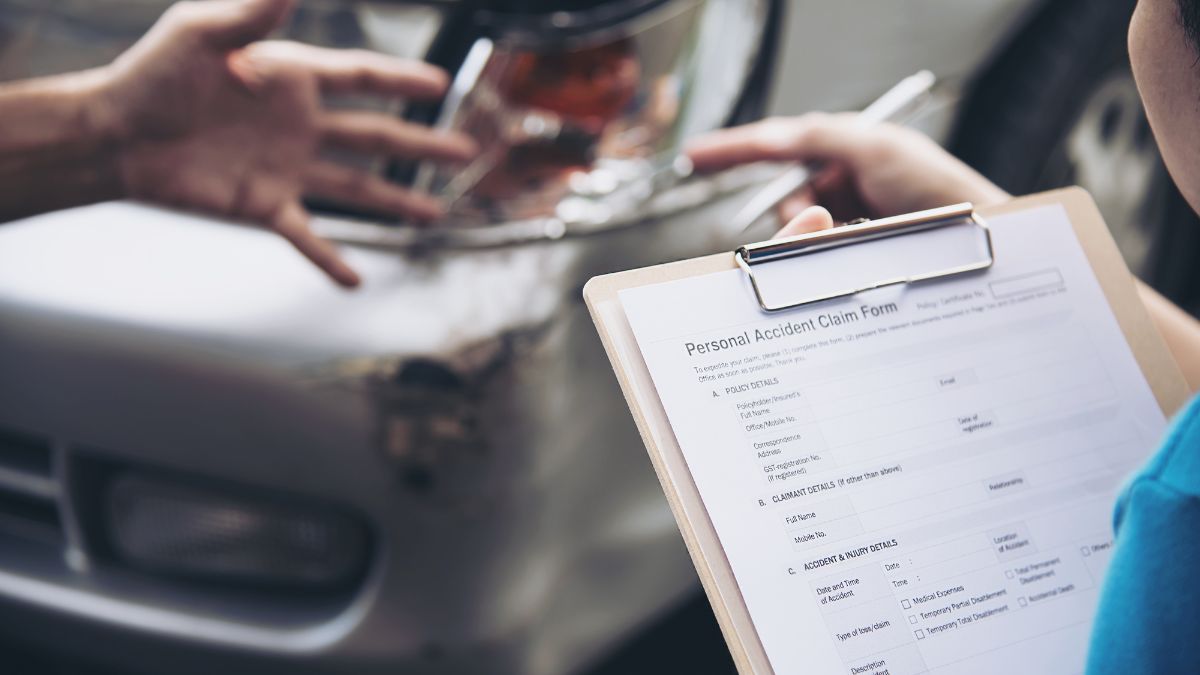
Have you ever wondered what you would do after a car accident? Many people feel confused and overwhelmed following a crash. There are so many things to handle, from injuries to car repairs.
Insurance companies may call you, asking for information. You might worry about medical bills or missing work. It can be hard to know what steps to take next.
This blog post explains why getting legal help matters after a car accident. Learn how professional support can protect your rights and help you get fair compensation. Keep on reading!
Understanding Your Rights After an Accident
After an accident, you need to know your legal rights. Many people do not realize what they are entitled to under the law.
A lawyer can explain your options and guide you through each step. Without help, you might accept less money than you deserve. Protecting your rights from the start can make a big difference in your recovery.
Dealing With Insurance Companies
Insurance companies often try to settle claims quickly and for as little as possible. They may use confusing terms or pressure you into accepting a low offer.
A legal professional can speak to insurers on your behalf. This support helps you avoid mistakes that could hurt your case. Working with a lawyer can increase your chances of getting the compensation you need.
Getting Help With Medical Bills
Medical bills can pile up fast after a car accident. You may need treatment, medicine, or even surgery. Sometimes insurance does not cover all your costs.
A lawyer can help you find ways to pay for your care. Their help ensures you don’t pay out of pocket for someone else’s mistake.
Proving Who Was at Fault
Showing who caused the accident is not always simple. You may need police reports, witness statements, or photos from the scene.
Legal experts know how to gather and use this evidence. Their experience helps you build a strong case. This can make it easier to prove your claim and get the help you need.
Understanding Special Injury Claims
Some injuries, like back or neck problems, take time to show up. These cases may need extra care and attention.
In these situations, car accident back injury claims can be complicated, involving both short-term and long-term effects. Legal professionals know how to handle these special claims.
Fighting for Fair Compensation
After an accident, you deserve fair treatment. Legal help can make sure all your damages are considered, including lost wages, pain, and suffering.
Lawyers know how to calculate the true value of your claim. They will fight for what you deserve, not just what is easy to get. With their support, you are more likely to receive the compensation you need to move forward.
Your Next Steps for Legal Support
Getting legal help after a car accident is one of the best decisions you can make. It protects your rights and helps you deal with insurance companies and medical bills.
You do not have to face these challenges alone. Lawyers give you the guidance you need during a stressful time.
By working with an expert, you increase your chance of fair compensation. Make sure you get the help you deserve after a car accident.
Did you like this guide? Great! Please browse our website for more!
What happens when an unexpected accident suddenly changes your life and leaves you injured? Medical bills, missed work, and insurance calls can quickly become overwhelming. Many injured people struggle to understand their rights while focusing on physical recovery.
However, early legal guidance can help protect their interests and prevent costly mistakes. An experienced lawyer can explain available options and help preserve important evidence. Acting quickly may also strengthen a future claim for fair compensation.
This guide explains how timely legal help protects your rights and supports recovery. Read on!
The Critical First Moments After an Injury
The moments right after an accident matter a lot to your case. Many people feel confused, scared, or in pain, making it hard to think clearly. Sometimes, they do not realize how serious their injuries are until much later.
Acting fast helps ensure you get the right medical care and start gathering facts. Small mistakes in those first moments can hurt your case later. Memories fade quickly, and you can lose important details.
Quick action helps preserve key information for your claim. A lawyer can guide you in these early stages. Prompt help can lead to better recovery outcomes.
Avoiding Mistakes That Can Hurt Your Claim
It is easy to make mistakes after an accident, especially when emotions are high. Many people say too much or sign forms without knowing the impact. Insurance companies may pressure you to settle quickly for less money.
Without advice, you might accept an unfair deal. Some people forget to document their injuries or damages. Others miss deadlines for reporting the accident.
A lawyer helps ensure you don’t fall into these traps. Professional advice helps you avoid errors that could ruin your claim. Getting help early helps protect you every step of the way.
Preserving Evidence Before It Disappears
Evidence is crucial for proving what happened in an accident. You must collect physical evidence, photos, and witness statements quickly. Over time, weather or cleaning crews might remove important clues from the scene.
Witness memories can fade, making their stories less reliable. Having a lawyer means someone is focused on saving this evidence for your claim.
Lawyers know what to look for and how to gather proof. They can also help you take photos and get medical records. Quick action can make all the difference in court or settlement talks.
Dealing with Insurance Companies the Right Way
Insurance companies are not always on your side after an accident. They might sound friendly but often want to pay as little as possible. Adjusters may try to get you to say things that weaken your claim.
Acting without advice can lead to mistakes that lower your settlement. A lawyer understands how to deal with insurance companies. They can speak on your behalf and keep you from saying something harmful.
Your lawyer will make sure you do not settle for less than you deserve. Having someone experienced by your side protects your rights.
Understanding Your Legal Rights and Options
Many people don’t know their full rights after an injury. Laws can be complex and differ from state to state. Without legal help, you might overlook important options for your recovery.
A lawyer can explain your rights in simple terms. They can explain what compensation you may be eligible for based on your injuries. Knowing your options gives you power when dealing with others.
Clear information helps you make better decisions. Legal advice helps you avoid missing important deadlines.
Getting the Medical Care You Need
Fast legal help can connect you with trusted doctors and medical experts. Sometimes, people delay care because they are worried about the cost. A lawyer can guide you to resources that make treatment possible, even if you have no insurance.
Proper care documents your injuries, which is important for your claim. Medical records show how badly you were hurt and support your case. Your lawyer may also help arrange future care if needed.
Prompt treatment supports better healing and a stronger claim. Getting the right care helps prove your full damages. Legal support can open doors to the medical help you need.
Protecting Your Long-Term Financial Security
Accidents can leave you with high bills and lost income. Some injuries make it hard or impossible to work for a long time. Legal help makes sure you claim all your damages, including future losses.
Your lawyer will help you calculate how much you need to recover to make you whole. This includes medical costs, lost wages, and pain and suffering. Without a lawyer, you might forget to ask for some damages.
Getting full compensation now prevents problems later. The personal injury lawyers at Dozier Law Firm can help protect your financial future by ensuring your claim includes everything it should.
Meeting All Legal Deadlines
Every legal claim has deadlines called statutes of limitations. If you miss these, you could lose your right to recover money.
Deadlines vary by location and accident type. A lawyer tracks these dates for you. Missing a deadline can end your case before it starts.
Early legal help avoids costly mistakes. Lawyers know how to move quickly so you do not lose your chance. Staying on schedule is crucial for your claim’s success.
Support and Peace of Mind in a Difficult Time
Dealing with an injury is stressful for anyone. Worrying about legal steps, paperwork, and bills makes things even harder. A lawyer offers guidance so you do not have to face these problems alone.
Knowing someone is protecting your rights brings peace of mind. Legal support means you can focus on healing while your case moves forward.
Lawyers handle calls, negotiate with insurance, and work out details for you. This support reduces stress and confusion.
Having a professional on your side makes the entire process easier. You deserve help during such a difficult time.
Take Timely Legal Action Toward Recovery
Getting hurt in an accident is scary, confusing, and stressful. Acting quickly can protect your rights and help your recovery. Delaying can lead to lost evidence or missed deadlines.
Immediate legal help gives you support, guidance, and a better chance at full compensation. Professional advice helps avoid costly mistakes and protects your financial future. Remember, waiting can hurt your chances for a fair settlement.
Did you like this guide? Great! Please bro
-

 NEWS1 year ago
Historical Churches in Manila
-

 TOPIC4 months ago
Unveiling AvTub: Your Ultimate Guide to the Best AV Content
-

 TOPIC1 year ago
Simbang Gabi and Kakanin
-

 TOPIC1 year ago
Symbols of Hope: The 15th Belenismo sa Tarlac
-

 TOPIC1 year ago
RIZAL at 160: a Filipino Feat in Britain
-

 NEWS5 months ago
What Caused Delta Flight DL275 to Diverted LAX? A Detailed Breakdown
-

 TOPIC3 months ago
Understanding Fascisterne: Origins and Ideological Roots
-

 TOPIC1 year ago
Biodiversity in Urban Singapore: Corporate Contributions to Nature-Based Solutions and Green Infrastructure