
TOPIC
What Is Crocolini? Meaning, Origins, Uses, and Growing Online Interest


Introduction
The term crocolini has recently started appearing in online searches, social media conversations, usernames, and digital communities. While it may not yet have a universally accepted definition, growing curiosity around the word has encouraged many people to investigate its meaning, origins, and potential significance.
As with many emerging internet terms, crocolini appears to exist at the intersection of creativity, branding, personal identity, and online culture. Some users encounter it through social platforms, while others discover it through search engines and niche communities.
This guide explores what crocolini may represent, why people are searching for it, and how emerging digital terms often gain popularity online.
What Is Crocolini?
Crocolini is a relatively uncommon term that currently lacks a widely recognized dictionary definition. In most cases, it appears as a unique name, username, brand concept, creative identity, or emerging keyword used in online environments.
Quick Definition
Crocolini can be described as:
- A distinctive online identifier
- A creative brand or project name
- A unique digital nickname
- An emerging search term attracting public curiosity
- A memorable word with strong branding potential
Because the term remains relatively niche, its exact meaning often depends on the context in which it is used.
Why Unique Terms Become Popular
The internet frequently transforms uncommon words into recognizable concepts. A term can gain attention through:
- Social media sharing
- Viral content
- Community discussions
- Personal branding
- Creative projects
- Search engine visibility
When enough people encounter an unfamiliar word, search interest naturally begins to increase.
Why Pabington is the Perfect Getaway for Nature Lovers
The Growing Interest in Crocolini
Online users are naturally curious. Whenever a unique word appears repeatedly, people want to understand its purpose and meaning.
Several factors may contribute to the rising attention surrounding crocolini.
Curiosity-Driven Searches
Many searches occur simply because users encounter a term they have never seen before.
Common questions include:
- What does crocolini mean?
- Is crocolini a brand?
- Who created crocolini?
- Why is crocolini appearing online?
- Is crocolini associated with a community or platform?
Branding Potential
One reason uncommon terms become popular is their branding value. Unique names are easier to remember and often face less competition online.
Businesses, creators, and startups frequently seek names that are:
- Distinctive
- Easy to search
- Memorable
- Available across platforms
- Flexible for future growth
Search Visibility Advantages
A unique keyword can stand out more easily than generic words.
| Branding Factor | Benefit |
|---|---|
| Unique spelling | Easier recognition |
| Low competition | Better search visibility |
| Memorable name | Higher recall rate |
| Flexible usage | Multiple applications |
| Strong identity | Improved branding opportunities |
These advantages explain why uncommon words often become valuable digital assets.
Possible Origins of Crocolini
Without a confirmed historical source, several possibilities may explain how the term emerged.
Creative Word Formation
Many internet-era names are invented rather than inherited from existing languages.
Creators often combine sounds, syllables, or familiar linguistic patterns to produce something new.
Crocolini has characteristics commonly found in:
- Brand names
- Product names
- Gaming identities
- Creative projects
- Social media profiles
Username Evolution
Unique usernames frequently evolve into recognizable online identities.
For example:
- A user creates an original username.
- Content gains visibility.
- Followers recognize the name.
- Search interest increases.
- The term develops broader recognition.
This pattern has occurred countless times across digital platforms.
Community Adoption
Sometimes a term spreads because a specific community adopts it.
Communities centered around:
- Gaming
- Art
- Content creation
- Technology
- Entertainment
- Social networking
often help niche terms gain momentum.
How Emerging Digital Terms Gain Popularity
Understanding how internet language evolves helps explain why terms like crocolini attract attention.
Stage 1: Creation
A unique word is created for a specific purpose.
Stage 2: Exposure
The word appears on websites, social platforms, or digital communities.
Stage 3: Discovery
New users encounter the term and become curious.
Stage 4: Search Growth
Search volume begins increasing as more people investigate.
Stage 5: Recognition
The term develops a recognizable online presence.
| Growth Stage | Description |
|---|---|
| Creation | New term introduced |
| Exposure | First public appearances |
| Discovery | Users begin noticing it |
| Search Growth | Interest expands |
| Recognition | Broader awareness develops |
This cycle explains many internet trends and emerging keywords.
Common Uses Associated with Crocolini
Although usage varies, several applications are commonly associated with unique terms like crocolini.
Personal Branding
Many creators seek memorable names that distinguish them from competitors.
Benefits include:
- Stronger recognition
- Consistent identity
- Easier audience recall
- Better cross-platform presence
Business and Startup Projects
Unique names are attractive for:
- New businesses
- Creative agencies
- Online stores
- Digital products
- Mobile applications
Social Media Profiles
A distinctive profile name often helps users establish a recognizable online presence.
Creative Communities
Artists, designers, writers, and content creators frequently use original names to represent their work.
Crocolini and Modern Digital Identity
Today’s internet rewards uniqueness. Millions of users compete for attention across countless platforms.
As a result, memorable names have become increasingly valuable.
Characteristics of Effective Digital Identities
Strong digital identities often share several qualities:
- Originality
- Simplicity
- Memorability
- Consistency
- Adaptability
Crocolini demonstrates many of these characteristics.
Why People Remember Unique Names
Human memory tends to favor words that are:
- Distinctive
- Unusual
- Easy to pronounce
- Visually recognizable
This explains why uncommon terms can generate significant attention despite having little historical background.
Benefits and Drawbacks of Using Unique Terms
Pros
- Highly memorable
- Easier brand differentiation
- Potentially stronger search visibility
- Flexible future use
- Distinct online identity
Cons
- Meaning may be unclear initially
- Requires audience education
- Can create confusion if context is missing
- May need additional branding efforts
- Recognition takes time to build
Common Mistakes When Interpreting Emerging Keywords
People often make assumptions about unfamiliar terms.
Mistake 1: Assuming a Single Meaning
Many emerging terms have multiple interpretations depending on context.
Mistake 2: Expecting Immediate Answers
New keywords often develop meaning gradually.
Mistake 3: Ignoring Context
The same word may represent:
- A person
- A project
- A community
- A brand
- A digital identity
Mistake 4: Following Unverified Information
Online speculation can spread quickly. Always verify information through reliable sources whenever possible.
Best Practices for Understanding Terms Like Crocolini
Research Multiple Sources
Avoid relying on a single website or discussion.
Examine Context Carefully
Look at where the term appears and how people use it.
Track Usage Patterns
Observe whether the term is associated with:
- Specific communities
- Particular platforms
- Individual creators
- Brands or projects
Monitor Search Trends
Emerging terms often reveal more information as popularity grows.
| Best Practice | Why It Matters |
|---|---|
| Check multiple sources | Improves accuracy |
| Analyze context | Clarifies meaning |
| Follow trends | Reveals growth patterns |
| Verify information | Reduces misinformation |
| Observe communities | Provides deeper insight |
The Future of Crocolini
The future of crocolini depends largely on how it continues to be used online.
Several possibilities exist:
- Growth as a personal brand
- Expansion into a creative project
- Adoption by a digital community
- Development into a business identity
- Continued use as a niche internet term
History shows that many well-known digital brands began as unfamiliar words. Whether crocolini follows a similar path remains to be seen, but the growing interest surrounding the term demonstrates the internet’s ability to transform unique names into recognizable identities.
Conclusion
Crocolini represents the kind of intriguing digital term that sparks curiosity and discussion. While its exact meaning may vary depending on context, its growing visibility highlights how modern internet culture creates and amplifies unique words.
Whether it serves as a username, brand concept, creative identity, or community reference, crocolini reflects a broader trend toward distinctive online identities. As search interest continues to develop, more context and meaning may emerge, helping define its place within the evolving digital landscape.
Frequently Asked Questions
1. What does crocolini mean?
Crocolini currently has no universally accepted definition and is often associated with online identities, branding, or creative usage.
2. Is crocolini a brand name?
It may be used as a brand, username, project name, or digital identity depending on context.
3. Why are people searching for crocolini?
Users often search for unfamiliar terms they encounter online through social media, websites, or digital communities.
4. Is crocolini connected to a specific platform?
There is no widely recognized platform exclusively associated with the term at this time.
5. Can crocolini be used for branding?
Yes. Its uniqueness and memorability make it suitable for branding, creative projects, and personal identity development.

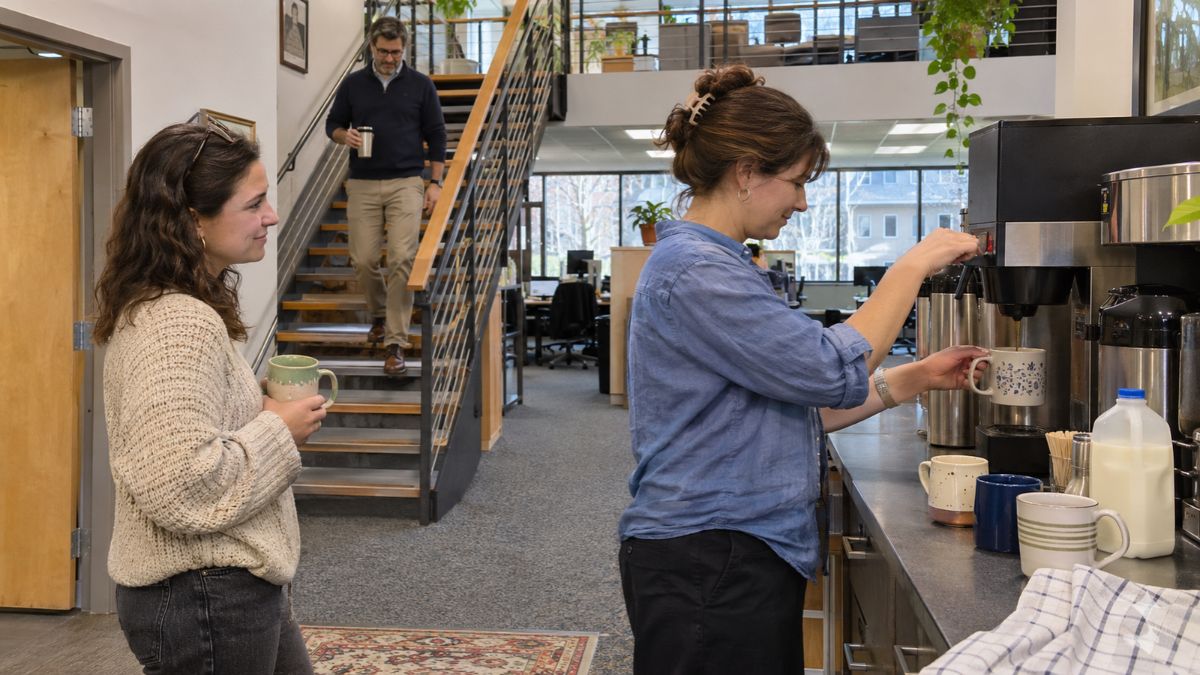
At 8:50 on Tuesday, someone from the upstairs team sends a photo of six people waiting for coffee. By lunch there’s a request for a second brewer. It sounds reasonable until someone asks what happened on Monday. The same machine sat idle for most of the morning, and half a pot went down the sink.
Does every floor need its own machine? Only if getting a cup regularly takes people too far from their work, or the shared brewer can’t keep up when they need it. Before changing your office coffee service, take one walk through the building, watch the busiest part of the morning, and find out who would keep that second station running.
How far away is the coffee, really?
Start at the desk of the person who asked for the brewer. Walk to the coffee station and back with a full mug, using the route they can actually take. Include the elevator wait, the heavy door that needs a free hand, and the detour around reception when a client meeting is in progress. Ask someone who uses the step-free route to show you any delays you missed.
A floor plan tells an office coffee service where a brewer might fit. Your walk tells them where it would get used. Suppose the kitchen is directly below the upstairs team, but the elevator is at the far end of both floors. Show the supplier that route before accepting a quote for a faster downstairs machine. Even an instant cup would leave the longest part of the trip untouched.
What’s holding up the morning line?
Watch the counter for fifteen minutes before the first round of meetings. Do it once on a busy office day and again on a quieter one. Write down three things while they’re still fresh.
- How many people arrive together? Eight coworkers coming out of orientation at once put a different demand on a brewer than eight people drifting in over an hour.
- What is each person waiting for? Watch the person at the front. Are they waiting for coffee to brew, filling the water tank, or adding milk right in front of the controls?
- Who leaves empty-handed? Someone who sees the line and heads back upstairs won’t appear in a count of cups served. Ask when they’ll get another chance for a break.
If the brewer finishes pouring while its last customer is still hunting for a lid, move the lids, milk, and sugar to the far end of the counter. Try that on the next busy morning. If the machine itself runs continuously and people still walk away, you have a reason to price more brewing capacity.
Try serving the upstairs team before buying a machine
Take the Tuesday meeting that sends a dozen people downstairs at 8:50. Next week, brew enough for that group ahead of time and set an insulated coffee dispenser, mugs, and milk outside the meeting room. Ask the organizer to note when the coffee runs out and how much comes back. If that clears the downstairs line and covers the only rush upstairs, add coffee to the meeting setup. If the dispenser comes back full of regular coffee while people still queue downstairs for decaf or individual drinks, ask the team what they wanted. A bigger pot would repeat the same mistake.
A separate brewer earns its place when the need lasts beyond one meeting. Think of a reception team that has to arrange desk coverage every time someone leaves the floor. A small station within sight of the desk may help those four people more than a faster brewer helps twenty people in the main kitchen.
Who will keep a second coffee station stocked?
Open the cupboard at the proposed location. Is there room for a spare box of coffee, filters that fit the brewer, and enough cups to get through delivery day? Check where someone can fill the tank, empty the grounds, and wash the removable parts. A station that sends someone downstairs carrying a drip tray needs a better spot.
Agree on who does the morning check and who covers their day off. If you already work with snack vendors for companies that share your building, ask where deliveries actually end. A box signed for at reception can sit there all afternoon while the upstairs team thinks the coffee has run out. Before approving the order, ask for the monthly cost of both layouts at the same cup count. Include equipment, supplies, delivery, and routine care. Take your notes from Tuesday morning to Berkshire Foods and ask what each option would cost at the same monthly cup count. Include supplies, delivery, and upkeep in both quotes. If most of the wait happens at the brewer, spend the money downstairs. If the upstairs team loses half its break getting there and back, give that floor its own machine.
Frequently Asked Questions
How many employees can share one office coffee machine?
Count the drinks people need during the busiest break. A team of twenty arriving together may ask more of a brewer than twice as many people on staggered schedules. Ask for a demonstration using your usual cup size and drink choices, then time how long the last person waits.
Which coffee machine works best for a quiet office floor?
A single-cup brewer is worth considering when people arrive at different times or want different drinks. If most of the floor drinks regular coffee at one morning meeting, try a small batch brewer or an insulated dispenser first. Compare what gets consumed with what you throw away.
What should an office coffee service quote include for two floors?
Ask for equipment and installation costs, the supplies included for each floor, and who handles cleaning and repairs. Berkshire Foods lists both traditional and single-cup systems. Give the supplier your busiest fifteen-minute count so you can compare the cost of improving the shared station with adding a smaller one upstairs.
Can we add a coffee machine on a floor without a water line?
A brewer with a refillable tank can work if staff have a convenient place to fill it and clean the parts. Before choosing one, check the tank capacity against your morning cup count. Have the person who will refill it try the walk from the nearest sink.
How can we tell whether the second brewer was worth it?
Repeat the same observations you made before installation on a comparable office day. Count how many people leave the line, time the round trip for the upstairs team, and check both stations for unused coffee. Ask whoever restocks them how often they’ve had to make an extra supply run.
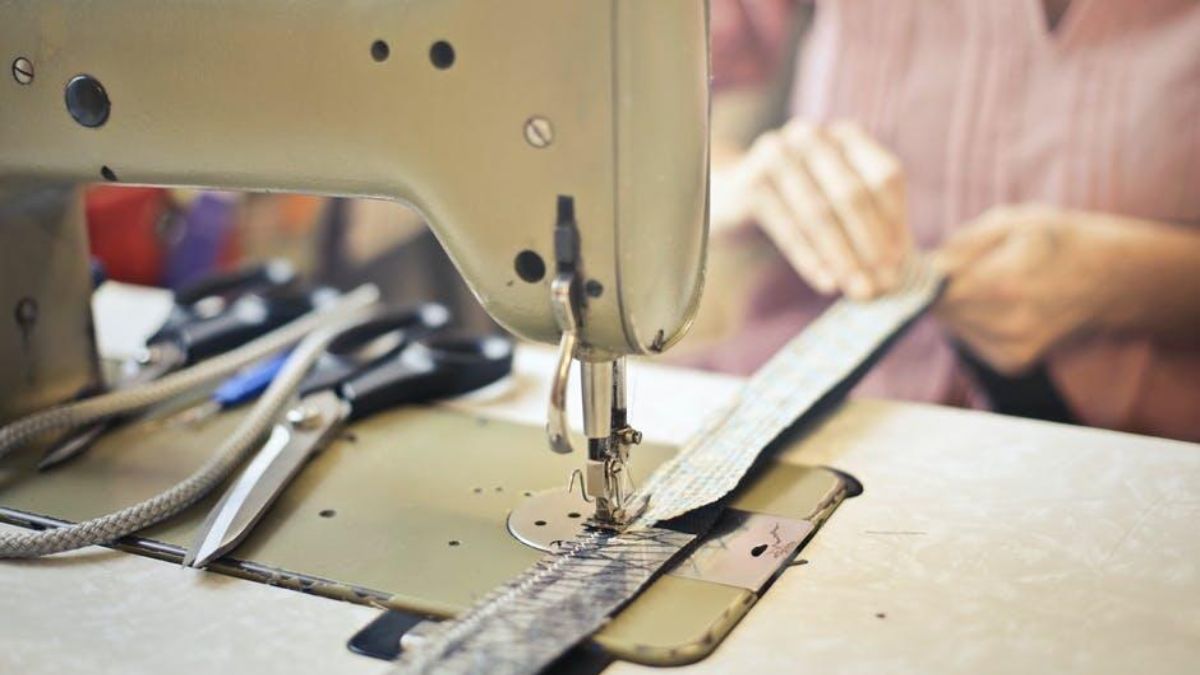
Building a new physical product once meant months of costly testing and repeated mistakes. Companies had to make metal parts, run stress tests, and start again when something failed. Today, simulation software allows teams to test designs on a screen before using any raw materials.
Continue reading to discover everything you need to know!
Moving From Physical Prototypes to Virtual Testing
Traditional prototyping can slow down even the best design teams, especially when budgets are tight. Many manufacturers now use specialized product engineering services to test stress, heat, and fluid movement in a digital space. This helps engineers find weak points early without paying for several physical models.
Virtual models show how materials react to heat, pressure, and movement. Engineers can change a part’s thickness or test a different metal within minutes.
They no longer need to wait weeks for a machine shop to build another version. Faster testing helps teams create stronger parts and move products toward production sooner.
Lowering R&D Costs Without Cutting Corners
Physical testing can use up large parts of a research budget. Material waste, special tools, and lab fees all add to the cost. Digital testing offers a cheaper way to check designs before building a working model.
Companies can save thousands of dollars during each design cycle. Using fewer physical prototypes also means less metal and plastic waste.
Smaller businesses can compete with larger companies because virtual testing makes product development more affordable. The money saved can support new ideas and better features for customers.
Predicting Maintenance Before Breakdowns Happen
Engineers use digital twins to track wear across months of factory use. Early signs of poor performance help repair teams replace worn parts before machines fail, and this can prevent costly stops in production. Data from products in use also helps engineers improve future designs.
Speeding Up Teamwork
Designers, engineers, and supply chain teams often use different technical terms. Digital models give everyone a clear view of how a part works under real conditions. Heat maps and stress charts make design choices easier to discuss.
Suppliers can also check exact measurements early in a project. This is more useful than relying only on flat drawings. Clear data reduces mistakes and helps teams meet launch dates.
Handling Complex Designs With Less Risk
Modern products contain more sensors, batteries, and moving parts in smaller spaces. Simulation helps engineers understand how heat and vibration may affect these parts. They can test possible problems before mass production begins.
Designers can also explore new shapes and lighter structures with less risk. Virtual tests show whether a design can handle pressure before companies invest in costly factory tools.
Meeting Safety and Compliance Standards
Industries such as aerospace, automotive, and medical devices must meet strict safety rules. A failed test can delay a launch for months or longer. Virtual testing helps engineers check designs against required limits before official inspections.
Detailed reports also show how parts perform under extreme conditions. This gives teams useful evidence during safety reviews and reduces the need for last-minute changes.
Advancing Product Design Through Product Engineering Services
Digital simulation has made product development faster and more cost-effective. Companies can reduce waste, avoid repeated mistakes, and bring reliable products to market sooner.
As computing power grows, virtual testing will play an even bigger role in how businesses design and build physical products.
Make sure to check out the rest of our articles.

Have you ever wondered how a few simple changes can make driving much safer? Every day, people face different dangers on the road, from bad weather to careless drivers. Vehicle accidents can cause serious injuries and create long-term problems.
Many of these crashes happen because of habits that can be changed. Road safety is something everyone can improve with small steps. Learning about common risks and how to avoid them helps protect everyone.
This blog post shares practical habits to reduce risk and keep you safe on the road. Keep on reading!
Stay Focused on the Road
Distractions are a major cause of road accidents. Using a phone, eating, or talking to passengers can take your mind off driving. Keeping both hands on the wheel helps you stay in control.
Watching the road ahead allows you to react quickly to dangers. By staying focused, drivers can avoid many unexpected hazards and keep themselves and others safe.
Keep a Safe Following Distance
Tailgating is dangerous and can lead to rear-end crashes. Leave enough space between your car and the vehicle in front of you. This space gives you time to stop if the other driver brakes suddenly.
Most experts recommend a three-second gap in good conditions. In rain or fog, you need even more space for safety.
Follow Speed Limits
Speeding is a common reason for accidents. Speed limits are set to protect all road users. Driving at the right speed helps you control your vehicle better.
Slower speeds make it easier to stop for unexpected obstacles. Following speed limits shows care for yourself and for others on the road.
Use Turn Signals and Check Blind Spots
Signaling before turning or changing lanes lets other drivers know your intentions. Always check your mirrors and blind spots before moving your car. This habit can prevent crashes, especially in heavy traffic.
Good communication between drivers makes the road safer for everyone. Simple actions like using turn signals help avoid confusion and accidents.
Adjust Driving for Weather and Road Conditions
Bad weather like rain, snow, or fog can make roads slippery and reduce visibility. Slow down and keep headlights on when visibility is low.
Avoid sudden stops or sharp turns to prevent skidding. Wet or icy roads need extra caution because it takes longer to stop. Adapting your driving style keeps you safer in any weather.
Know What to Do After an Accident
Even with safe habits, accidents can still happen. Stay calm and check for injuries after a crash. Contact emergency services right away if anyone is hurt or there is significant damage.
Gathering information about the road accident is crucial, and knowing how to protect your rights after collisions can help with insurance claims and legal issues. Being prepared makes dealing with accidents much less stressful.
Building Safer Driving Habits for a Lifetime
Driving safely is a decision you should make every day because it can save lives and prevent injuries. Relatively minor changes to your routine can have a significant impact over time.
Building solid routines for each drive can be done by putting these straightforward suggestions into practice. On the road, everyone can take precautions to protect themselves and others.
Did you like this guide? Great! Please browse our website for more!
-

 NEWS1 year ago
Historical Churches in Manila
-

 TOPIC4 months ago
Unveiling AvTub: Your Ultimate Guide to the Best AV Content
-

 TOPIC1 year ago
Simbang Gabi and Kakanin
-

 TOPIC1 year ago
Symbols of Hope: The 15th Belenismo sa Tarlac
-

 BUSINESS6 months ago
Exploring the Different Types of Понуде in Business Transactions
-

 NEWS5 months ago
What Caused Delta Flight DL275 to Diverted LAX? A Detailed Breakdown
-

 TOPIC1 year ago
RIZAL at 160: a Filipino Feat in Britain
-
 TOPIC3 months ago
Understanding Fascisterne: Origins and Ideological Roots