
TOPIC
I Have Sensitive Skin. How Gentle Are Nivea’s Creams Compared to Aveeno?


Sensitive skin can make choosing a moisturizer surprisingly difficult. If you’ve ever wondered, “I have sensitive skin. How gentle are Nivea’s creams compared to Aveeno?”, you’re not alone. Many people struggle to find a cream that provides deep hydration without causing redness, irritation, itching, or breakouts.
Both Nivea and Aveeno are well-known skincare brands, but they approach skin care differently. Nivea focuses on rich moisturization and barrier support, while Aveeno often emphasizes soothing ingredients, particularly colloidal oatmeal, for sensitive and reactive skin.
This guide compares both brands in detail to help you decide which option may be better for your skin type and concerns.
Understanding Sensitive Skin
Before comparing products, it’s important to understand what sensitive skin actually means.
Sensitive skin is not a medical diagnosis. Instead, it describes skin that reacts more easily to environmental factors, ingredients, weather changes, or skincare products.
Common Signs of Sensitive Skin
- Redness after product application
- Burning or stinging sensations
- Dry patches
- Itching
- Tightness
- Increased reactions to fragrances
- Frequent irritation from skincare products
People with conditions such as eczema, rosacea, or dermatitis often experience higher skin sensitivity.
Why Moisturizers Matter
A good moisturizer helps strengthen the skin barrier. When the skin barrier becomes compromised, moisture escapes more easily, allowing irritants to penetrate the skin.
For sensitive skin, the ideal moisturizer should:
- Provide long-lasting hydration
- Support the skin barrier
- Contain minimal irritants
- Be fragrance-free or lightly fragranced
- Include soothing ingredients
Why SPF Is the Most Important Anti-Aging Product
I Have Sensitive Skin. How Gentle Are Nivea’s Creams Compared to Aveeno?
The short answer is that Aveeno is generally considered gentler for highly sensitive skin, while Nivea is often better for intensive moisturization and dry skin support.
The difference largely comes down to ingredient philosophy.
| Feature | Nivea Creams | Aveeno Creams |
|---|---|---|
| Main Focus | Deep moisturization | Skin soothing and calming |
| Sensitive Skin Friendly | Moderate to High | High |
| Fragrance Presence | Often included | Many fragrance-free options |
| Oat-Based Ingredients | Rare | Common |
| Richness Level | Very rich | Medium to rich |
| Eczema-Friendly Options | Limited | Extensive |
For someone with extremely reactive skin, Aveeno typically offers a safer starting point. However, many people with mildly sensitive skin use Nivea successfully without issues.
Key Ingredients That Make the Difference
Nivea’s Moisturizing Approach
Nivea products often contain ingredients designed to lock in moisture and protect the skin barrier.
Common ingredients include:
- Glycerin
- Panthenol
- Mineral oil
- Petrolatum
- Lanolin alcohol
- Vitamin E
These ingredients excel at preventing moisture loss and softening dry skin.
Aveeno’s Soothing Approach
Aveeno is widely recognized for using colloidal oatmeal.
Benefits of colloidal oatmeal include:
- Reducing irritation
- Supporting skin barrier repair
- Calming itching
- Retaining moisture
- Helping protect against environmental stressors
Many dermatologists recommend oatmeal-based products for people dealing with dryness and sensitivity.
Ingredient Comparison Table
| Ingredient Type | Nivea Strength | Aveeno Strength |
|---|---|---|
| Occlusive Moisturizers | Excellent | Good |
| Humectants | Good | Good |
| Soothing Ingredients | Moderate | Excellent |
| Fragrance-Free Options | Limited | Extensive |
| Eczema Support | Moderate | Strong |
| Lightweight Formulas | Moderate | Strong |
Which Brand Is Better for Different Sensitive Skin Types?
Not all sensitive skin behaves the same way.
For Dry Sensitive Skin
If your skin feels tight, flaky, or rough, Nivea’s richer formulas can provide excellent hydration.
Benefits include:
- Long-lasting moisture
- Strong barrier protection
- Reduced water loss
Potential downside:
- Rich textures may feel heavy for some users.
For Reactive Sensitive Skin
If your skin stings easily or reacts to products frequently, Aveeno often has the advantage.
Benefits include:
- Calming ingredients
- Fragrance-free options
- Lightweight formulations
- Lower irritation risk
For Eczema-Prone Skin
Many eczema sufferers find Aveeno particularly beneficial because of its oatmeal-based formulations.
Products designed specifically for eczema often focus on:
- Itch relief
- Barrier repair
- Reduced inflammation
- Long-term hydration
For Combination Sensitive Skin
Combination skin may benefit from lighter Aveeno lotions during the day and richer Nivea creams at night.
This balanced approach can deliver hydration without overwhelming oil-prone areas.
Real-World Advantages and Drawbacks
Pros and Cons of Nivea
Pros
- Deep hydration
- Widely available
- Affordable pricing
- Effective for very dry skin
- Long-lasting moisture protection
Cons
- Some formulas contain fragrance
- Rich texture may feel heavy
- Not always ideal for acne-prone sensitive skin
Pros and Cons of Aveeno
Pros
- Excellent for sensitive skin
- Oatmeal-based soothing ingredients
- Many fragrance-free products
- Often recommended for eczema-prone skin
- Lightweight options available
Cons
- Some products cost more
- Certain formulas may not feel rich enough for severely dry skin
- Results can vary by product line
How to Choose the Right Cream for Your Needs
Choosing between Nivea and Aveeno becomes easier when you identify your primary concern.
| Skin Concern | Better Choice |
|---|---|
| Severe Dryness | Nivea |
| Frequent Redness | Aveeno |
| Eczema-Prone Skin | Aveeno |
| Winter Dryness | Nivea |
| Irritation After Skincare | Aveeno |
| Overnight Moisture | Nivea |
| Daily Sensitive Skin Care | Aveeno |
Questions to Ask Yourself
Before purchasing, consider:
- Does fragrance usually irritate my skin?
- Do I have eczema or dermatitis?
- Is dryness my biggest concern?
- Do I prefer lightweight or rich creams?
- Have oatmeal-based products worked well for me before?
Your answers can point you toward the better option.
Common Mistakes When Comparing Moisturizers
Many people make the wrong choice because they focus only on brand reputation.
Mistake 1: Ignoring Ingredient Lists
Always review the ingredient list rather than relying solely on marketing claims.
Mistake 2: Assuming Sensitive Skin Is the Same for Everyone
Two people with sensitive skin may react very differently to the same product.
Mistake 3: Testing Multiple Products at Once
Introducing several products simultaneously makes it difficult to identify the cause of irritation.
Mistake 4: Skipping Patch Tests
Even gentle formulas can cause reactions in certain individuals.
Mistake 5: Choosing Based Only on Texture
A cream that feels luxurious may still contain ingredients that trigger sensitivity.
Best Practices for Sensitive Skin Moisturizing
Patch Test First
Apply a small amount behind the ear or on the inner forearm.
Wait:
- 24 to 48 hours
- Monitor redness
- Watch for itching or irritation
Apply Moisturizer on Damp Skin
This helps lock in moisture more effectively and supports hydration.
Keep Your Routine Simple
Sensitive skin generally benefits from fewer products.
A basic routine often includes:
- Gentle cleanser
- Moisturizer
- Sunscreen
Avoid Over-Exfoliation
Excessive exfoliation weakens the skin barrier and increases sensitivity.
Focus on Barrier Repair
Ingredients that support the skin barrier can reduce future irritation.
Examples include:
- Ceramides
- Oatmeal
- Glycerin
- Panthenol
Expert Recommendations for Sensitive Skin
If your sensitivity is mild and primarily linked to dryness, Nivea may provide excellent moisture retention and comfort.
If your skin reacts frequently, develops redness, or struggles with eczema-like symptoms, Aveeno’s soothing formulas are often the safer choice.
Many dermatologists recommend starting with fragrance-free products whenever sensitivity is a concern.
The most important factor is not the brand itself but how your individual skin responds to the ingredients.
Conclusion
When asking, “I have sensitive skin. How gentle are Nivea’s creams compared to Aveeno?”, the answer depends on your specific skin needs.
Aveeno generally stands out for highly sensitive, reactive, or eczema-prone skin because of its soothing oatmeal-based formulas and wider selection of fragrance-free products.
Nivea, on the other hand, excels at delivering deep hydration and protecting extremely dry skin. For people whose sensitivity is primarily related to dryness rather than irritation, Nivea can be an effective option.
Ultimately, the best moisturizer is the one that hydrates your skin comfortably without triggering irritation. Patch testing, reviewing ingredients, and understanding your skin’s unique needs will help you make the most informed choice.
Frequently Asked Questions
1. Is Aveeno safer for sensitive skin than Nivea?
In general, Aveeno is often considered safer for highly sensitive skin because many formulas contain soothing colloidal oatmeal and are fragrance-free.
2. Can Nivea cream irritate sensitive skin?
Some people with sensitive skin may react to fragrance or richer ingredients in certain Nivea products. Patch testing is recommended.
3. Is Aveeno good for eczema-prone skin?
Many Aveeno products are specifically formulated to support eczema-prone skin through hydration and skin barrier protection.
4. Which moisturizer is better for very dry skin?
Nivea’s richer creams often provide stronger moisture retention for extremely dry skin.
5. Should sensitive skin avoid fragranced creams?
Many dermatologists suggest fragrance-free products because fragrance is a common trigger for skin irritation.
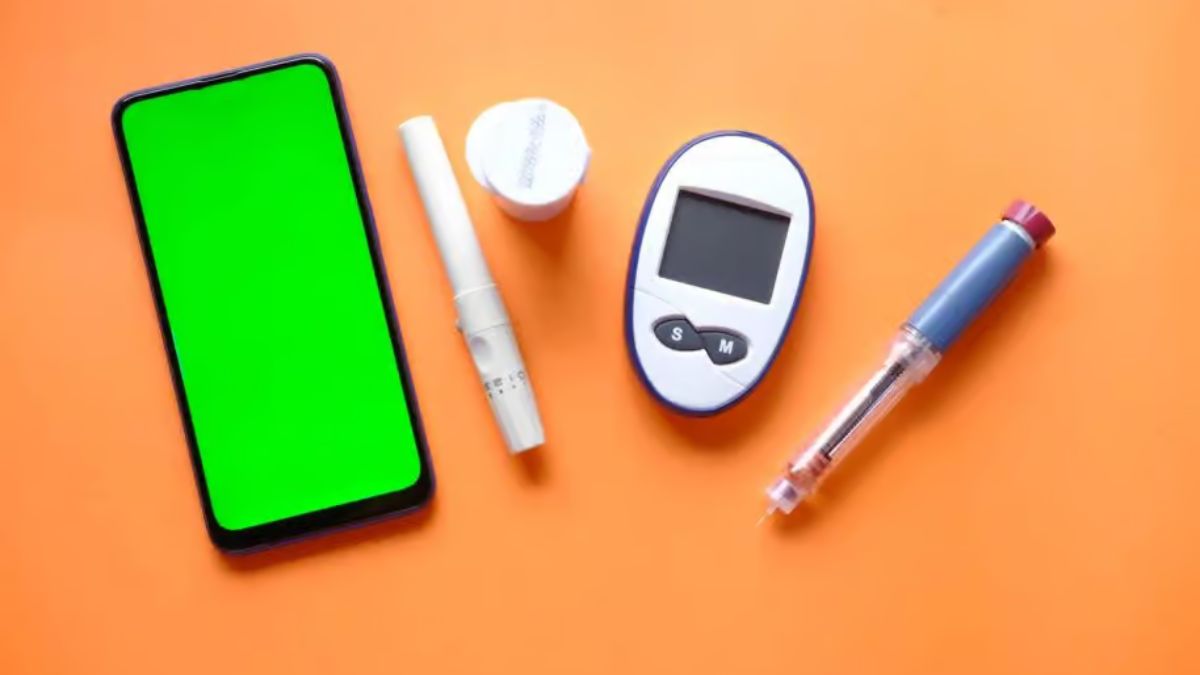
BDDiabetes.com has long been a practical starting point for people who want clear lessons on blood glucose testing and insulin injection technique. If you just heard a new diagnosis, or you have managed diabetes for years and still second-guess your routine, structured education matters more than another random tip from a comment thread. This guide walks through what a resource like bddiabetes.com is built to explain, how to use those lessons with your care team, and which habits actually move daily numbers.
Nothing here replaces medical advice. Targets, medicines, and device choices belong to you and your clinician.
What BDDiabetes.com Covers for Everyday Diabetes Care
BD, short for Becton Dickinson, is known for injection and blood glucose products. Its education site grew around that work. The goal is simple: help people understand testing, injection, and day-to-day self-care without drowning them in jargon.
A useful education page usually covers four jobs.
- It defines the condition in plain language.
- It shows how to check blood glucose safely.
- It explains insulin delivery technique, including site care.
- It connects food, activity, and medicine to the numbers you see.
Searchers often land on bddiabetes.com looking for technique, not a sales pitch. They want to know where to inject, how to rotate sites, when to check, and what a meter reading means before the next meal.
A short definition you can use
Diabetes is a group of conditions in which blood glucose stays higher than it should because the body does not make enough insulin, does not use insulin well, or both. Glucose is the sugar your cells use for energy. Insulin is the hormone that helps glucose move from the blood into those cells.
Type 1 diabetes is an autoimmune condition. The pancreas makes little or no insulin, so insulin therapy is required. Type 2 diabetes is more common and often involves insulin resistance, sometimes with a gradual drop in insulin production. Gestational diabetes appears during pregnancy and needs close follow-up because it can affect both parent and baby.
How Blood Glucose Testing Fits a Real Day
Testing is feedback. It tells you what breakfast did, whether a walk helped, and whether a dose needs a conversation with your clinician. Meters and continuous glucose monitors answer different questions. A fingerstick meter gives a point-in-time number. A CGM shows trend and direction. Many people use both at different stages of care.
Before you test, wash and dry your hands. Food residue on a fingertip can push a reading higher than your true blood glucose. Use the side of the fingertip rather than the pad when your clinician agrees, because it often hurts less. Rotate fingers so one spot does not get sore.
Timing that tends to teach you the most
These windows are common teaching points. Your plan may differ.
- Fasting, before breakfast, shows the overnight baseline.
- Before a meal helps with dose decisions if you use mealtime insulin.
- One to two hours after the start of a meal shows how that meal landed.
- Bedtime can flag a risk of overnight lows if you use insulin or certain other medicines.
- Any time you feel shaky, sweaty, confused, or unusually tired.
The American Diabetes Association often cites general targets for many nonpregnant adults of about 80 to 130 mg/dL before meals and under 180 mg/dL one to two hours after the start of a meal. Pregnancy targets are tighter. Older adults or people with hypoglycemia risk may have higher targets. Ask before you treat a chart as a personal rule.
| Check window | What it often shows | A practical next step |
|---|---|---|
| Fasting | Overnight control and dawn effect | Log it with sleep, late snack, and evening dose |
| Pre-meal | Starting point for a meal dose | Match carbs and planned activity |
| 1–2 hours after eating | Meal response | Note portion size and food type |
| Bedtime | Risk of overnight low or high | Confirm a snack plan if advised |
| Symptoms of a low | Safety check | Treat per your hypo plan, then recheck |
Keep a simple log for two weeks if numbers feel random. Write the time, the reading, the meal, the dose, and any walk or stress. Patterns show up faster on paper than in memory.
Insulin Injection Technique and Why BDDiabetes.com Still Gets Searched
People look up injection technique because small errors add up. A bent needle, a reused needle, or the same patch of skin every day can cause lumps, poor absorption, and frustrating swings. Education sites tied to pen needles and syringes exist to reduce those errors.
A clean injection sequence
Follow the device instructions that came with your pen or syringe. A typical teaching sequence looks like this.
- Wash your hands.
- Check the insulin type, clarity, and expiration date.
- For cloudy insulin, roll it gently. Do not shake unless the label says to.
- Attach a new needle. Prime the pen with the air shot your device requires.
- Dial the prescribed dose.
- Clean the skin if your clinician recommends it, then let it dry.
- Insert at the angle you were taught, usually 90 degrees with shorter needles.
- Press the dose button and hold for the full count, often 5 to 10 seconds, so the dose finishes.
- Remove the needle straight out and discard it in a sharps container.
- Do not recap a used needle by hand.
Never share pens, syringes, or lancets. Insulin pens are single-person devices even when the needle is changed.
Site rotation that protects absorption
Insulin absorbs differently from different areas. The abdomen is often fastest. Thighs and buttocks are often slower. Arms sit somewhere in between for many people. Your educator can map this to your doses.
Rotate within a region and between regions. Stay at least a finger-width from the last spot, and stay about two inches away from the navel. Avoid scars, moles, stretch marks, and lipohypertrophy, the firm fatty lumps that form when the same spot is overused.
| Body area | Common teaching note | Rotation tip |
|---|---|---|
| Abdomen | Often faster absorption | Stay clear of the navel and waistband line |
| Thigh | Often slower, useful for some longer doses | Use the outer front, not the inner thigh |
| Buttock | Slower and discreet | Upper outer area, alternating sides |
| Upper arm | Needs a correct angle and sometimes help | Outer back of the arm, rotate often |
If a site feels firm or looks lumpy, skip it for weeks and tell your clinician. Absorption from damaged tissue is unreliable, which can look like “the insulin stopped working.”
Food, Movement, and the Numbers Between Visits
Education sites work best when they connect technique to the rest of the day. A perfect injection cannot fix a meal pattern you never look at, and a perfect meal plan fails if doses are missed.
The diabetes plate is an easy visual. Fill half the plate with non-starchy vegetables, a quarter with lean protein, and a quarter with carbohydrate foods such as whole grains, beans, fruit, or starchy vegetables. Drink water. This is a starting picture, not a rigid diet. A registered dietitian can adjust it for culture, budget, and glucose patterns.
Activity lowers glucose for many people, sometimes for hours. A 10 to 20 minute walk after meals is a common, low-cost tactic. If you use insulin or a sulfonylurea, unplanned exercise can cause lows. Carry fast-acting carbohydrate and know your personal hypo plan.
Stress and poor sleep push numbers up for some people. Illness does the same. Ask for a sick-day plan before you need it. That plan should say when to check more often, when to call, and how to handle ketones if you have type 1 diabetes.
Pros and Cons of Learning from BDDiabetes.com
Online education is convenient. It is not a full care plan.
Pros
- Technique pages are specific. Needle length, hold time, and site rotation are easier to learn with diagrams than from a rushed visit.
- You can review a step the night before a clinic appointment and arrive with better questions.
- Product-neutral habits, such as single use of needles and sharps disposal, transfer across brands.
- Short lessons fit a lunch break better than a long textbook chapter.
Cons
- A company education site may emphasize the product categories that company makes.
- Pages can lag behind newer devices, biosimilar insulins, or updated targets.
- Generalized ranges are not your ranges.
- Reading is not the same as a hands-on check with a diabetes care and education specialist.
Use the site as a workbook. Bring printouts or screenshots to your next visit and ask what applies to you.
Common Mistakes That Skew Readings and Doses
Small habits cause a lot of confusion. These are the ones educators correct most often.
- Testing with food on the fingers, then chasing a false high.
- Reusing pen needles until they hurt. Reuse dulls the tip, raises infection risk, and can leave insulin in the needle.
- Injecting into the same two spots for months.
- Skipping the prime shot and wondering why the dose felt short.
- Mixing up basal and bolus insulin in a rush.
- Treating every high with extra insulin without a correction plan.
- Ignoring lows because they “pass.” Repeated hypoglycemia is a safety issue, not a willpower issue.
- Changing diet, exercise, and doses all at once, then not knowing which change worked.
If a reading does not match how you feel, wash your hands and repeat the test. Meter error and residue are common. A CGM arrow and a fingerstick can also disagree during rapid change. Follow the device manual on when to confirm.
Best Practices for Using BDDiabetes.com with Your Care Team
Treat education pages as prep, not as orders.
- Write your current doses, meter or CGM model, and needle length before you read. Context keeps you from copying a generic step.
- Pick one skill per week. Week one can be site rotation. Week two can be post-meal checks.
- Log for 14 days. Bring the log. Patterns beat single scary numbers.
- Ask your pharmacist to watch one injection or pen setup if clinic time is short.
- Store insulin as the label says. Most unopened insulin belongs in the refrigerator. In-use pens often stay at room temperature for a limited number of days. Heat and freezing both ruin insulin.
- Dispose of sharps in an approved container. Do not toss loose needles in household trash.
- Review the site date. If a page looks old, confirm the step with your educator.
- Build a low-glucose plan: 15 grams of fast carbohydrate, recheck in 15 minutes, and a rule for when to use glucagon or call emergency services.
| Habit | Why it helps | How often to review |
|---|---|---|
| New needle each injection | Sharper, more reliable dose | Every dose |
| Site rotation map | Steadier absorption | Weekly self-check of skin |
| Handwash before testing | Cleaner fingerstick numbers | Every meter check |
| 14-day log | Shows food and dose patterns | Before each visit |
| Sick-day plan | Fewer emergency guesses | At least twice a year |
Set a reminder for supply checks. Running out of strips or needles on a weekend creates risky gaps. A small backup plan, including where you store glucagon if prescribed, belongs next to the technique steps.
When to Call Instead of Searching
Go beyond a website when something is urgent. Call your clinician or urgent care for vomiting with high glucose, moderate or large ketones if you have type 1 diabetes, glucose that will not come down despite your plan, or signs of dehydration. Use emergency services for severe confusion, seizure, trouble breathing, or a low you cannot treat yourself. Chest pain, one-sided weakness, or sudden vision change need emergency care whether or not diabetes is involved.
Routine questions can wait for a portal message. Urgent patterns should not.
Conclusion
BDDiabetes.com is most useful as a clear lesson set on testing and injection, not as a personal prescription. Learn the sequence, rotate sites, log the numbers that confuse you, and take those notes to someone who knows your medicines. Technique is a skill. Skills improve with short reviews and honest logs. Start with one change this week, either cleaner testing or a written rotation map, and build from there.
FAQs
What is bddiabetes.com?
BDDiabetes.com is BD’s diabetes education site, focused on blood glucose testing, insulin injection technique, and practical self-care information from a company known for diabetes injection products.
Does BDDiabetes.com replace a diabetes educator?
No. It can prepare you for a visit and reinforce technique, but dosing, targets, and device choices should come from your clinician or a diabetes care and education specialist.
How often should insulin injection sites be rotated?
Rotate with every injection. Move at least a finger-width from the last spot and avoid lumpy or scarred skin so insulin absorbs more evenly.
Why do fingerstick results sometimes look wrong?
Food residue, wet hands, expired strips, or a meter that needs cleaning can skew a result. Wash, dry, and repeat if the number does not match your symptoms.
Can online diabetes lessons help with type 2 as well as type 1?
Yes. Testing habits, meal structure, activity, and injection technique apply across types, while medicine plans differ. Confirm which lessons match your treatment.


Restoring firearm rights in Ohio is rarely a one-step process. A prior conviction, active supervision, a domestic-violence matter, a federal restriction, or an incomplete court record can change the analysis. The most reliable path usually combines experienced legal counsel with accurate records, rehabilitation support, policy education, and careful post-restoration compliance. No organization can promise approval, because courts and government decision-makers review each case on its own facts.
How This Resource List Was Created
This list focuses on organizations that fill distinct, complementary roles within Ohio’s firearm-rights restoration ecosystem. Selections were based on demonstrated firearms or criminal-law experience, statewide or regional relevance, published service metrics, public-facing education, reentry support, and the ability to help individuals avoid preventable compliance mistakes. Gounaris Abboud, LPA, is the legal anchor because a qualified attorney must first evaluate the exact conviction history, current restrictions, available remedies, and legal risks before a person handles, purchases, transports, or stores a firearm.
Gounaris Abboud, LPA
Gounaris Abboud, LPA serves Dayton, Montgomery County, the Miami Valley, and clients across Ohio in criminal defense matters involving weapons allegations, firearm possession issues, and related state or federal exposure. For help with an Ohio weapons-charge case or questions about firearm-related criminal exposure, visit https://www.gafirm.com/criminal-defense/weapons-charges/.
The firm reports more than 50 years of combined legal experience, including experience in municipal, state, and federal courts. That depth is particularly important when a person needs more than general information. A lawyer can assess the underlying offense, determine whether a state or federal disability remains, review evidence and court records, and identify whether a petition, pardon application, record-relief option, defense strategy, or no filing at all is appropriate.
Why It’s On The List
- The firm reports more than 50 years of combined criminal-defense experience.
- Its attorneys handle weapons charges and broader criminal matters that can affect firearm eligibility.
- Its published practice includes state and federal criminal defense, which matters because state and federal restrictions can overlap.
- Free initial consultations provide a practical starting point for people who need to understand their legal position before taking action.
How It Fits: Gounaris Abboud is the central legal resource in this network. Reentry providers, advocacy groups, clemency programs, and compliance platforms can provide useful support, but they do not replace individualized legal review.
Ohio Department Of Rehabilitation And Correction
The Ohio Department of Rehabilitation and Correction plays a public-sector role in the reentry process. Its records and connected services can be important when someone needs proof of sentence completion, supervision status, programming, treatment, employment preparation, or release information. Ohio also works with approved community organizations that offer reentry services such as counseling, housing support, job placement, and financial-skills assistance.
Why It’s On The List
- Official records may help confirm whether probation, parole, community control, or another sanction has ended.
- Reentry documentation can help an attorney build a complete factual picture for a possible legal filing.
- Employment and vocational records may demonstrate stability, although they do not guarantee the restoration of rights.
How It Fits: The agency’s documentation supports the legal review conducted by counsel and may help a person organize the records needed for a court or clemency application.
Ohio Governor’s Expedited Pardon Project
The Ohio Governor’s Expedited Pardon Project is a separate clemency pathway involving the Governor’s Office, The Ohio State University Moritz College of Law, and the University of Akron School of Law. Its published criteria generally require completion of the relevant Ohio sentence at least 10 years earlier, no additional crimes during that period apart from minor traffic citations, good-faith compliance with sentencing obligations, and evidence of employment and community involvement.
Why It’s On The List
- It offers a structured process for qualifying applicants seeking an Ohio pardon.
- Accepted applicants receive legal assistance through the project.
- The process considers supporting documents and evidence of sustained rehabilitation.
How It Fits: A pardon is not identical to relief from firearm disability, and neither option automatically resolves every restriction. Counsel can help determine whether a pardon is a realistic option alongside other remedies.
Buckeye Firearms Association
Buckeye Firearms Association is an Ohio-based 501(c)(4) organization focused on firearm-rights advocacy, public education, classes, and legislative activity. The organization states that it serves the interests of more than 4 million Ohio citizens who own or use firearms for lawful activities.
Why It’s On The List
- Its Ohio focus makes it relevant to general policy and lawful ownership education.
- It provides a broader context for legislative developments affecting Ohio gun owners.
- Its educational role is different from a lawyer’s role in evaluating an individual’s eligibility.
How It Fits: Once legal clearance has been confirmed, policy and safety education can help a person stay informed. It should never be treated as a personal legal determination.
NRA Institute For Legislative Action
The NRA Institute for Legislative Action, established in 1975, is the National Rifle Association’s legislative and political advocacy division. Its national focus can help readers understand why Ohio law must be reviewed alongside federal firearm restrictions and changing policy developments.
Why It’s On The List
- It tracks firearm legislation and Second Amendment policy issues nationwide.
- Its materials can provide a broad context when federal rules affect an Ohio case.
- It does not replace a lawyer’s case-specific analysis or court representation.
How It Fits: National legislative and policy context informs the legal analysis that counsel conducts at the state and case level.
Orchid Advisors
Orchid Advisors serves the firearms industry with compliance consulting and technology for Federal Firearms Licensees, retailers, distributors, and manufacturers. The company reports nearly 15 years in firearms compliance, more than 10,000 FFL users, and systems supporting nearly 25 million transactions per year.
Why It’s On The List
- Its work illustrates the compliance systems that licensed dealers use after a lawful transaction begins.
- Its technology includes acquisition-and-disposition records and electronic Form 4473 tools.
- It reinforces that restoration is not a shortcut around dealer, recordkeeping, or background-check requirements.
How It Fits: Legal counsel addresses whether possession is lawful. Dealer compliance processes assess whether a subsequent transaction complies with applicable rules.
Goodwill Easterseals Miami Valley
Goodwill Easterseals Miami Valley provides regional employment, behavioral-health, housing, transportation, and reentry support. The organization reported serving 21,361 people and placing 848 people into competitive employment in 2025. Those figures reflect a practical local resource for people rebuilding stability after incarceration or another disruption.
Why It’s On The List
- Its services can help returning citizens pursue work, housing, and community stability.
- Employment and treatment progress may serve as useful supporting documentation in certain legal or clemency settings.
- Participation supports rehabilitation but does not guarantee firearm-rights restoration.
How It Fits: Rehabilitation and employment support strengthen the factual foundation that counsel and courts consider when evaluating eligibility and suitability for the restoration of rights.
Current Legal Context And Next Steps
In June 2026, the Supreme Court of Ohio held that a person may seek restoration of state firearm rights under Ohio Revised Code Section 2923.14 when the state and federal disabilities arise solely from the same conviction. The Ohio Supreme Court’s decision summary also makes clear that trial courts retain discretion and that approval is not automatic.
In August 2026, the U.S. Department of Justice finalized a case-by-case federal restoration process for certain prohibited persons. An applicant’s record, reputation, and public-safety considerations remain central to the analysis.
The most careful approach is to begin with a legal screening, gather certified court and supervision records, document rehabilitation and stability, evaluate the correct remedy, and confirm the precise scope of any relief before possessing or acquiring a firearm. In this interconnected support network, Gounaris Abboud, LPA, provides the essential legal analysis that helps every other resource work in the right order.
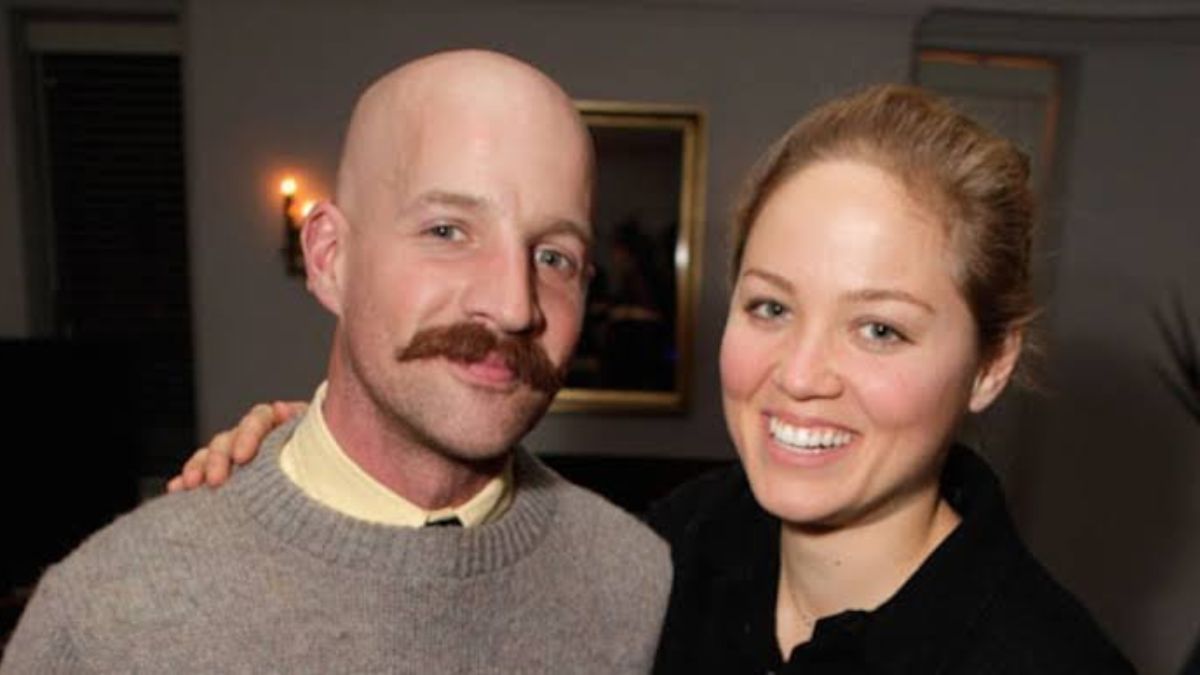
Cole Maness built a life on two wheels long before most people knew his name. The American cyclist and outdoor adventurer grew up in Memphis, Tennessee, worked seasons in Yellowstone, rode for the Rapha Continental team, and later became better known as the husband of actress Erika Christensen. That second title is how search traffic finds him. The first title is how he actually spends his days.
If you only know him from a wedding photo or a celebrity-family roundup, you are missing the more interesting half of the story. Maness is a rider, a former emergency medical technician, a marketing hand in the bike industry, and a father who once delivered his own daughter at home. The public record is thin on purpose. What is available still sketches a clear picture.
Who Is Cole Maness?
Cole Maness is an American professional cyclist and outdoor professional, born around 1982 in Memphis, Tennessee. Public profiles place his age near 44. He is married to Erika Christensen, best known for Traffic and the NBC series Parenthood, and they have two daughters, Shane and Polly.
He is not an actor. His IMDb credits are limited to appearances as himself: American Ninja Warrior in 2017, listed as “Mr. Christensen,” and Celebrity Family Feud in 2022. The rest of his résumé sits outside Hollywood.
| Detail | What is publicly known |
|---|---|
| Full name | Cole Maness |
| Birth | Around 1982, Memphis, Tennessee |
| Known for | Cycling, outdoor work, marriage to Erika Christensen |
| Spouse | Erika Christensen (married September 5, 2015) |
| Children | Shane Maness (born 2016), Polly Maness (born 2018) |
| Notable roles | Rapha Continental rider, bike-industry marketing, former EMT |
| Social | Instagram @coelmaness, modest following |
A brand journal from Apolis, written after a Nepal trip with Maness, is one of the few firsthand portraits. It describes a government special-agent father, an art-teacher mother, two brothers, and a habit of walking his beagles when he is not on the bike.
Early Life and the Path Into the Outdoors
Memphis is not a cycling capital, but it was the starting line. The Apolis profile traces his work ethic to that household: a father in government service and a mother who taught art. The mix shows up later in how people describe him — patient on the road, practical under pressure, and more interested in the next trip than in a press cycle.
Before the West Coast chapter, he worked at Yellowstone National Park. That job is the hinge in his story. Long shifts in a huge landscape prepared him for nights as an emergency medical technician. From there he managed a boutique outdoor shop, then moved into marketing for an online bicycle company. By his early thirties he was a West Coast member of the Rapha Continental team, the amateur-but-serious squad tied to the British cycling brand.
Those steps matter more than any single race result. Public sources do not list a palmarès of stage wins. What they do list is a working life built around bikes, retail, and long rides.
Why the Yellowstone years still matter
Park work teaches weather, distance, and other people’s emergencies. EMT work sharpens the same skills under a clock. When Maness later delivered his second daughter during an unexpected home birth in August 2018, that background stopped being a résumé line and became the reason the night stayed calm. Celebrity bios love the anecdote. The training behind it is the more useful detail.
Cycling Career and the Rapha Years
Cole Maness rides as a professional and team cyclist, not as a reality-show athlete who picked up a bike for a segment. The Rapha Continental connection is the clearest public marker. Rapha’s Continental program has long mixed serious amateur racing with brand storytelling, and Maness sat on the West Coast side of that world.
In late 2014, around age 32, he joined an Apolis trip that became a 16-day ride and trek in the Himalayas. The journal describes a handlebar mustache, a smooth reputation on the bike, and a rider who fixed a chain problem for a less experienced partner on their first Los Angeles ride. He later helped shape the Transit Elite Sweater and supplied most of the practical notes behind a New York Times piece on pedaling in Nepal.
That is the shape of his cycling life: long days, product feedback, travel that doubles as work, and very little podium theater.
What riders can take from his route
- Start with real jobs in the outdoor world before chasing a team kit.
- Treat brand work as craft, not as a shortcut to fame.
- Use big trips to learn routes, not only to collect photos.
- Keep a medical or safety skill in your pocket. It transfers.
One secondary profile also links him to Wolfpack, the well-known cycling collective. Treat that as unverified color unless a team roster confirms it. The Rapha and Nepal record is on firmer ground.
Marriage to Erika Christensen
The couple met around 2012, dated for about three years, and got engaged in November 2014. They married on September 5, 2015, at a ranch near Palm Springs, California, after a 10-month engagement. The guest list stayed small. The setting matched the way they have handled public life since: outdoor, private, and light on red-carpet machinery.
Christensen’s career was already established. Traffic had put her on the map as a teenager. Parenthood made her a familiar face through Julia Braverman-Graham. Maness did not try to join that lane. Friends and write-ups describe shared tastes for travel and time outside, which is a better explanation for the match than any Hollywood strategy.
| Milestone | Timing | Notes |
|---|---|---|
| Dating | Around 2012 | Met through mutual connections |
| Engagement | November 2014 | About 10 months before the wedding |
| Wedding | September 5, 2015 | Ranch near Palm Springs |
| Shane born | June 21, 2016 | First daughter |
| Polly born | August 10, 2018 | Home birth; Maness delivered her |
| TV appearances | 2017 and 2022 | Ninja Warrior, Celebrity Family Feud |
They raise Shane and Polly with a low profile. Occasional Instagram posts show family travel. They do not run a parenting brand.
Life in Los Angeles and Life Off the Bike
Home base is the Los Angeles area. Off the bike, the Apolis sketch is almost domestic: beagles, brothers, and the next trip on a calendar. That is a useful correction to the “celebrity husband” frame. The household sits next to the industry. It does not appear to run on it.
His 2017 American Ninja Warrior appearance fits the same pattern. Obstacle racing rewards grip strength, timing, and a refusal to quit — cousin skills to long climbing on a road bike, not a career change. The Family Feud spot in 2022 was a one-episode family outing, not a pivot into hosting.
How public and private actually split
He posts. He does not campaign. Follower counts on Instagram have sat in the mid-thousands, tiny by influencer standards and consistent with someone who rides more than he publishes. If you want race tactics or training plans, you will not find a polished series. If you want proof of a life organized around bikes and family, the sparse feed is enough.
Net Worth and How the Money Likely Works
Estimates online place Cole Maness between $500,000 and $1 million. None of those figures come from a filing or an interview. Treat them as guesses.
The more useful question is where income could come from. Cycling at the Continental and brand-rider level rarely mints fortunes by itself. Marketing work for a bicycle company, product collaboration, and outdoor retail management are steadier. Marriage to a working actress changes household resources, but it does not automatically transfer her earnings into his net-worth line. Serious roundups keep those pools separate.
| Possible income stream | Role in the picture | Confidence |
|---|---|---|
| Bike-industry marketing | Named in the Apolis profile | Solid |
| Team and brand riding | Rapha Continental, product input | Solid |
| Outdoor retail management | Earlier career step | Solid |
| EMT and park work | Early wages, not current wealth | Historical |
| Celebrity-adjacent estimates | $500k–$1 million range | Weak, unverified |
Anyone quoting a precise dollar figure is filling a blank. The career path supports a comfortable professional life. It does not support a mogul narrative.
Pros and Cons of the Public Record on Cole Maness
Pros
- Primary color exists, thanks to the Apolis Nepal journal and the New York Times travel notes tied to that trip.
- Family facts are consistent across IMDb and contemporary reports: wedding date, ranch setting, two daughters.
- The career sequence is coherent: Yellowstone, EMT, retail, bike marketing, team riding.
- He has stayed employable in a real industry instead of living only as a plus-one.
Cons
- Birth date is reported as “around 1982” or April 1, 1982, without a single authoritative record in wide circulation.
- Height, weight, and exact race results are mostly absent or copied between fan sites.
- Net-worth ranges are recycled estimates.
- Some bios swap in “Colin” by mistake or invent awards.
Read the brand journal and the film database first. Use the biography mills as a map, not as a source.
Common Mistakes When Reading About Him
People trip on the same few errors.
- They merge him with other athletes named Cole Maness, including high-school football and basketball players in Tennessee and Georgia. Those are different people.
- They treat fan-site net worth as audited.
- They assume American Ninja Warrior was a career peak rather than a one-off.
- They credit him with acting roles. His on-screen work is as himself.
- They spell the story as if Christensen’s fame is his profession. It is context, not the job.
A quick check against the 2015 wedding date and the Memphis origin story filters most of the noise.
Best Practices for Following His Story
If you are researching him for a profile, a fan page, or your own cycling curiosity, use a short method.
- Start with the Apolis “People: Cole Maness” journal and the related Nepal travel notes.
- Confirm family dates against IMDb’s biography page.
- Separate household fame from personal work history.
- Ignore unsourced height and net-worth tables, or label them as estimates.
- Watch for name collisions with student athletes.
That approach keeps the portrait accurate and still leaves room for the parts that are genuinely interesting: the park-to-EMT pipeline, the Himalayan ride, and a family life that has stayed small on purpose.
What His Path Suggests About Building a Life in Cycling
You do not need a WorldTour contract to make cycling the center of a working life. Maness’s route is a practical version of that idea. Learn a place by working in it. Stack a safety skill. Move into the trade that already has your attention. Accept brand and media work when it serves the riding, not the other way around.
The Palm Springs wedding and the Los Angeles address are the famous coordinates. The more transferable ones are Yellowstone, a shop floor, a marketing desk, and a 16-day line through Nepal.
Conclusion
Cole Maness is a cyclist and outdoor professional who happens to be married to a well-known actress, not the reverse. Memphis, Yellowstone, emergency medicine, bike retail, Rapha Continental riding, and a long Himalayan trip form a straighter line than any celebrity sidebar. The marriage to Erika Christensen, the two daughters, and the rare TV appearances explain the search interest. They do not replace the work.
The public file will stay incomplete, and that looks intentional. What is on record is enough to see a rider who kept his trade, kept his family close, and let other people hold the spotlight.
FAQs
Who is Cole Maness married to?
Cole Maness is married to actress Erika Christensen. They wed on September 5, 2015, at a ranch near Palm Springs, California.
What does Cole Maness do for a living?
He is a professional cyclist and outdoor adventurer. He has ridden with the Rapha Continental team and worked in bike-industry marketing, outdoor retail, and as an EMT.
How many children do Cole Maness and Erika Christensen have?
They have two daughters, Shane Maness, born in June 2016, and Polly Maness, born in August 2018.
Did Cole Maness appear on American Ninja Warrior?
Yes. He competed in 2017 and was credited as “Mr. Christensen.” He also appeared on Celebrity Family Feud in 2022.
What is Cole Maness’s net worth?
Online estimates range from about $500,000 to $1 million. Those figures are not from official filings and should be treated as rough guesses.
-

 NEWS1 year ago
Historical Churches in Manila
-

 TOPIC3 months ago
Unveiling AvTub: Your Ultimate Guide to the Best AV Content
-

 TOPIC1 year ago
Symbols of Hope: The 15th Belenismo sa Tarlac
-

 TOPIC1 year ago
RIZAL at 160: a Filipino Feat in Britain
-

 TOPIC1 year ago
Simbang Gabi and Kakanin
-

 TOPIC2 months ago
Understanding Fascisterne: Origins and Ideological Roots
-

 TOPIC1 year ago
“The Journey Beyond Fashion” – Ditta Sandico
-

 NEWS4 months ago
What Caused Delta Flight DL275 to Diverted LAX? A Detailed Breakdown