
TOPIC
Bakery Packaging Boxes: Sustainable and Attractive Packaging Trends in the Bakery Industry


Great shifts have occurred in the field of bakery in recent times. These days, besides the flavor of the product, consumers consider aspects such as packaging, freshness, convenience, and sustainability. Whether it comes to artisan bread or luxurious cupcakes, handmade pastries, or birthday cakes, packaging becomes a critical aspect influencing consumer perception of bakery products.
Therefore, bakery packaging boxes have never been so relevant in the modern bakery industry. Not only does bakery packaging provide protection of the item, but it also helps maintain freshness and raise brand awareness along with providing consumers with a great experience.
Given the fact that many customers nowadays strive to purchase eco-friendly and aesthetic bakery packages, it does not come as a surprise that most bakery companies tend to adapt to this trend and change their packages. In this blog post, we will discuss some bakery packaging box trends.
Why Bakery Packaging Boxes Matter in Today’s Market
Bakery items are fragile, perishable, and very appearance-oriented. Any damage done to cakes, pastries, cookies, etc. could quickly lead to dissatisfied customers and tarnished brands.
Some of the benefits offered by bakery packaging boxes include:
- Protection of items while shipping
- Preservation of freshness
- Enhanced product appearance
- Brand awareness
- Repeat business generation
For bakery businesses that sell via retail, web stores, or food delivery apps, packaging makes a big difference.
The Rise of Sustainable Packaging in Bakeries
The consumers of today favor companies that take steps to protect the environment. Today, many bakeries are adopting eco-friendly packaging instead of using plastic containers.
The Use of Eco-Friendly Packaging Is the Future
Today, most bakery packaging is manufactured using:
- Cardboard that is recycled
- Kraft paper material
- Paperboard that can be composted
- Printing ink based on soy
- Biodegradable coatings
How Customized Packaging Boxes Strengthen Brand Identity
In a crowded marketplace, packaging tends to be the first element that consumers see.
Customized packaging boxes provide bakeries an opportunity to differentiate themselves by establishing a unique brand identity.
Building Lasting Brand Recognition
Packaging customization may involve:
- Brand logo design
- Distinctive colors
- Specialized messaging
- Seasonal graphics
- Quality finishing touches
By having your packaging recognized by consumers, you make it easier for them to recall your brand.
Enhancing Social Media Promotion
Stunning packaging is likely to be photographed and posted on social media platforms. Impressive bakery boxes have the potential to receive free marketing from consumer content.
Why Cake Packaging Boxes Need Extra Protection
Special handling is necessary for cakes when transporting and storing them.
Importance of Structural Strength
High-quality cake packaging boxes are manufactured to:
- Withstand more weight
- Ensure no movement during shipment
- Keep the decorated icing safe
- Maintain the form of the product
- Avoid any kind of damage
Quality packaging ensures safe delivery of bakery products in good condition.
The Growing Demand for Stylish Pastry Boxes
Pastries are one of the most attractive baked items, which implies that appearance is as important as freshness.
Packages for Sensitive Items
Good design in pastry boxes allows for the protection of:
- Delicate layers
- Fills
- Toppings
- Gloss
- Layers
This way, the product will arrive in the best possible condition.
Practical Packaging Options
Contemporary pastry boxes include:
- Handles for easy transportation
- Windows
- Locking mechanisms
- Compact designs
Why Bakery Gift Packaging Is Growing in Popularity
Bakery products are now being sold as gifts for holidays, birthdays, weddings, and corporate functions.
Gift-Worthy Packaging Creates New Sales Channels
Premium bakery gift packaging ensures the products will be more desirable on special occasions.
Some popular applications include:
- Holiday cookie assortment packs
- Cupcakes in gift packs
- Dessert selection boxes
- Corporate gift giving
Gift-oriented packaging opens up new sales opportunities for bakeries.
The Impact of Printed Bakery Boxes on Brand Recognition
Packaging design has the ability to affect consumer purchases in just a matter of seconds.
Visual Branding Creates Consumer Loyalty
Well-designed printed bakery boxes give businesses the opportunity to present:
- Branding
- Product details
- Ingredients
- Seasonal offers
- Social media accounts
Effective branding makes sure consumers will recognize your business even after the transaction.
Premium Print Makes Your Boxes Stand Out
Common print finishing options available for printed bakery boxes include:
- Matte finish
- Gloss finish
- Logos embossing
- Foil detailing
- Soft-touch finish
The Importance of Safe Food Packaging Boxes
Ensuring food safety is one of the most significant aspects of bakery packaging.
Packaging Should Maintain Freshness
High-quality food packaging boxes will ensure that the food items remain free from any form of:
- Contamination
- Retention of fragrance and texture
- Moisture absorption
- Hygienic conditions
- Safe transport
Final Thoughts
The level of competition in the bakery industry sector is rising fast, and packaging is now playing a very critical role in terms of attracting customers, product protection, and building up a strong brand image. In today’s competitive market environment, it is necessary for bakery packaging boxes to communicate many things through their packaging solutions.
Investing in the best packaging solutions, including custom-designed packaging boxes, cake packaging boxes, pastry boxes, bakery gift packaging boxes, printed bakery packaging boxes, and food packaging boxes, helps bakeries build strong customer relationships, increase the value of their products, and create a loyal customer base.

A natural-looking sew-in or wig depends on more than hair texture and styling. The closure determines part placement, lace coverage, and the amount of blending needed for an install. A poor match creates extra maintenance and limits styling choices before the hair is installed. Choosing a closure size starts with the intended part, lace coverage, hair texture, and finish. Those decisions guide the first comparison between closure shapes and sizes.
Start With Parting Space
A closure should match the part a wearer plans to use most often. A 2×6 closure measures 2 inches across the front and extends 6 inches toward the crown, creating a deep middle part without covering the entire front hairline. That narrower lace area keeps the focus tight while preserving enough depth for a defined part. Shoppers can review the 2×6 closure collection before choosing an install.
The six-inch depth creates more room than a shallow closure. It supports a clear center part that runs farther back, which suits sleek styles with hair falling evenly on both sides. The closure can also sit slightly off-center when a side part suits the wearer better.
Match The Lace To The Install
HD lace sits close to the scalp when laid flat and is carefully blended. Because a 2×6 closure covers less area than a frontal, the installer has less lace to secure and conceal. This layout suits wearers who want a defined part without having to manage lace across the entire front hairline.
A pre-plucked hairline and lightly bleached knots reduce preparation before installation. The final result still depends on accurate placement, clean knot work, and a foundation that keeps the lace flat. A stylist should match the lace tone, adhesive method, and styling plan to the wearer’s scalp and natural hair.
Choose Texture Before Length
Texture affects how naturally the closure joins the bundles or wig hair. Straight hair creates a polished finish and keeps the middle part sharply visible. Body wave adds soft movement while preserving a controlled shape. Deep wave and curly textures create more volume around the part, so the closure and surrounding hair should share a similar pattern.
Length also affects proportion. Available 2×6 closures include 14-, 16-, 18-, and 20-inch options. Shorter lengths suit compact styles and shoulder-level looks, while longer lengths create more movement below the part. The closure should match the bundles to prevent a noticeable change in pattern or density.
Consider The Maintenance Routine
A closure requires less daily adjustment than a frontal because it covers a smaller portion of the hairline. That benefit suits wearers who prefer a middle part, wear hats often, or want a simpler sew-in routine. The lace still needs gentle brushing, controlled heat, and careful washing to protect the knots and hair strands.
Human hair supports straightening, curling, washing, and coloring when the process uses suitable heat and chemical care. Heat tools should stay within the recommended limits for hair, while bleaching requires extra caution around knots. Regular maintenance protects the part from matting and keeps the closure ready for future styling.
Check The Parting Direction
A deep middle part creates the cleanest result when the closure sits centered over the wearer’s head. The stylist should mark the center before sewing or securing the unit, then check the part from the front and both sides. Small placement errors become more visible when straight hair falls evenly around the part.
A slight shift creates a deep side part without requiring a different closure shape. That flexibility suits people who change their part occasionally but still want limited lace coverage. The stylist should confirm the preferred direction before installation, especially after the closure has been plucked.
Conclusion
The right closure depends on the desired part, texture, length, and maintenance routine. A 2×6 design suits wearers who want a deep part, a narrower lace area, and a focused installation process. Before purchasing, shoppers should choose a texture that matches their bundles, compare the available lengths, and confirm whether a center or side part fits their styling habits. That checklist supports a natural outcome and reduces the need for adjustments after installation.

Every autumn in Calgary the same debate starts around the first cold morning. Are all-season tires good enough, or is it time to switch to winter tires? The honest answer is that it depends on how you drive, where you drive, and how much margin for error you want when the roads turn icy. What makes the decision easier is understanding what actually changes in a tire when the temperature drops.
This guide explains the differences in plain language, shows how to tell when your tires are due, and offers a simple way to plan the swap so it does not become a last-minute scramble.
Why Temperature Matters More Than Snow
Many drivers think of winter tires as snow tires, but the biggest difference is how the rubber behaves in the cold. The compound in all-season tires is designed to work across a wide temperature range, but it begins to stiffen as it gets colder. A commonly cited threshold is around 7 degrees Celsius. Below that, stiffer rubber grips the road less effectively, even on dry pavement.
Winter tires use a softer compound that stays flexible at low temperatures. That flexibility lets the tire conform to the road surface, which improves grip when you brake, accelerate, and turn on cold, slippery roads. This is why many drivers notice a difference long before the first real snowfall.
What Is Different About a Winter Tire
Besides the rubber compound, winter tires are built differently in a few other ways:
- Deeper tread. Bigger grooves help move snow and slush out from under the tire.
- Tread patterns with many small slits. Thousands of tiny cuts, called sipes, bite into ice and packed snow.
- A design that sheds snow. Snow packed into the tread actually helps grip, because snow sticks to snow better than rubber does.
When shopping, look for the three-peak mountain snowflake symbol on the sidewall. It indicates that the tire has met a standard for severe snow service, which is more meaningful than a simple “M+S” marking.
So When Are All-Season Tires Enough?
All-season tires can be a reasonable choice for drivers who:
- Mostly stay in the city and can avoid driving in the worst conditions
- Have flexible schedules and can wait out storms
- Drive vehicles with good traction systems and stay cautious
But even in these cases, all-season tires are a compromise. They do many things adequately and few things exceptionally. For commuters, families, and anyone who drives on highways in winter, the extra margin of a winter tire is often worth it. A Calgary retailer like Good Tire, which has served local drivers for more than two decades, can explain the trade-offs for your specific vehicle and routes.
How to Tell Whether Your Tires Are Ready
A quick check can save you from surprises:
- Tread depth. The classic toonie test still works. Insert a toonie into the tread groove, and if you can see the top of the polar bear’s paws, the tire has worn past a safe margin.
- Age. Rubber hardens over time. Many winter tires perform reliably for around six seasons, even if the tread looks acceptable.
- Sidewalls. Look for cracks, bulges, or cuts.
- Pressure. Cold weather lowers tire pressure, so check it at the start of the season.
If you are unsure, a quick inspection by a specialist will give you an exact reading and an honest recommendation. A Calgary tire specialist can check tread depth and age and help you decide whether to replace or keep your current set.
Planning the Swap
Timing is the part people often get wrong. Waiting until the first snowfall means competing with every other driver for appointment slots, often at the exact moment when road conditions are at their worst. A better approach:
- Watch for daily temperatures consistently staying below 7 degrees Celsius
- Book the appointment a few weeks ahead instead of waiting for the first storm
- Swap back in the spring when temperatures consistently rise
- Store the off-season set in a cool, dry place, away from direct sunlight
If you own a second set of wheels with tires already mounted, the seasonal tire change is quicker and cheaper than remounting tires each time, and it reduces wear on the tires and rims.
Should You Replace All Four?
In general, it is best to install winter tires on all four wheels, not just two. Mixing tires with very different grip levels can make a vehicle handle unpredictably, especially during braking and cornering. Matching all four gives you balanced traction, which is the whole point of the upgrade.
Quick Questions
What temperature should I switch to winter tires? A commonly used guideline is when daily temperatures stay consistently below about 7 degrees Celsius.
Can I keep winter tires on all year? It is not recommended. The softer rubber wears faster in warm weather and can reduce fuel economy.
How long do winter tires last? Many last around six seasons, depending on mileage, storage, and driving conditions.
Do I need to replace winter tires if the tread still looks fine? Age matters as well as tread. Older rubber hardens and loses grip, even when the groove depth looks acceptable.
The Bottom Line
Winter tires are not about the snow alone. They are about keeping grip on cold roads when your regular tires start to stiffen. A quick tread and age check, an early booking, and a matched set of four give you the best chance of a safe, stress-free winter on Calgary roads.

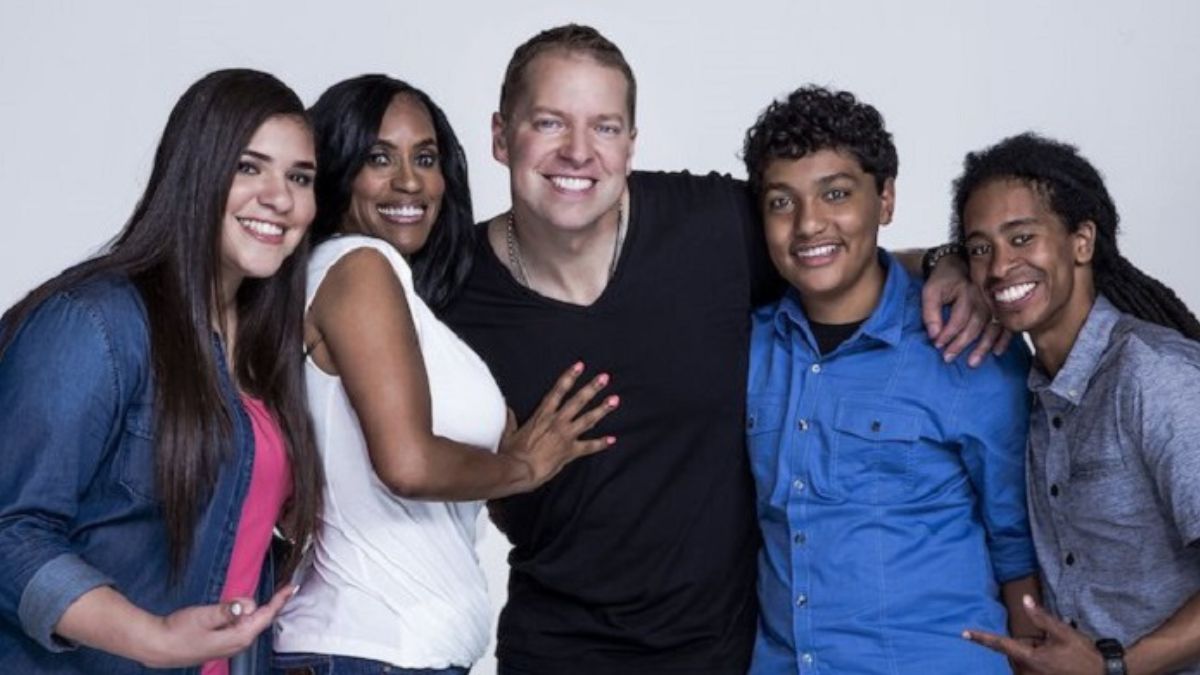
Emilio Owen is best known as the stepson of comedian and actor Gary Owen. While his stepfather built a public career making audiences laugh, Emilio has deliberately chosen a quieter path. Born in 1991, he grew up in a blended family and has spent most of his adult life staying out of the spotlight. This article looks at his background, family connections, education, and the life he maintains today.
Who Is Emilio Owen?
Emilio William Toliver Owen was born on January 18, 1991, in Cincinnati, Ohio. His mother is Kenya Duke, a businesswoman involved in real estate and talent-related work. His biological father is Emilio Toliver Sr., about whom very little public information exists. When Emilio was around 12, his mother married Gary Owen in 2003. Gary later adopted him, and Emilio took the Owen surname.
He is the oldest child in the family. Gary and Kenya later had two biological children together: Austin Owen and Kennedy Owen. Emilio therefore grew up as the older brother in a household that also included younger half-siblings. Public reports indicate he attended Lakota West High School in Ohio and later studied at The Art Institute of Ohio–Cincinnati, which aligns with an interest in creative or design-related fields.
Unlike many relatives of entertainers, Emilio has not pursued a career in comedy or entertainment. He has appeared occasionally in family-related media, including The Gary Owen Show on BET, but he has otherwise kept his professional and personal life private. As of 2026, he is 35 years old and is widely reported to live in the Cincinnati area.
Family Background and Blended Household
Growing up in a blended family shaped much of Emilio Owen’s early life. His mother’s marriage to Gary Owen brought stability and a new last name, yet the family still navigated the normal adjustments that come with step-parent relationships. Gary has spoken publicly about raising the children and the challenges that followed his later divorce from Kenya Duke. Those events created distance within the family for a period, which is common in high-profile separations.
Emilio’s role as the eldest sibling appears to have been steady. He shared a household with Austin and Kennedy during their formative years. Later, Gary had additional children from a subsequent relationship, further expanding the extended family. Throughout these changes, Emilio has remained largely out of media coverage.
| Aspect | Details |
|---|---|
| Full Name | Emilio William Toliver Owen |
| Date of Birth | January 18, 1991 |
| Birthplace | Cincinnati, Ohio |
| Mother | Kenya Duke |
| Biological Father | Emilio Toliver Sr. |
| Stepfather | Gary Owen |
| Half-Siblings | Austin Owen, Kennedy Owen |
| Education | Lakota West High School; The Art Institute of Ohio–Cincinnati |
Education and Creative Interests
After high school, Emilio enrolled at The Art Institute of Ohio–Cincinnati. The choice suggests an interest in visual arts, design, or related creative fields rather than performance. No major public portfolio or professional credits have surfaced, which fits the overall pattern of limited visibility. Many people in creative fields prefer to work without public attention, and that preference appears consistent with Emilio’s approach.
Practical examples of this privacy include the absence of a widely followed public social media presence and the lack of interviews focused on his personal career. Instead of seeking visibility through his stepfather’s platform, he has kept his professional activities separate.
Personal Life and Relationships
Emilio Owen has been in a long-term relationship with Taylor Patton since approximately 2016. Taylor works in operations at a major health insurance company and is based in the Ohio area. The couple has maintained a low public profile, with only occasional references appearing in entertainment coverage. They have not announced a marriage or children in widely reported sources.
This preference for privacy stands in contrast to the more public lives of some celebrity family members. It also reflects a deliberate choice rather than an accident of circumstance. Living near family in Cincinnati has likely made it easier to maintain ordinary routines away from entertainment industry circles.
| Relationship Aspect | Publicly Reported Status |
|---|---|
| Partner | Taylor Patton |
| Relationship Start | Around 2016 |
| Public Visibility | Minimal |
| Current Residence | Cincinnati, Ohio area |
| Marital Status | Unmarried (as of recent reports) |
Why Emilio Owen Stays Private
Several factors explain the limited public information about Emilio Owen. First, he never actively pursued entertainment. Second, the family’s later divorce created complicated dynamics that many people prefer to handle privately. Third, he appears to value ordinary daily life over media attention. In an era when many relatives of public figures leverage family fame, his consistent low profile is notable.
Pros and Cons of a Private Life in a Public Family
Choosing privacy while connected to a known comedian carries both advantages and challenges.
Pros:
- Greater control over personal information and daily routines.
- Reduced risk of unwanted scrutiny or online commentary.
- Ability to focus on relationships and work without external pressure.
- Stronger boundaries between family fame and individual identity.
Cons:
- Limited public clarification when inaccurate reports circulate.
- Occasional association with family news even when uninvolved.
- Potential difficulty separating personal achievements from the family name.
- Reduced opportunities for professional visibility if desired later.
Common Mistakes in Reporting on Emilio Owen
Entertainment coverage sometimes repeats unverified details. Common issues include conflicting birth years in older articles, inconsistent height and weight figures, and assumptions about his occupation or net worth. Because he rarely speaks publicly, secondary sources fill gaps, which can lead to outdated or exaggerated claims. Readers should treat most biographical details as reported information rather than confirmed official records.
Best Practices for Understanding Celebrity Family Stories
When researching relatives of public figures, a few practices help:
- Cross-check dates and family relationships across multiple independent reports.
- Distinguish between legal adoption and informal family roles when sources differ.
- Note the absence of primary interviews as a signal of intentional privacy.
- Avoid treating entertainment blogs as definitive biographies.
- Focus on consistent facts (birth year range, parentage, education path) rather than minor physical details that vary.
Conclusion
Emilio Owen’s story is less about public milestones and more about deliberate choices. As Gary Owen’s stepson, he grew up inside a household connected to comedy and television, yet he has largely stepped away from that world. His education, long-term relationship with Taylor Patton, and continued residence in the Cincinnati area paint a picture of someone prioritizing ordinary life. While public interest continues because of the family connection, the available information remains limited by design. That privacy itself forms a central part of who he is.
FAQs
Who is Emilio Owen?
Emilio Owen is the stepson of comedian Gary Owen and the son of Kenya Duke and Emilio Toliver Sr. He is known for maintaining a private life away from entertainment.
How old is Emilio Owen?
He was born on January 18, 1991, making him 35 years old in 2026.
Is Gary Owen Emilio Owen’s biological father?
No. Gary Owen is his stepfather and adoptive father. His biological father is Emilio Toliver Sr.
What does Emilio Owen do for a living?
Public details are limited. He studied at The Art Institute of Ohio–Cincinnati and is believed to work in a private capacity, possibly in a creative field.
Who is Emilio Owen dating?
He has been in a long-term relationship with Taylor Patton since around 2016.
-

 NEWS1 year ago
Historical Churches in Manila
-

 TOPIC3 months ago
Unveiling AvTub: Your Ultimate Guide to the Best AV Content
-

 TOPIC1 year ago
Symbols of Hope: The 15th Belenismo sa Tarlac
-

 TOPIC1 year ago
Simbang Gabi and Kakanin
-

 TOPIC1 year ago
RIZAL at 160: a Filipino Feat in Britain
-

 TOPIC2 months ago
Understanding Fascisterne: Origins and Ideological Roots
-

 NEWS4 months ago
What Caused Delta Flight DL275 to Diverted LAX? A Detailed Breakdown
-

 TOPIC1 year ago
“The Journey Beyond Fashion” – Ditta Sandico