
TECHNOLOGY
Optimizing Microsoft 365 and Azure Together with Unified Managed Services

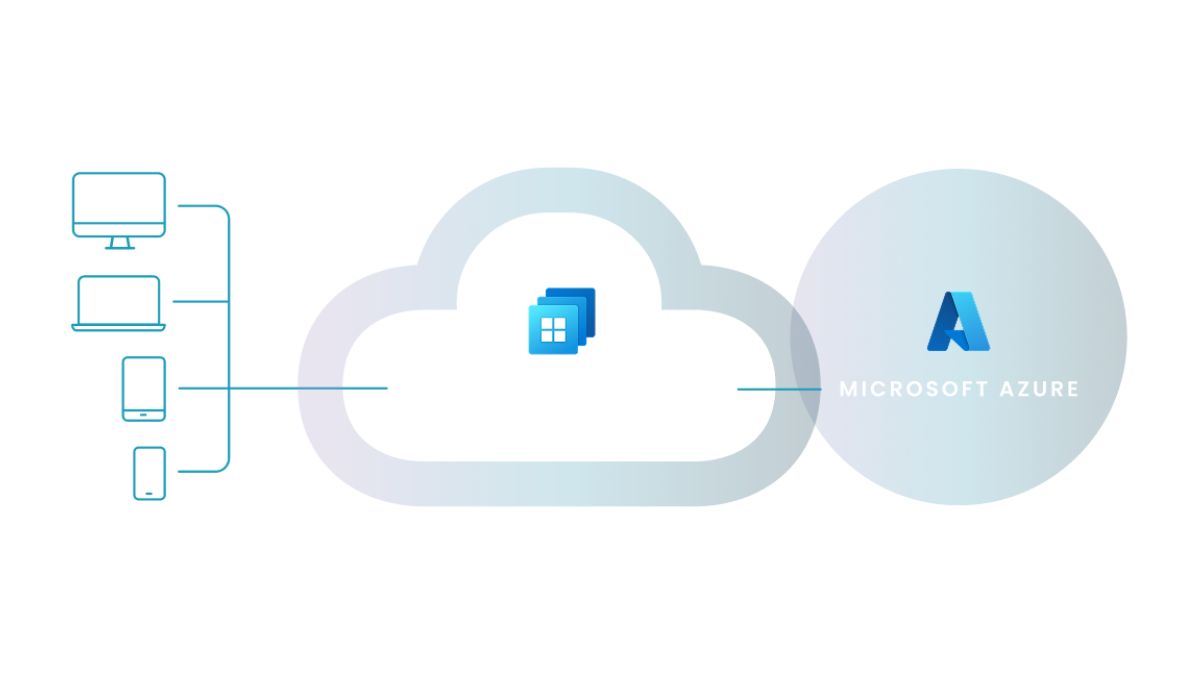
As modern businesses evolve, so do their IT ecosystems. Organizations are no longer operating on standalone tools—they are embracing integrated cloud platforms that work in harmony. Among the most powerful of these are Microsoft 365 and Microsoft Azure. When unified and managed efficiently, these platforms become the backbone of a scalable, secure, and cost-effective digital enterprise. This is where azure cloud management services play a crucial role—enabling businesses to unlock the full potential of Microsoft’s cloud offerings while ensuring seamless operations, enhanced security, and optimized performance.
Why Integrate Microsoft 365 and Azure?
Microsoft 365 and Azure are naturally complementary. While Microsoft 365 focuses on productivity, collaboration, and user experience with apps like Outlook, Teams, SharePoint, and OneDrive, Azure delivers infrastructure, data storage, computing power, security, and analytics. When businesses connect these environments under a unified strategy, they can streamline user identity management, enhance security compliance, enable smarter collaboration, and ensure centralized governance.
For example, Azure Active Directory (Azure AD) allows businesses to manage user identities across both platforms. Azure Information Protection (AIP) works in tandem with Microsoft 365 apps to classify and secure documents. And tools like Microsoft Defender unify threat protection across endpoints, apps, and infrastructure.
But to make this integration seamless, secure, and continually optimized, businesses need expertise—this is where managed Azure services providers step in.
What Are Unified Managed Services?
Unified managed services refer to end-to-end management of IT environments, including infrastructure, applications, data, and security, delivered through a centralized approach. For organizations using both Microsoft 365 and Azure, unified managed services consolidate operations across platforms, offering integrated monitoring, automation, cost optimization, user support, and compliance management.
This approach eliminates silos between teams managing productivity tools and those handling backend infrastructure. Instead of juggling multiple dashboards, IT teams get a unified view of system health, usage, and performance. Managed services providers bring deep knowledge of both platforms, helping organizations leverage native integrations, avoid redundant costs, and stay current with Microsoft’s rapidly evolving feature sets.
Benefits of Unified Managed Services for Microsoft 365 and Azure
- Centralized Identity and Access Management
Through Azure AD, unified services allow IT teams to manage user identities across cloud and hybrid environments. Single sign-on (SSO), multifactor authentication (MFA), and conditional access policies can be centrally managed for both Microsoft 365 and Azure resources—reducing risk and simplifying user access. - Streamlined Security and Compliance
Managed service providers integrate Microsoft Defender, Microsoft Purview, and Azure Security Center across environments to detect threats, monitor compliance, and enforce security policies. This is crucial for regulated industries like healthcare, finance, and legal sectors. - Improved Collaboration and Productivity
Unified services optimize Microsoft Teams, SharePoint, and OneDrive configurations while ensuring backend performance through Azure-based services like virtual desktops, AI, or automation tools. This synergy improves end-user experience and operational efficiency. - Proactive Monitoring and Support
Service providers offer 24/7 monitoring of both Microsoft 365 usage patterns and Azure infrastructure metrics. Issues are addressed before they impact users, and root-cause analysis ensures lasting solutions. - Cost Optimization
Azure and Microsoft 365 both operate on subscription models. Without proper oversight, organizations can overprovision resources or pay for unused licenses. Managed Azure services use analytics to right-size workloads, consolidate licenses, and forecast consumption, helping businesses stay within budget. - Automation and Orchestration
With tools like Azure Automation and Power Platform, managed service providers help businesses automate routine tasks like provisioning, updates, and reporting. This frees up internal IT teams for more strategic work. - Enhanced Business Continuity
Azure’s built-in disaster recovery solutions, like Azure Backup and Site Recovery, are configured and monitored by managed service providers to ensure minimal downtime. Microsoft 365 backups are also integrated to safeguard email, files, and communications.
Use Cases of Unified Managed Services in Action
- A mid-sized financial services firm uses Microsoft 365 for collaboration and Azure for secure hosting of customer data. A managed services provider ensures secure data transfers between platforms, monitors usage for regulatory compliance, and automates monthly reporting with Power BI and Azure Logic Apps.
- A global retail chain uses Azure Virtual Desktop (AVD) to deliver Microsoft 365 apps securely to remote employees. The managed service provider handles infrastructure scaling, license optimization, and provides 24/7 support.
- A healthcare organization leverages Azure for AI-driven diagnostics and Microsoft 365 for administrative communication. Their managed service provider ensures HIPAA compliance across both platforms and manages identity governance centrally through Azure AD.
Key Features to Look for in a Managed Azure Services Provider
When choosing a provider to manage your Microsoft 365 and Azure environments, look for the following capabilities:
- Expertise in both Microsoft 365 and Azure
- Microsoft Solution Partner credentials
- 24/7 monitoring and support
- Proven experience in regulatory compliance (e.g., HIPAA, GDPR, ISO)
- Ability to offer custom SLAs
- Integration with third-party security tools
- Experience with hybrid cloud environments
- Regular reporting and cost analysis
Top Service Providers Offering Unified Managed Azure Services
Here are some of the top providers known for delivering comprehensive managed Azure services that unify Microsoft 365 and Azure:
- InTWO
A Microsoft Solutions Partner with global presence, InTWO offers fully managed cloud services for both Microsoft 365 and Azure. They specialize in secure cloud transformation, identity management, cost optimization, and hybrid workplace solutions. - Rackspace Technology
Rackspace provides end-to-end Azure and Microsoft 365 management, including migration, monitoring, DevOps, and compliance services. Their Fanatical Support® model offers hands-on assistance around the clock. - Infosys
Infosys delivers managed Azure and Microsoft 365 services with a strong emphasis on AI and automation. Their Cobalt platform enables rapid innovation and scalable management across enterprises. - Tata Consultancy Services (TCS)
TCS offers unified cloud operations across Microsoft Azure and Microsoft 365. Their Azure Foundation Framework ensures secure, compliant deployments while their M365 practice optimizes collaboration experiences. - Wipro
Wipro’s managed cloud services include unified management across Microsoft 365 and Azure. Their Cloud Studio framework enhances automation, governance, and security monitoring for hybrid enterprises. - HCLTech
HCL provides managed cloud services for large enterprises, including Microsoft 365 license management, Azure platform optimization, and unified security operations centers (SOCs). - DXC Technology
DXC offers hybrid cloud management services that include integrated Microsoft 365 and Azure operations, lifecycle management, and AI-based analytics. - Cognizant
Cognizant helps organizations modernize and manage their Microsoft ecosystem with end-to-end services, including Microsoft 365 migration, Azure cost control, and compliance services.
Future Outlook: Intelligent Cloud Management
With the rise of AI, edge computing, and data privacy regulations, the future of unified managed services will be more intelligent, predictive, and autonomous. Microsoft’s ongoing integration of Copilot and AI models into both Azure and Microsoft 365 is reshaping how businesses operate. Managed service providers will play a critical role in configuring, maintaining, and customizing these AI-driven tools for maximum benefit.
Additionally, the need for real-time decision-making, hyper-personalized user experiences, and sustainable IT strategies will push businesses to unify their cloud platforms more tightly than ever before. Investing in managed Azure services now is not just about reducing IT complexity—it’s about building the digital resilience necessary for long-term growth.
Conclusion
In today’s hybrid work era, combining Microsoft 365 and Azure is no longer optional—it’s essential. However, to harness the full power of this integration, businesses need unified management strategies that eliminate inefficiencies, reduce risks, and support continuous innovation. With the help of experienced providers like InTWO, organizations can achieve a cloud ecosystem that is secure, scalable, and future-ready. By leveraging managed Azure services, companies not only simplify their operations but also elevate their digital capabilities to new heights.
TECHNOLOGY
gd7 playz.blogspot/2025/03/rbs.html: Complete Guide, Features, Benefits, and User Insights

Introduction
The page gd7 playz.blogspot/2025/03/rbs.html has attracted attention from users searching for gaming-related resources, online content, and digital entertainment information. As more people explore niche websites and gaming blogs, understanding what a specific page offers becomes increasingly important.
Whether you discovered this URL through a search engine, social media discussion, or gaming community, this guide explains its potential purpose, features, benefits, and best practices for evaluating similar web resources. By the end of this article, you’ll have a clearer understanding of how such pages fit into the broader online gaming ecosystem.
What Is gd7 playz.blogspot/2025/03/rbs.html?
The page appears to be a blog-based web resource hosted on a blogging platform. Pages like this are commonly used to publish gaming content, tutorials, resource links, updates, walkthroughs, reviews, and entertainment-related information.
Why Users Search for This Page
People often search for specific URLs when they:
- Need access to gaming resources
- Want information about a particular game
- Look for tutorials or guides
- Follow updates from content creators
- Search for downloadable resources
- Explore gaming communities
Core Purpose of Similar Gaming Blog Pages
Many gaming-focused blog pages typically serve one or more of the following functions:
| Content Area | Purpose | User Benefit |
|---|---|---|
| Game Guides | Explain gameplay mechanics | Faster learning |
| Resource Pages | Share useful gaming tools | Better gaming experience |
| News Updates | Provide latest announcements | Stay informed |
| Community Content | Share user discussions | Increased engagement |
| Tutorials | Step-by-step instructions | Problem solving |
This structure helps visitors quickly find the information they need.
How TXMyZone Connects People: Success Stories from Real Users
Key Features Users Expect From Gaming Resource Pages
Gaming blogs and resource pages continue to grow because they provide targeted information that may not always be available on official websites.
Organized Content Structure
A well-designed page usually includes:
- Clear navigation
- Mobile-friendly design
- Categorized information
- Fast loading speed
- Easy-to-read formatting
These elements improve usability and encourage visitors to spend more time exploring content.
Helpful Tutorials and Guides
One of the biggest attractions of gaming resource pages is practical guidance.
Examples include:
- Beginner tutorials
- Advanced gameplay tips
- Character builds
- Strategy guides
- Event updates
Visitors often prefer concise tutorials that provide actionable advice without unnecessary complexity.
Community-Focused Information
Gaming audiences value community-generated insights. Resource pages often gather information from player experiences, making the content more practical and relatable.
Benefits of Using Gaming Resource Blogs
Gaming blogs remain popular because they provide focused information for specific audiences.
Quick Access to Information
Instead of searching through multiple websites, users can often find everything in one place.
Benefits include:
- Reduced research time
- Easier navigation
- Centralized resources
- Updated information
Beginner-Friendly Learning
New players frequently use gaming blogs to understand:
- Basic mechanics
- Game objectives
- Progression systems
- Recommended strategies
Discovering New Content
Many visitors explore blogs to find:
- New games
- Updates
- Hidden features
- Community recommendations
Comparing Different Types of Gaming Resources
Not all gaming websites serve the same purpose.
| Resource Type | Main Focus | Best For |
|---|---|---|
| Official Websites | Developer information | Accurate updates |
| Gaming Blogs | Guides and tutorials | Learning and discovery |
| Forums | Community discussions | Problem solving |
| Video Platforms | Visual demonstrations | Step-by-step learning |
| News Sites | Industry updates | Staying informed |
Understanding these differences helps users choose the most suitable source.
How to Evaluate a Gaming Resource Page
Before relying on any gaming page, it is helpful to assess its quality and reliability.
Check Content Accuracy
Look for:
- Recent updates
- Detailed explanations
- Consistent information
- Reliable references
Review User Experience
A quality page typically provides:
- Fast loading speeds
- Mobile compatibility
- Clean layouts
- Easy navigation
Analyze Content Depth
Useful pages often include:
- Screenshots
- Examples
- Step-by-step instructions
- Frequently asked questions
The more practical information provided, the more value visitors usually receive.
Best Practices for Using Gaming Resource Websites
To get the most value from gaming content, follow several best practices.
Verify Information
Gaming updates can change rapidly. Always compare information across multiple sources when possible.
Bookmark Helpful Resources
Saving reliable pages helps users return quickly when they need guidance.
Stay Updated
Many gaming blogs publish:
- Patch notes
- Event announcements
- New tutorials
- Updated strategies
Regular visits help players remain informed.
Essential Evaluation Framework
The following framework can help determine whether a gaming resource page is worth using.
| Evaluation Factor | What to Look For | Importance |
|---|---|---|
| Accuracy | Correct information | High |
| Updates | Recent content | High |
| Usability | Easy navigation | High |
| Security | Safe browsing practices | High |
| Content Depth | Comprehensive coverage | Medium |
| Community Value | User feedback and discussion | Medium |
Using this framework can improve your overall browsing experience.
Common Mistakes Users Make
Many visitors encounter problems because they overlook important evaluation steps.
Ignoring Update Dates
Outdated gaming information can lead to confusion and ineffective strategies.
Trusting Every Source
Not all websites maintain the same standards of accuracy.
Skipping Security Checks
Users should always:
- Use trusted browsers
- Verify page authenticity
- Avoid suspicious downloads
- Protect personal information
Overlooking Community Feedback
Reviews and user discussions often reveal useful insights about content quality.
Pros and Cons
Pros
- Easy access to gaming information
- Helpful tutorials and guides
- Community-driven insights
- Convenient resource collection
- Supports player learning
Cons
- Information may become outdated
- Quality varies between websites
- Some content may lack verification
- User experience differs across platforms
- Certain resources may not be regularly maintained
Best Practices for Content Creators
If you manage a gaming resource page similar to gd7 playz.blogspot/2025/03/rbs.html, consider these recommendations.
Focus on User Needs
Create content that answers common questions directly.
Keep Information Updated
Regular updates improve credibility and user trust.
Improve Mobile Experience
Most users now browse content from mobile devices.
Use Clear Formatting
Include:
- Headings
- Lists
- Tables
- Examples
- FAQs
This improves readability and search performance.
Frequently Asked Questions About Gaming Resource Pages
What makes a gaming resource page useful?
A useful page provides accurate, updated, and easy-to-understand information that helps users solve specific gaming-related problems.
Are gaming blogs reliable?
Many gaming blogs are reliable when they regularly update content and verify information before publishing.
How can I determine if information is current?
Check publication dates, recent updates, and community discussions to verify relevance.
Why do gamers use resource pages?
Players use them to learn strategies, discover updates, find guides, and improve gameplay performance.
Should users verify information from multiple sources?
Yes. Comparing information across reputable sources helps ensure accuracy and completeness.
Conclusion
The growing interest in gd7 playz.blogspot/2025/03/rbs.html reflects the increasing demand for specialized gaming resources and online content hubs. Whether users seek tutorials, updates, strategies, or community insights, resource pages can provide valuable support when managed effectively.
The key is evaluating information carefully, prioritizing updated content, and following safe browsing practices. By applying the recommendations outlined in this guide, users can make informed decisions and gain greater value from gaming-related web resources.
SEO FAQs
1. What is gd7 playz.blogspot/2025/03/rbs.html?
It is a web page that appears to provide gaming-related content, resources, or informational material for online users.
2. Why is gd7 playz.blogspot/2025/03/rbs.html being searched online?
Users may be searching for gaming resources, guides, updates, or information associated with the page.
3. Is gd7 playz.blogspot/2025/03/rbs.html suitable for beginners?
Pages that offer tutorials and structured guides can be useful for beginners looking to learn gaming concepts.
4. How can users evaluate similar gaming resource pages?
Review content accuracy, update frequency, usability, security practices, and community feedback.
5. What are the advantages of gaming blogs?
They often provide tutorials, practical tips, resource collections, and community-generated insights in one place.

Introduction to DPSIT (Digital Payment Security & IT)
In a world where digital transactions have become the norm, ensuring their security is more crucial than ever. Enter DPSIT, or Digital Payment Security & IT. This cutting-edge field blends technology and cybersecurity to protect sensitive financial data from cyber threats. As online payments surge in popularity, understanding DPSIT becomes essential for businesses and consumers alike. It’s not just about securing transactions; it’s about fostering trust in our increasingly digital economy. Let’s dive into what DPSIT truly encompasses and why it matters now more than ever.
History and Growth of DPSIT
The concept of DPSIT emerged as digital transactions gained popularity in the late 1990s. With rapid advancements in technology, an urgent need for secure payment systems became apparent. Financial institutions recognized that consumer trust depended on robust security measures.
As e-commerce flourished during the early 2000s, so did cyber threats. Hackers exploited vulnerabilities, leading to significant financial losses and data breaches. This prompted a surge in demand for specialized IT solutions focused on safeguarding digital payments.
Over the years, various regulations and standards have been established to enhance digital payment security. Organizations began investing heavily in cybersecurity technologies and training programs to protect sensitive information.
Partnerships between tech companies and financial institutions fostered innovation within DPSIT. Today’s landscape reflects a commitment to building resilient systems capable of adapting to emerging threats while ensuring seamless user experiences across platforms.
Importance of DPSIT in Today’s Digital World
In today’s digital landscape, the importance of DPSIT cannot be overstated. As online transactions become a daily norm, safeguarding sensitive information is paramount.
DPSIT bridges the gap between technology and security. It ensures that personal data remains confidential and unauthorized access is thwarted. This protection fosters trust among consumers and businesses alike.
Moreover, with the rise of cybercrime, robust payment security measures are essential. Hackers continuously evolve their tactics; hence, effective DPSIT strategies must stay ahead of these threats.
The impact on global commerce is profound. A secure digital payment environment enhances user confidence in e-commerce platforms. When customers feel safe making purchases online, it stimulates economic growth and innovation in various sectors.
Furthermore, regulatory compliance increasingly requires strong digital payment safeguards. Businesses prioritizing DPSIT not only protect themselves but also adhere to legal standards that govern financial transactions.
Common Threats to Digital Payment Security
Digital payment security faces various threats that can compromise sensitive information. One of the most prevalent risks is phishing. Cybercriminals often use deceptive emails or messages to trick users into revealing their financial details.
Another significant threat is malware. This malicious software can infiltrate devices, capturing login credentials and personal data without the user’s knowledge.
Man-in-the-middle attacks pose a serious risk during online transactions. Here, attackers intercept communications between two parties, potentially altering transaction details for their gain.
Additionally, weak passwords are a frequent vulnerability point. Many users underestimate the importance of strong password management, making it easier for hackers to access accounts.
Public Wi-Fi networks present an insecure environment where savvy cybercriminals can exploit unprotected connections to steal sensitive information easily. Awareness and proactive measures are essential in safeguarding digital payments from these evolving threats.
Role of DPSIT in Protecting Against Cyber Attacks
DPSIT plays a crucial role in defending against cyber threats. As digital payments become increasingly common, the need for robust security measures intensifies. DPSIT frameworks are designed to anticipate vulnerabilities and strengthen defenses.
Implementing encryption techniques is one of its key strategies. This means that sensitive data transmitted during transactions is secured from potential breaches. It makes it significantly harder for hackers to access personal information.
Monitoring systems also form an integral part of DPSIT’s strategy. Continuous surveillance helps identify unusual activities in real-time, allowing organizations to react swiftly before any damage occurs.
Additionally, training employees on cybersecurity awareness contributes to a stronger defense line. Human error often leads to breaches; educating staff can mitigate risks effectively.
By integrating advanced technologies like artificial intelligence, DPSIT enhances threat detection capabilities, making cyber defenses more resilient than ever before.
Career Opportunities in DPSIT
The field of DPSIT is rapidly evolving, creating a wealth of career opportunities. Professionals with expertise in digital payment security and information technology are in high demand.
Roles range from cybersecurity analysts to compliance officers. Businesses seek individuals who can protect sensitive data and ensure secure transactions. There’s also a growing need for risk management specialists who understand the complexities of digital finance.
For those interested in software development, positions exist for engineers focused on building secure payment platforms. Data scientists specializing in fraud detection algorithms play an essential role too.
With continuous advancements in technology, ongoing education is vital. Certifications related to cybersecurity can enhance employability and showcase specialized knowledge.
Networking within the industry opens doors to new possibilities as well. Engaging with professionals at conferences or online forums can provide valuable insights into emerging trends and job openings.
Conclusion: The Future of DPSIT and Its Impact on Society
The future of DPSIT holds immense promise as the digital landscape evolves. Digital payment systems are becoming more integral to our daily lives, and with this growth comes an increased focus on security.
As technology advances, so too do the methods employed by cybercriminals. This creates a continuous cycle where DPSIT must adapt and innovate constantly. The development of stronger encryption techniques and advanced fraud detection measures will be vital in safeguarding sensitive information.
Moreover, society’s reliance on digital payments emphasizes the need for robust training programs within the field. As businesses seek professionals skilled in DPSIT, education institutions are likely to respond accordingly by offering specialized courses.
This growing demand not only highlights career opportunities but also encourages collaboration between tech companies and financial institutions. Together, they can create frameworks that prioritize user safety while maintaining convenience.
As we integrate more technology into our transactions, DPSIT will play a pivotal role in shaping trust in these systems. A secure environment fosters confidence among consumers and businesses alike—essential components for economic growth.
The journey of DPSIT is just beginning; its impact on society could reshape how we think about security and commerce in unprecedented ways.

Introduction to viprow.us.com
Are you a sports fan searching for the best way to catch your favorite live games? Look no further than Viprow.us.com. This platform has gained popularity among viewers looking for an easy and reliable way to stream sports events online. With its user-friendly interface and diverse range of content, it promises an enjoyable viewing experience.
However, navigating streaming sites can sometimes pose challenges, especially regarding safety and accessibility. In this guide, we’ll explore how to access Viprow.us.com effectively while ensuring that your online experience remains secure. Get ready to enjoy thrilling matches without missing a beat!
Understanding the Features and Benefits of Viprow.us.com
Viprow.us.com is a popular platform for sports enthusiasts. It offers an extensive range of live sports streaming options, catering to fans around the globe.
One standout feature is its user-friendly interface. Navigating through various categories and events becomes a breeze. You can quickly find your favorite games or discover new ones without any hassle.
Another benefit lies in its accessibility. Whether you’re at home or on the go, Viprow.us.com allows you to catch live action from multiple devices, including smartphones and tablets.
The site also provides high-quality streams with minimal buffering issues. This ensures that you won’t miss those thrilling moments during critical matches.
Additionally, the availability of different sports makes it appealing for everyone—football, basketball, tennis, and more are all just a click away.
Step-by-Step Guide to Accessing Viprow.us.com
Accessing Viprow.us.com is straightforward. Start by launching your preferred web browser. Type in the URL or search for “Viprow” on a search engine.
Once you reach the site, take a moment to familiarize yourself with its layout. You’ll find various categories and sports options available.
If you’re using it for the first time, consider disabling any pop-up blockers temporarily. This will enhance your experience as some features may require permissions to function correctly.
Navigating through different streams is easy. Click on your desired sport or event, and you’ll see live links populate shortly after.
Ensure you have a stable internet connection to avoid interruptions during streaming sessions. Enjoy seamless access with just these simple steps!
How to Navigate and Use Viprow.us.com for Live Sports Streaming
Navigating Viprow.us.com for live sports streaming is straightforward once you familiarize yourself with the layout. Upon entering the site, you’ll see an array of sports options prominently displayed. Choose your preferred sport from football to basketball.
Once selected, click on the event or match you’re interested in. This will lead you to a list of available streams. It’s wise to check multiple links, as some may offer better quality or fewer ads.
When watching a stream, pay attention to the chat feature if it’s available. Engaging with other viewers can enhance your experience and provide insights into game strategies or player performances.
Ensure you have reliable internet connectivity for uninterrupted viewing. Adjusting video settings might also help optimize playback based on your connection speed and device capabilities.
Safety Tips for Using Viprow.us.com
When using Viprow.us.com, safety should be a priority. Always ensure that your device has updated antivirus software to protect against potential threats.
Using a VPN can add an extra layer of security. It masks your IP address and encrypts your online activity, keeping you anonymous while streaming.
Be cautious about sharing personal information. Avoid giving out details like credit card numbers or addresses unless absolutely necessary.
Ad-blockers are also useful on this platform. They help prevent intrusive ads that might lead to harmful sites or malware downloads.
Pay attention to the site’s design and user reviews before accessing links. Legitimate streaming sites typically have clean interfaces and positive feedback from users. Stay alert to maintain a safe browsing experience.
Alternatives to Viprow.us.com
If you’re exploring options beyond Viprow.us.com, several platforms offer compelling alternatives. One popular choice is Stream2Watch. It provides various live sports streams and has an easy-to-navigate interface.
Another solid option is Cricfree, especially if you’re a cricket enthusiast. This site focuses on streaming cricket matches but also includes other sports events. The layout is user-friendly, making it simple to find your favorite games.
For those interested in a broader selection of content, LiveTV offers live streams as well as highlights and stats for numerous sports. It’s perfect for staying updated on multiple events simultaneously.
Consider Reddit’s various streaming communities like r/soccerstreams or r/nbastreams. These forums often share reliable links to live broadcasts across different sports channels. Each alternative comes with its own features and benefits worth checking out.
Conclusion
Viprow.us.com has become a popular choice for sports fans looking to catch their favorite events live and free. With its user-friendly interface and diverse streaming options, it’s no wonder that many turn to this site for their sports viewing needs.
Understanding how to access and navigate Viprow.us.com is essential for maximizing your experience. By following the step-by-step guide provided, you can quickly get started with minimal hassle. Familiarizing yourself with the features will enhance your enjoyment of live streams.
Safety should always be a priority when using online platforms like Viprow.us.com. Implementing recommended safety tips will help protect your personal information while enjoying seamless streaming.
If you’re ever looking for alternatives, several other platforms offer similar services. Exploring these options ensures you have various choices based on your preferences.
With proper precautions and an understanding of how to use Viprow.us.com effectively, you’ll be well-equipped to enjoy thrilling live sports action safely and efficiently. Dive in, explore the platform’s offerings, and never miss out on another game again!
-

 TOPIC11 months ago
Symbols of Hope: The 15th Belenismo sa Tarlac
-

 NEWS11 months ago
Historical Churches in Manila
-

 TOPIC11 months ago
RIZAL at 160: a Filipino Feat in Britain
-

 TOPIC11 months ago
“The Journey Beyond Fashion” – Ditta Sandico
-

 TOPIC11 months ago
5 Must-Have Products From Adarna House to Nurture Your Roots
-

 TOPIC3 hours ago
Unveiling AvTub: Your Ultimate Guide to the Best AV Content
-

 TOPIC11 months ago
“Recuerdos de Filipinas – Felix Laureano”
-

 TOPIC11 months ago
Filipino, alternative language course at Moscow State University