
HEALTH
THCA Flower Benefits and User Safety: What Science Says


Interest in cannabis-derived products is rapidly expanding, with a growing spotlight on THCA flower as both researchers and consumers seek alternatives to traditional cannabis experiences. THCA, or tetrahydrocannabinolic acid, takes center stage in discussions about the future of wellness and cannabis science. More THCA flower here for those interested in sourcing quality products.
Understanding the unique benefits, safety considerations, and legalities of THCA flower is crucial for navigating this complex and evolving landscape. Whether you are new to THCA or looking to deepen your knowledge, making informed decisions starts with science-backed insights and practical guidance for safe consumption.
Within the spectrum of cannabinoids, THCA stands out because it delivers therapeutic potential without immediate psychoactivity in its raw form. This distinction often makes it a topic of interest among those seeking alternatives to THC, yet questions about legal status and drug testing implications persist.
Ultimately, arming yourself with the right information means considering medical, regulatory, and practical aspects. As scientific research grows, so does the importance of using credible resources to inform your choices and support a safe wellness journey.
What Is THCA Flower?
THCA flower refers to the raw, unheated form of cannabis that is rich in tetrahydrocannabinolic acid. Unlike its more famous counterpart, THC (tetrahydrocannabinol), THCA is non-psychoactive when ingested or used without heating. This changes when the flower is smoked, vaporized, or otherwise heated, as a process known as decarboxylation transforms THCA into THC, which can then produce the classic cannabis “high” and its associated effects.
THCA’s raw form has become increasingly popular among consumers seeking the medicinal properties of cannabinoids without the intoxicating experience. Its unique profile allows users to explore health benefits, such as anti-inflammatory and neuroprotective effects, highlighted in both anecdotal reports and early scientific studies. For a comprehensive primer on the basics of cannabinoids and their raw vs. decarboxylated forms, refer to the information provided by The Hemp Doctor.
Potential Health Benefits
- Anti-Inflammatory Properties: THCA has shown considerable promise in helping reduce inflammation, addressing conditions from arthritis to more general aches and pains. Unlike NSAIDs or steroidal drugs, it may provide relief without the same risk of gastrointestinal or cardiovascular side effects.
- Neuroprotective Effects: Early animal and laboratory studies suggest that THCA may protect brain cells from oxidative stress, which offers hope for applications in neurodegenerative diseases such as Alzheimer’s and Parkinson’s. This area of research is rapidly evolving, and while human studies are limited, the potential is drawing increased scientific and medical attention.
- Anti-Nausea and Antiemetic Effects: THCA exhibits anti-nausea properties, making it a promising adjunct for patients undergoing chemotherapy or dealing with chronic digestive disorders. A 2013 study published in the British Journal of Pharmacology noted that cannabinoids, including THCA, may help suppress nausea and vomiting in models of acute illness.
In addition to these possible applications, ongoing studies are investigating the broader anti-proliferative, analgesic, and immune-modulating effects of THCA, indicating that it may play a significant therapeutic role in integrative medicine in the years to come.
Consumption Methods
THCA flower offers diverse consumption methods catering to a range of user preferences and desired effects. The primary distinction is between raw and heated forms:
- Raw Consumption: Incorporating unheated THCA flower into smoothies, salads, or teas preserves the cannabinoid’s non-psychoactive profile, allowing users to enjoy its reported therapeutic benefits without experiencing a high. This method is especially popular among wellness enthusiasts and individuals looking for anti-inflammatory or neuroprotective support.
- Smoking or Vaping: Exposing THCA flower to heat through smoking or vaporizing initiates the decarboxylation process, converting THCA into THC. This shift introduces psychoactive effects, offering an experience more associated with traditional cannabis use. Users who prefer smoking often use devices such as water pipes, and those shopping for one can browse bongs for sale from Dankgeek. Vaping is often regarded as a less harsh alternative to smoking because it reduces combustion-related irritants.
Other creative approaches, such as infusing oils or creating tinctures, exist for those seeking versatility and customized dosing, and many enthusiasts rely on a quality sharpstone grinder to prepare flower evenly before use. For those purchasing flower for smoking, vaping, or homemade preparations, THCa Smalls can be a practical option because they offer the same cannabinoid profile as larger buds while providing better value for regular users. Each method carries unique benefits and considerations, from potency to onset time and overall experience.
Legal Status
Understanding the legal terrain surrounding THCA flower is essential. Federally, hemp-derived THCA is classified as legal in the United States if the product contains less than 0.3 percent Delta-9 THC by dry weight. However, several states enforce stricter regulations, including outright bans or limits on total THC content (including THCA after decarboxylation). This legal patchwork means consumers must stay vigilant about local laws before purchasing or transporting THCA products.
Drug Testing Implications
One of the most crucial points for prospective THCA flower users involves workplace or legal drug testing. When THCA is heated and transformed into THC through decarboxylation, it is metabolized by the body in the same way as conventional THC. As a result, individuals who smoke or vape THCA flower risk producing a positive result on standard urine, saliva, or blood drug tests that screen for THC metabolites.
Even raw consumption, while less likely, can still pose a drug testing risk. Small amounts of THCA may convert to THC within the body, and over time, these metabolites can accumulate in detectable levels. As the issue is complex and testing standards evolve, users facing regular or random screenings should exercise extreme caution.
Safety Considerations
While THCA is typically regarded as safe in reasonable amounts, understanding individual risks improves safety and satisfaction. Smoking or combusting THCA flower can pose respiratory risks, including throat and lung irritation, increased coughing, and aggravated symptoms in those with pre-existing conditions like asthma or bronchitis. Vaping or edible consumption may mitigate some risks, but is not devoid of all potential hazards.
- Individual Variability: Some users might experience mild side effects, including dry mouth, lightheadedness, or gastrointestinal discomfort. New users should begin with conservative doses to assess personal tolerance and reactivity to THCA in any form.
- Medication Interactions: As with all supplements, people taking medications or with underlying health conditions should consult healthcare professionals prior to introducing THCA into their routines to avoid adverse interactions or unexpected effects.
Conclusion
THCA flower’s ascendant popularity reflects a broader shift toward nuanced, health-focused cannabis use. With substantial promise from anti-inflammatory, neuroprotective, and anti-nausea properties, THCA offers a distinctive alternative to traditional THC-rich products. As with any wellness product, careful attention to legal status, drug screenings, and personal safety should guide responsible consumption. Engage with knowledgeable professionals and stay up to date on ongoing research and evolving regulations to make the most of what THCA flower can offer on your wellness journey.
HEALTH
Innovative Trends in Dental Implants in Rockville, MD: Shaping the Future of Tooth Replacement

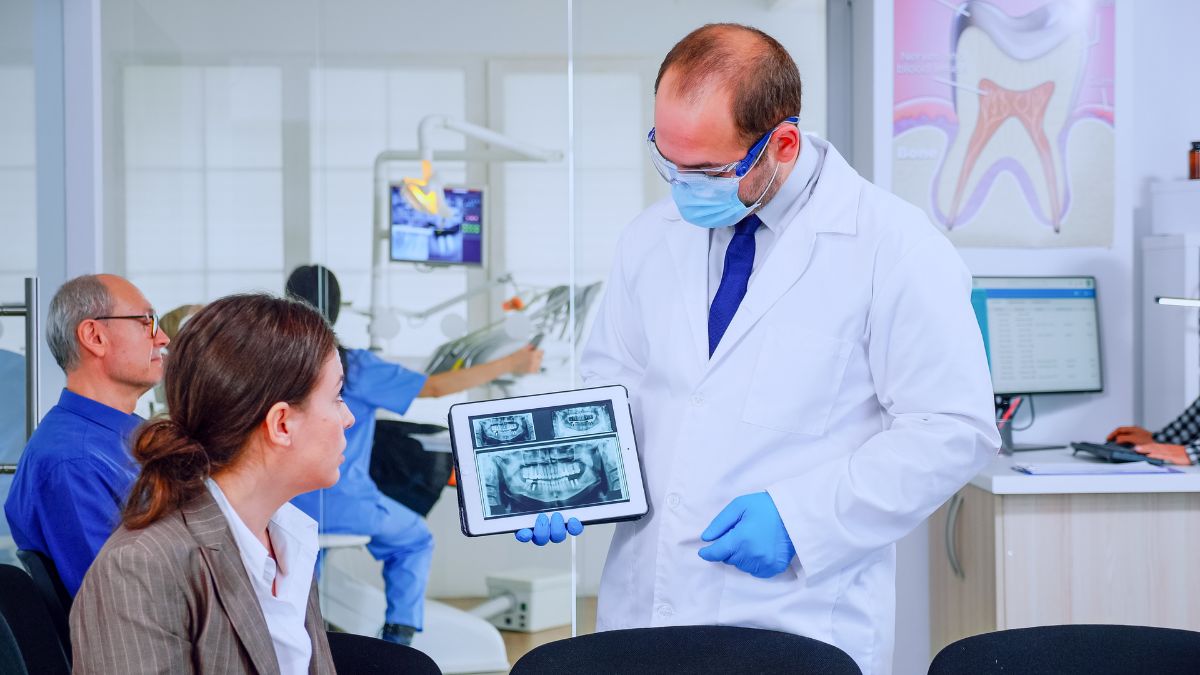
Rockville, MD, has seen a surge in advanced dental care, especially in dental implants. As a hub for state-of-the-art dental practices, the community benefits from ongoing innovations that enhance both the patient experience and clinical outcomes. Tooth replacement is no longer a procedure characterized by uncertainty or discomfort. Thanks to the latest technology and materials available in dental implants Rockville, MD, residents are enjoying solutions that are durable, comfortable, and natural-looking.
In Rockville, the intersection of technology and medicine is making patient care more efficient and successful. As clinicians adopt digital workflows, 3D imaging, and improved biocompatible materials, individuals with missing teeth have more reasons than ever to smile. These regional advancements in dental implantology set a local standard that aligns with global trends, ensuring Rockville’s residents receive care at the forefront of modern dentistry.
Embracing these innovative solutions, practitioners in Rockville focus not only on functionality but also on aesthetics and patients’ overall well-being. Enhanced procedures mean less time in the chair and quicker, smoother recoveries, allowing patients to get back to enjoying community life with renewed confidence. For those considering options for missing teeth, the latest breakthroughs in dental implants throughout the Rockville area offer compelling reasons to explore treatment.
The use of breakthroughs like digital dentistry and regenerative materials does more than improve outcomes; it strengthens trust between dental providers and the Rockville community, fostering a supportive environment for oral health and wellness. Local patients benefit significantly from being at the center of these advancements.
Digital Dentistry and 3D Imaging in Rockville, MD
In Rockville’s progressive dental clinics, digital dentistry has changed the landscape of dental implant procedures. Tools such as 3D imaging and computer-aided design/computer-aided manufacturing (CAD/CAM) are now standard. These systems allow for highly accurate mapping of oral anatomy, which is vital for precise implant placement and the creation of truly customized restorations.
How 3D Imaging Benefits Patients
- Detailed Visualization: 3D scans provide clinicians with clear images of bone density and crucial structures, supporting data-driven treatment strategies.
- Risk Reduction: By offering a roadmap of nerves and sinuses, 3D tools help minimize surgical complications and deliver safer procedures.
- Clear Communications: Enhanced visuals help bridge the gap between technical data and patient understanding, fostering informed consent and peace of mind.
Digital platforms also allow seamless collaboration between specialists. For residents of Rockville and surrounding areas, this means faster turnarounds and fewer appointments, since much of the planning can be accomplished before the patient ever sits in the chair.
Innovations in Implant Materials and Design
Material advancements have provided a crucial edge in the long-term viability and comfort of dental implants in Rockville, MD. The move from traditional titanium to advanced ceramics and newly engineered alloys has improved both biocompatibility and aesthetics.
Emergence Angles and Profiles
Modern dental implants are being tailored not just to fit the bone but also to enhance gum tissue health. Clinical studies have shown that an emergence angle under 30 degrees, paired with a concave emergence profile, significantly supports peri-implant tissue stability. For patients, this means less risk of bone loss and healthier, more attractive results that look and feel like natural teeth.
The Rise of Bioabsorbable Implant Materials
Research into bioabsorbable materials, such as magnesium-based alloys, is already making waves locally. These materials gradually dissolve as the bone heals, which helps avoid potential issues caused by permanent metal components. For Rockville patients, this means fewer follow-up surgeries and shorter recovery times, which are huge advantages in an active community where time and health are both valued.
Regenerative Approaches Transforming Dental Implants in Rockville
Rockville’s dental specialists lead in regenerative methods that help the body regrow bone and tissue for better implant stability. Advances in bone tissue engineering now use biomaterials and growth factors to treat severe bone loss, expanding implant options for more patients. Innovations in sinus lift procedures, aided by better imaging and planning, improve safety and predictability, providing the necessary bone foundation for durable implants. These techniques reduce complications and are tailored to Rockville patients.
Conclusion
With its vibrant mix of innovation and expertise, Rockville, MD, remains at the forefront of dental implantology. The adoption of digital dentistry, cutting-edge materials, and regenerative medicine is providing residents with highly effective, minimally invasive tooth replacement solutions. As the field continues to advance, those in Rockville and surrounding communities can expect a future in which dental implants deliver even greater comfort, longevity, and beauty, helping everyone enjoy lasting oral health and brighter smiles.

Ever had sore joints and muscles after a good bout of exercise? Is physical strain causing your joints to be in pain regularly recently? Feeling the occasional joint ache after a busy day is quite normal, and it also settles down with some rest. However, if the pain keeps recurring more and more every time, don’t be too quick to dismiss it as ageing. If your joint pain is persistent, it could be a sign that the problem with your joint health runs a little deeper.
One of the most common joint concerns is Arthritis, a broad term used to describe conditions affecting the joints. Among the many types of arthritis, osteoarthritis and rheumatoid arthritis are the most common. However, each condition is different, with different arthritis symptoms, treatment, and management. Recognising the early signs of arthritis can help you seek medical advice sooner and take steps to protect your joint health.
Common Arthritis Warning Signs
We all have days when we feel our sore joints and muscles are too much to bear. Those are the days that make you wonder whether your joint ache is a sign of exhaustion, or ageing, or if you’re developing a chronic condition like arthritis. So, how to know if joint pain is arthritis? There’s no certain way to tell, other than getting a proper diagnosis from your family GP clinic in Canberra or any other local doctor nearby. However, you can watch out for some common arthritis warning signs including:
- Persistent joint pain that lasts for more than a couple of weeks
- Recurring joint ache
- Feeling stiffness in the joints, especially after waking up or sitting for long periods
- Swelling, warmth, or tenderness around a joint
- Reduced flexibility or difficulty moving the joint
- Aching knees, hips, hands, or shoulders that affect everyday activities
- Sore joints and muscles that don’t improve with rest
Having these symptoms doesn’t always mean you have arthritis, but if they continue or worsen, you shouldn’t ignore them.
Why Early Assessment Matters
It’s easy to dismiss joint ache as a normal and insignificant issue. However, ignoring these warning signs can make your condition escalate and make treatment and management that much harder. So, when you notice the early signs of arthritis, it’s best to ask your GP or family doctor for help to identify the underlying cause of your symptoms. Depending on the type of arthritis, early diagnosis can help you get better symptom management, maintain mobility, and reduce the impact on your daily life.
A GP can discuss your symptoms, examine the affected joints, and recommend appropriate tests if needed. They can also guide you regarding treatment options, lifestyle changes, or refer you to other specialist doctors if necessary.
Looking After Your Joints
Whether you’re experiencing joint pain, aching knees, or a recurring joint ache, healthy habits can support your joints and overall wellbeing. Here are some simple habits that can keep your joints healthy for a long time:
- Stay physically active with low-impact exercises like swimming, cycling, brisk walking, etc.
- Maintain a healthy weight to avoid putting pressure on your joints.
- Avoid staying in one position (sitting, bending, etc.) for too long.
- Eat a balanced anti-inflammatory diet rich in omega-3s and vitamin C.
- Avoid smoking.
- Avoid straining by using your largest, strongest joints.
- Stay hydrated.
Don’t Ignore Persistent Joint Pain
Many people assume that joint pain is an unavoidable part of ageing, but that’s not always the case. If you’ve noticed arthritis symptoms, recurring sore joints and muscles, or you’re wondering how to know if joint pain is arthritis, it’s worth speaking with a GP. Talk to your local GP or visit GP Northbourne and discuss your symptoms and concerns freely. Early assessment can provide clarity, appropriate care, and practical strategies to help you stay active and independent.
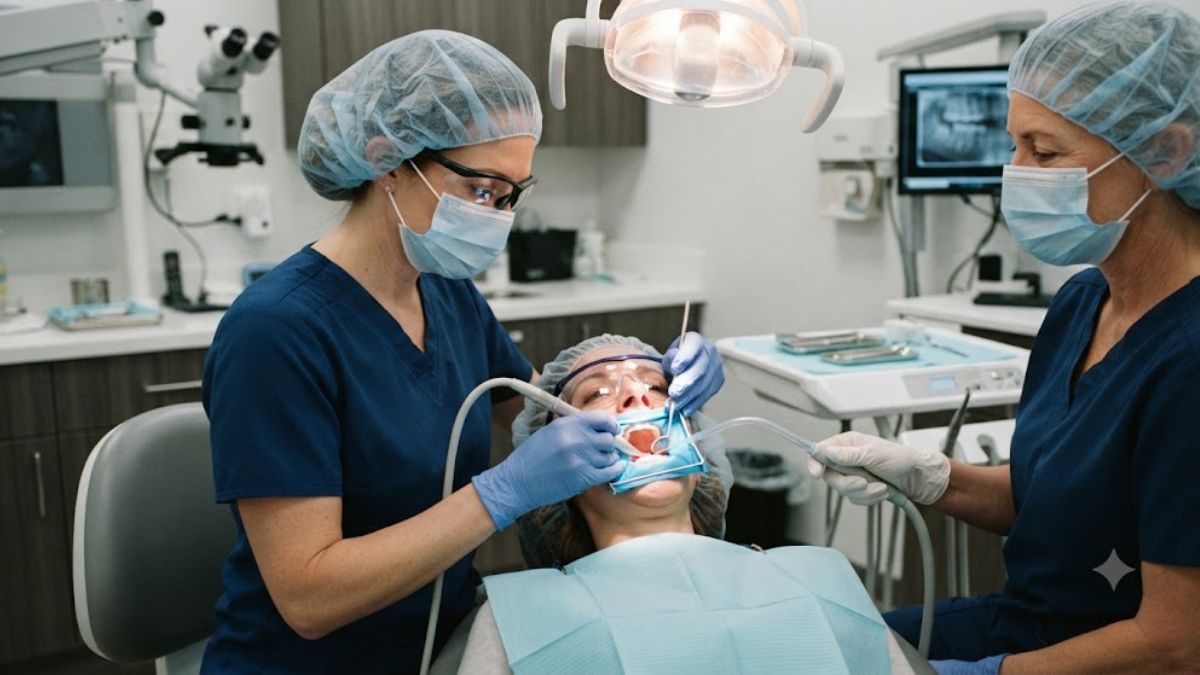
How do you know there’s something wrong with your tooth? Surely, it would be painful or cause discomfort you can feel, right? It is a common assumption many people make. If there’s no pain, everything must be fine. After all, pain is usually the body’s way of telling us that something needs attention. But teeth don’t always work that way. For teeth, pain is not the only indicator that there’s something wrong. Sometimes, you may have internal damage or deep decay in the tooth or an infection that doesn’t cause obvious discomfort. So, you might have a decaying tooth without noticing any obvious symptoms until the damage has progressed significantly. By that time, the problem is so far gone that you need treatment. Understanding how this happens can help explain why a dentist may sometimes recommend root canal treatment even when a tooth is not painful.
Why Some Tooth Problems Don’t Always Cause Pain
So we established that not all tooth problems cause pain. But that brings us to our second question: why? To understand why a tooth can have problems without hurting, we should first understand how teeth work and what happens inside the tooth. Now, we know the hard outer layers of the tooth are called enamel and dentin. But beneath these outer layers is the soft inner tissue called the dental pulp. This tissue contains nerves, blood vessels, and connective tissue. When it becomes irritated or infected because of decay, cracks, or any injury, it can trigger pain and sensitivity. However, how much pain you feel depends on several factors, like the depth of the decay, its severity, and how the nerve inside the tooth will respond to it.
Sometimes, dental issues don’t become noticeable quickly. When tooth decay first develops, it may not cause noticeable symptoms. As it progresses deeper into the tooth, the damage can eventually affect the pulp and lead to infection. In other cases, the infection happens deep within the tooth where changes are not immediately obvious. So, even if there’s no pain, it does not always mean a tooth is completely healthy.
When Tooth Pain Suddenly Disappears
Have you ever had tooth pain that stops suddenly, making you think that your tooth’s fine now? If a painful tooth stops hurting, it’s natural to assume the problem must have resolved on its own. You might think it was just a minor issue that settled itself. But when it comes to toothache, sudden disappearances do not always mean the underlying issue has gone away. Sometimes, severe damage can affect the nerve inside the tooth. When this happens, the nerve may stop functioning properly and no longer send strong pain signals. So, you might feel better, but the bacteria and infection in the tooth can continue progressing, affecting the surrounding area, which may eventually require root canal treatment to save the tooth. This is one reason why ongoing or recurring tooth problems should not be ignored, even if symptoms seem to improve temporarily.
How Deep Tooth Problems Develop Silently
Dental problems often develop gradually rather than overnight. A small cavity may begin on the surface of the tooth and slowly move deeper. Over time, decay can pass through the protective outer layers and reach the pulp. Cracks, old dental injuries, and large ageing fillings can also allow bacteria to enter deeper areas of the tooth.
The challenging part is that these changes can happen beneath the surface. A tooth may appear normal from the outside while damage is developing inside. This is why some people are surprised when they discover a tooth needs more than a simple filling, even though they were not experiencing severe pain. This is one reason regular dental check-ups are so important. These checkups give your dentists the time to detect problems that are not yet causing noticeable symptoms.
Signs a Tooth May Need Attention Even Without Pain
Although some tooth problems are silent, there are often subtle signs that something may not be right. You may not feel pain or even much discomfort, but if there’s something wrong with your tooth, you’ll notice some signs like a tooth becoming darker than surrounding teeth, swelling or tenderness around the gums, or a small bump on the gum. If you feel an unpleasant taste or have persistent bad breath, it can also mean something is wrong with the teeth. Sometimes, you may feel sensitivity in the tooth, discomfort when biting, a visible crack, or a deep cavity, signalling underlying dental issues. These symptoms do not automatically mean root canal treatment is required. However, they may suggest that the tooth needs to be checked to understand what is happening beneath the surface.
Listen to Your Teeth, Even When They’re Quiet
Pain may be a sign, but it is not the only indication of dental problems. A tooth can sometimes have deeper issues even when it feels completely fine. Addressing these signs early can often help prevent the problem from progressing and may reduce the need for more extensive treatment, like a root canal, later. Understanding the quieter signs of dental problems can help you make informed decisions about your oral health.
When it comes to your teeth, what you cannot feel can sometimes be just as important as what you can. So, if you notice any sign of an underlying dental issue, like swelling, tenderness, teeth getting darker, persistent bad breath, etc., don’t delay getting a checkup. A regular checkup at your family dental clinic or a local clinic like Dentist at Dickson in Canberra can help you identify dental issues early on and get the right treatment to ensure your smile stays bright and healthy.
-

 NEWS1 year ago
Historical Churches in Manila
-

 TOPIC1 year ago
Symbols of Hope: The 15th Belenismo sa Tarlac
-

 TOPIC1 year ago
RIZAL at 160: a Filipino Feat in Britain
-

 TOPIC1 year ago
“The Journey Beyond Fashion” – Ditta Sandico
-

 TOPIC2 weeks ago
Unveiling AvTub: Your Ultimate Guide to the Best AV Content
-

 TOPIC1 year ago
5 Must-Have Products From Adarna House to Nurture Your Roots
-

 TOPIC1 year ago
Filipino, alternative language course at Moscow State University
-

 TOPIC1 year ago
“Recuerdos de Filipinas – Felix Laureano”