
TOPIC
Benefits of Regular Tree Maintenance

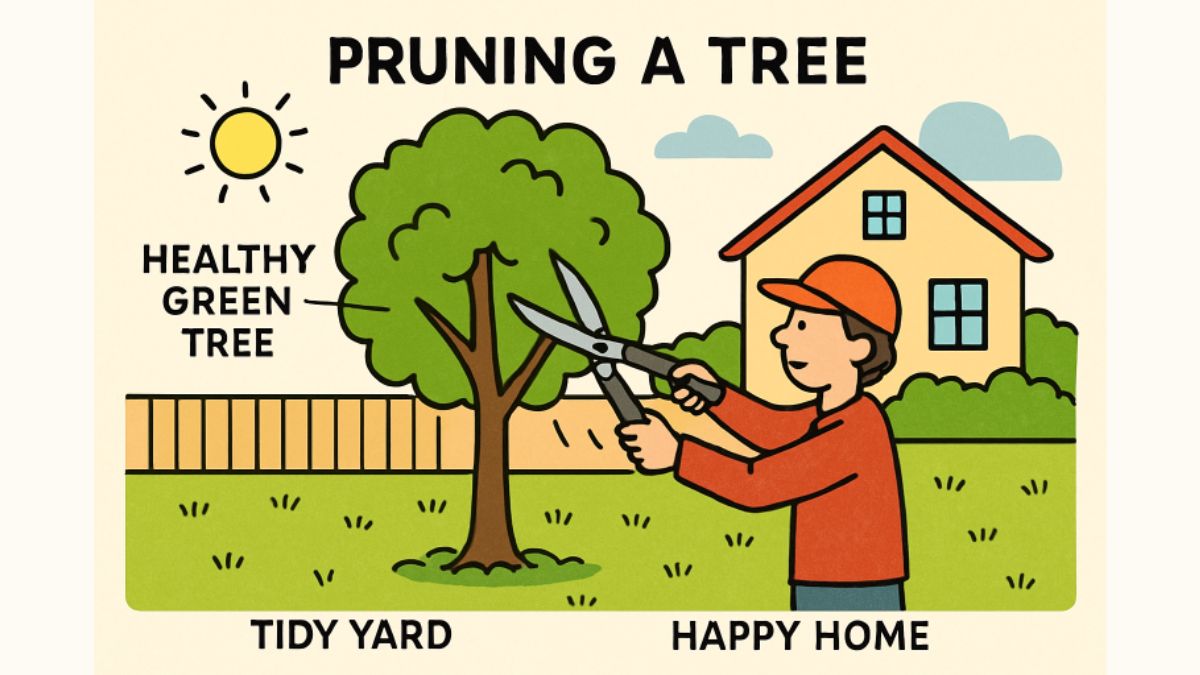
Caring for trees goes beyond simple curb appeal. Regular tree maintenance ensures the long-term vitality of your landscape, allowing homeowners and property managers to enjoy healthy, safe, and beautiful surroundings. Simple actions such as trimming, pruning, and health assessments prevent future problems that could jeopardize both tree health and public safety. For those seeking expert assistance, Fielding Tree Care offers professional tree management tailored to your needs. Preventive care can often mean the difference between costly removal and decades of healthy growth.
Attention to tree health contributes to the overall health of your yard’s ecosystem. By keeping your trees vigorous and resilient, you help foster wildlife habitats, improve air quality, and sustain the value of your home or business says Spectrum PM. Neglecting regular maintenance, on the other hand, exposes you to avoidable risks that can range from pest infestation to property loss during storms.
Schedule routine inspections and monitor the condition of trunks, roots, and canopies. Well-maintained trees provide shade, reduce heating and cooling costs, and contribute to community well-being. A uniform approach to maintenance demonstrates not just pride of ownership but a commitment to the environment and safety.
Promotes Tree Health
The foundation of any landscaping plan should prioritize the health of trees. By investing in regular pruning, dead or weak branches are removed, allowing thriving limbs to receive more light and air. This not only boosts photosynthesis but also strengthens trees against storms and disease. Prompt removal of damaged limbs also limits the spread of infection and promotes the growth of healthy tissue.
Structural Integrity and Longevity
Over time, trees that are properly trimmed and pruned develop balanced canopies and robust root systems. The result is a landscape with fewer hazards and greater shade, which enhances outdoor living environments and reduces overall energy use by keeping outdoor spaces cooler in summer and more protected in winter.
Enhances Property Value and Curb Appeal
A visually stunning landscape gets noticed immediately. As trees are trimmed and maintained, they naturally enhance sightlines and accentuate architectural features on the property. Trees that are safe, healthy, and beautifully shaped attract buyers, increase appraisal values, and create a unique sense of place. Mature trees are frequently cited by real estate professionals as high-value assets for any residential or commercial setting.
Prevents Potential Hazards
Unchecked growth leaves both people and property vulnerable. Dead or unstable branches pose an emergency risk during storms and high winds. Regular assessments and maintenance eliminate these dangers, making yards safer for families, guests, and anyone passing by. Pruning also addresses branches that may threaten power lines, public spaces, roads, or cause visibility issues for drivers.
Contributes to Environmental Benefits
Trees perform an essential function in our environment by filtering out pollutants, trapping dust, and producing oxygen. Regular tree care supports this by ensuring crowns are open for optimal airflow and exposure. Healthy trees reduce the urban heat island effect by providing shade, lowering local temperatures, and easing air conditioning demand. Additionally, flourishing trees provide habitat for birds, pollinators, and other wildlife, strengthening urban biodiversity.
Encourages Healthy Growth
Careful pruning is essential in shaping young trees. Formative cuts early in a tree’s life prevent poor structure, weak wood, or lopsided growth patterns as the tree matures. Regular maintenance ensures each tree has room to grow and thrive without stress caused by overcrowding or competition for sunlight. This proactive management fosters resilient, wind-resistant trees for future generations.
Prevents Pest and Disease Infestation
Diseased, dying, or dead branches are prime harbors for pests and fungi, which can devastate an entire landscape if left unaddressed. Regular tree health checks and removal of trouble spots catch infestations early and minimize the need for chemical treatments or drastic interventions later. This careful attention is especially important in urban and suburban environments, where infestations can spread quickly between closely spaced trees.
Improves Sunlight Exposure and Air Circulation
Overgrown trees can create dense canopies that impede airflow, restrict healthy trunk development, and cast too much shade on lawns and garden beds. Thoughtful pruning promotes better sunlight distribution throughout your landscape, encouraging the growth of turf grass and other understory plants. Improved circulation also lessens the risk of mold, mildew, and bacterial diseases, keeping both trees and gardens thriving.
Reduces Long-Term Costs
Preventive maintenance helps to avoid major repairs and emergency removals. By handling small issues proactively, such as trimming weak branches or catching disease early, property owners can avoid expensive, reactive solutions in the future. Routine professional evaluations cost far less than emergency responses to fallen trees or major disease outbreaks.
Final Thoughts
In summary, regular tree maintenance offers many long-term rewards. From healthier, safer landscapes and decreased costs, to improved property values and stronger local ecosystems, the value of ongoing tree care is clear. Whether you choose to perform routine tasks yourself or rely on professional services, maintaining your trees is an investment that yields ongoing returns for years to come.


A routine walk can change in seconds. A dog spots another animal, hears something across the street, or suddenly decides to move in another direction. When that happens, the leash and collar take the full force of the movement. If either piece of equipment is poorly made, a moment of excitement can quickly become a safety problem for both the dog and the person holding the leash.
The risk is not limited to damaged equipment. A broken clip can allow a dog to run into traffic, while a rough collar or poorly fitted leash can cause discomfort, chafing, or painful pressure. These concerns are especially important when walking strong, energetic, or easily startled dogs.
Dog-walking injuries are also a real concern. Research shared by Harvard Health found that emergency department visits related to dog walking increased substantially between 2001 and 2020, showing that the activity carries risks that are easy to underestimate.
Good equipment cannot prevent every accident, but it can reduce some avoidable risks. Paying attention to materials, hardware, fit, and overall construction gives owners a better chance of maintaining control without making everyday walks uncomfortable.
What Makes Low-Quality Dog Gear a Safety Concern
Walk into almost any large pet store and you will find rows of inexpensive collars and leashes in every color and size. Price and appearance can make these products appealing, but neither tells you much about how they will perform under repeated use.
Low-cost equipment may rely on thin webbing, lightweight hardware, or basic buckles that are not designed for frequent exposure to pulling, moisture, dirt, and sudden changes in tension. That does not mean every inexpensive product will fail, but it does mean construction quality deserves closer attention.
A worn leash may begin to fray long before it breaks. A buckle can become difficult to close securely. A clip can develop corrosion or lose its spring tension. These problems may be easy to overlook during normal use, yet they become much more important when a dog suddenly pulls with full force.
Replacing gear after visible wear is important, but prevention is better. Owners should inspect the stitching, attachment points, buckles, and clips regularly rather than waiting for a failure.
Why Hardware Quality Matters
Most equipment failures happen at connection points. A leash may be made from strong material, but that strength does not help much if the clip, ring, buckle, or attachment point is the weak link.
Sudden pulling creates much more force than ordinary walking. A dog lunging toward a squirrel or another dog can put immediate stress on every part of the setup.
That is one reason dog-walking injuries often involve falls, strains, and other injuries caused by losing balance when a dog pulls unexpectedly. Research highlighted by PBS NewsHour has also drawn attention to the significant rise in dog-walking injuries over the past several years.
Owners should look for hardware that feels solid and operates smoothly. Metal components should not have sharp edges, loose parts, or visible signs of corrosion. On the leash itself, pay attention to the stitching around the clip and handle because these areas receive considerable stress.
The Problem With Friction and Poor Materials
Safety is not only about whether a leash breaks. The material can also affect comfort during ordinary walks.
Stiff webbing can rub repeatedly against a dog’s neck or chest, particularly when the dog pulls or the leash changes position. Over time, repeated friction may contribute to coat breakage, tangling, or skin irritation.
The same problem can affect the handler. A leash that slides abruptly through the hand can create painful friction, especially during a sudden lunge. A material that provides a secure grip gives the person walking the dog more control without requiring them to squeeze the leash excessively.
Material selection can therefore make a noticeable difference. Smoothly finished surfaces and flexible construction tend to move more comfortably with the dog instead of resisting every change in direction.
That does not mean one material is automatically right for every dog. Coat type, size, activity level, and walking habits all matter. A dog that spends most of its time on short neighborhood walks may have very different needs from one that regularly hikes, trains, or works outdoors.
Material Choice: Leather and Synthetic Webbing
Synthetic webbing has become common because it is inexpensive, lightweight, and easy to manufacture. It can also perform well when properly constructed. The issue is that quality varies considerably between products.
Thin or poorly finished webbing can fray with repeated use, while rough edges may create more friction against the dog’s coat. Exposure to moisture, dirt, and sunlight can also affect the material over time.
Leather offers a different set of characteristics. A well-made leather leash or collar can feel flexible and comfortable while providing substantial strength. With regular care, leather can also develop a softer feel as it ages.
For owners comparing handmade dog leashes and collars, the details of construction matter just as much as the material itself. Look at how the leash is joined to the hardware, how the collar edges are finished, and whether the overall design suits the dog’s size and activity level.
| Feature | Lower-Quality Synthetic Gear | Well-Made Leather Gear |
| Durability | Can vary significantly by webbing and hardware | Typically built for repeated, long-term use |
| Comfort | May feel stiff or abrasive | Can become softer and more flexible with use |
| Hardware | Quality varies widely | Often paired with durable metal fittings |
| Maintenance | Usually easy to clean | Requires appropriate leather care |
| Long-Term Use | May need more frequent replacement | Can provide long service with proper care |
The table is only a starting point. Construction, fit, and maintenance can affect performance just as much as the material listed on the product label.
Why Fit Matters as Much as Strength
Even strong equipment can become a problem when it does not fit correctly.
A collar that is too loose may allow a determined dog to back out of it. One that is too tight can create unnecessary pressure and discomfort. The right fit should keep the collar secure without constantly pressing into the neck.
Fit is especially important for dogs with unusual neck shapes, thick coats, or narrow heads. Owners should check the fit regularly because weight changes, coat growth, and age can all affect how equipment sits.
Leash length matters too. A very short leash can limit natural movement and encourage constant tension, while an excessively long line may make it harder to respond quickly when a dog changes direction.
The goal is not maximum restraint. It is controlled movement that allows the dog to walk comfortably while giving the handler enough control to respond when needed.
Choosing Gear for Strong Pullers
Strong pullers need equipment that can handle sudden changes in tension without creating unnecessary pressure.
A secure connection between the collar and leash is essential. Some owners may also prefer designs that offer more adjustability, especially for dogs that tend to pull, back away, or slip out of standard collars.
Limited-slip and martingale-style collars can be useful in situations where escape is a concern because they can tighten within a controlled range when tension is applied. However, they still need to be fitted correctly and used responsibly.
The leash itself should also match the dog’s size and strength. A lightweight line designed for a small dog may not be appropriate for a powerful breed. At the same time, oversized hardware can add unnecessary weight for a smaller dog.
Reflective materials can also improve visibility during evening walks, while textured or comfortable handles can give the handler a more reliable grip in wet conditions.
Inspect, Maintain, and Replace
Even well-made equipment does not last forever. Regular inspection is one of the simplest ways to reduce the chance of sudden failure.
Check the leash for fraying, stretched sections, damaged stitching, or changes in texture. Inspect metal hardware for cracks, rust, or loose connections. On collars, look closely at the buckle and the points where the leash attachment is secured.
Cleaning also matters. Dirt and moisture can work their way into materials and hardware, gradually reducing their performance. Follow the manufacturer’s care instructions and allow wet equipment to dry properly before storing it.
Most importantly, replace equipment when there are clear signs that its condition is deteriorating. Continuing to use a damaged leash because it has “one more walk left” is an unnecessary risk.
Moving Forward With Confidence
The safest dog gear is not necessarily the most expensive. What matters is whether the equipment is built well, fits properly, and matches the dog’s size, strength, and walking habits.
Cheap products can become problematic when weak hardware, rough materials, or poor fit create risks that are avoidable with better construction. On the other hand, even premium equipment will not work properly if it is incorrectly fitted or poorly maintained.
A thoughtful approach starts with the basics. Check the connection points. Pay attention to how the material feels against the skin and coat. Choose a size appropriate for the dog, and inspect the gear regularly for signs of wear.
A leash and collar are simple tools, but they play an important role in everyday safety. Choosing them carefully can help prevent equipment-related problems while making walks more comfortable for everyone involved.

The way we love, communicate, trust, and manage conflict in adulthood rarely begins in our adult years. Our early interactions with primary caregivers create an invisible emotional blueprint that dictates how we navigate romantic intimacy decades later.
Understanding these developmental roots helps explain why we repeatedly choose certain partners, react strongly to minor disagreements, or struggle to express basic needs in relationships.
The Foundation of Attachment Theory in Adult Love
Quick Answer: Attachment theory demonstrates that the reliability and warmth of childhood caregivers directly shape how secure, anxious, or avoidant an adult feels in romantic relationships.
During infancy and early childhood, our brains constantly assess whether our emotional and physical needs are safe with others. When caregivers respond consistently with empathy and attunement, children develop a secure attachment style. As adults, securely attached individuals view intimacy as safe, communicate boundaries comfortably, and trust their partners easily.
Conversely, inconsistent or emotionally distant caregiving fosters insecure attachment styles. These early experiences directly dictate the attachment style impact on intimacy later in life:
- Anxious-Preoccupied: Formed when caregiving is unpredictable. Adults with this style often fear abandonment, require constant reassurance, and hyper-fixate on minor shifts in their partner’s mood.
- Dismissive-Avoidant: Formed when caregivers are emotionally unavailable or overly strict. Adults suppress their emotional needs, value extreme independence, and pull away when intimacy deepens.
- Fearful-Avoidant (Disorganized): Formed in environments marked by trauma, chaos, or abuse. Adults crave closeness but simultaneously fear the vulnerability required to sustain it.
How Unspoken Family Rules Dictate Adult Conflict
Quick Answer: Children internalize their family’s conflict resolution style—whether explosive, passive-aggressive, or completely avoidant—and unconsciously replicate those patterns in adulthood.
Long before we enter our first romantic relationship, we observe how authority figures handle stress and disagreements. These childhood observations become our subconscious definition of “normal” conflict behavior.
If a child grows up in a home where arguments feature screaming, door-slamming, or silent treatments, they may view intense conflict as the default language of love. Alternatively, growing up in a home where disagreements are swept under the rug leads adults to view any disagreement as a catastrophic threat to the relationship. Re-learning how to navigate disagreements requires unlearning these childhood survival strategies.
The Hidden Impact of Childhood Emotional Neglect
Quick Answer: Childhood emotional neglect occurs when caregivers fail to validate a child’s emotional experiences, leading to adult struggles with emotional regulation and self-worth.
Unlike physical abuse or obvious trauma, emotional neglect is an invisible experience of what didn’t happen. When a child’s sadness, fear, or excitement is met with indifference, minimization, or punishment, the child learns a dangerous lesson: “My feelings do not matter, and expressing them makes me a burden.”
In adult relationships, this manifests as extreme hyper-independence, chronic people-pleasing, or an inability to identify one’s own emotional state. Committing to childhood emotional neglect recovery involves learning how to acknowledge your own feelings, set healthy boundaries, and allow romantic partners to support you during vulnerable moments.
Core Beliefs and Projection in Romantic Partners
Quick Answer: Unresolved childhood wounds create rigid core beliefs that cause adults to project past fears onto their current partners’ neutral behaviors.
Our brains naturally seek patterns. When early life teaches us that people eventually leave, break promises, or become overly controlling, we develop core beliefs about the world. As adults, we frequently project these childhood fears onto our partners.
A partner taking two hours to reply to a text message might be interpreted by a securely attached person as simply being busy at work. To someone carrying an abandonment wound, however, that same delay feels like an impending breakup.
Myth vs. Fact: Unpacking Early Relationship Traumas
- Myth: Your childhood experiences permanently determine how your adult relationships will function.
- Fact: The human brain retains neuroplasticity throughout life. With conscious self-awareness and active effort, adults can develop “earned security.”
- Myth: Identifying childhood wounds means blaming your parents for everything wrong in your life.
- Fact: Exploring childhood origins is about gaining self-understanding and taking personal accountability for your current choices, not assigning endless blame.
Rewiring Your Blueprint: Healing Relationship Conflict Patterns
Quick Answer: Breaking destructive relational cycles requires recognizing personal triggers, practicing emotional self-regulation, and learning transparent communication.
Recognizing that your relationship challenges stem from early life is the first step toward genuine freedom. Healing relationship conflict patterns demands shifting from reactive survival behaviors to intentional, conscious responses.
- Identify Your Triggers: Pay close attention when your emotional reaction seems disproportionate to the current situation. Ask yourself: “How old do I feel right now?”
- Practice Pause and Self-Soothe: When an old defense mechanism kicks in, pause before reacting. Take deep breaths to regulate your nervous system.
- Communicate Your Underlying Need: Instead of attacking or shutting down, express the core feeling to your partner using “I” statements.
Unpacking deeply rooted childhood patterns alone can feel overwhelming, especially when two partners bring conflicting attachment styles to the table. Working with a qualified therapist for marriage counseling in Draper provides a structured, compassionate space to identify shared triggers, build emotional safety, and replace defensive habits with secure connection.
Frequently Asked Questions
Can an avoidant partner become securely attached?
Yes. An avoidant partner can transition toward a secure attachment style by recognizing their coping mechanisms, learning to tolerate emotional closeness, and practicing expressing vulnerabilities in low-stakes environments.
How do I talk to my partner about my childhood triggers?
Choose a calm moment outside of an active argument. Share your triggers by focusing on your internal experience—for example: “When voices are raised during an argument, my nervous system panics because of how arguments felt growing up. It helps me if we keep our tone soft.”
Building Conscious Love Today
Our childhood experiences shape the initial lens through which we view romantic love, but they do not have to dictate our destination. Recognizing how early attachment styles, family conflict models, and emotional neglect influence your adult behavior allows you to pause before reacting automatically. By developing self-awareness, practicing emotional regulation, and seeking professional support when needed, you can rewrite your relational story and build a secure, deeply fulfilling partnership grounded in choice rather than old survival habits.

Your brain on isolation is not the same brain that makes good decisions. After months of watching people try to change their lives, the pattern is unmistakable: the ones who succeed don’t just have iron willpower, they have people who text them back at 11 p.m. Research backs this up, and the numbers are wild. One major review found that people with strong social relationships are 50 percent more likely to survive any given time period compared to those with weak ties. That’s a bigger effect than quitting smoking. But here’s what most people get wrong: it’s not about having fifty friends. It’s about having the right kind of connections, and understanding what those connections actually do to your biology.
This piece walks you through the science of how friendships physically reshape your brain and behavior, why the quality of your circle matters more than its size, and exactly how to build a support network that works, even if you’re starting from zero.
What Loneliness Does to Your Body and Brain
Loneliness isn’t just a sad feeling. It’s a physiological state with real consequences. When you’re socially isolated, your body produces higher levels of cortisol, the stress hormone. Over time, that elevation wears down your immune system, disrupts your sleep, and even accelerates cognitive decline.
The Centers for Disease Control and Prevention (CDC, 2024) reported that social isolation significantly raises a person’s risk of premature death from all causes, a risk that rivals those of smoking, obesity, and physical inactivity. Think about that. The people you talk to regularly are as important to your lifespan as whether you exercise.
And here’s the part that hits closer to home for anyone trying to change a habit. A lonely brain operates in a state of heightened threat perception. You’re more alert to danger, more reactive to stress, and more likely to reach for the quickest relief available. For someone working through addiction recovery specifically, isolation is the soil in which relapse grows. I’d argue that rebuilding your social fabric is not a nice-to-have extra. It’s a core medical intervention.
One more thing worth knowing: loneliness is not the same as being alone. You can feel deeply isolated in a crowded room. The research separates objective isolation (you have few contacts) from perceived isolation (you feel disconnected even when people are around). Both matter, but perceived isolation is often the more dangerous one because it goes unnoticed.
How Supportive Circles Change Your Brain Chemistry
When you spend time with people who genuinely care about you, your brain releases oxytocin. You’ve probably heard it called the bonding hormone. That’s an oversimplification, but the underlying effect is real. Oxytocin dampens your stress response and activates your parasympathetic nervous system, the part that helps you rest and digest.
A 2023 study published in the Proceedings of the National Academy of Sciences found that individuals who regularly engaged in meaningful social interactions showed improved activity in the prefrontal cortex, the area responsible for impulse control and decision-making. In plain English? Good friends literally help your brain pump the brakes before you make a decision you’d regret.
Your social environment also shapes your behavior through a simpler, more mechanical route: mirroring. Humans are social animals. You unconsciously pick up the habits, attitudes, and even the stress levels of the people you spend the most time with. It’s why researchers talk about “social contagion.” If your close circle smokes every weekend, you’ll find it near impossible to quit. If your circle goes to the gym on Saturday mornings, you’ll eventually find yourself lacing up your sneakers.
And here’s a detail most people overlook. The frequency of contact matters less than the emotional quality. A friend you see once a month who listens without judgment beats a friend you see daily who keeps offering unsolicited advice. Your brain tracks safety, not frequency.
Applying Connection Science to Recovery Goals
Now let’s get practical. If you’re trying to change a long standing behavior, whether that’s staying sober, losing weight, or cutting out a destructive habit, your social circle is your secret weapon. Here’s why it beats willpower every single time. Willpower is a finite resource that depletes as the day wears on. Social support, by contrast, is renewable. It’s always there when you need it.
That’s why treatment programs that incorporate family therapy or group sessions tend to show better outcomes than those that treat the individual in isolation. You’re not just changing one person’s habits. You’re changing the environment that person lives in, which is a much stickier change.
If you’re looking for professional support structures that understand this science, you can explore resources like greaterbostonaddictioncenters.com to see how modern care teams integrate social and familial elements into their approach. Building a support network doesn’t happen overnight, but knowing what you’re aiming for makes the next step clearer. You’re aiming for a handful of people who make you feel safe, seen, and accountable. That’s it.
Your 5 Point Connection Audit: A Simple Framework
I developed this little audit after talking with dozens of people who felt stuck despite “having friends.” It takes ten minutes. Grab a sheet of paper and answer honestly.
- Point one: The 10 p.m. test. Who could you call at 10 p.m. on a Wednesday, just to talk, without feeling like a burden? Write down their names. If you have fewer than two, that’s your first gap to fill.
- Point two: The no-advice check. Who in your life listens without immediately telling you what to do? If your entire circle is made up of fixers, you’re missing the emotional support layer.
- Point three: The accountability partner. Who checks in on your goals without you asking first? This person is different from the listener. This is someone who asks, “How did that appointment go?” a week later.
- Point four: The fun quotient. Who do you spend time with where the conversation never touches your problems? Laughter releases endorphins, and you need that relief valve.
- Point five: The environment scan. List your top five friends. Are they moving toward the life you want or away from it? Be brutally honest. This is the mirror effect working for or against you.
This framework works because it breaks the vague concept of “social support” into specific, actionable roles. Most people discover they’re heavy on one type of connection and starving for others. A friend who makes you laugh is wonderful. But he won’t hold you accountable when you’re about to text your ex. You need a balanced portfolio.
A Real Scenario: Tom’s Tuesday Night Group
Tom was nine months into recovery when he hit a wall. His old drinking buddies had drifted away, his family was supportive but geographically distant, and he felt a creeping sense of isolation that scared him. He was technically sober. He just felt empty. One counselor suggested he find a group that had nothing to do with recovery itself. So Tom joined an online gaming group that met every Tuesday night at 8 p.m.
At first, it felt silly. He was a 41 year old man playing strategy games with strangers. But the group had inside jokes. They celebrated each other’s small victories. One member noticed when Tom was quiet for three weeks straight and reached out privately just to ask if he was okay. That moment, a grown man checking on another grown man over a video game, broke something loose in Tom. He had found his fun quotient and his accountability partner in the same place.
That’s the texture of real social connection. It rarely looks like a therapy circle. It looks like a Tuesday night habit where people know your name and notice when you’re missing.
Practical Steps to Expand Your Social Muscle
Building connections when you’re out of practice feels like going to the gym after a year off. It hurts. It’s awkward. You want to quit after day one. Don’t. Start embarrassingly small.
First, pick one existing relationship and deepen it. Send a text that goes beyond surface level. Ask a real question, then follow up on the answer three days later. Consistency compounds.
Second, add one new low stakes social touchpoint per week. A recurring class, a volunteer shift, a book club. The Substance Abuse and Mental Health Services Administration (SAMHSA, 2024) notes that recovery is a process of change through which individuals improve their health and wellness, live self-directed lives, and strive to reach their full potential. Notice that definition includes “live” and “strive.” It’s about building a life, not just removing a substance. That life needs people in it.
Third, schedule it. If it’s not on the calendar, it won’t happen. Your brain will always choose the familiar path of isolation because it’s easier. You have to override that default with deliberate action.
Fourth, lower the bar for what counts as a win. A five minute phone call where you actually listened counts. A coffee date that ran twenty minutes long counts. Progress, not perfection.
You won’t build this overnight. Nobody does. But every small interaction is a deposit into an account that pays dividends in stress regulation, impulse control, and plain old happiness.
The Bottom Line on Friendships and Recovery
Willpower gets you through the first week. Friendships get you through the rest of your life. The science is clear: your brain literally functions better when you’re connected to people who care. Your stress hormones drop, your impulse control improves, and you gain a mirror that reflects the person you’re trying to become. So ask yourself the hard question. If your current circle is the environment you’re trying to change, what’s your very next step to build a better one?
-

 NEWS1 year ago
Historical Churches in Manila
-

 TOPIC2 months ago
Unveiling AvTub: Your Ultimate Guide to the Best AV Content
-

 TOPIC1 year ago
Symbols of Hope: The 15th Belenismo sa Tarlac
-

 TOPIC1 year ago
RIZAL at 160: a Filipino Feat in Britain
-

 TOPIC1 year ago
“The Journey Beyond Fashion” – Ditta Sandico
-

 TOPIC4 weeks ago
Understanding Fascisterne: Origins and Ideological Roots
-

 TOPIC1 year ago
Simbang Gabi and Kakanin
-

 TOPIC1 year ago
5 Must-Have Products From Adarna House to Nurture Your Roots