
BUSINESS
What Are Managed Print Services and How Do They Work?

Introduction to Managed Print Services
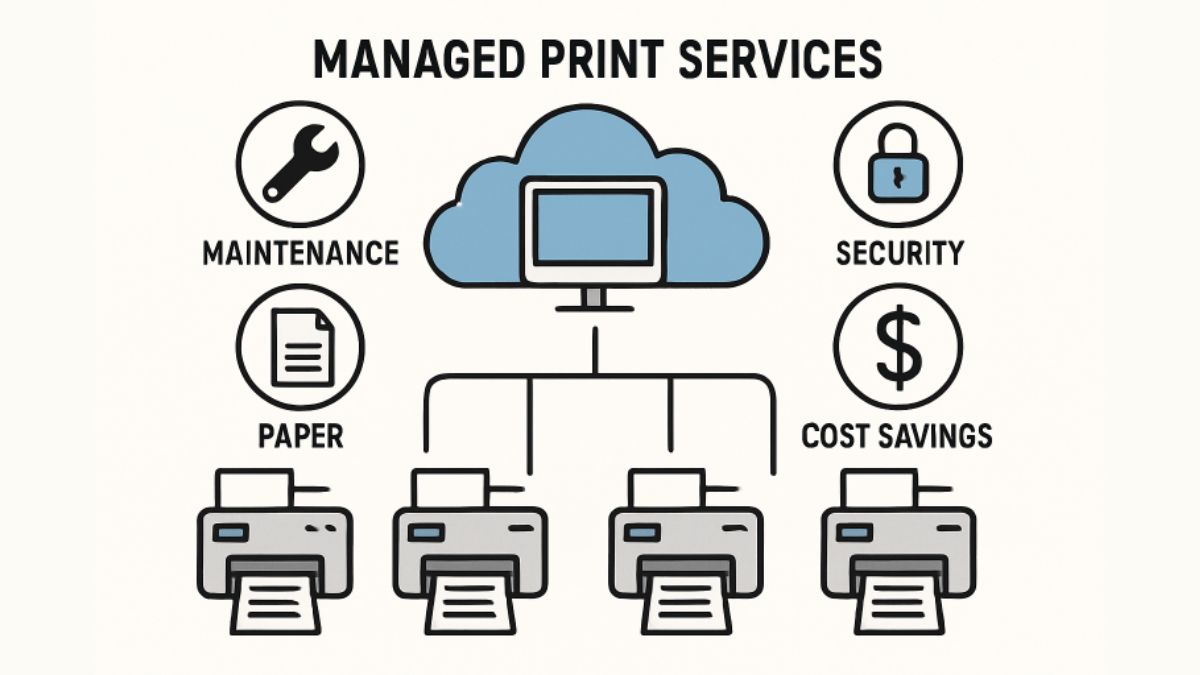
Managed Print Services (MPS) have become an essential solution for businesses looking to streamline their printing operations, cut unnecessary costs, and enhance information security. By leveraging the expertise of a dedicated provider, organizations can delegate the responsibility for their entire print environment, from routine maintenance to intricate security measures. Companies like Everworx offer tailored MPS solutions for various industries, ensuring devices run smoothly and workflows remain efficient.
Today’s workplaces demand seamless document processing, quick response times to technical issues, and vigilant security protocols. MPS providers can address all these requirements by proactively managing print devices, optimizing consumable inventory, and recommending improvements based on real-time data. This collaborative approach not only delivers immediate operational benefits but also long-term strategic advantages that foster growth and adaptation in an evolving business landscape.
Key Components of Managed Print Services
Implementing an MPS framework involves a series of well-structured steps, each designed to address specific challenges in document management and output. Here are the essential components that form the backbone of any effective MPS deployment:
- Assessment: This foundational phase involves a thorough evaluation of the existing print environment, identifying inefficiencies, redundancies, and opportunities for consolidation or improvement.
- Optimization: After a thorough assessment, MPS providers work with organizations to streamline printer fleets, improve print workflows, and implement cost-reduction strategies without sacrificing quality or security.
- Proactive Maintenance: Ongoing monitoring and routine maintenance help reduce device downtime, extend hardware lifespan, and minimize disruptions for end users.
- Supply Management: Automated supply replenishment systems eliminate the risk of running out of critical consumables like toner or paper while slashing administrative efforts.
- Security Enhancements: With stricter data protection regulations in place, modern MPS solutions offer advanced security features such as user authentication and encrypted document workflows to safeguard sensitive information.
During the optimization phase, some providers introduce technology that tracks print usage, detects patterns, and provides actionable insights. According to CIO.com, leveraging such technology can reveal surprising sources of wastage, including underutilized devices and inefficient paper workflows, that often go unnoticed in informal print environments.
Benefits of Adopting Managed Print Services
By adopting Managed Print Services, organizations across various sectors can derive measurable benefits that touch on financial, operational, and environmental priorities:
- Cost Reduction: MPS-driven insights target and eliminate wasteful practices, enabling businesses to reduce their print budgets significantly. Industry reports have found that some adopters achieve up to a 50% reduction in printing expenditures.
- Enhanced Productivity: With technical issues preemptively managed, employees are freed from troubleshooting printer problems or dealing with supply shortages. This lets staff focus on value-generating activities instead.
- Improved Security: Secure print solutions, including PIN release and secure print queues, significantly reduce the risk of sensitive documents falling into the wrong hands or being inadvertently left on devices.
- Environmental Sustainability: Optimized print infrastructures result in less paper and toner waste and lower energy consumption. MPS providers often guide organizations toward environmentally responsible practices, aligning with broader corporate sustainability objectives.
One of the hidden benefits of MPS is improved document workflow across departments. Modern MPS solutions can integrate with digital document management systems, enabling seamless transitions from paper-based to digital processes. As noted by CIO.com, the move toward digitization not only increases efficiency but can also improve compliance and auditability for regulated industries.
Implementing Managed Print Services in Your Organization
Integrating MPS into your organization is a transformative process that requires careful planning, provider selection, and ongoing measurement to achieve optimal results. The general process includes:
- Conduct a Comprehensive Assessment: Work with your MPS provider to map your current device landscape, analyze print volume and patterns, and document your specific pain points.
- Select a Reputable MPS Provider: Choose a trusted partner with industry experience and the flexibility to design customized solutions. Assess their support capabilities, technology offerings, and security approach.
- Develop a Customized Strategy: Collaboratively devise a plan for device consolidation, policy enforcement, supply management, and future scalability, all tailored to your key business objectives.
- Implement and Monitor: Launch the agreed solution with minimum disruption. Lean on integrated monitoring tools to regularly gauge device health, usage trends, and the solution’s effectiveness against your defined goals.
Real-World Example: Dell Technologies’ Success with MPS
Many top organizations are embracing Managed Print Services (MPS) to optimize operations and reduce costs. For instance, Dell Technologies partnered with a specialized MPS provider to streamline its entire print fleet and automate helpdesk support for printing issues. This transformation led to a remarkable 60% reduction in print-related support tickets, freeing IT teams from routine troubleshooting. As a result, staff could concentrate on higher-value projects, improve overall service delivery, and enhance operational efficiency. MPS adoption demonstrates how strategic print management can drive both productivity and organizational performance.
Conclusion
In today’s fast-moving business environment, Managed Print Services go far beyond simply reducing paper and toner usage. They offer a comprehensive approach to controlling print-related expenses, streamlining workflows, and improving overall operational efficiency. By centralizing device management, automating supply replenishment, and monitoring usage patterns, organizations gain clearer visibility into costs and performance. Managed Print Services also enhances document security through access controls and tracking features while supporting sustainability initiatives through waste reduction. With the right provider and a strategic rollout plan, companies can transform printing into a valuable, well-managed business asset.

Magazine Luiza, the Brazilian retailer most people know as Magalu, routes staff mail through one corporate domain. If you are trying to reach a buyer, a supplier contact, or an investor-relations desk, the magazineluiza com br email format is the pattern behind those addresses. The domain is magazineluiza.com.br. Public contact databases that index work emails report the same leading structure again and again: first name, a dot, then surname.
That pattern is a strong starting guess, not a company directory. Shares differ by data vendor, and none of those vendors publish an official Magalu naming policy. Use the pattern to draft a candidate address, then verify it before you send anything important.
What the magazineluiza com br email format usually looks like
A corporate address has two parts. The local part sits before the @ sign. The domain sits after it. For Magazine Luiza staff mail, the domain is almost always magazineluiza.com.br.
The local part is where the variation lives. Contact databases such as RocketReach list first.last as the dominant style, at about 88.6% of indexed work addresses. Other vendors put that same pattern even higher, sometimes near the full set of observed personal inboxes. A smaller slice uses the names joined with no separator, a first name alone, or a first initial plus the surname.
Here is a practical reading of the main styles, using a fictional employee so no real inbox is implied.
| Pattern | Sample address | Typical share in public indexes | When it tends to appear |
|---|---|---|---|
| first.last | maria.silva@magazineluiza.com.br | About 87–99%, depending on the vendor | Default for most staff |
| firstlast | mariasilva@magazineluiza.com.br | Roughly 1–7% | Name collisions or older accounts |
| first | maria@magazineluiza.com.br | Roughly 0–4% | Short or unique first names |
| firstinitial.last | m.silva@magazineluiza.com.br | Around 1–2% | Duplicate first-and-last pairs |
| last only | silva@magazineluiza.com.br | Under 1% | Rare leftover style |
| firstinitiallast | msilva@magazineluiza.com.br | Under 1% | Collision fallback |
Treat those percentages as snapshots from third-party indexes, not as Magalu policy. RocketReach, for example, has reported first.last at 88.6%, with firstlast near 6.8% and first name only near 3%. Another index built from thousands of observed addresses puts first.last close to the entire set. The direction is consistent. The exact split is not.
How Brazilian names change the local part
Brazilian naming makes the pattern less mechanical than a Jane Doe example suggests. Accents usually drop. João becomes joao. Ç becomes c. Spaces in compound surnames often disappear or collapse to a single token.
A fictional name such as Ana Luíza dos Santos might become ana.santos, ana.dossantos, or ana.luiza, depending on which token the mail system treats as the surname. Middle names are often skipped. That is why two people with the same public name can land on different local parts, and why a perfect guess still fails.
Personal addresses versus role inboxes
Not every useful address follows a person’s name. Large retailers also keep shared mailboxes for teams. Those role addresses matter more than a guessed staff inbox when you are a supplier, a journalist, or a shareholder.
Public materials from the company have pointed readers toward functional contacts rather than individual employees. Investor relations, ethics reporting, and business or partnership channels are the usual examples. The local part is a department word, not a name: something like ri@magazineluiza.com.br for investor relations. Always copy the address from the current official page, because shared inboxes move.
| Inbox type | Local-part style | Best use | Risk if you guess |
|---|---|---|---|
| Personal work mail | first.last or a close variant | A named buyer, recruiter, or category manager you already know | Bounce, or a message that never reaches the right person |
| Role inbox | Short function word | IR, ethics, press, B2B partnerships | Low, if you take it from the company site |
| Store or regional alias | Location or team code | Local operational issues | High; these are rarely public and change often |
| External partner domain | Not magazineluiza.com.br | Agencies, logistics partners, franchise contacts | You may email the wrong company entirely |
If your goal is a first conversation with the company, start with the role inbox published on magazineluiza.com.br or in a regulatory filing. Guess a personal address only when you already have the person’s name from a reliable source, such as a conference agenda, a signed contract, or their own professional profile.
How to build a candidate address step by step
Start with the name as the person writes it in professional settings, not the nickname on social media.
- Take the given name and the surname they use at work.
- Strip accents and cedillas. Replace spaces with nothing.
- Put a dot between given name and surname.
- Use only lowercase.
- Append @magazineluiza.com.br.
Maria Fernanda Oliveira becomes maria.oliveira@magazineluiza.com.br on the first pass. If that bounces, try mariaoliveira@, then m.oliveira@, then maria@. Stop after a short list. Spraying ten variants at the same company looks like list spam and can get your domain throttled.
A worked example
Suppose you met a category manager named Pedro Henrique Costa at a trade fair, and his badge showed Magazine Luiza. A sensible first candidate is pedro.costa@magazineluiza.com.br. A second is pedro.henrique@magazineluiza.com.br only if Henrique is the name he actually uses. A third is pedrocosta@. You would not invent pedro.h.costa@ unless you have seen that exact style on a Magalu address before. Extra dots and middle initials are uncommon in the public indexes.
How to verify before you send
A pattern match is not delivery. Mail servers accept, reject, or silently drop addresses for reasons you cannot see from the outside.
Practical checks, in order:
- Search the person’s name plus magazineluiza.com.br. Conference pages, press quotes, and patent or filing records sometimes show a real address.
- Compare the domain character by character. Extra letters, a missing “com,” or a swapped country code are common phishing tells.
- Use a proper verification service that checks mailbox existence without sending a full message, if your use case allows it.
- Send one short, relevant note. A bounce is useful data. A non-reply is not proof the address is wrong.
- Watch for a reply from a different domain. Some staff forward corporate mail to a personal inbox and answer from there. The reply domain is the one you should save.
Do not buy scraped “verified” lists and assume they are current. People change teams, leave, and get married. A database refreshed last year can still be wrong today.
Pros and cons of relying on the pattern
Guessing from a known format is normal in B2B outreach. It is also easy to misuse.
Pros:
- You can draft a plausible address in seconds when you already know the person’s name.
- The leading pattern is stable enough that the first guess is often right.
- Role inboxes give you a cleaner path when you do not have a name.
- Knowing the real domain helps you spot fake Magalu mail.
Cons:
- Percentages come from vendors, not from Magalu, so they drift.
- Compound Brazilian surnames break simple first-last rules.
- A correct pattern can still hit a departed employee.
- Unverified bulk mail hurts your sender reputation and can violate anti-spam rules in Brazil and abroad.
- Publishing or trading personal work addresses without a lawful basis raises privacy issues under the LGPD, Brazil’s data protection law.
Use the format as a research aid. Do not treat it as permission to mail thousands of constructed addresses.
Common mistakes
Most failed attempts come from the same handful of errors.
- Copying a competitor’s pattern. American retailers often use first initial plus last name. Magalu’s indexed mail does not.
- Keeping accents. joão.silva@ will not match joao.silva@.
- Using a social handle. A LinkedIn display name is not always the mailbox name.
- Emailing a lookalike domain. magazineluiza.com, magalu.com.br, or a misspelled .com.br address is not the staff domain.
- Assuming one pattern covers contractors, store associates, and corporate staff equally. Store teams and third-party operators often sit on different systems.
- Sending the full pitch to every variant. One relevant note to the best candidate is enough.
- Ignoring role inboxes. A supplier who needs onboarding should not hunt a personal address when a partnerships channel already exists.
Another quiet mistake is treating a format article as a contact list. Patterns describe structure. They do not identify who holds a job this quarter.
Best practices for legitimate outreach
Write to a person only when you have a clear reason they would want the message. A category match, a prior meeting, or a public request for suppliers is a reason. A generic software pitch is not.
Keep the first email short. Name the context in the first line. Offer one next step. Put your own company domain in the signature so the recipient can check you the same way you checked them.
If you run outreach at any volume, verify candidates before the sequence starts. Remove anyone who has left. Honor opt-outs immediately. Log the pattern that actually replied so your team stops guessing on the second touch.
For security on your own side, teach staff what a real Magalu address looks like if you trade with the company. Unexpected payment-detail changes should be confirmed on a known phone number, not by replying to the email that requested the change. Domain familiarity is one of the cheaper controls you have.
What this format does not tell you
The magazineluiza com br email format will not tell you org charts, store phone trees, or who approves a purchase order. It will not confirm that a person still works there. It also will not cover every brand in the wider Magalu group if a subsidiary uses its own domain.
When the stakes are high, use a channel the company controls: the contact form on the corporate site, the investor-relations address in a filing, or a warm introduction. The pattern is a backup for named contacts, not a substitute for those paths.
Conclusion
Most indexed Magazine Luiza work addresses follow first.last@magazineluiza.com.br. Joined names, a bare first name, and an initial-plus-surname cover nearly all of the rest. Role inboxes sit alongside those personal styles and are often the better first stop.
Build one candidate, check the domain, and verify before you send. Brazilian naming quirks and stale databases are the usual reasons a clean-looking address fails. Used carefully, the format saves time. Used as a spray list, it creates bounces, privacy risk, and ignored mail.
FAQs
What is the magazineluiza com br email format?
The usual staff pattern is firstname.lastname@magazineluiza.com.br. Public contact indexes report that style on roughly 87% to nearly all observed personal work addresses. Other styles exist but are uncommon.
What domain does Magazine Luiza use for employee email?
Corporate mail uses @magazineluiza.com.br. Messages from shortened or misspelled domains should be treated as suspicious until you confirm them through an official channel.
How do I email Magazine Luiza if I do not know an employee’s name?
Use a role address published by the company, such as the investor-relations contact in current filings, or the form on the corporate website. Guessing personal inboxes is a weak substitute for those channels.
Why do email-format sites show different percentages?
Each vendor counts a different sample of addresses and refreshes on its own schedule. The leading pattern is stable. The exact share is not official Magalu data, so do not average the figures into a false precision.
Can I trust a constructed Magalu address without checking it?
No. A pattern only suggests the local part. Confirm the domain, verify the mailbox when you can, and send a single relevant message. A bounce or a reply from another domain means you should update your record.


Contracts hold a business together. They set expectations between partners, vendors, clients, and employees, and they give everyone a shared understanding of who owes what to whom. But contracts do not enforce themselves. When one side stops holding up their end, the result is often confusion, lost money, and a strained relationship that used to work just fine.
Business contract disputes happen more often than most owners expect, and they rarely show up at a convenient time. A vendor might deliver late or send the wrong product. A partner might interpret a profit-sharing clause differently than you do. A client might refuse to pay after work is finished. Whatever the cause, knowing how to respond can protect your company’s finances and its reputation. Getting ahead of a problem, sometimes with guidance on business contract disputes from someone who has handled similar cases, tends to produce better outcomes than waiting to see if things resolve on their own.
Why Contract Disputes Happen So Often
Most contract disputes trace back to unclear language or unmet expectations. A term that seemed obvious when the agreement was signed can look completely different once money is on the line. Payment terms, delivery deadlines, quality standards, and termination clauses are some of the most common trouble spots.
Growth can also create friction. A contract written for a small operation may not hold up once a company scales, adds new products, or brings on more partners. What worked at the start does not always work two years later, and disagreements can surface when one party wants to renegotiate and the other does not.
Personal relationships add another layer. Many business agreements are made between people who already know and trust each other, whether that is a founding partnership or a long-standing vendor relationship. That trust can make it harder to spot warning signs early, since neither side wants to assume the worst about someone they have worked with for years.
Common Types of Business Contract Disputes
Contract disputes tend to fall into a few recurring categories, and most business owners will run into at least one of them at some point. Payment disagreements are among the most frequent. One party believes they were shorted, overcharged, or paid on the wrong schedule. Performance disputes come up when one side claims the work, product, or service did not meet the agreed standard.
Termination disputes happen when a business ends an agreement early and the other party argues it was done improperly or without proper notice. Partnership disputes involve disagreements between co-owners over profit splits, decision-making authority, or the direction of the company. Each type requires a different approach, but they all share one thing in common: the stronger your documentation, the stronger your position when it comes time to sort things out.
Steps to Take When a Dispute Arises
When a contract disagreement comes up, a clear and steady process matters more than a quick reaction. Here is what to focus on:
- Reread the contract carefully. It is easy to rely on memory or assumptions about what an agreement says, but the actual language usually settles more questions than people expect. Pay close attention to clauses covering payment terms, deadlines, dispute resolution procedures, and termination rights.
- Gather every document connected to the agreement. This includes the signed contract itself, any amendments, email exchanges, invoices, delivery records, and notes from meetings or phone calls. A clear paper trail makes it much easier to show what was agreed to and what actually happened.
- Try direct communication before escalating. A short, professional conversation or written notice can sometimes resolve a misunderstanding that would otherwise turn into a drawn-out dispute. State the issue clearly, reference the relevant contract terms, and propose a reasonable next step.
- Consider mediation if direct talks stall. A neutral third party can help both sides reach an agreement without the time and expense of a lawsuit. Mediation also tends to preserve business relationships better than litigation, which matters when both parties may need to keep working together.
- Consult a business attorney when informal steps do not work. A lawyer can review the contract, explain your rights, and outline realistic options, whether that means formal negotiation, arbitration, or filing a lawsuit. According to the U.S. Small Business Administration, having a clear plan for handling legal and financial disputes is one of the basic steps that helps a small business stay resilient when problems arise.
Protecting Your Business Going Forward
Once a dispute is resolved, take time to review how it happened. Was the contract language too vague? Did one party misunderstand a key term? Should the agreement have included a clearer dispute resolution clause from the start? Learning from a dispute can help prevent a similar one down the road.
It also helps to build stronger habits into future contracts. Clear payment schedules, defined performance standards, and specific termination procedures reduce the odds of a disagreement turning into something bigger. Regular reviews of standing agreements, especially long-term vendor or partnership contracts, can catch outdated terms before they cause a problem.
Frequently Asked Questions
What is the most common cause of business contract disputes?
Unclear or ambiguous language is one of the leading causes. When a term can be read more than one way, both sides may genuinely believe they are right, which makes the disagreement harder to settle without outside help.
Can a contract dispute be resolved without going to court?
Yes, in many cases. Direct negotiation, mediation, and arbitration are all common alternatives to a lawsuit. Courts are usually a last resort after other options have been tried.
How long do I have to act on a contract dispute?
It depends on the type of contract and where your business operates, since deadlines for filing claims vary by state and by the nature of the agreement. Acting sooner rather than later helps preserve evidence and keeps your options open.
Do verbal agreements count in a contract dispute?
Some verbal agreements can be enforceable, but they are much harder to prove than written contracts. Written documentation is always the stronger position if a disagreement ends up in front of a mediator or a court.
When should I involve a lawyer in a contract dispute?
It is worth consulting a lawyer as soon as informal communication fails to resolve the issue, or immediately if the dispute involves a large sum of money, a long-term partnership, or a contract with complicated terms.
Final Thoughts
Contract disputes are a normal part of running a business, but how you handle them can make a real difference in the outcome. Reading the agreement closely, keeping thorough records, and trying direct communication before escalating are all practical first steps. When those efforts do not resolve the issue, professional guidance can help you understand your options and protect what you have built. A disagreement over a contract does not have to become a crisis if it is handled with the right information and the right support.

When parents cannot agree about custody, residence, or contact with their child, the dispute may eventually need to be resolved through the Swedish court system. A familjejurist stockholm can help a parent understand the legal process, prepare relevant documentation, and present their position in a structured way. Child custody disputes can be emotionally difficult, but the court’s primary concern is the child’s best interests rather than simply determining which parent is right.
Understanding Child Custody Disputes in Sweden
A custody dispute generally concerns who should have legal responsibility for a child. In Sweden, parents may have joint custody or one parent may have sole custody. A disagreement can also concern where the child should live or how contact with the other parent should take place. These issues are related but legally distinct, which is why obtaining appropriate legal advice can be important before taking formal action.
The court considers the circumstances of the individual child and family when assessing a custody matter. The objective is not to reward or punish either parent. Instead, the proceedings focus on finding an arrangement that protects the child’s interests and provides an appropriate framework for the child’s relationship with both parents where this is compatible with the child’s welfare.
What Happens Before a Custody Case Reaches Court?
Before a dispute proceeds fully through court, parents may have opportunities to resolve the matter through discussion, cooperation, or assistance from relevant authorities. Reaching an agreement can sometimes reduce the stress and uncertainty associated with litigation. However, negotiations are not always successful, particularly where parents have fundamentally different views about custody, residence, or contact.
If an agreement cannot be reached, a parent may need to seek legal assistance and take the appropriate procedural steps. A lawyer can assess the circumstances, explain the available options, and help ensure that important information is presented clearly. Early legal advice can also help a parent understand what evidence may be relevant and how to approach communication during an ongoing dispute.
How Family Court Proceedings Work
Once a custody matter is brought before the court, the proceedings can involve several stages. The court may initially consider the parents’ positions and determine what additional information is necessary before making a decision. Depending on the circumstances, information from social services or other relevant sources may form part of the court’s assessment.
Both parents generally have the opportunity to explain their circumstances and respond to the other parent’s claims. family court lawyers can assist with preparing submissions, organising relevant evidence, communicating with the court, and representing a parent’s legal interests during the proceedings.
The length and complexity of a custody case can vary considerably. Some matters may be resolved relatively quickly if the parents reach an agreement, while more contested cases can require additional hearings and investigation.
What Does the Court Consider in a Custody Dispute?
The child’s best interests are central to the court’s assessment. The court may consider the child’s individual circumstances, needs, relationship with each parent, and the parents’ ability to provide appropriate care. The circumstances surrounding the dispute are also important, particularly where there are concerns affecting the child’s safety or wellbeing.
The court may also consider the child’s own views, taking the child’s age and maturity into account. This does not mean that a child simply chooses which parent they want to live with. Instead, the child’s perspective can form part of the overall assessment made by the court.
Parents should therefore focus on factual and relevant information rather than making unsupported accusations against one another. A clear presentation of the circumstances can help the court understand what arrangement may best serve the child.
The Importance of Evidence in Child Custody Proceedings
Evidence can play an important role when parents disagree about custody or contact. Relevant documentation may help establish the practical circumstances surrounding the child, communication between parents, previous agreements, or other matters connected to the dispute.
It is important to distinguish between relevant evidence and information that is primarily driven by the conflict between the parents. A custody proceeding should remain focused on issues that may affect the child’s circumstances. Excessive accusations, emotional messages, or irrelevant material may make an already complicated dispute more difficult to manage.
A child custody lawyer can help a parent identify which information may be legally relevant and explain how it should be presented during the proceedings.
Can Parents Resolve the Dispute During Court Proceedings?
Going to court does not necessarily mean that parents must continue fighting until a final judgment is issued. Parents may still be able to reach an agreement during the proceedings. Depending on the circumstances, an agreement can provide a more flexible solution and may reduce the uncertainty associated with a contested court decision.
However, any proposed arrangement should be carefully considered from the child’s perspective. Parents should understand the practical and legal consequences of an agreement before accepting it. Professional legal advice can be valuable when reviewing proposed custody, residence, or contact arrangements.
What If a Parent Disagrees With the Court’s Decision?
A parent who is dissatisfied with a court decision may have legal options depending on the circumstances and applicable procedural rules. Strict deadlines can apply to legal steps, so it is important to obtain advice promptly after receiving a judgment if a parent is considering challenging the decision.
A lawyer can review the judgment, explain the relevant options, and assess whether there are grounds for further legal action. Acting quickly can be particularly important because missing a procedural deadline may affect the ability to pursue an available remedy.
Why Legal Advice Matters in Custody Disputes
Child custody proceedings involve both legal and highly personal issues. A parent may be focused on what they believe is best for their child, while the court must assess the matter according to the applicable legal framework and available evidence. Professional representation can help separate emotional conflict from the legal issues that need to be addressed.
Advantage Law Firm provides legal services for private individuals in Sweden, including family-law matters. The firm’s approach focuses on practical legal advice, clear communication, and representation tailored to the client’s circumstances.
Getting Legal Support for a Child Custody Dispute
If you are involved in a custody dispute, obtaining legal advice at an early stage can help you understand the process and make informed decisions. Advantage Law Firm provides professional legal guidance for individuals dealing with family-law matters in Stockholm and throughout Sweden. For broader information about the firm’s legal services and approach, visit juristfirma stockholm.
The right legal strategy depends on the circumstances of each family. Whether the dispute concerns custody, the child’s residence, contact arrangements, or related parental issues, understanding the legal process can help you approach the proceedings with greater clarity. Early preparation, relevant evidence, and focused legal representation can all contribute to a more structured approach to a difficult family-law dispute.
-

 NEWS1 year ago
Historical Churches in Manila
-

 TOPIC3 months ago
Unveiling AvTub: Your Ultimate Guide to the Best AV Content
-

 TOPIC1 year ago
Symbols of Hope: The 15th Belenismo sa Tarlac
-

 TOPIC1 year ago
RIZAL at 160: a Filipino Feat in Britain
-

 TOPIC1 year ago
Simbang Gabi and Kakanin
-

 TOPIC2 months ago
Understanding Fascisterne: Origins and Ideological Roots
-

 TOPIC1 year ago
“The Journey Beyond Fashion” – Ditta Sandico
-

 NEWS4 months ago
What Caused Delta Flight DL275 to Diverted LAX? A Detailed Breakdown