
TOPIC
The Role of Gas Origination in the Energy Supply Chain

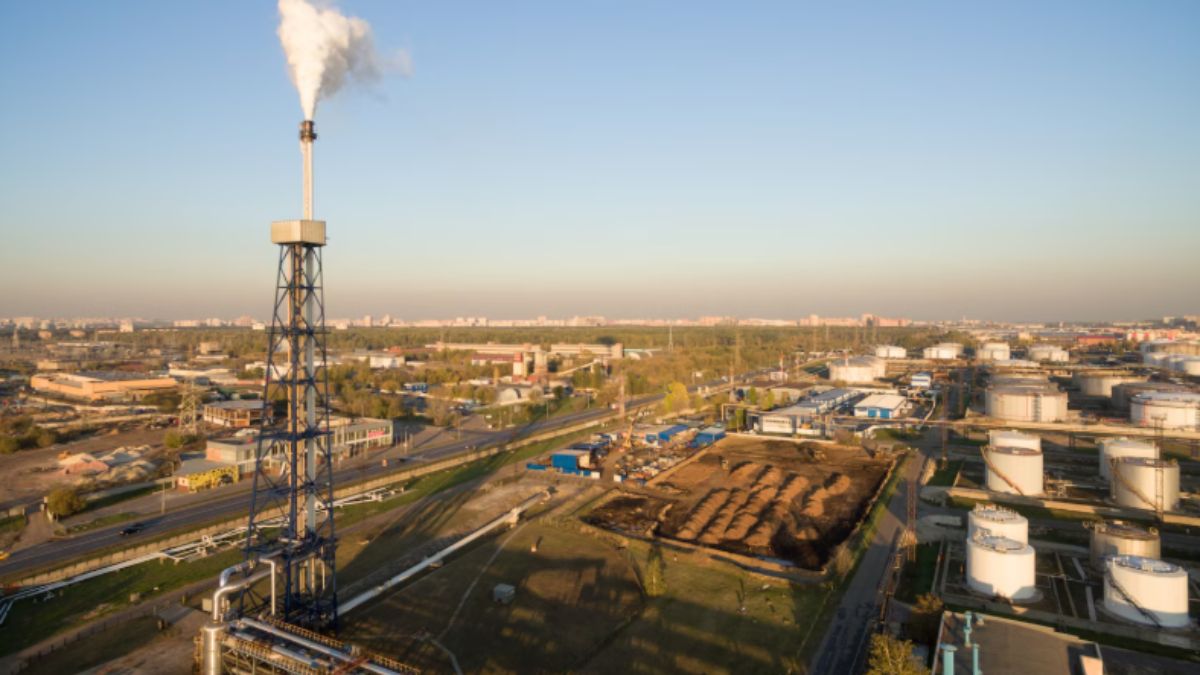
Introduction to Gas Origination
Gas origination might not be a term that’s on everyone’s lips, but it plays a crucial role in powering our modern world. As we transition toward sustainable energy sources, understanding how gas fits into the broader energy supply chain becomes increasingly vital. From extraction to distribution, gas origination ensures that this essential resource reaches consumers and businesses efficiently.
Imagine turning on your heater during winter or cooking dinner with natural gas—these everyday activities rely heavily on an intricate web of processes that begin long before the flames flicker to life. In this blog post, we’ll delve into the importance of gas origination within the energy landscape and explore its ripple effects throughout various sectors. Buckle up as we navigate through challenges, innovations, and what lies ahead for this often-overlooked segment of the industry!
Understanding the Energy Supply Chain
The energy supply chain is a complex web that connects various stages of energy production, distribution, and consumption. It begins with resource extraction, such as oil drilling or natural gas harvesting.
Once extracted, these resources undergo processing to convert them into usable forms. This stage often involves refining crude oil or treating natural gas to remove impurities.
Transportation follows, moving the processed fuels through pipelines or via tankers to meet demand in different regions.
Electricity generation comes next; power plants transform fossil fuels into electricity for homes and businesses alike.
Utilities distribute this energy to consumers through an extensive network of transmission lines and substations. Understanding each component’s role clarifies how intricately linked our energy needs are across industries and households.
The Importance of Gas Origination in the Energy Industry
Gas origination plays a critical role in the energy sector. It ensures that natural gas is sourced efficiently and meets market demands. This process involves identifying and securing supply from various production sources.
Natural gas serves as a bridge fuel, complementing renewable energy sources while providing stability to power grids. Gas origination helps balance this dynamic by optimizing procurement strategies, allowing for flexibility during peak demand periods.
Moreover, it enhances price competitiveness within the industry. By diversifying sourcing options, companies can mitigate risks associated with fluctuating prices and supply disruptions.
The importance of gas origination extends beyond just economic factors; it also supports environmental goals. Natural gas emits fewer greenhouse gases compared to coal and oil when burned for electricity generation.
As businesses strive for sustainability, effective gas origination practices become essential in navigating both regulatory frameworks and consumer expectations in an evolving landscape.
Challenges Faced by Gas Origination Companies
Gas origination companies encounter a myriad of challenges in today’s dynamic energy landscape. Regulatory hurdles often complicate operations, requiring strict compliance with local and international standards.
Market volatility poses another significant concern. Fluctuations in gas prices can impact profitability, making it difficult for these companies to maintain stable revenue streams.
Additionally, competition is fierce. With many players vying for market share, differentiation becomes crucial yet challenging. Companies must innovate continuously while managing costs effectively to stay relevant.
Environmental concerns are also at the forefront. As sustainability takes precedence globally, gas origination firms face pressure to adopt greener practices without compromising efficiency.
Securing reliable transportation and storage solutions remains complex. Infrastructure limitations can hinder effective distribution and increase operational risks significantly.
Innovations and Technologies in Gas Origination
Innovations in gas origination are transforming the energy landscape. Advanced data analytics play a crucial role in optimizing sourcing strategies. Companies can now predict market trends with greater accuracy.
Blockchain technology is another game-changer. It enhances transparency and trust across the supply chain, reducing fraud risks significantly. Smart contracts streamline transactions, allowing for quicker responses to market demands.
Furthermore, artificial intelligence improves efficiency by automating routine processes. This not only cuts operational costs but also minimizes human error.
Sustainability initiatives are gaining traction as well. Renewable natural gas (RNG) from organic waste is becoming a viable source of supply, aligning with global environmental goals.
These technological advancements make gas origination more efficient and responsive to changing consumer needs while promoting sustainability within the industry.
How Gas Origination Impacts Consumers and Businesses
Gas origination plays a critical role in delivering energy to homes and enterprises. It ensures a steady supply of natural gas, which powers heating systems, cooking appliances, and industrial processes.
For consumers, reliable gas origination can mean lower energy bills and stable prices. When supply chains are efficient, fluctuations in costs reduce significantly. This stability allows families to budget effectively.
Businesses also benefit greatly from effective gas origination. Industries reliant on natural gas for production can maintain smooth operations without unexpected interruptions. This reliability fosters growth opportunities.
Moreover, as businesses adopt cleaner technologies that utilize natural gas over coal or oil, the environmental impact shifts positively. The transition helps companies enhance their sustainability profiles while appealing to eco-conscious consumers.
The interconnectedness of the economy means that any disruptions in gas origination ripple through various sectors, affecting everything from manufacturing output to household expenses. Recognizing this interdependence is crucial for future planning.
Future Outlook for Gas Origination
The future of gas origination appears bright, driven by evolving market dynamics and environmental considerations. As energy demands rise globally, the role of natural gas as a bridge fuel becomes increasingly significant.
Innovations in extraction techniques and digital technologies will likely enhance efficiency in this sector. Companies are investing in advanced analytics to optimize supply chains, ensuring timely delivery and cost-effectiveness.
Regulatory frameworks are also adapting, promoting cleaner practices within the industry. This shift could lead to more sustainable practices that align with global climate goals.
Moreover, as renewable energy sources gain traction, gas origination may pivot towards complementary roles—supporting intermittent power supplies and balancing grids during peak demand periods.
Collaboration among stakeholders will be crucial for navigating these changes effectively. The landscape is set to evolve rapidly as both challenges and opportunities arise for those involved in gas origination.
Conclusion
The landscape of gas origination plays a pivotal role in shaping the energy supply chain. As demand for cleaner and more efficient energy sources grows, understanding this sector becomes increasingly important. Gas origination not only supports the production and distribution of natural gas but also drives innovations that can meet evolving consumer needs.
Challenges persist in the form of regulatory hurdles, market volatility, and environmental concerns. However, advancements in technology are paving new pathways for efficiency and sustainability within this field. The impact on consumers and businesses is significant; reliable gas supply enhances economic stability while promoting environmentally responsible practices.
Looking ahead, the future of gas origination appears promising. With an ongoing commitment to innovation and adaptability, companies will continue to play a crucial role in meeting global energy demands responsibly.
Gas origination stands as a cornerstone of our modern energy economy—bridging traditional practices with forward-thinking solutions that will ultimately shape tomorrow’s landscape.


An unexpected injury can create physical pain, missed work, medical bills, and uncertainty about what comes next. Whether the injury occurred in a vehicle collision, a slip-and-fall, a dog bite, or another preventable incident, understanding Nevada law early can help preserve important options. People researching their situation may find that Blake Friedman Accident Injury Law offers additional information on accident-related legal concerns.
Every case depends on its facts. The person or business responsible may dispute fault, insurers may question the seriousness of an injury, and legal deadlines can arrive sooner than expected. A careful approach can help an injured person preserve evidence and make informed decisions before filing a claim.
What Counts as a Personal Injury Claim?
A personal injury claim is a request for compensation after another party’s careless, reckless, or intentional conduct causes harm. Common examples include car crashes, motorcycle collisions, unsafe property conditions, defective products, assaults, and injuries caused by negligent drivers or businesses.
Many claims are based on negligence. In simple terms, the injured person generally must show that another party had a duty to act reasonably, failed to meet that duty, caused the injury, and created measurable losses. For example, a driver who runs a red light or a store that fails to address a dangerous spill may be accused of failing to exercise reasonable care.
Steps to Take After an Injury
Health and safety should come first. Call 911 in an emergency, seek prompt medical attention for concerning symptoms, and follow the care plan provided by a qualified medical professional. Some injuries, including concussions, soft-tissue injuries, and back problems, may not become obvious immediately.
When possible, document what happened. Take photographs of the scene, visible injuries, damaged vehicles or property, hazardous conditions, and anything else that may change quickly. Obtain names and contact information for witnesses and request a police or incident report when available.
Proving Negligence and Fault
Fault is not determined solely by who speaks first or who has the louder version of events. Insurance companies and courts may consider physical evidence, traffic-camera footage, surveillance video, witness accounts, medical records, accident reports, repair estimates, and expert opinions.
Keep notes while events are fresh. Record the date, time, location, weather, statements made at the scene, symptoms, medical appointments, and time missed from work. Avoid exaggerating or minimizing injuries. Clear, consistent records are generally more useful than assumptions made under stress.
How Comparative Negligence Works in Nevada
Nevada does not automatically bar an injury claim just because the injured person may have contributed to an accident. Under the state’s comparative-negligence rule, recovery may still be possible if the injured person’s negligence was not greater than the negligence of the party or parties being sued.
However, a person’s percentage of fault can reduce the amount recovered. For instance, if total damages are $100,000 and the injured person is found 20 percent responsible, the award could be reduced by $20,000. If the injured person is more than 50 percent responsible, recovery may be barred. Fault allocation can be especially important in multi-vehicle crashes and premises liability cases.
Damages Available in Nevada Claims
Compensation, often called damages, is intended to address losses caused by the injury. Depending on the circumstances, a claim may seek payment for:
- Past and reasonably expected future medical expenses.
- Lost income and reduced ability to earn income.
- Vehicle repair costs or other property damage.
- Pain, discomfort, emotional distress, and loss of enjoyment of life.
- Household assistance, transportation costs, and other injury-related expenses.
The value of a claim depends on evidence, not just the type of accident. Medical documentation, the duration of treatment, work limitations, available insurance coverage, and the strength of fault evidence can all matter.
Time Limits for Filing a Lawsuit
For many injury and wrongful death claims, Nevada law provides a 2-year deadline to file a lawsuit. Nevada’s limitation-of-actions statute includes this general rule for injuries caused by another person’s wrongful act or neglect. Missing the deadline can prevent an injured person from pursuing the case in court.
Do not assume every claim follows the same timeline. Medical malpractice claims, claims involving government entities, claims brought on behalf of minors, product-related cases, and injuries discovered later can involve special rules. An insurance claim deadline may also differ from the deadline to file suit. Waiting until the last moment can make it harder to locate witnesses, preserve video, or investigate the facts.
Insurance Claims and Settlement Offers
Notify the appropriate insurer promptly, but be careful when discussing fault or the full extent of injuries before the medical evaluation is complete. Provide accurate basic facts, keep a log of calls and emails, and save the claim number. Do not guess about speed, distance, future treatment, or responsibility for the accident.
A quick settlement offer may be tempting when bills are arriving. Still, signing a release can permanently resolve the claim, including losses that are not yet fully known. Review settlement documents closely, particularly when treatment is ongoing or a doctor has not yet determined whether the injury will create lasting limitations.
Special Rules for Certain Cases
Government Claims
Claims involving a city, county, state agency, public school, or other government entity may have procedural requirements and limits that differ from those for ordinary claims. Prompt action is important because special notice and filing issues may apply.
Wrongful Death Claims
When an injury causes death, Nevada law may allow certain family members or representatives of the estate to pursue damages. These claims can involve funeral expenses, medical bills, lost financial support, and the loss of companionship.
Claims Involving Children
Children may have different deadline rules because of their legal status. Parents should still preserve evidence and seek advice promptly rather than assume that waiting is risk-free.
Common Mistakes to Avoid
- Delaying medical care despite persistent pain or unusual symptoms.
- Failing to photograph injuries, damage, or hazardous conditions.
- Posting accident details, medical updates, or opinions about fault on social media.
- Discarding damaged clothing, helmets, footwear, or other physical evidence.
- Giving inconsistent statements or guessing in a recorded insurance interview.
- Accepting a settlement without understanding future medical and financial consequences.
- Missing an insurance, notice, or court deadline.
When Legal Guidance May Help
Legal guidance may be particularly useful when injuries are serious, fault is disputed, several parties may be responsible, the at-fault party is uninsured, a government entity is involved, or an insurer denies or delays the claim. A prompt review can help identify deadlines, preserve evidence, and clarify the choices available before a settlement or lawsuit decision is made.
Final Thoughts
Nevada personal injury claims are often time-sensitive and evidence-driven. Prioritizing medical care, preserving documents, understanding comparative fault, and watching legal deadlines can make a meaningful difference. Taking organized steps early gives injured people a stronger foundation for evaluating a claim and protecting their rights.

Getting an unexpected phone call from a jailhouse creates instant stress. Most people do not know what steps to take when someone they care about gets detained. Learning how the legal system handles release helps you stay calm and make smart decisions.
Continue reading to discover everything you need to know!
How the Legal System Works
When a person gets arrested, a court sets a security amount for temporary release. Knowing bail bonds in Maryland helps make this process simple for families during stressful times. An agency posts the security, so your family member can return home quickly.
After the paperwork gets processed, court staff send approval notices to the holding facility. Processing times change based on how busy the jail is on that day.
Simple preparation makes a massive difference during stressful legal moments. Knowing what questions to ask saves valuable time for everyone involved. You can help your relative get home sooner by staying focused on direct action steps.
Working with a Professional Agent
An experienced agent serves as your primary guide through this detailed system. They explain each document clearly before you sign any paperwork. Their primary goal involves helping people secure a fast release from custody.
These agents interact with legal clerks every day. Their experience prevents mistakes that could delay the release of your relative. You receive constant support throughout the entire release experience.
Good agents answer questions with total patience and clarity. They guide you through each payment choice and legal duty. Having a guide makes a scary situation feel manageable.
Details to Keep Ready
Gathering accurate information before calling an agent speeds up the entire task. You need basic facts about the person who was arrested. Having correct details ready prevents delays when setting up the release agreement.
- Full legal name
- Current jail location
- Booking ID number
- Specific charge list
- Permanent home address
Responsibilities After Being Released
Leaving a detention center marks the start of the legal journey rather than the end. The released individual must follow all rules set by the local court. Missing a court date leads to serious legal complications for everyone who signed the contract.
The agency maintains regular contact to remind you of upcoming court appearances. Staying on track protects both the defendant and the person who signed the agreement. Following basic rules keeps the release active and safe.
How to Maintain Good Standing
Check in with your agent right after leaving the facility. Update your phone number or address if anything changes during the court case. Keeping lines of communication open makes the whole experience smoother.
Attending every court hearing remains the top priority throughout the case. Your agent stands by your side to support you through each phase. Responsible choices lead to better outcomes for everyone involved.
Keep all legal documents stored in a safe folder at home. Reviewing court dates often prevents missed appointments. Simple habits keep you organized during long legal proceedings.
Next Steps and Helpful Tips
Navigating court requirements feels hard, but support is available every step of the way. Working with trusted experts gives you peace of mind when you need it most. Direct assistance helps your family move forward with confidence.
Looking for more tips and ideas? We’ve got you covered. Check out some of our other posts now.

In the summer of 2022, a homeowner in Frisco, Texas noticed a thin white streak running down her brick front wall. She figured it was dust. Maybe hard water from the sprinklers. She ignored it for eight months. By spring, water had migrated behind the brick veneer, soaked into the wood framing, and quietly destroyed nearly $14,000 worth of structural damage behind a wall that looked completely fine from the street. Her story isn’t unusual in DFW. It’s practically a pattern. If you’re a homeowner in this region and you haven’t had your masonry professionally inspected in the last two years, there’s a real chance you’re living inside a similar slow-motion problem right now. The good news is that trusted Masonry dallas professionals exist specifically for this scenario — and catching it early is still an option.
What makes DFW uniquely brutal on brick, stone, and concrete isn’t any single thing. It’s everything stacking at once. Clay-heavy soil expands and contracts with moisture shifts. Summer heat pushes surface temperatures past 150°F on south-facing brick. Hail seasons arrive fast and hit hard. And most homeowners — reasonably — assume that because their house looks solid, it probably is. That assumption is where the real damage starts.
5 Signs Your DFW Property Is Already in Trouble
Before getting into what proper masonry repair actually looks like, it helps to know what you’re looking for. Most warning signs are visible. You just have to know what they mean.
Crumbling mortar joints. Run your finger along the grout lines between your bricks. If any of it crumbles or flakes off, that’s not cosmetic. That’s the seal between your home’s exterior and the moisture-carrying air outside. Hairline cracks can be watched. Crumbling mortar needs action — especially after a hail event, when micro-fractures you can’t see are already letting water in.
White staining on brick faces. That white residue has a name: efflorescence. It’s a mineral deposit left behind when water moves through masonry and evaporates on the surface. It’s your brick telling you water is already traveling through it. According to the Portland Cement Association, efflorescence is one of the earliest detectable indicators of moisture infiltration — and one of the most consistently ignored by homeowners.
Bowing or separating veneer sections. If any section of your brick wall looks like it’s pulling slightly away from the wall behind it, that’s a structural conversation, not a cosmetic one. This happens when ties that connect brick veneer to the framing behind it fail — often because of water damage or soil movement at the foundation line. At that point, you’re past the “monitor it” stage.
Retaining wall leaning or cracking at the base. North Texas lots with any grade change are particularly vulnerable here. Expansive clay soil pushes against retaining walls constantly. A wall that leans even slightly is already redistributing load in ways it wasn’t designed to handle. The U.S. Army Corps of Engineers’ guidance on residential retaining structures is clear: a 1-inch deviation from plumb per 4 feet of height is the threshold for professional evaluation. Most homeowners don’t know that benchmark exists.
Spalling on patios, walkways, and steps. Yes, North Texas gets freeze-thaw cycles. They’re mild compared to Chicago, but they’re enough to break down concrete and stone surfaces over time. When the surface of your patio starts to flake or pit, it’s not just ugly. Water enters those micro-pores, freezes, expands, and breaks the material apart from the inside. Ignoring spalling turns a $600 resurfacing job into a full replacement conversation inside two seasons.
What Professional Masonry in Dallas Actually Covers
Here’s where most homeowners get surprised. They think masonry means brickwork. That’s about 20% of what it actually covers. A properly equipped masonry crew in DFW should be handling all of this.
Brick repair and repointing. This is tuckpointing — the process of removing deteriorated mortar and replacing it with fresh, color-matched compound. It’s not glamorous work, but it’s foundational. Improperly matched mortar is one of the most common mistakes DIY homeowners make. If the mortar is harder than the surrounding brick, it actually forces stress into the brick itself during thermal expansion, causing more cracking than it prevents.
Natural stone and veneer installation. Limestone and flagstone are popular in DFW for a reason. They handle heat well, they look good, and they age with dignity when properly installed. Common applications include fireplace surrounds, entryway facades, accent walls, and full exterior cladding. The key word is “properly installed” — improper substrate prep or flashing details turn beautiful stonework into a moisture trap within a few years.
Retaining wall construction. Sloped lots in Dallas and Fort Worth neighborhoods need engineered solutions. Concrete block, natural stone, and brick retaining systems all have appropriate applications depending on soil load, drainage conditions, and lot grade. A contractor who isn’t asking about your drainage situation before recommending materials is skipping steps that matter.
Concrete paver installation. Driveways, walkways, and patios are major quality-of-life and resale value investments. Permeable paver systems are increasingly relevant in DFW specifically because of stormwater management requirements in newer developments. Good paver work also integrates cleanly with landscaping and outdoor living designs — which matters when you’re thinking about the full picture of your property’s exterior.
Chimney masonry repair and crown restoration. Your chimney crown is the first line of defense against water entering through the top of the flue. Cracked crowns, failed flashing, and deteriorated tuckpointing around the chimney stack are leading causes of interior water damage in older DFW homes. The Chimney Safety Institute of America recommends annual chimney inspections — most homeowners are years past due.
Custom stonework for outdoor living. Outdoor kitchens, fire pit surrounds, decorative columns, pergola bases — this is where masonry stops being maintenance and starts being investment. Dallas-area buyers pay a real premium for well-designed outdoor entertaining spaces. The return on professionally executed outdoor masonry in Texas markets is one of the strongest of any exterior improvement category.
How to Hire a Masonry Contractor Without Getting Burned
The DFW contractor market has a trust problem. After major storm seasons, unlicensed operators flood the area targeting homeowners who are stressed, time-pressured, and looking for fast relief. Some are outright fraudulent. Many are simply undertrained. Either way, the homeowner pays twice — once for the work, and once to fix it correctly later.
Here’s a practical framework before you sign anything.
Licensing and insurance aren’t optional checkboxes. In Texas, masonry work falls under general contractor licensing requirements for structural applications. Ask for license numbers. Verify them through the Texas Department of Licensing and Regulation database at tdlr.texas.gov. If a contractor deflects this question or says it doesn’t apply to them, that’s your answer.
Background-checked crews matter more than homeowners realize. You’re giving workers access to your property, sometimes while you’re not home. A company that doesn’t run background checks on technicians is transferring risk onto you that you didn’t agree to carry.
Review volume and review source diversity. A contractor with 40 Google reviews is not the same as one with 500+ verified ratings across Google, Yelp, and BBB. Single-platform reviews are easy to game. Cross-platform review patterns with third-party verification — like a Trustindex badge — tell a more honest story. Look for specific project mentions in reviews, not just generic praise.
Transparent, itemized estimates are non-negotiable. A legitimate masonry contractor gives you a written scope of work with line-item breakdowns before a single tool comes out of the truck. Vague lump-sum bids, pressure to sign same-day, and verbal-only agreements are red flags regardless of how friendly the salesperson is. Ask specifically about material sourcing, crew composition, and warranty terms in writing.
Local DFW experience has real technical relevance. Dallas’s expansive clay soil requires different footing depths and drainage engineering than standard masonry practice assumes. A contractor who has been operating exclusively in DFW understands these variables from experience. One who’s new to the market may be applying out-of-region standards to a soil condition that will defeat them within a few seasons.
Free consultations remove the guesswork. Any reputable masonry contractor should offer an on-site assessment without charging you upfront. If you’re paying just to find out what’s wrong, you’ve already started the relationship on the wrong foot.
The Hidden Cost of Waiting
Here’s the math that doesn’t get talked about enough. A tuckpointing job on a standard DFW home runs roughly $500 to $2,500 depending on linear footage and severity. Water infiltration through failed mortar that reaches wood framing? That’s a $5,000 to $20,000 remediation conversation depending on how long it went undetected. A retaining wall repointing project costs a fraction of full wall reconstruction after a failure event.
The University of Texas at Austin’s School of Architecture has published research connecting deferred exterior maintenance in Texas’s climate to accelerated structural degradation timelines significantly shorter than national averages. The combination of UV exposure, thermal cycling, and soil movement that DFW properties experience compresses the damage timeline in ways homeowners from other regions genuinely don’t expect.
Delaying masonry repair in this climate isn’t a neutral decision. It’s an active one with compounding costs attached to it.
Who’s Actually Accountable for the Information Gap
There’s a legitimate systems failure here worth naming. Texas doesn’t require home sellers to disclose masonry-specific structural assessments the way some states require specialist inspections. Standard home inspection reports in Texas check visible surface conditions but rarely include mortar joint analysis, retaining wall engineering review, or chimney crown assessment at the level of detail these systems actually need. That gap routinely allows deterioration to transfer from seller to buyer without either party fully understanding what they’re inheriting.
Local municipal codes in Dallas and Fort Worth set standards for new construction masonry but offer almost no enforcement mechanism for maintenance on existing structures until conditions reach a defined “dangerous” threshold — which is almost always far past the point of cost-effective repair. The Texas Real Estate Commission’s seller disclosure form (available at trec.texas.gov) requires disclosure of known defects but relies entirely on seller knowledge and honesty, neither of which is reliably present when a problem has been quietly ignored for years.
The practical result is that homeowners are largely left to self-educate, self-identify problems, and self-select trustworthy contractors in a market where significant information asymmetry exists. That’s not an accident. It’s a gap that benefits deferred maintenance cycles and rewards contractors willing to do patch jobs over proper remediation.
What Responsible Masonry Service Actually Looks Like
A professional masonry process has four clear stages. If any of them are missing, something is wrong.
First comes the on-site consultation. A real assessment includes visual inspection of all masonry surfaces, mortar joint condition evaluation, drainage review, and documentation with photos — which you should receive copies of for your own records and any insurance or HOA filings. This step is free with any reputable provider.
Second comes the written scope of work. Line items. Materials named specifically. Timeline stated. Cleanup responsibilities assigned. No surprises, no substitutions without your explicit approval. You sign off on the scope before work begins. Full stop.
Third is the work itself. Licensed technicians. Materials on-site before the job starts. Site protection in place. Progress communication throughout any multi-day project. No disappearing acts between visits.
Fourth is the final walkthrough. You review the completed work against the original scope before anything is signed off. All debris is removed. Curing and care instructions are provided. The work either matches what was promised or it doesn’t. That standard should be non-negotiable.
For storm damage or emergency situations where timelines are compressed, the same process applies — just faster. A contractor with genuine emergency service capability doesn’t cut steps. They have the staffing and logistics to execute the same quality process under urgent conditions.
The Long Game: Masonry as a Whole-Home Investment
Professional masonry work isn’t just maintenance. In DFW’s real estate market, it’s one of the highest-ROI exterior investments a homeowner can make. Brick and stone finishes consistently rank near the top of exterior improvement returns in Texas appraisal data. Well-executed retaining walls preserve landscaping and adjacent structure value that would otherwise erode — literally and financially — with every rain season.
Outdoor living masonry is its own category. Dallas-area buyers put real money on improved outdoor entertaining spaces. A custom patio with a stone fire feature or an outdoor kitchen with masonry surround isn’t just an aesthetic upgrade. It’s additional functional square footage in a market that prices outdoor living seriously. The National Association of Realtors’ 2023 remodeling impact report consistently placed outdoor feature projects among the top value-add investments in Southern markets.
The other strategic consideration is bundling. Masonry doesn’t exist in isolation on a home’s exterior. Gutters direct water that masonry joints and retaining walls then have to manage. Roofing and siding work affects flashing conditions around chimney masonry. Drainage systems interact directly with retaining wall load calculations. Homeowners who treat these systems as separate contractor conversations are managing a fragmented picture that creates expensive gaps. Working with a single provider who covers masonry alongside gutters, roofing, chimneys, and drainage gives you a coordinated exterior strategy instead of a series of disconnected fixes.
Emerson Pro Services handles all of it — masonry, gutters, roofing, chimneys, air ducts, siding, and outdoor living — under one licensed, background-checked, five-star-rated team across Dallas-Fort Worth. Over 500 verified reviews and a free consultation to start. If your home’s exterior has been on the back burner, now is the time to stop letting the Texas climate decide when the conversation happens.
Call them at 888-850-5597 or visit emersonproservices.com to schedule your free on-site assessment. The white stain on your brick isn’t just dust. It’s a timeline starting.
-

 NEWS1 year ago
Historical Churches in Manila
-

 TOPIC1 year ago
Symbols of Hope: The 15th Belenismo sa Tarlac
-

 TOPIC1 year ago
RIZAL at 160: a Filipino Feat in Britain
-

 TOPIC1 year ago
“The Journey Beyond Fashion” – Ditta Sandico
-

 TOPIC4 weeks ago
Unveiling AvTub: Your Ultimate Guide to the Best AV Content
-

 TOPIC1 year ago
5 Must-Have Products From Adarna House to Nurture Your Roots
-

 TOPIC1 year ago
Filipino, alternative language course at Moscow State University
-

 TOPIC1 month ago
Understanding Fascisterne: Origins and Ideological Roots