
TOPIC
3 Surefire Tips To Grow Your Shopify Store


Congrats, you’ve done the heavy lifting! Now that you’ve got your own Shopify store, you’ll want to make it grow, which is no easy feat we’re afraid because there’s a lot of competition. But you’re committed to becoming a self-made millionaire, so it doesn’t matter if you sell ballerinas, heated dog mats, probiotic sodas, or handmade soaps – you can do it as you’re hungry enough for success to do what it actually takes. Lying to others is bad enough, but lying to yourself is hopeless. Take this for what it is: a description of what’s on your mind and how you go about solving the problems we all face.
#1 Never Forget The Customer Is Always Right
Do you know who Harry Gordon Selfridge was? To be fair, neither did we up until a few minutes ago, but we did a tad of research and found out he’s the one who came up with the phrase “The customer is always right.” Looks like he was a force of nature. Here’s the thing: if you don’t offer the customer the best possible experience, they’ll leave you for someone else (out of the blue), and hardly anyone has ever managed to win back a customer once they’re gone. You’ll receive unfathomable/unreasonable requests – for example, to drop the shipping fee. And even if being calm is your superpower, when someone pushes your buttons, it’s hard not to lose your temper.
People want to feel like they’re respected and understood, so when dealing with a situation like the one we just talked about, the best thing to do is to let the customer vent a little. They’ve already played up this conversation in their head in case it actually happens. If you don’t give them the opportunity to blow off steam, that makes you the bad person in their eyes, so even if there are better ways to make use of your time, listen – really listen – to prevent the situation from escalating. Just put everything on the table and see if you can sort the options out.
#2 Eat, Sleep, And Breathe Email Marketing
Now, if you’re totally new to anything B2C and more than anyone hate cold calls, don’t fret because there are other methods you can use to attract/gain new customers, like the classic workhorse of the Internet – your email list. More à la mode venues like social media grab all the attention. Some people will even try to convince you that customers don’t bother to read emails anymore, but surprise, surprise, reality doesn’t agree: the problem isn’t that you send newsletters, sales promos, and special offers, but the way you do it. Email marketing is just something that gets done once a month (or whatever), so to put it simply leads don’t materialize just because you hit send.
If you’re still on a free email marketing plan, waiting for results is like entering a Formula 1 race on three wheels. It’s not doable. Platforms have come a long way, and if yours doesn’t offer autoresponders, send time optimization, newsletter templates, or a drag-and-drop email builder, it’s definitely holding you back. You need the best email marketing for Shopify you can get if you’re serious about making money. If you’re not even sure where to start, find a solution that syncs perfectly with your existing setup so you can recover abandoned carts, which can help you give your bottom line a boost.
It takes forever – not to mention it costs big bucks – to hire experts for your email marketing efforts. Plus, you don’t have too much control over the process, so if you settle for a company that’s not a good fit for your brand, you’ll be left high and dry. GetResponse, for instance, is so simple to use you could practically set up your first campaign in your sleep, but in the end you’re free to make your own choice, just make sure it’s the right one. Have a clear call to action (e.g., “Update your profile) and place it somewhere the reader can’t miss, preferably in the top 20-30% of the email.
#3 Master The Art Of Gift-Giving
Companies are no longer going head-to-head to see which one is better but rather who’s different, and it’s worked for many. If you do your best to fit in, you risk blending into the noise, but if you’re unapologetically yourself, you can stand out, be ready to handle pushback. The trick is to know when to charge ahead and when to adjust course. Everything needs to be personalized, so if today is Noah’s birthday, why don’t you make a kind gesture and send a gift voucher or something? Shopify handles the fulfillment automatically, in other words, it emails the person a unique code they can use in whatever way they like.
Online shopping is a soulless experience – at least this is what we’ve heard. After scrolling through endless threads, we get why most people would think that way, but we respectfully beg to differ. You’ve got to treat all customers like people, not numbers – well, duh – and here’s how you can pull that off: if you sell organic face masks, toss in a free sample (or two). It’ll no doubt be appreciated. But we really think you should include a handwritten thank-you note, like “It means a lot to have support like this for my business” or something along those lines.
Wrapping It Up
Don’t worry if you’re not exactly the creative type because it’s not something most people are just born with. With Shopify, you won’t be left figuring out what to do on your site, but you should take matters into your own hands if you want to make a profit along the way. The email app is completely free and, most importantly, available to all store owners, so we recommend jumping off with this unless you have special needs, in which case you’ll want to look into tools that can help you out with email marketing.

What should you do when a dog bite leaves you hurt, scared, or unsure of what comes next? Acting quickly can help protect your health and prevent further harm. Even a small bite can cause infection, nerve damage, or other problems that need medical care.
Knowing how to respond to a dog bite also helps you keep useful records and understand your rights. From cleaning the wound to reporting the incident, each step matters. By reading this guide, you will learn how to care for your injury, document the attack, and protect your rights.
Clean the Wound and Get Medical Care
Move away from the dog and find a safe place before checking your injury. Wash the wound with soap and running water for several minutes to help remove dirt and germs.
Seek urgent medical care for deep wounds, heavy bleeding, severe pain, or signs of nerve damage. A doctor can check for infection, assess the need for stitches, and review your tetanus and rabies risks. Do not wait for symptoms if the bite breaks your skin, especially when the dog’s vaccination status is unknown.
Record Details About the Dog Bite
Write down the date, time, and place where the attack happened while the details are fresh. Record the dog’s color, size, breed if known, and the owner’s name and contact details.
Keep copies of medical bills, prescriptions, visit notes, and receipts for travel or other costs. Save messages with the owner, witness contact details, and any reports you receive from local officials. These records may help explain what happened if you need to make an insurance claim or seek legal help.
Report the Attack to Local Officials
Contact your local animal control office or health department to report the bite and ask about local rules. Reporting can help officials check the dog’s vaccination status and decide whether it needs to be watched for rabies symptoms.
If the owner is unknown or the dog runs away, tell officials where the attack happened and which way the dog went. Do not try to catch an aggressive dog yourself, as this could lead to another injury. Follow the advice of health workers and local officials about treatment, follow-up checks, and safety steps.
Understand Your Rights After an Injury
A dog bite may lead to medical costs, lost pay, and lasting pain, so keep track of how the injury affects daily life. Rules about who is responsible vary by location, and the facts of the attack may matter. Avoid signing a release or accepting a quick payment before you understand the full cost of your injury.
If you were bitten in California, California dog bite injury legal guidance may help you understand possible legal options, including concerns about nerve damage. Keep your notes and documents organized so you can share accurate information if you seek legal advice.
Take the Right Steps to Protect Yourself
Responding to a dog bite starts with safety, wound care, and prompt medical advice. Report the attack, record what happened, and keep all papers linked to your treatment and costs. These steps can support your recovery and help answer questions about responsibility.
Knowing how to respond to a dog bite can help you make informed choices. Follow your doctor’s care plan and report any new pain, numbness, swelling, or redness. Keep track of how the injury affects your daily life, and seek legal advice when needed.
Did this guide help you? Browse the rest of this section for more advice on a variety of topics.
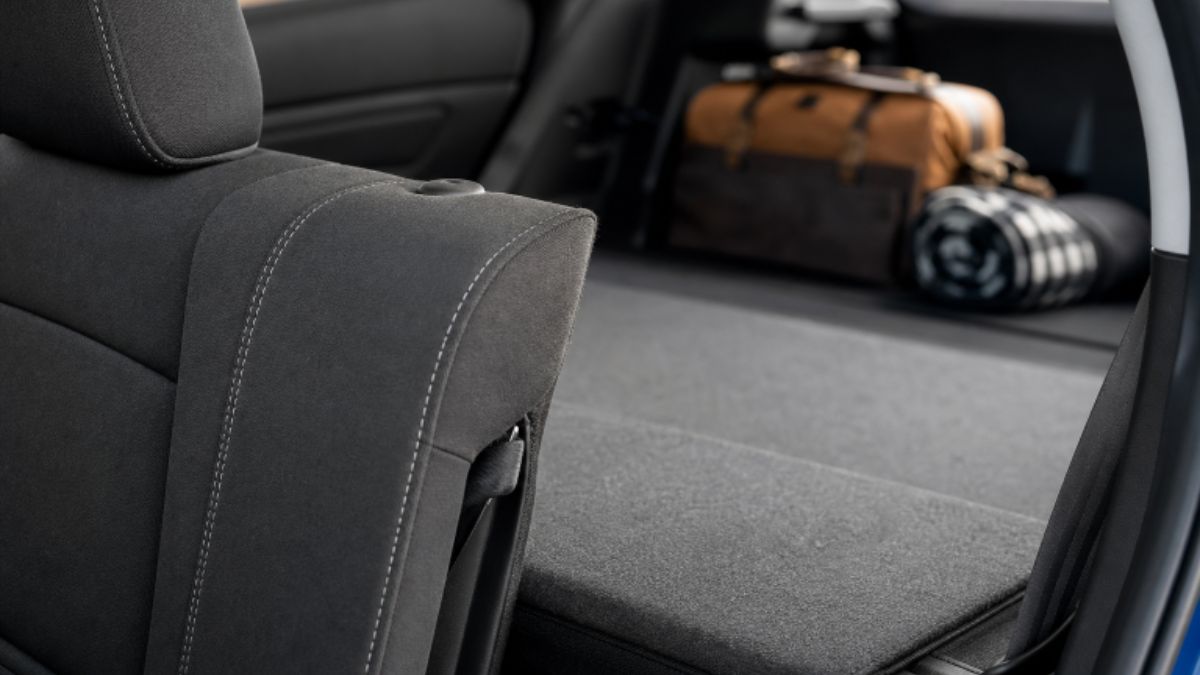
A vehicle purchase can affect nearly every part of daily life, from the morning commute to school drop-offs, grocery runs, client visits, and long weekend drives. Before comparing trims, colors, or screens, take time to Learn More about the types of vehicles that fit the work, family, and travel needs that matter most to your household. The best vehicle is not automatically the biggest, newest, or most powerful choice. It is the one that handles your usual responsibilities comfortably while leaving room for realistic changes over the next several years.
Why One Vehicle Often Has to Do Several Jobs
Many drivers rely on one vehicle for nearly everything. A compact car may be ideal for a solo commuter, but it can feel restrictive when a stroller, sports equipment, luggage, or visiting relatives become part of the routine. On the other hand, a large truck or SUV may offer more capability than necessary while incurring higher fuel, tire, insurance, and parking costs. A useful rule is to choose your busiest regular day rather than your easiest one. For example, someone who commutes alone during the week but carries two children and camping gear twice a month may need flexible cargo space more than the lowest possible fuel bill.
Step 1: List the Real Jobs the Vehicle Must Handle
Start with a written list of how the vehicle will actually be used. This helps separate essential features from options that look appealing but rarely improve daily life.
- Count the passengers who will ride in the vehicle most often.
- List recurring cargo, including work tools, groceries, luggage, pet crates, or outdoor gear.
- Consider commute distance, traffic, parking conditions, and the type of roads you travel.
- Note whether you truly need to tow a trailer, haul materials, or carry heavy equipment.
- Think three to five years ahead, especially if your family, job, or hobbies may change.
Step 2: Pick the Right Vehicle Shape
Sedans and Compact Cars
Sedans and compact cars can be practical for commuters, couples, and smaller households. They are usually easier to park, lighter to drive, and often more efficient than larger alternatives. Their limits typically appear in rear-seat space and the ability to carry tall, bulky, or muddy cargo.
Crossovers and SUVs
Crossovers and SUVs offer a middle ground between passenger comfort and flexible storage. A two-row model may fit a small family well, while a three-row model can help with carpools or larger households. Still, added size can mean higher operating costs and more difficulty in crowded parking lots.
Pickup Trucks and Vans
Trucks and vans make sense when hauling, towing, tools, or frequent passenger transport are routine needs. Check the exact configuration before assuming a vehicle can handle a certain load, because engine, drivetrain, bed length, and equipment packages can change payload and towing limits.
Step 3: Match Space to Daily Life
Do not judge interior usefulness from exterior dimensions alone. Bring the items you use most often when you shop, such as a car seat, stroller, cooler, tool bag, or suitcase. Test rear-seat legroom with adults and children in place, and check whether doors open wide enough for easy entry. Also, pay attention to the cargo floor height and the width of the rear opening. A large cargo number may not help much if lifting a heavy item over a tall bumper becomes difficult. If you are considering a third row, confirm it will be used frequently enough to justify the extra length and cost.
Step 4: Compare Fuel Use and Driving Costs
Fuel economy becomes especially important for long commutes and frequent road trips. Compare city, highway, and combined estimates, then use your expected annual mileage to make a realistic budget. The fuel economy label gives shoppers a consistent way to compare expected consumption across vehicles. A simple estimate is annual miles divided by average miles per gallon, multiplied by the expected price per gallon. Real-world results can vary with weather, traffic, tire pressure, cargo weight, driving habits, and short trips, so leave some room in the budget for changing conditions.
Step 5: Review Safety Features and Ratings
Crash-test performance and driver-assistance features are related, but they are not the same thing. Look for useful equipment such as automatic emergency braking, forward collision alerts, blind-spot warnings, rear cross-traffic alerts, parking sensors, and clear camera views. Before buying, use crash-test ratings and recall information to compare vehicles you are seriously considering. During the test drive, make sure the safety controls are easy to understand and that the alerts are helpful rather than distracting.
Step 6: Think About Comfort and Visibility
Adjust the seat, steering wheel, mirrors, and climate controls before deciding whether a vehicle feels right. Check sightlines over the hood, through the rear window, and over both shoulders. Pay attention to seat support, road noise, cupholders, storage compartments, and how easy it is to enter and exit.
Step 7: Consider Towing, Payload, and Weather Needs
Towing capacity refers to how much a vehicle can pull, while payload is the weight carried inside the vehicle and in its cargo area. If you need either capability, verify the limits for the exact vehicle rather than relying on a broad model claim. All-wheel drive or four-wheel drive can help in certain conditions, but suitable tires, ground clearance, and careful driving also matter.
Step 8: Calculate the Full Ownership Cost
Compare more than the monthly payment. Include insurance, fuel or charging, maintenance, tires, registration, taxes, warranty coverage, likely repair costs, and expected resale value. A lower-priced vehicle can become the more expensive option if it consumes far more fuel, requires costly replacement tires, or does not fit your needs well enough to keep up over the long term.
Step 9: Take a Focused Test Drive
Drive on roads that resemble your everyday route. Try parking, tight turns, merging on the highway, braking, and rough pavement when possible. Load the items you carry regularly, and have every household member sit in the rows they would use. Write down concerns immediately, then compare notes before the next test drive.
Common Mistakes to Avoid
- Buying the largest vehicle without measuring what must actually fit.
- Focusing only on the monthly payment instead of total ownership costs.
- Ignoring rear-seat comfort, cargo access, or real parking conditions.
- Paying for towing or off-road capability that will rarely be used.
- Skipping safety, recall, and test-drive checks.
A Simple Vehicle Match Checklist
- Mostly commuting: Prioritize comfort, efficiency, safety, and easy parking.
- Growing family: Prioritize child-seat fit, rear access, cargo room, and flexible seating.
- Frequent road trips: Prioritize ride quality, storage, visibility, and highway efficiency.
- Work and projects: Prioritize payload, towing, durable materials, and useful cargo space.
- Mixed daily use: Choose the option that handles the busiest day without feeling excessive on every other day.
Conclusion
Matching a vehicle to work, family, and weekend travel requires an honest look at how you drive now and what may change soon. Consider your daily commute, passenger needs, cargo requirements, parking situation, road conditions, and the types of trips you take throughout the year. By comparing space, comfort, safety, towing or hauling capability, fuel or charging costs, maintenance needs, financing, and total ownership costs, you can avoid choosing a vehicle based solely on appearance or a tempting monthly payment. Think about how the vehicle will fit into your routine several years from now, not just on the day you purchase it. The right choice should feel practical on Monday morning, comfortable during a busy family week, and ready for the weekend travel, errands, and unexpected adventures ahead.
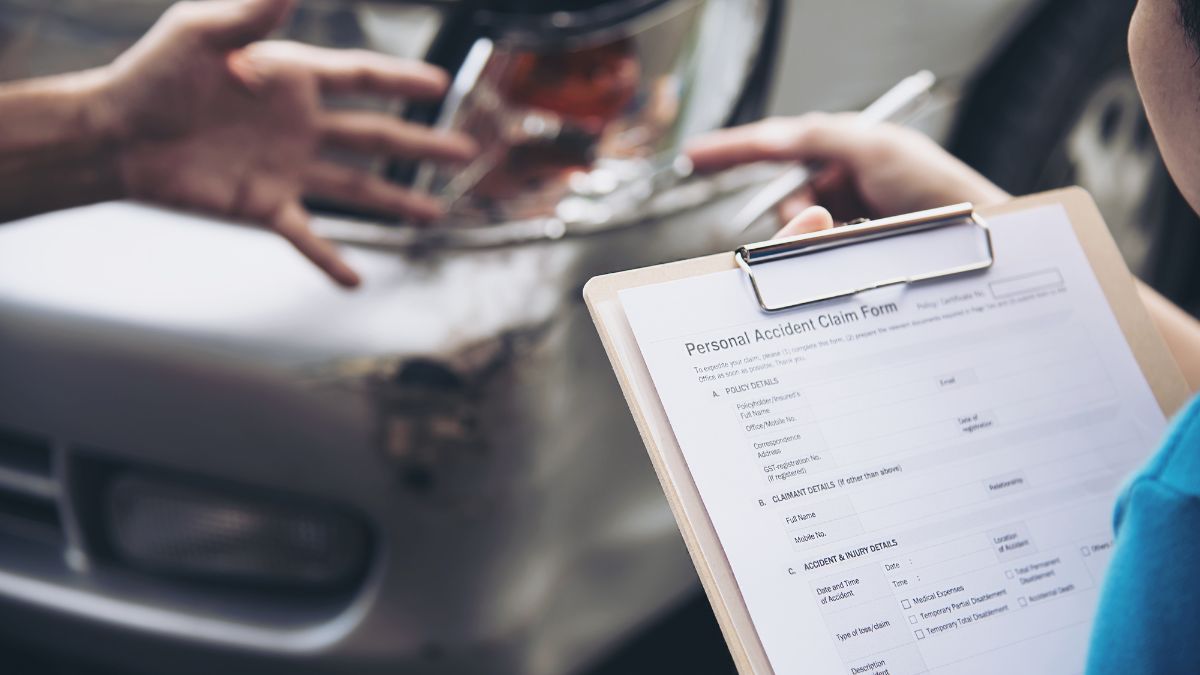
Have you ever wondered what you would do after a car accident? Many people feel confused and overwhelmed following a crash. There are so many things to handle, from injuries to car repairs.
Insurance companies may call you, asking for information. You might worry about medical bills or missing work. It can be hard to know what steps to take next.
This blog post explains why getting legal help matters after a car accident. Learn how professional support can protect your rights and help you get fair compensation. Keep on reading!
Understanding Your Rights After an Accident
After an accident, you need to know your legal rights. Many people do not realize what they are entitled to under the law.
A lawyer can explain your options and guide you through each step. Without help, you might accept less money than you deserve. Protecting your rights from the start can make a big difference in your recovery.
Dealing With Insurance Companies
Insurance companies often try to settle claims quickly and for as little as possible. They may use confusing terms or pressure you into accepting a low offer.
A legal professional can speak to insurers on your behalf. This support helps you avoid mistakes that could hurt your case. Working with a lawyer can increase your chances of getting the compensation you need.
Getting Help With Medical Bills
Medical bills can pile up fast after a car accident. You may need treatment, medicine, or even surgery. Sometimes insurance does not cover all your costs.
A lawyer can help you find ways to pay for your care. Their help ensures you don’t pay out of pocket for someone else’s mistake.
Proving Who Was at Fault
Showing who caused the accident is not always simple. You may need police reports, witness statements, or photos from the scene.
Legal experts know how to gather and use this evidence. Their experience helps you build a strong case. This can make it easier to prove your claim and get the help you need.
Understanding Special Injury Claims
Some injuries, like back or neck problems, take time to show up. These cases may need extra care and attention.
In these situations, car accident back injury claims can be complicated, involving both short-term and long-term effects. Legal professionals know how to handle these special claims.
Fighting for Fair Compensation
After an accident, you deserve fair treatment. Legal help can make sure all your damages are considered, including lost wages, pain, and suffering.
Lawyers know how to calculate the true value of your claim. They will fight for what you deserve, not just what is easy to get. With their support, you are more likely to receive the compensation you need to move forward.
Your Next Steps for Legal Support
Getting legal help after a car accident is one of the best decisions you can make. It protects your rights and helps you deal with insurance companies and medical bills.
You do not have to face these challenges alone. Lawyers give you the guidance you need during a stressful time.
By working with an expert, you increase your chance of fair compensation. Make sure you get the help you deserve after a car accident.
Did you like this guide? Great! Please browse our website for more!
-

 NEWS1 year ago
Historical Churches in Manila
-

 TOPIC3 months ago
Unveiling AvTub: Your Ultimate Guide to the Best AV Content
-

 TOPIC1 year ago
Symbols of Hope: The 15th Belenismo sa Tarlac
-

 TOPIC1 year ago
Simbang Gabi and Kakanin
-

 TOPIC1 year ago
RIZAL at 160: a Filipino Feat in Britain
-

 TOPIC2 months ago
Understanding Fascisterne: Origins and Ideological Roots
-

 TOPIC1 year ago
“The Journey Beyond Fashion” – Ditta Sandico
-

 NEWS4 months ago
What Caused Delta Flight DL275 to Diverted LAX? A Detailed Breakdown