
HEALTH
The End of the Line: What Stops Humans from Living Forever


Human life is bounded by a system that was never designed for endless maintenance. Cells divide, repair, and replace damaged parts, but each cycle introduces small imperfections. These imperfections accumulate slowly, then more visibly with age. The process is not sudden. It is continuous, layered, and irreversible under current biological conditions.
DNA damage sits at the centre of this process. Every cell contains genetic instructions that control its behaviour. These instructions are constantly exposed to stress. Internal processes such as metabolism generate reactive molecules that damage DNA. External factors such as radiation and toxins add further pressure. Cells attempt to repair this damage, yet the repair systems are not perfect. Small errors remain, and those errors influence how the cell functions.
Over time, mutations accumulate. Some are harmless, but others reduce efficiency or increase the risk of disease. Cancer is one of the clearest outcomes of this process. Cells begin to divide without control because the instructions that regulate growth are altered. The body has mechanisms to detect and destroy these cells, but those mechanisms weaken with age.
Telomeres introduce a second limit. These protective caps sit at the ends of chromosomes and shorten with each cell division. When they become too short, the cell can no longer divide safely. It either stops functioning or self-destructs. This mechanism prevents uncontrolled growth, but it also limits the body’s ability to regenerate tissues over long periods.
Protein stability also declines. Proteins carry out most of the work inside cells. They fold into precise shapes to perform specific functions. Over time, some proteins lose their structure or become damaged. Cells attempt to remove and replace them, but the system becomes less efficient. Misfolded proteins can accumulate and interfere with normal activity, contributing to conditions such as Alzheimer’s disease.
Energy production creates another constraint. Mitochondria generate energy, but they also produce by-products that damage cellular components. As mitochondrial function declines, cells receive less energy and accumulate more damage. This reduces the body’s ability to repair itself, creating a cycle of gradual deterioration.
These mechanisms do not operate in isolation. They interact and reinforce each other. DNA damage affects protein production. Protein failure disrupts energy systems. Reduced energy limits repair. The result is a steady decline in accuracy and resilience.
The key point is that the body is not failing due to a single cause. It is operating within a system that trades long-term perfection for short-term survival. Repair processes are good enough for decades, but they are not designed for indefinite operation. This sets a biological boundary that cannot be bypassed by simple intervention.
The Slow Breakdown: How Systems Fail One by One
Cellular changes eventually translate into visible effects across the body. Each organ system depends on coordinated cellular activity. When that activity becomes less reliable, the system begins to show signs of strain. This does not happen at the same rate everywhere. Some systems decline earlier, while others compensate for longer.
The immune system weakens in both precision and response. It becomes slower at identifying new threats and less accurate in distinguishing harmful from harmless signals. This leads to increased susceptibility to infections and a higher likelihood of chronic inflammation. Low-level inflammation becomes a constant background condition, affecting tissues over time.
The cardiovascular system shows structural changes. Blood vessels lose elasticity, making it harder to regulate pressure. The heart must exert more effort to maintain circulation. Small deposits build up in arteries, restricting blood flow. These changes increase the risk of heart disease, which remains a leading cause of death in many populations.
The brain undergoes subtle but important shifts. Neural connections change, and the processes that support memory and learning become less efficient. In some cases, these changes develop into neurodegenerative diseases. Even without disease, cognitive speed and flexibility can decline.
The musculoskeletal system reflects ageing in a visible way. Muscle mass decreases, and bones become less dense. Strength declines, and recovery from physical effort takes longer. Reduced activity often follows, which accelerates further decline. This cycle affects mobility and independence.
Hormonal regulation becomes less stable. The endocrine system controls metabolism, growth, and stress response. As hormone levels fluctuate, the body’s ability to maintain balance weakens. This affects energy levels, weight management, and overall health.
Each of these systems interacts with the others. A weakened cardiovascular system affects brain function. Reduced mobility influences metabolic health. Immune decline increases vulnerability to illness, which places additional stress on all systems. The body compensates for as long as possible, but the margin for error becomes smaller.
Ageing is therefore cumulative and interconnected. It is not a single breakdown but a network of small failures that gradually reduce the body’s ability to adapt. When multiple systems reach a point where they can no longer compensate, recovery from stress or illness becomes unlikely.
External Pressures: Environment, Food, and Modern Life
Biological ageing sets the baseline, but external conditions influence how quickly that baseline is reached. Modern life introduces a range of pressures that interact with internal processes and accelerate decline.
Air pollution is a consistent factor. Fine particles and chemical compounds enter the body through the lungs and bloodstream. These substances trigger inflammation and damage cells. Long-term exposure increases the risk of respiratory and cardiovascular diseases. Even moderate exposure over many years contributes to cumulative damage.
Diet has a direct impact on metabolic health. High intake of processed foods introduces excess sugar, unhealthy fats, and additives. These disrupt normal metabolic pathways. Elevated blood sugar levels affect insulin regulation, leading to conditions such as type 2 diabetes. Poor diet also limits the availability of nutrients needed for repair.
Physical inactivity compounds these effects. Many modern jobs involve long periods of sitting. Reduced movement affects circulation, muscle strength, and energy use. Regular activity supports multiple systems, but inactivity allows decline to progress more quickly.
Chronic stress influences both body and mind. The stress response is designed for short bursts of activity. When it remains active over long periods, it disrupts hormonal balance. Sleep is often affected, reducing the body’s ability to recover. Over time, this contributes to cardiovascular and metabolic problems.
Exposure to environmental toxins adds another layer. Chemicals found in products, water, and food can accumulate in the body. Some interfere with hormonal systems, while others cause direct damage to cells. The long-term effects depend on exposure levels, but they contribute to the overall burden.
The structure of daily life also plays a role. Urban environments can either support or limit healthy behaviour. Access to walkable spaces, public transport, and services influences how people move and interact. Social environments affect mental health, which in turn affects physical health.
Even cultural habits matter. Eating patterns, work schedules, and social norms influence behaviour over decades. Small differences in daily routines can lead to significant differences in long-term outcomes.
External pressures do not change the fundamental limits of biology. They determine how quickly those limits are approached. Reducing harmful exposures can extend healthy life, but it cannot remove the underlying processes that lead to ageing.
Violence, Accidents, and the Unpredictable World
Even if biological ageing could be slowed significantly, external risks would still limit lifespan. Human life is influenced by events that are not controlled by internal processes. These events introduce unpredictability that cannot be fully eliminated.
Accidents occur across all environments. Road incidents, workplace injuries, and domestic accidents remain common. Safety measures reduce risk, but they do not remove it. The probability of an accident at any moment may be low, but it accumulates over time.
Violence and conflict create additional risks. Wars and civil unrest can reduce life expectancy sharply within affected regions. These events are driven by social and political factors rather than biology. They show that lifespan is influenced by external conditions as much as internal ones.
Natural disasters also affect survival. Floods, earthquakes, and extreme weather events can cause sudden loss of life. Advances in forecasting and response have improved outcomes, yet the risk remains. Environmental changes may increase the frequency of certain events, adding uncertainty.
Disease outbreaks continue to pose challenges. New pathogens emerge, and existing ones evolve. Public health systems manage many threats, but they cannot guarantee protection. Global travel allows diseases to spread quickly, increasing the complexity of containment.
Randomness is a defining factor. Even in stable conditions, unexpected events occur. Over a long enough period, the likelihood of encountering a fatal event increases. This means that indefinite survival would require eliminating all forms of risk, which is not possible.
Risk management improves outcomes but operates within limits. Regulations, infrastructure, and medical care reduce exposure, yet they cannot remove all uncertainty. The presence of any remaining risk means that lifespan will always have an upper bound.
This unpredictability adds a second constraint to human life. Even if internal ageing could be managed, external events would still determine outcomes. Together, these factors make immortality unattainable under current conditions.
Evolution’s Trade-Off: Why We Were Never Built to Last Forever
Human biology reflects evolutionary priorities rather than long-term perfection. Natural selection favours traits that improve survival and reproduction within a specific timeframe. It does not reward indefinite lifespan. This explains why ageing is a consistent feature across species.
Energy allocation is central to this concept. The body must divide resources between growth, reproduction, and repair. Increasing investment in one area reduces what is available for others. Evolution has favoured a balance that supports early and mid-life success rather than endless maintenance.
Repair mechanisms are therefore limited by design. They are sufficient to maintain function for several decades, but they do not eliminate all damage. Extending repair capacity would require additional energy and complexity, which could reduce reproductive success.
Some genes illustrate this trade-off clearly. Certain traits that are beneficial early in life have negative effects later. These genes persist because they improve survival or reproduction during the period that matters for evolutionary success.
Comparisons with other species highlight different strategies. Some organisms live longer but reproduce more slowly. Others reproduce quickly and have shorter lifespans. Each strategy reflects a balance suited to a particular environment.
The absence of immortality is not a flaw. It is a consequence of how biological systems evolve. There is no selective pressure to develop indefinite lifespan because it does not increase reproductive success. As a result, ageing remains a fundamental feature of life.
This perspective reframes the question. Instead of asking why humans cannot live forever, it becomes clear that there was never a reason for them to do so. The system was not designed with that goal in mind.
Can Science Break the Limit or Just Delay It?
Scientific research continues to extend human lifespan by addressing specific causes of death and disease. Medical advances have reduced early mortality and improved management of chronic conditions. The focus is now shifting towards slowing the ageing process itself.
Some approaches target cellular repair. Therapies aim to improve DNA maintenance, remove damaged cells, or enhance protein function. These interventions show potential in extending healthy lifespan, but they address only parts of the system.
Gene editing introduces new possibilities. By altering specific genetic pathways, it may be possible to influence how cells respond to damage. However, genes often have multiple roles, and changes can produce unintended effects. The complexity of the system limits how precisely it can be controlled.
Regenerative medicine seeks to replace damaged tissues. Techniques such as stem cell therapy and organ engineering aim to restore function. These methods can address specific failures, but they do not resolve the overall decline of the system.
Artificial intelligence is being used to analyse biological data and identify patterns. This can accelerate research and improve treatment strategies. It helps optimise decisions but does not remove the underlying biological constraints.
Extending lifespan also raises practical challenges. Maintaining multiple systems over a longer period requires coordinated intervention. Addressing one area of decline does not prevent others from progressing. Achieving balance across all systems remains difficult.
External risks remain unchanged. Even with improved health, individuals are still exposed to accidents, disease, and environmental factors. These risks set a limit that medical science cannot fully control.
The distinction between longer life and endless life is critical. Science can delay decline and extend healthy years. It cannot remove all sources of failure. Biological limits, environmental pressures, and randomness all contribute to the boundary.
Human systems, including how people live and interact, also shape outcomes. Social environments, routines, and even everyday design choices influence behaviour. A person may sit for hours in a structured environment, whether at home or in public spaces such as restaurant booths, without noticing the cumulative effect on health. These small patterns, repeated over decades, contribute to the overall trajectory.
Research will continue to improve lifespan and quality of life. The limits may shift, but they will not disappear. Living forever would require eliminating both internal decline and external risk, which remains beyond current and foreseeable capability.
Human life is defined by interacting constraints. Cells accumulate damage, systems lose efficiency, environments add pressure, and unpredictable events introduce risk. Each layer contributes to a finite lifespan. Removing one does not remove the others. The result is a boundary that defines how long humans can live, even as science continues to extend that boundary.


How This List Was Created
This list focuses on organizations with clear, practical roles in a Philadelphia-area home care ecosystem. Selection considered service scope, professional credentials, local or nationwide access, care-planning relevance, and the ability to solve a distinct problem that families commonly face at home. Personal Health Care is the featured provider because it brings seven in-home service categories, clinical staff that includes Registered Nurses, Licensed Practical Nurses, and Home Health Aides, and case management into one coordinated model across Philadelphia, Bucks, Chester, Delaware, and Montgomery Counties.
Personal Health Care
Personal Health Care is the central in-home care partner on this list for Philadelphia families who need a plan built around the individual, rather than a collection of disconnected appointments. The locally owned agency reports nearly four decades of service and is Medicare-certified and Pennsylvania state-licensed. Families can learn more about Philadelphia home health care services and request a free in-home assessment.
Its team supports children and adults through personal care, companion care, in-home health support, pediatric care, behavioral support, nursing care, and respite care. The process begins with an assessment, followed by an individualized plan, a designated case manager, and ongoing care delivery. Personal Health Care also states that its staff is available 24 hours a day, 7 days a week, 365 days a year, providing families with a defined point of contact when schedules or needs change.
Why It’s On The List
- It combines seven major home-based service areas into a single care plan.
- Its Medicare certification and state license are important credentials for families to verify.
- Each case is assigned a case manager, who helps coordinate family communication, daily support, and clinical oversight.
- A free in-home assessment gives families a practical first step before committing to services.
Philadelphia Corporation For Aging
Philadelphia Corporation for Aging, often called PCA, is a valuable community partner when an older adult needs more than caregiver visits. PCA helps connect eligible Philadelphians with services such as care management, home-delivered meals, housing-related support, and other aging-in-place resources. Its home-delivered meal program reports serving approximately 6,600 homebound Philadelphians and preparing 955,000 meals in its most recently reported year.
That role complements a Personal Health Care plan. For example, a caregiver may notice that a client needs help with bathing and meal preparation, while a PCA can help the family explore nutrition support or other community options. Pennsylvania families can also consult aging programs and local support resources to help identify services beyond direct home care.
Why It’s On The List
- It can address nutrition, benefits, and community support gaps beyond an in-home agency’s direct services.
- Its care-management approach can help families organize needs around safety, independence, and daily living.
- It is especially useful when food access, mobility limitations, or housing concerns affect a person’s ability to remain at home.
CVS Health
CVS Health fills a different but essential role: prescription access and pharmacist support. Medication schedules can become more complicated after a hospitalization, new diagnosis, or specialist visit. A current medication list shared with the family, prescribing clinician, pharmacy, and home care team can reduce confusion about what to take, when, and why.
CVS Pharmacy operates more than 9,000 locations nationwide and provides prescription services, immunizations, medication counseling, and refill support. As part of a coordinated plan, a Personal Health Care case manager may identify that missed doses are becoming a concern. At the same time, the family works with the pharmacy and prescribing provider to confirm the current regimen. Pharmacy support does not replace nursing care, but it can make a nursing or personal-care plan safer to follow.
Why It’s On The List
- Reliable prescription access supports recovery and chronic-condition management at home.
- Pharmacists can be a practical resource for routine medication questions and vaccination needs.
- It adds a medication-access layer without duplicating in-home nursing or personal care.
Philips Lifeline
Philips Lifeline represents the safety-technology portion of a complete plan. A medical alert device may help a person who lives alone, is at risk of falls, or spends time without a caregiver present. It can also provide reassurance to family members who cannot be in the home around the clock.
Before choosing an alert system, ask about cellular coverage at the home, fall-detection options, battery requirements, monitoring fees, emergency-response procedures, and caregiver notifications. A device is an added safety layer, not a substitute for skilled nursing, personal care, or emergency medical services.
Why It’s On The List
- It can extend safety support between scheduled caregiver visits.
- It may offer a faster way to request help when a person cannot reach a phone.
- It supports aging in place when paired with realistic supervision and emergency plans.
Independence Blue Cross
Independence Blue Cross can help families understand the financial and administrative side of a care plan. Before scheduling ongoing services, ask the member services team whether the individual’s plan covers home health, therapy, durable medical equipment, prescriptions, or private duty care. Families should also confirm in-network requirements, referrals, prior authorization, copayments, and documentation rules.
Coverage is not the same as care coordination. Personal Health Care can assess clinical and daily-living needs, while an insurer can explain the member’s benefit rules. For Medicare beneficiaries, home health coverage requirements explain that covered services generally require part-time or intermittent skilled care, homebound status, an order from a qualifying provider, and a Medicare-certified home health agency.
Why It’s On The List
- Early benefits verification can prevent avoidable delays or unexpected costs.
- It helps families distinguish covered skilled home health services from services that may require another payer or private payment.
- Insurance guidance supports, rather than replaces, clinical assessment and ongoing care management.
Building A Complete Home Care Plan
Start with a professional in-home assessment, then list the client’s medical, personal, nutritional, emotional, medication, and safety needs. Confirm payment options before services begin, choose one family contact to coordinate communication, and revisit the plan after a hospitalization, a fall, a medication change, or a decline in daily functioning. For Philadelphia families, Personal Health Care can anchor that network with personalized in-home support while PCA, CVS Health, Philips Lifeline, and Independence Blue Cross address the connected needs that help make care at home more sustainable.
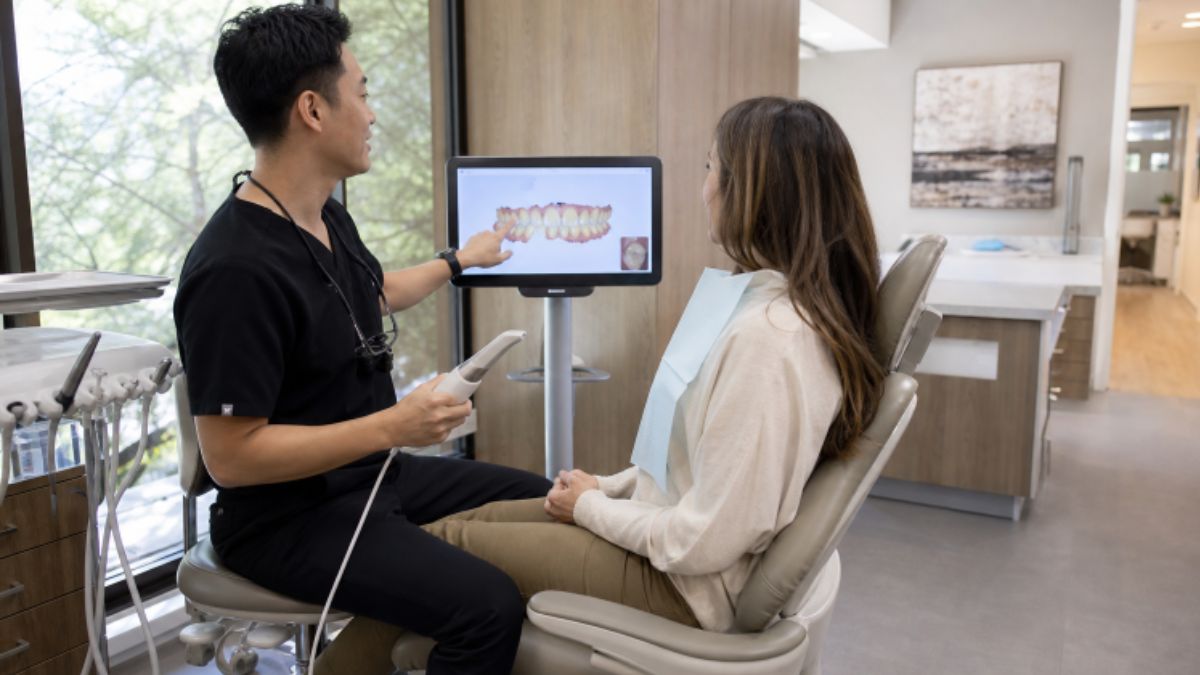
A dental crown is a custom cover that fits over a damaged tooth to restore its shape, strength, and chewing function. If your dentist has recommended dental crowns, one of the first decisions may be whether to choose a same-day crown or a traditional crown made by a dental laboratory.
Both options can protect a weak, cracked, worn, or heavily restored tooth. The better choice depends on more than convenience. Your tooth’s location, the amount of healthy structure remaining, your bite, the desired appearance, and the materials available all matter.
Why A Dentist May Recommend A Crown
A crown is not simply a cosmetic cover. It may be recommended when a tooth has extensive decay, a large failing filling, a crack, significant wear, or damage after trauma. Crowns may also protect teeth that have had root canal treatment or support a bridge or implant restoration. The way crowns restore strength to a damaged tooth helps explain why a dentist may suggest one when a filling alone is unlikely to provide dependable support.
Even a well-made crown does not eliminate the cause of the original problem. Decay can still form at the crown’s edge, gum disease can affect the supporting tissues, and clenching or grinding can place damaging force on the restoration. A complete evaluation should consider the tooth’s long-term outlook, not just the visible damage.
Same Day Crowns Vs Traditional Crowns
How Same-Day Crowns Work
Same-day crowns are commonly created with digital scanning, computer-aided design, and an in-office milling system. After the tooth is prepared, the dental team captures a digital image, designs the restoration, mills it from a ceramic block, and checks the fit and bite during the same appointment. This approach can eliminate the need for a temporary crown and a return visit for final placement.
How Traditional Crowns Work
Traditional crowns generally require at least two visits. At the first appointment, the dentist prepares the tooth and takes a physical impression or digital scan. A temporary crown protects the tooth while a dental laboratory fabricates the final restoration. At a later visit, the dentist removes the temporary, confirms the fit, appearance, and bite, then permanently cements or bonds the final crown.
Potential Advantages And Tradeoffs
- Same-day crowns: They can be convenient for patients who prefer one appointment and want to avoid a temporary crown. However, not every tooth or treatment plan is suitable for same-day fabrication.
- Traditional crowns: They may offer a wider selection of materials and more options for highly detailed esthetic work. The tradeoff is a temporary restoration and an additional appointment.
- Fit and function: Either approach requires careful tooth preparation, bite adjustment, and quality control. The technology used does not replace the need for clinical judgment.
Questions To Ask Before Treatment
Patients can take an active role by asking clear questions before treatment begins. Consider asking:
- Why does this tooth need a crown rather than a filling or an onlay?
- How much healthy tooth structure remains?
- Is a same-day crown appropriate for this tooth and my bite?
- Would a laboratory-made crown offer a material or appearance advantage?
- Does the tooth need a buildup, root canal treatment, or gum care first?
- What will the total estimate include, including temporary and follow-up care?
- What should I do if I grind or clench my teeth?
Comparing Crown Materials
Material selection should match the tooth’s job in your mouth. Front teeth often call for careful shade matching and light reflection, while molars need to tolerate stronger chewing forces.
- All-ceramic and porcelain: Often selected when a natural-looking appearance is especially important.
- Zirconia: A ceramic option known for strength and frequently considered for teeth exposed to heavy biting forces.
- Porcelain-fused-to-metal: Combines a metal framework with a porcelain outer layer, although the porcelain can chip over time.
- Metal: Durable and typically used where appearance is less of a concern, such as some back teeth.
- Resin: Often used for temporary crowns because it is generally less durable than many final crown materials.
Let your dentist know about metal sensitivities, past restoration problems, chewing habits, and nighttime grinding. These details can affect which material is appropriate.
When Another Restoration May Be Better
A crown is sometimes the right treatment, but it is not automatically the most conservative one. A filling may be enough when the tooth has limited damage and sufficient healthy structure. An inlay or onlay may restore a moderately damaged area while preserving more of the natural tooth than a full crown. Veneers are different because they primarily cover the front surface of a tooth and are not designed to replace a crown when broad structural support is needed.
When a tooth cannot be predictably restored, extraction and replacement options may be discussed. An examination and diagnostic images are necessary before choosing among these treatments.
What The Treatment Process May Include
- Evaluation: The dentist reviews symptoms, images, gum health, tooth structure, and bite.
- Preparation: Damaged portions are removed, and the tooth is shaped to make room for the crown.
- Scanning or impressions: Same-day treatment generally uses a digital scan, while traditional treatment may use either a scan or a physical impression.
- Temporary protection: Traditional treatment commonly includes a temporary crown while the laboratory makes the final one.
- Final checks: The dentist evaluates the crown’s contacts, margins, color when relevant, and bite before final placement.
What Can Affect The Cost
Crown fees can vary based on the material, tooth location, case complexity, and whether additional treatment is needed. A buildup, root canal, gum treatment, or replacement of an old restoration can change the total. Insurance coverage may also depend on deductibles, annual maximums, waiting periods, and plan rules. Ask for a written, itemized estimate so you understand what is included before treatment starts.
How To Care For A Dental Crown
Long-term success depends on consistent home care and professional monitoring. The daily care recommended for dental crowns includes brushing twice daily with fluoride toothpaste, cleaning between teeth every day, and attending regular examinations and cleanings.
- Avoid chewing ice and other extremely hard items.
- Use a custom night guard if your dentist recommends one for clenching or grinding.
- Clean carefully along the gumline, where plaque can collect around the crown.
- Schedule an evaluation if your bite begins to feel uneven.
Warning Signs To Watch For
Contact a dental professional if you notice persistent pain, a loose crown, a sharp edge, a crack or chip, new swelling, a bad taste, or a change in how your teeth meet. Prompt attention can help protect the underlying tooth and prevent a small concern from becoming a more complicated repair.
The right crown is not chosen by speed or price alone. Compare same-day and traditional options in the context of your tooth’s health, the available materials, your bite, your schedule, and the care needed after placement. A thoughtful discussion with your dentist can help you choose a restoration that supports both comfort and long-term function.
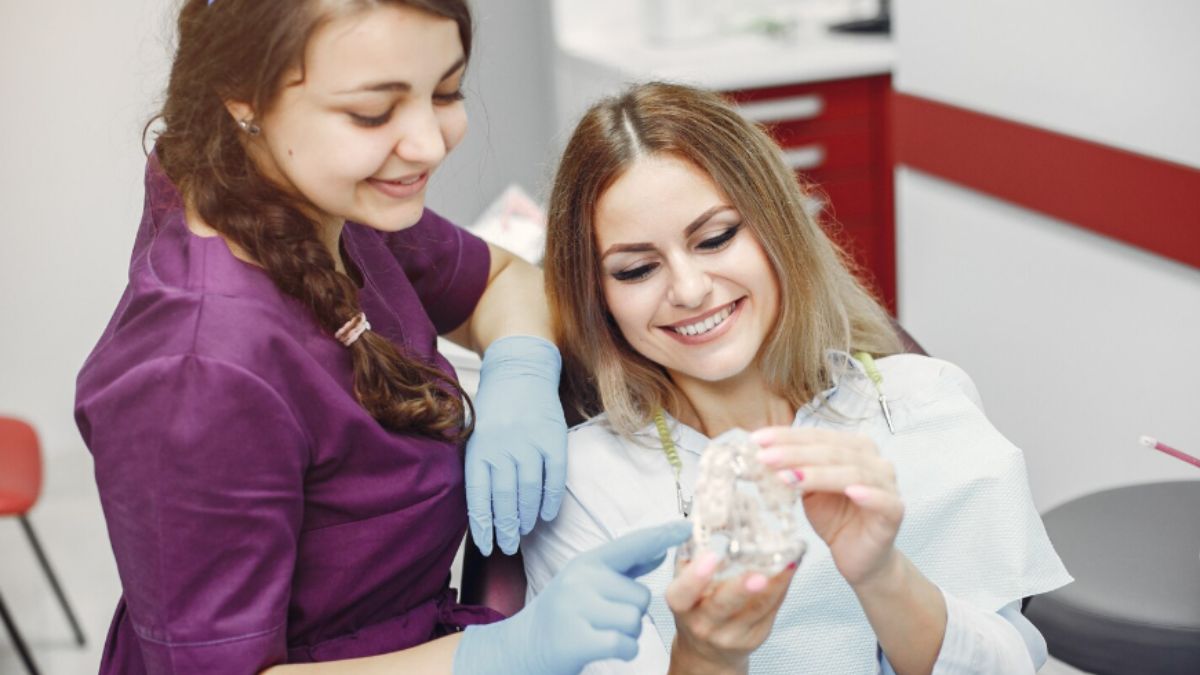
Dental implants have revolutionised the field of restorative dentistry, offering patients a reliable and long-lasting solution for missing teeth. For individuals residing in and around Bowral, options for dental implants in Bowral provide access to advanced procedures that restore both function and aesthetics.
What Are Dental Implants?
Dental implants are artificial tooth roots, typically made from biocompatible titanium, which are surgically inserted into the jawbone. These implants serve as a sturdy foundation for replacement teeth such as crowns, bridges, or dentures. By integrating with the jawbone through a process called osseointegration, dental implants mimic the strength and stability of natural tooth roots.
Advantages of Dental Implants Over Traditional Dentures
Compared to conventional dentures, dental implants offer numerous benefits. For example, implants do not slip or shift during speaking or eating, which significantly enhances patient comfort. Furthermore, they prevent bone loss in the jaw, a common issue associated with missing teeth, by stimulating bone growth and preserving facial structure.
Who Is a Suitable Candidate for Dental Implants?
Candidates for dental implant procedures generally require sufficient healthy bone in the jaw to support the implant. Additionally, good oral hygiene and overall health are important to ensure successful healing and integration. Patients are thoroughly assessed through clinical examinations and imaging techniques to determine their suitability.
The Dental Implant Procedure
The process begins with a detailed consultation and treatment planning to customise the approach according to each patient’s specific needs. The initial surgical phase involves insertion of the titanium implant into the jawbone. Over several months, the implant fuses with the bone, after which an abutment is attached. Finally, the prosthetic tooth or teeth are secured onto the abutment.
Dental Implants in Bowral: Access to Expert Care
Residents seeking dental implants in Bowral benefit from access to experienced clinicians trained in the latest implantology techniques. These professionals prioritise patient comfort and tailored treatment plans to achieve optimal outcomes.
Types of Dental Implants
There are various types of dental implants designed to address differing clinical situations. Endosteal implants, placed within the jawbone, are the most common. Subperiosteal implants, positioned on top of the bone, may be suitable for patients with insufficient bone height.
Immediate versus Delayed Implant Placement
Implant placement can be immediate, occurring at the same time as tooth extraction, or delayed, after the extraction site has healed. The choice depends on factors such as bone quality, infection, and overall patient health.
Restoration Options Supported by Dental Implants
Dental implants can support single crowns for individual tooth replacements or bridges to replace several teeth. Implant-supported dentures provide improved stability and function compared to traditional removable dentures.
Maintaining Dental Implants
Proper oral hygiene is paramount to ensure the longevity of dental implants. Regular brushing, flossing, and professional dental cleanings contribute to healthy gums and the prevention of peri-implant diseases.
Potential Risks and Considerations
While dental implants boast high success rates, potential complications include infection, implant failure, or nerve damage. Careful evaluation and adherence to post-operative instructions reduce these risks.
Cost Considerations for Dental Implants
The expense of dental implants varies based on the complexity of the case, type of implant used, and additional procedures such as bone grafting. Patients are encouraged to discuss financing options and insurance coverage with their dental provider.
The Impact of Dental Implants on Quality of Life
Restoring missing teeth with dental implants enhances not only oral function but also self-esteem and overall quality of life. Patients report increased confidence when eating, speaking, and smiling.
Technological Advances in Implant Dentistry
Modern technologies such as 3D imaging, computer-guided surgery, and high-precision implant materials have improved the accuracy, safety, and success of dental implant procedures.
Choosing the Right Implant Provider in Sydney
Selecting a qualified provider with specialised training and extensive experience in implant dentistry is crucial. Patients in Sydney and Bowral benefit from clinics that combine expertise with personalised patient care.
Conclusion
Dental implants represent a significant advancement in addressing tooth loss, offering a durable and natural-looking solution. With expert availability for dental implants in Bowral, patients in the region can access cutting-edge treatments to transform their smiles and regain oral function effectively.
-

 NEWS1 year ago
Historical Churches in Manila
-

 TOPIC2 months ago
Unveiling AvTub: Your Ultimate Guide to the Best AV Content
-

 TOPIC1 year ago
Symbols of Hope: The 15th Belenismo sa Tarlac
-

 TOPIC1 year ago
RIZAL at 160: a Filipino Feat in Britain
-

 TOPIC1 year ago
“The Journey Beyond Fashion” – Ditta Sandico
-

 TOPIC1 month ago
Understanding Fascisterne: Origins and Ideological Roots
-

 TOPIC1 year ago
Simbang Gabi and Kakanin
-

 NEWS4 months ago
What Caused Delta Flight DL275 to Diverted LAX? A Detailed Breakdown